Camping gear has long been treated as a category where incremental improvements are enough. Lighter fabrics, faster setup, better weather resistance. Useful, certainly, but rarely transformative. Recently, however, a handful of designers have begun challenging the tent itself, questioning assumptions that have remained largely unchanged for decades. The result is a wave of ideas that rethink not only how shelters are built, but also how they generate energy, connect people with their surroundings, and simplify the entire outdoor experience.
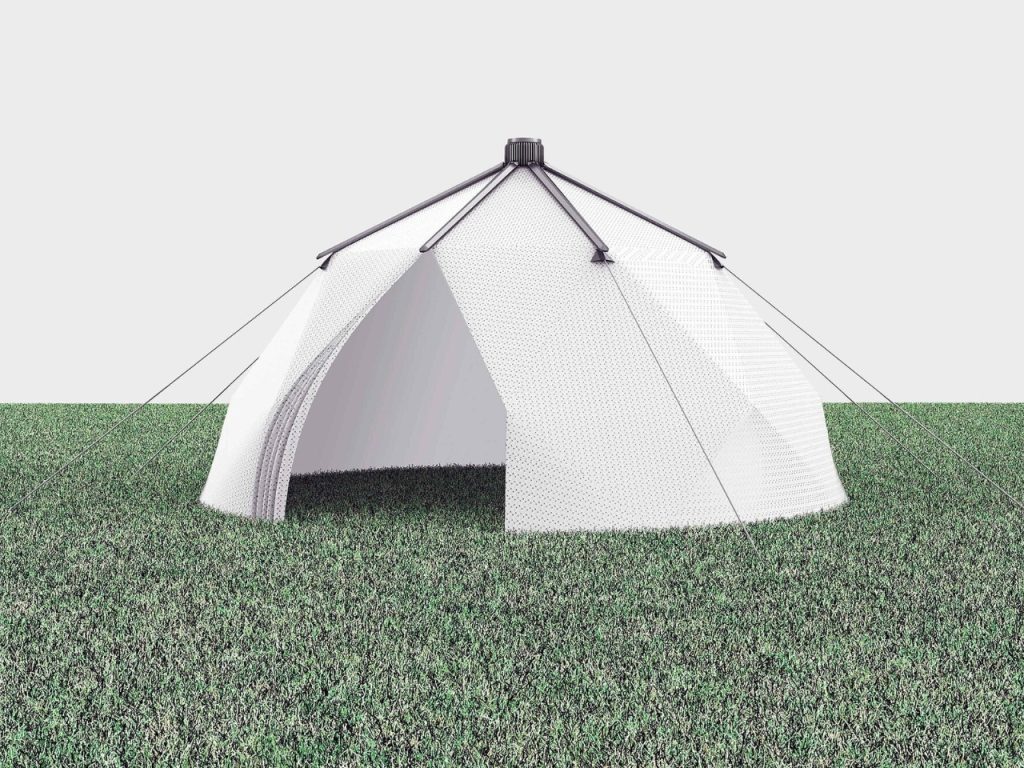
Solar powered tent by Zhong Xu, Li Baoyu, Pan Yiyuan, and Li Xueyan
Anyone who has camped in the height of summer knows the familiar routine. A cool night quickly gives way to an unbearably hot morning, with the tent transforming into an oven long before breakfast. While portable air conditioners exist, they often rely on bulky batteries, noisy generators, or campsite hookups that undermine the freedom of off-grid camping. That common frustration inspired designers Zhong Xu, Li Baoyu, Pan Yiyuan, and Li Xueyan to imagine an elegant alternative, earning their solar-powered camping tent air conditioner concept recognition at the Red Dot Design Awards.
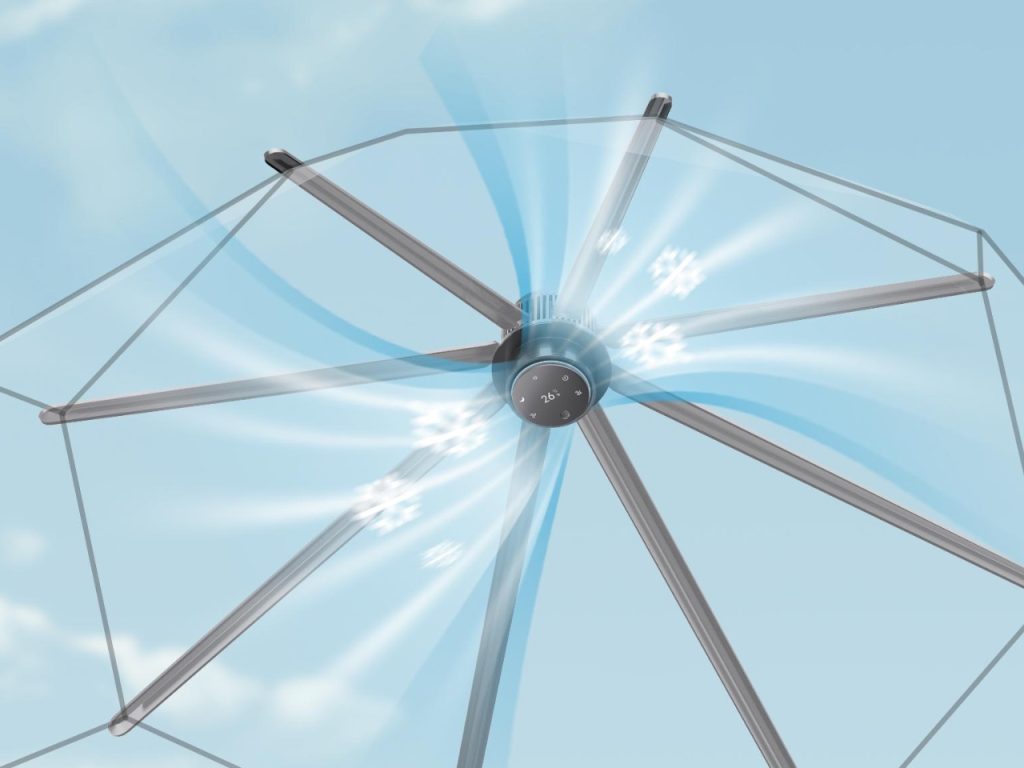
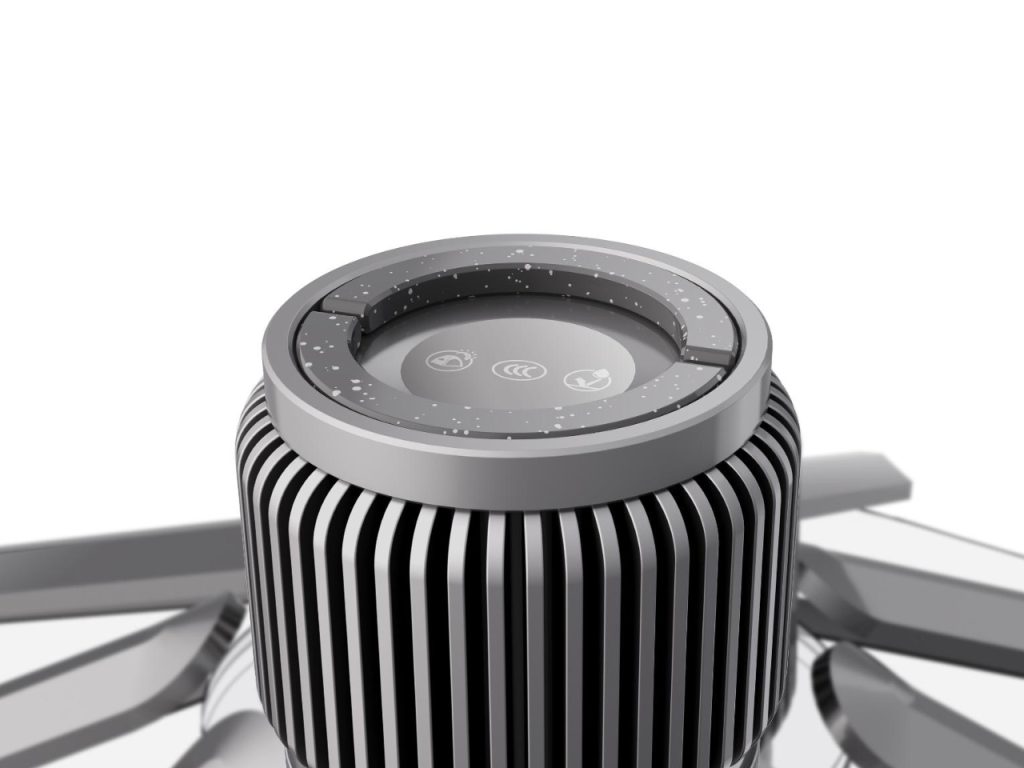
Solar powered tent by Zhong Xu, Li Baoyu, Pan Yiyuan, and Li Xueyan
What makes the project stand out is its holistic approach. Rather than attaching an air conditioning unit to a conventional tent, the designers integrated energy generation directly into the shelter itself. The composite tarpaulin fabric doubles as a solar collector, converting sunlight into the power needed to cool the interior. The same sun responsible for overheating the tent becomes the energy source for solving the problem, turning an environmental challenge into a functional advantage through smart material design.
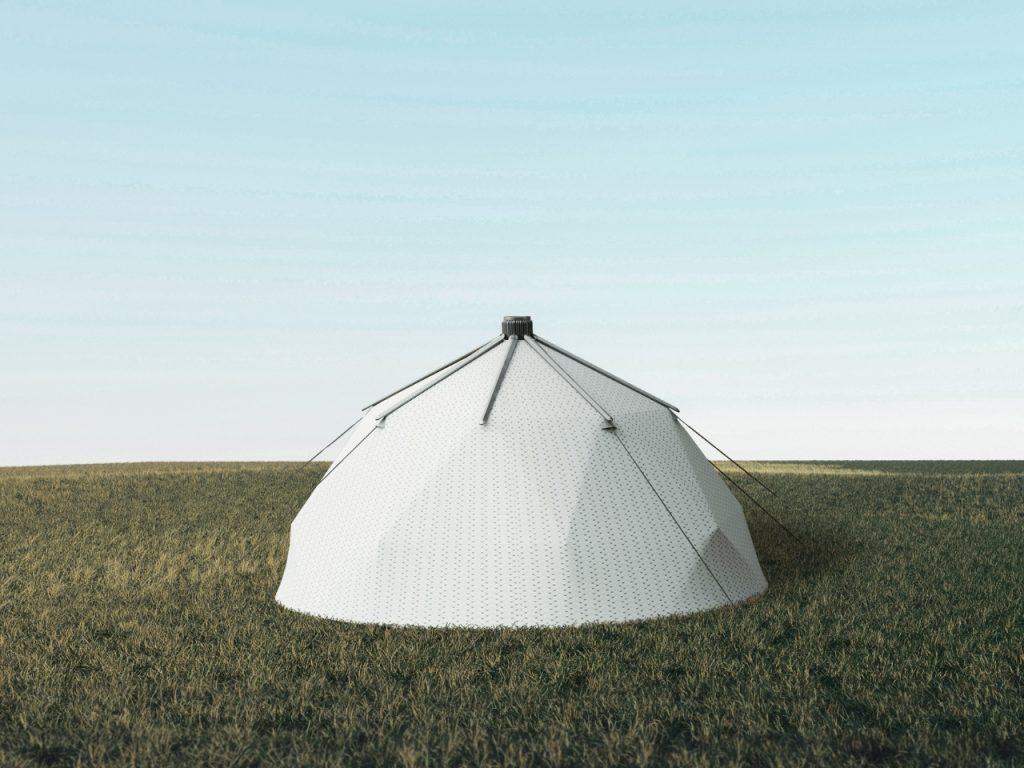
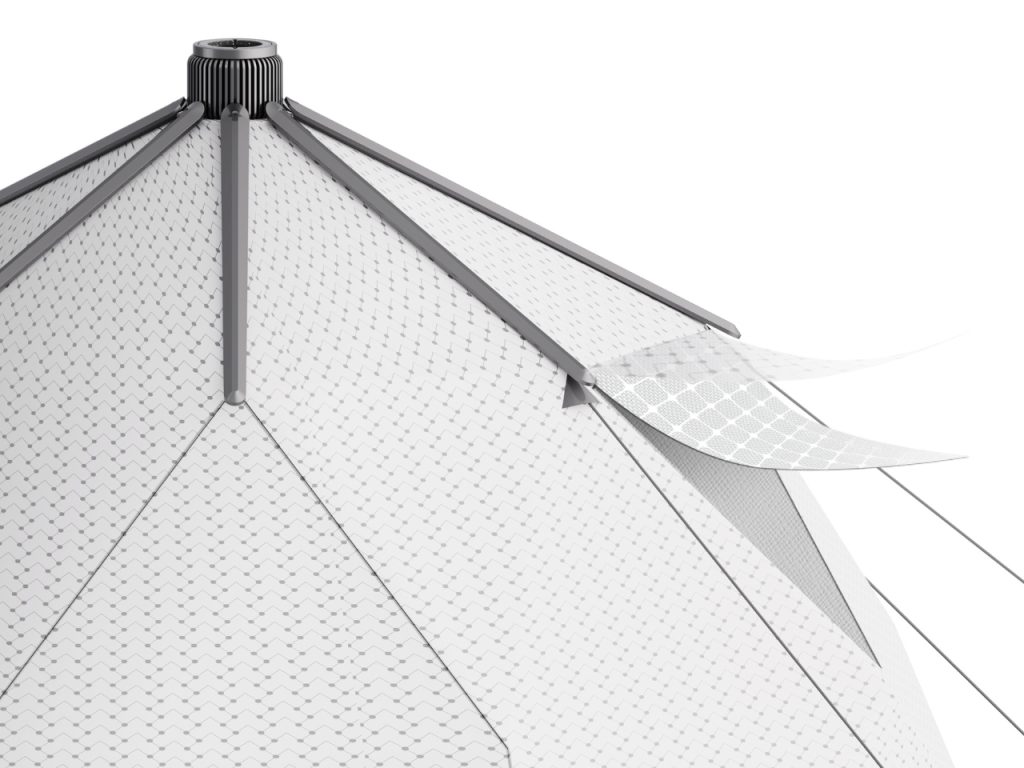
Solar powered tent by Zhong Xu, Li Baoyu, Pan Yiyuan, and Li Xueyan
The concept also reflects a broader shift toward integrated product ecosystems. By embedding power generation and cooling into the tent’s architecture, the design reduces the number of separate components campers need to transport and assemble. The result is a cleaner, more streamlined experience that aligns with the growing demand for products that simplify outdoor adventures without sacrificing sustainability.
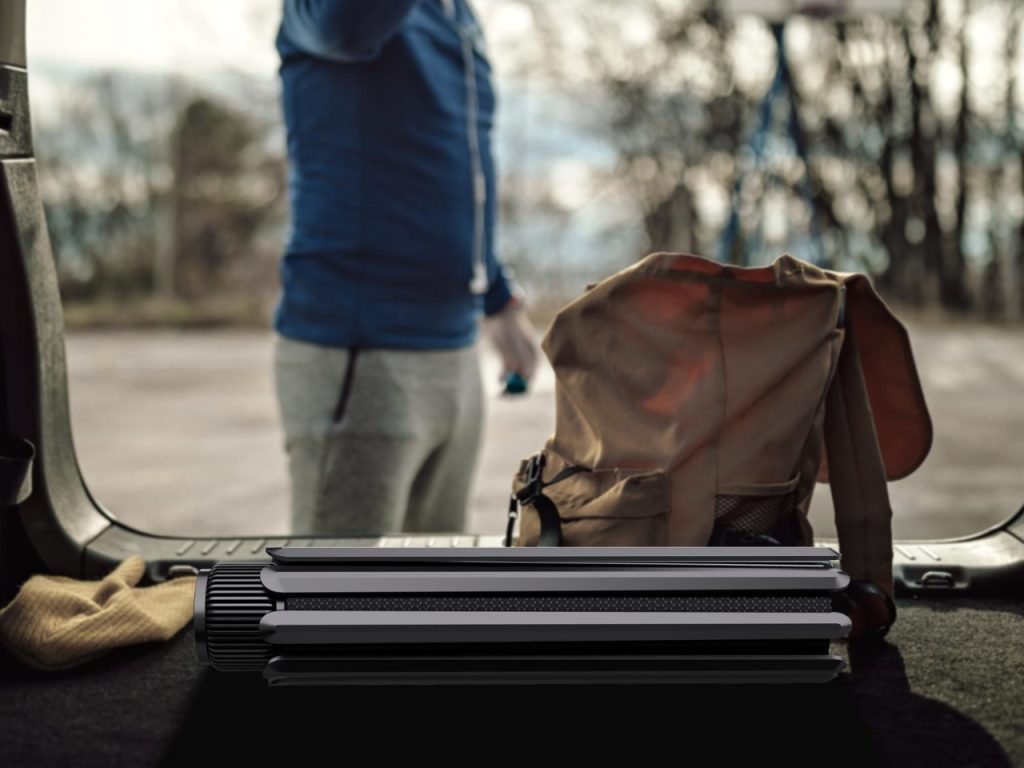
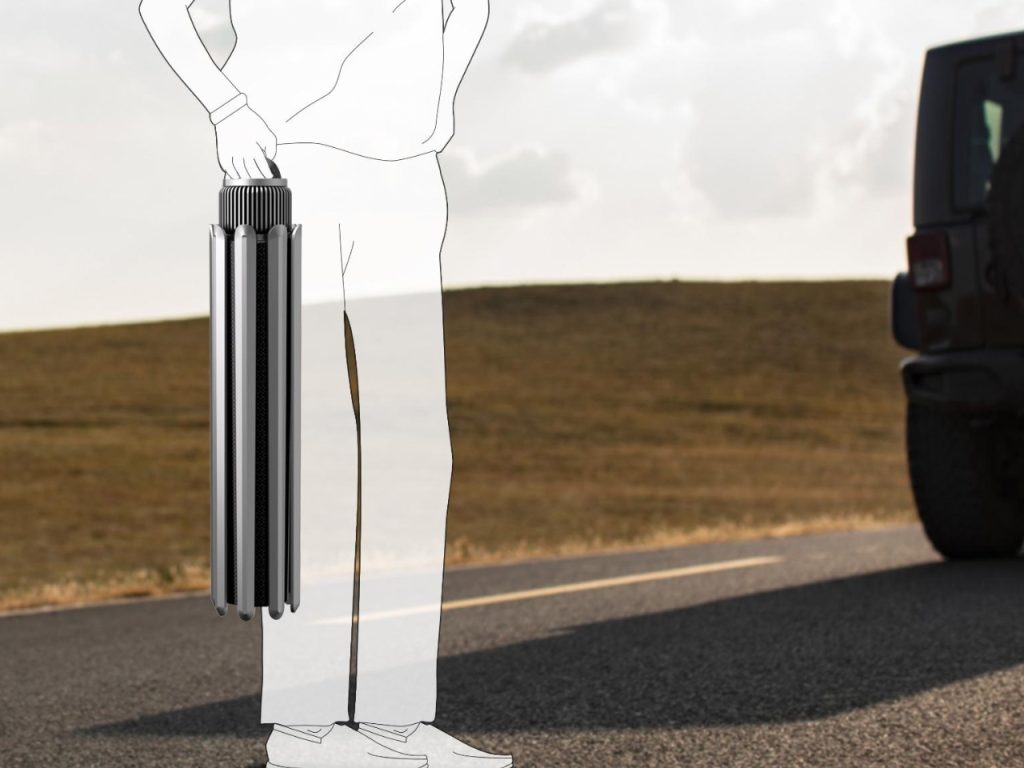
Solar powered tent by Zhong Xu, Li Baoyu, Pan Yiyuan, and Li Xueyan
Although the project remains a concept, its significance extends beyond its current stage of development. Instead of treating camping discomfort as inevitable, it challenges designers and manufacturers to rethink how outdoor gear can actively improve the experience while remaining environmentally responsible.
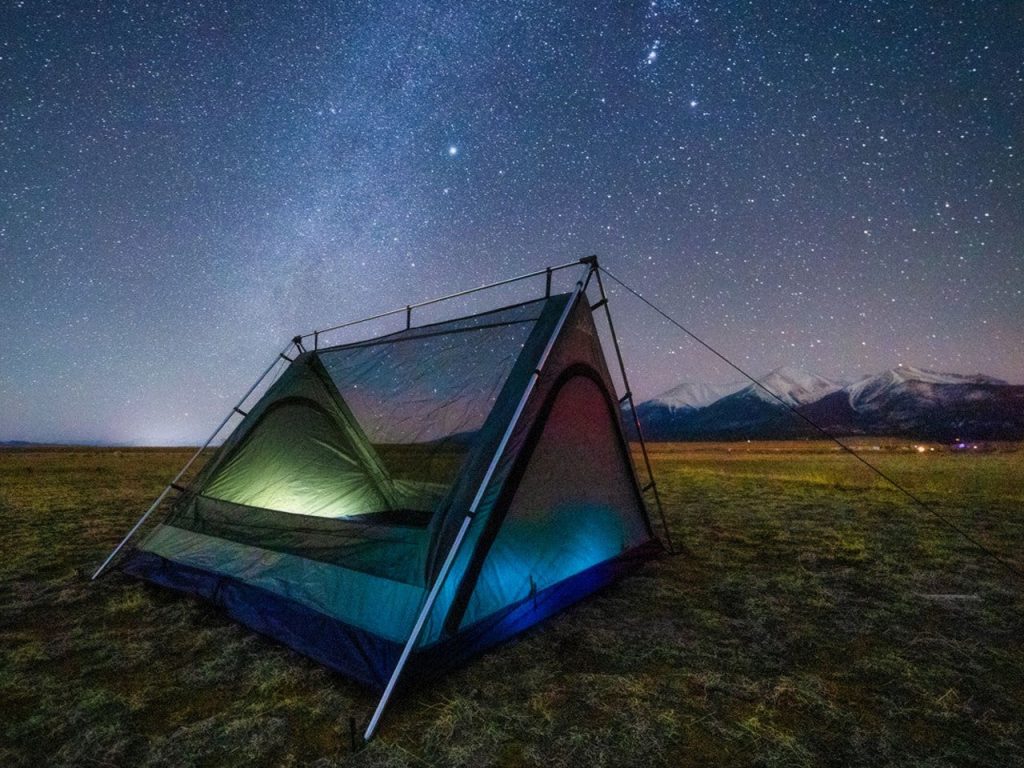
Sky View Tents by Joe Bissonnette
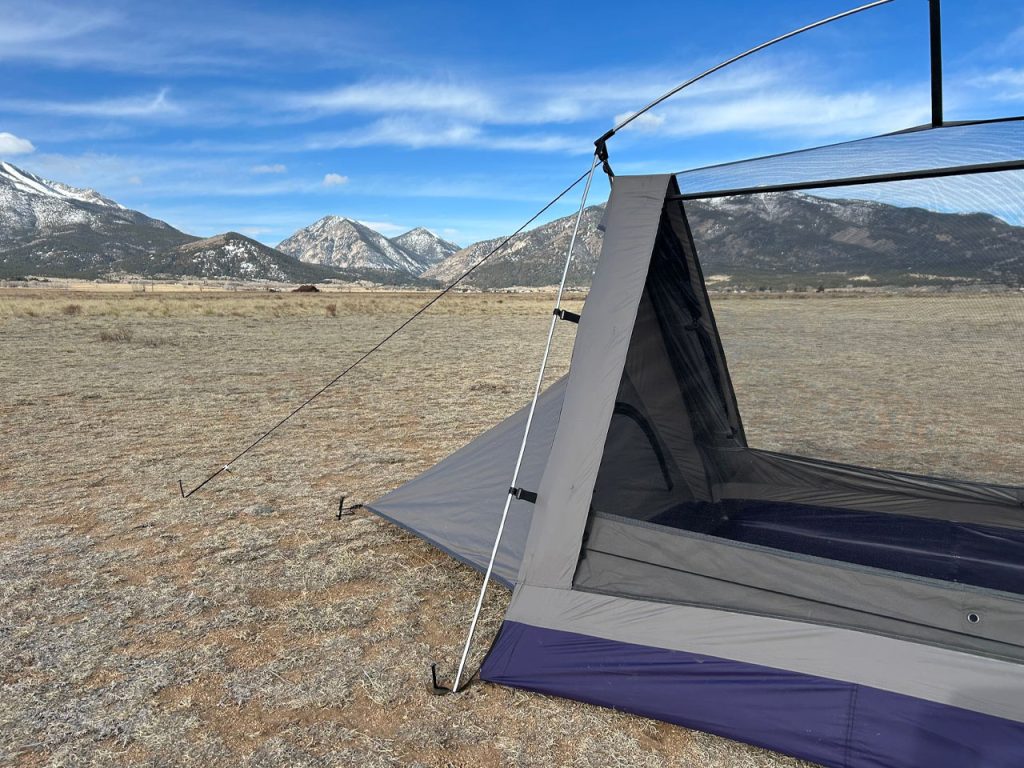
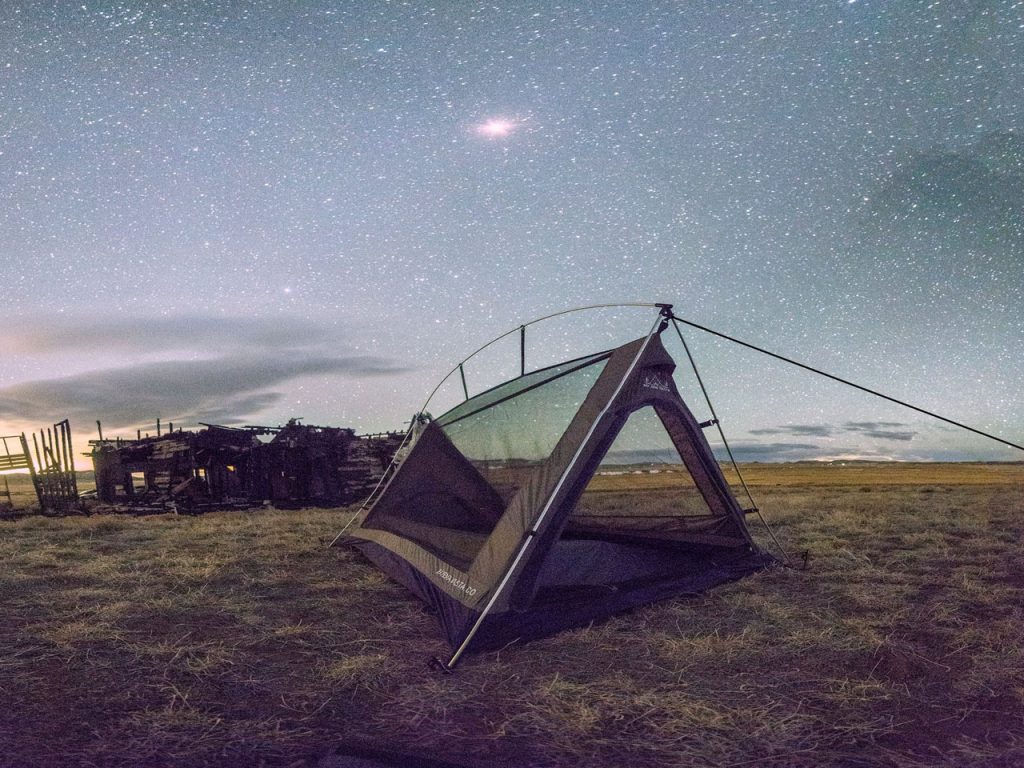
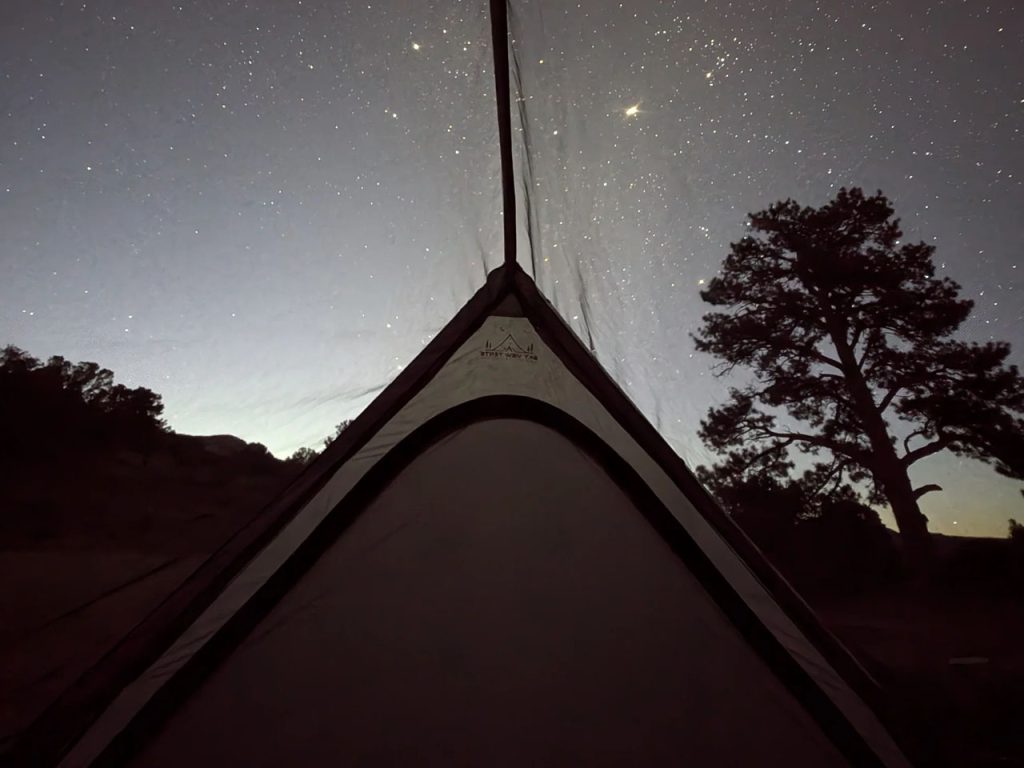
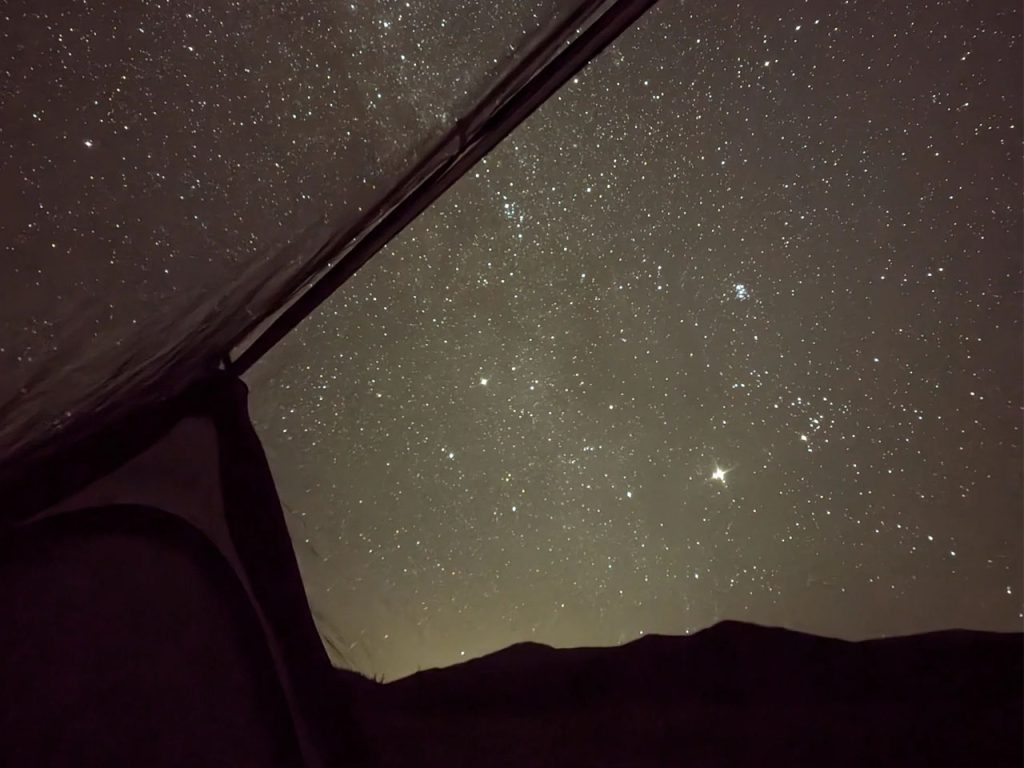
While some designers focus on physical comfort, others recognize that camping is equally about emotional experiences. Few moments capture that better than lying beneath a clear night sky, watching constellations emerge overhead. Sky View Tents was born from that simple desire, with founder Joe Bissonnette creating a shelter that makes the night sky the centerpiece of the camping experience rather than something viewed from outside the tent.
Sky View Tents by Joe Bissonnette
Designed and hand-built in Buena Vista, Colorado, the tents use crystal-clear UltraVue polyester mesh to create an immersive panoramic view. Unlike conventional tents that separate campers from their surroundings, Sky View blurs the boundary between shelter and landscape. The transparent design appeals not only to campers seeking memorable nights outdoors but also to astrophotographers who require unobstructed views while remaining protected from insects and the elements.
Sky View Tents by Joe Bissonnette
The company’s most inventive contribution, however, lies in a feature that addresses a practical weakness common to transparent tents. Instead of forcing campers to exit the tent when unexpected weather arrives, Sky View developed an internally deployable rainfly that can be closed entirely from inside. This subtle architectural change dramatically improves usability, allowing campers to remain warm, dry, and comfortable without interrupting the experience of watching the sky.
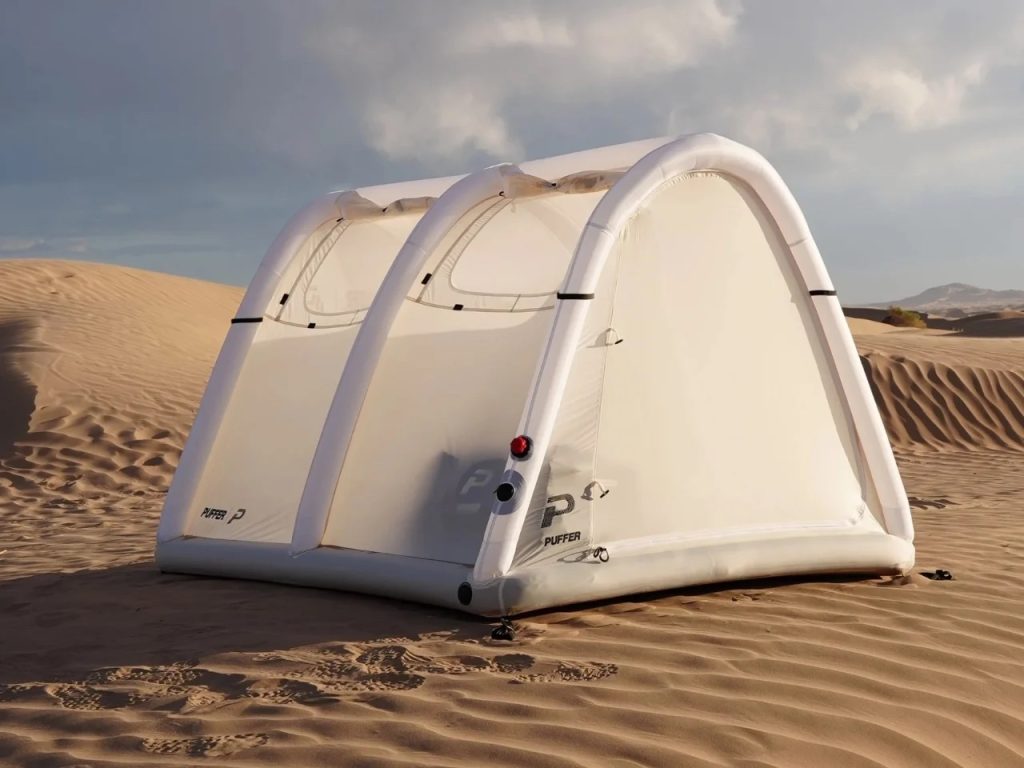
Puffer tent by Sam Peery
If the first two designs enhance camping through new features, Puffer questions the tent itself. For decades, campers have accepted the familiar ritual of wrestling with poles, threading sleeves, and assembling shelters after sunset. It is a process so ingrained that many consider it part of the adventure. Puffer’s founders saw it differently. Instead of improving the traditional formula, they removed one of its defining elements altogether.
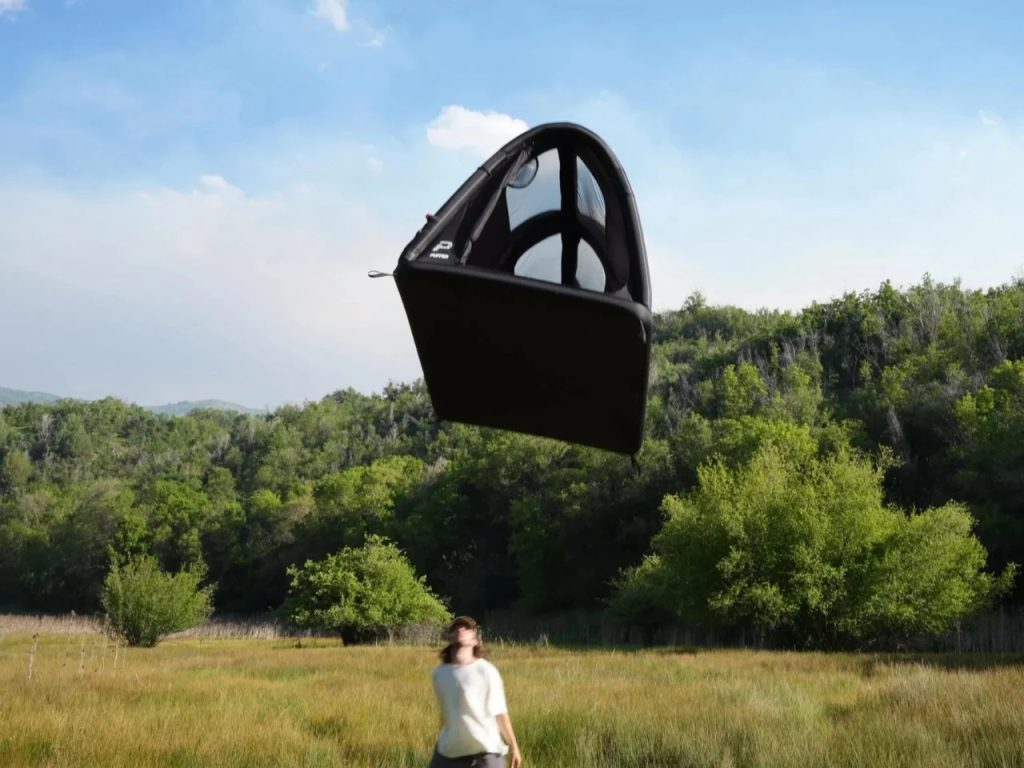
Puffer tent by Sam Peery
The Utah-based company replaces rigid poles with inflatable air chambers that form the tent’s entire structure. Setup is remarkably straightforward. Unroll the tent, connect the included electric pump, and let the system inflate itself. Within approximately two minutes, both the airframe and the integrated air mattress reach the correct pressure automatically. By consolidating shelter and sleeping surface into one unified system, Puffer eliminates several of the most time-consuming steps associated with setting up camp.
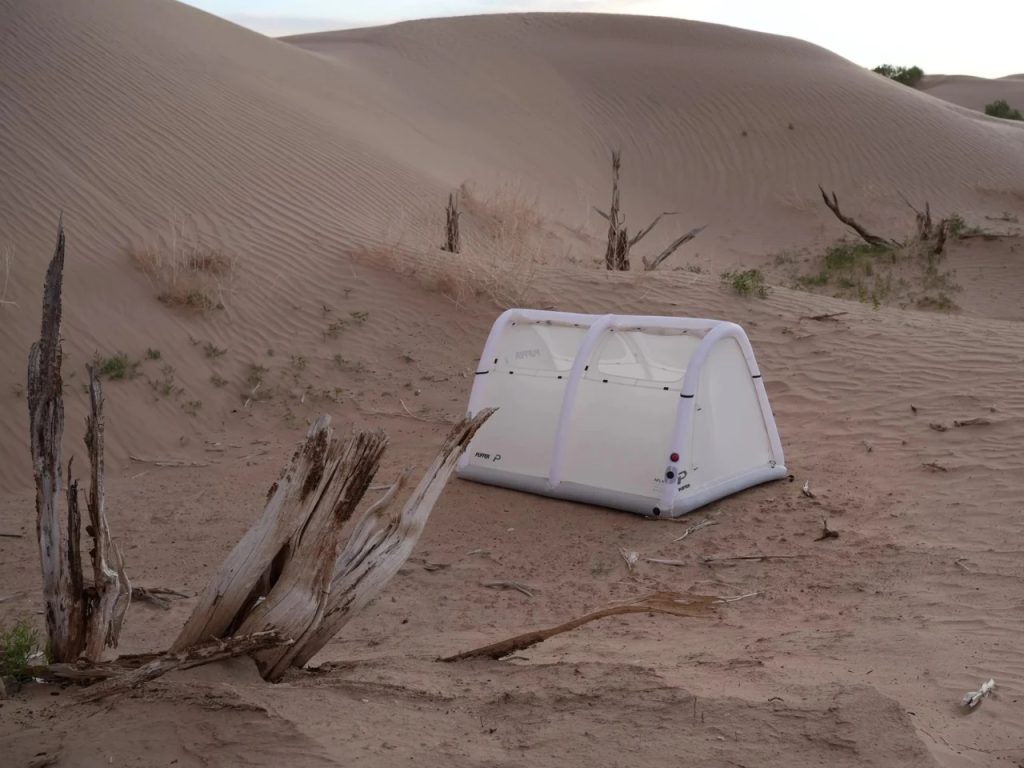
Puffer tent by Sam Peery
Beyond its engineering, the tent demonstrates careful industrial design. Its curved inflatable arches create a silhouette that feels contemporary without sacrificing functionality, while the integrated air mattress reflects an understanding of how users actually camp. Founder Sam Peery spent five years refining the concept alongside his wife Bree, who helped sew and heat-seal early prototypes by hand. That extended development process is visible in the product’s thoughtful details, from intuitive valve placement to clearly labeled pressure indicators that make operation almost self-explanatory.
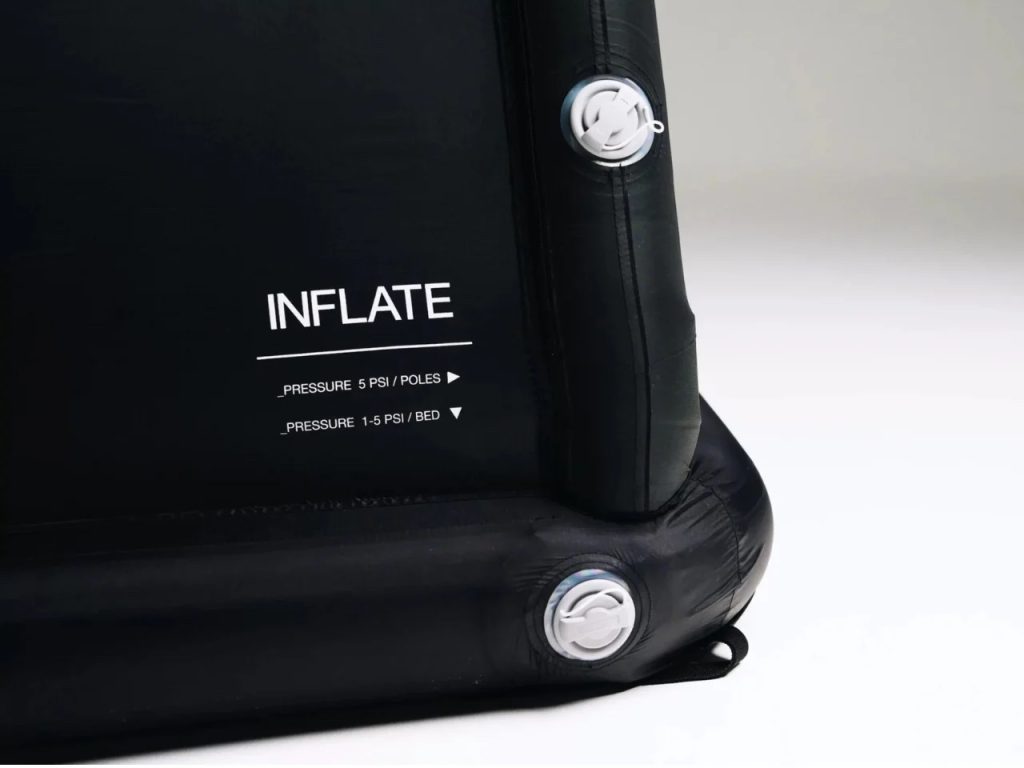
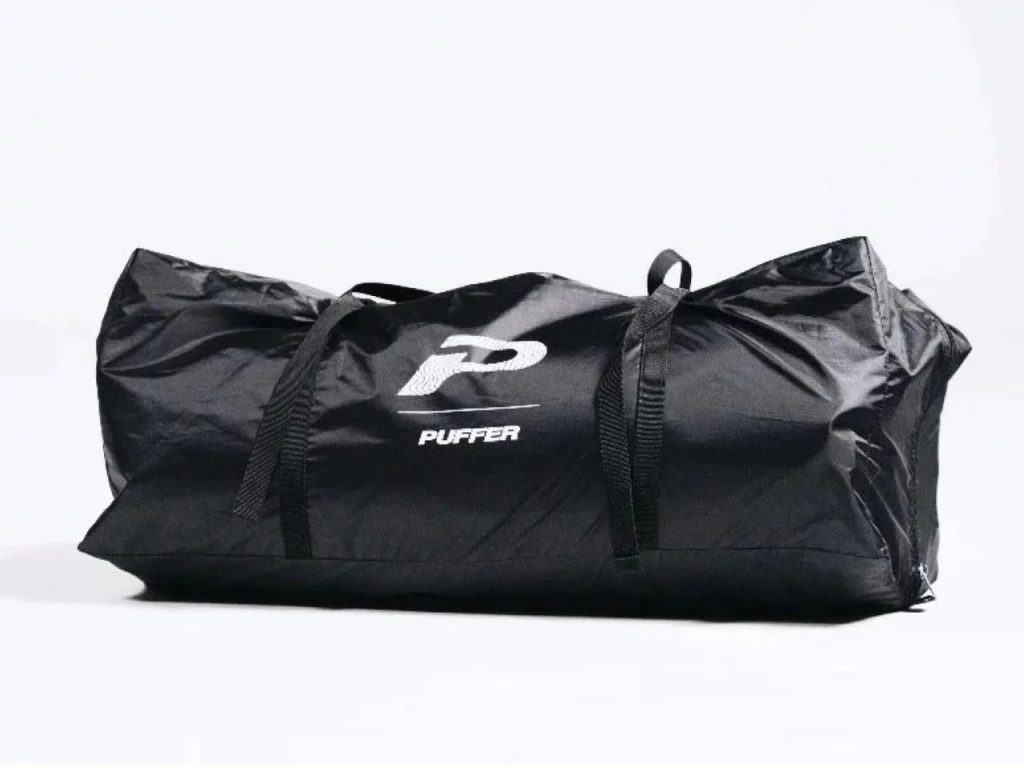
Puffer tent by Sam Peery
At nearly 22 pounds with its full kit, the Puffer is not designed for backpacking. Instead, it targets car campers, overlanders, and festivalgoers who prioritize convenience over ultralight packing.
The future of camping may not be defined by more gadgets, but by products that quietly eliminate friction and let nature remain the main attraction. As designers continue to rethink even the most familiar outdoor equipment, the humble tent is evolving from a passive shelter into an active participant in the camping experience.