The next generation of energy storage is not just about storing more power. It is about rethinking the relationship between technology, people, and the planet. From laboratory breakthroughs to biodegradable materials and living organisms that generate electricity, today’s battery innovations reveal how thoughtful design can transform complex science into solutions that are practical, sustainable, and inspiring. Together, these projects offer a glimpse into a future where design is not an afterthought but a driving force behind technological progress.
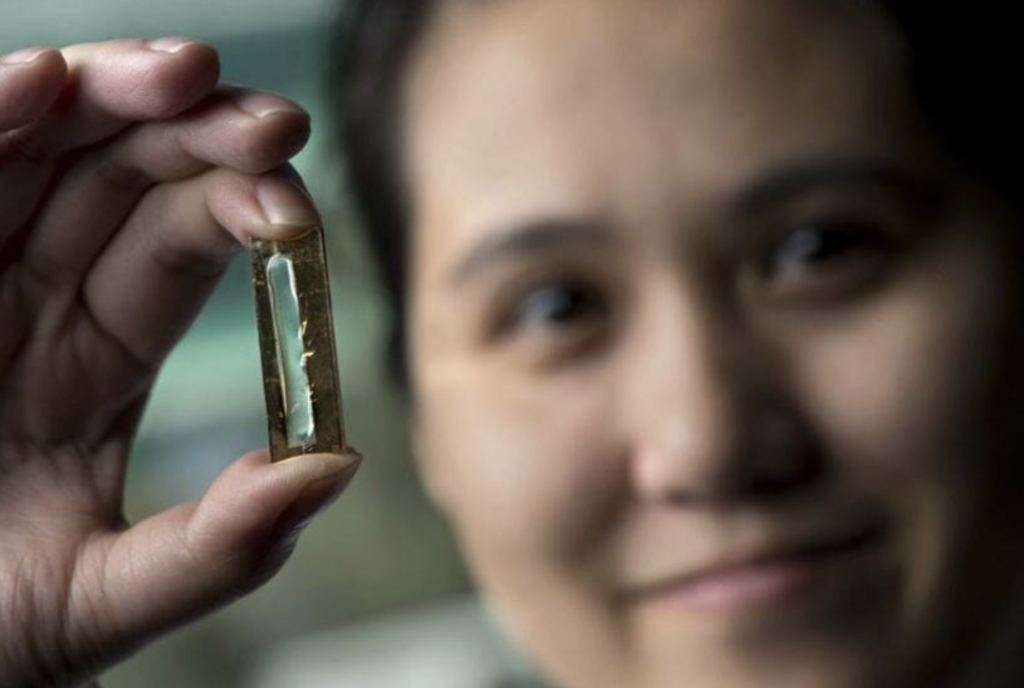
“Eternal” battery by Mya Le Thai at the University of California, Irvine
Some of the world’s most significant innovations begin with careful planning. Others begin with curiosity and a fortunate accident. During her doctoral research at the University of California, Irvine, chemistry student Mya Le Thai stumbled upon a discovery that could dramatically reshape the future of rechargeable batteries. While experimenting with different materials, she coated delicate gold nanowires with an ultra thin gel layer, unintentionally creating a structure capable of surviving an extraordinary number of charging cycles.
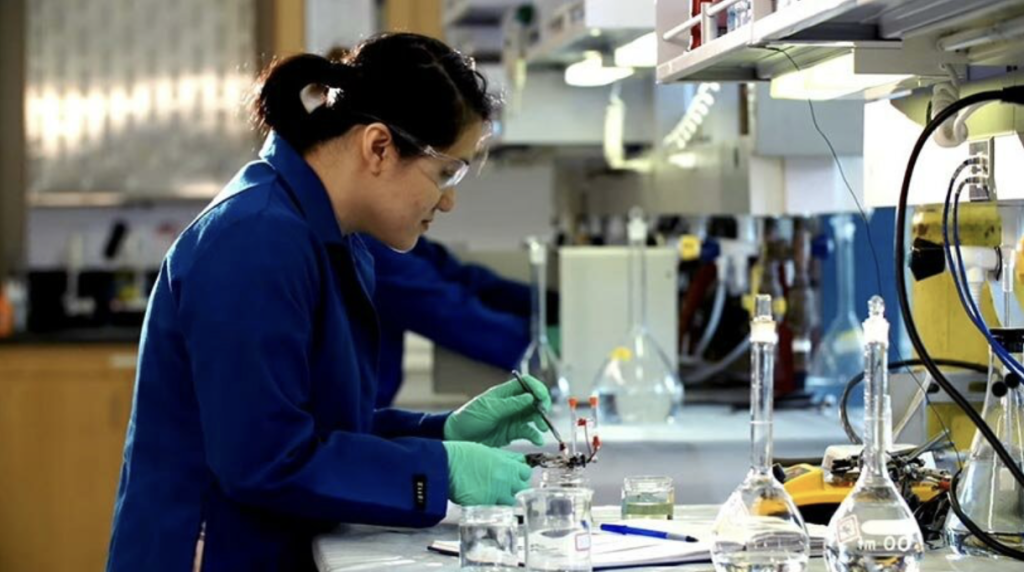
“Eternal” battery by Mya Le Thai at the University of California, Irvine
For years, researchers have viewed nanowires as one of the most promising materials for battery technology. Their exceptional conductivity and enormous surface area make them ideal for storing and transferring energy. The problem has always been durability. Repeated charging and discharging causes the tiny wires to crack and degrade, limiting their usefulness in commercial batteries. Thai’s gel coating changed that equation by giving the nanowires the flexibility they needed to withstand repeated use without breaking.
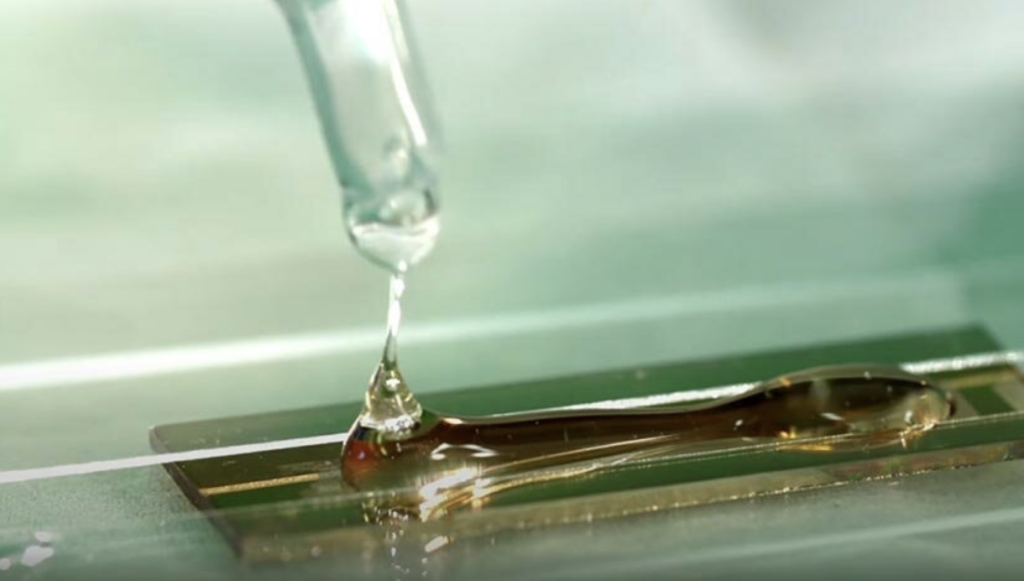
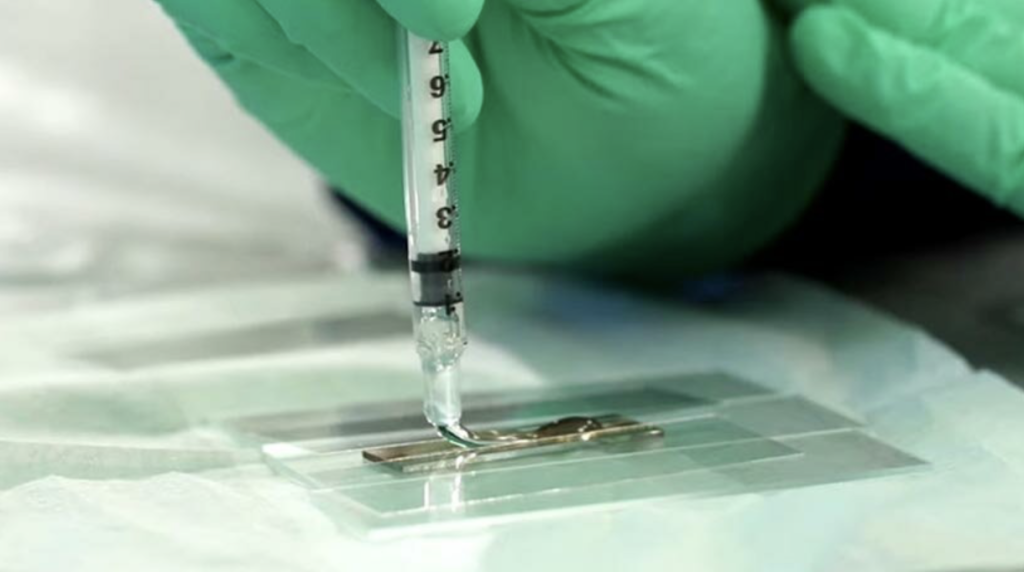
“Eternal” battery by Mya Le Thai at the University of California, Irvine
The research team, led by the University of California, Irvine, combined gold nanowires, a manganese dioxide shell, and a Plexiglas-like gel electrolyte to create a remarkably resilient battery prototype. After nearly 200,000 recharge cycles over three months, the battery showed virtually no capacity loss and no structural damage. Considering that conventional lithium-ion batteries often begin to fail after only a few thousand cycles, the results represent a remarkable leap forward.
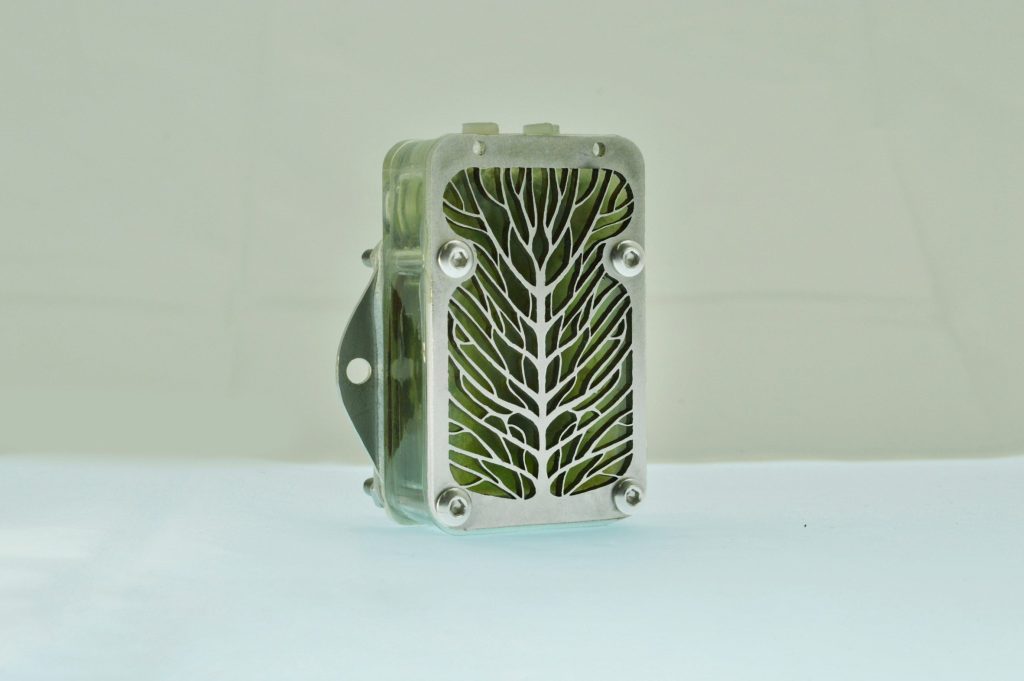
Algae battery by Lucia Giron at the University of Cambridge (also header image)
While some researchers are making batteries last longer, others are questioning whether batteries need conventional chemistry at all. At the University of Cambridge, bio-designer Lucia Giron has collaborated with the Department of Biochemistry to create algae based biophotovoltaic cells that generate electricity through photosynthesis. Instead of relying on mined materials, these living batteries use cyanobacteria to convert light and carbon dioxide into a continuous electrical current.
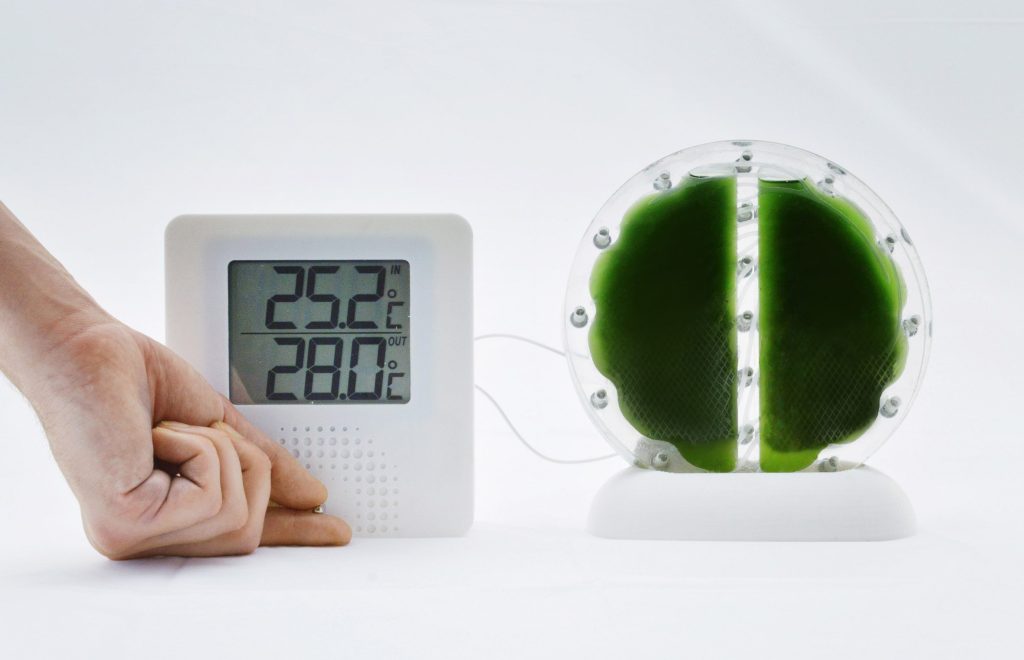
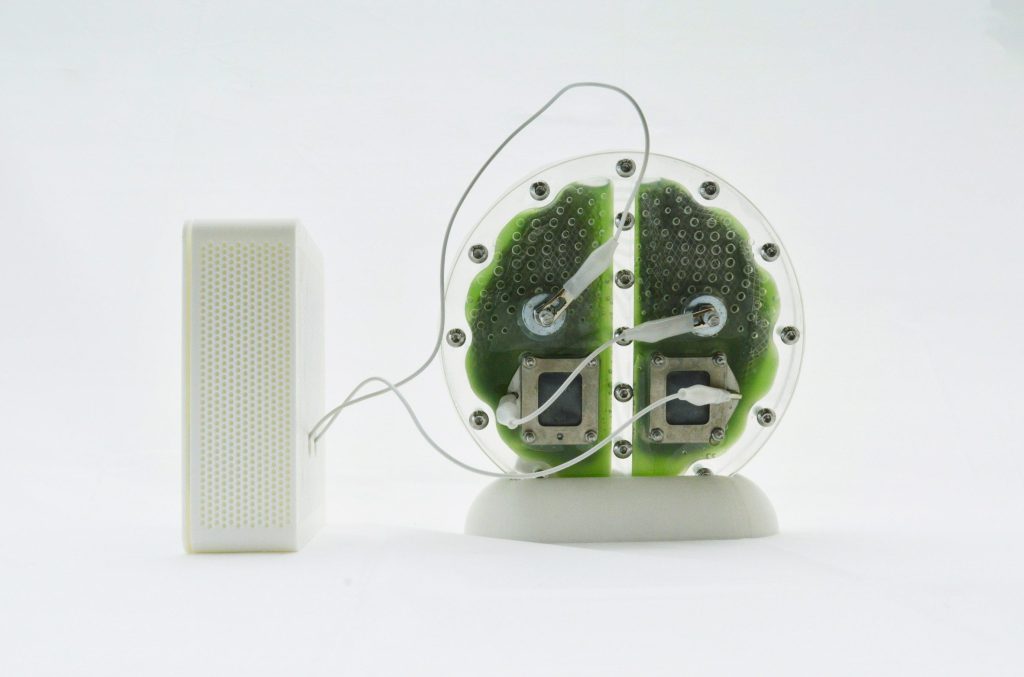
Algae battery by Lucia Giron at the University of Cambridge
The science behind the technology is fascinating, but what makes the project especially compelling is the role of design. Giron’s challenge was not simply to create a functional prototype. She had to design a product that could support the needs of a living organism while remaining understandable and appealing to people. Transparent casings allow light to reach the algae while inviting users to observe the biological process happening inside. Decorative leaf vein patterns visually reference photosynthesis, helping explain the technology without requiring technical expertise.
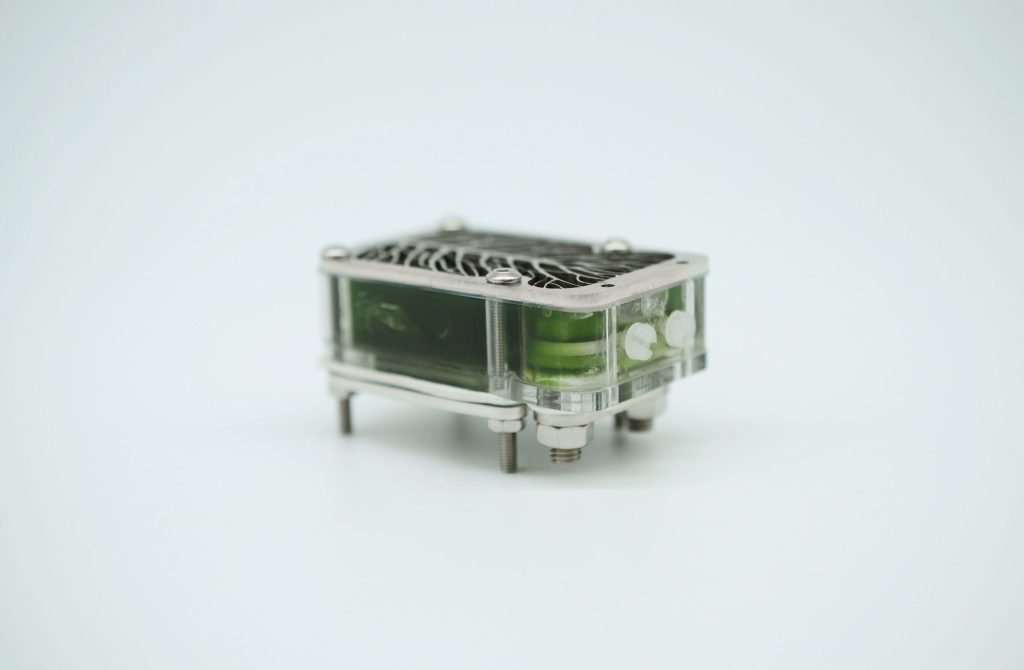
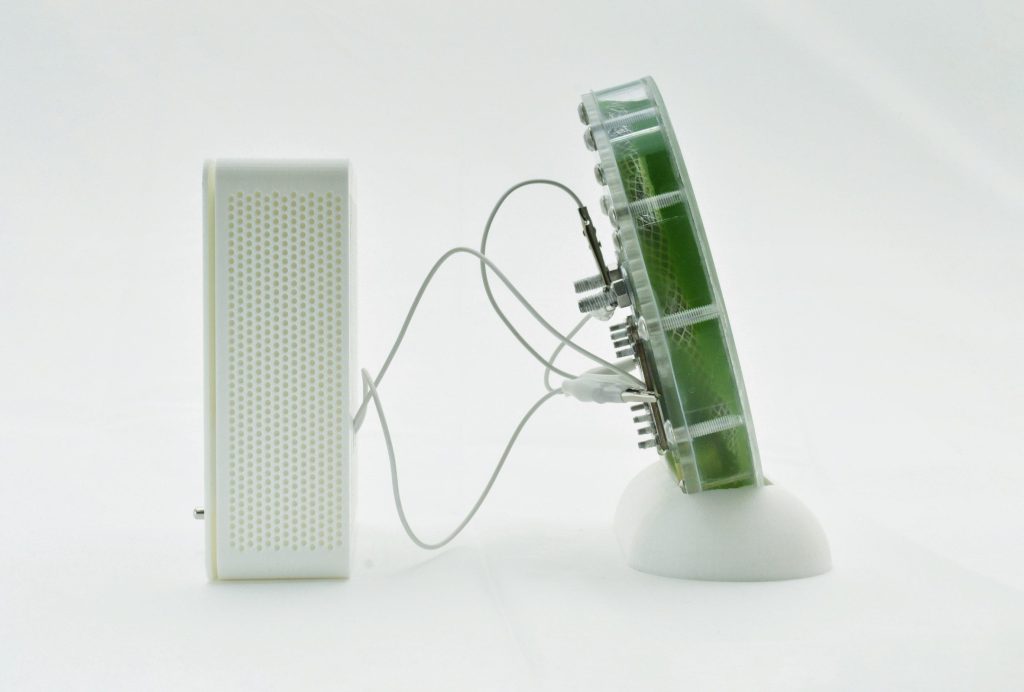
Algae battery by Lucia Giron at the University of Cambridge
The prototypes extend beyond laboratory experiments. The team has developed working demonstrations that power temperature sensors and clock radios, showing how biophotovoltaics might eventually integrate into everyday products. The systems are intentionally visible rather than hidden, encouraging users to think differently about where energy comes from. Instead of concealing the technology behind plastic enclosures, the design celebrates the biological processes that make electricity possible.
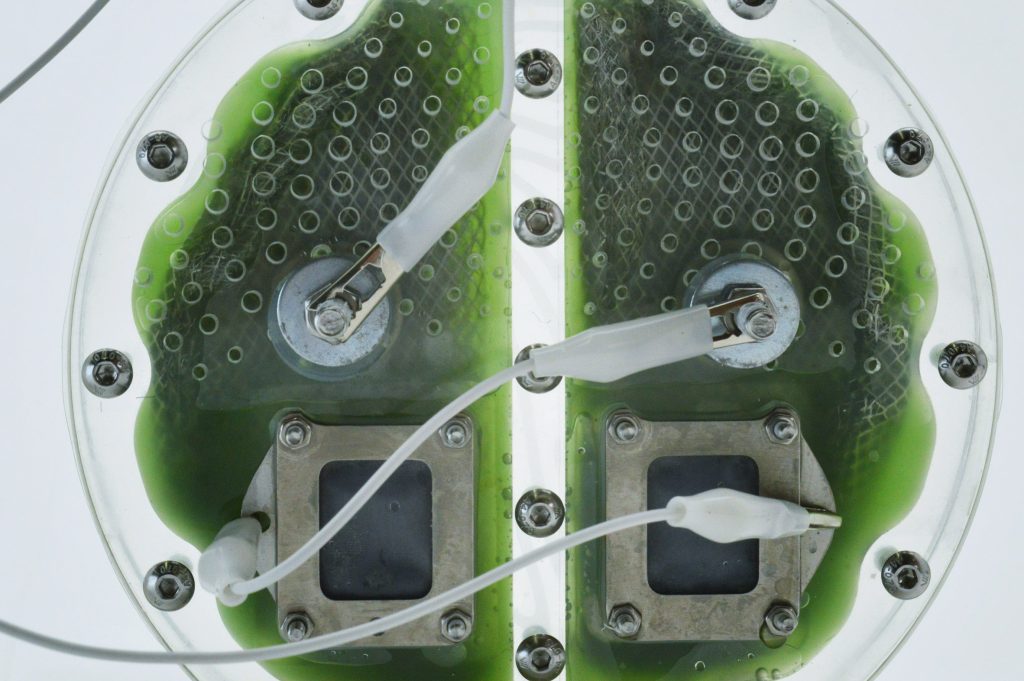

Algae battery by Lucia Giron at the University of Cambridge
This project reflects an emerging philosophy in sustainable design. Rather than distancing people from the systems that power their lives, designers can create products that reveal those systems and foster greater environmental awareness. The algae become more than an energy source. They become a visible reminder that nature itself can participate in the technologies of tomorrow.

Paper Battery by Flint
As demand for batteries continues to rise, another challenge has become impossible to ignore: what happens when they reach the end of their life? Singapore technology company Flint is offering a compelling answer with its rechargeable paper battery, a product designed not only for performance but also for responsible disposal. Recently announced at the Consumer Electronics Show in Las Vegas, the technology has entered commercial production, marking an important milestone for sustainable energy storage.

Paper Battery by Flint
Unlike conventional lithium-ion batteries, Flint’s design eliminates lithium, cobalt, and nickel entirely. Instead, it combines a zinc anode, a manganese cathode, and a water based hydrogel electrolyte inside a vacuum sealed pouch. A cellulose separator gives the product its “paper battery” name while also contributing to its biodegradability. When the battery has reached the end of its useful life, recyclable components can be recovered while the remaining materials naturally decompose in soil within weeks, leaving behind no harmful residues.
The battery’s flexible pouch construction also opens new possibilities for industrial design. Thin, bendable energy storage could reshape consumer electronics, allowing devices to become lighter, slimmer, and more adaptable. Flint has also demonstrated the battery’s impressive safety by puncturing, bending, and exposing it to open flames without leaks, explosions, or combustion. These qualities address some of the most significant concerns associated with today’s battery technologies while expanding the creative freedom available to product designers.
Although the technology is initially targeting handheld electronics through pilot partnerships with companies such as Logitech and Amazon, its long term ambitions extend to electric vehicles, medical devices, homes, and even space applications. More importantly, Flint reminds us that truly innovative design considers the entire lifecycle of a product. As designers increasingly collaborate with researchers, engineers, and biologists, the products of tomorrow will not simply perform better. They will be smarter, more responsible, and more deeply connected to the world they are built to serve.