A chair is more than a place to sit. Its proportions shape how we occupy a space, its materials influence how it feels to use, and its form can turn an everyday activity into a design experience. For designers, seating presents a particular challenge: balancing the practical demands of supporting the body with the freedom to experiment.
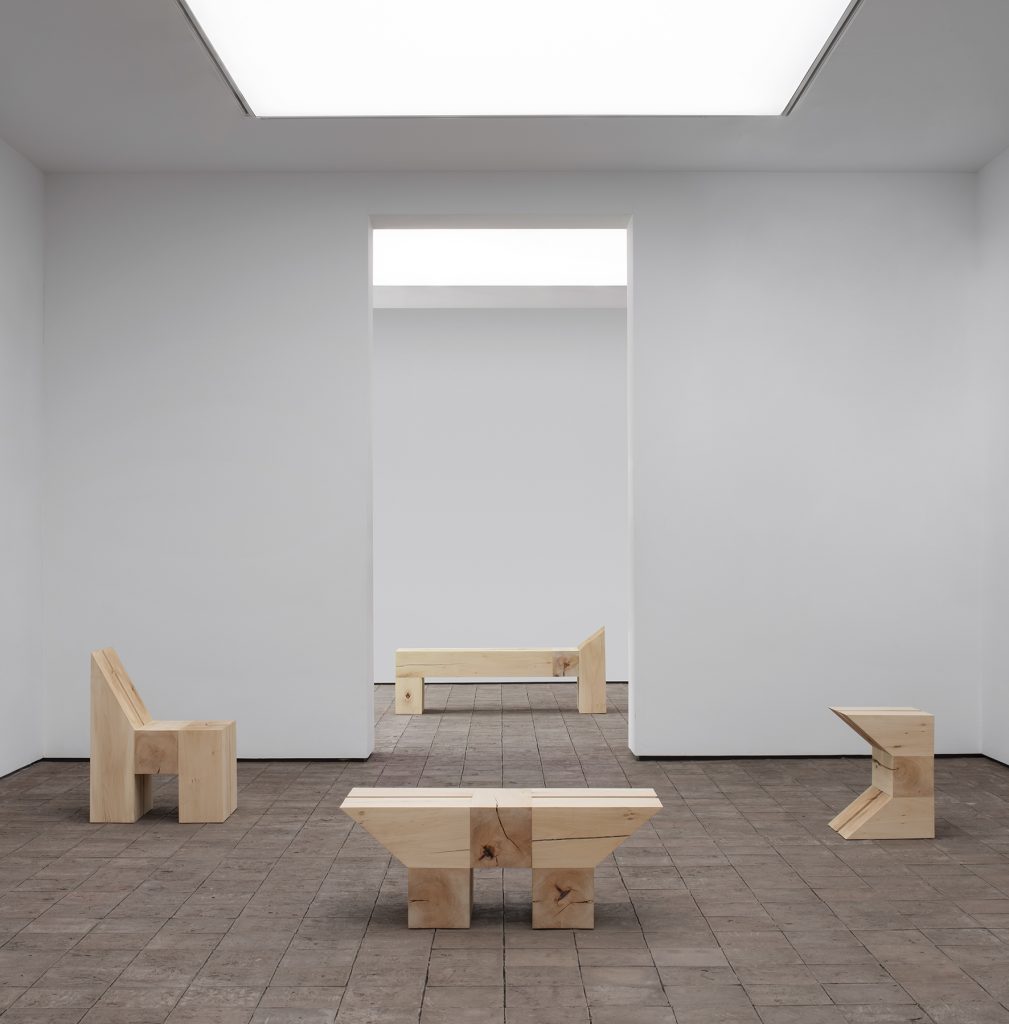
The King’s Hat by Nick Ross
What if the experience of sitting could connect us to centuries of history? Designed by Scottish-Swedish designer Nick Ross for Swedish brand Contem, The King’s Hat collection uses branches pruned from historic linden trees on Kungshatt island in Lake Mälaren, Sweden. Planted in the 1730s on the orders of King Fredrik I, the trees had not been pruned for nearly a century. Their maintenance provided an opportunity to transform the resulting timber into furniture without cutting down the trees themselves. In the chair, this unusual material source becomes part of an everyday interaction: taking a seat means encountering wood shaped by both natural growth and a long history.
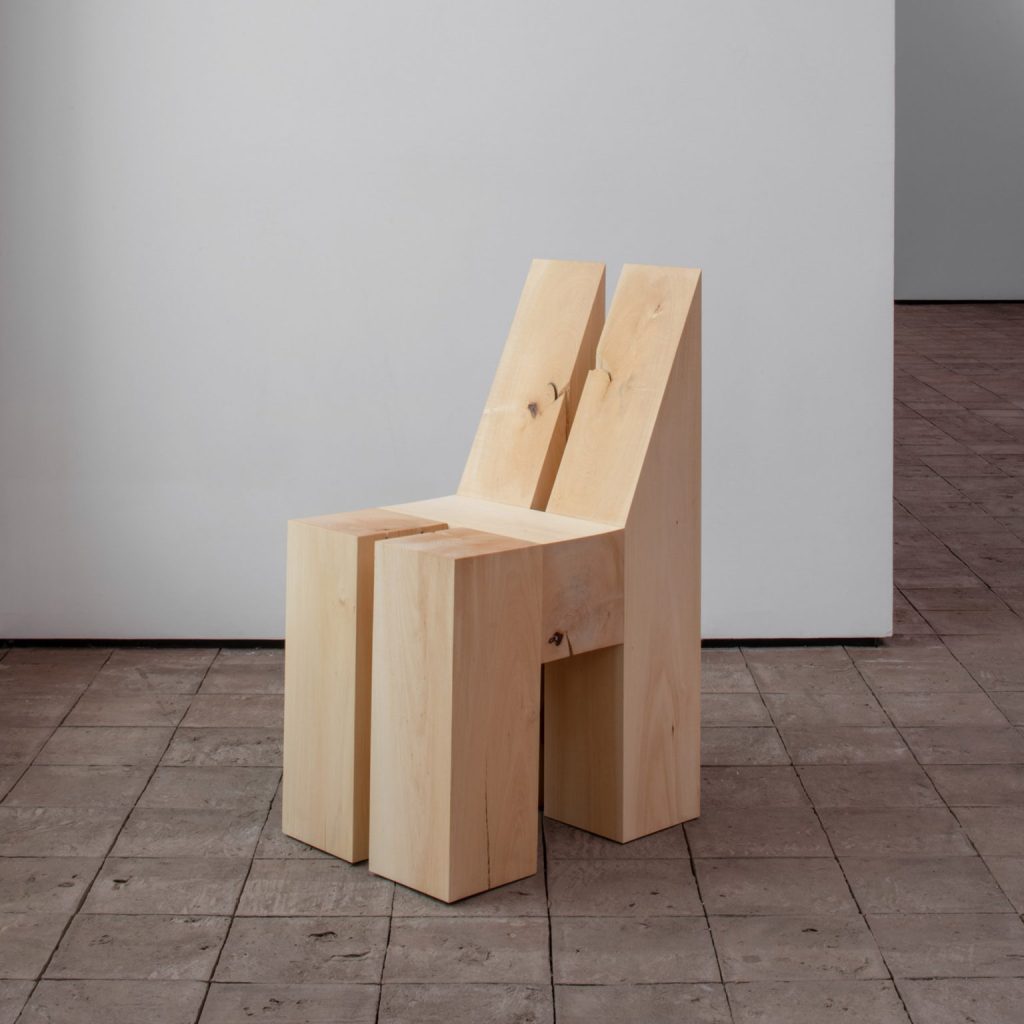
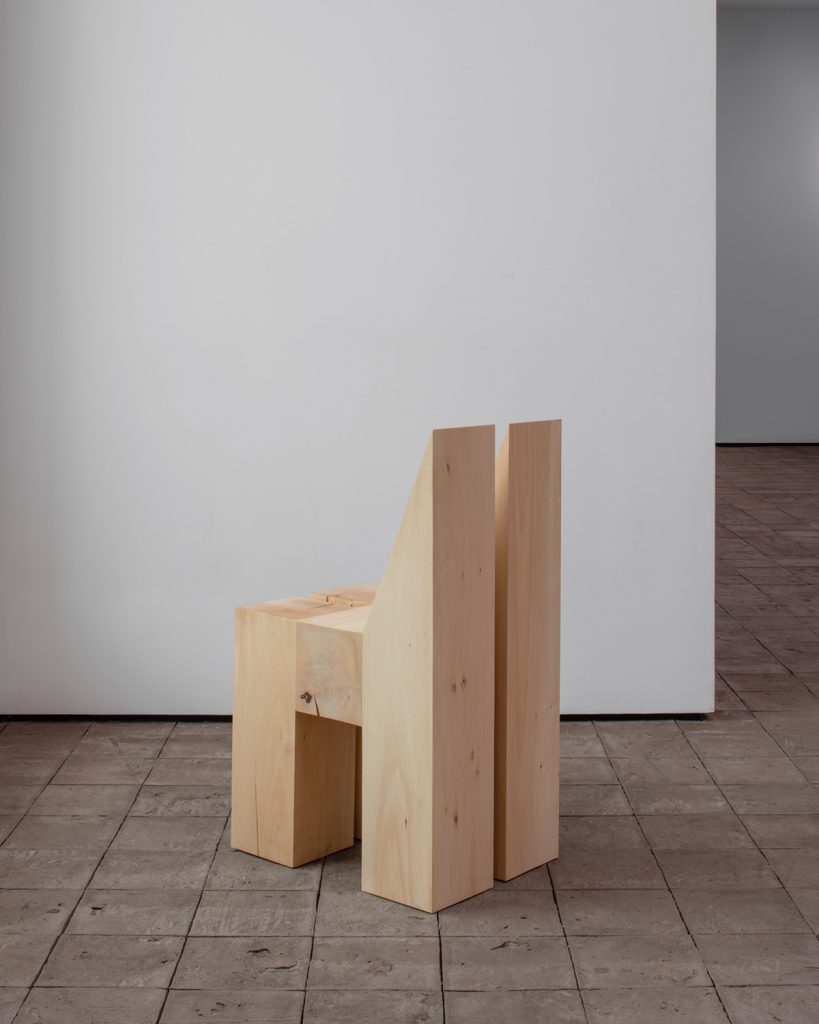
The King’s Hat by Nick Ross
The chair’s distinctive character comes from the way its construction responds to the branches’ natural irregularities. Rather than processing the timber into uniform sections, Ross allows its original shapes to inform the design, giving the seat an expressive, architectural silhouette. This approach challenges the standardised geometry often associated with chairs, where consistency of structure and appearance tends to dominate. Here, the wood’s individual character remains visible, making the chair feel closer to a functional sculpture than a conventional piece of seating. Its visual presence invites closer inspection, while its purpose remains grounded in the familiar act of sitting.
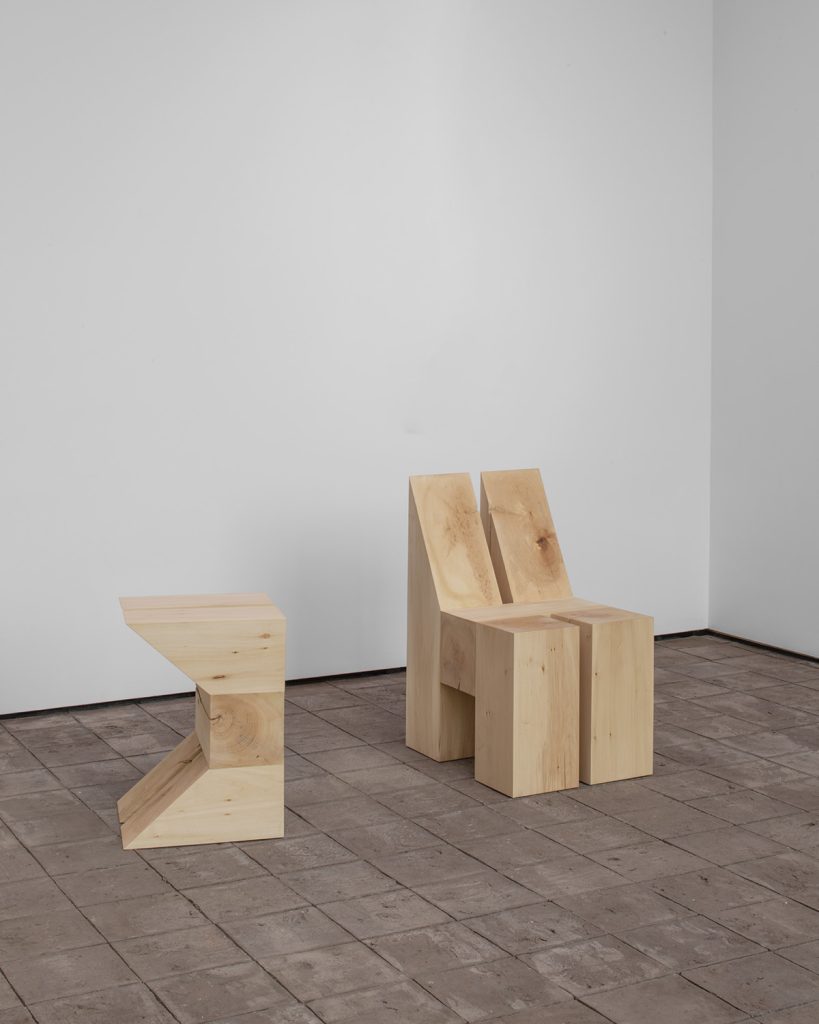
The King’s Hat by Nick Ross
The project also raises questions about the relationship between responsible material use and long-lasting furniture. By using branches produced through tree maintenance, Ross and Contem give existing material a new function while leaving the trees standing and able to continue growing. Yet while The King’s Hat draws its identity from the history and irregularity of wood, David Taylor takes a different approach, using metalworking to challenge what a chair can look and feel like.
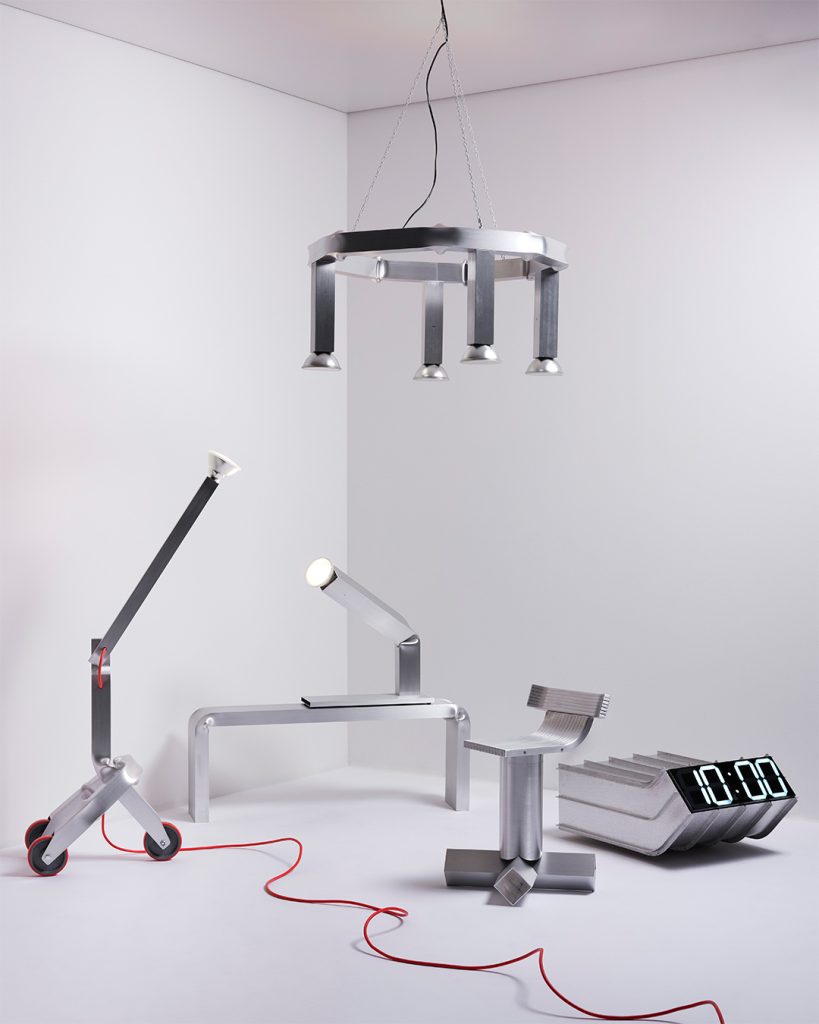
Special Effects by David Taylor
A chair is usually designed to make sitting feel effortless. Scottish designer David Taylor approaches the category from a more experimental direction in Special Effects, a collection of 25 handcrafted objects presented by Bukowskis during Stockholm Design Week 2025. Working with aluminium, Taylor creates furniture and objects with exaggerated, almost inflated forms that blur the distinction between functional seating and sculpture. His work challenges the visual conventions of the chair, replacing familiar straight lines and restrained profiles with expressive contours that make the object itself a focal point in the room.
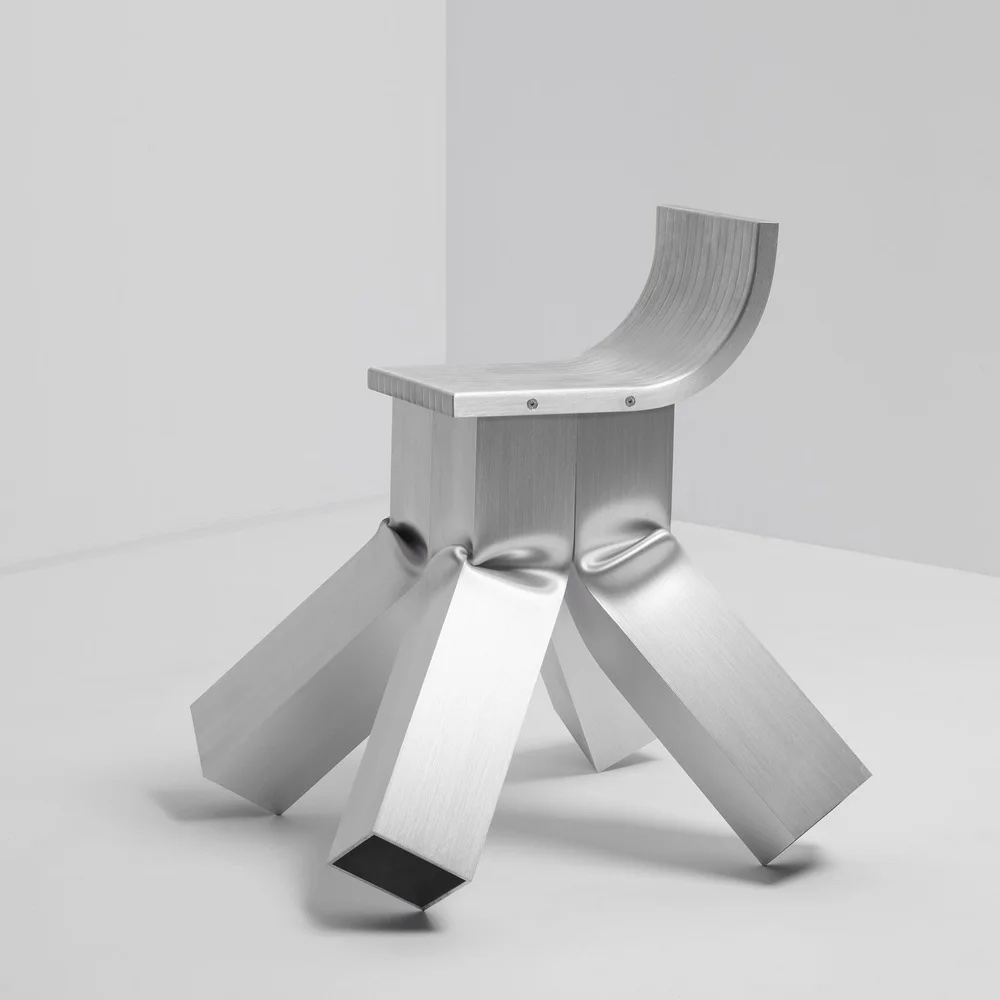
Special Effects by David Taylor
The collection’s sculptural appearance is the result of a technically demanding process. Drawing on his background in silversmithing, Taylor bends, forms and embellishes aluminium to produce swollen volumes and irregular surfaces. These shapes suggest softness and fluidity, creating an intriguing contrast with the metal’s rigid industrial associations.
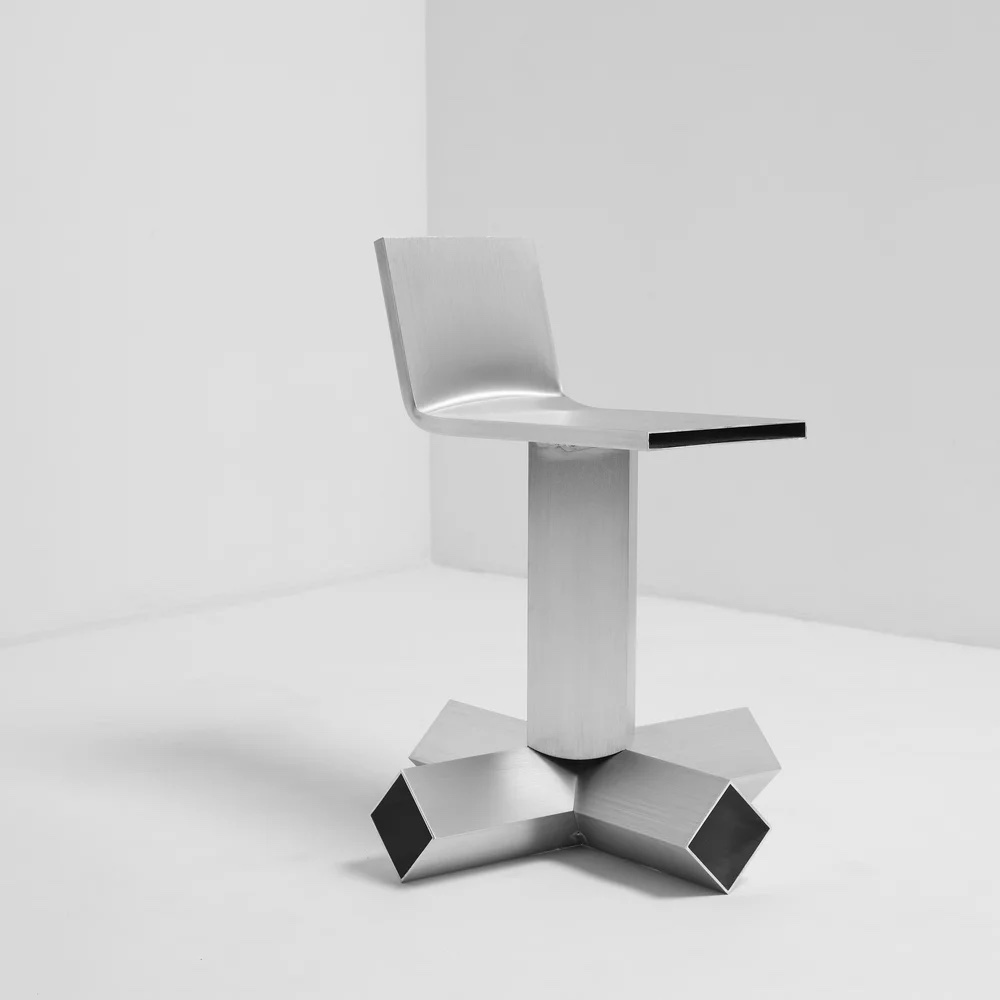
Special Effects by David Taylor
Achieving them requires considerable control over the material, particularly during heating and forming, when aluminium offers few obvious visual cues to indicate its temperature. The process demands patience, precision and experimentation, demonstrating that the apparent spontaneity of an unusual chair can depend on highly disciplined craftsmanship.
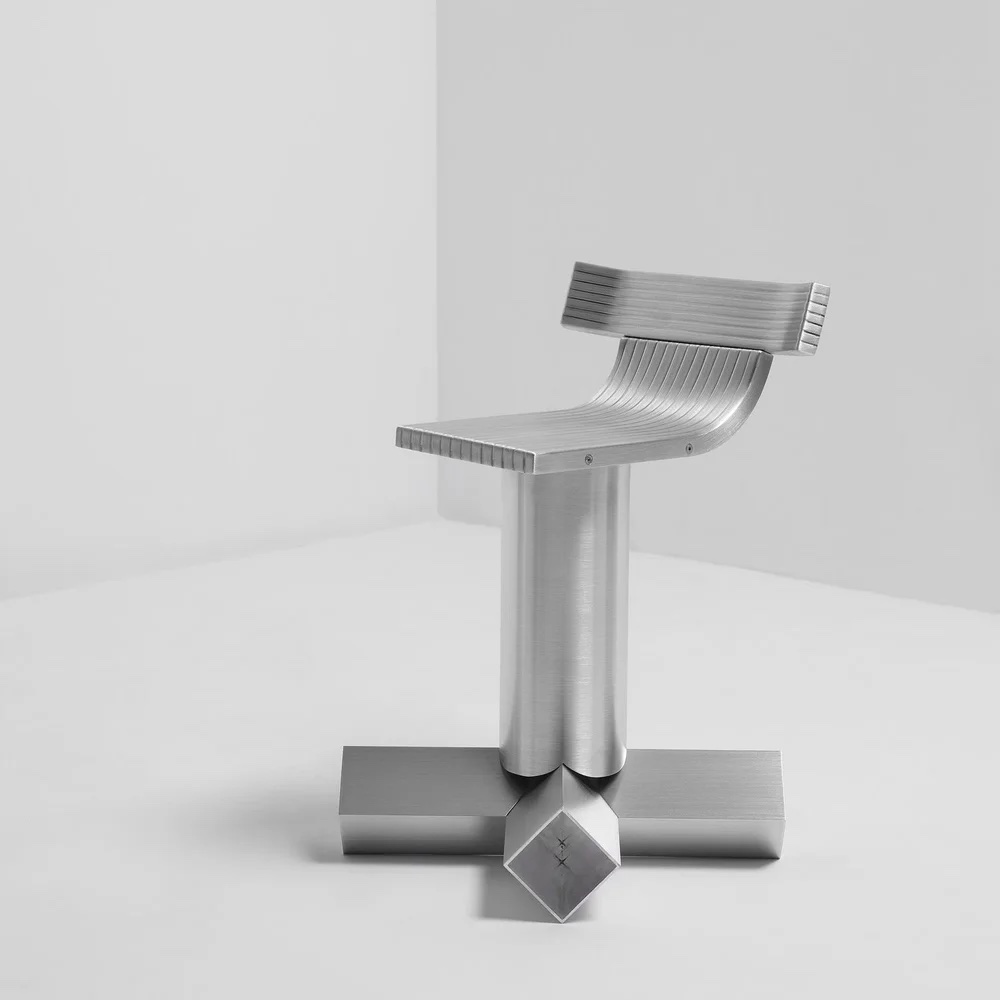
Special Effects by David Taylor
Taylor’s approach places visual expression at the forefront, inviting us to reconsider the boundary between an object we use and one we experience primarily through looking. His work suggests that seating can contribute to an interior as an independent sculptural presence, even as it retains its practical purpose. Where Taylor transforms metal into expressive volumes, Norwegian designer Anna Maria Øfstedal Eng explores a more organic interpretation of sitting, shaping wood into a form that appears to follow the rhythms of nature.
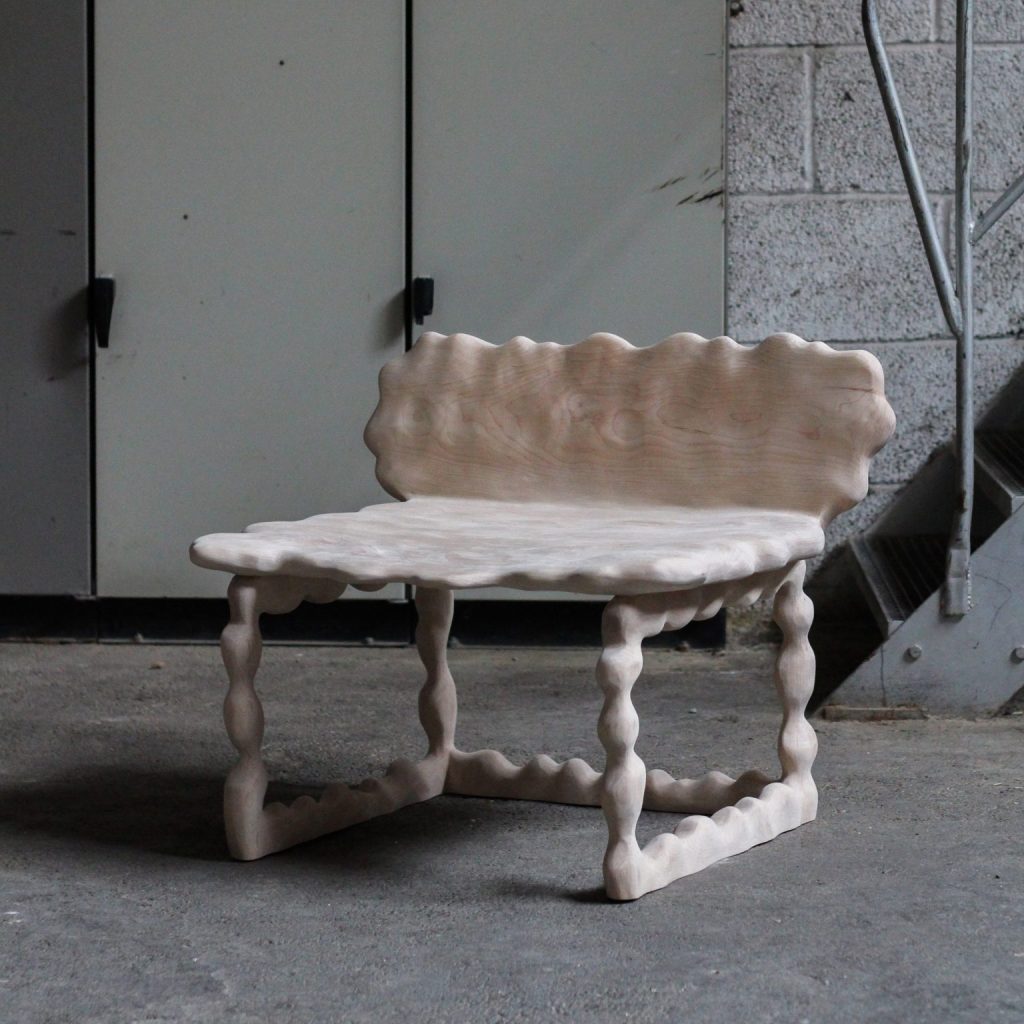
Chub Lounge by Anna Maria Øfstedal Eng
Inspired by the twisting shapes of tree roots, Norwegian designer Anna Maria Øfstedal Eng’s Chub Lounge reimagines the lounge seat as an organic sculptural form. Made from untreated American hard maple, the piece belongs to a collection of four designs presented during Stockholm Design Week 2025. Its undulating silhouette moves away from the straight lines and regular proportions of conventional seating, giving the lounge a distinctive presence while suggesting a more relaxed relationship between the body and the furniture around it. Rather than treating the chair as a rigid geometric structure, Eng explores how curves and flowing contours can define its character.
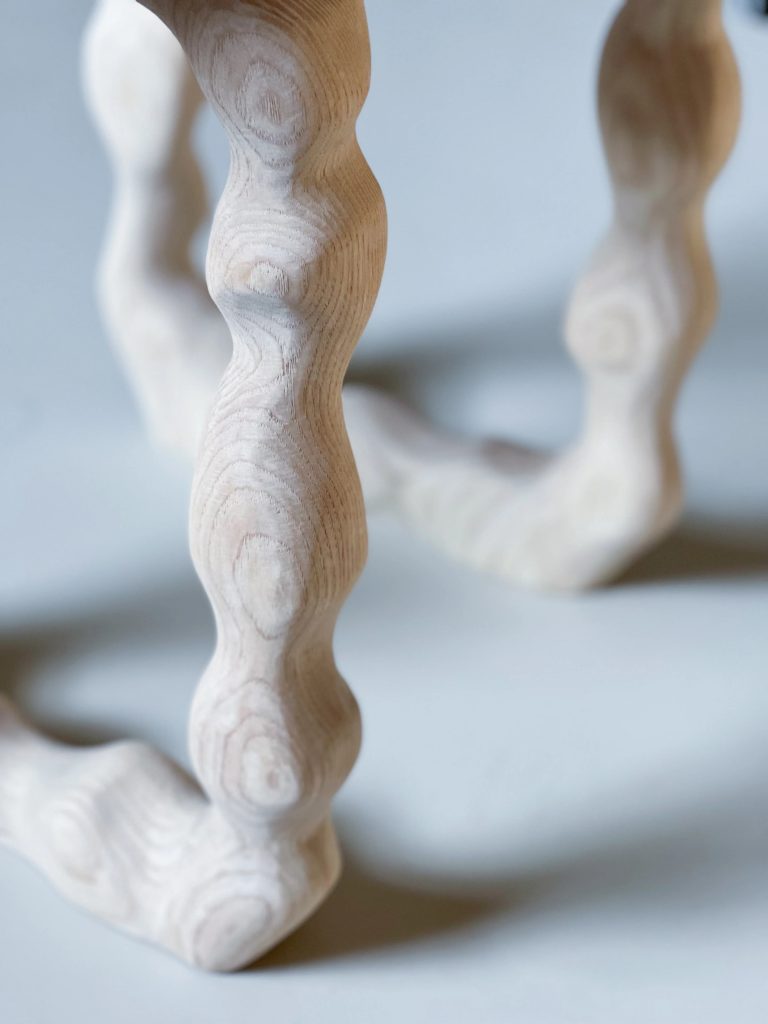
Chub Lounge by Anna Maria Øfstedal Eng
The making process reinforces this relationship between natural form and the experience of sitting. Eng used surplus timber from an earlier project, carving intuitively along the grain and allowing the wood’s characteristics to influence the final shape. Instead of imposing a completely predetermined silhouette, she responds to the material as the work develops. This process gives the piece a close relationship with the timber’s natural structure, with its grain and markings contributing to the overall appearance. The result is a seat that combines the tactile qualities of solid wood with a sculptural profile, making the material itself central to the experience of the object.
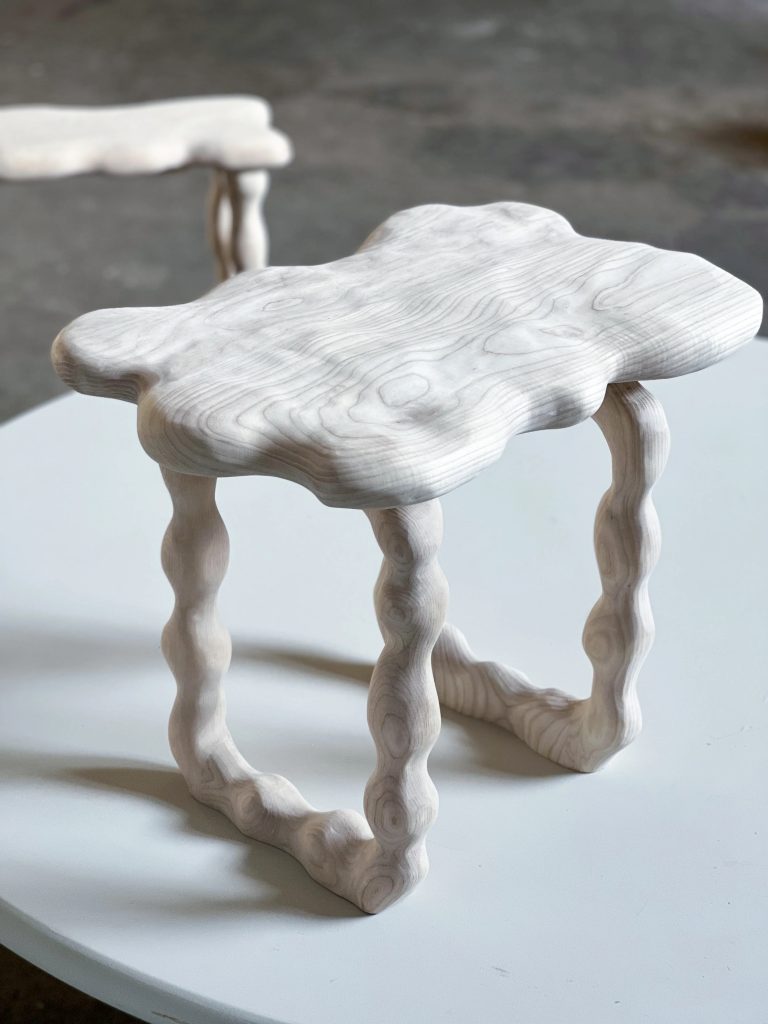
Chub Lounge by Anna Maria Øfstedal Eng
As a lounge piece, Chub Lounge also highlights how seating can shape the atmosphere of an interior. Its generous, flowing contours distinguish it from more conventional chairs, while the warmth of the maple reinforces its connection to the natural world. The design encourages us to consider a seat not simply as a tool for supporting the body, but as an object that influences how a space feels and how we interact with it. The reuse of surplus timber adds another dimension, showing how material efficiency can coexist with artistic exploration. Alongside Ross’s historically rooted chair and Taylor’s experimental aluminium forms, Eng demonstrates that rethinking seating can begin with the way a material is understood, handled and transformed.
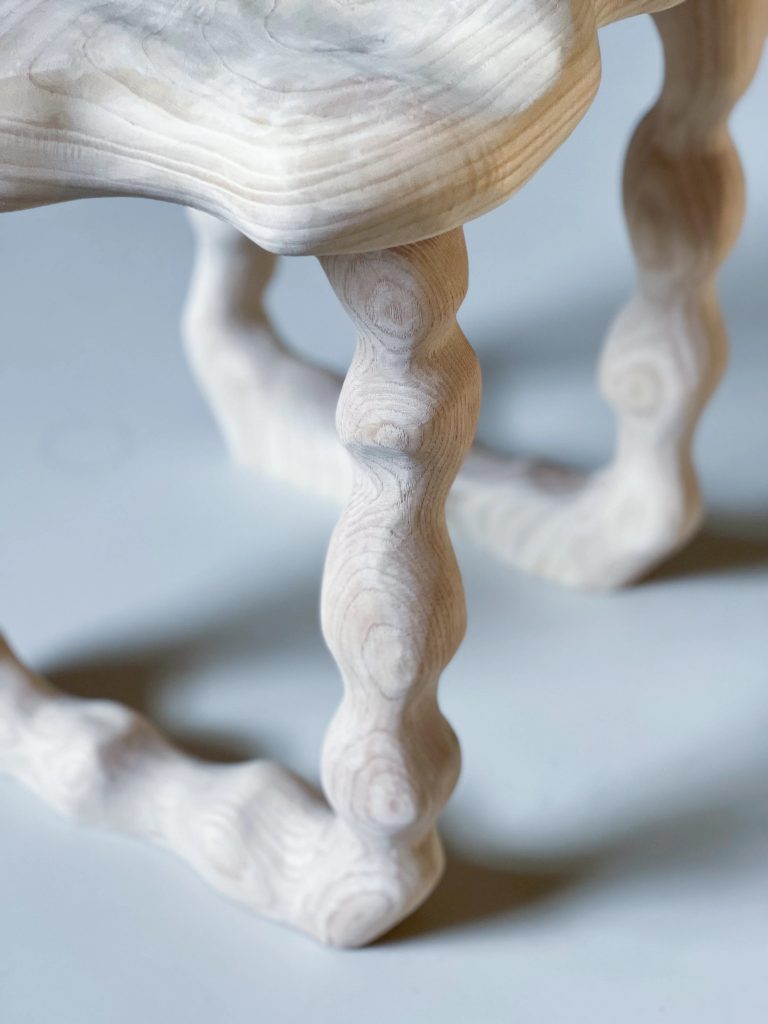
Chub Lounge by Anna Maria Øfstedal Eng
These three projects reconsider the act of sitting from different perspectives. Yet each challenges familiar expectations of how a seat should look and how its material should shape its identity. Ultimately, these designs show that innovation in seating extends beyond appearance. It lies in balancing the physical requirements of sitting with material experimentation, craftsmanship and a distinct design vision.