Lighting has always done more than illuminate a room. At its best, it transforms our perception of materials, challenges familiar forms and creates a little theatre in everyday life. The latest generation of designers is pushing this idea further, finding inspiration in everything from the anatomy of a fruit to traditional Mexican crafts and the intricate language of jewellery. Sometimes, all it takes is a fresh perspective on the materials and techniques already at hand.
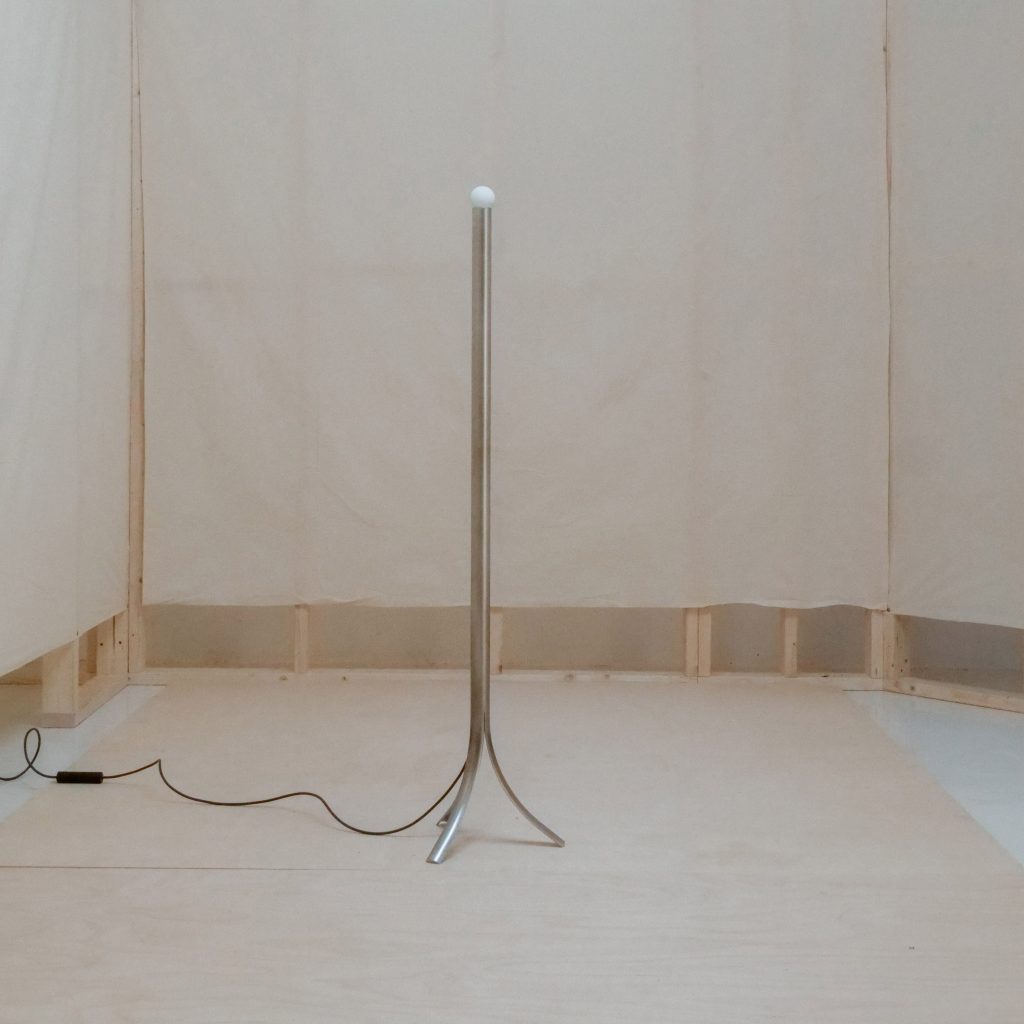
Split Lamp by Jake Robertson
At first glance, Jake Robertson’s Split Lamp appears deceptively simple. Its slender aluminium body and restrained silhouette might suggest a straightforward exercise in minimalism, but the cleverness lies in how the structure is made. Selected by Amy Frearson, editor-at-large, as one of her favourite lighting designs from September, the lamp was presented at With Limitations, an exhibition organised by London design collective Design Everything and hosted by furniture retailer Aram during London Design Festival 2026. The exhibition brought together more than 100 emerging designers, each exploring the creative possibilities of working within real-world constraints.
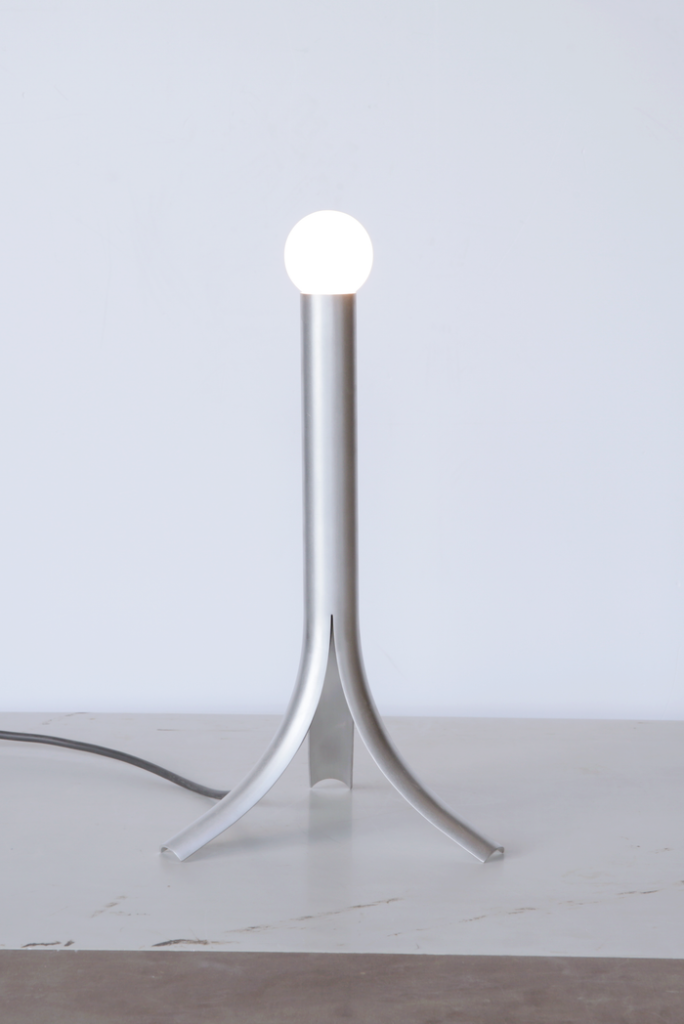
Split Lamp by Jake Robertson
Robertson’s solution is an exercise in inventive problem-solving. Rather than relying on a conventional base or complex assembly, the Manchester-born designer made three cuts into the bottom of an aluminium tube, allowing the metal to open outwards like a banana peel. These separated sections form the lamp’s supporting feet, transforming a familiar industrial component into a functional, sculptural object. A light bulb screws into the top, completing a design whose construction is as direct as its appearance. The result feels almost playful, as though the lamp has simply unfolded itself into existence.
What makes Split Lamp particularly compelling is the way its constraints become the source of its character. Robertson developed the piece without access to a welding machine, turning a limitation in his workshop into an opportunity to rethink how a lamp could stand. The approach also minimises material use and avoids the waste associated with cutting away excess components.
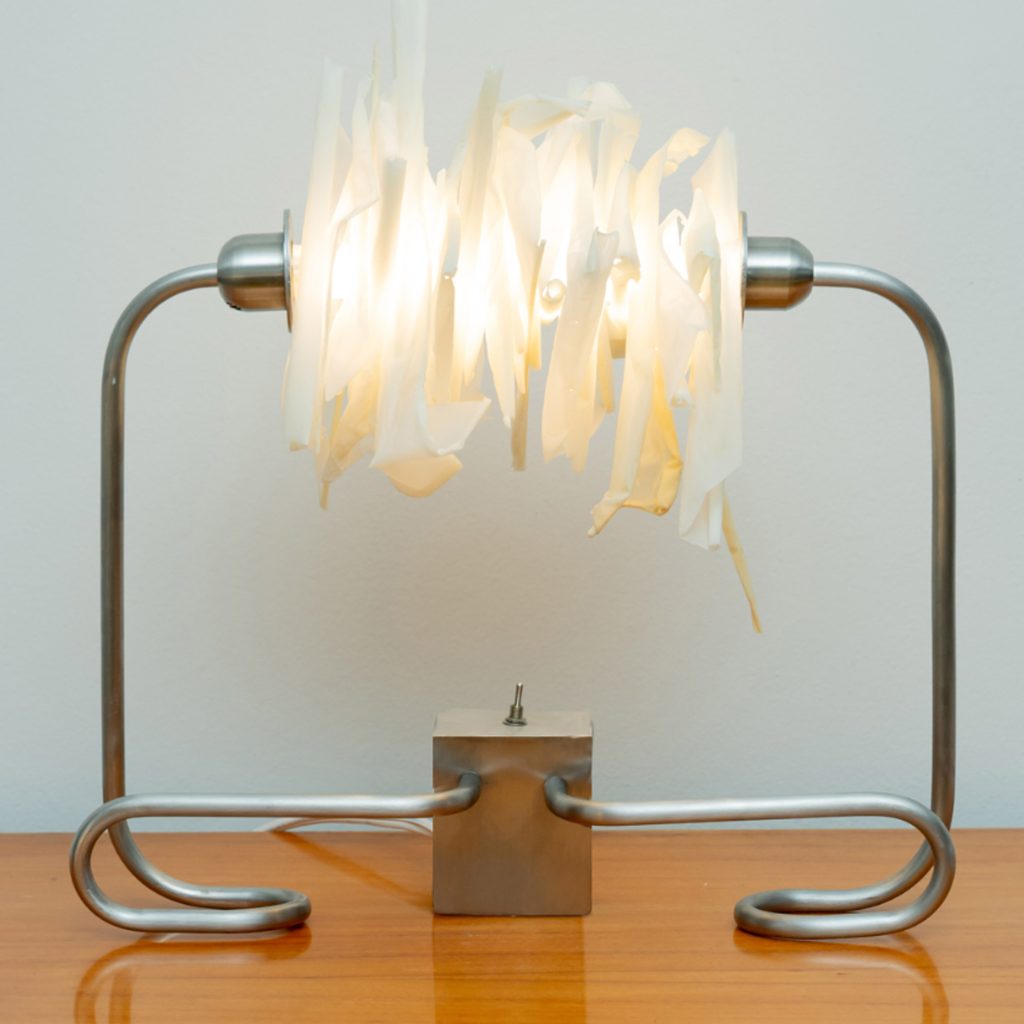
MEMBRANA by Valeria Montero
If Robertson’s lamp celebrates the possibilities of metal, Valeria Montero’s MEMBRANA turns to a material with an altogether different character. The Mexican designer’s agave membrane lamp explores the delicate relationship between natural materials, cultural heritage and the atmospheric qualities of light. Rather than imposing a rigid form on its material, Montero works with its inherent translucency, fragility and movement. The result is a piece that feels closer to a botanical sculpture than a conventional lighting fixture, inviting us to reconsider what natural fibres and plant-derived materials can contribute to contemporary interiors.
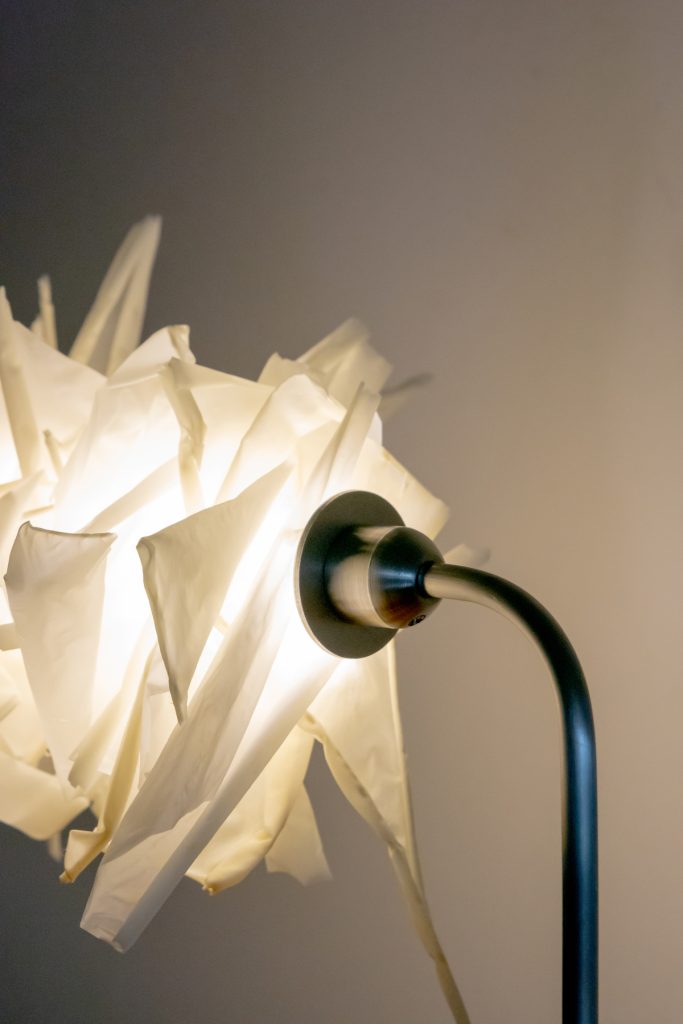
MEMBRANA by Valeria Montero
The material itself carries a rich history. Agave membrane has been used in Mexico since Indigenous times, particularly for wrapping and cooking food. In central Mexico, it is traditionally associated with mixiote, a dish in which meat is cooked with chilli peppers inside the plant’s thin, papery membrane. Montero draws on this established relationship between material and craft, giving a familiar resource a new purpose without losing sight of its origins. Sustainability is central to the approach: because agave plants can take around 14 years to mature, the membrane is best harvested selectively in small sections or collected in full once a plant has completed its life cycle.
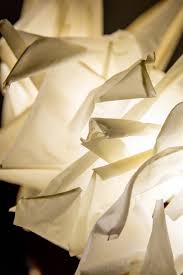
MEMBRANA by Valeria Montero
The membrane’s rice-paper-like translucency makes it especially suited to lighting, but its delicate nature also presents a design challenge. It naturally curls and shifts, resisting the precise, predictable behaviour of manufactured materials. Montero responds by layering the membrane, creating a softer diffusion of light while adding structural support. The layered construction also references the delicate wire frames that protected some early twentieth-century light bulbs, connecting a contemporary experiment in natural materials with the history of lighting design.
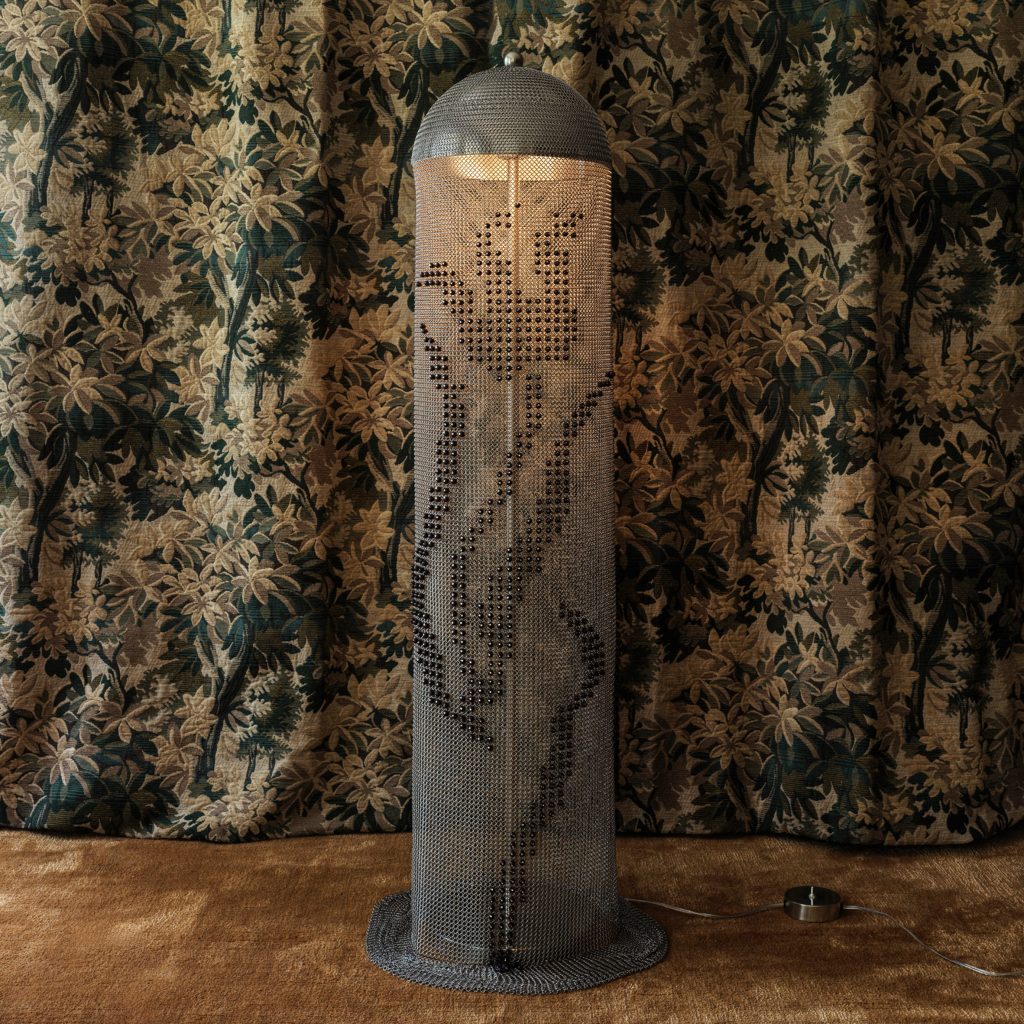
Lighting by Wretched Flowers (also header image)
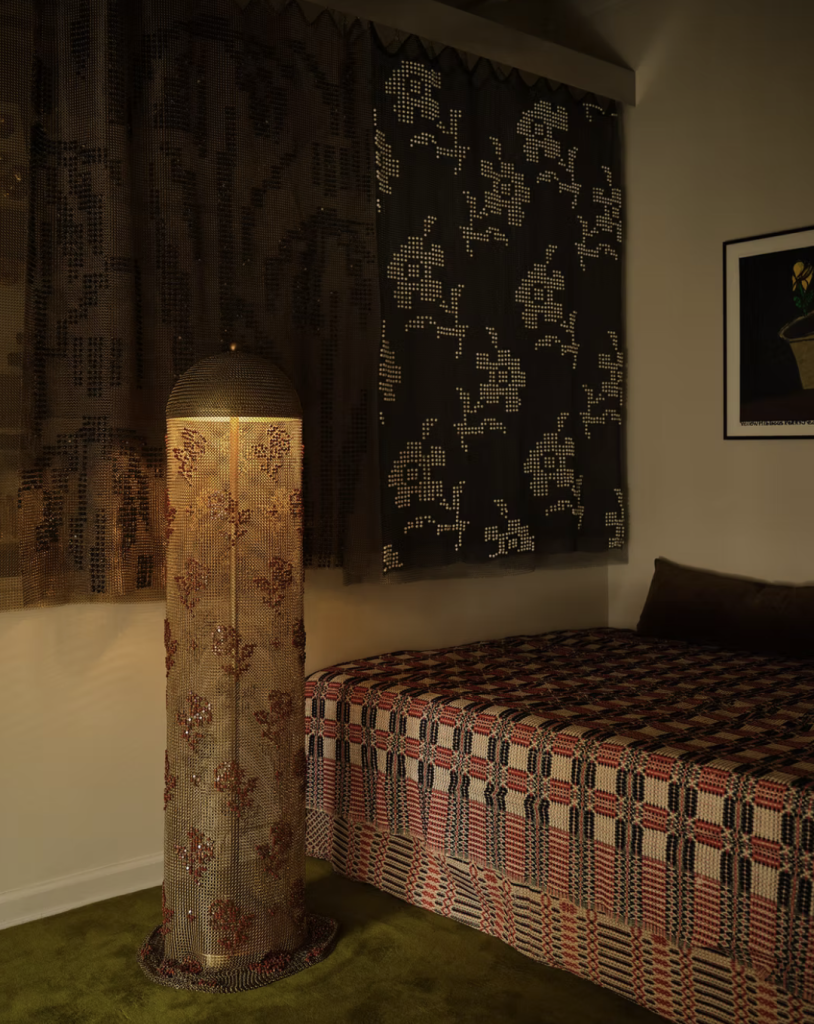
From the fragile surface of agave, we move to something altogether more theatrical. The floor lamp by New York-based studio Wretched Flowers combines industrial precision with the visual richness of textiles and jewellery, creating a piece that seems to occupy the space between lighting, sculpture and wearable art.
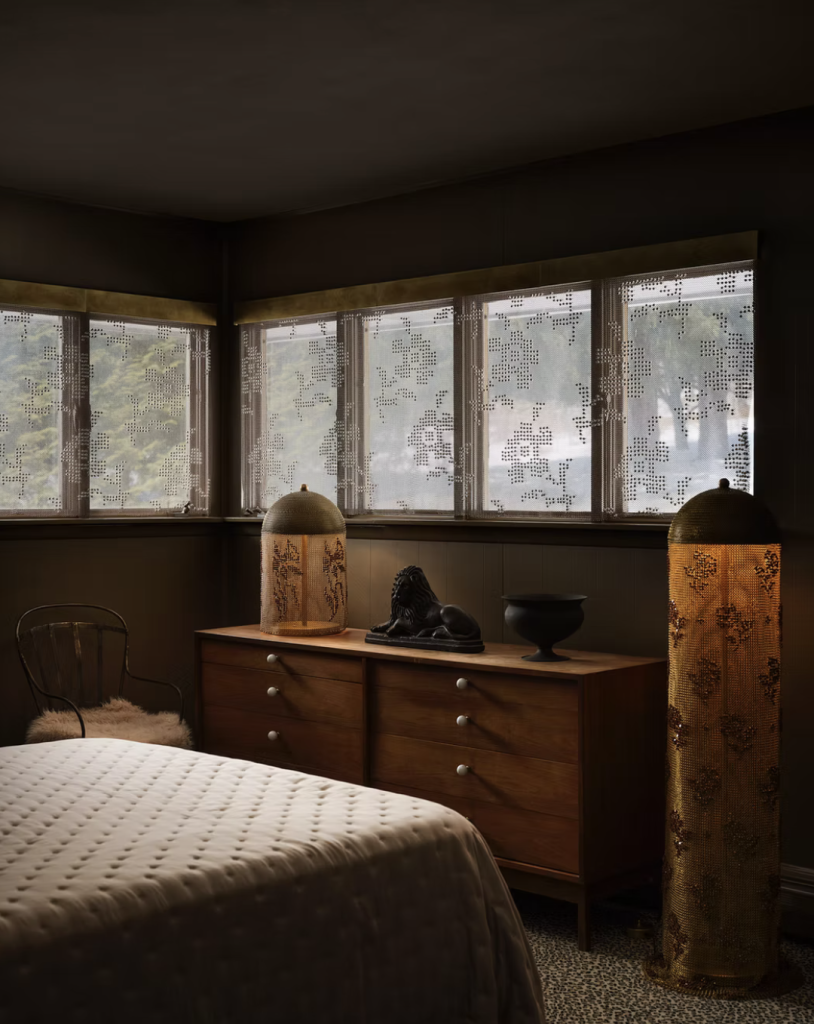
Lighting by Wretched Flowers
Designed by creative partners Loney Abrams and Johnny Stanish, the lamp was presented as part of Studio Iron, an exhibition during London Design Festival 2026 that brought together designers and makers working across furniture, objects, sculpture and experimental craft. The project reflects the studio’s distinctive ability to make hard materials feel expressive, tactile and unexpectedly decorative.
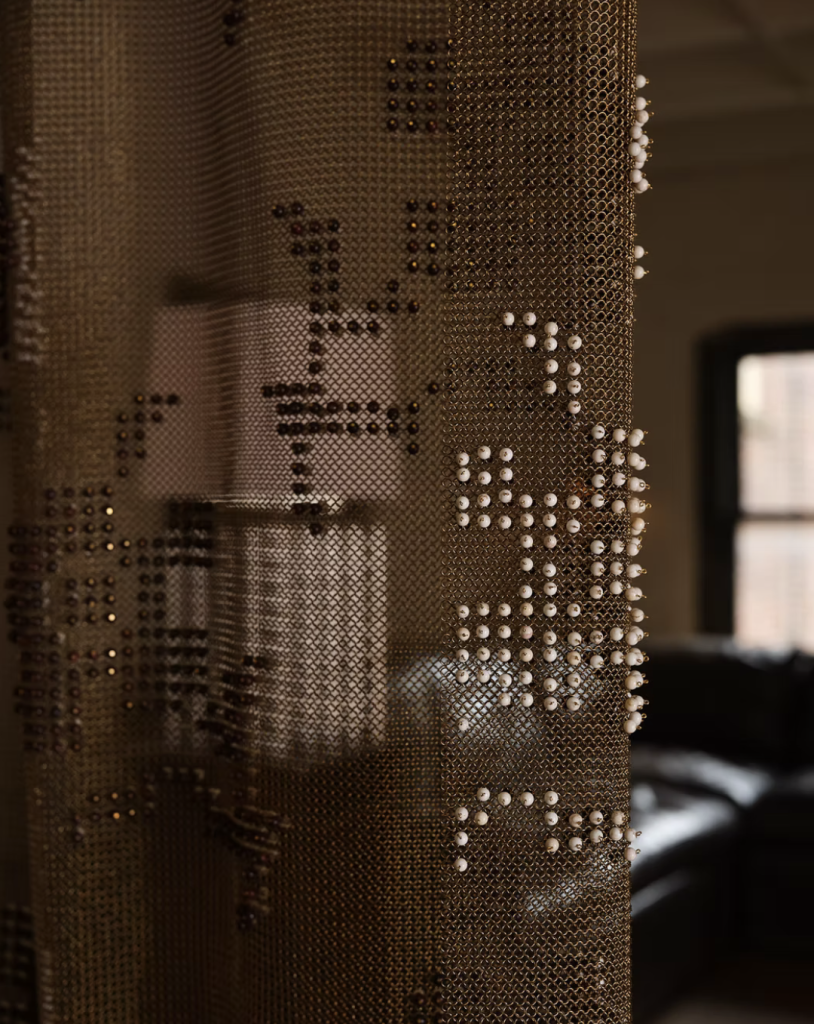
Lighting by Wretched Flowers
The lamp takes the elongated silhouette of Verner Panton’s iconic 1968 Flowerpot lamp as a point of reference, but its surface tells a very different story. Wretched Flowers wraps the form in woven stainless-steel chainmail, then embellishes it with carefully selected hand-beaded glass and gemstones. The contrast is immediate: chainmail evokes armour, machinery and industrial fabrication, while the beads and stones introduce delicacy, colour and an almost ceremonial sense of ornament. The familiar outline provides a recognisable starting point, but the elaborate surface transforms the lamp into something far more individual. Rather than treating decoration as an afterthought, the designers make it integral to the object’s identity.
Lighting by Wretched Flowers
Despite their contrasting aesthetics, these three projects share an underlying belief that good design begins with curiosity. Each project starts with a different material language, but all three demonstrate how a shift in perspective can produce something genuinely distinctive. They also suggest that innovation in lighting design is becoming less about a single visual trend and more about the freedom to experiment. Resource efficiency, material heritage and decorative excess may seem like separate concerns, yet they can coexist within a broader design culture that values thoughtful making and individual expression.