Great design rarely begins with aesthetics alone. It begins by questioning assumptions that have quietly shaped the objects we live with for decades. At a time when designers are challenging conventions around comfort, production, and sustainability, furniture has become an unexpected platform for innovation. Rather than simply creating new forms, today’s emerging talents are rethinking how objects respond to people, materials, and even the making process itself. The result is a new generation of designs that feel as intellectually engaging as they are visually compelling.
Bad Posture Chairs by Mara Bragagnolo
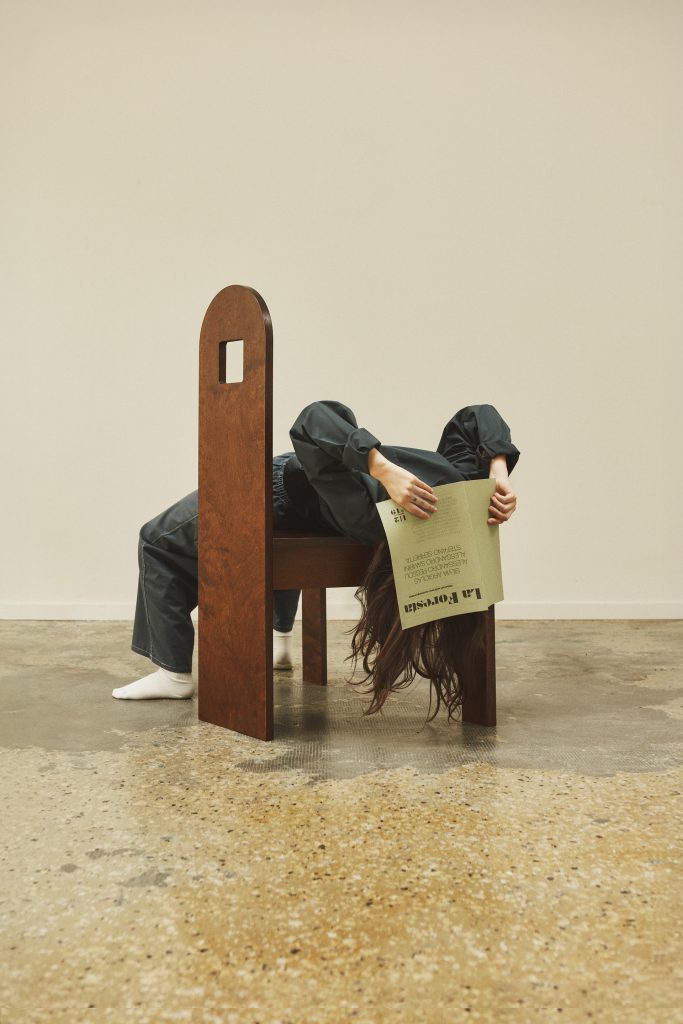
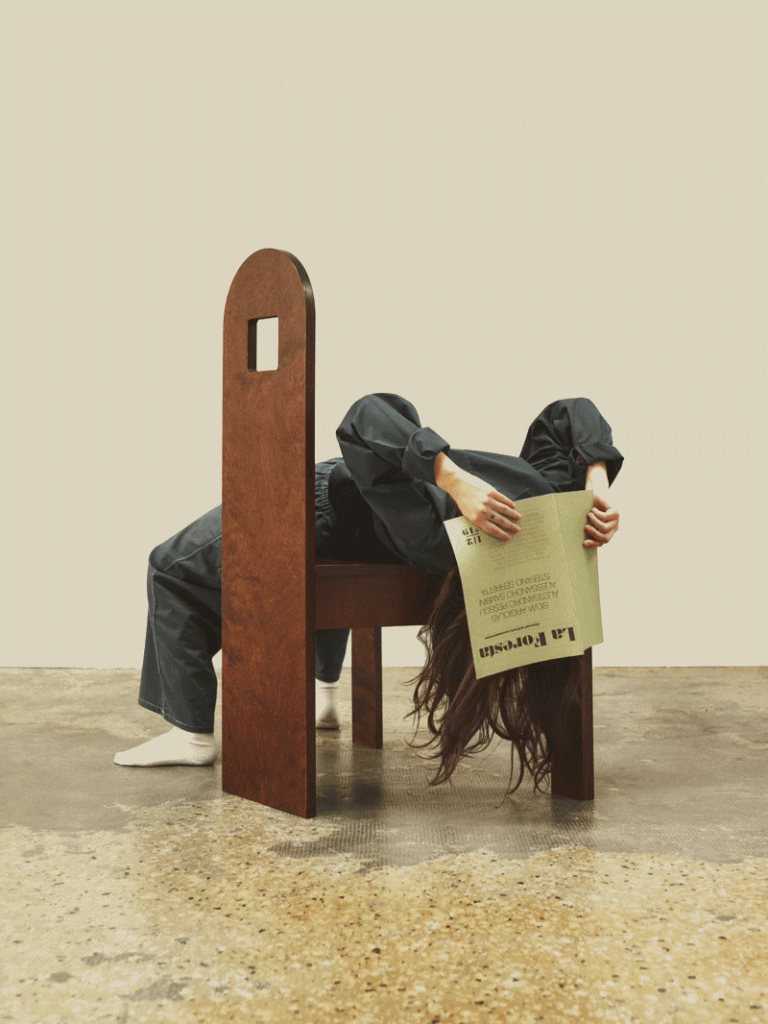
For decades, chairs have quietly instructed us how to sit. Straight backs, level feet, and perfect posture have long been treated as universal ideals, with any deviation viewed as something to correct. Designer Mara Bragagnolo challenges that deeply rooted assumption through Bad Posture Chairs, a collection that asks a surprisingly simple question: what if furniture adapted to the body instead of expecting the body to adapt to furniture?
Bad Posture Chairs by Mara Bragagnolo
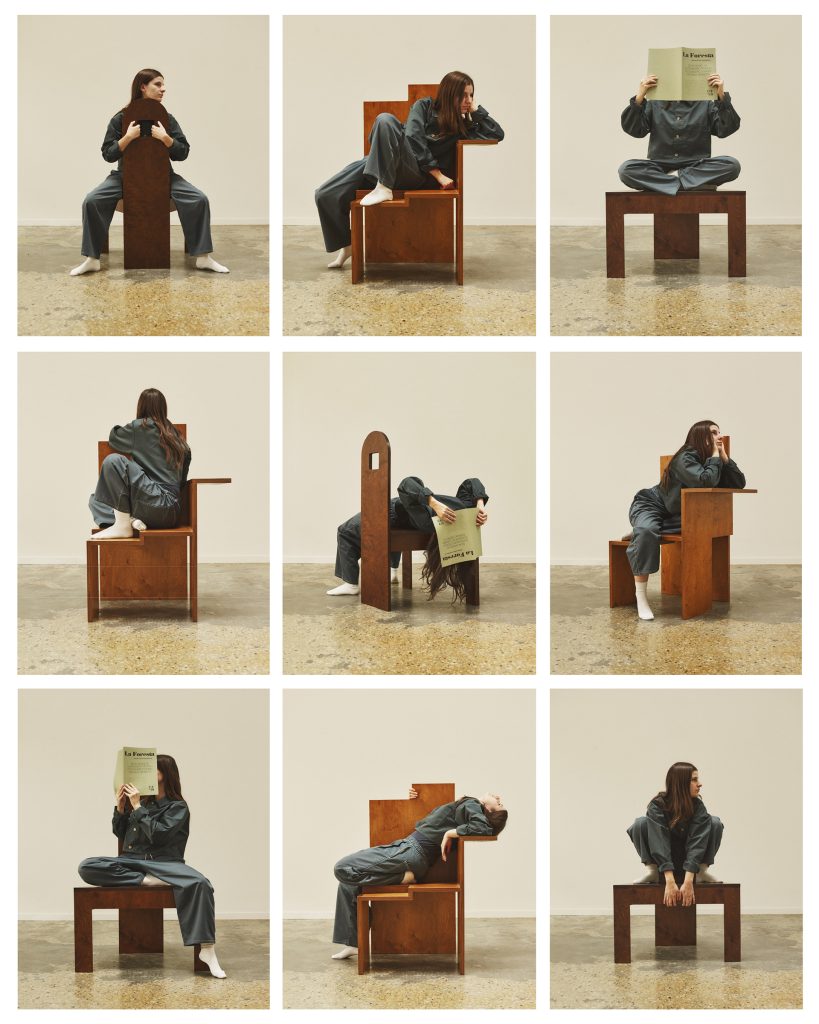
Developed through research into alternative sitting positions, the collection embraces the movements many people naturally make throughout the day. Sitting cross-legged, curling into a seat, leaning to one side, folding a leg beneath the body, or constantly shifting position are no longer treated as bad habits. Instead, these gestures become the starting point for the design itself. This approach is especially meaningful for neurodivergent individuals, whose preferred sitting positions are often unsupported by conventional seating.
Bad Posture Chairs by Mara Bragagnolo
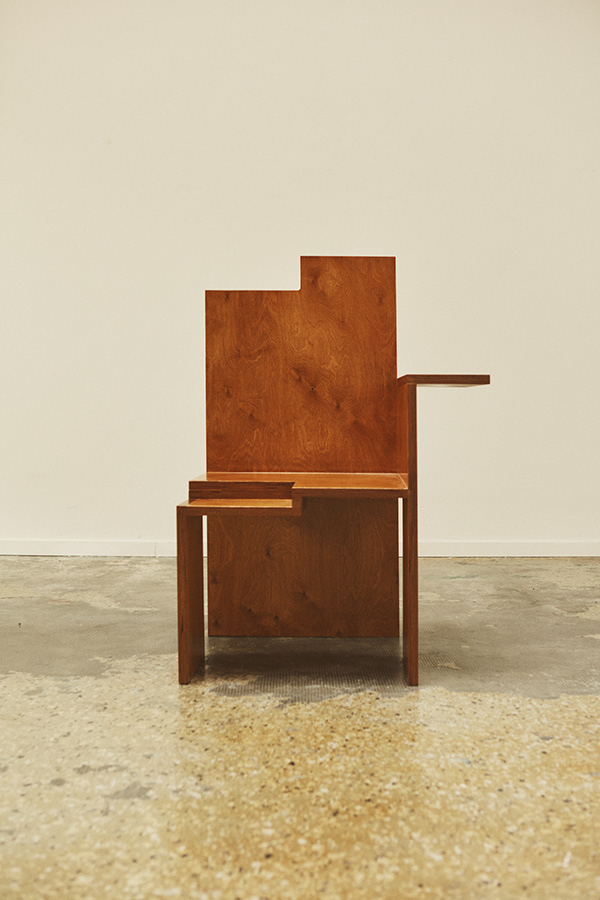
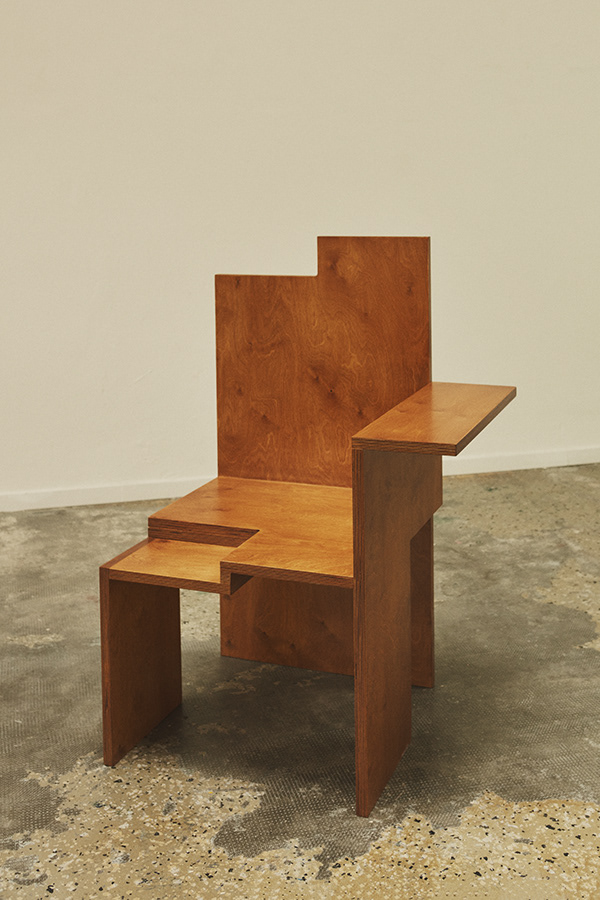
Inspired by Bruno Munari’s playful exploration of comfort in uncomfortable chairs, Bragagnolo balances critical thinking with a sense of curiosity. Rather than defining comfort as a single ergonomic formula, the project expands the definition to include diversity, movement, and personal expression. The stained birch plywood chairs, developed in collaboration with Valter Cagna and Tommaso Braceschi, feel both sculptural and approachable, encouraging users to engage with them in unexpected ways.
Bad Posture Chairs by Mara Bragagnolo
More importantly, Bad Posture Chairs represents a broader shift in inclusive design thinking. It suggests that accessibility is not only about accommodating physical limitations but also about recognizing the wide spectrum of human behavior. Sometimes the most innovative design solution is simply giving people permission to sit the way they already do.
Bend by Oberdoerfer & Krebs
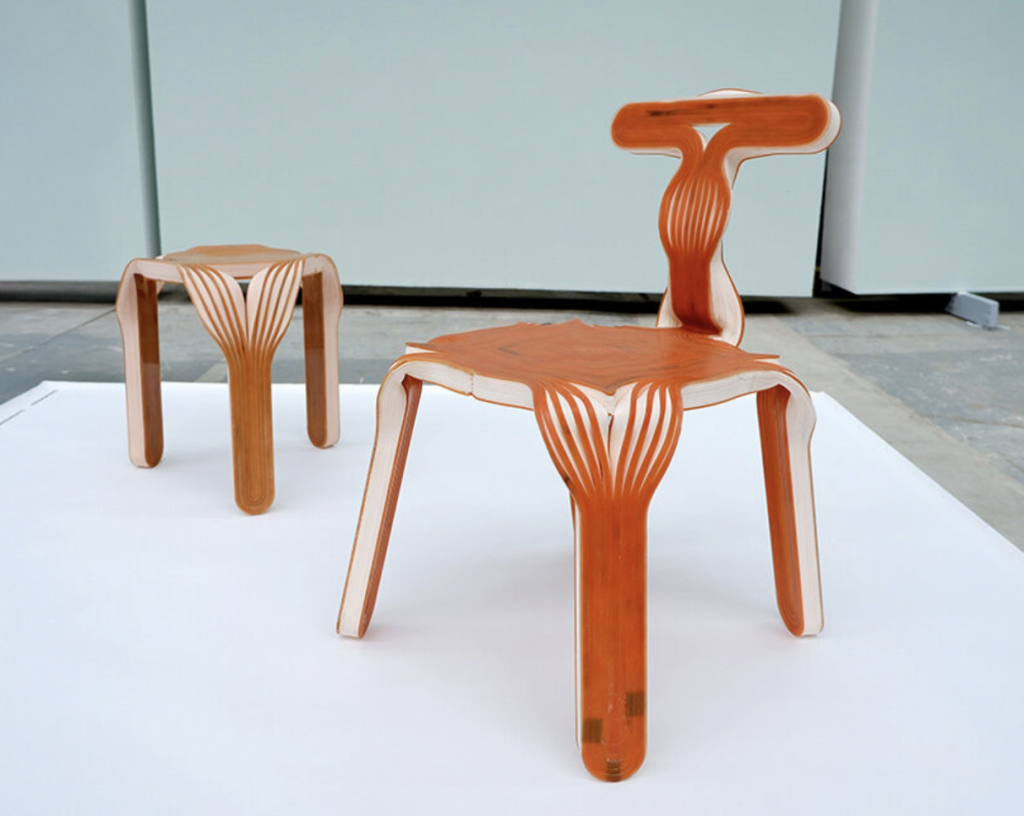
While automation often promises precision and repeatability, Danish design studio Oberdoerfer & Krebs explores what happens when digital fabrication deliberately remains unfinished. Presented during 3daysofdesign in Copenhagen, the studio’s Bend Chair and Bend Stool blur the line between machine production and handcraft by introducing a crucial final step after printing is complete.
Bend by Oberdoerfer & Krebs
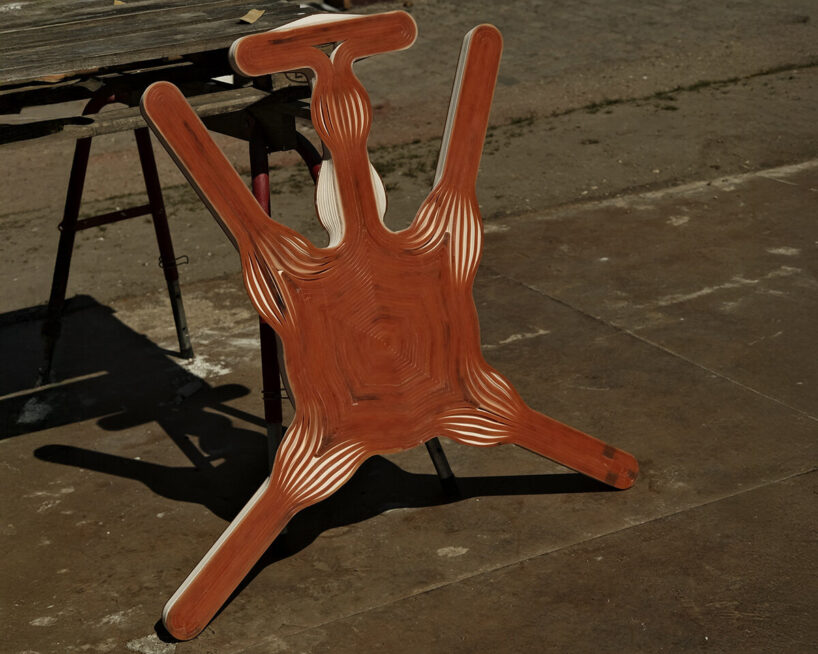
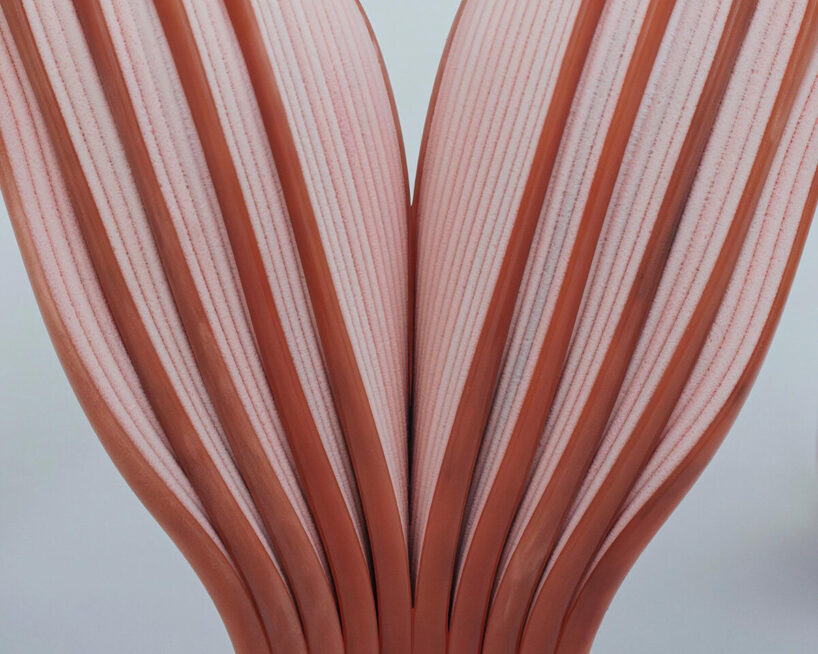
The seating begins as large-scale 3D printed objects with carefully programmed bending zones embedded directly into the toolpath. Once printing finishes, selected areas are reheated and manually bent into their final form. Instead of producing identical objects straight from the printer, the process invites heat, gravity, timing, and human touch to participate in shaping the final result. The printer establishes the structure, but the designer’s hands complete the story.
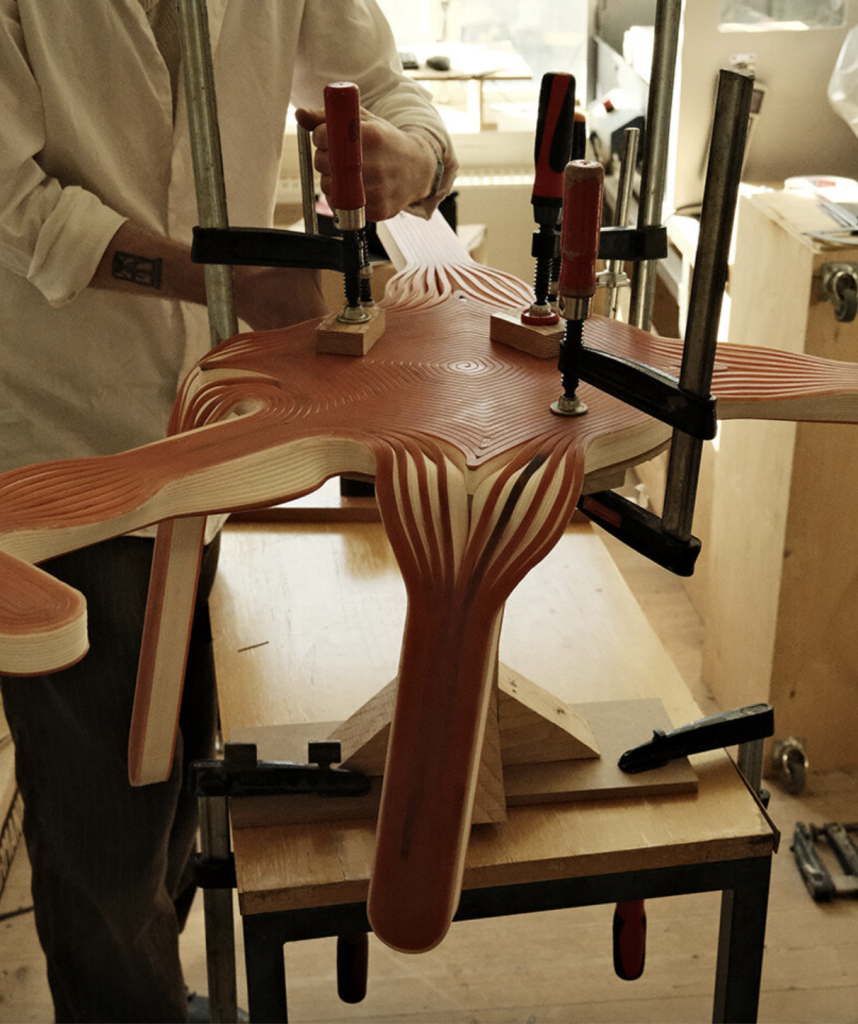
Bend by Oberdoerfer & Krebs
The studio’s work challenges one of technology’s biggest misconceptions: that digital processes eliminate the human element. Instead, Oberdoerfer & Krebs position craftsmanship inside the machine itself, creating objects where software and intuition work together rather than compete. In doing so, they offer a refreshing vision of innovation that values both precision and imperfection.
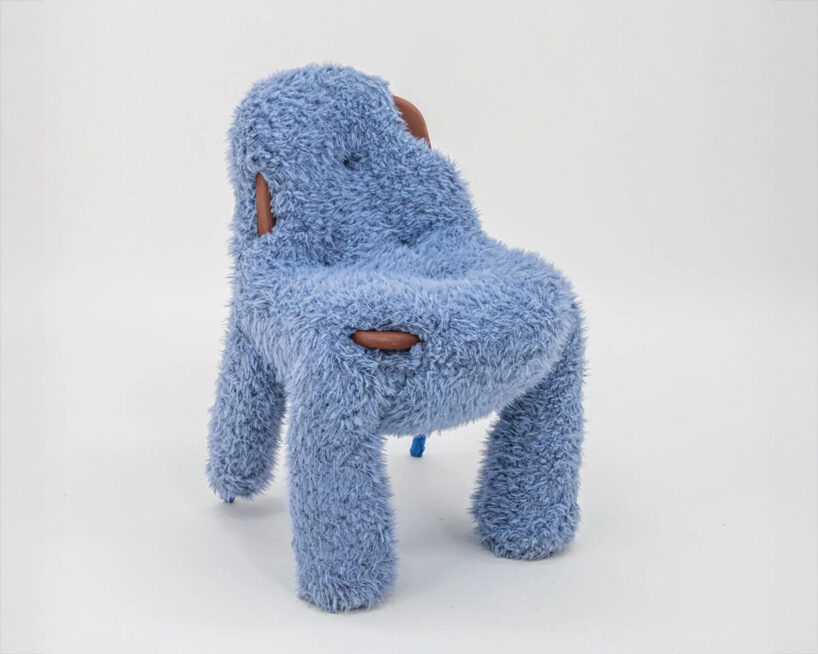
Hi!breed Series by Charlotte Kingsnorth
If Mara Bragagnolo questions how we sit and Oberdoerfer & Krebs rethink how furniture is made, Charlotte Kingsnorth asks a more imaginative question altogether: what if chairs had personalities waiting to emerge?
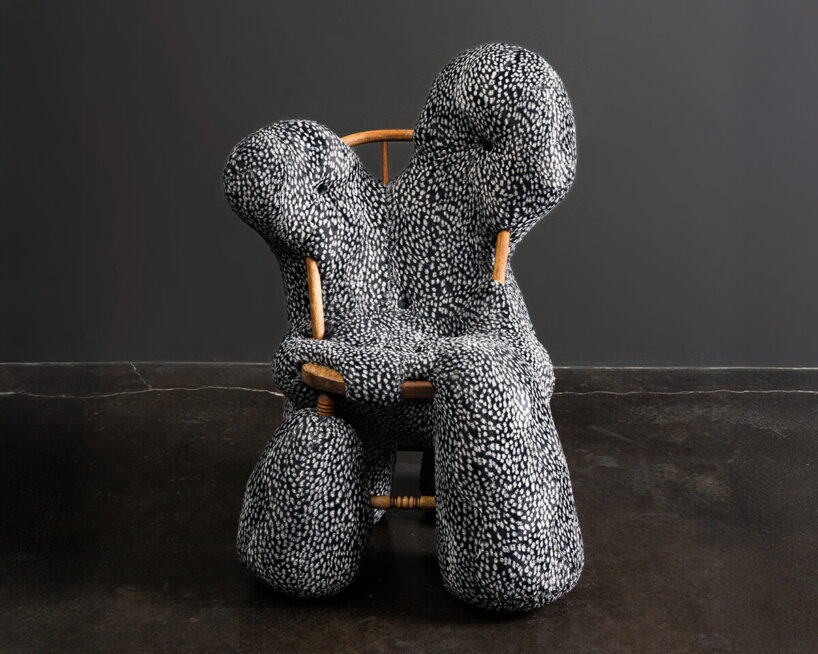
Hi!breed Series by Charlotte Kingsnorth
Inside her London studio, discarded furniture becomes the foundation for extraordinary transformations. Salvaged midcentury frames, worn timber, and abandoned chairs are wrapped in carved foam, hand stitched upholstery, luxurious mohair, and richly textured fabrics until they resemble creatures more than furniture. Wooden arms pierce through swollen forms like bones beneath skin, while thick upholstered bodies appear soft, animated, and strangely alive.
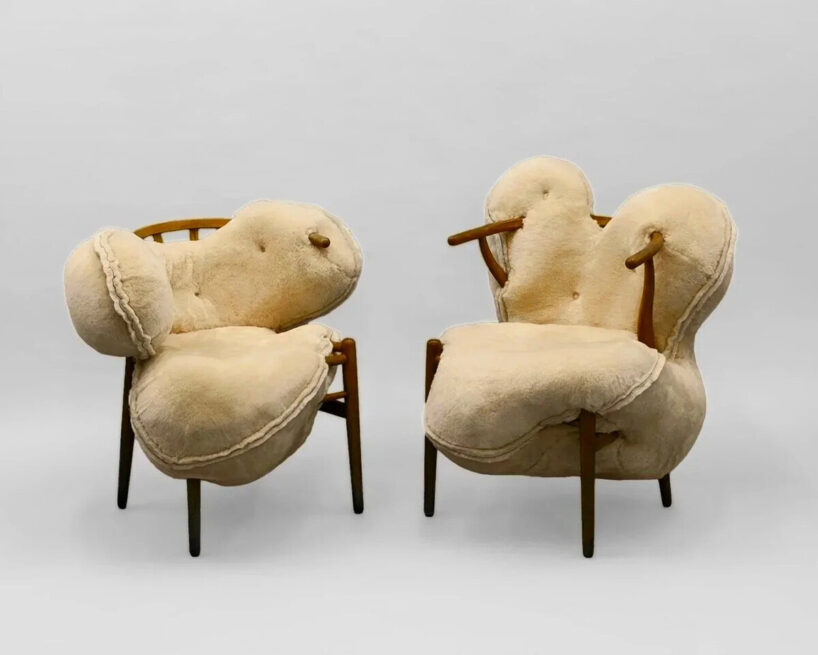
Hi!breed Series by Charlotte Kingsnorth
Kingsnorth’s long-running Hi!breed series reflects an intensely hands-on process that stands in sharp contrast to its playful appearance. Every chair begins with close observation of an existing frame before layers of foam are carefully carved and refined to reveal what the designer describes as the chair’s hidden character. The original structure never completely disappears. Instead, it remains visible beneath the evolving form, preserving traces of the object’s previous life while allowing an entirely new identity to emerge.
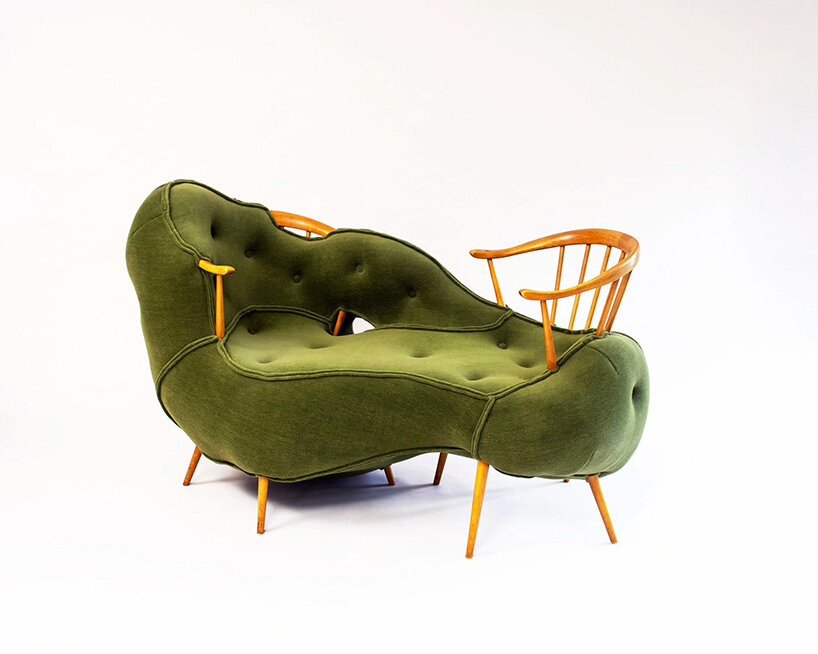
Hi!breed Series by Charlotte Kingsnorth
The resulting pieces balance humor, craftsmanship, and emotional storytelling. Displayed in groups, they resemble families or social gatherings, each chair expressing its own personality through posture, proportion, and texture. Their exaggerated softness invites touch while their unusual silhouettes introduce a slight sense of mystery. By breathing new life into forgotten furniture, Kingsnorth transforms restoration into narrative design, proving that innovation is not always about creating something entirely new. Sometimes it begins with seeing familiar objects through a completely different lens.
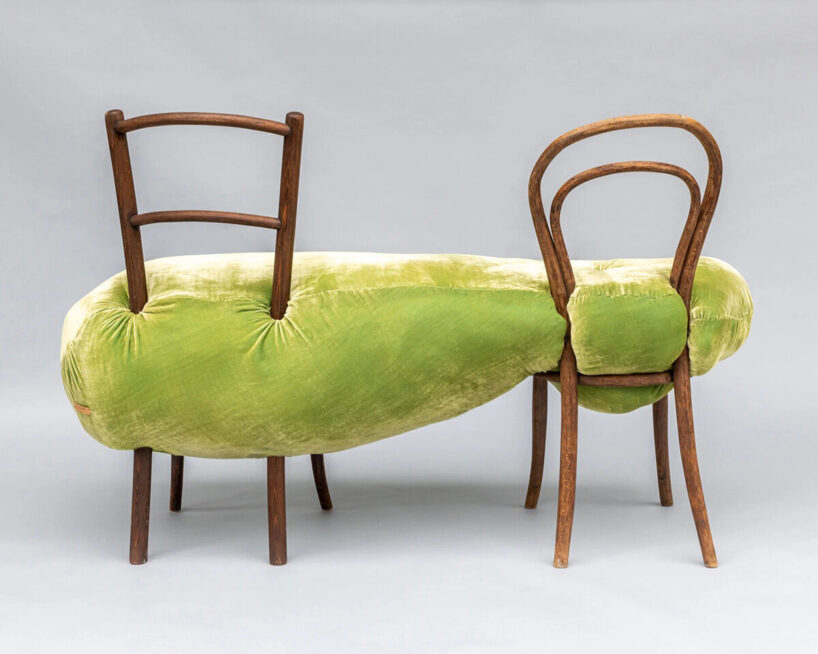
Hi!breed Series by Charlotte Kingsnorth
Whether embracing unconventional bodies, redefining digital craftsmanship, or uncovering unexpected character in discarded materials, each designer demonstrates that innovation is as much about changing perspectives as it is about developing new techniques. The most compelling designs today do not simply solve problems. They challenge assumptions, invite participation, and encourage us to rethink our relationship with the objects that shape everyday life.