Coffee making is a deceptively rich design challenge. It brings together materials, mechanics, technology, ergonomics, and ritual in an object that most people interact with almost every day. From a manually operated espresso machine to a reinterpretation of Turkish coffee and a smartphone that doubles as a coffee maker, the featured projects demonstrate how designers can take a familiar ritual and push it somewhere unexpected.
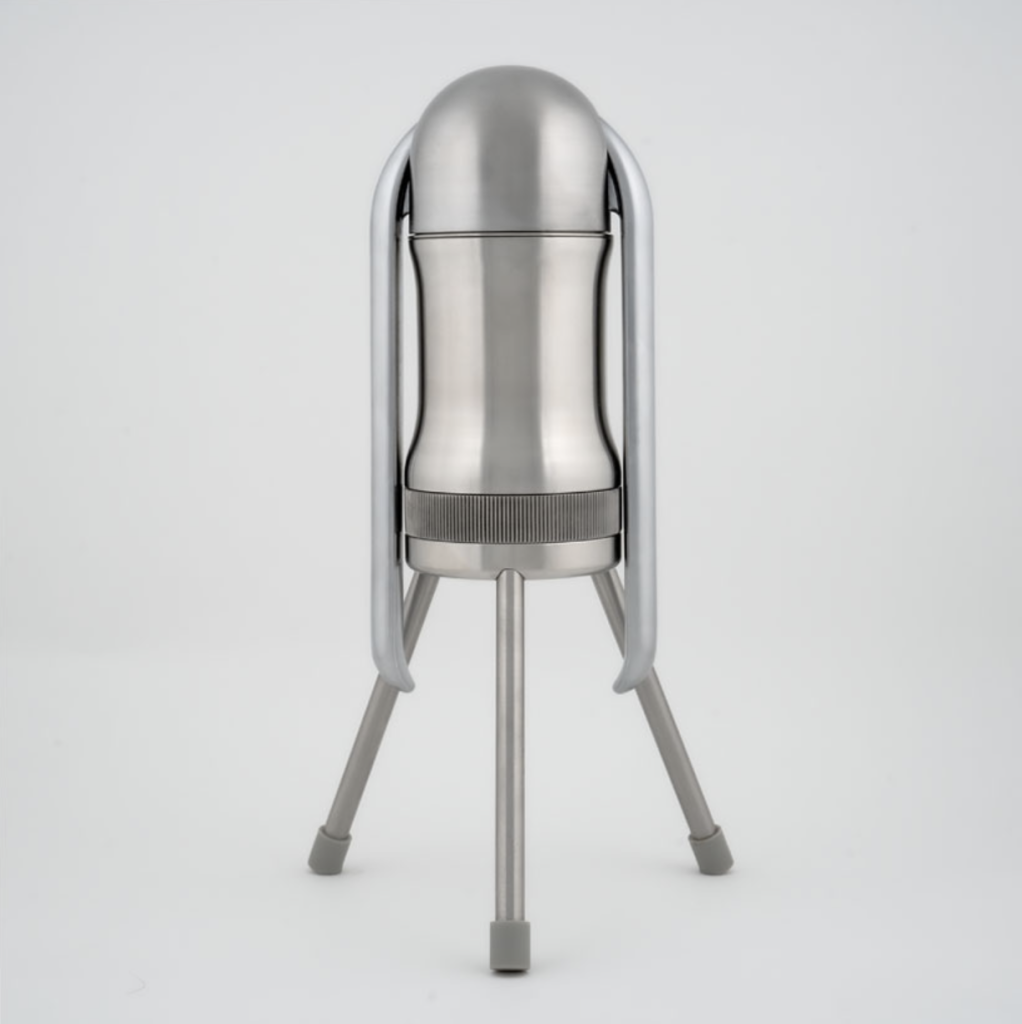
Leverpresso Orbit by HUGH Inc. (also header image)
Designed and manufactured by Kim Hyunsoo of HUGH Inc., Leverpresso Orbit is a compact manual espresso machine that explores what happens when the complexity of a modern coffee maker is reduced to its essential mechanical components. There are no electronic controls, automated settings, or complicated interfaces. Instead, the machine relies on a hand-operated lever, allowing the user to directly control pressure and flow throughout the extraction process. Brewing becomes less about pressing a button and more about physically participating in the preparation of the coffee.
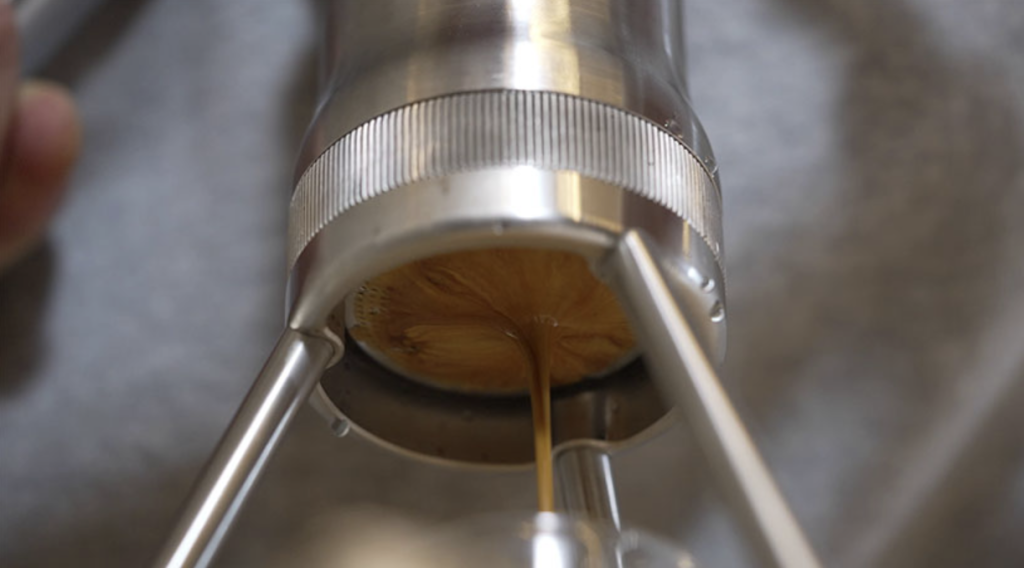
Leverpresso Orbit by HUGH Inc.
That mechanical simplicity is paired with a surprisingly serious approach to espresso. Leverpresso Orbit uses a full-size 54.8 mm portafilter basket, a dimension commonly associated with professional espresso machines. Rather than shrinking every component simply to make the machine portable, HUGH Inc. has retained a familiar brewing standard. The result is a compact device that can accommodate a broader range of brewing parameters while remaining compatible with standard espresso accessories.
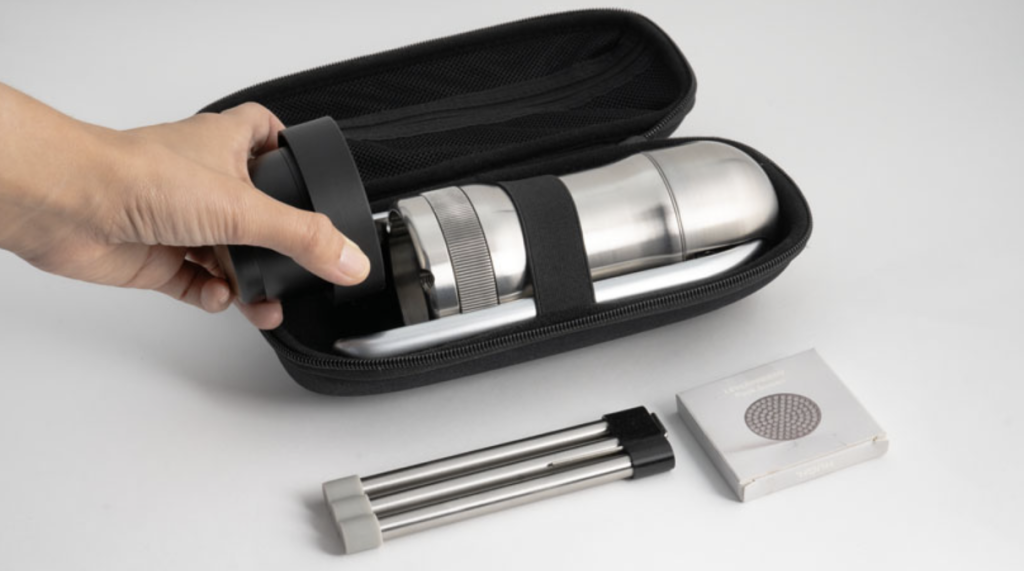
Leverpresso Orbit by HUGH Inc.
The material strategy reinforces the machine’s practical character. Constructed primarily from metal, the Orbit emphasizes structural stability, thermal performance, and durability, while its carefully refined proportions balance strength with portability. The result is an object that feels designed for repeated use rather than treated as a disposable travel gadget. Its compactness is not achieved by stripping away substance, but by carefully reconsidering how much machine is actually necessary.
Perhaps the most compelling aspect of Leverpresso Orbit is its independence from electricity. All it needs is hot water, ground coffee, and human force, making it suitable for travel, outdoor settings, and other places where power is unavailable or deliberately left behind.
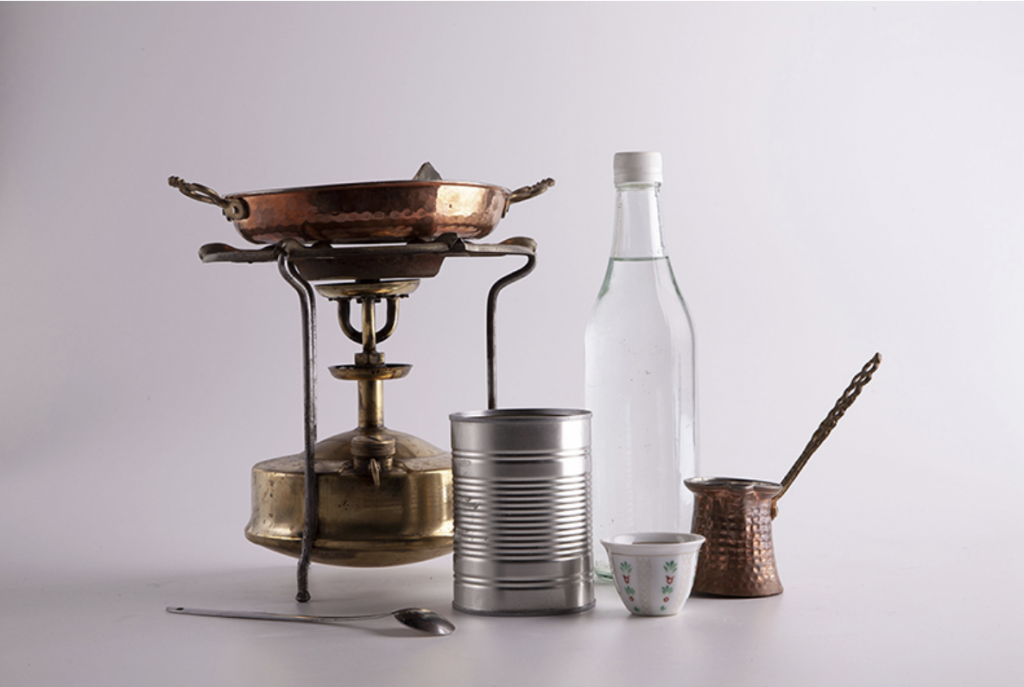
Turkish coffee tradition by Nir Shamir
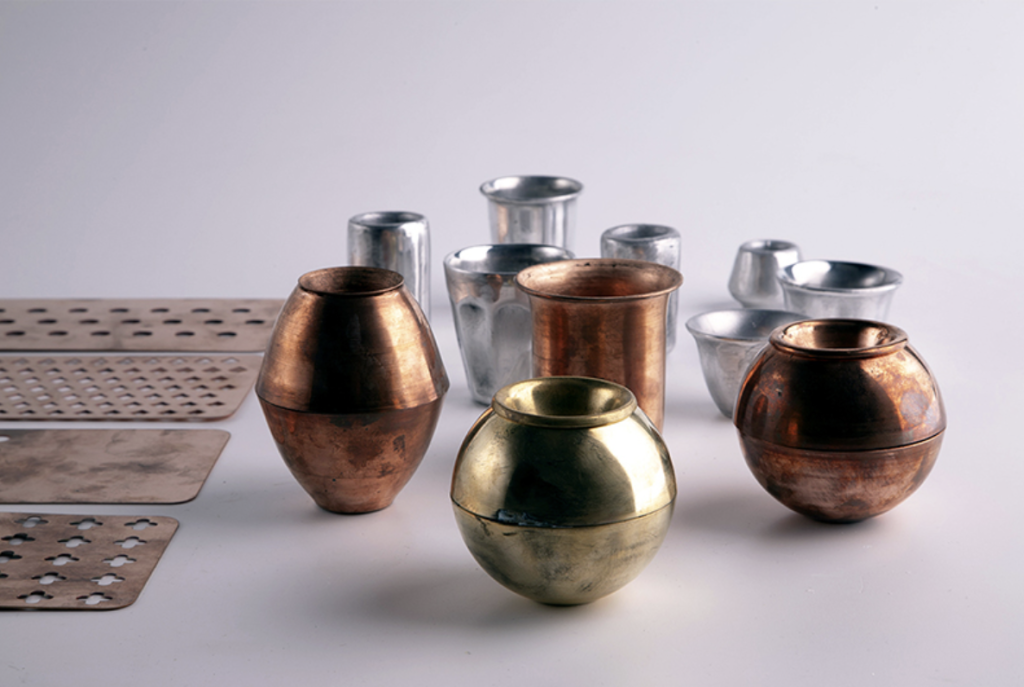
While Leverpresso Orbit looks forward by simplifying espresso technology, Nir Shamir takes a different route, looking backward to reconsider a deeply rooted coffee tradition. His project, developed through research at the Holon Institute of Technology and informed by a lifetime of drinking coffee, pays homage to the traditions of Turkish coffee. The starting point was personal as well as cultural. As an Israeli soldier, Shamir became familiar with Turkish coffee prepared outdoors using simple equipment: gas stoves, small glasses, cold water, an ibrik, and ground coffee. What might appear to be an assortment of ordinary objects becomes, when assembled, a distinctive ritual.
Turkish coffee tradition by Nir Shamir
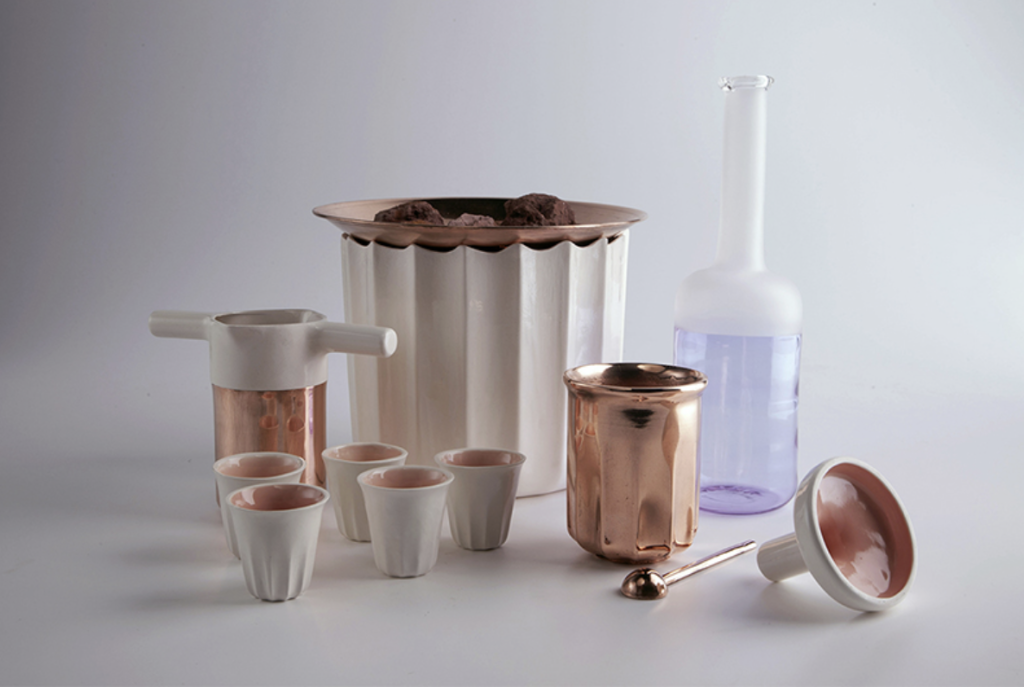
Shamir became particularly interested in sand cooking, a traditional technique in which a pan filled with sand is heated over an open flame and used to brew coffee. Rather than simply reproducing the method, he asked how this outdoor experience could be translated into the home. The project therefore became an exercise in transforming a practical brewing process into a carefully choreographed domestic ritual, with every object contributing to the experience.
Turkish coffee tradition by Nir Shamir
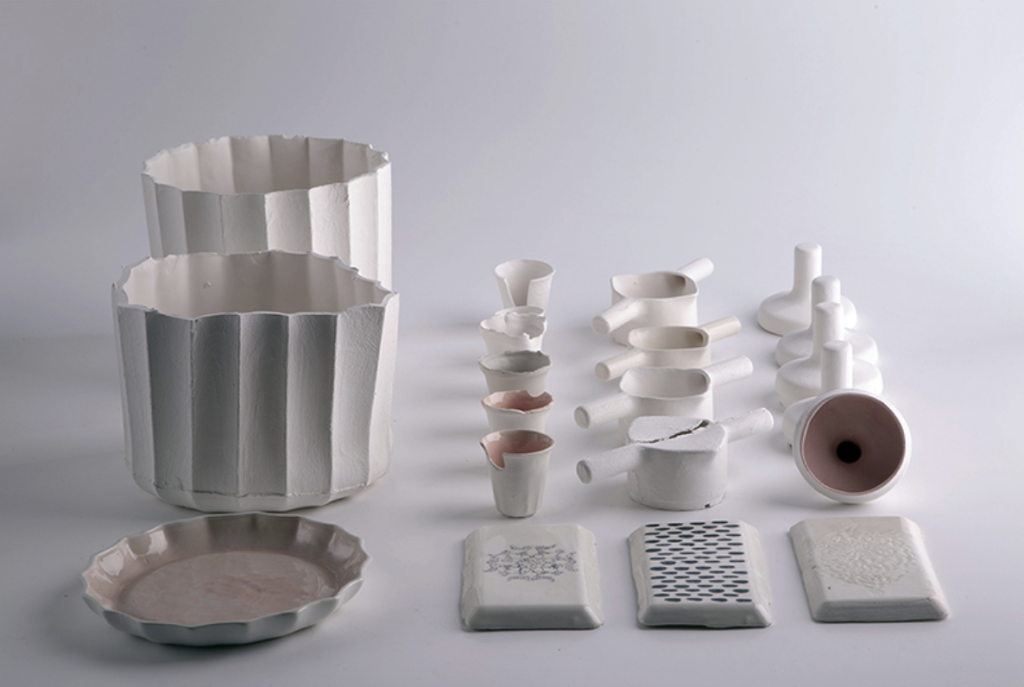
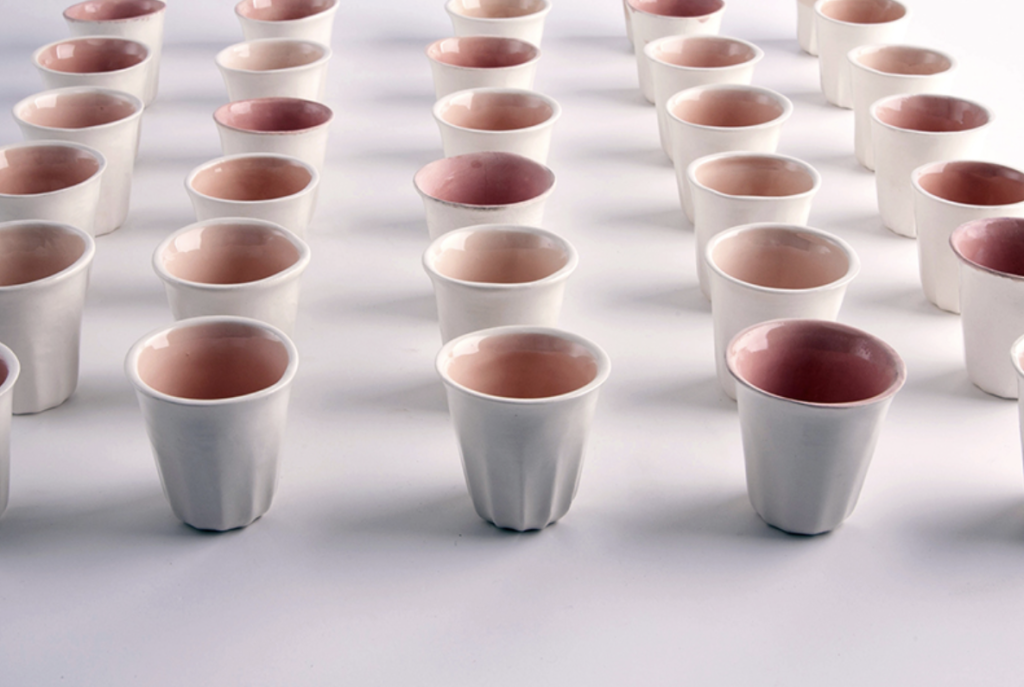
His research began with generic products that established the basic boundaries of the system: a small drinking cup, an ibrik, a water bottle, a coffee tin, spoon, cooking stove, and plate for heating the sand. These familiar objects were then reinterpreted through a more deliberate material and formal language. The redesigned ibrik combines a copper base, chosen for its heating properties, with a ceramic upper section and two handles intended for the host and guest. The water bottle is constructed from two pieces of glass with an elongated neck for easier handling, while the ceramic cup introduces a splash of color through its pink interior.
Turkish coffee tradition by Nir Shamir
The material choices continue throughout the collection. Copper is used for the coffee tin and spoon, while the cooking plate holds purple, iron-infused sand sourced from Hamakhtesh Hagadol. Even the stove is reconsidered, shifting from gas to alcohol to avoid the unwanted smell and discoloration associated with conventional fuel. Rather than treating coffee preparation as a purely functional sequence, Shamir turns it into an intimate performance of hosting, making, serving, and sharing. Here, design innovation comes not from inventing a new beverage, but from giving an old ritual a new setting and a renewed sense of presence.
Mokase by Luigi Carfora and Clemente Biondo
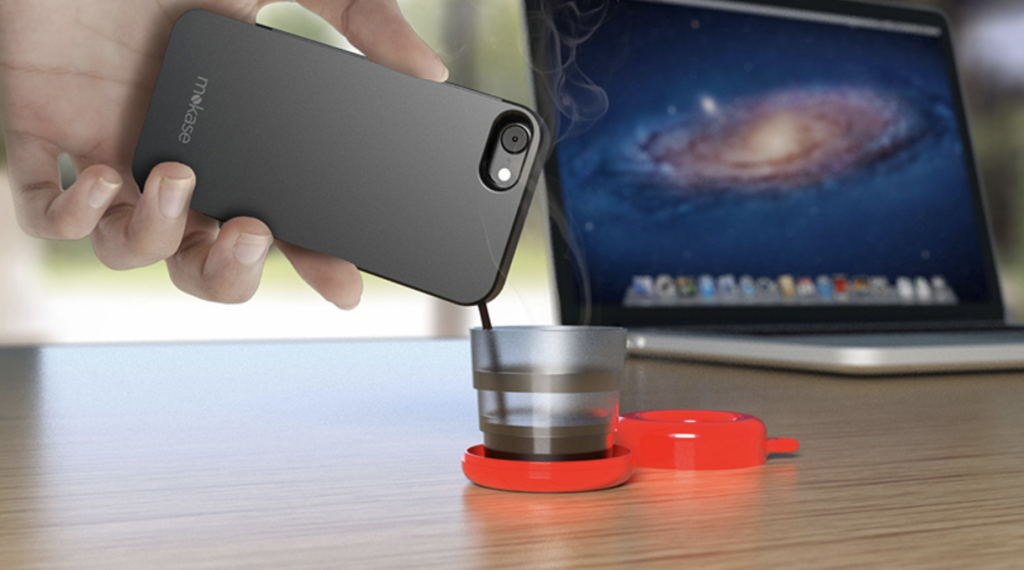
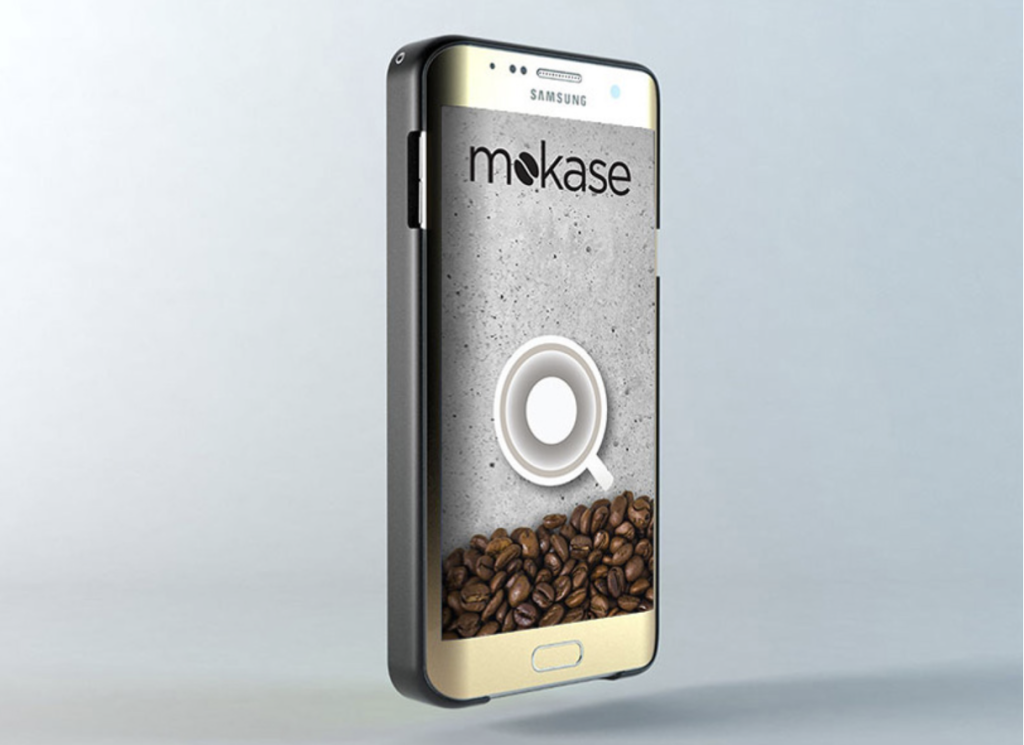
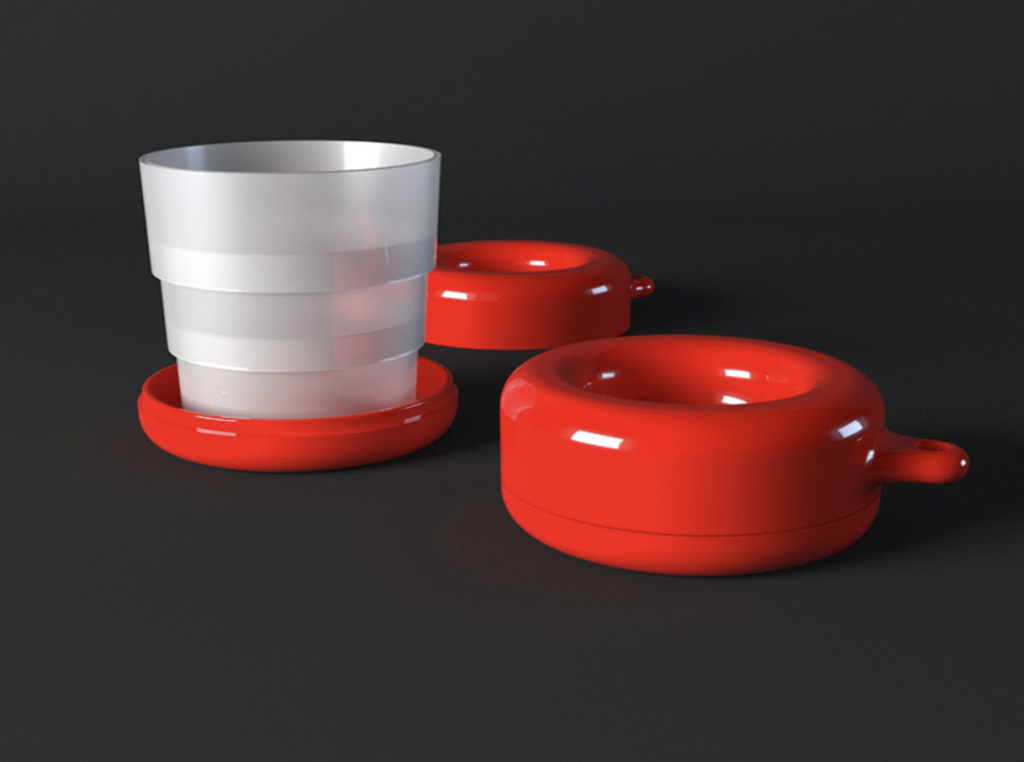
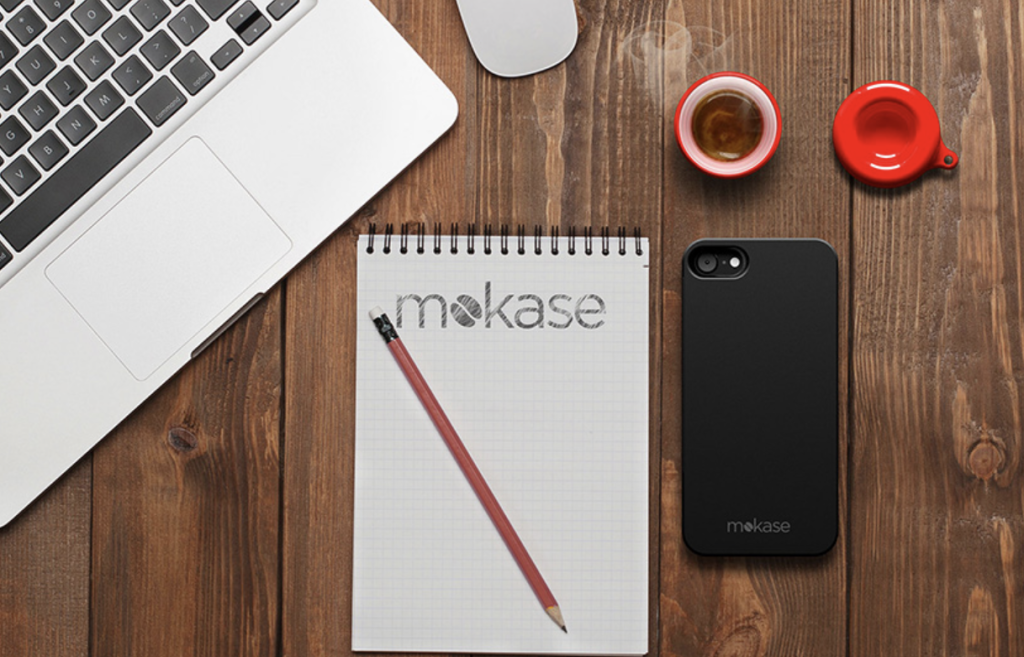
If Shamir’s project demonstrates the power of tradition, Mokase represents almost the opposite impulse. Developed by Luigi Carfora and Clemente Biondo of Smart K, the concept emerged from a straightforward contemporary problem: what do you do when you need coffee but are nowhere near a café? Their answer was characteristically connected. Instead of designing yet another portable coffee maker to carry alongside a smartphone, they incorporated the coffee maker into the smartphone case itself.
Mokase by Luigi Carfora and Clemente Biondo
Measuring less than one centimeter thick, the waterproof Mokase case was designed to protect the phone while also brewing a single serving of espresso. A disposable Mokaromi cartridge containing vacuum-sealed coffee slides into a side opening in the case. Once inserted, the system breaks the cartridge’s membrane, allowing the coffee to move toward the spout. The design effectively turns a familiar everyday accessory into a miniature beverage machine, transforming the smartphone from a communication device into an unlikely piece of kitchen equipment.
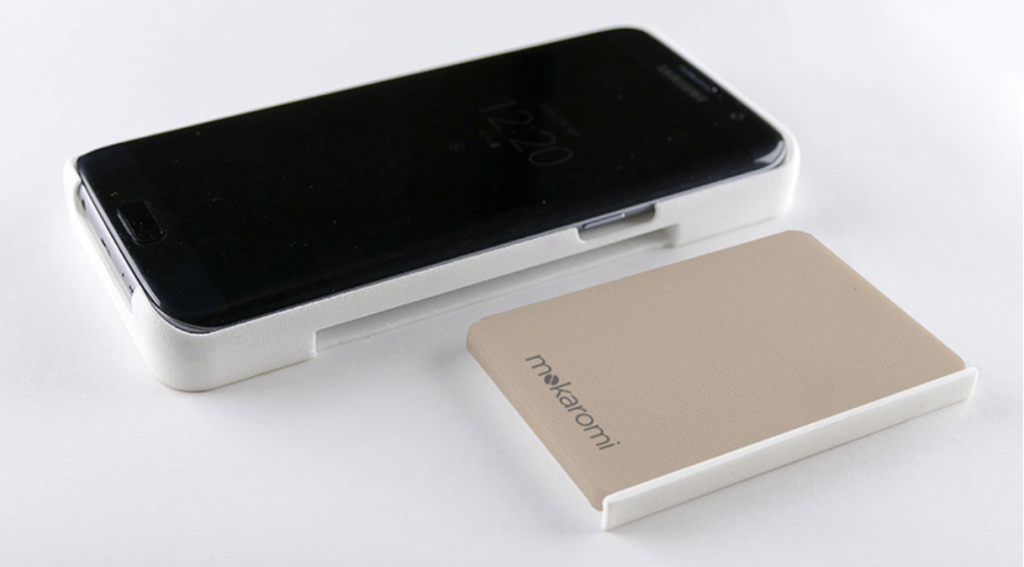
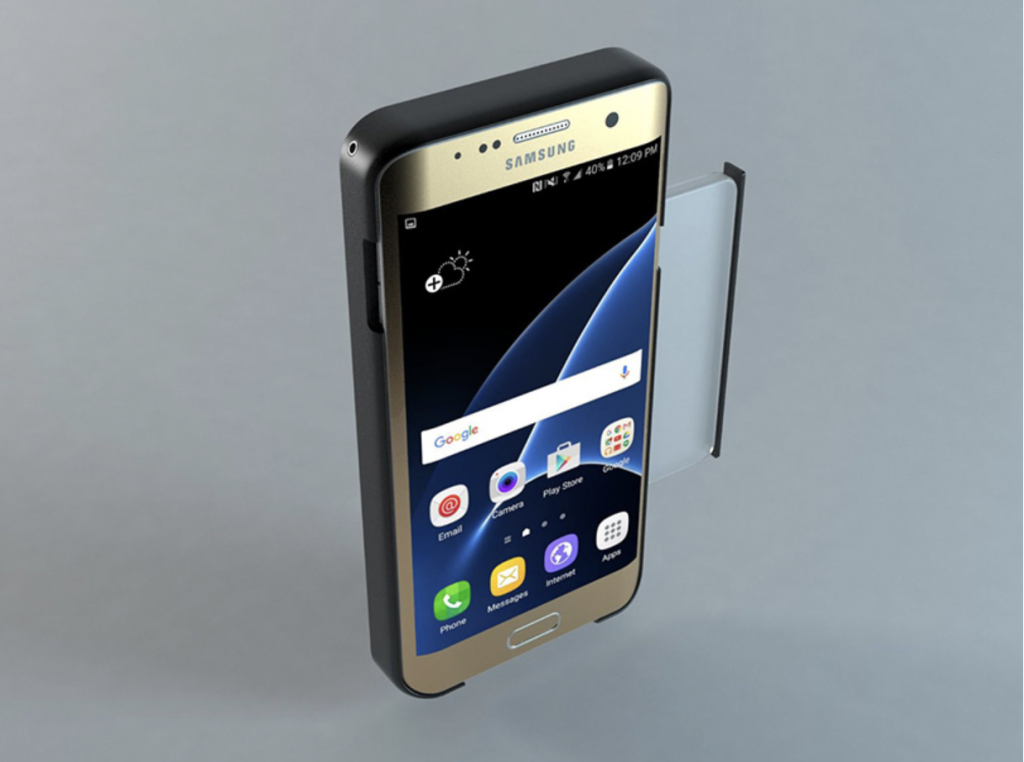
Mokase by Luigi Carfora and Clemente Biondo
The technology behind the concept is equally compact. Aluminum-silicone alloy resistors concentrate heat around the coffee spout, warming approximately 25 ml of coffee in five to eight seconds while insulating the rest of the smartphone from the heat. A built-in lithium battery provides the necessary power and can be recharged via USB. An accompanying app gives the user control over when the coffee is heated, creating a curious interaction in which software becomes part of the brewing ritual.
The coffee itself is stored in Mokaromi cartridges designed to preserve freshness for at least three months, with Italian-made pods offered in classic, toasted, and Arabic varieties.
Mokase by Luigi Carfora and Clemente Biondo
What connects these projects is not a particular material, mechanism, or technology, but a willingness to reconsider the familiar. Each project starts with something deeply established, the espresso machine, the coffee ritual, or the smartphone, and asks what might happen if its boundaries were shifted. The answers range from beautifully mechanical to culturally reflective to delightfully futuristic. And perhaps that is the most useful lesson for designers: innovation does not always require inventing something entirely new. Sometimes it begins by looking at an everyday ritual and asking a better question.