The most interesting innovations in design are not always the ones that look futuristic. Sometimes, they are hiding in materials we already have, waiting for someone to look at them differently. From replacing plastic foam with paper engineering to turning whiskey waste, seaweed, and rosemary trimmings into functional packaging, a new generation of designers is treating sustainability less as a limitation and more as a creative brief. These projects demonstrate an increasingly important shift in design thinking: the future may not require entirely new materials, but smarter ways of using the ones already around us.
Packaging for Storey by Propeller Design
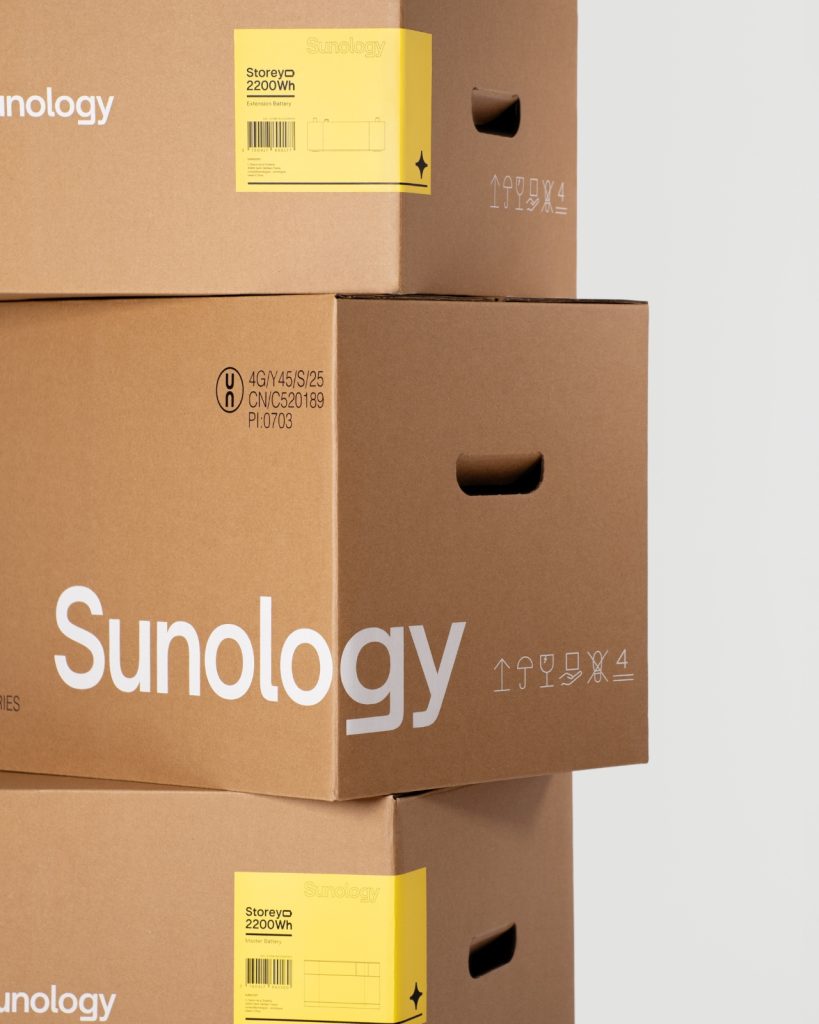
Packaging is usually the least glamorous part of a product experience. It gets opened, dismantled, flattened, recycled, or forgotten. But every so often, packaging makes such a convincing case for itself that the unboxing becomes part of the product story. The packaging for Sunology’s Storey home battery is one of those rare examples. Designed by Swedish industrial design studio Propeller Design, the system protects a substantial piece of energy technology while making a surprisingly persuasive argument for paper as an industrial material.
Packaging for Storey by Propeller Design
The Storey is a compact home energy storage system designed to store electricity from solar panels or the grid and make it available when needed. Its soft forms and aluminum housing give it the visual character of a contemporary household appliance rather than something destined for a utility room. The product itself has already received recognition, including the BIG SEE Grand Prix 2026 Design Award. Yet the packaging deserves its own moment in the spotlight because it tackles a very different kind of engineering challenge.
Packaging for Storey by Propeller Design
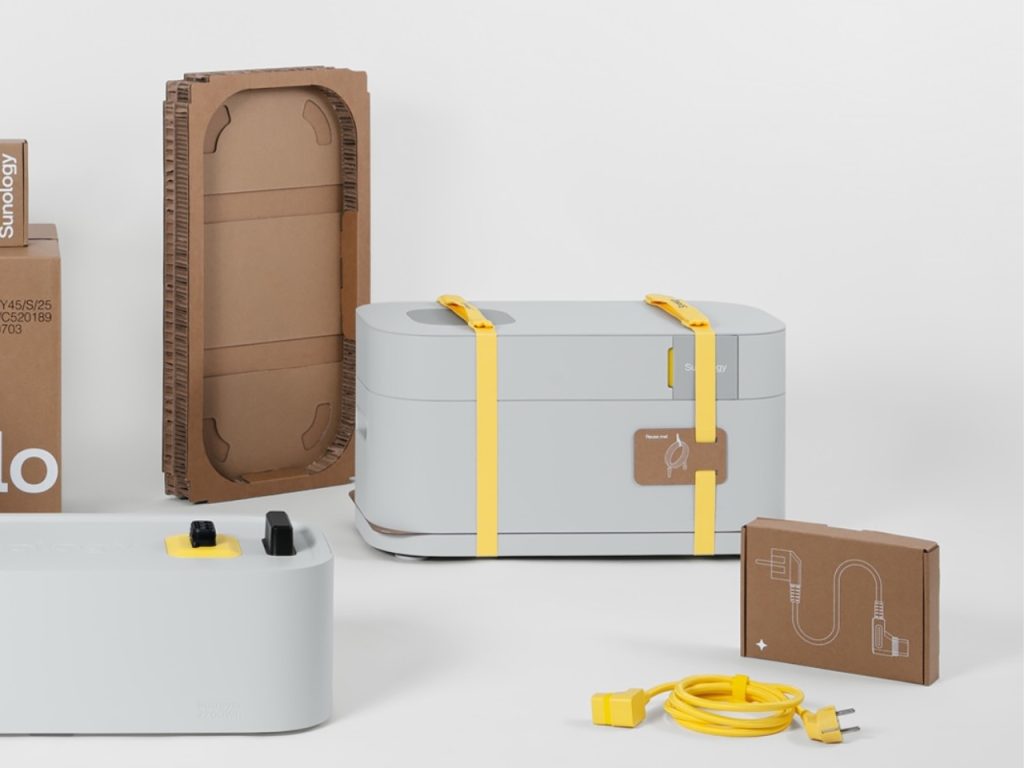
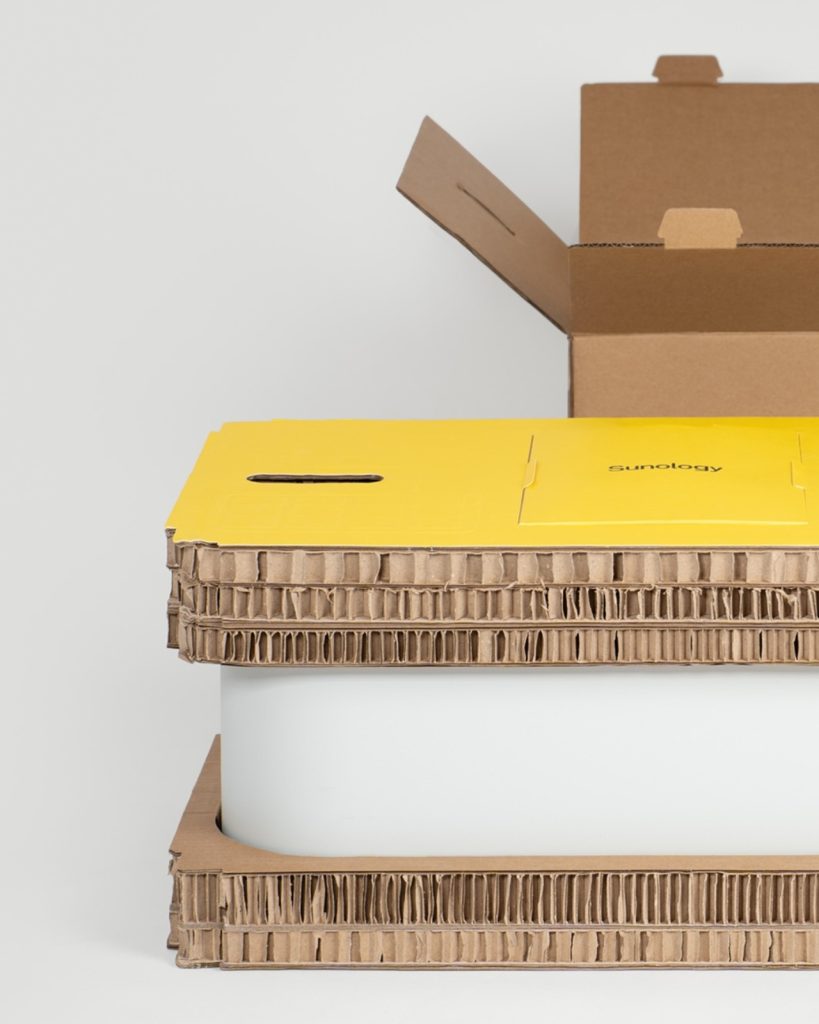
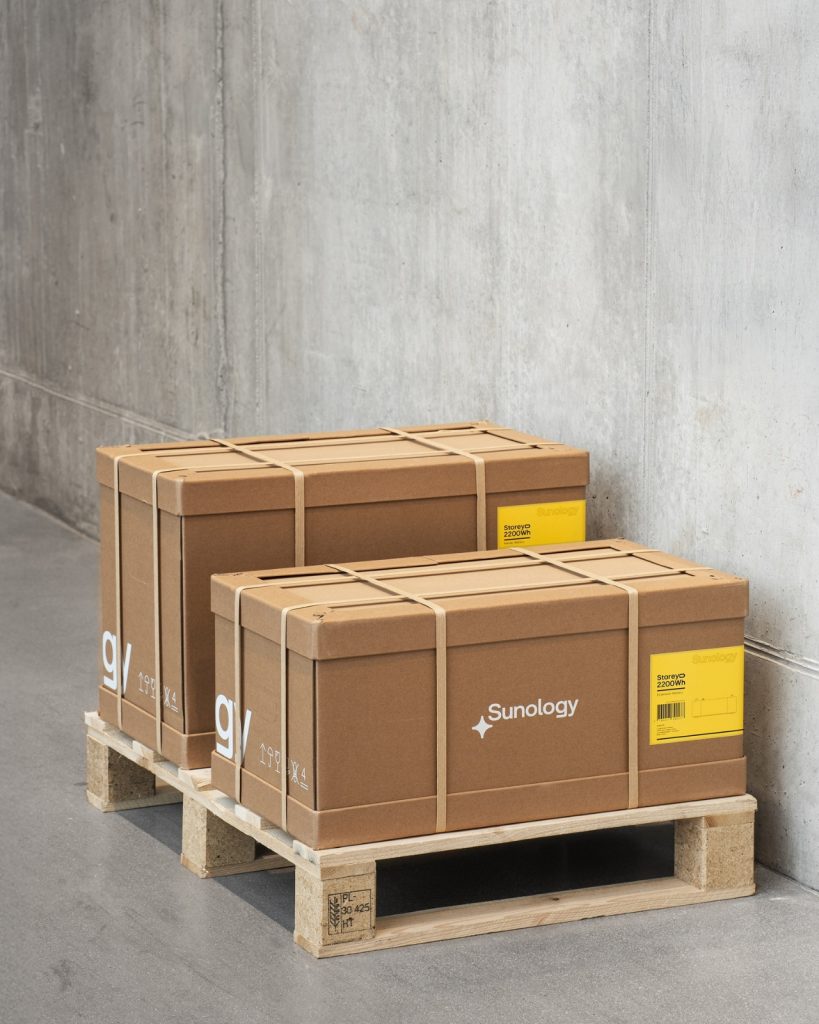
At 30.5 kilograms, the Storey is not exactly a delicate parcel. Conventional packaging for products of this weight often relies heavily on expanded foam and plastic components to absorb shocks and hold everything securely in place. Propeller Design instead developed a completely fiber-based solution. Strong honeycomb board provides the structural backbone, paperboard reinforces the corners, and paper straps secure the battery without introducing plastic into the system. The result is a packaging structure that is both remarkably simple and impressively capable.
Packaging for Storey by Propeller Design
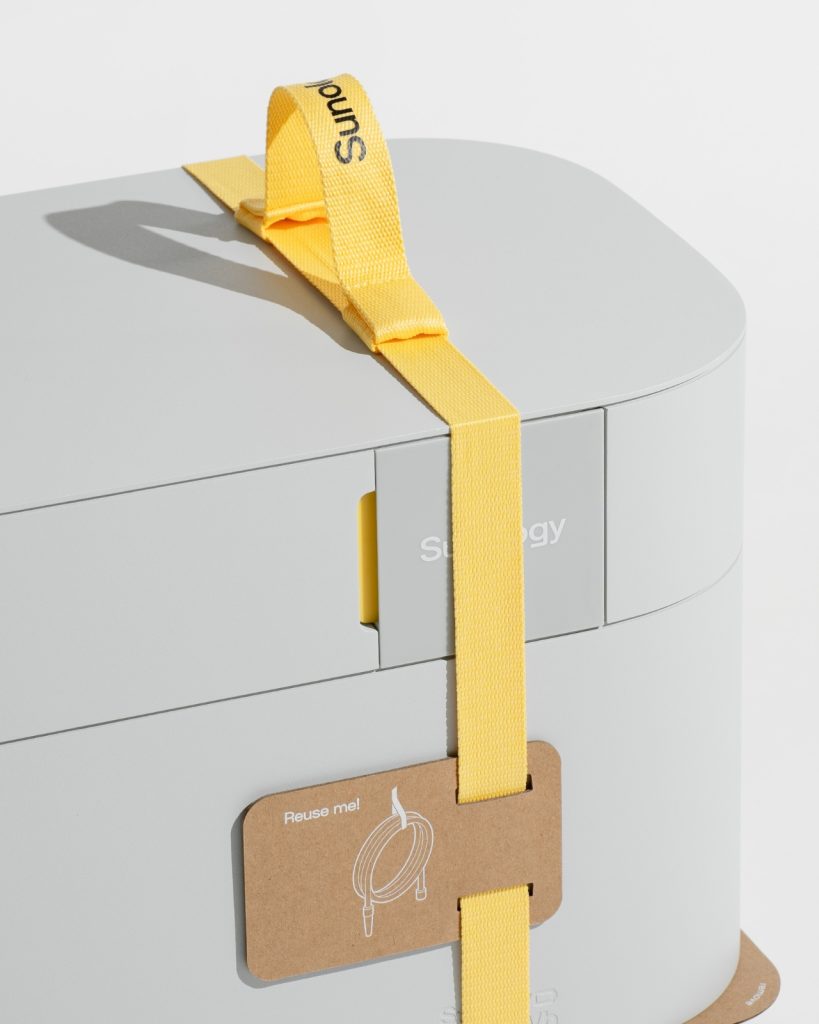
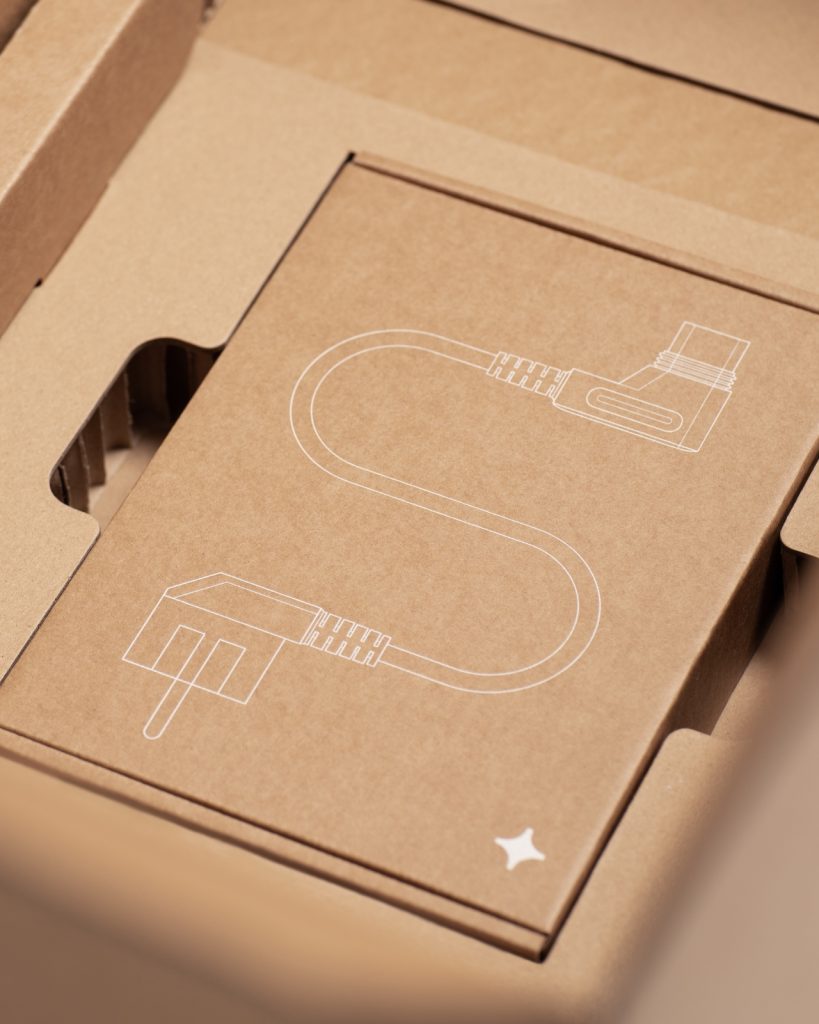
What makes the design particularly compelling is that sustainability has not been treated as a visual sacrifice. The honeycomb structure cradles the battery with almost architectural precision, while the yellow paper straps introduce a bright, deliberate detail. One strap even carries a small kraft card reading “Reuse me!” with a simple cable illustration. More importantly, the design proves that plastic-free packaging can survive the demands of real-world logistics while still feeling considered, premium, and enjoyable to open.
Packaging for Storey by Propeller Design
And if the Storey packaging demonstrates what can be achieved through clever structural engineering, the next project takes a different route entirely: instead of redesigning the structure around paper, it asks what happens when the material itself comes from something we normally throw away.
Feddie Packaging by Alexandre Bau, Lars Haugen Aardal and Alvise Rizzo
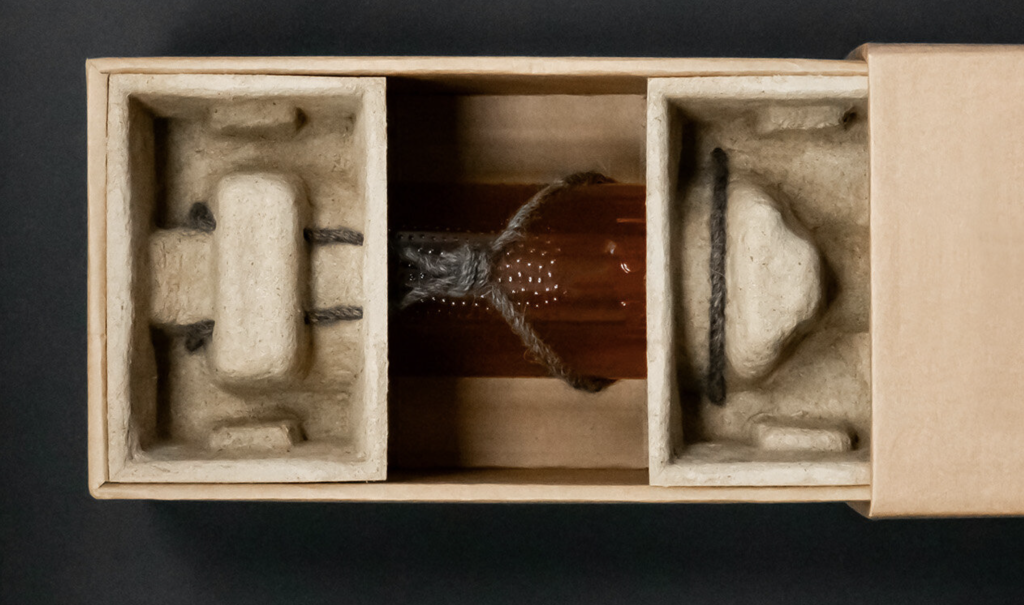
At Norway’s Bioregion Institute, the starting point for innovation was not a packaging factory but a distillery. Researchers Alexandre Bau, industrial biochemist Lars Haugen Aardal, and industrial designer Alvise Rizzo developed Feddie Packaging, a molded packaging material made from two unlikely ingredients: draff, the spent malted barley left over from whiskey production, and locally cultivated sugar kelp.
Feddie Packaging by Alexandre Bau, Lars Haugen Aardal and Alvise Rizzo
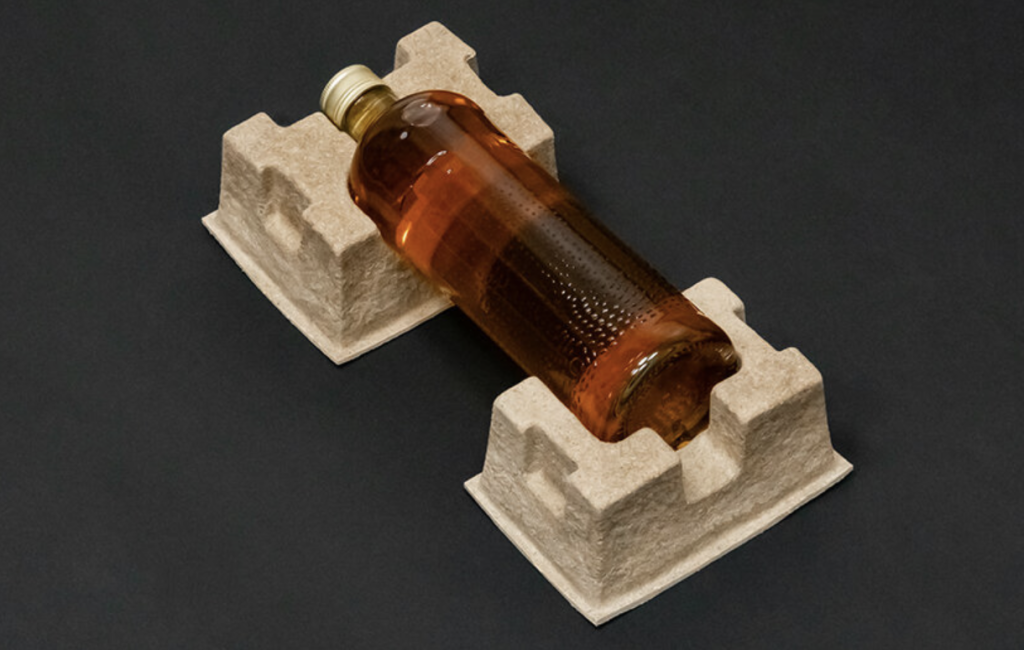
Draff is usually treated as a secondary agricultural resource, often ending up as animal feed or compost. But the material contains starch, proteins, and fibers, giving it qualities that make it surprisingly well suited to molded packaging. The team combines it with sugar kelp grown along Norway’s coast. The seaweed contributes alginate, a natural polysaccharide with adhesive properties, while the residual starch in the draff acts as a natural binder. Together, the materials form a robust, shock-absorbing structure that can be molded into useful shapes.
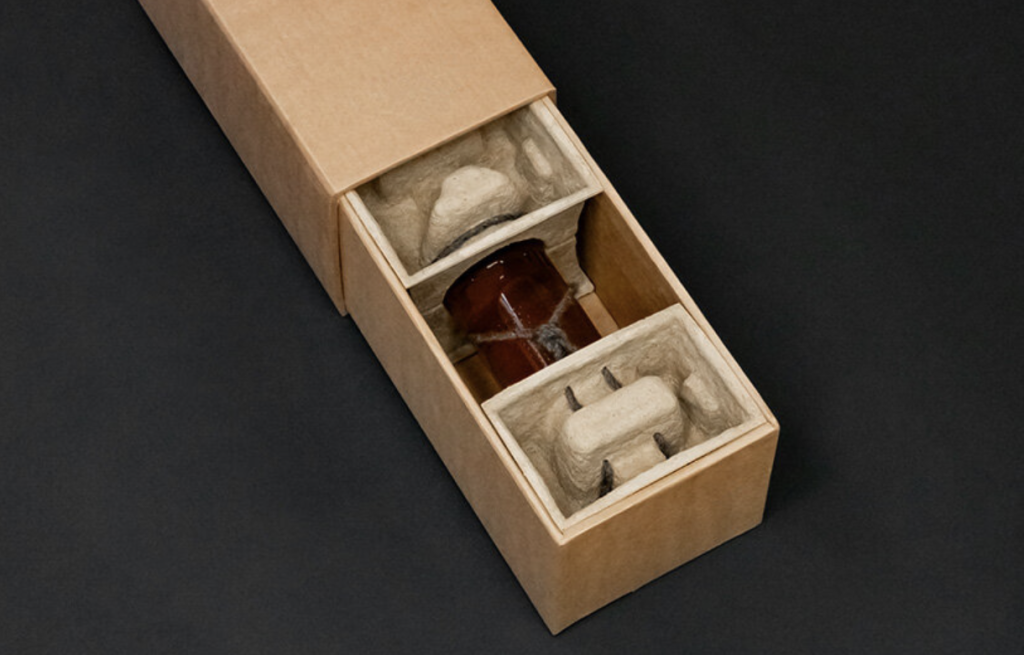
Feddie Packaging by Alexandre Bau, Lars Haugen Aardal and Alvise Rizzo
The first application is particularly fitting. Developed in collaboration with Feddie Ocean Distillery and seaweed cultivators Lerøy Ocean Forest, the material has been formed into protective inserts for whiskey shipping boxes. Using vacuum forming and existing molded-fiber manufacturing techniques, the inserts can take on complex three-dimensional forms while remaining biodegradable. They are dried and finished in an oven after molding, resulting in a packaging component that combines strength, flexibility, and a relatively low-carbon material profile.
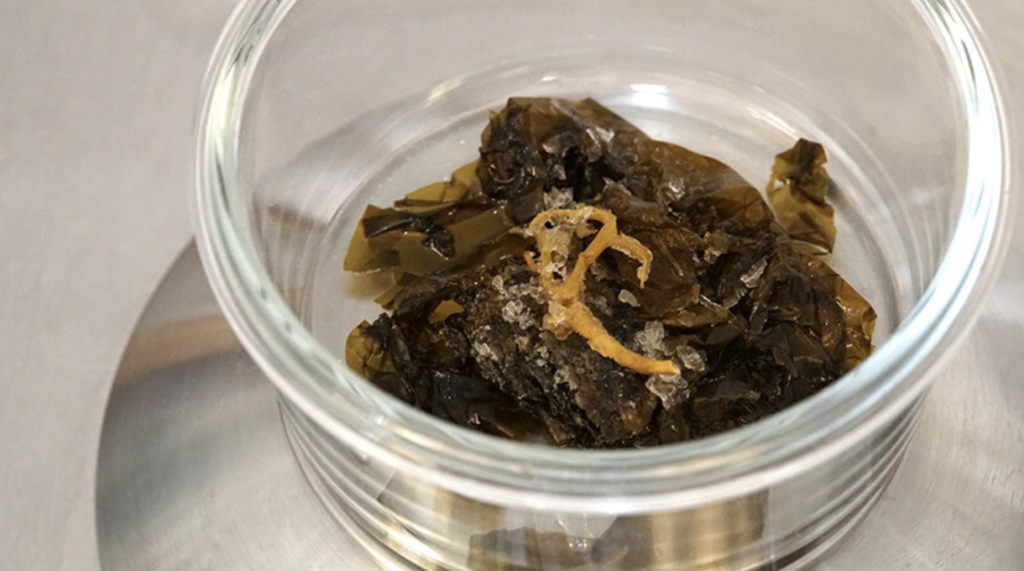
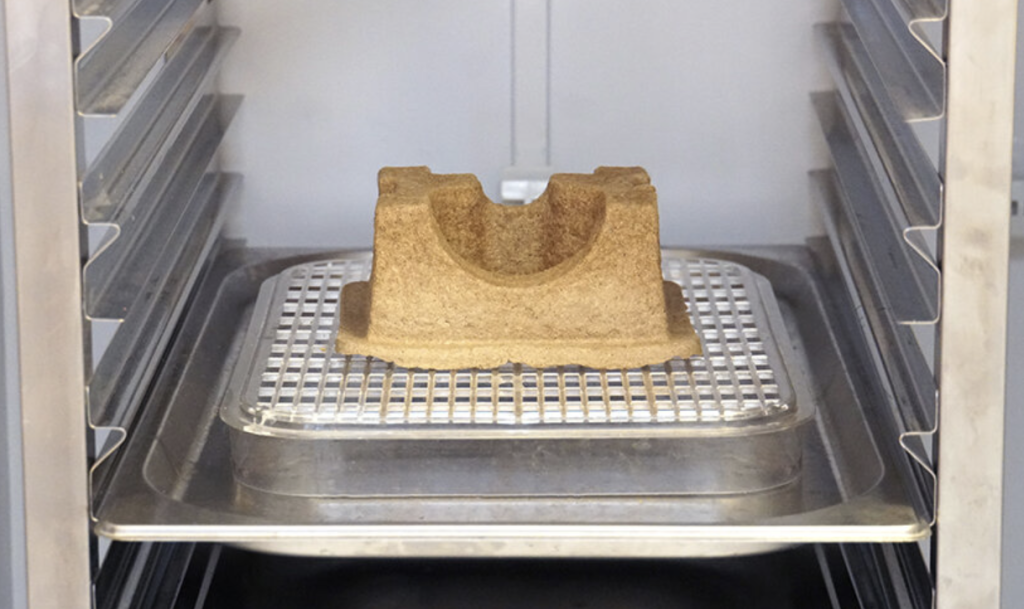
Feddie Packaging by Alexandre Bau, Lars Haugen Aardal and Alvise Rizzo
The bigger idea, however, extends well beyond whiskey. Feddie Packaging is part of a broader effort to map regional waste streams and turn them into valuable local resources. Instead of shipping virgin cellulose halfway around the world or relying on fossil-based plastics, the approach explores what is already available nearby. It is a distinctly circular way of thinking about manufacturing, where waste from one industry becomes the raw material for another. The project is currently being explored with manufacturers for industrial-scale validation, and its potential lies not simply in replacing one packaging material with another, but in building a supply chain around resources that were previously overlooked.
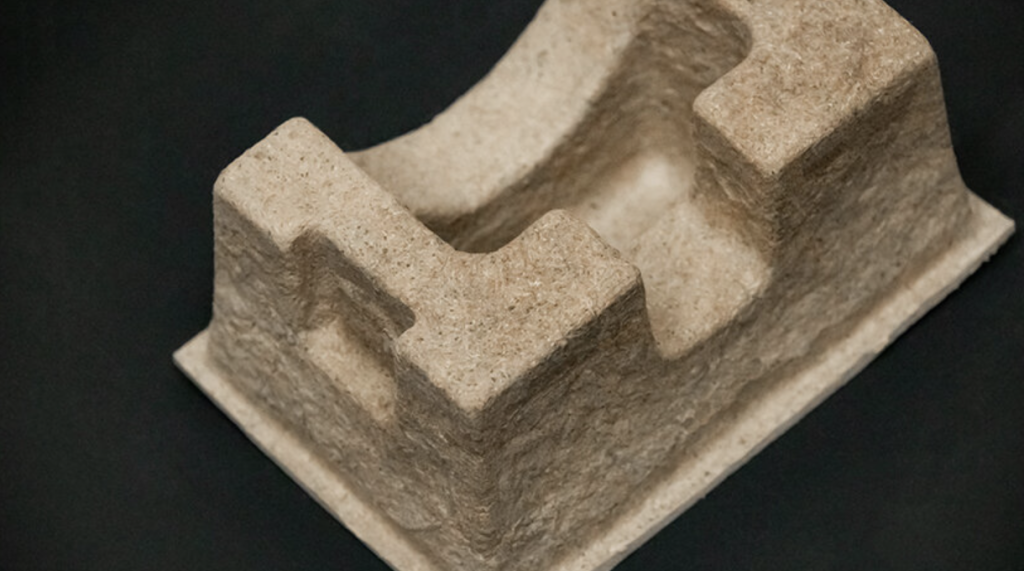
Feddie Packaging by Alexandre Bau, Lars Haugen Aardal and Alvise Rizzo
That philosophy brings us to perhaps the most playful example in this group. Because while barley and seaweed may seem like unconventional packaging ingredients, they are not nearly as unexpected as the material chosen for Scentra.
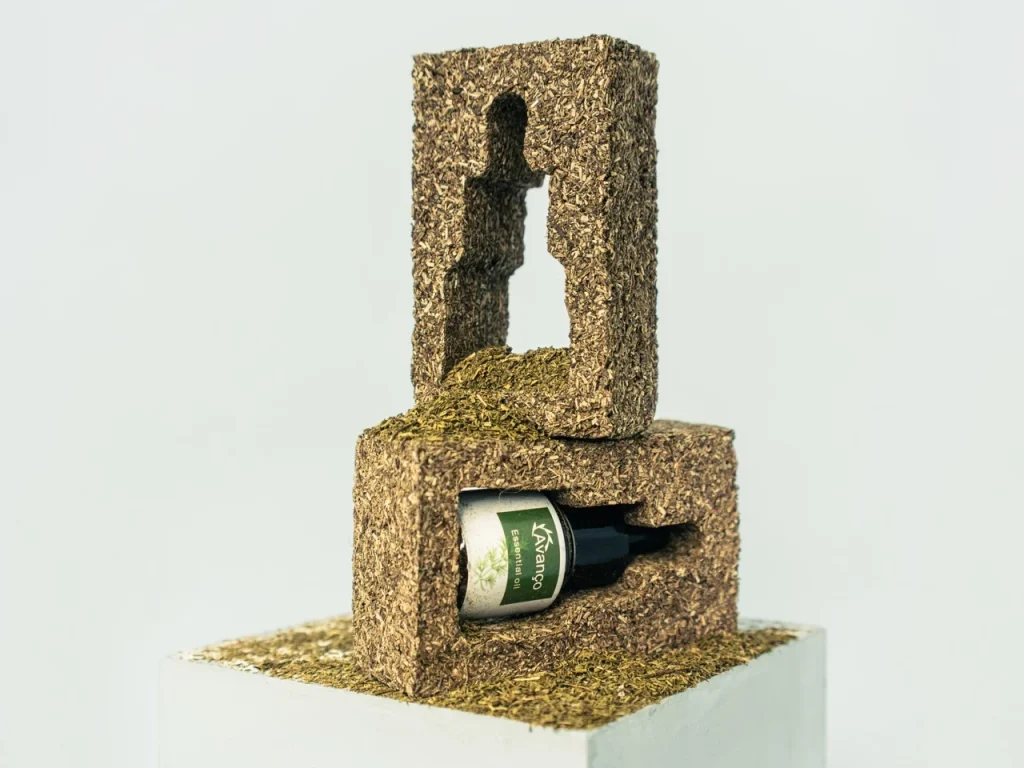
Scentra packaging by Zhixi Dai, Zhou Yun, and Wang Zhan (also header image)
Expanded polystyrene has enjoyed an extraordinarily long reign as the packaging industry’s go-to protective filler. It is inexpensive, lightweight, and good at absorbing impact. It is also famously persistent once discarded. Designers have been exploring alternatives for years, from mushroom mycelium and seaweed to molded pulp, but Scentra introduces a particularly aromatic contender: rosemary.
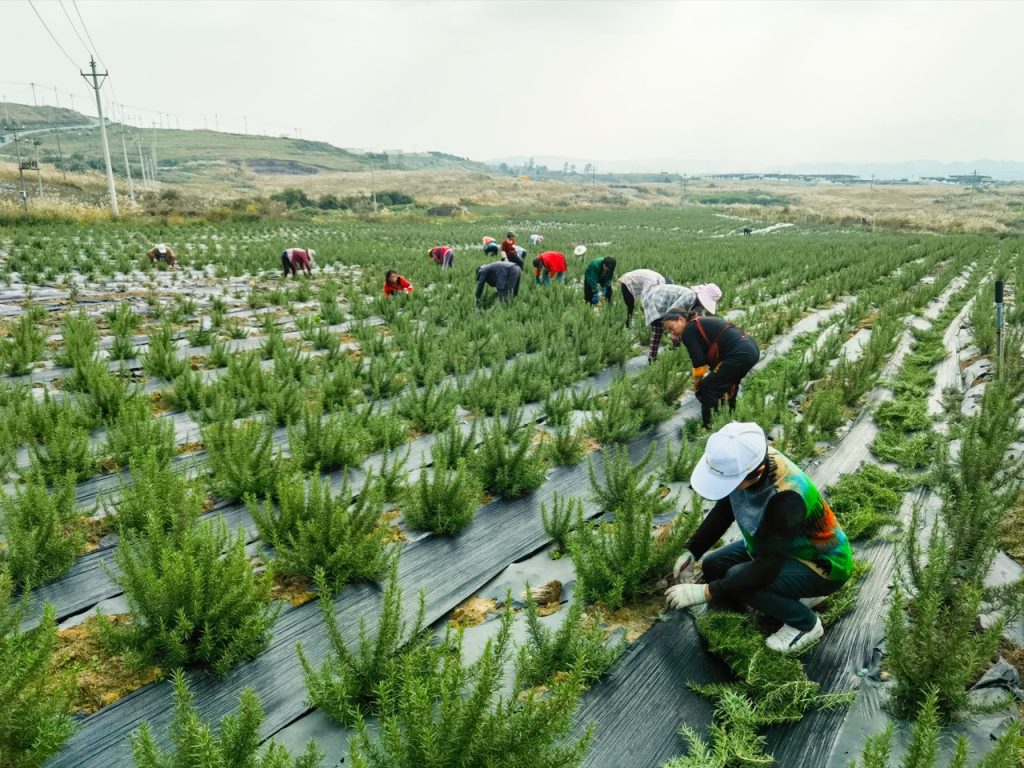
Scentra packaging by Zhixi Dai, Zhou Yun, and Wang Zhan
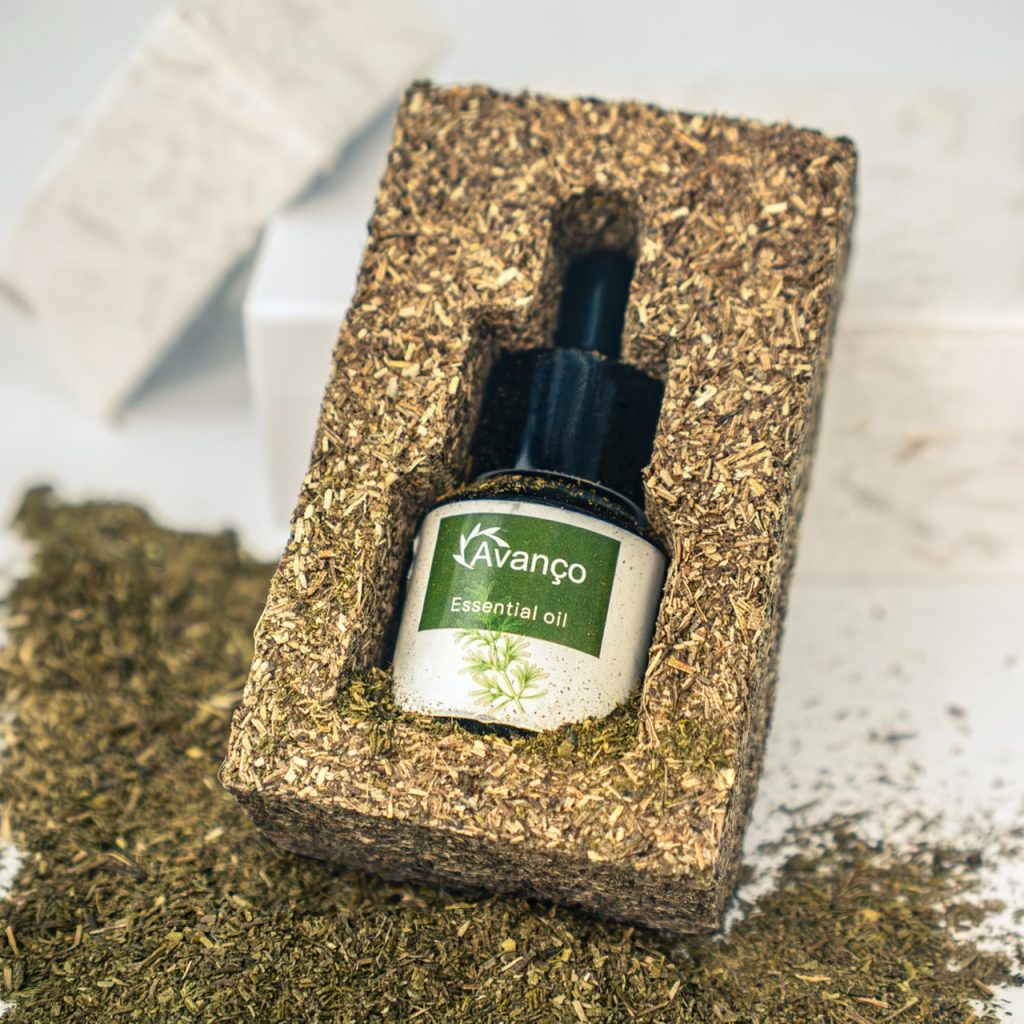
Created by designers Zhixi Dai, Zhou Yun, and Wang Zhan, Scentra compresses rosemary waste into a protective packaging block using a seaweed-based binder. The rosemary comes from an organic farm in Guizhou, China, where plant trimmings from the AOLUX line of Omni Biotech would otherwise become agricultural waste. The project also connects material innovation with rural employment, as the farm works with local people from low-income families as part of a wider rural revitalization effort.
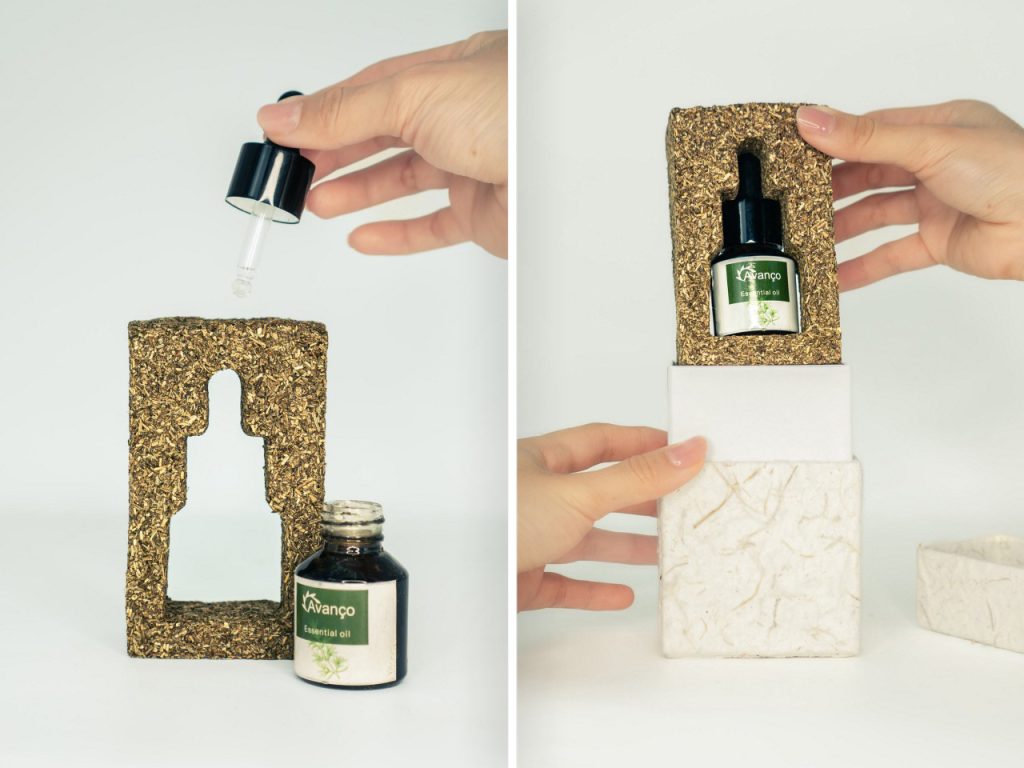
Scentra packaging by Zhixi Dai, Zhou Yun, and Wang Zhan
The packaging itself is remarkably direct. A cavity is cut into the compressed rosemary block to precisely accommodate an essential oil bottle, creating a sculptural frame around the product. But the material does not simply protect the bottle and then become useless. Because the rosemary retains its natural oils and scent, the packaging can continue functioning as a passive diffuser after the product has been removed. Add a few drops of essential oil and the block gets a second life, without electronics, batteries, or additional hardware.
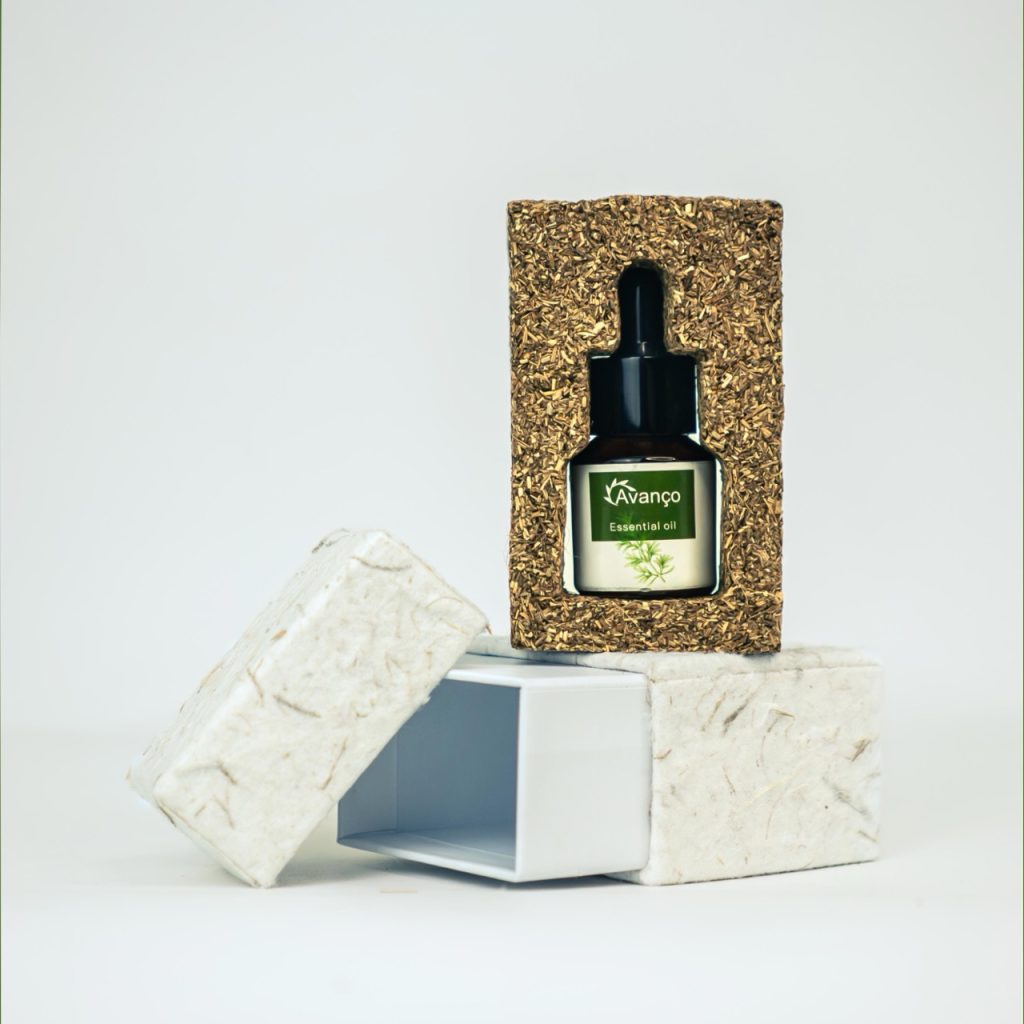
Scentra packaging by Zhixi Dai, Zhou Yun, and Wang Zhan
This is where Scentra makes a particularly interesting contribution to the conversation around circular design. Many waste-to-material projects transform discarded matter into something new, but the original identity and properties of the waste often disappear during processing. Scentra takes the opposite approach. The rosemary remains recognizably rosemary. Its texture, aroma, and natural properties become part of the user experience rather than something designers need to eliminate.
The concept has also received recognition, winning Best Eco Design at the European Product Design Awards.
Scentra packaging by Zhixi Dai, Zhou Yun, and Wang Zhan
The most exciting material of the future, then, may not be a material at all. It may be the ability to see potential where everyone else sees leftovers. A sheet of paper becomes structural engineering. Whiskey grain becomes packaging. Seaweed becomes a binder. Rosemary trimmings become a protective shell and a diffuser. In each case, innovation begins with a deceptively simple act: looking at waste and deciding that the story is not over yet.