Gaming is no longer confined to dedicated consoles, glowing screens, or purpose-built machines. Across contemporary design, a new generation of creators is reimagining where and how play can exist, transforming everyday objects, physical spaces, and familiar media into unexpected platforms for interaction. These projects reveal a broader shift in design thinking—one in which technology is seamlessly integrated into our environments, emerging through moments of discovery rather than demanding constant attention.
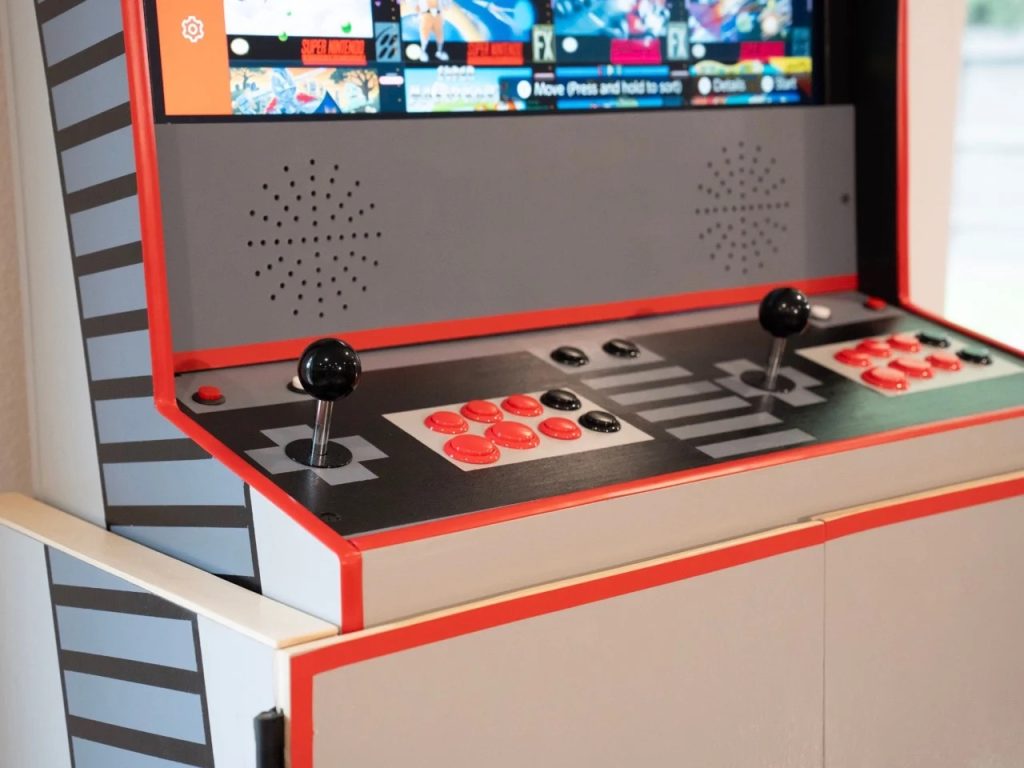
The Swap Arcade by Les Cookson and Ken Higginson (also header image)
At first glance, the Swap Arcade appears to be an unremarkable piece of mid-century modern furniture. Its walnut finish, clean proportions, and understated presence suggest a cabinet designed for tasteful storage rather than digital entertainment. This intentional misdirection is central to the project’s appeal. Designers Les Cookson and Ken Higginson have created an object that succeeds as furniture before it succeeds as a gaming device.
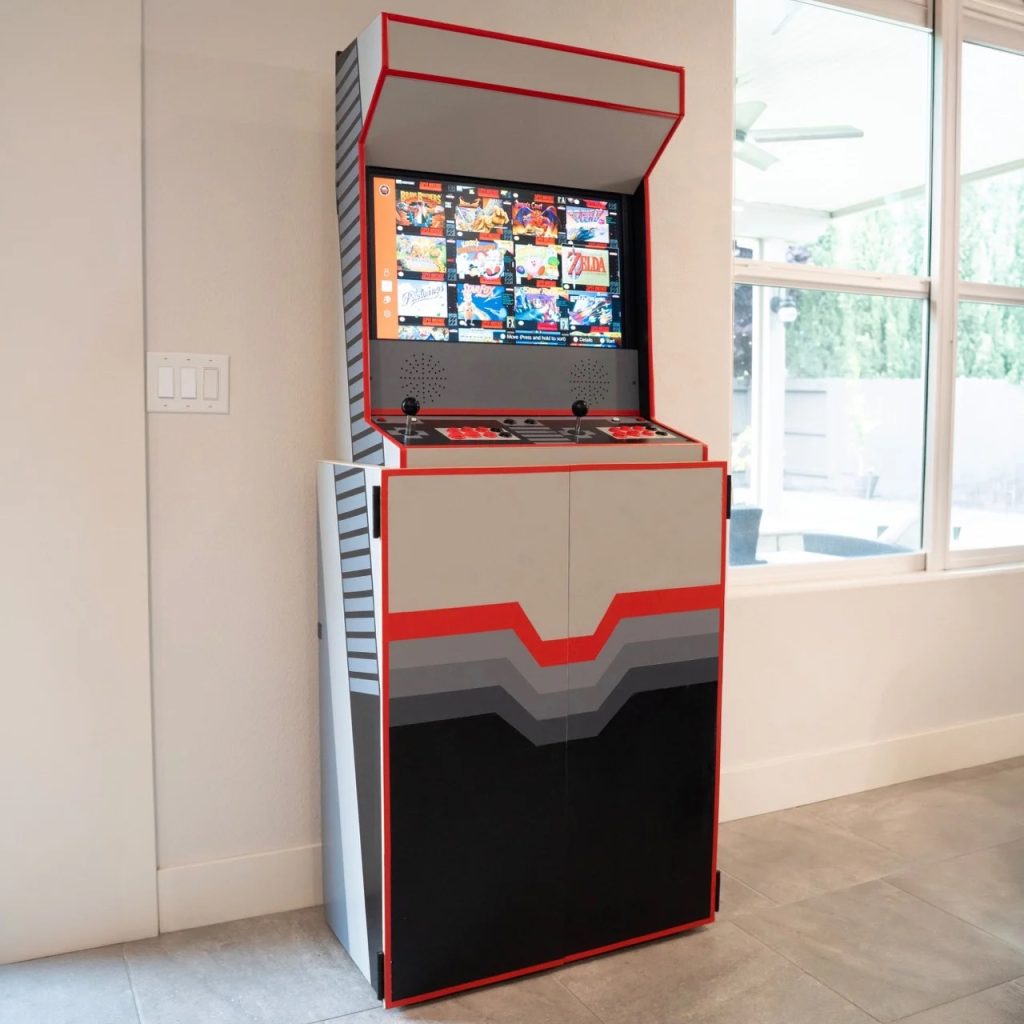
The Swap Arcade by Les Cookson and Ken Higginson
The transformation sequence is where the design truly shines. What appears to be a standard cabinet door folds down to reveal a two-player control deck, while the upper portion rises into a full-height arcade marquee. The experience feels almost theatrical. Rather than displaying its technological capabilities at all times, the arcade reserves them for a moment of revelation. This creates an emotional payoff that conventional gaming hardware rarely achieves.
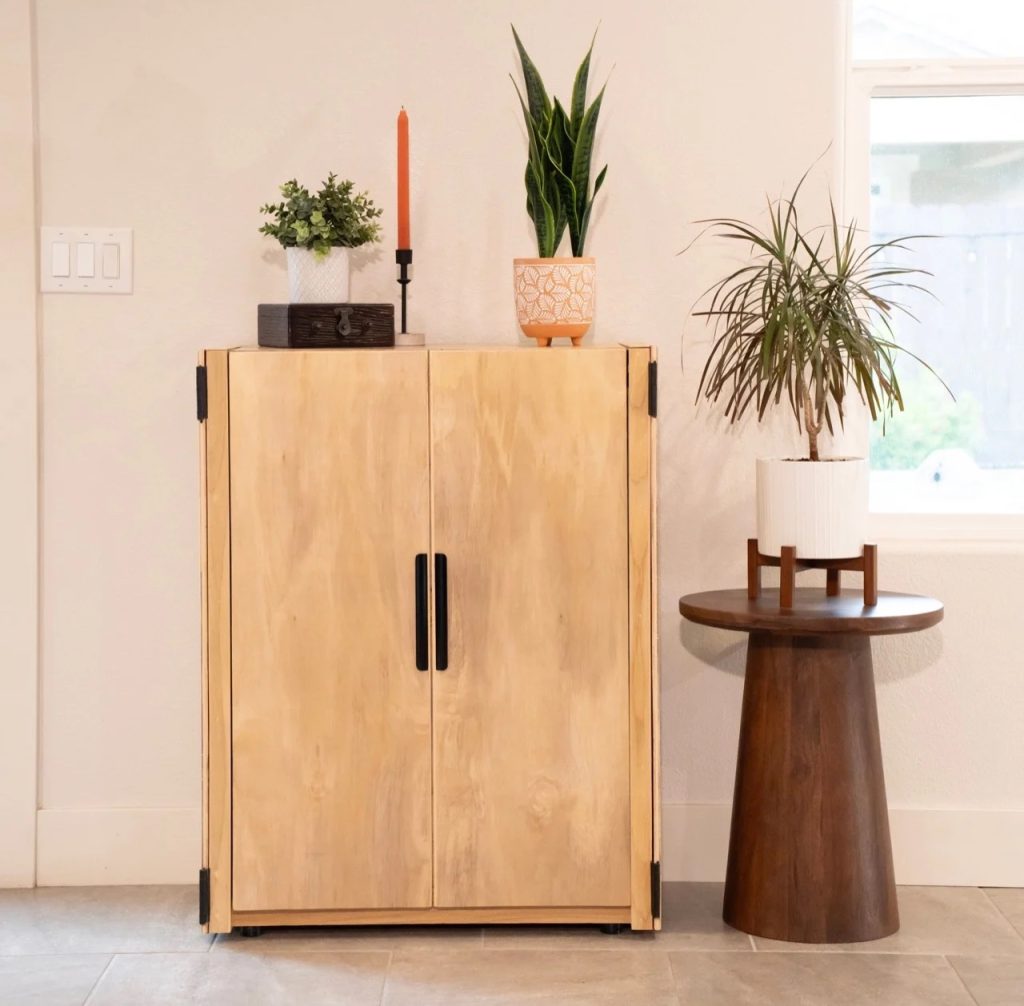
The Swap Arcade by Les Cookson and Ken Higginson
Beyond the spectacle, the project addresses a practical challenge faced by many technology enthusiasts: how to integrate hobby-oriented equipment into thoughtfully designed living spaces. The arcade’s compact footprint, premium materials, and customizable finishes acknowledge that contemporary homes often require products to perform multiple roles. The object succeeds because it respects both entertainment and interior design rather than forcing users to choose between them.
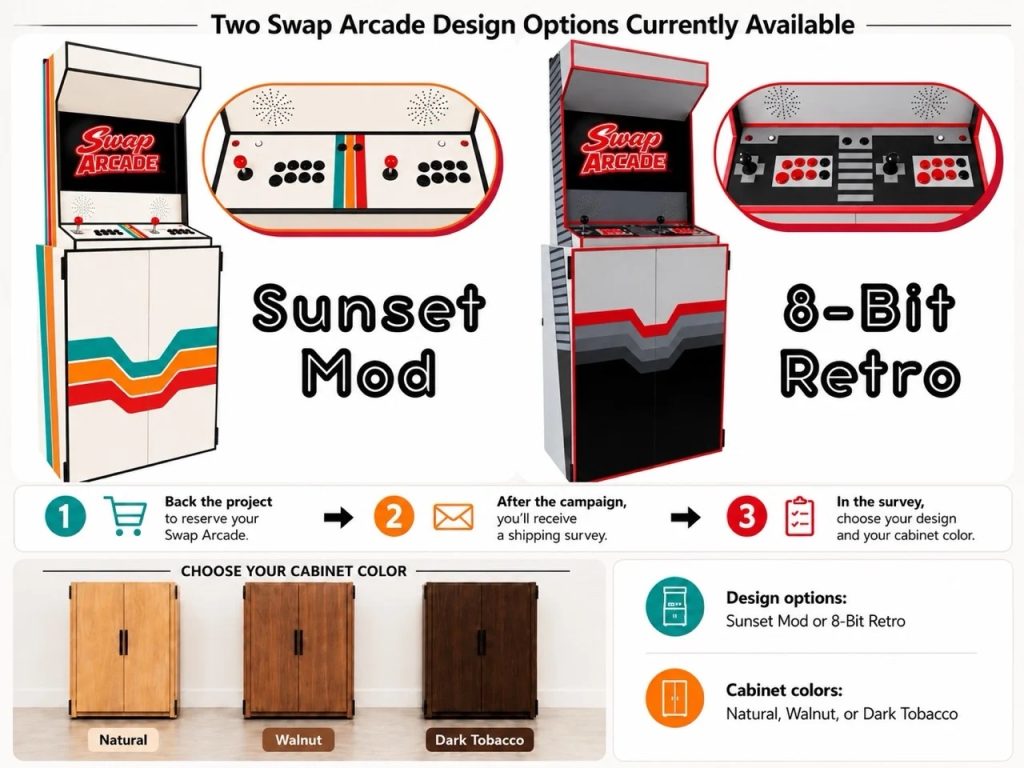
What makes the Swap Arcade particularly noteworthy is its balance of nostalgia and adaptability. Powered by a Raspberry Pi-based system and compatible with modern gaming platforms, it connects decades of gaming culture through a single physical interface. The cabinet demonstrates how innovative design can preserve the emotional appeal of classic arcade experiences while embedding them within contemporary domestic environments. In doing so, it transforms technology from a visual intrusion into an unexpected feature.
If the Swap Arcade hides technology behind furniture, the next project takes a different approach. Rather than concealing digital systems, it reveals the invisible computational logic that already shapes much of modern technology.
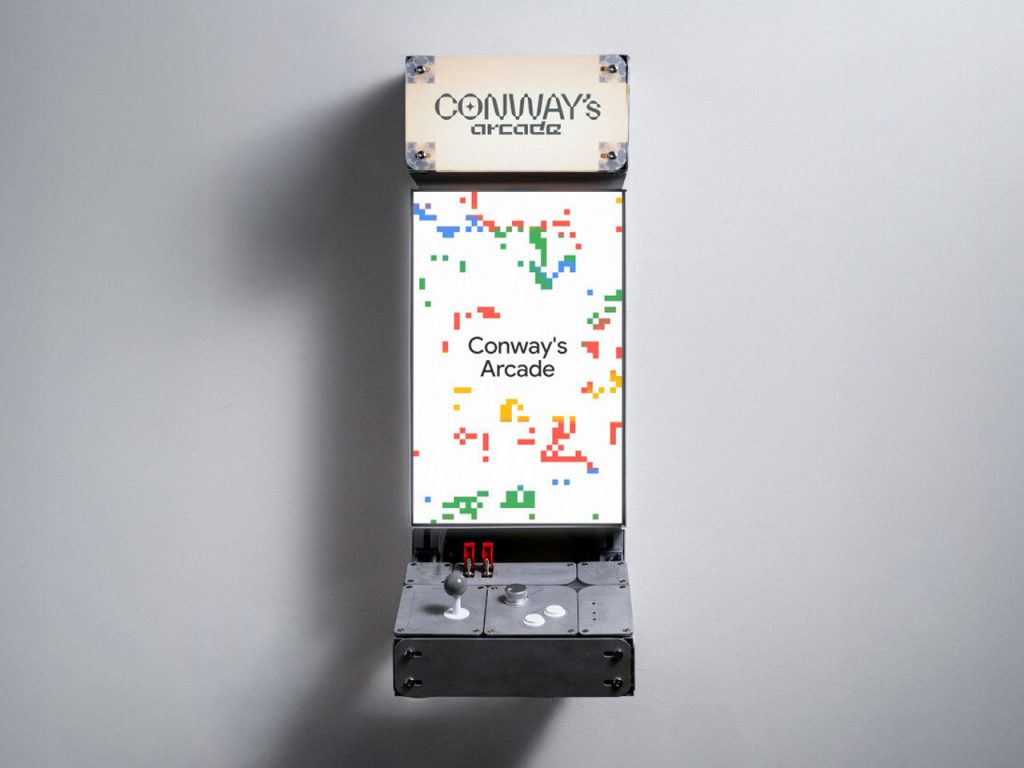
Conway’s Arcade by SpecialGuestx
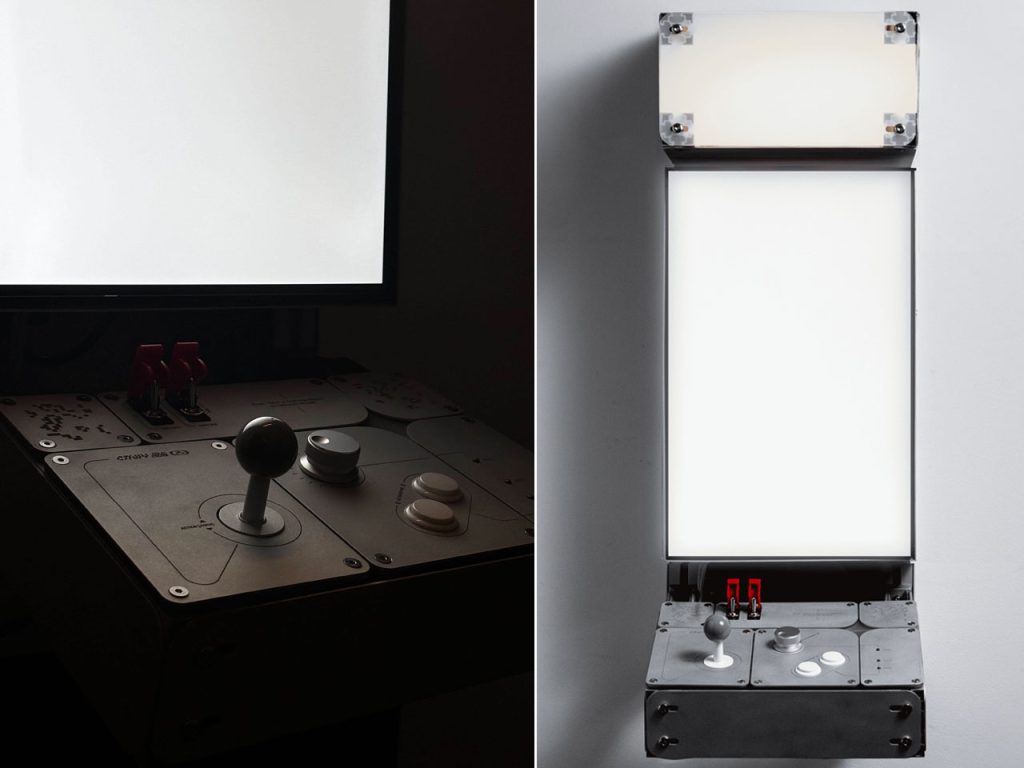
Created by SpecialGuestx for Google’s presence at NeurIPS 2025, Conway’s Arcade reimagines the arcade machine as a platform for exploring computational systems. Drawing inspiration from Conway’s Game of Life, the installation transforms abstract mathematical concepts into an accessible, interactive experience. It demonstrates how complex ideas can be communicated through participation rather than explanation.
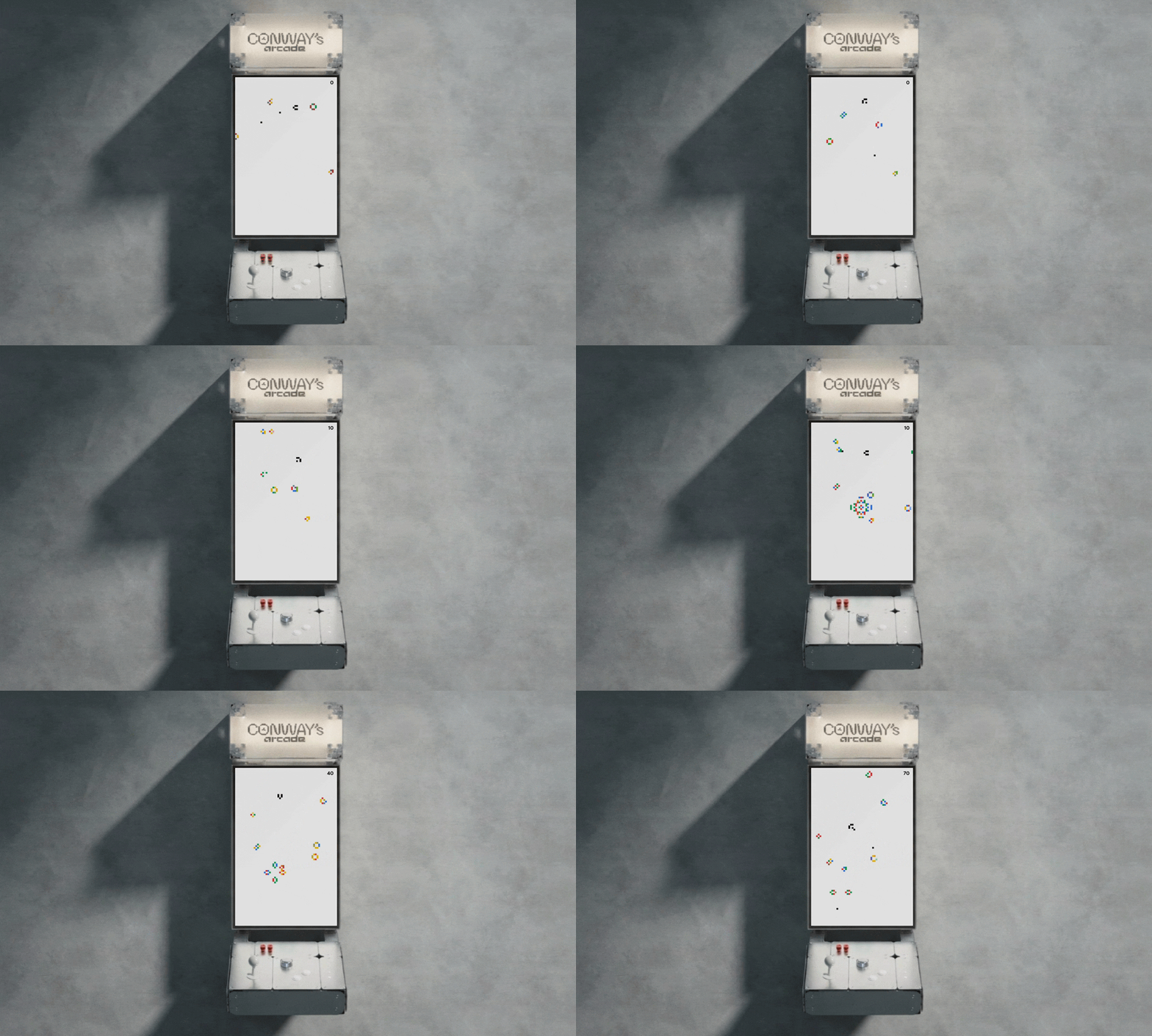
Conway’s Arcade by SpecialGuestx
The project’s most compelling feature is its rejection of fixed gameplay. Traditional arcade machines deliver carefully authored experiences with predetermined rules and outcomes. Conway’s Arcade instead embraces emergence. Using cellular automata principles and AI-generated rule systems, each play session evolves differently. Familiar references to games such as Space Invaders, Breakout, Flappy Bird, and Chrome Dino provide an entry point, but the experience constantly reshapes itself through computational logic.
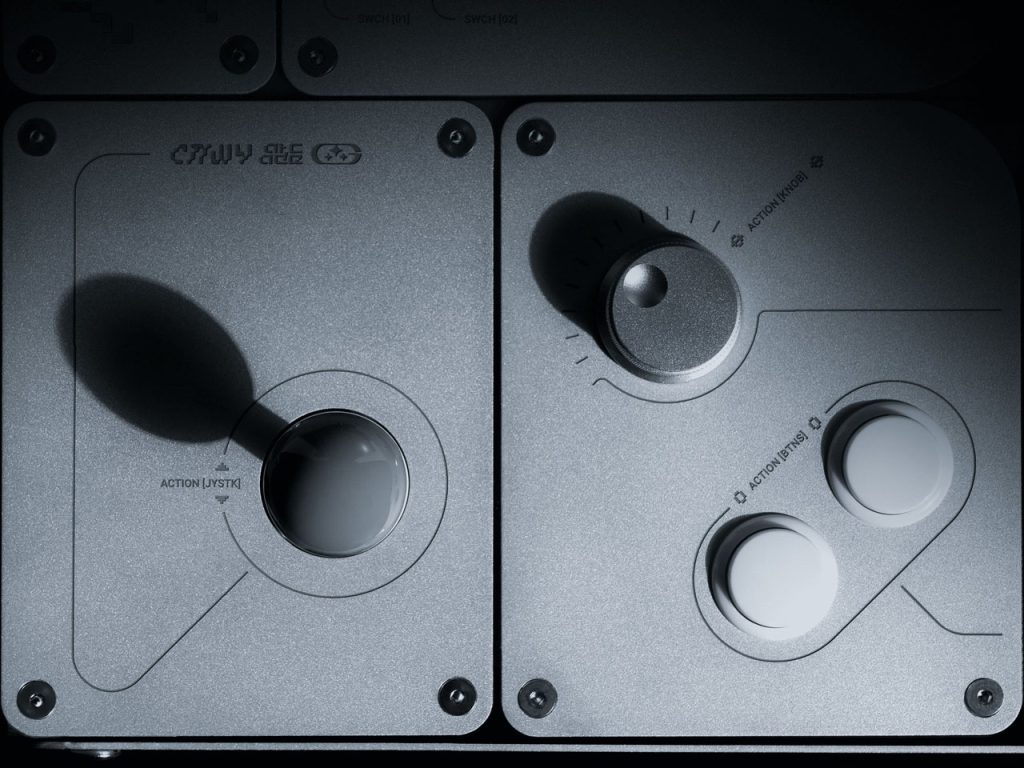
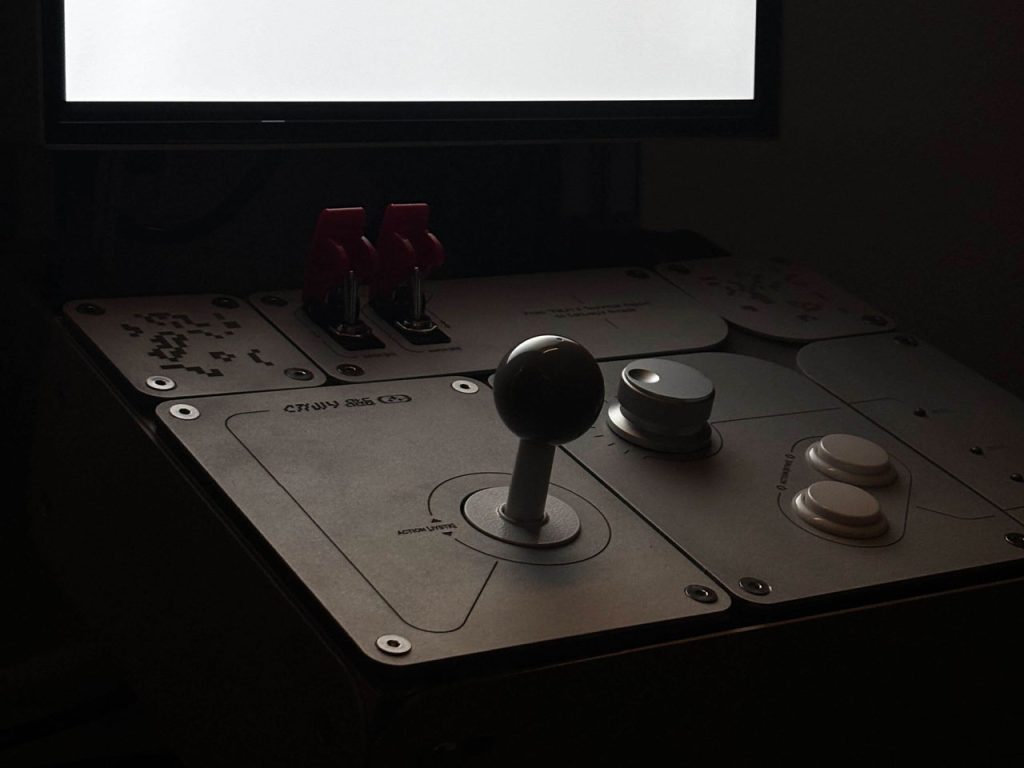
Conway’s Arcade by SpecialGuestx
The physical design reinforces these conceptual ambitions. Constructed entirely from aluminum and engineered for portability, the installation combines industrial precision with visual simplicity. Every fabrication decision, from material selection to assembly logic, contributes to the interaction itself. The machine becomes a tangible expression of the computational principles operating beneath its surface.
Conway’s Arcade by SpecialGuestx
While Conway’s Arcade explores the hidden logic of computation, the final project pushes invisibility even further by embedding digital interaction into one of the oldest forms of media: the printed page.
GamePop GP-1 by Kevin Bates for Red Bull
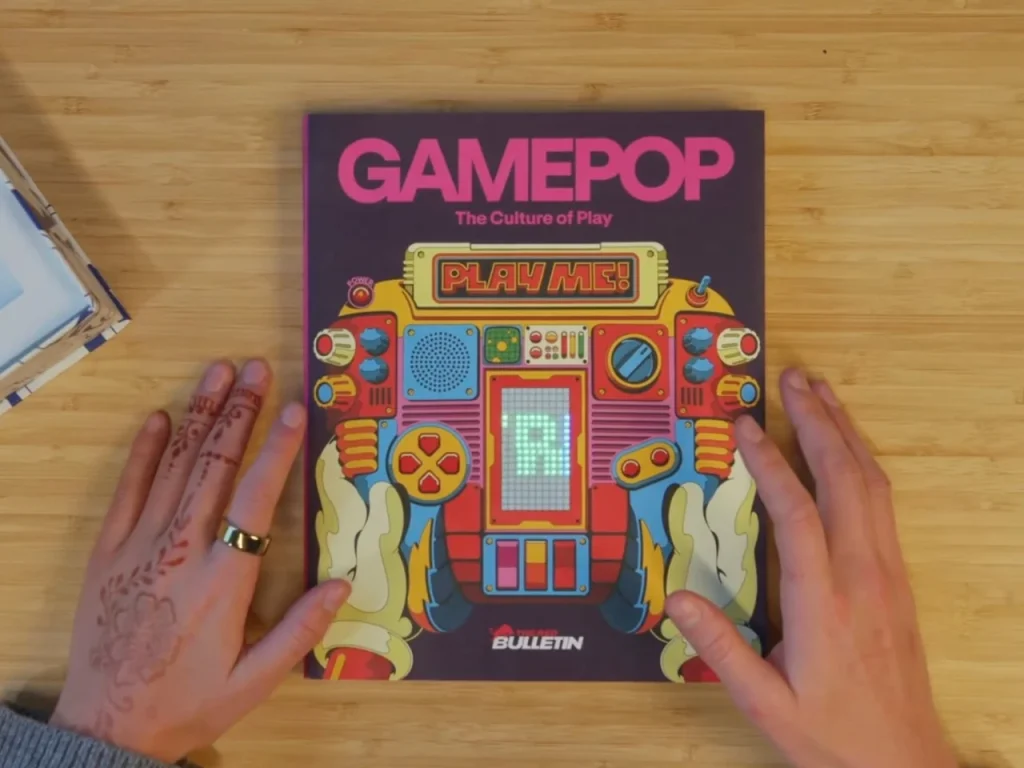
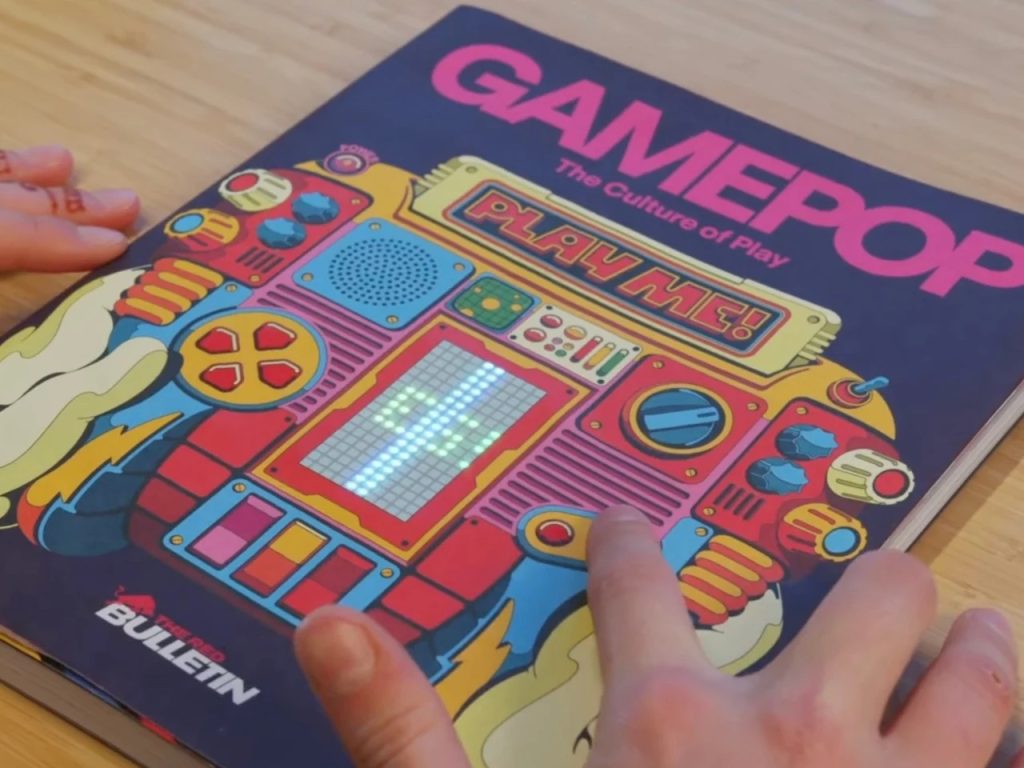
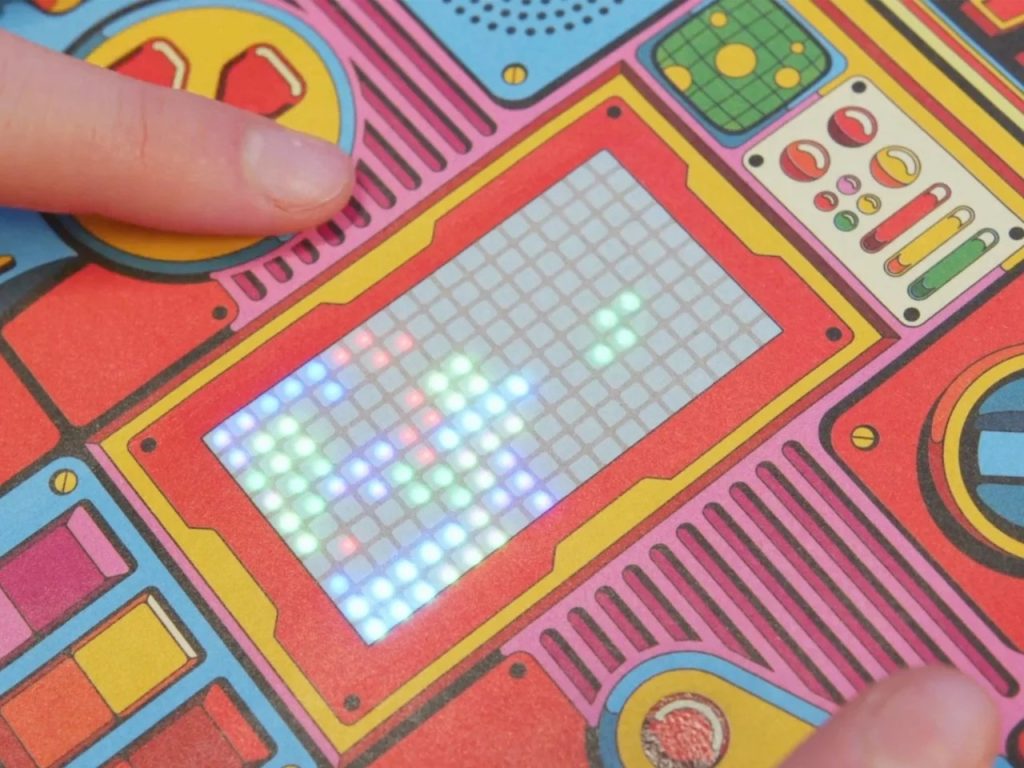
Red Bull’s GamePop GP-1 Playable Magazine System challenges assumptions about what a magazine can be. Developed with engineer and designer Kevin Bates, the project integrates a fully playable version of Tetris directly into a magazine cover. The result is an object that exists somewhere between publication, product, and interactive device.
GamePop GP-1 by Kevin Bates for Red Bull
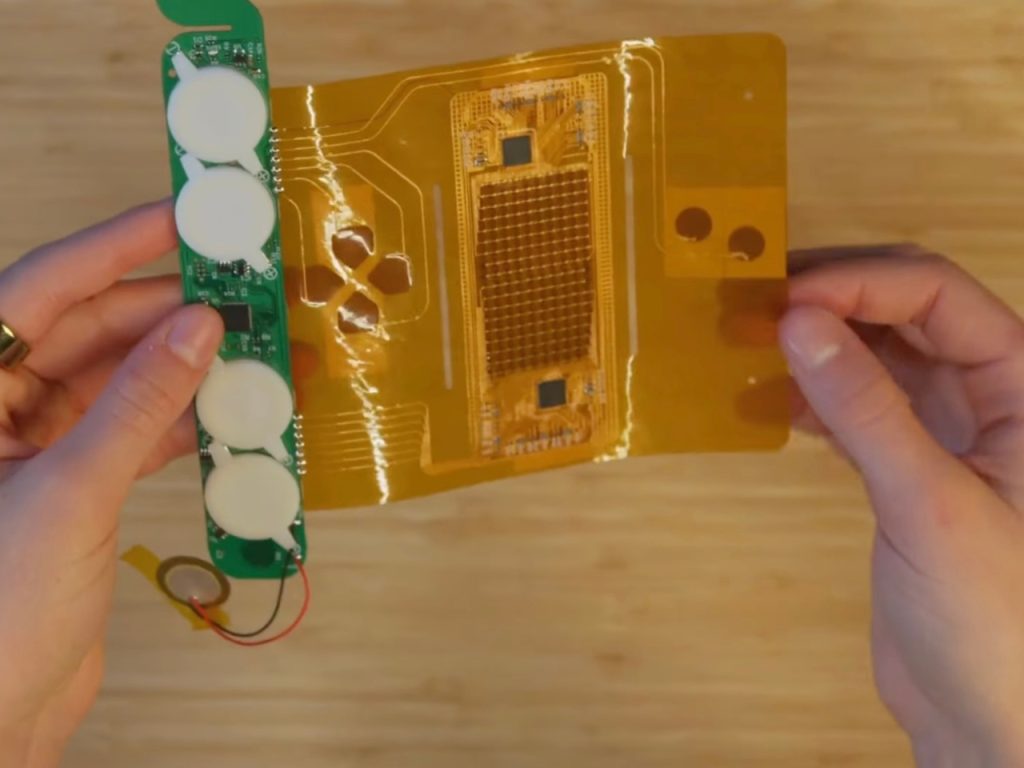
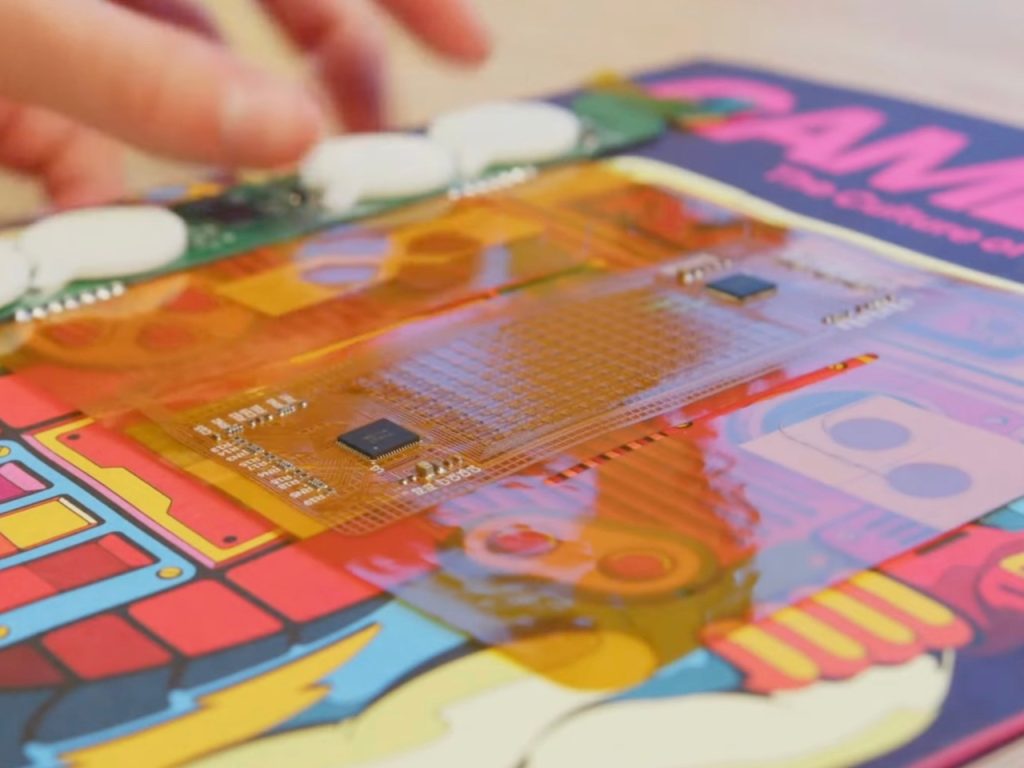
From a technical perspective, the achievement is remarkable. A matrix of 180 miniature RGB LEDs, flexible circuitry, touch-sensitive controls, rechargeable batteries, and integrated audio components are compressed into a paper-based format only a few millimeters thick. Yet the most impressive aspect is not the engineering itself. It is how effectively that engineering disappears. Readers encounter what appears to be a magazine before discovering that it is also a gaming platform.
GamePop GP-1 by Kevin Bates for Red Bull
This seamless integration reflects a broader trend in contemporary innovation. The most sophisticated technologies increasingly avoid drawing attention to themselves. Instead of emphasizing complexity, designers focus on creating intuitive interactions that feel almost inevitable. In the case of the GP-1, advanced electronics become secondary to the delight of unexpectedly playing Tetris on paper. The project also highlights the continuing relevance of physical media in a digital age. Rather than competing with smartphones, tablets, or gaming consoles, the magazine creates a hybrid experience that merges print culture with interactive technology.
GamePop GP-1 by Kevin Bates for Red Bull
Viewed together, these three projects reveal a significant shift in contemporary design thinking. Whether hidden inside a cabinet, embedded within mathematical systems, or folded into the pages of a magazine, technology is becoming less about display and more about discovery. The focus is moving away from screens, specifications, and visible complexity toward experiences that unfold naturally through interaction. In that sense, the future of design may be hiding in plain sight.