What makes contemporary vases particularly compelling is their ability to bridge disciplines. They draw inspiration from city streets, regional craftsmanship, and abstract artistic inquiry, proving that design innovation often emerges when everyday objects are viewed through an unexpected lens. From nostalgic tributes to urban icons to conceptual explorations of form and perception, these projects demonstrate how even the most familiar household object can become a canvas for innovation.
Trashcan Vase by Chris Luu
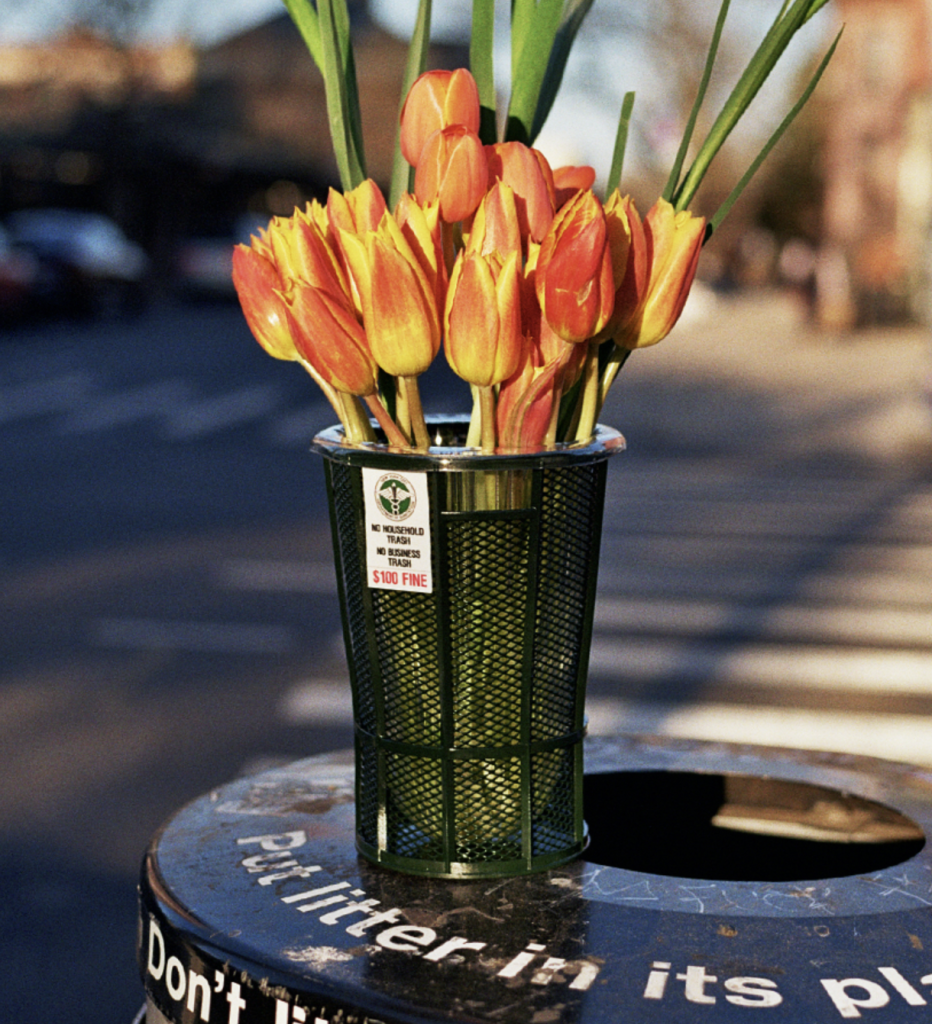
As New York City prepares to retire its iconic green wire-mesh trash cans after nearly a century of service, designer Chris Luu has found a poetic way to preserve their legacy. His Trashcan Vase transforms one of the city’s most recognizable pieces of street furniture into a decorative object, bringing a symbol of urban life into the domestic environment. The result is both playful and surprisingly elegant, elevating an object rarely associated with beauty.
Trashcan Vase by Chris Luu
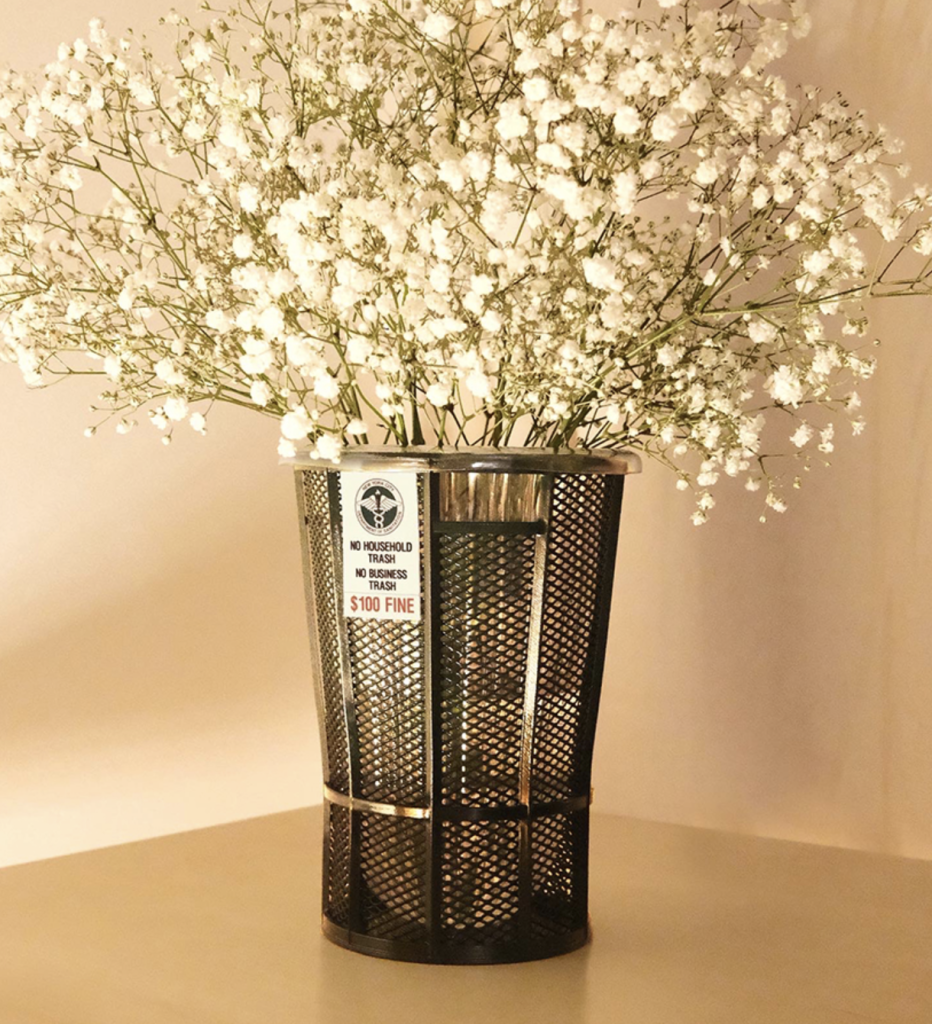
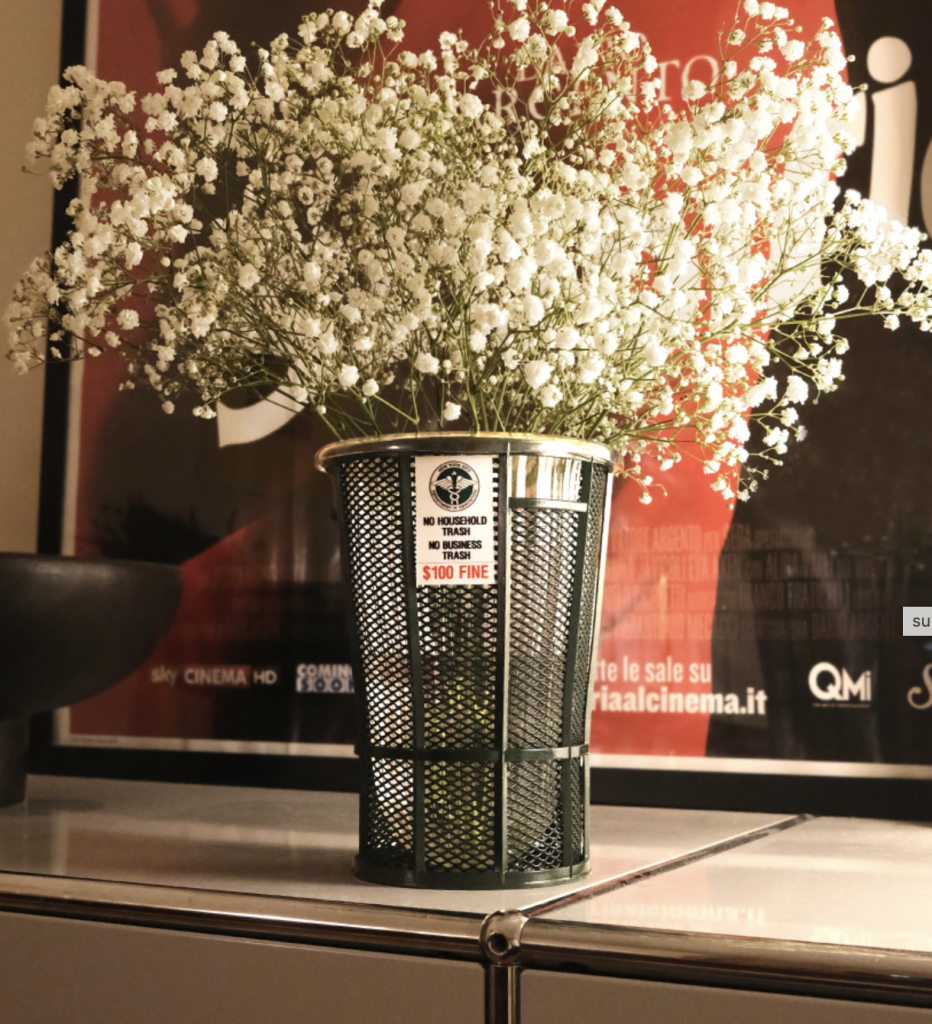
The vase faithfully recreates the familiar structure of the street bin through a resin frame wrapped in aluminum wire mesh painted in the signature green. Inside, a removable water vessel provides practical functionality, while a transparent resin insert mimics the appearance of a crumpled garbage bag. This carefully considered detail creates an intriguing contrast between utility and refinement, encouraging viewers to reconsider the visual language of everyday infrastructure.
Trashcan Vase by Chris Luu
Beyond its material execution, the project resonates because of its cultural significance. The green mesh trash can is as much a part of New York’s identity as its brownstones, yellow taxis, and fire escapes. Its appearance in countless films and television shows has elevated it from municipal equipment to a globally recognized urban symbol. By reimagining it as a vase, Luu transforms a disappearing piece of public design into an object of remembrance.
1RIN by KUMAnoTE (also header image)
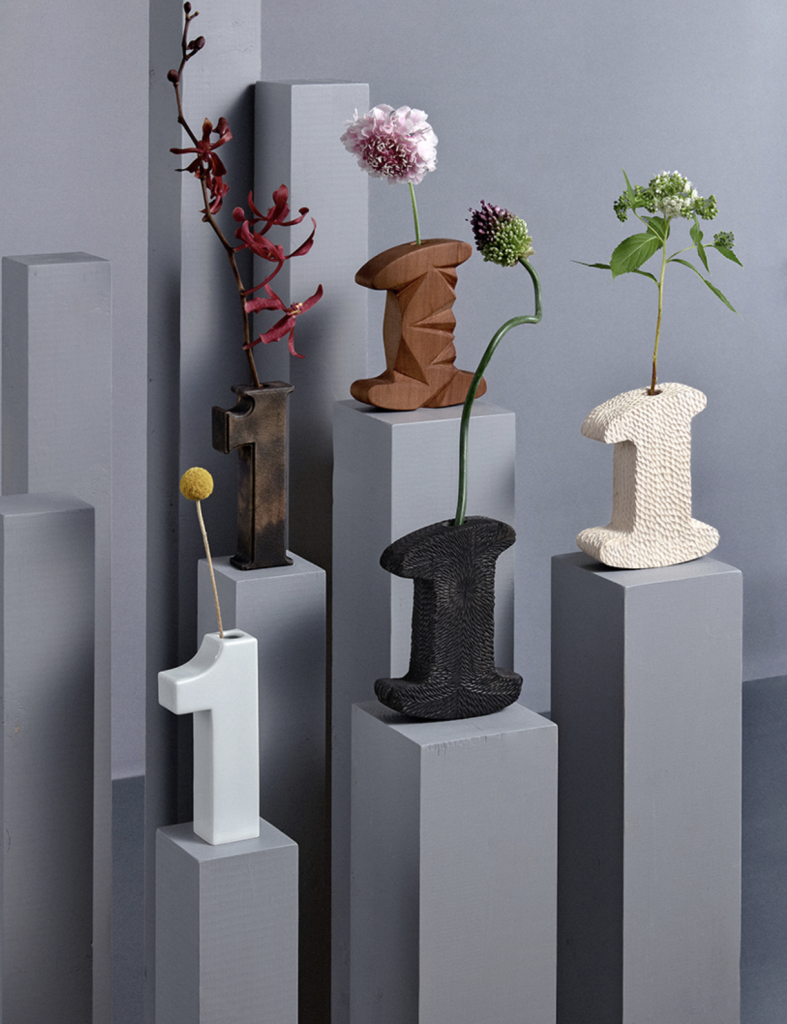
While Chris Luu’s project looks outward to the urban landscape, Tokyo-based design company KUMAnoTE turns to abstraction. Its 1RIN collection is built around a deceptively simple concept: transforming the numeral “1” into a series of single-stem flower vases. The idea emerged from the relationship between one flower and one vessel, using a shared numerical form as the foundation for a broader exploration of materials and craftsmanship.
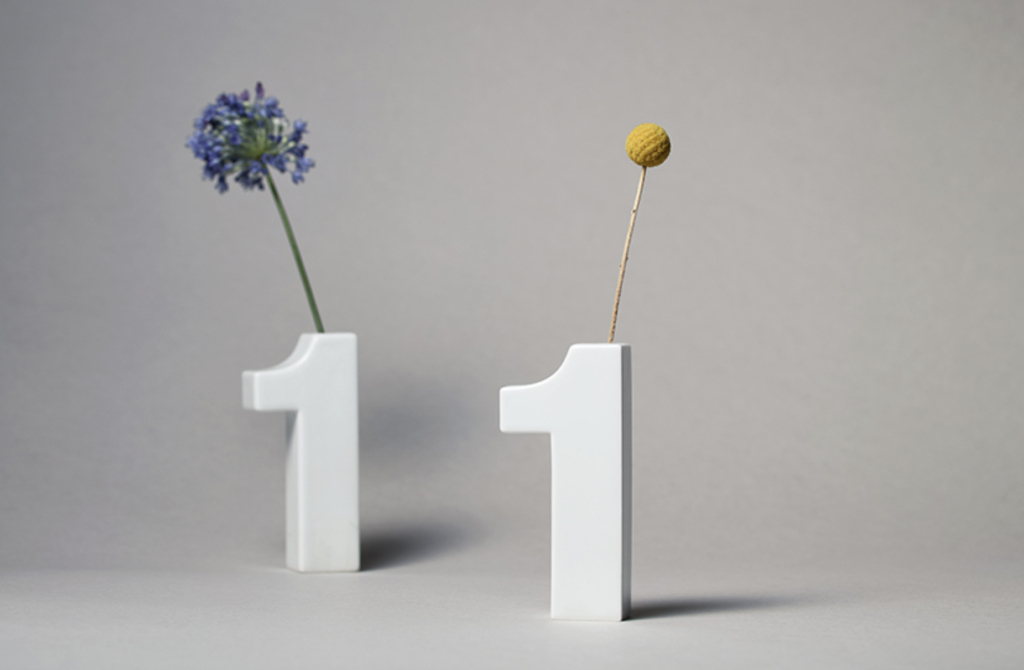
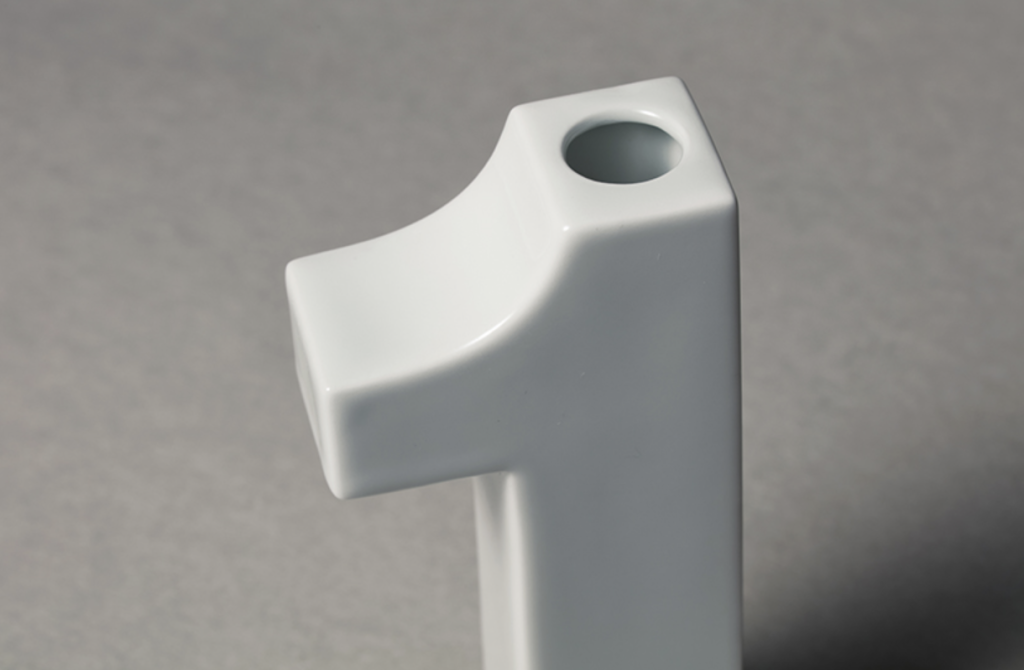
1RIN by KUMAnoTE
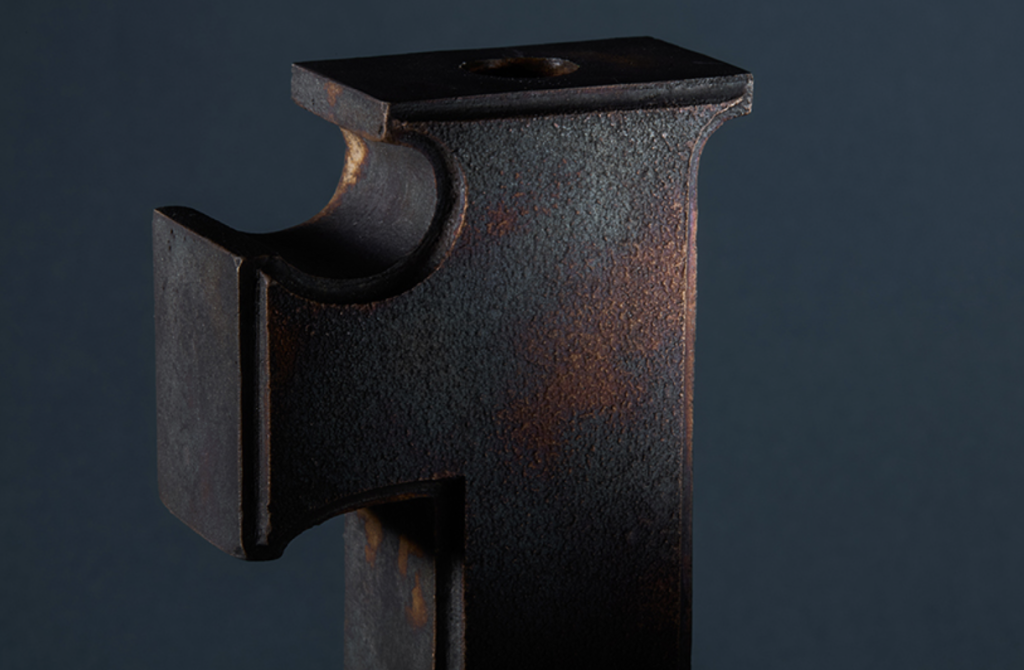
The inaugural collection brings together three distinct Japanese craft traditions. Hasami porcelain from Nagasaki Prefecture, Takaoka bronze casting from Toyama Prefecture, and Yakumo wood carving from Hokkaido each interpret the same silhouette through their own manufacturing techniques. Although the outline remains consistent, every version possesses a unique personality shaped by the material from which it is made.
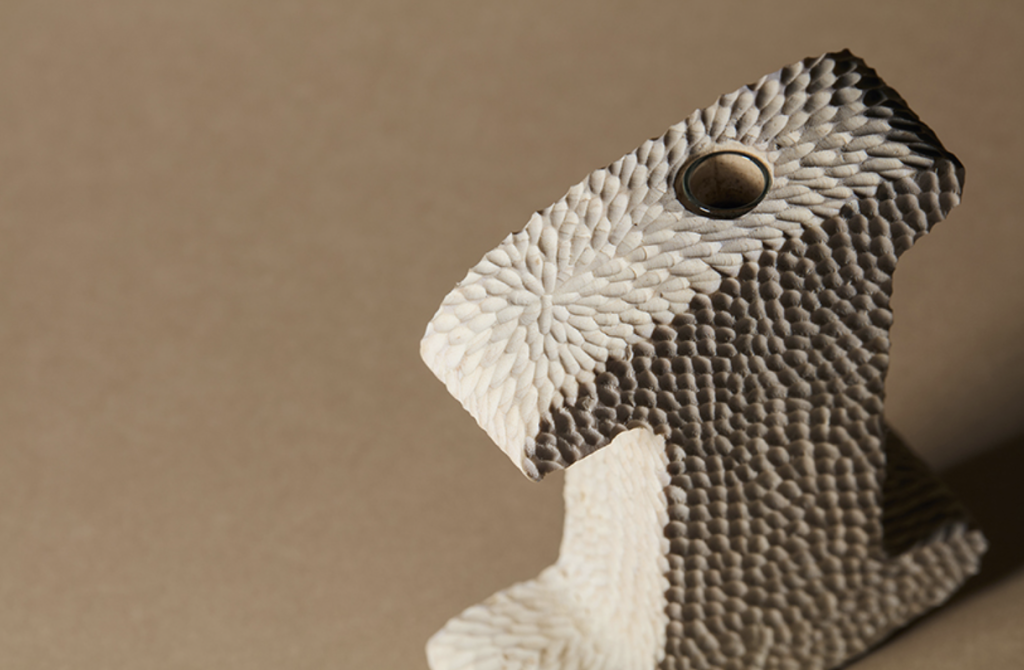
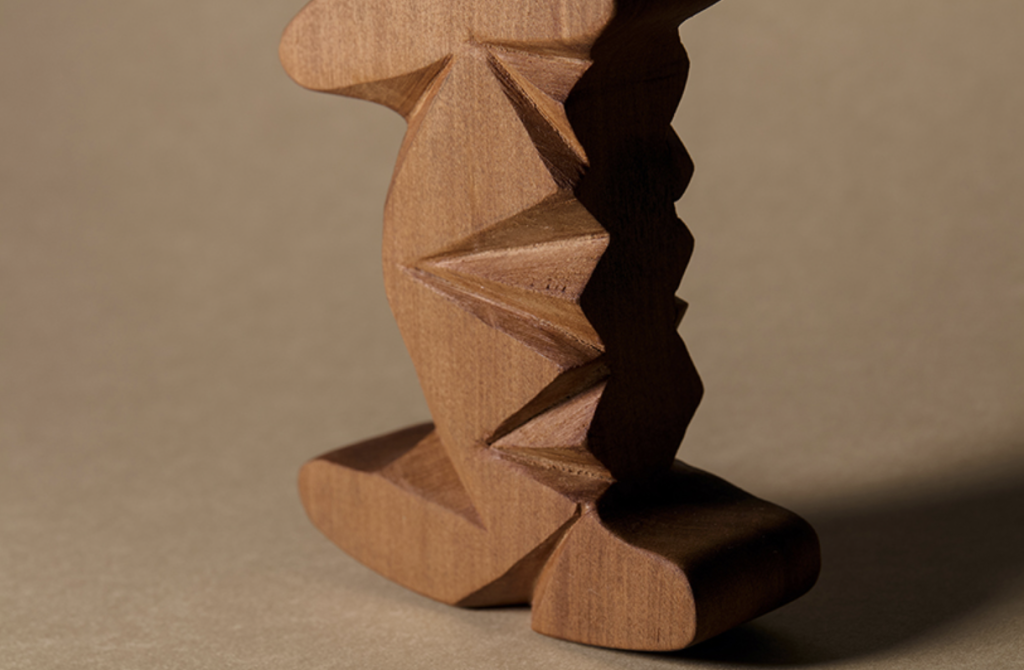
1RIN by KUMAnoTE
The porcelain edition emphasizes clarity and restraint, allowing both the flower and the numerical form to take center stage. The bronze version introduces weight, texture, and the possibility of an evolving patina that changes through use. Meanwhile, the carved wooden interpretation highlights the rich craftsmanship of Hokkaido’s carving traditions, translating regional techniques into a contemporary and abstract object rather than relying on familiar figurative references.
Vase NA 2.0 by desz
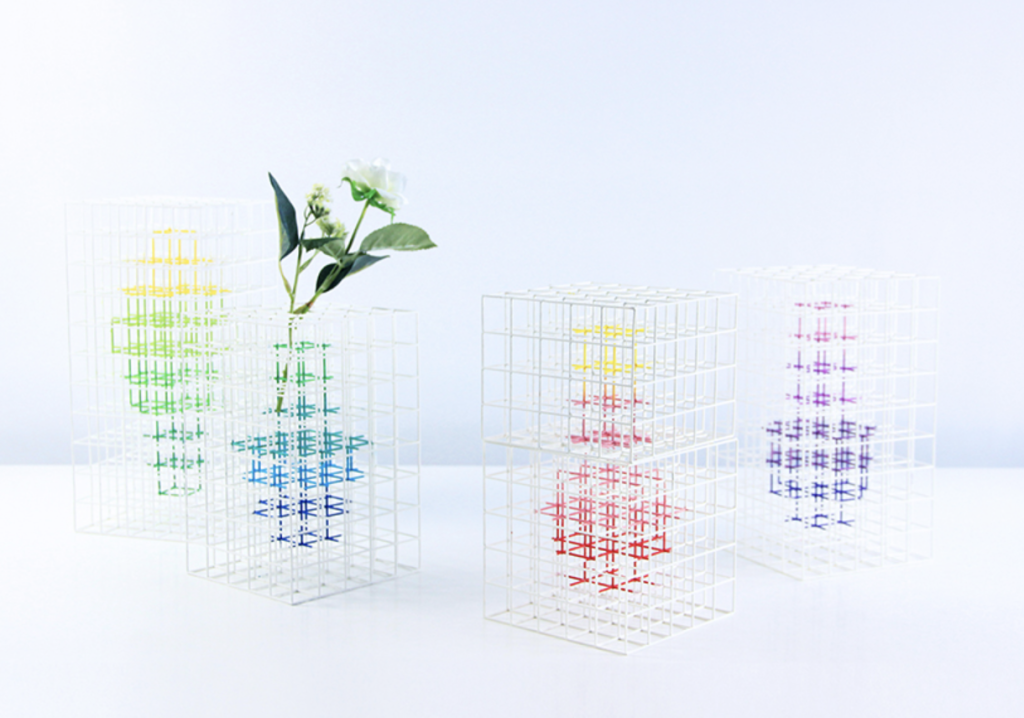
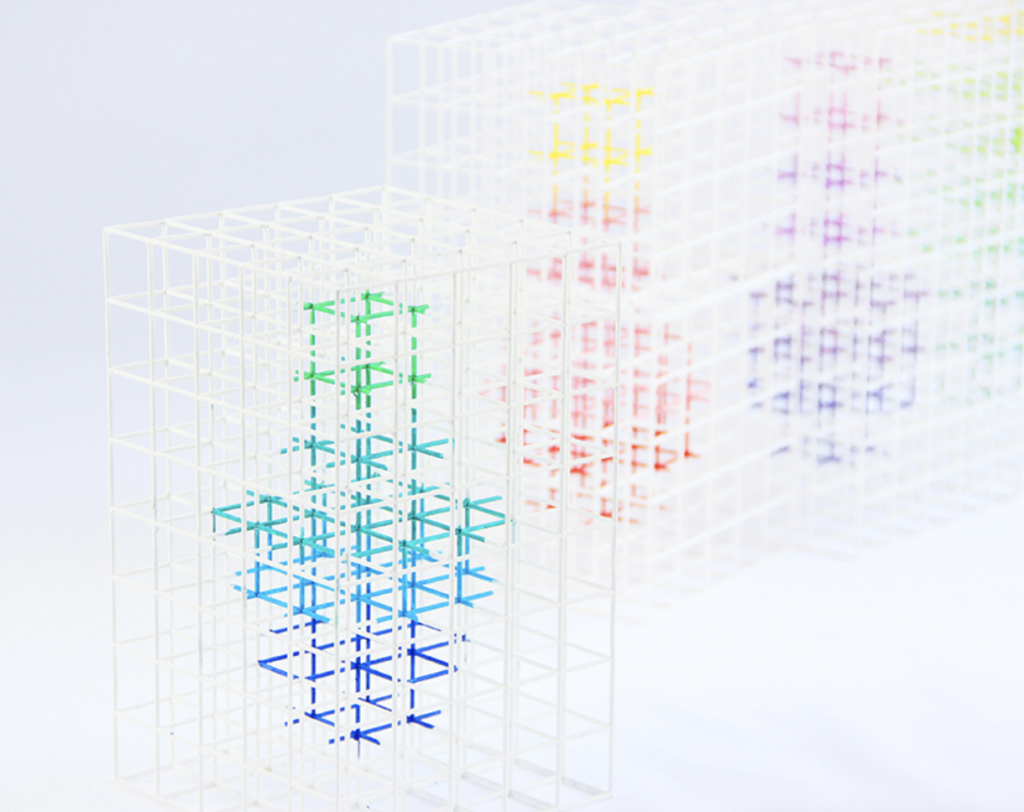
If KUMAnoTE explores how a single form can evolve across materials, design studio desz asks an even more radical question: can a vase exist without actually being there? Vase NA 2.0 challenges conventional expectations by replacing the physical container with a carefully orchestrated arrangement of lines, colors, and empty space. The project transforms absence into the central design feature.
Vase NA 2.0 by desz
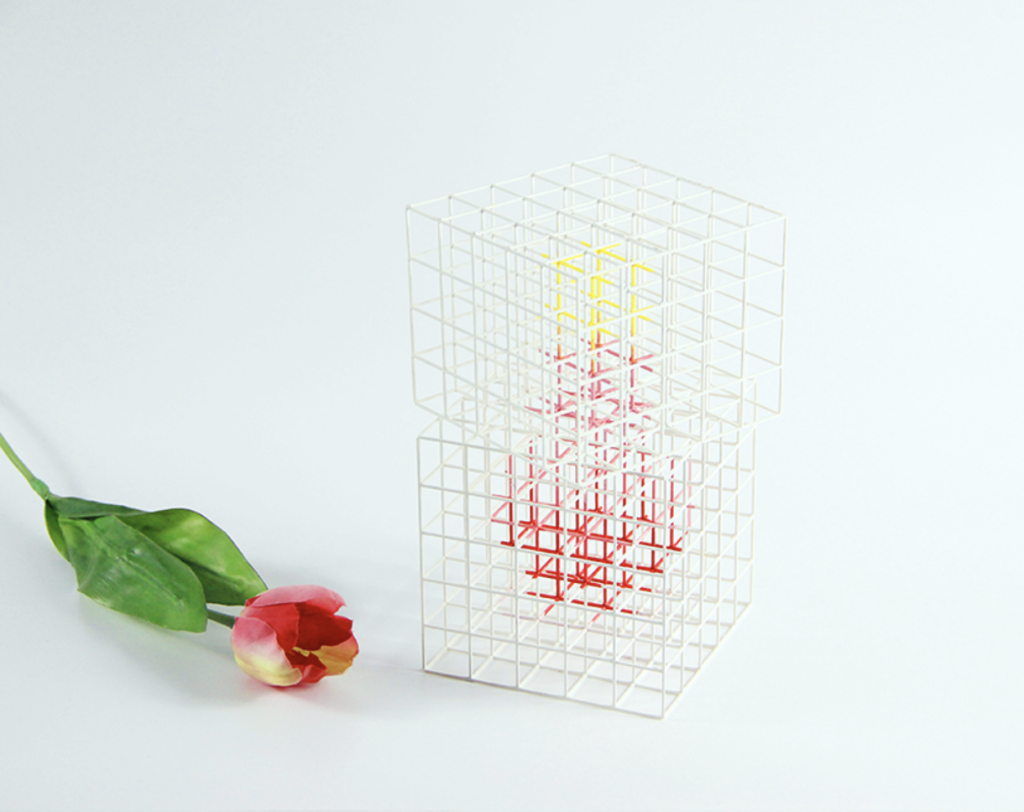
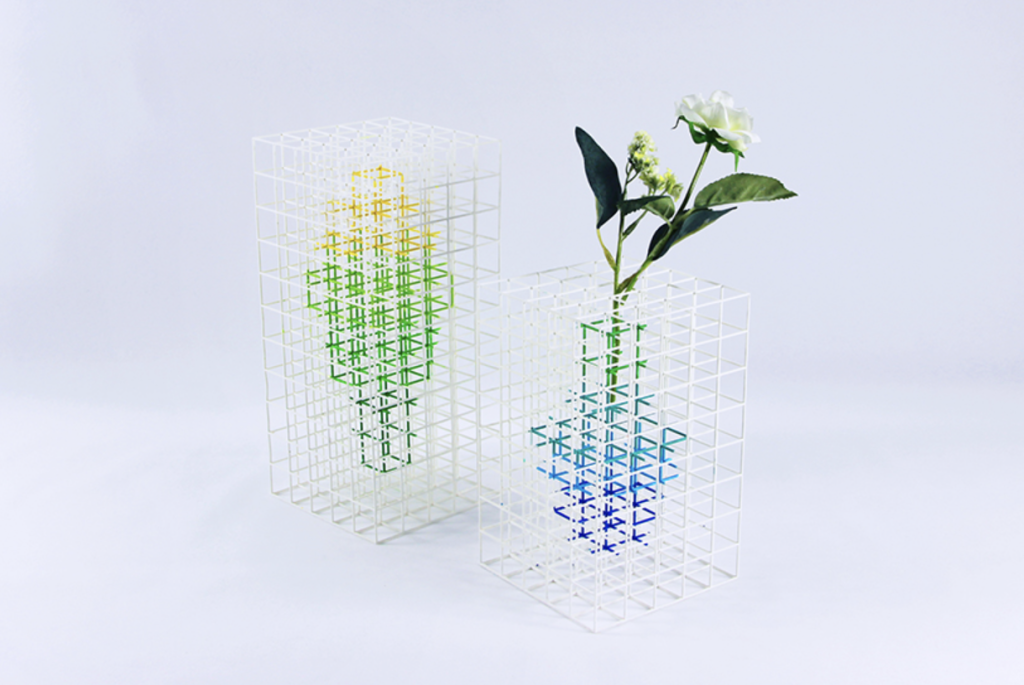
The name itself offers a clue. “NA” stands for “nothing,” reflecting the fact that the vase has no traditional boundaries. Instead of a solid vessel, white metal grid frames define a three-dimensional structure within which colored lines suggest the outline of a vase. The result is a fascinating visual illusion. A vase appears to materialize before the viewer, despite the absence of an actual container.
Vase NA 2.0 by desz
The design process was equally experimental. Starting with a grid framework, the designers translated a vase shape from two-dimensional sketches into a three-dimensional network of lines. Carefully selected color ranges were then applied throughout the structure. Because color perception changes according to layering sequences and viewing angles, achieving the intended visual effect required extensive testing and refinement.