Food packaging has long been treated as an afterthought. We scrutinize ingredients, compare nutrition labels, and debate sourcing practices, yet the containers that carry our food often escape notice. That invisibility is precisely what makes packaging one of the most compelling frontiers for design innovation today. As environmental concerns intensify and circular economy principles gain momentum, designers are challenging decades of disposable thinking and proposing systems that rethink not only materials, but also behaviors, logistics, and consumer experiences.
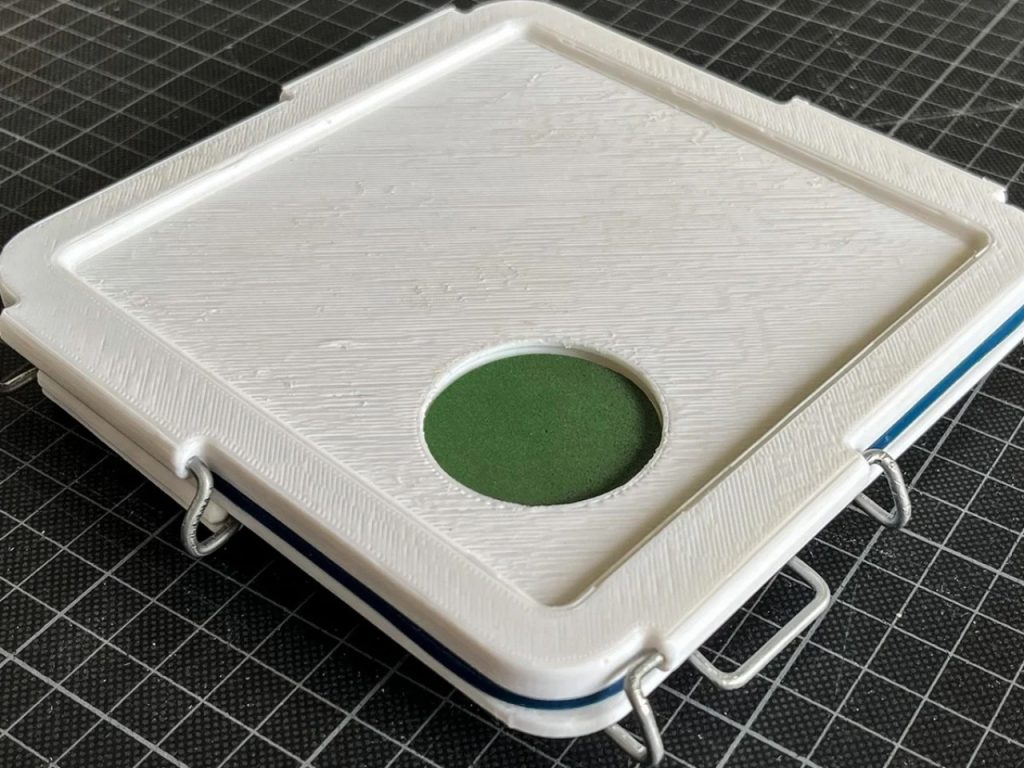
ReLoopBox by Lars Biedermann
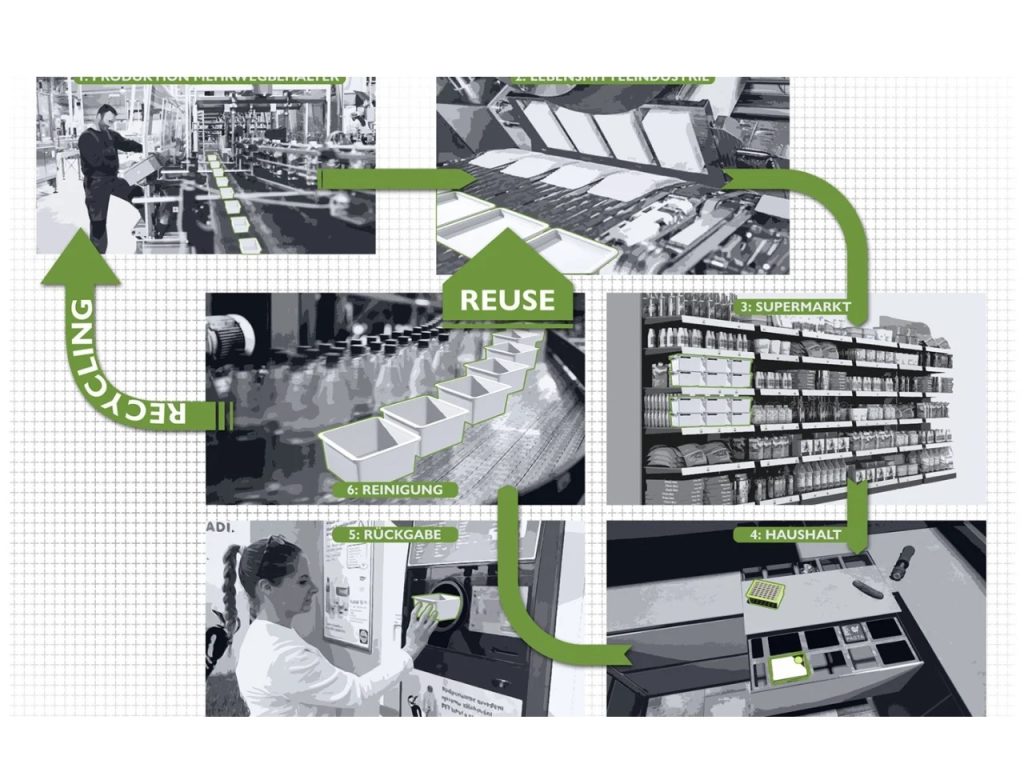
When Austrian industrial designer Lars Biedermann developed ReLoopBox, he wasn’t simply creating an alternative to plastic food packaging. He was questioning the entire lifecycle of the grocery container. Walk through any supermarket and you’ll find shelves lined with disposable packaging designed for a single purpose: getting food from store to home. Once that task is complete, the packaging becomes waste. ReLoopBox proposes a radically different model, one where containers remain in circulation rather than ending their journey in a landfill.
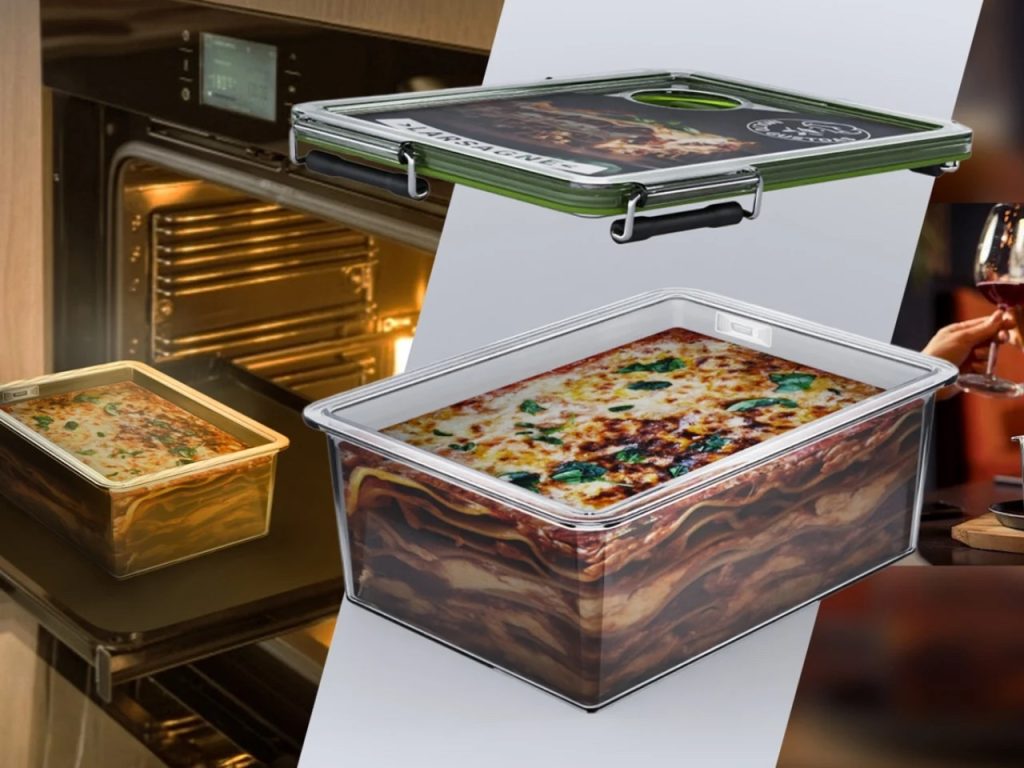
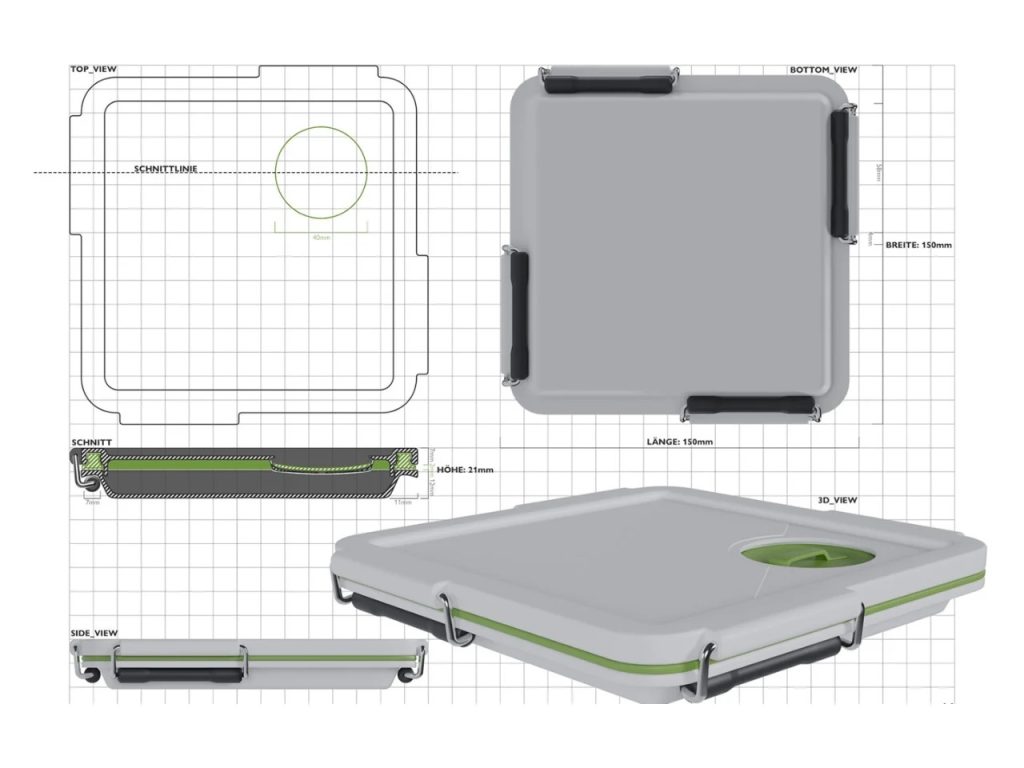
ReLoopBox by Lars Biedermann
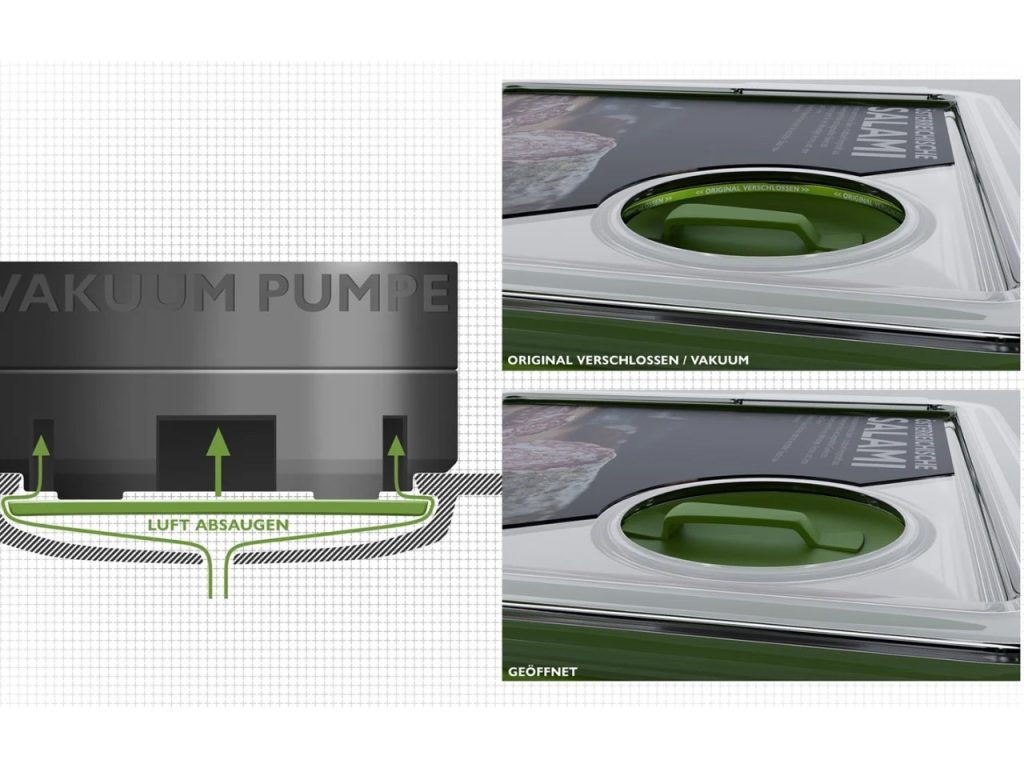
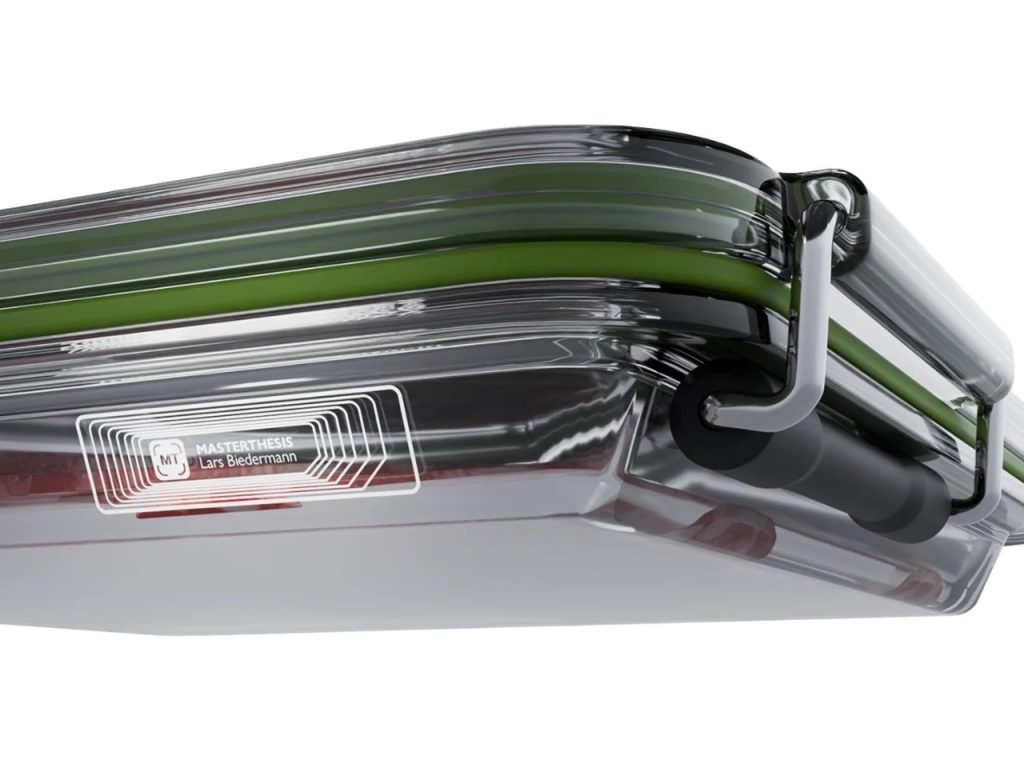
The system consists of standardized vacuum-sealed containers made from durable materials including copolyester, silicone, and stainless steel. Built for repeated use, the containers move through a circular network connecting manufacturers, retailers, and consumers. Each unit contains a digital tracking chip that monitors its movement through the supply chain, helping manage inventory and streamline returns. It is a small but critical detail that transforms the concept from a reusable product into a viable operational system.
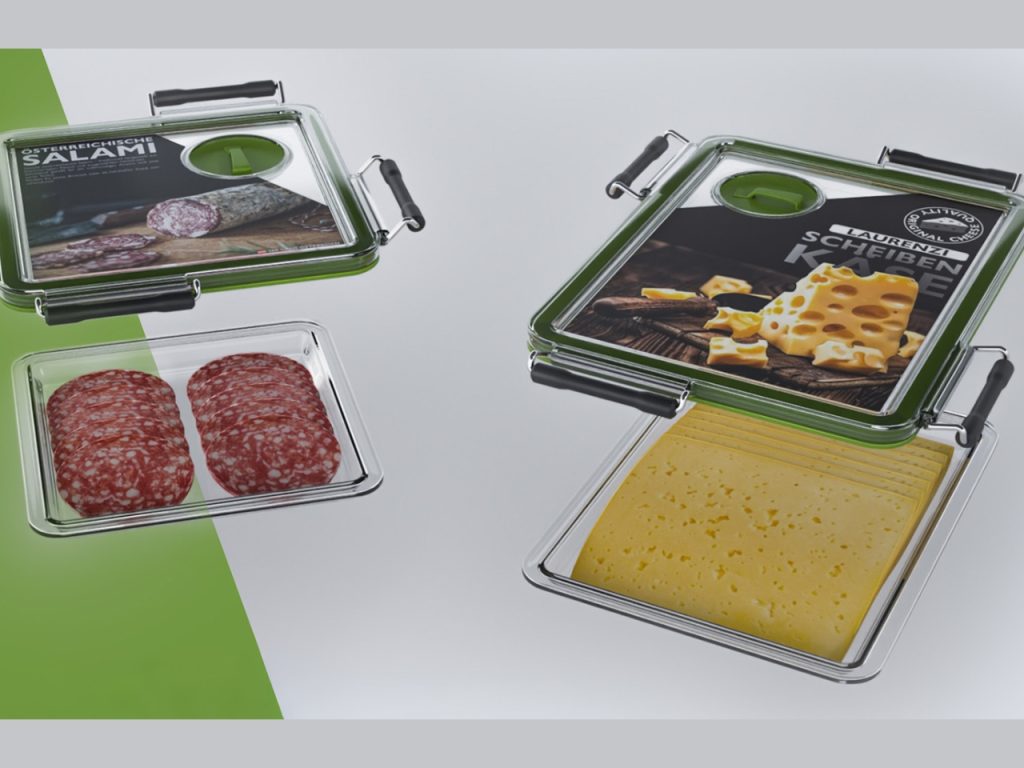
ReLoopBox by Lars Biedermann
What makes ReLoopBox particularly compelling is how one design decision addresses multiple sustainability challenges simultaneously. The vacuum-sealed environment helps extend food freshness, reducing spoilage and potentially lowering food waste. This dual-purpose approach reflects sophisticated design thinking, where functionality serves broader environmental goals without adding complexity for the user.
ReLoopBox by Lars Biedermann
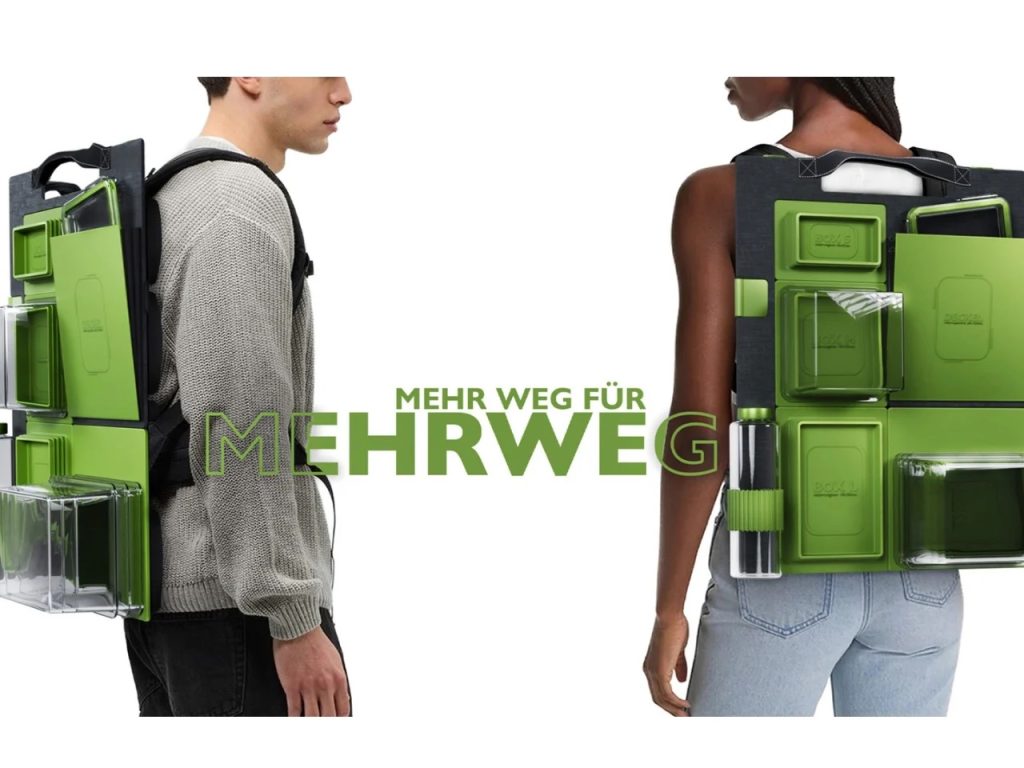
Equally important is the project’s aesthetic restraint. Sustainable products have often struggled with perceptions of compromise, appearing more virtuous than desirable. ReLoopBox avoids that trap through a clean, contemporary visual language that feels at home in modern kitchens.
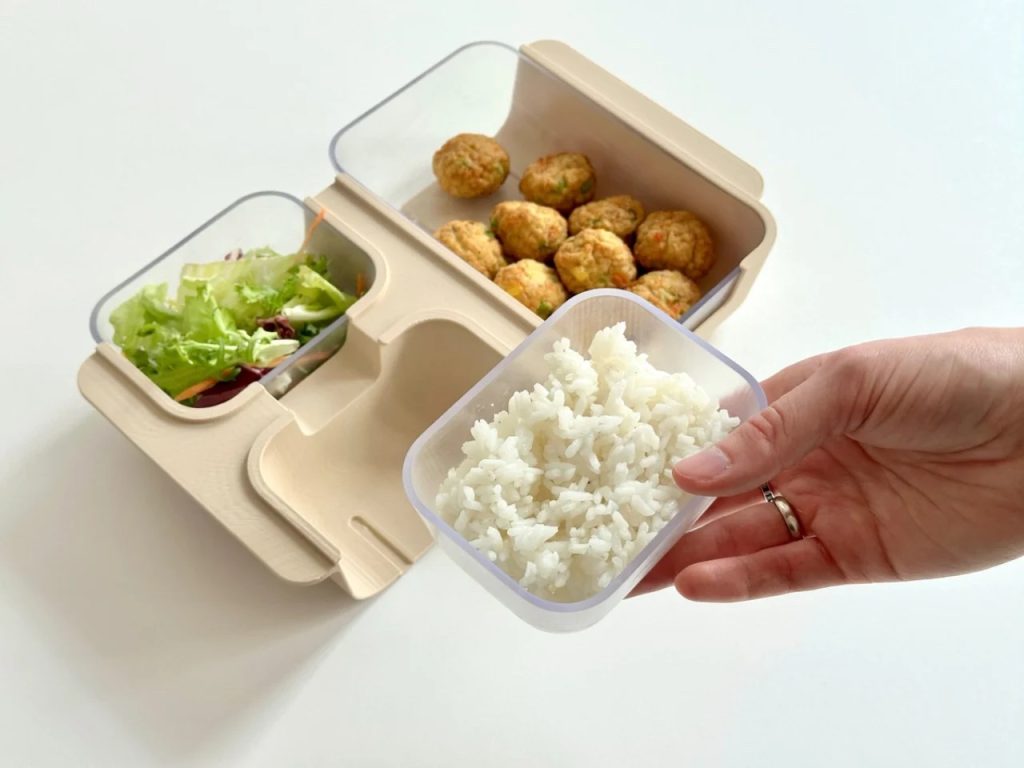
ReBento by Kaja Brunke (also header image)
While ReLoopBox tackles packaging at the retail level, another designer has focused her attention on one of the fastest-growing sources of packaging waste: meal delivery. Food delivery has become one of modern life’s most convenient habits, but it has also created a staggering volume of disposable packaging. Recognizing this contradiction, Polish designer Kaja Brunke approached the problem from a systems perspective. Instead of searching for a more sustainable disposable material, she asked a more ambitious question: what if delivery containers were never intended to be thrown away in the first place?
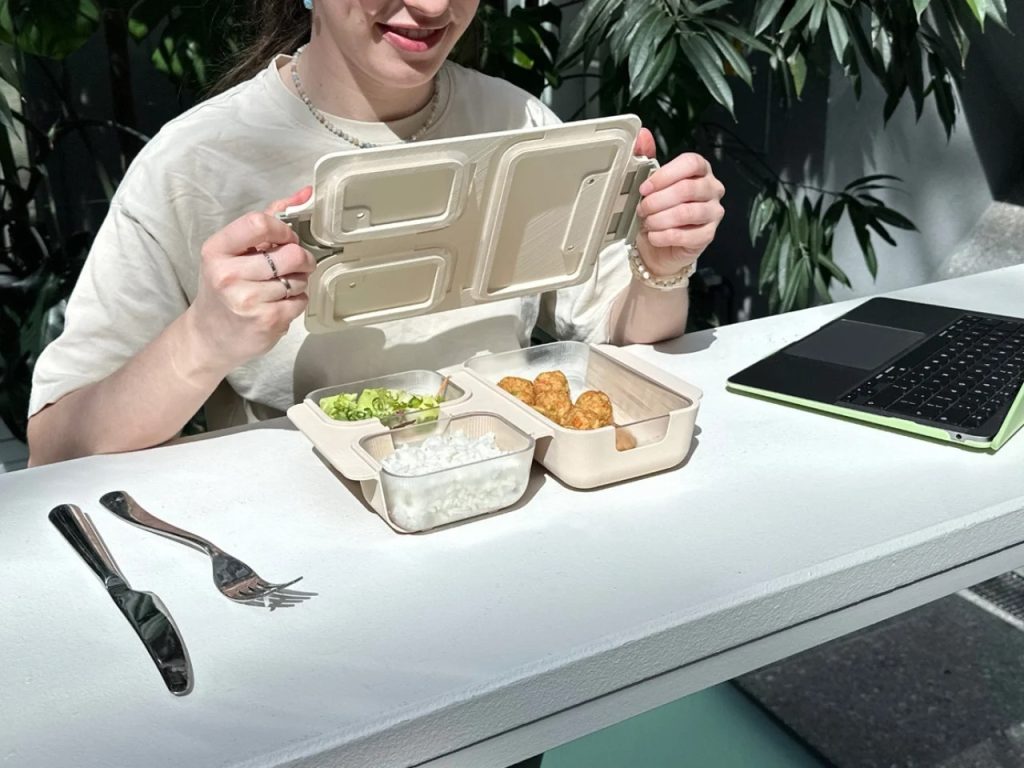
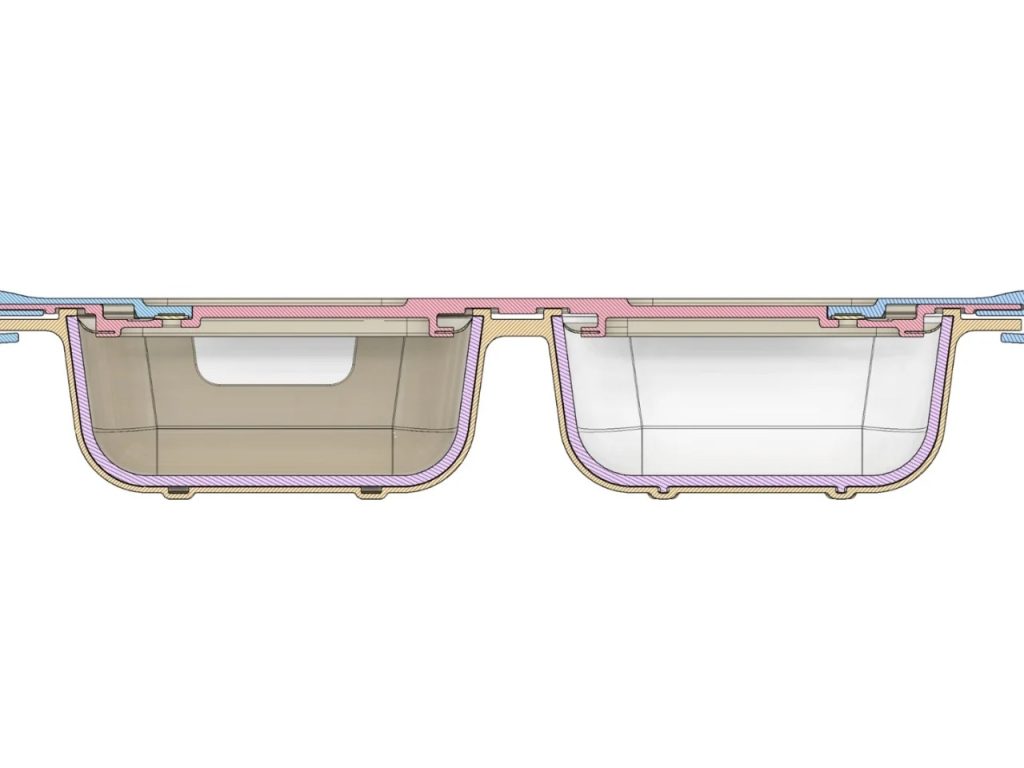
ReBento by Kaja Brunke
The answer is ReBento, a returnable container system designed specifically for subscription meal delivery services. Recently awarded the Packaging category prize at the Green Product Award 2026, the concept combines durable outer containers with removable glass compartments that allow meals to be separated, stored, and reheated directly within the package. The user experience is streamlined, practical, and noticeably more refined than conventional takeout packaging.
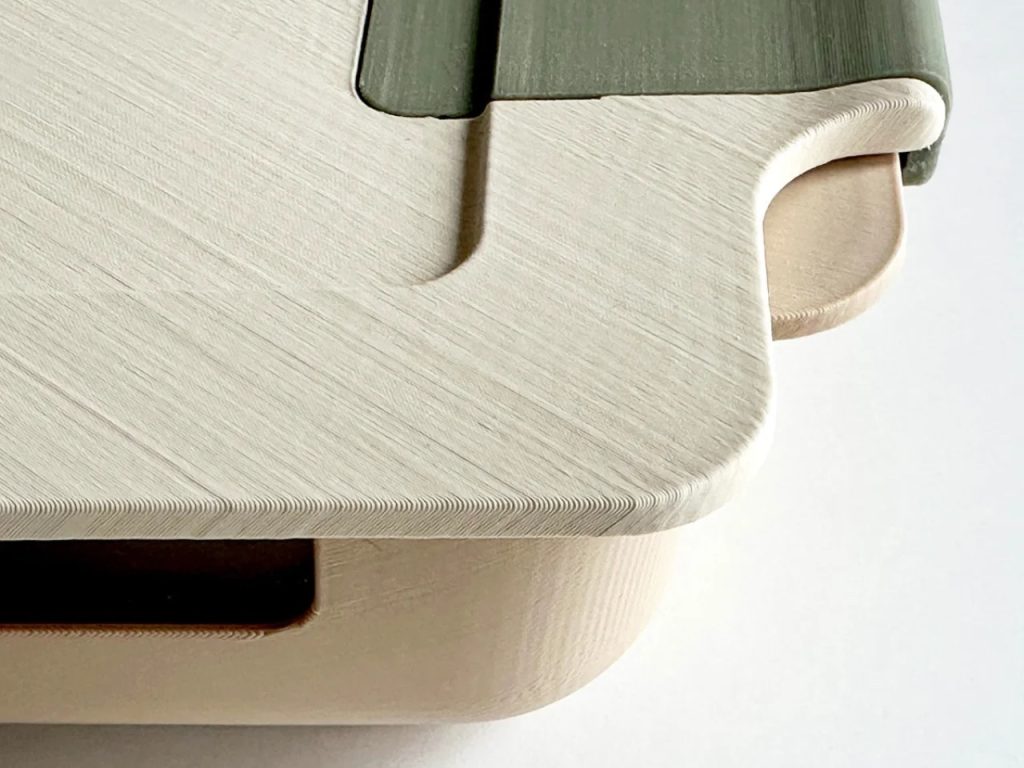
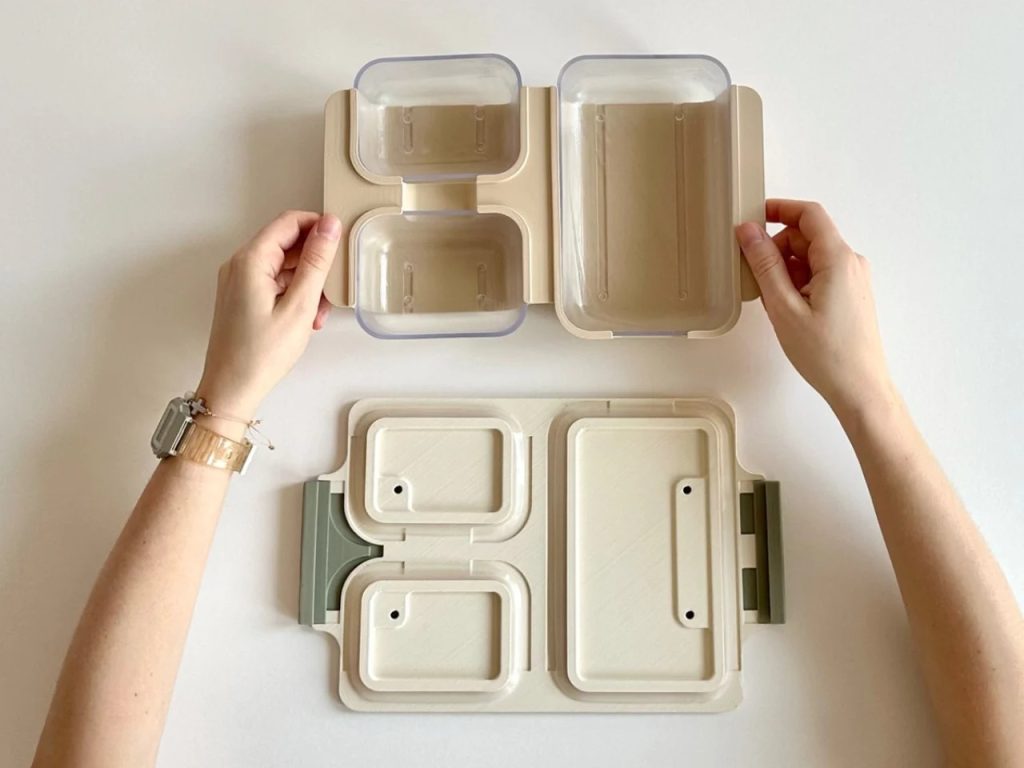
ReBento by Kaja Brunke
The project’s greatest innovation, however, lies in its logistics. After customers finish their meals, couriers collect the empty containers during the next scheduled delivery. By leveraging existing delivery routes, ReBento eliminates the need for separate collection infrastructure or inconvenient drop-off points. Rather than forcing consumers or businesses to adopt entirely new behaviors, the system integrates seamlessly into routines that already exist.
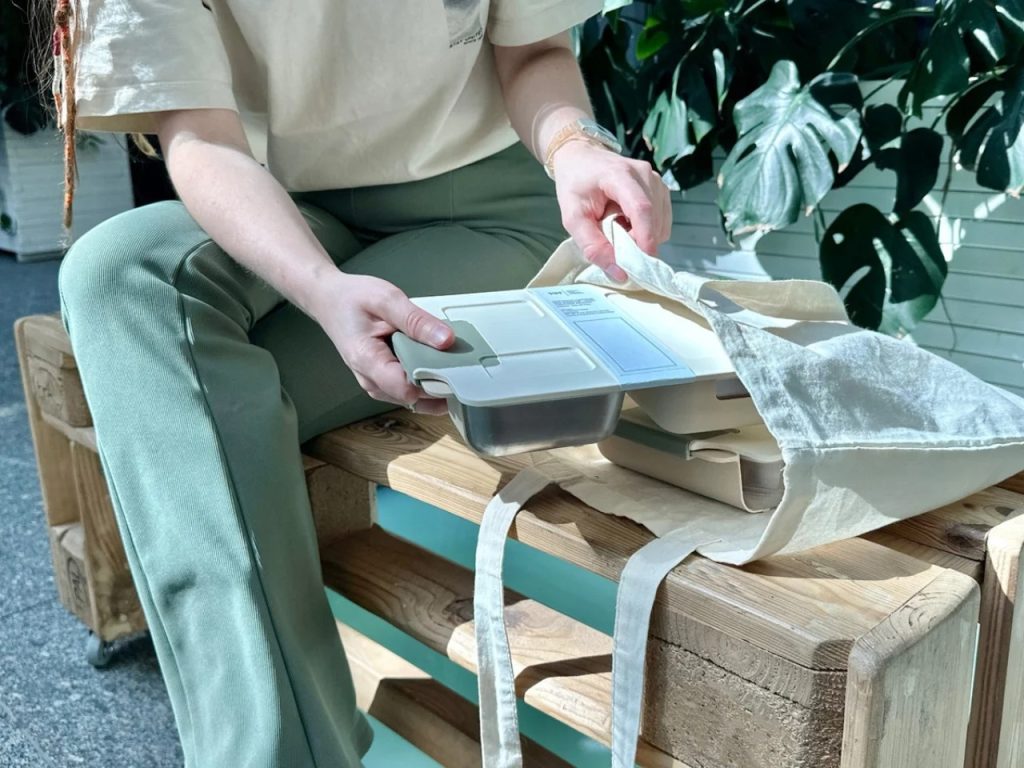
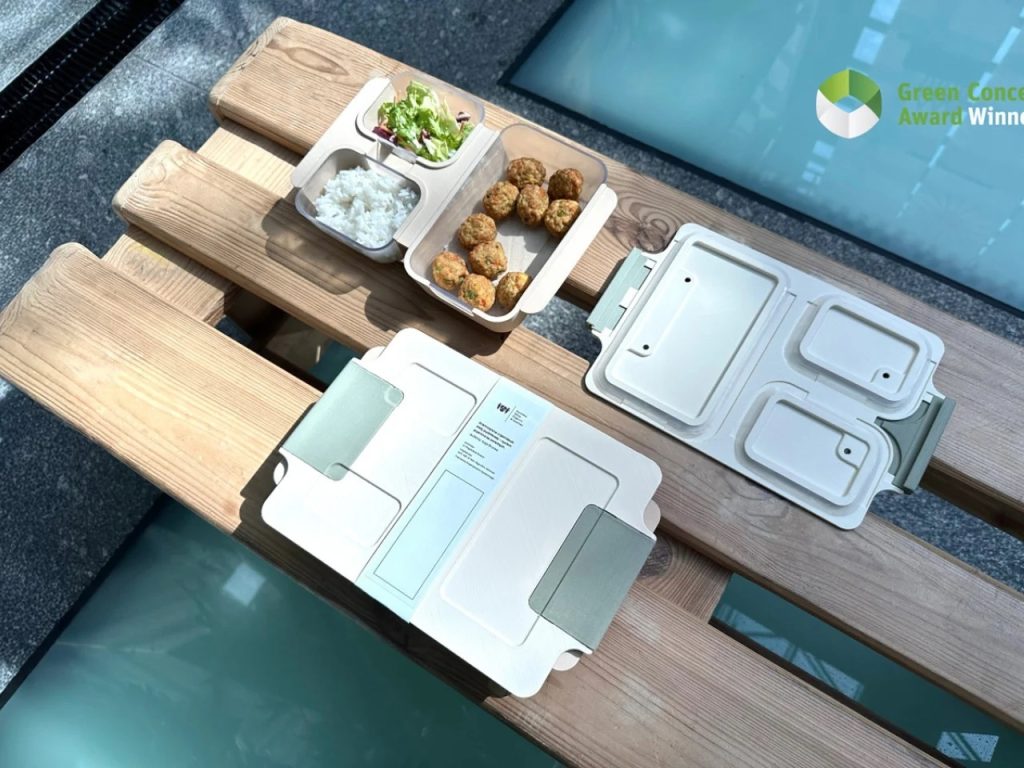
ReBento by Kaja Brunke
That focus on real-world implementation elevates ReBento beyond a conceptual exercise. Brunke recognizes that sustainable design succeeds when it aligns with operational realities. The inclusion of glass compartments further enhances the experience, preserving food quality and allowing convenient reheating without transferring meals to additional dishes. It is a solution that improves both sustainability and usability, demonstrating that environmental responsibility and consumer convenience can coexist.
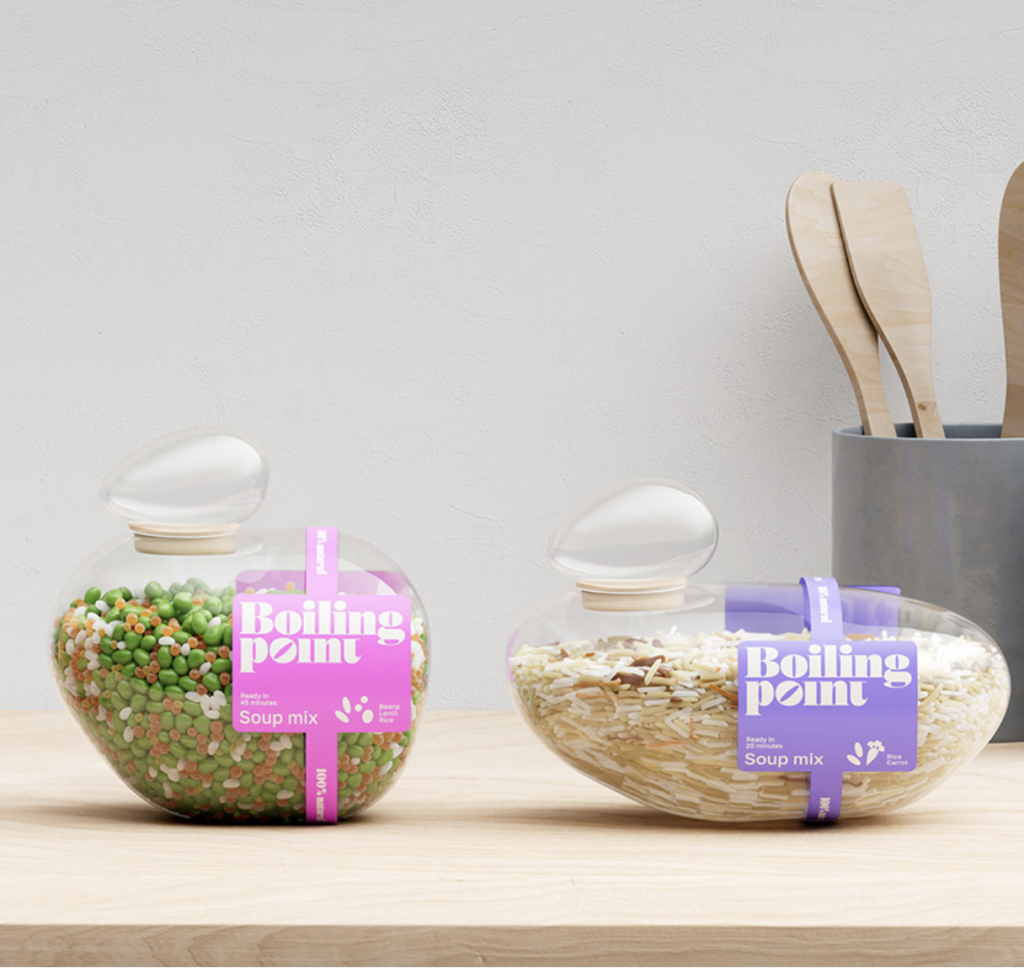
Boiling Point by Inna Efimova
If ReLoopBox and ReBento focus on systemic transformation, the next project explores how material choices and visual storytelling can reshape our relationship with packaging itself. Created by art director and designer Inna Efimova, with 3D visualization by Vladimir Kuznetsov, Boiling Point approaches food packaging through a distinctly expressive lens. The concept draws inspiration from the natural phenomenon of water reaching its boiling point, translating bubbling liquid into an organic container form defined by irregular, rounded surfaces. The resulting geometry celebrates imperfection, creating a tactile and visually memorable identity that immediately distinguishes the product from conventional food packaging.
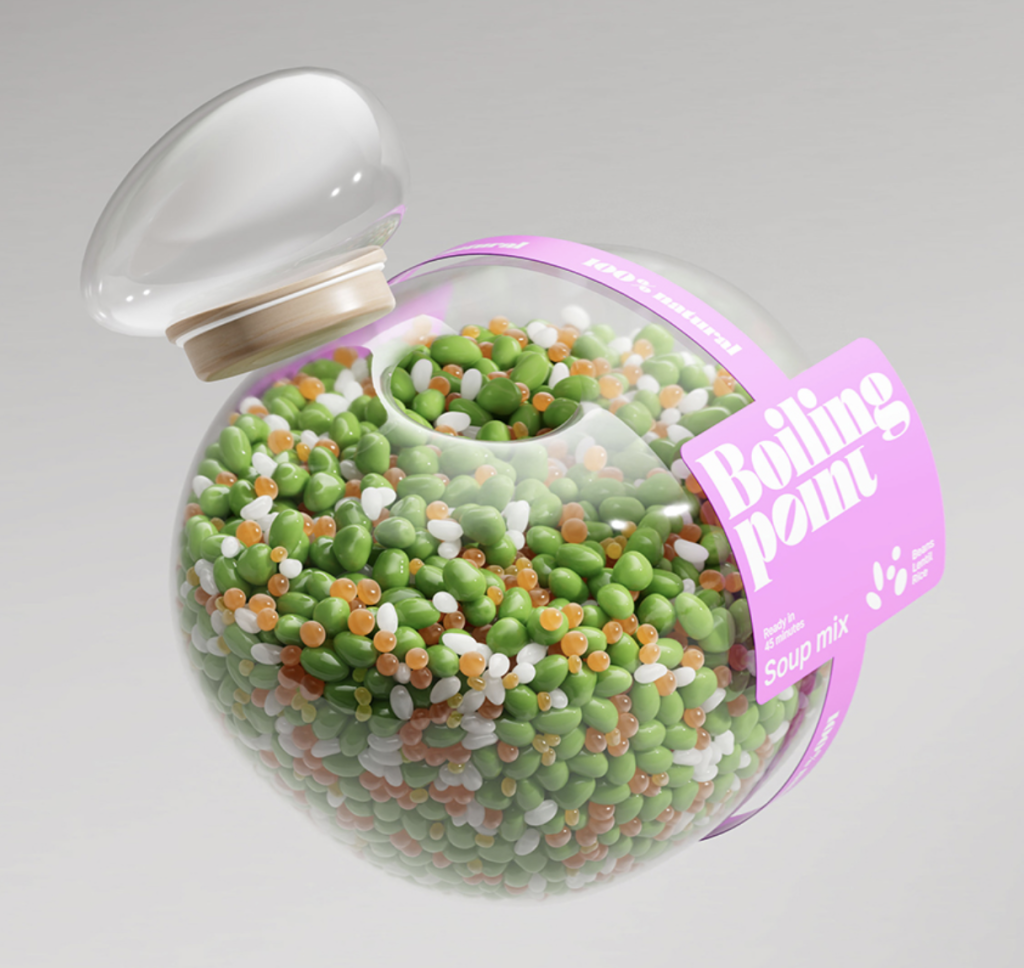
Boiling Point by Inna Efimova
Produced from recyclable eco-plastic, the container balances environmental responsibility with practical performance. Its lightweight yet durable construction reduces material impact while supporting reuse beyond its initial purpose. After the packaged soup has been consumed, the container can be repurposed to store dry goods such as rice, lentils, beans, or grains. This secondary life extends the usefulness of the packaging and reinforces circular economy principles through everyday functionality.
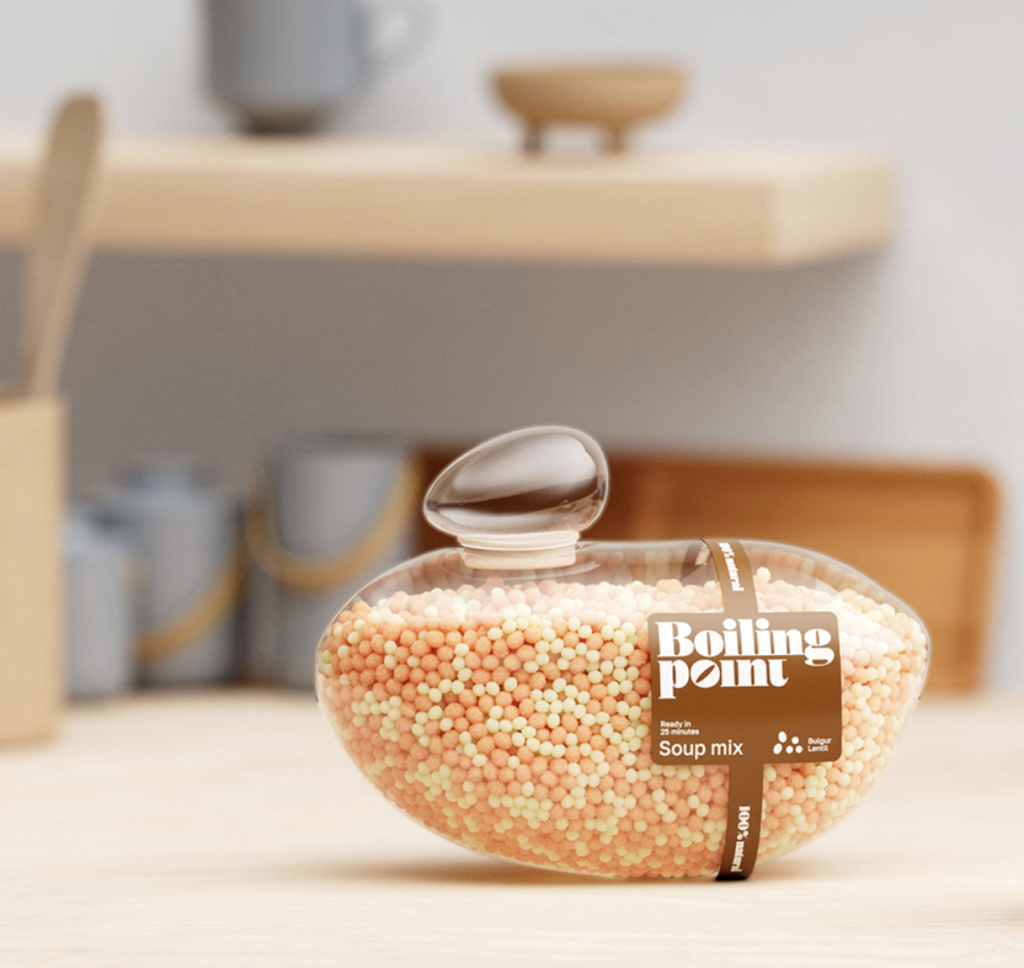
Boiling Point by Inna Efimova
Transparency also plays a central role in the design. A clear viewing window allows consumers to see the ingredients inside, fostering trust and helping inform purchasing decisions. The product is envisioned in three portion sizes, allowing households to select quantities that better match their needs and reducing the likelihood of food waste. Even at the conceptual stage, the design demonstrates how thoughtful packaging can influence consumption patterns in subtle but meaningful ways.
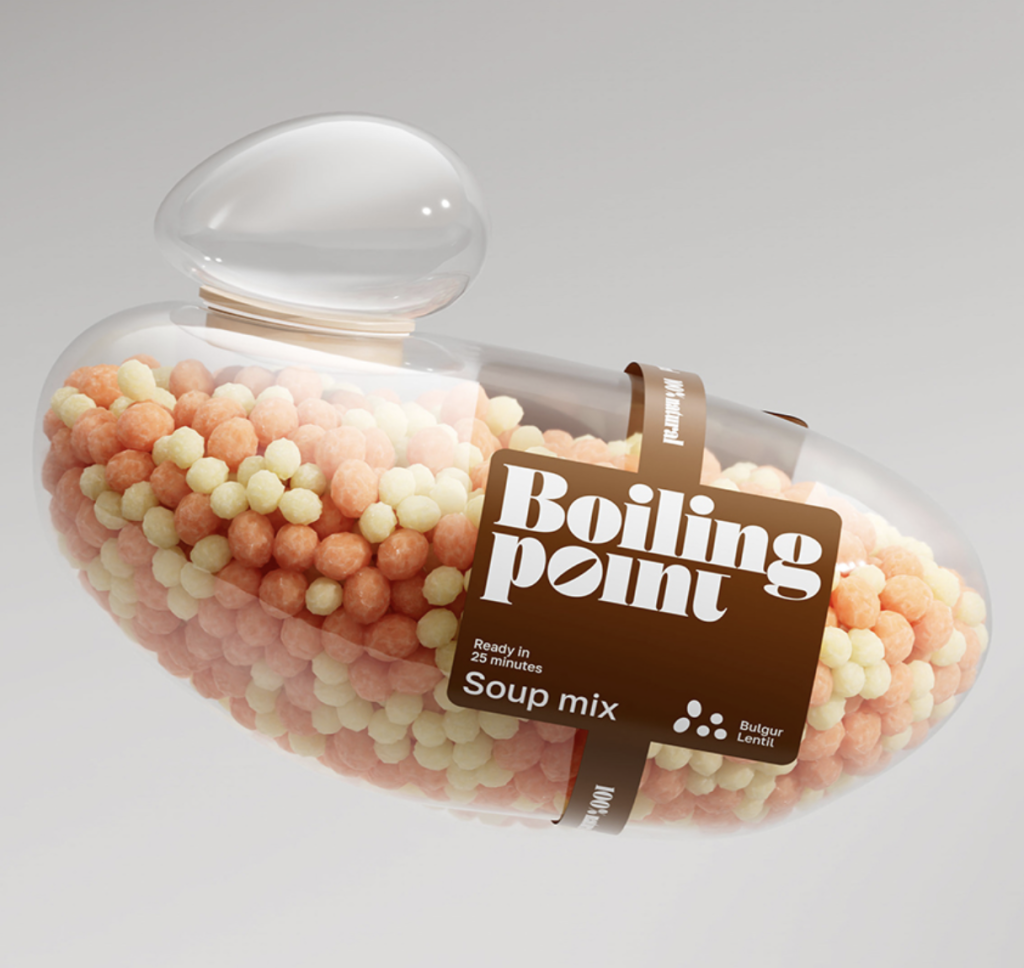
Boiling Point by Inna Efimova
Although Boiling Point has yet to enter large-scale production, it has already earned recognition from major international design competitions, including the Dieline Packaging Design Competition, the London Design Awards, the Applied Arts Awards, and DNA Paris. Its success highlights growing industry interest in packaging solutions that merge sustainability, functionality, and strong visual identity rather than treating them as competing priorities.
What connects these three projects is a recognition that packaging is not merely a container. It is part of a larger ecosystem that influences how food is produced, distributed, consumed, and discarded. The conversation is moving beyond recyclable materials and eco-friendly messaging toward a deeper examination of systems, behaviors, and long-term value.