The idea of home is changing. No longer confined to permanent foundations or sprawling floor plans, today’s most innovative structures are proving that mobility, flexibility, and thoughtful design can deliver comfort without compromise. Driven by changing lifestyles, environmental challenges, and the growing demand for adaptable spaces, designers are embracing solutions that prioritize efficiency without sacrificing functionality. These projects demonstrate that compact architecture is not simply about saving space. It is about creating smarter experiences that can move wherever they are needed most.
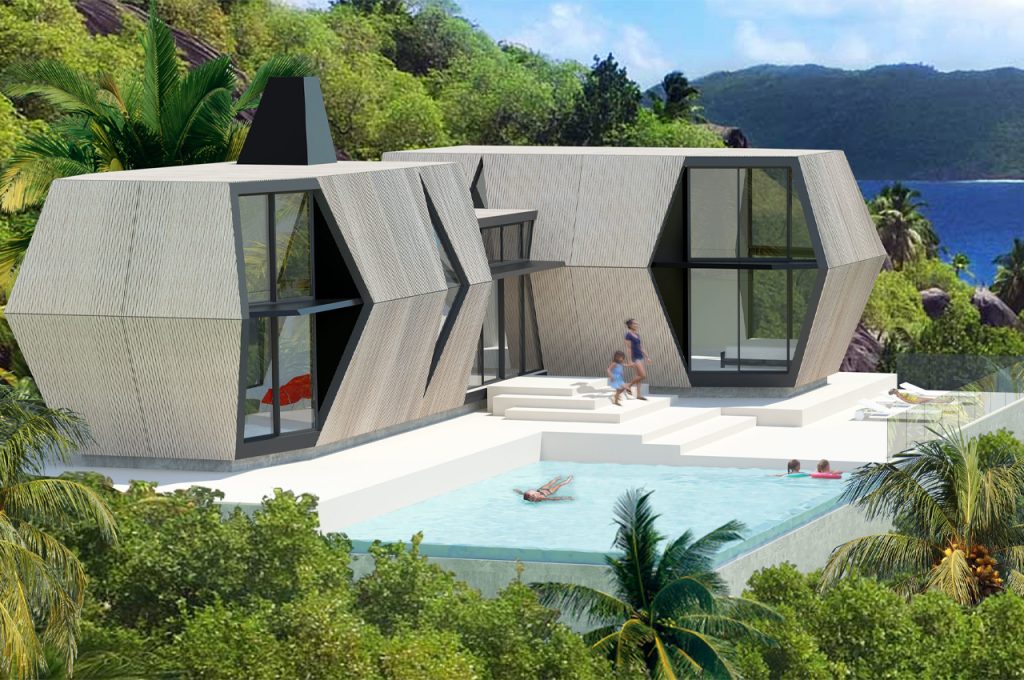
Origami-Inspired Emergency Housing by Hariri & Hariri
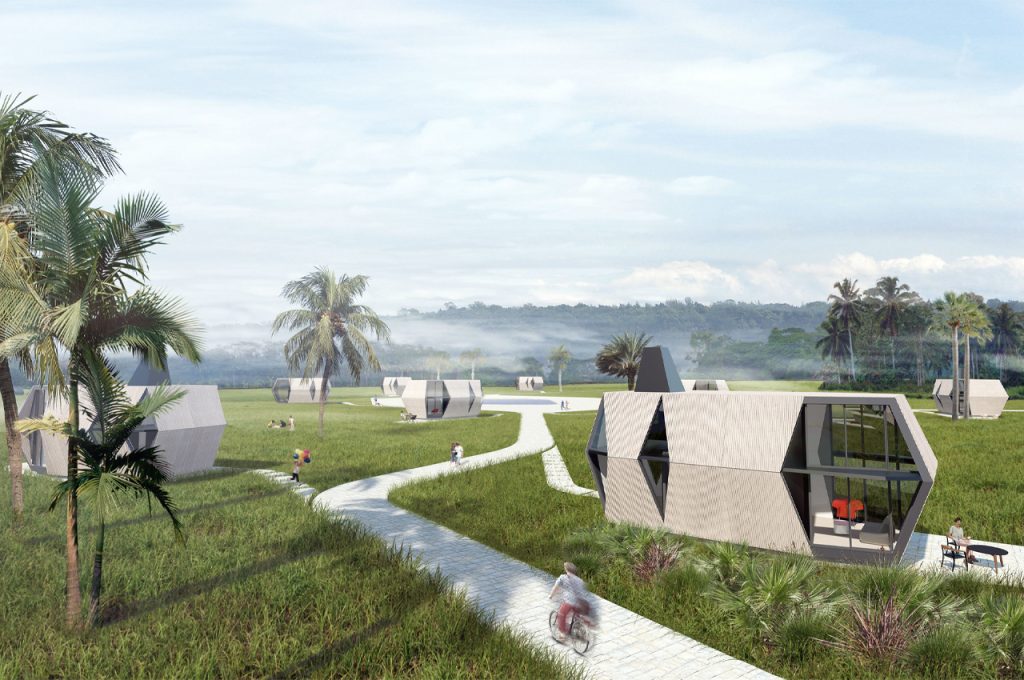
When natural disasters and humanitarian crises strike, time becomes the most valuable resource. Traditional construction methods often cannot keep pace with urgent housing demands, leaving architects searching for faster and more adaptable alternatives. New York-based architecture firm Hariri & Hariri, founded by Iranian sisters Gisue and Mojgan Hariri, approached this challenge with an elegant solution that transforms emergency shelter through the art of folding.
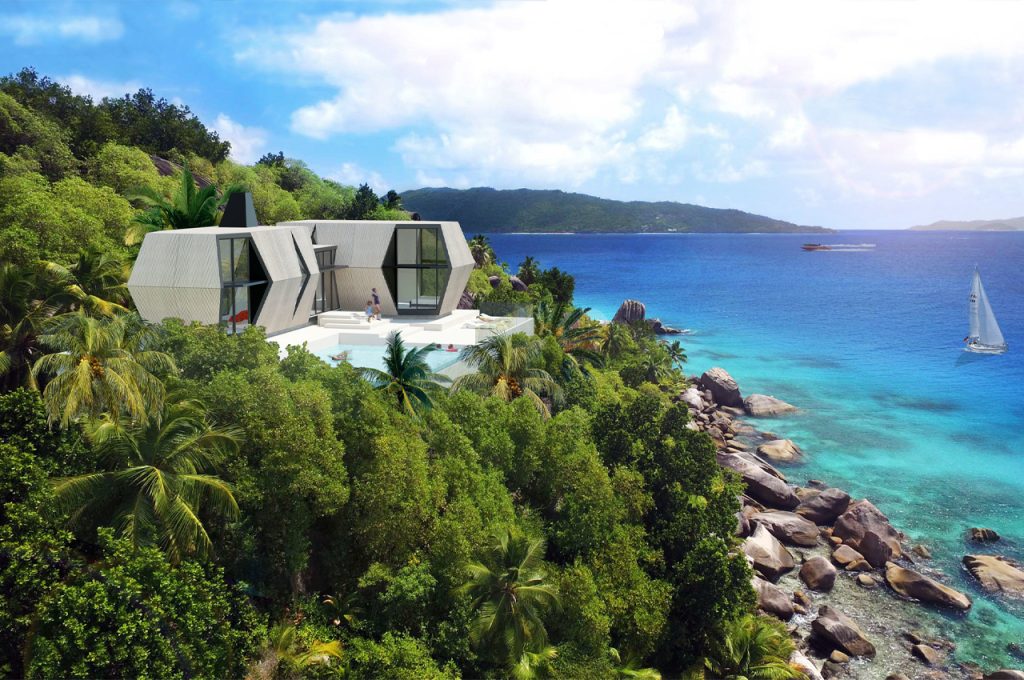
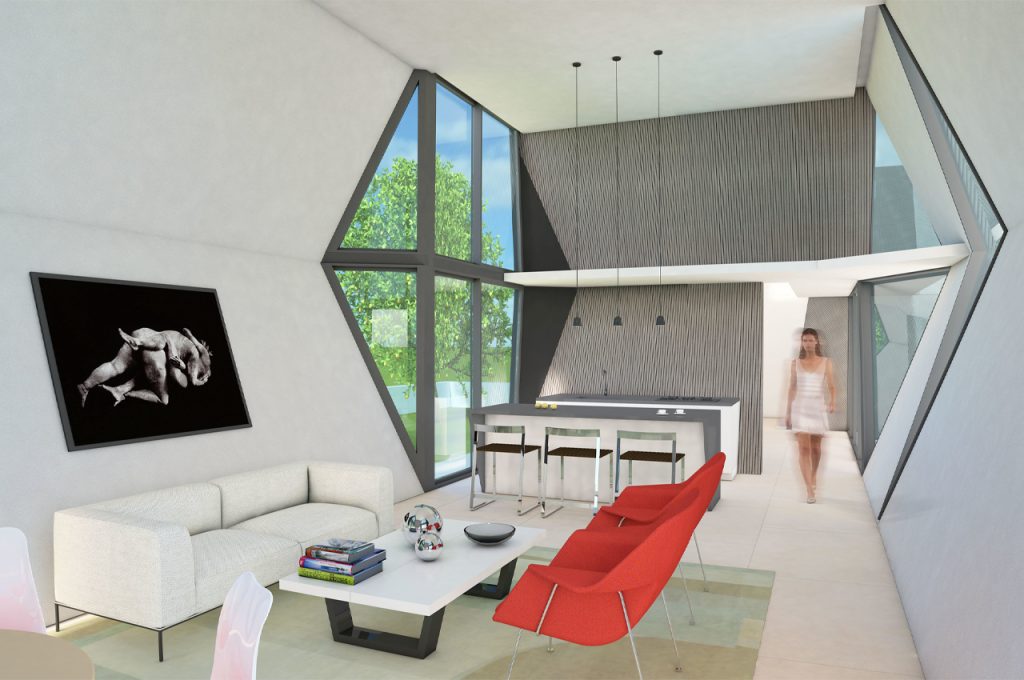
Origami-Inspired Emergency Housing by Hariri & Hariri
Inspired by the precision of Japanese origami, the firm’s prefabricated pod begins as a compact folded structure that can be transported efficiently on standard flatbed trucks. Once it reaches its destination, the pod unfolds into a fully functional single-story housing unit with the simple push of a button. The design eliminates the need for tools, hardware, or hands-on assembly, making deployment remarkably fast. As the architects explain, during a hurricane or disaster, there simply is not time to search for a screwdriver.
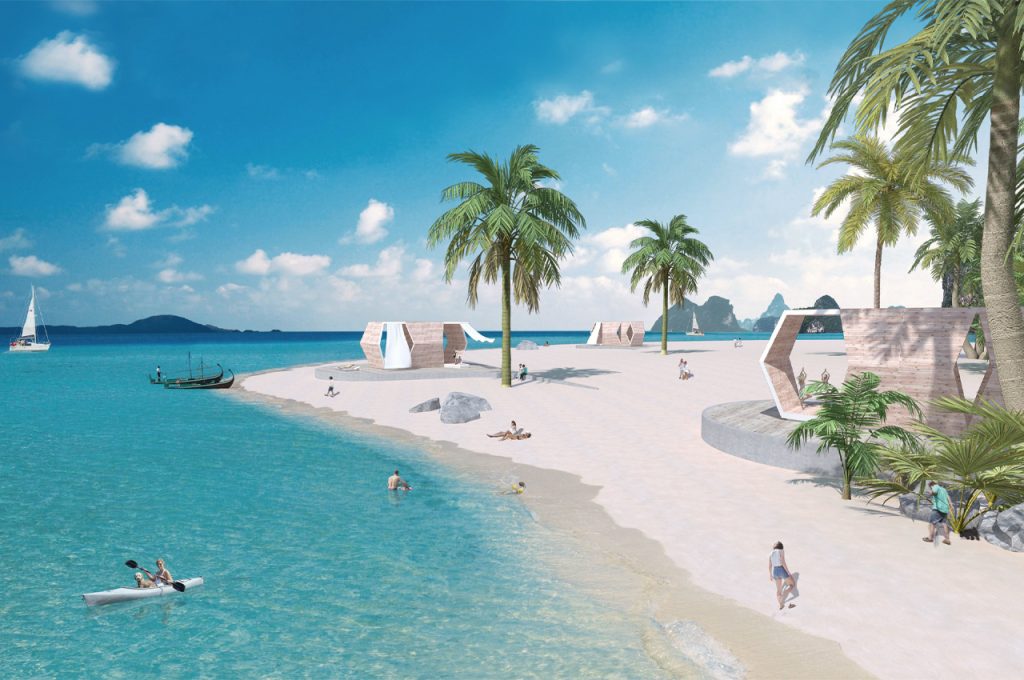
Origami-Inspired Emergency Housing by Hariri & Hariri
The pod’s clever engineering relies on hidden hinges and folding panels that allow the structure to expand almost like a pop-up box. Beyond emergency response, its modular design makes it surprisingly versatile. Multiple pods can be connected to create temporary communities for displaced populations, while individual units can serve as vacation cabins, festival accommodations, or remote retreats. Constructed from lightweight materials including glass and Equitone panels, the pod is designed to be affordable, transportable, and accessible to countries around the world.
Make.Work.Space (also header image)
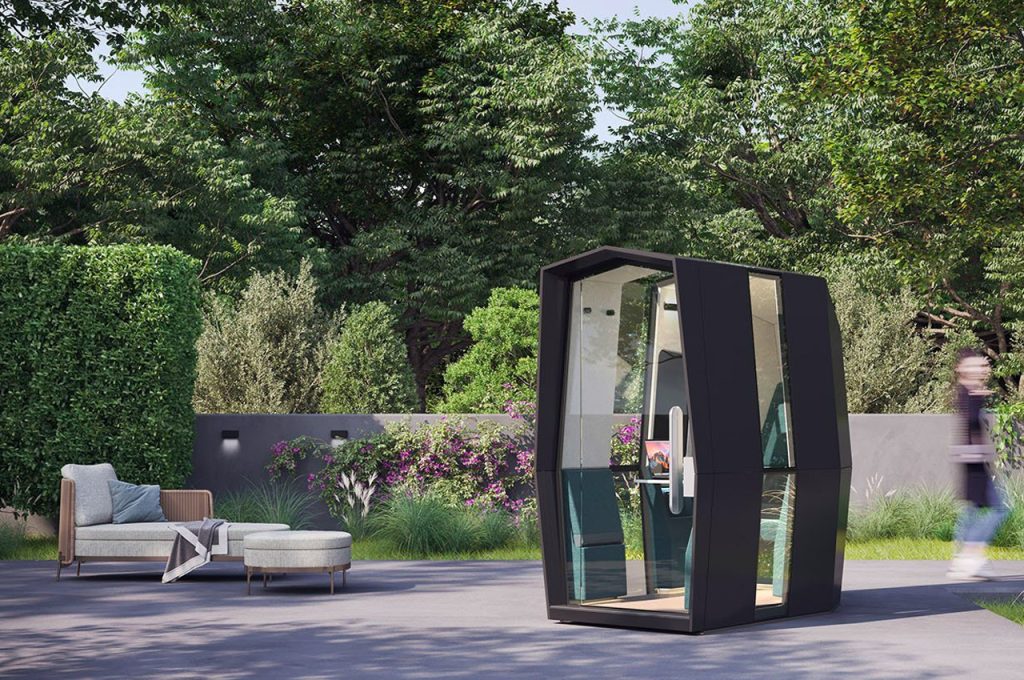
While portable homes solve one set of challenges, our changing work habits have created another. The rise of hybrid work has transformed how people think about productivity, privacy, and personal space. As homes became offices and offices became more flexible, designers began searching for ways to create dedicated work environments without requiring permanent construction. Make.Work.Space answers that need with a compact office that brings focus wherever it goes.
Make.Work.Space
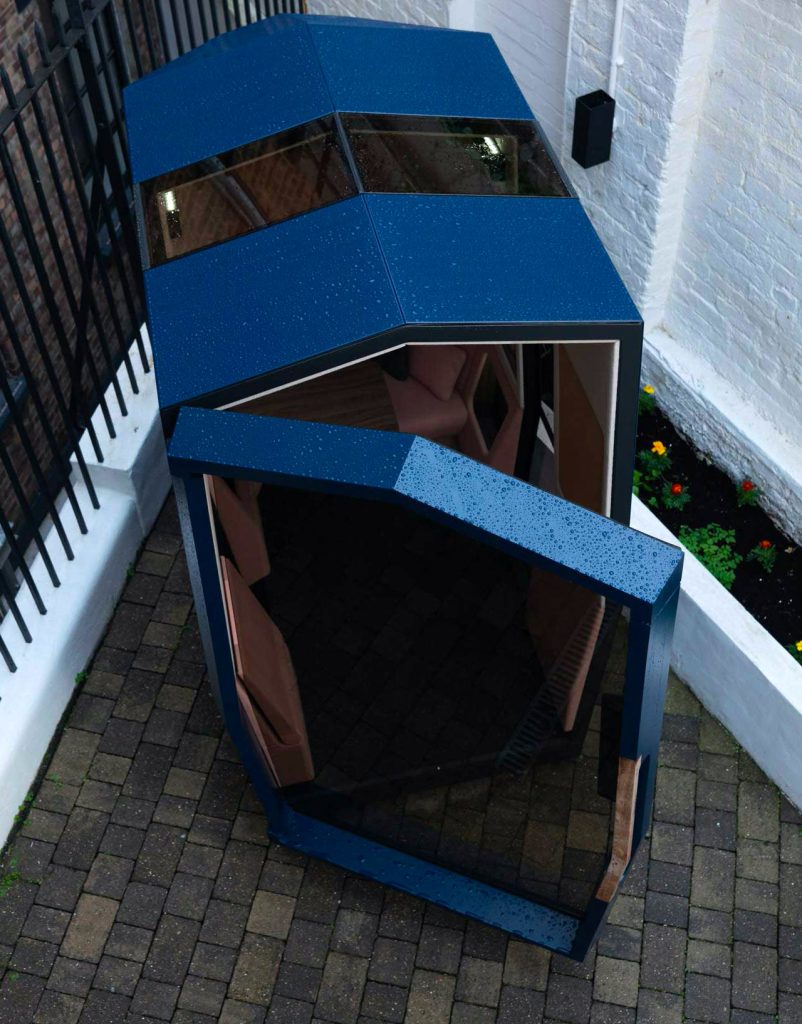
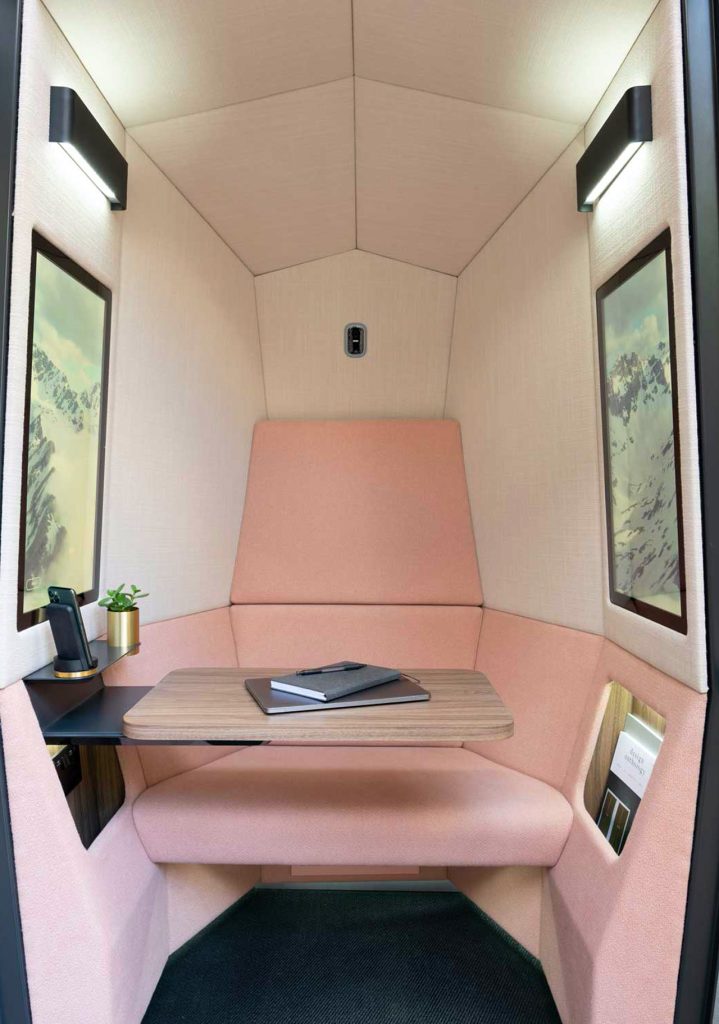
Designed as a private work oasis, the Make.Work.Space micro office can be installed in homes, corporate campuses, or even public spaces. Inside busy workplaces, multiple units can provide employees with quiet environments for focused work, confidential meetings, or uninterrupted phone calls. Rather than redesigning entire offices, organizations can simply introduce these modular pods into underused indoor or outdoor spaces, making them an efficient solution for modern workplaces.
Make.Work.Space
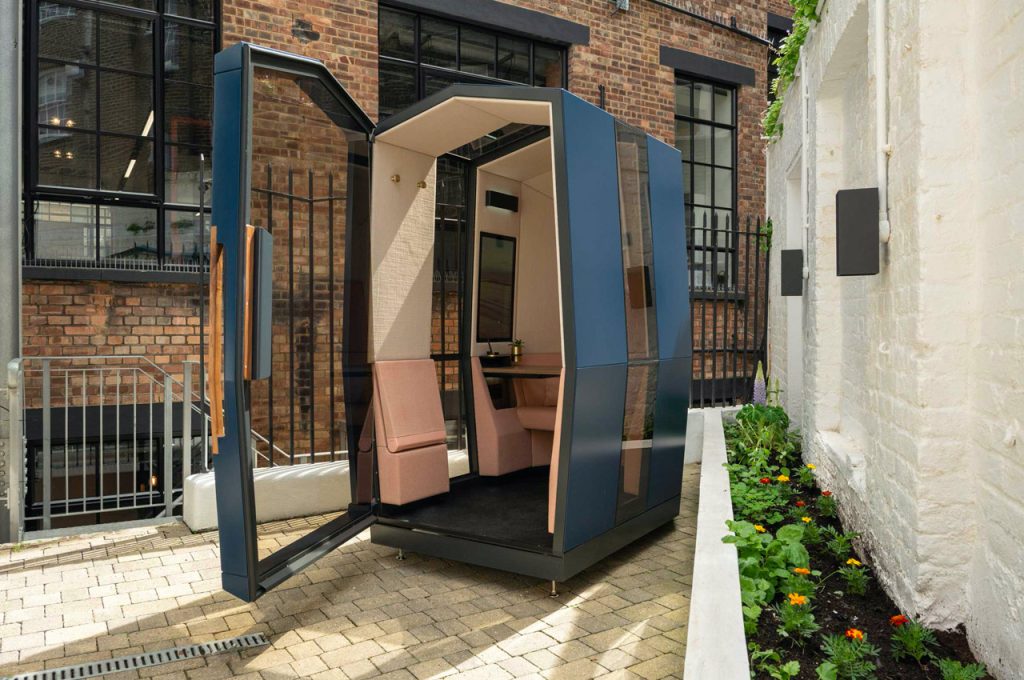
The same flexibility makes the concept equally appealing for remote workers. In homes shared with family members, roommates, or partners, having a dedicated workspace can significantly improve concentration and work-life balance. Beyond productivity, the pod also serves as a personal retreat, offering a quiet place to read, think, or simply disconnect from household distractions.
Make.Work.Space
Available in three configurations, each module caters to different needs and budgets. The compact Micro-Office 1 includes essentials such as a worktable, acoustic panels, USB and power outlets, and integrated lighting. Larger versions add ergonomic height-adjustable desks, panoramic windows, HEPA filtration, weather resistance, air conditioning, guest seating, and premium finishes.
SHOPKIT by COC (via)
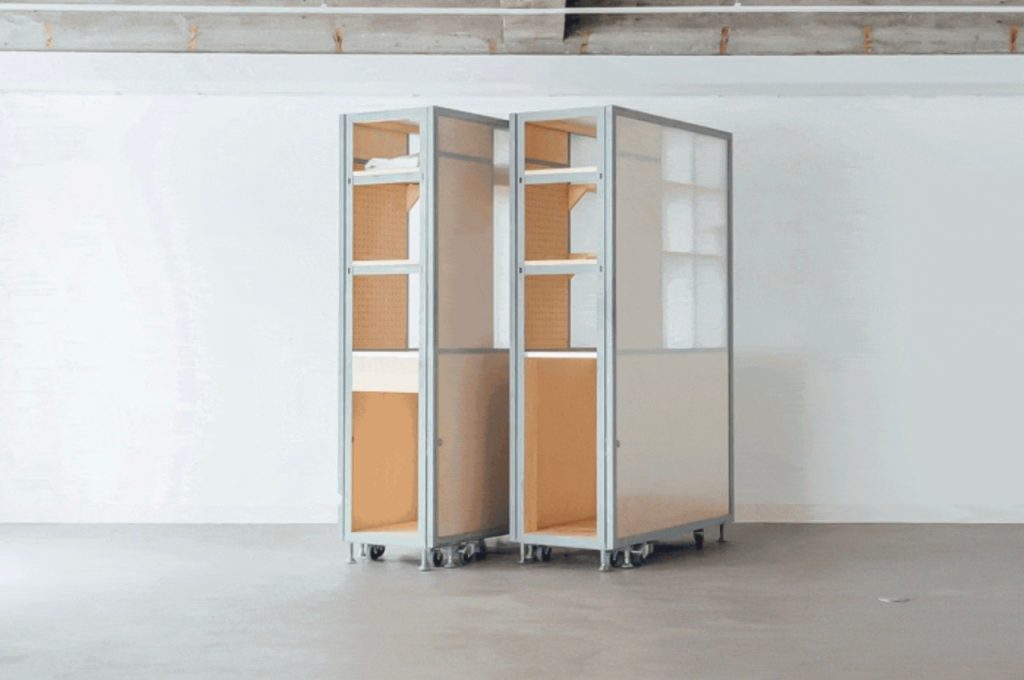
Portability is not limited to living and working. Retail is also becoming increasingly mobile as businesses seek flexible ways to connect with customers through markets, exhibitions, festivals, and pop-up events. Japanese design studio COC explores this opportunity with SHOPKIT, a beautifully minimalist mobile retail system that makes setting up a temporary store both practical and visually appealing.
SHOPKIT by COC
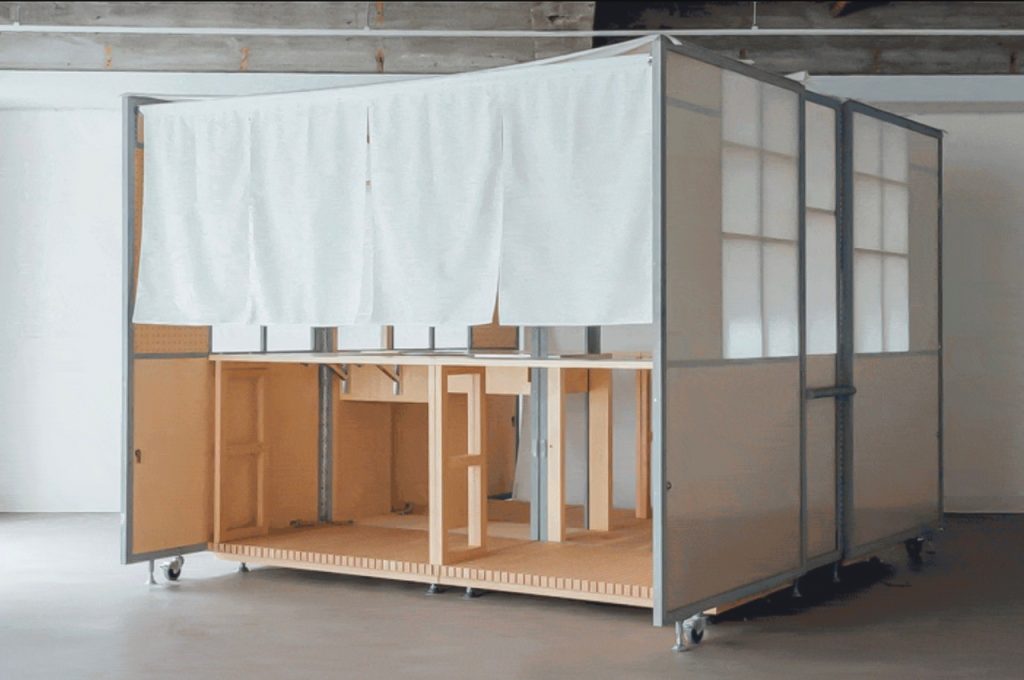
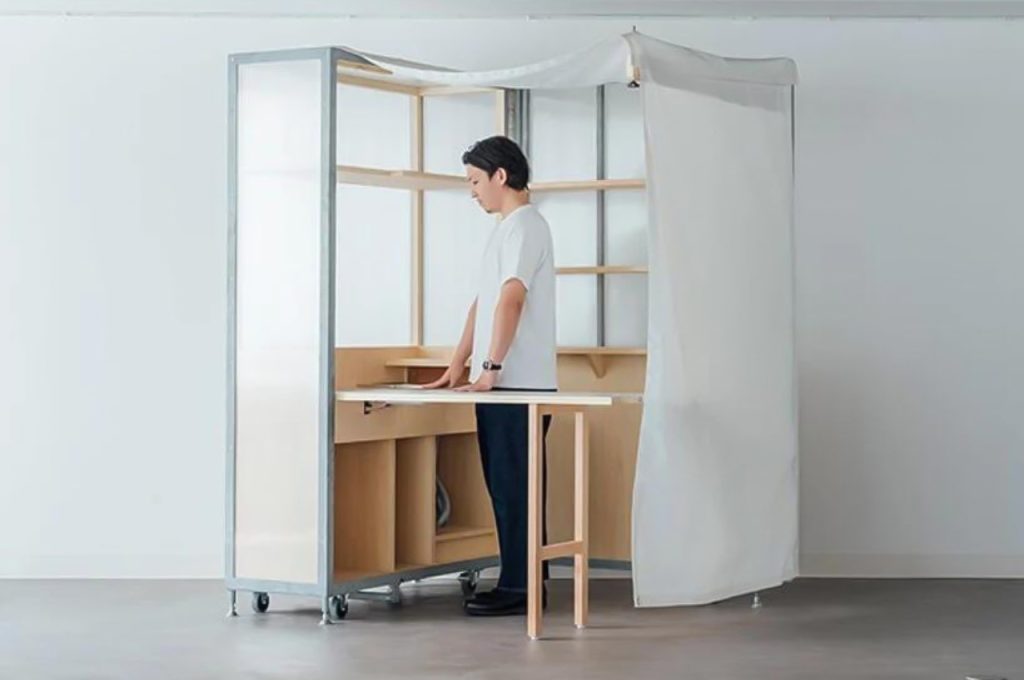
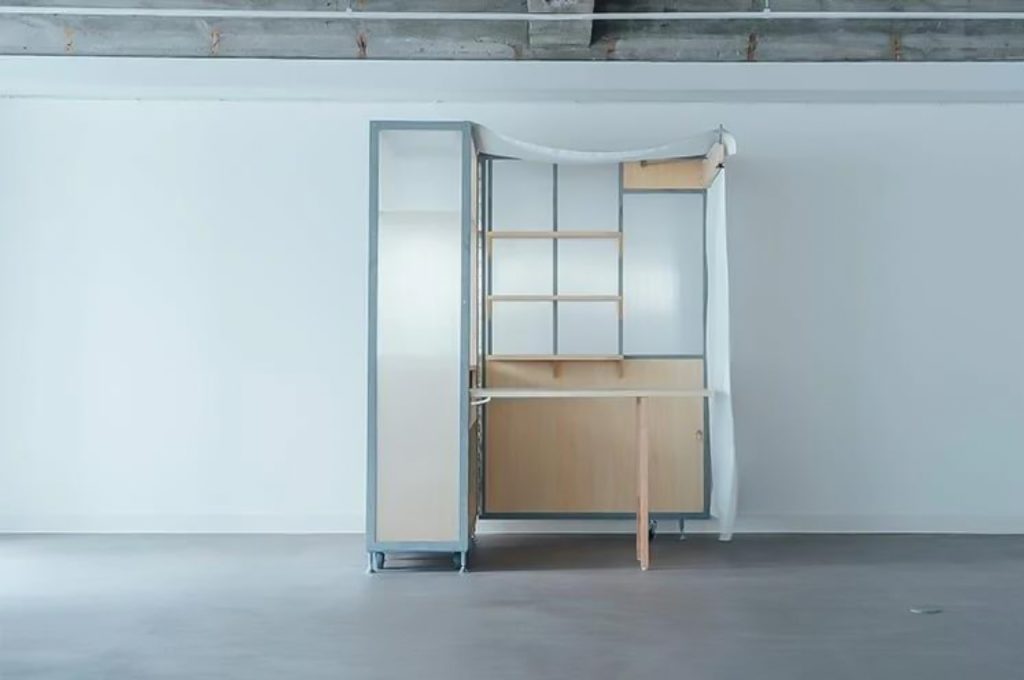
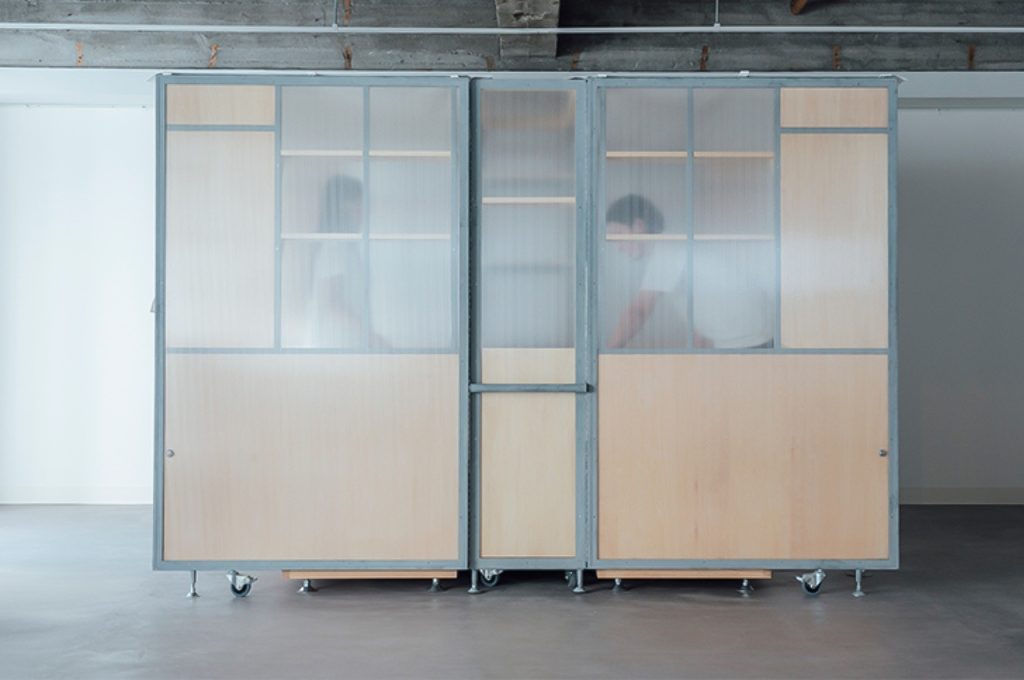
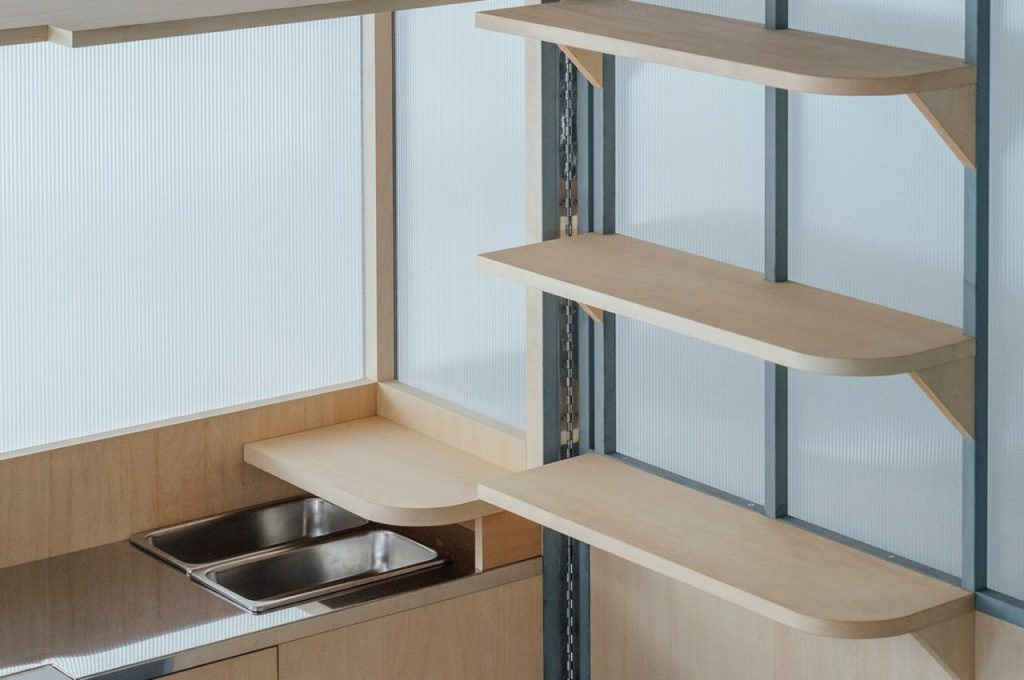
Unlike makeshift displays built from folding tables and temporary shelving, SHOPKIT is a purpose-built furniture system that assembles into a complete retail environment. Designed using wood, steel, and polycarbonate, the modular structure balances durability with understated elegance, allowing it to blend naturally into parks, exhibition halls, shopping centers, and urban public spaces.
SHOPKIT by COC
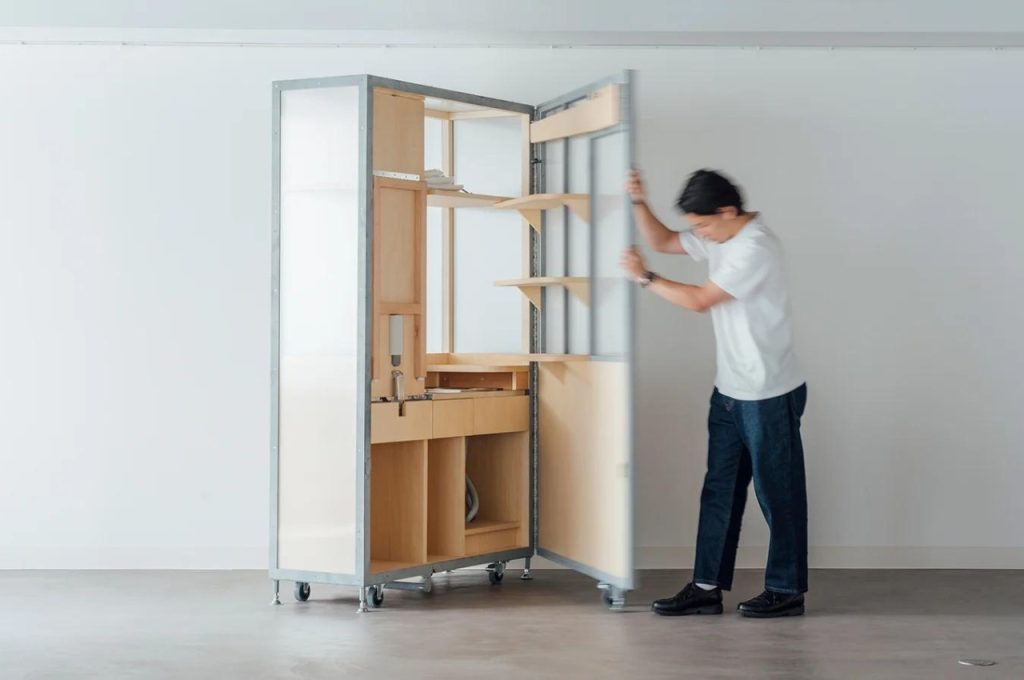
The system is available in two configurations. The single-door version is compact and easy to assemble, making it ideal for smaller businesses or individual creators. The larger double-door model expands the available display area with magnetic work counters and a translucent facade that allows natural light to filter inside. A traditional split shop curtain provides shade while subtly referencing the aesthetics of classic Japanese storefronts, giving the design a distinctive cultural character.
SHOPKIT by COC
Originally conceived as temporary structures during a building renovation, these modules evolved into fully portable retail architecture that can be assembled, disassembled, transported, and stored with ease. For independent businesses, bookstores, artisans, and entrepreneurs who frequently participate in trade fairs or community events, SHOPKIT offers an elegant alternative to conventional booths while proving that mobility and thoughtful design can create memorable retail experiences.
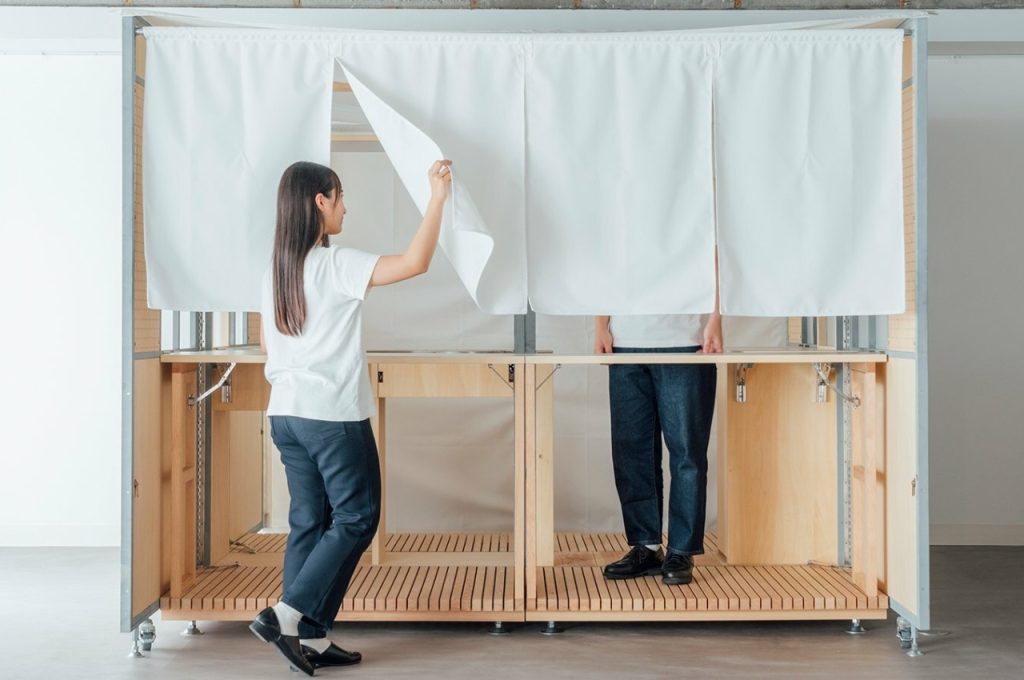
SHOPKIT by COC
Although these projects serve very different purposes, they share a common philosophy. As cities evolve and lifestyles continue to shift, portable architecture is becoming more than a niche trend. It represents a smarter approach to making the most of limited resources while delivering meaningful experiences.