At recent exhibitions and in emerging design portfolios, the stool has become a surprisingly fertile ground for creativity. Whether reimagining sustainable materials, exploring structural engineering through folding techniques, or injecting personality into functional furniture, these projects prove that even the most familiar object can still surprise us.
Alice Stool by LoopLoop
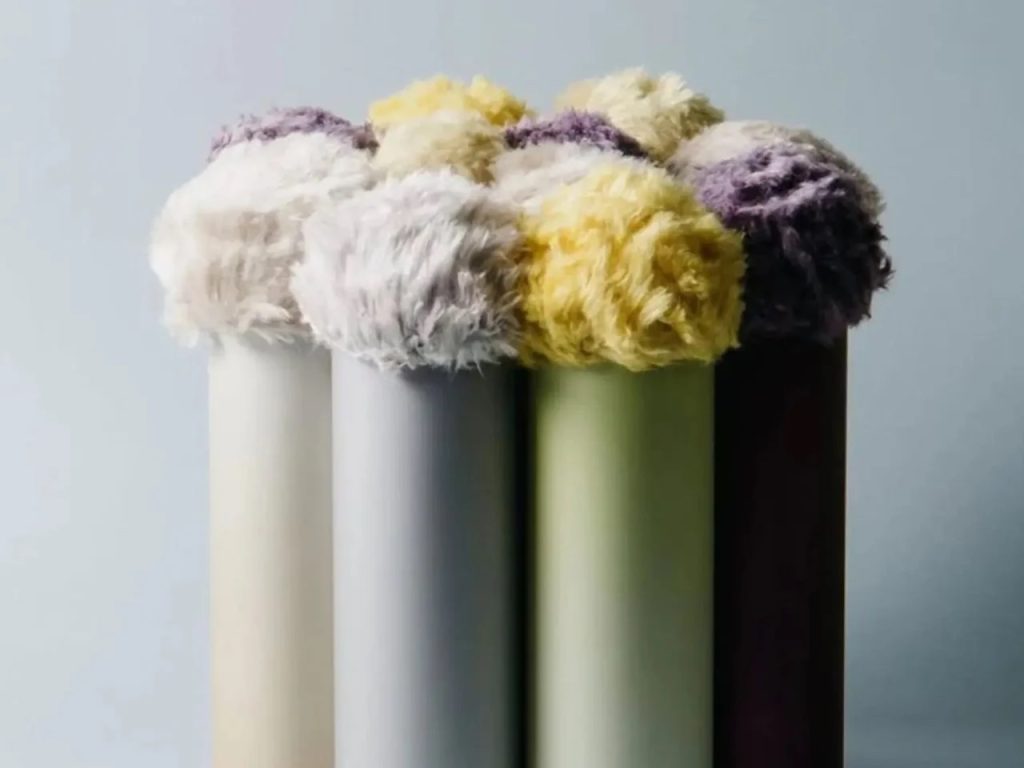
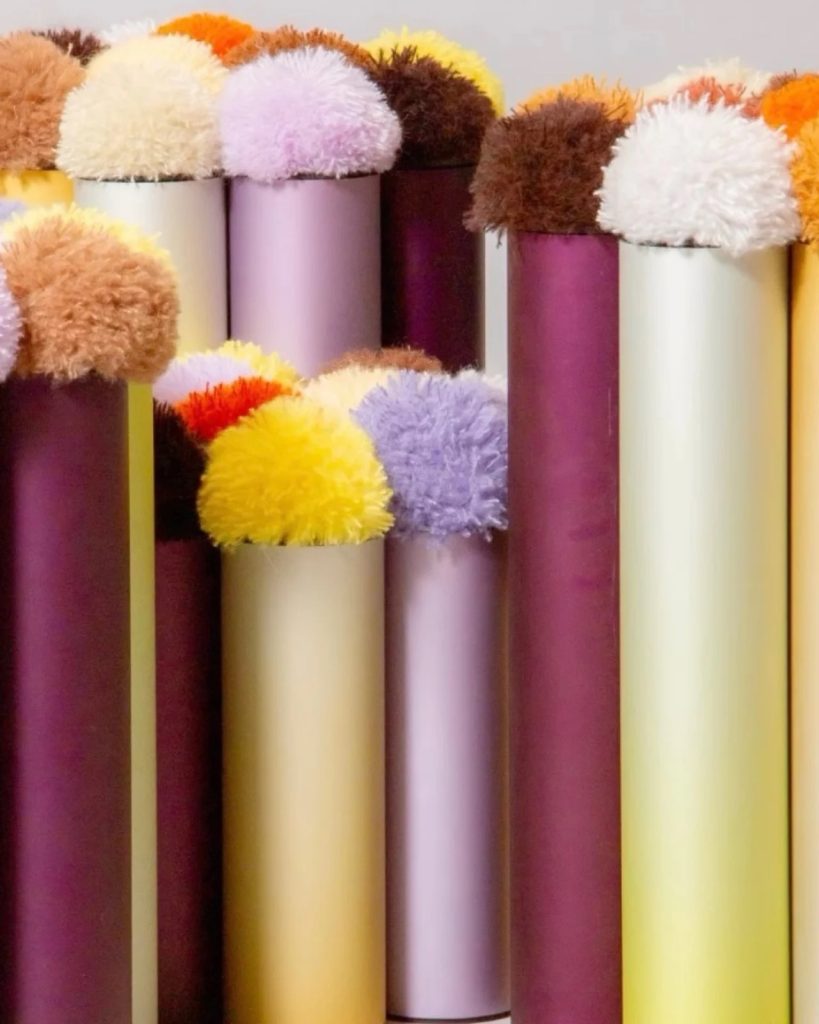
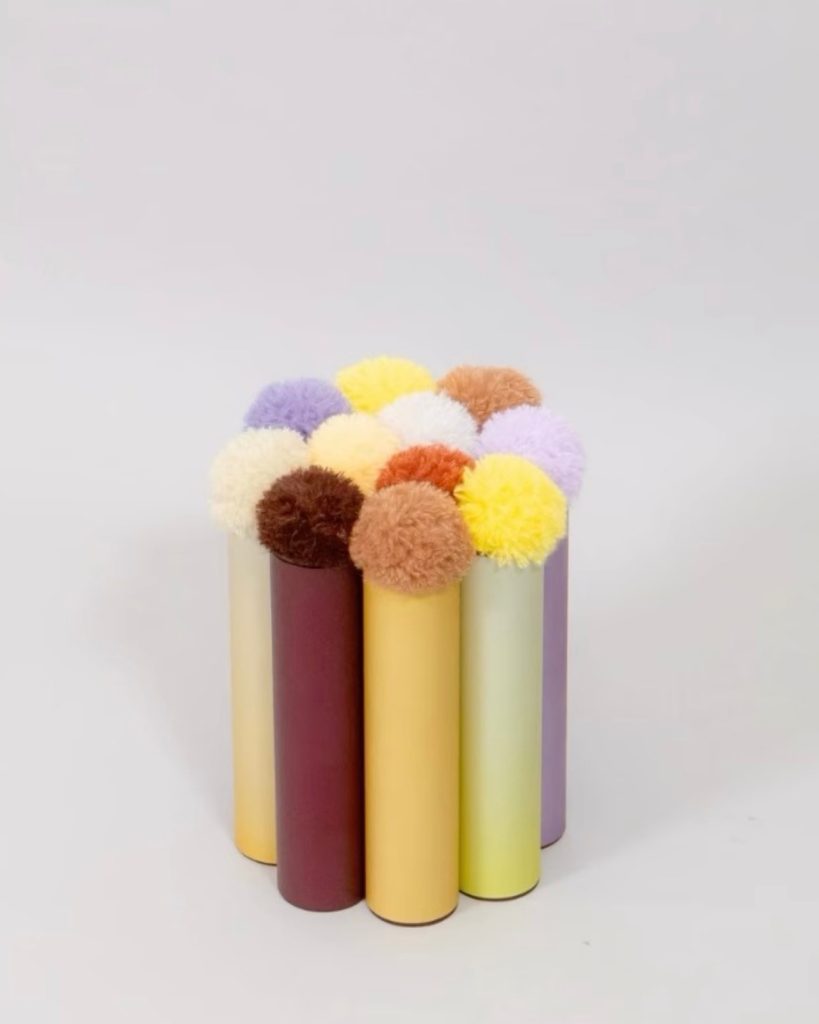
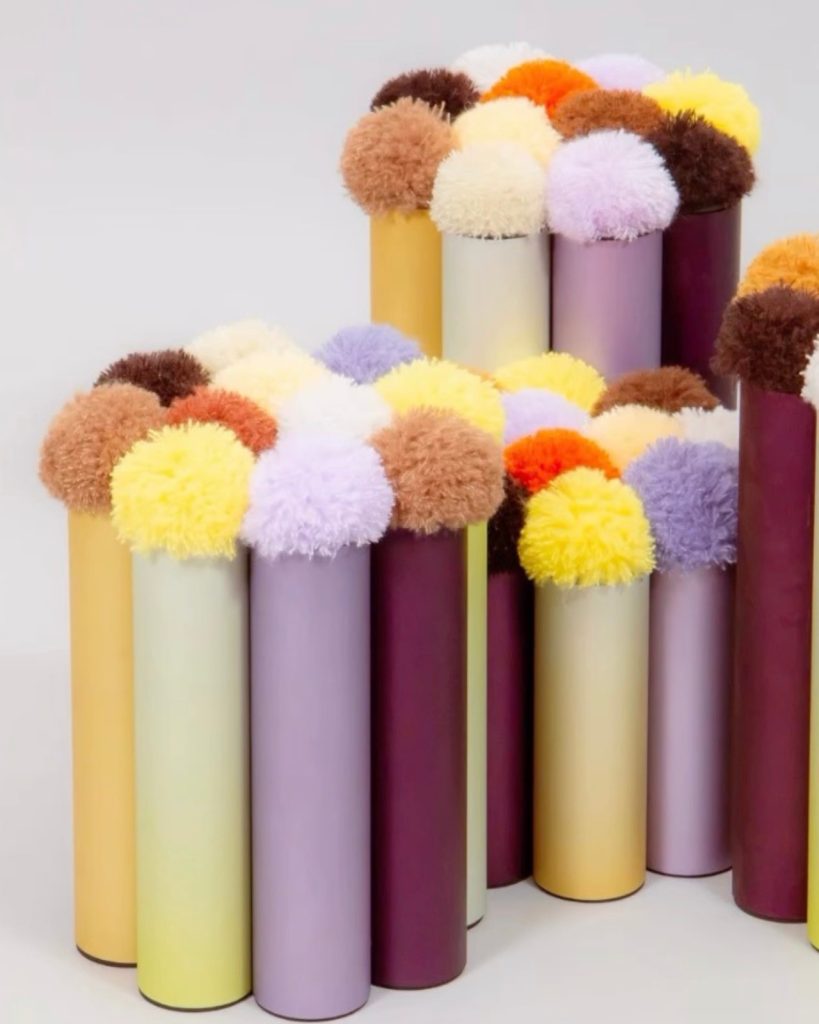
Sustainable design has a branding problem. Not an ethics problem, not a materials problem, but a branding problem. For years, circular manufacturing and responsible production have been packaged in a visual language that often feels earnest rather than exciting. Studio LoopLoop’s Alice Stool challenges that perception immediately. Presented during Milan Design Week at Alcova, the stool resembles a whimsical bouquet of colorful pompoms balanced atop softly shaded aluminum cylinders. It is impossible to walk past without looking twice.
Alice Stool by LoopLoop
Founded in 2022 by Dutch designers Odin Visser and Charles Gateau, Studio LoopLoop operates somewhere between design studio and materials laboratory. Rather than relying on conventional manufacturing systems, the pair develop many of their own production methods in-house. That independence is visible throughout the Alice Stool, which feels less like a sustainability statement and more like a celebration of material possibilities.
Alice Stool by LoopLoop
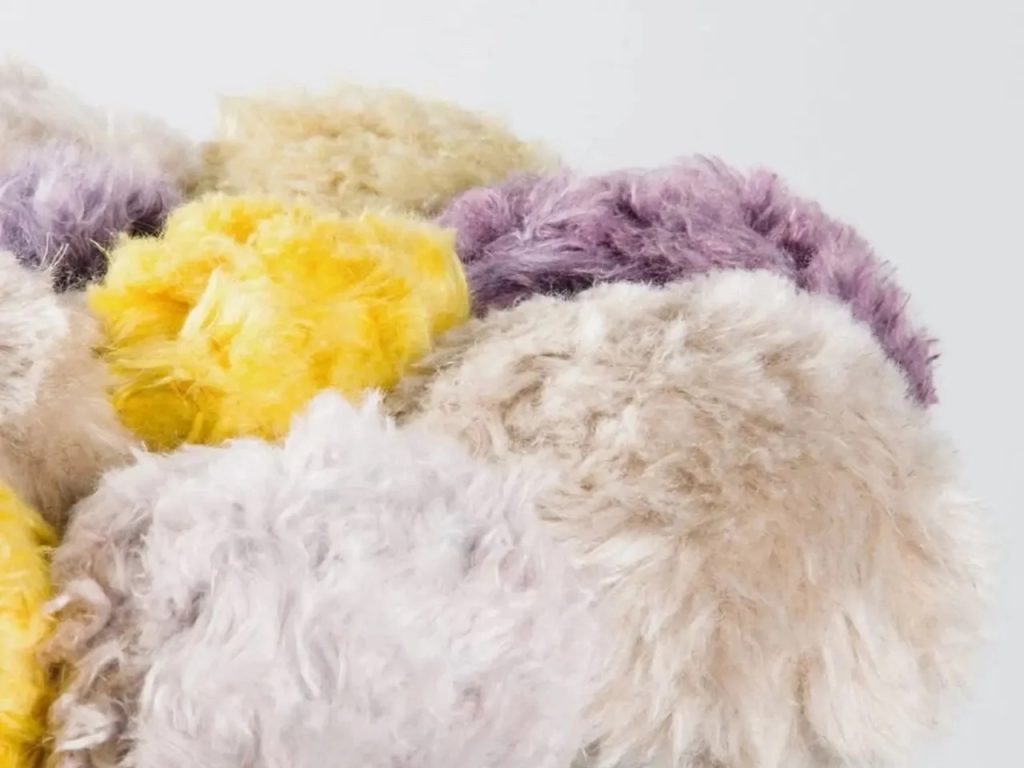
The base is crafted from 100% recycled Hydro 100R aluminum and finished using a plant-based anodizing process developed by the studio. The resulting gradients shift elegantly between sage green, deep plum, and warm yellow tones. On top sits a seat upholstered with Savian, Bio-Fluff’s plant-based faux fur, hand-dyed using natural pigments. Together, the materials create a surprisingly luxurious object. The stool feels tactile, playful, and highly desirable, qualities not always associated with environmentally responsible design.
Press Stool by Jaehyun Bae (also header image)
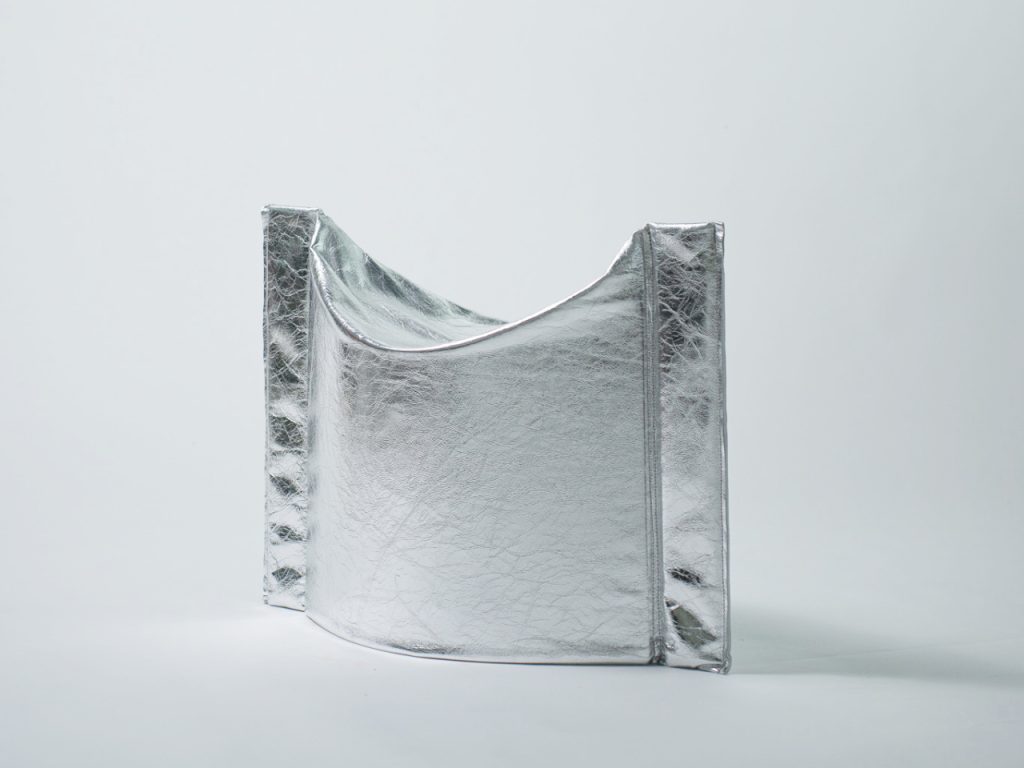
While the Alice Stool rethinks materials and perception, the next project asks a completely different question: what if a stool could emerge from almost nothing at all? Furniture storage has long been treated as a square-footage problem. If you have room, you own the furniture. If you do not, you compromise with folding solutions that often prioritize convenience over experience. Designer Jaehyun Bae’s Press Stool takes a radically different approach, borrowing its structural logic from the humble sheet of folded paper.
Press Stool by Jaehyun Bae
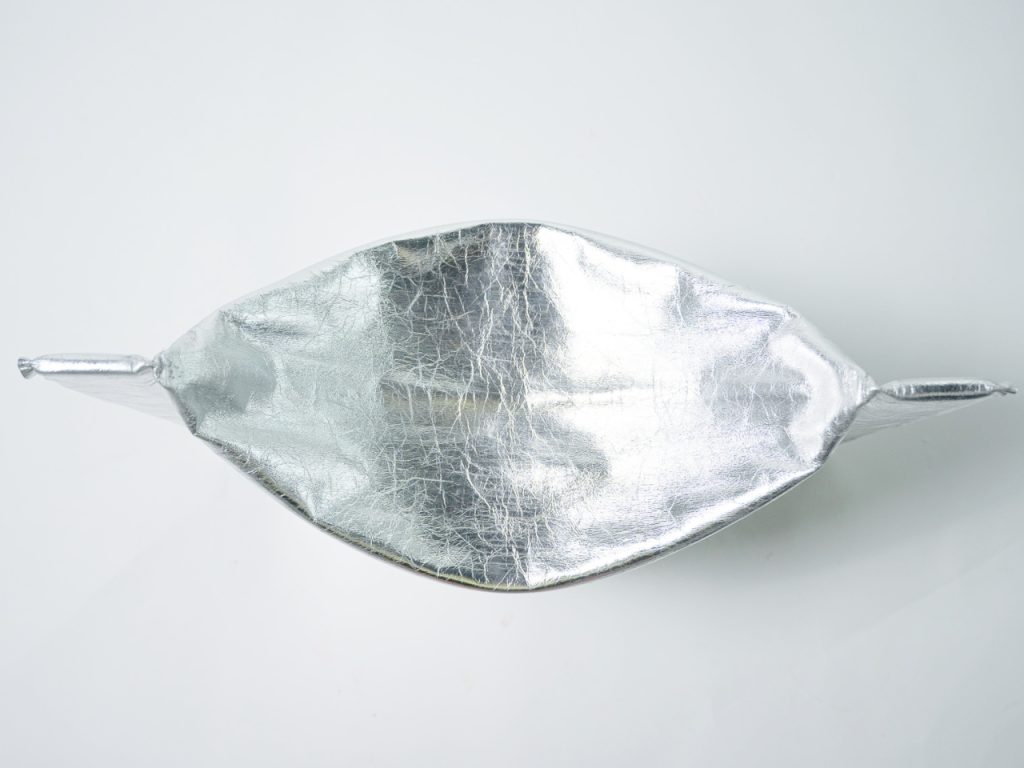
The project begins with a fascinating observation. A flat sheet of paper has virtually no load-bearing capacity, yet introduce folds and creases and it becomes surprisingly rigid. Forces are redistributed through geometry rather than material mass. This principle has appeared for decades in accordion camera bellows and origami-inspired engineering, but Bae applies it to furniture with remarkable clarity.
Press Stool by Jaehyun Bae
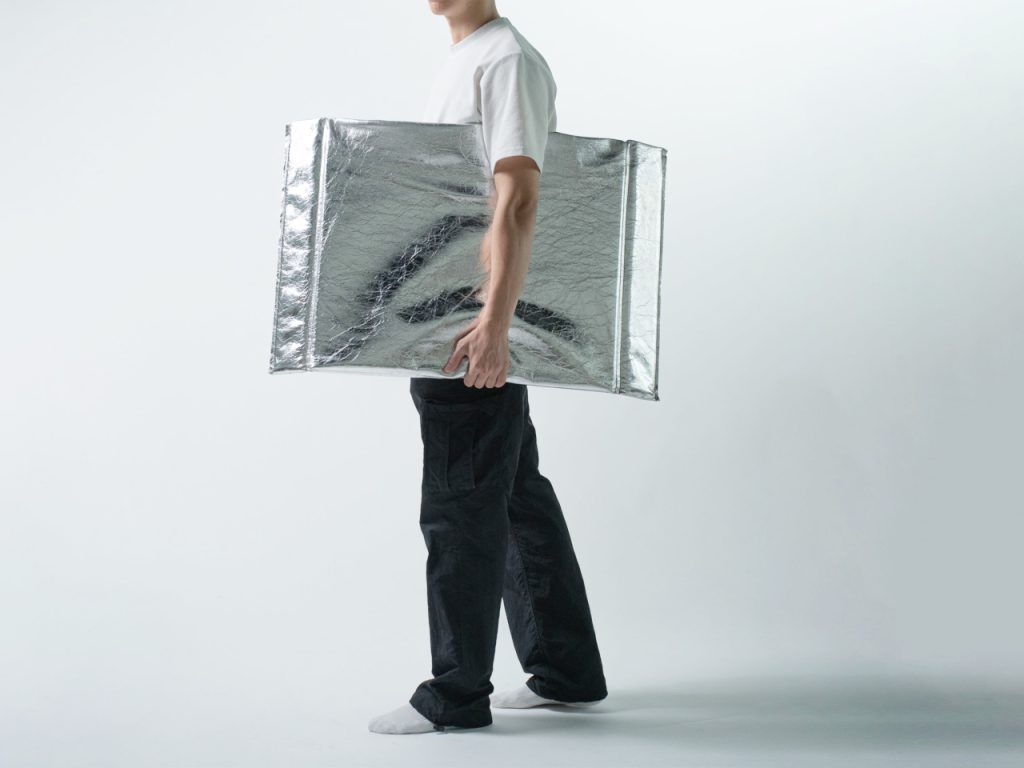
In its collapsed state, the Press Stool resembles a flattened metallic cushion. Lightweight and compact, it can be stored with minimal space requirements. Pressing the form open transforms it into a full-height stool without hinges, locks, or assembly instructions. The folded geometry itself creates the structural resistance required to support a seated user. It is a striking demonstration of how shape can replace conventional construction.
SQOOL by Liam de la Bedoyere
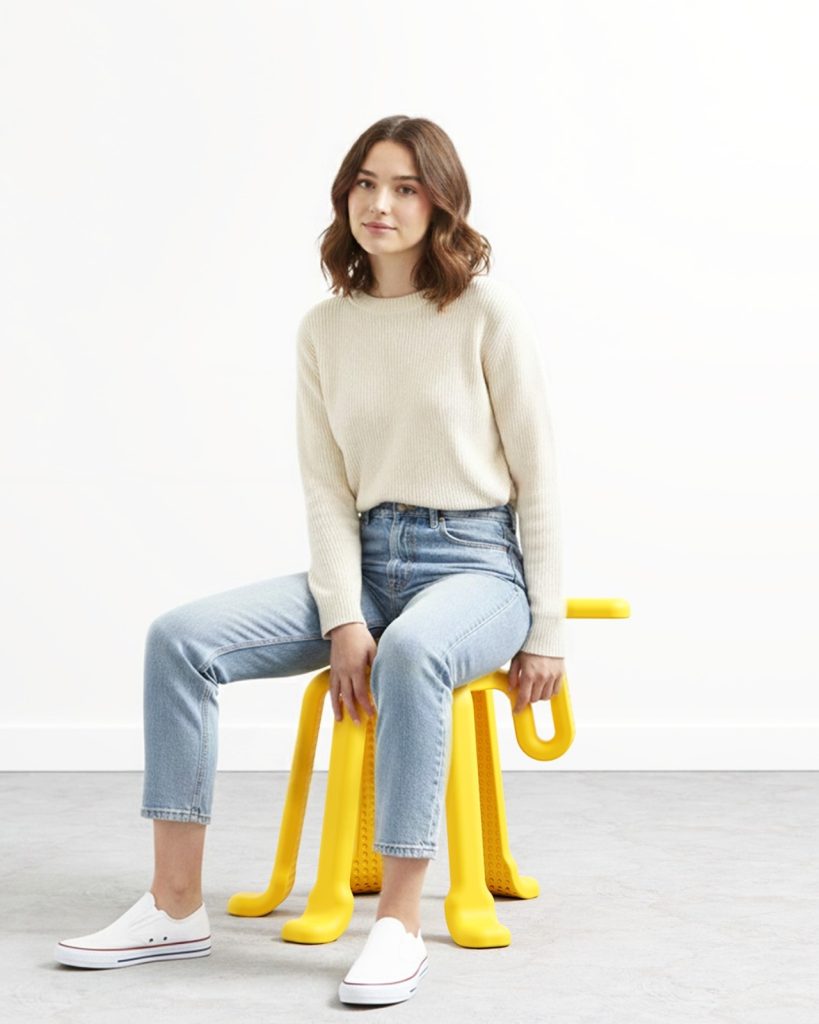
If the Press Stool proves that geometry can redefine furniture, our final project shows how a single playful gesture can completely transform the personality of an object. The traditional stool has enjoyed remarkable consistency for hundreds of years. Four legs, one seat, and a complete lack of drama. Liam de la Bedoyere’s SQOOL begins with a simple challenge to that formula: what happens if you add one more leg?
SQOOL by Liam de la Bedoyere
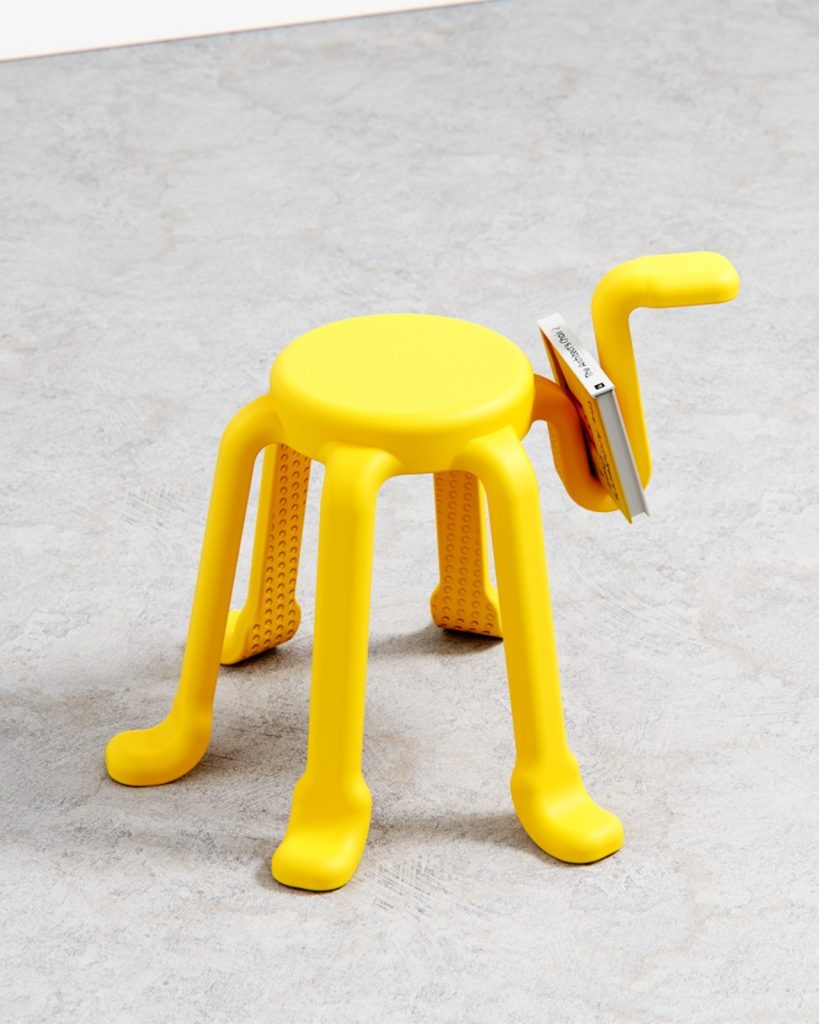
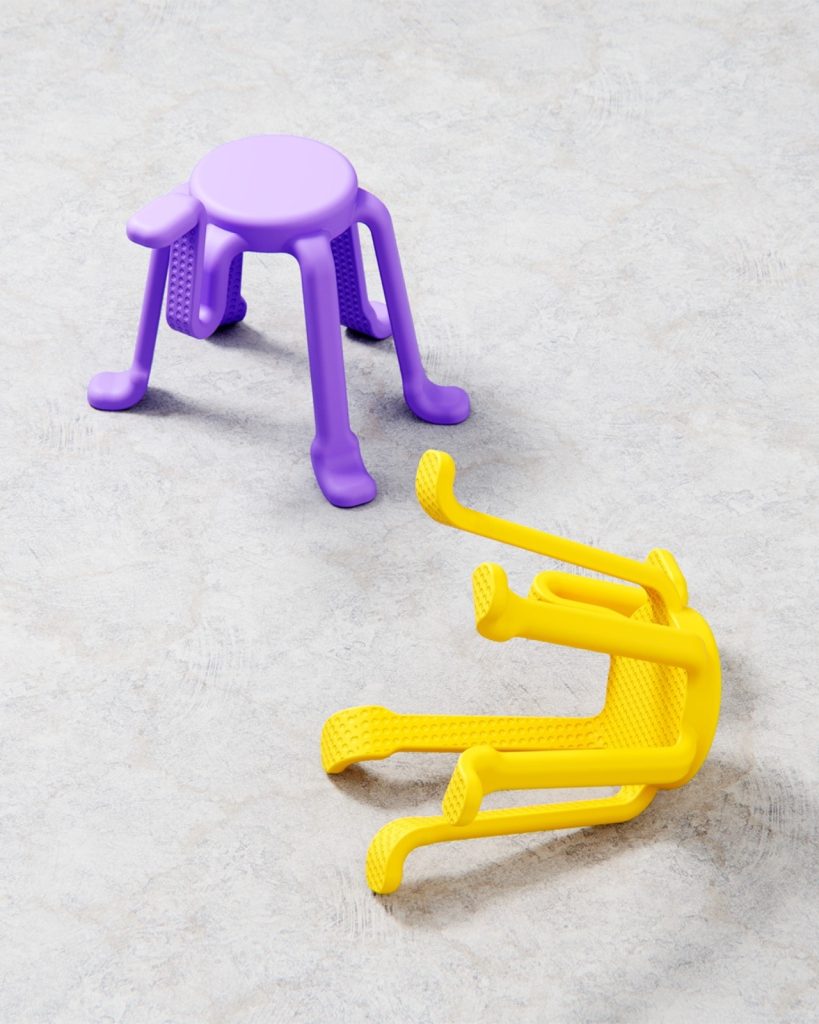
The answer is unexpectedly delightful. Created as a 2025 personal project for Bored Eye Design, SQOOL immediately stands out thanks to its character-filled silhouette. With six curved legs radiating outward beneath a compact circular seat, the stool resembles a cheerful creature more than a piece of furniture. Depending on the viewing angle, it evokes a squid, an insect, or a friendly animated character that somehow wandered into a product catalog.
SQOOL by Liam de la Bedoyere
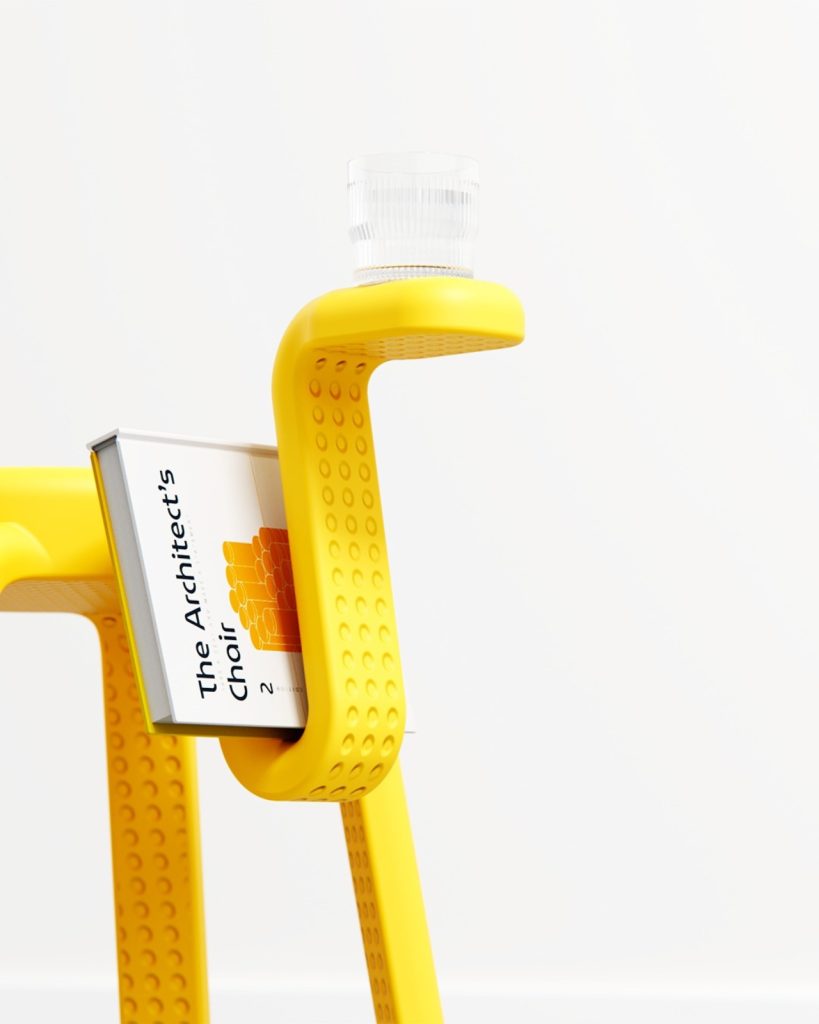
The brilliance of the design lies in the sixth leg. While five legs provide more than enough stability, the additional appendage is freed from structural responsibilities and assigned entirely new ones. It functions as a carrying handle, a hook for bags and jackets, a resting place for books, and even a convenient perch for a coffee cup. Rather than adding complexity, the extra element increases usefulness while giving the stool its memorable identity.
SQOOL by Liam de la Bedoyere
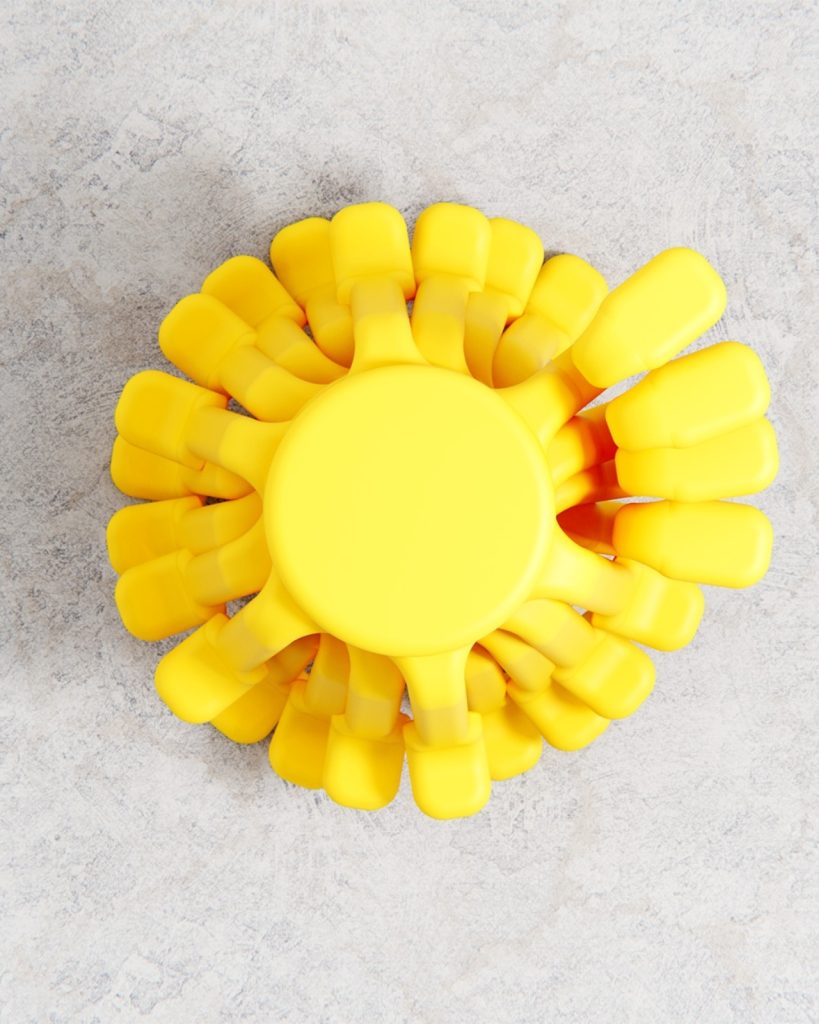
What elevates SQOOL beyond novelty is the care invested in every detail. The upward-curving arm naturally invites interaction, encouraging users to discover its purpose instinctively. The stool is also fully stackable, an achievement that required careful consideration of leg geometry and spacing. When stacked, the stools become sculptural objects in their own right, turning practical storage into a visual feature.
SQOOL by Liam de la Bedoyere
None of these designs reinvent the stool by abandoning its purpose. They succeed because they respect the object’s simplicity while challenging assumptions about what it can be. In an era when innovation is often associated with increasingly complex technology, these projects offer a reminder that fresh thinking can emerge from the most ordinary objects.