Sunshades are rarely the stars of the design world. Most are treated as purely functional objects, expected to provide shelter and little else. Yet as designers grapple with rising temperatures, changing lifestyles, and increasingly flexible public spaces, the humble sunshade is undergoing an unexpected transformation. Today’s most innovative concepts are not simply protecting users from the sun. They are rethinking how people interact with outdoor environments, blurring the lines between furniture, infrastructure, fashion, and architecture.
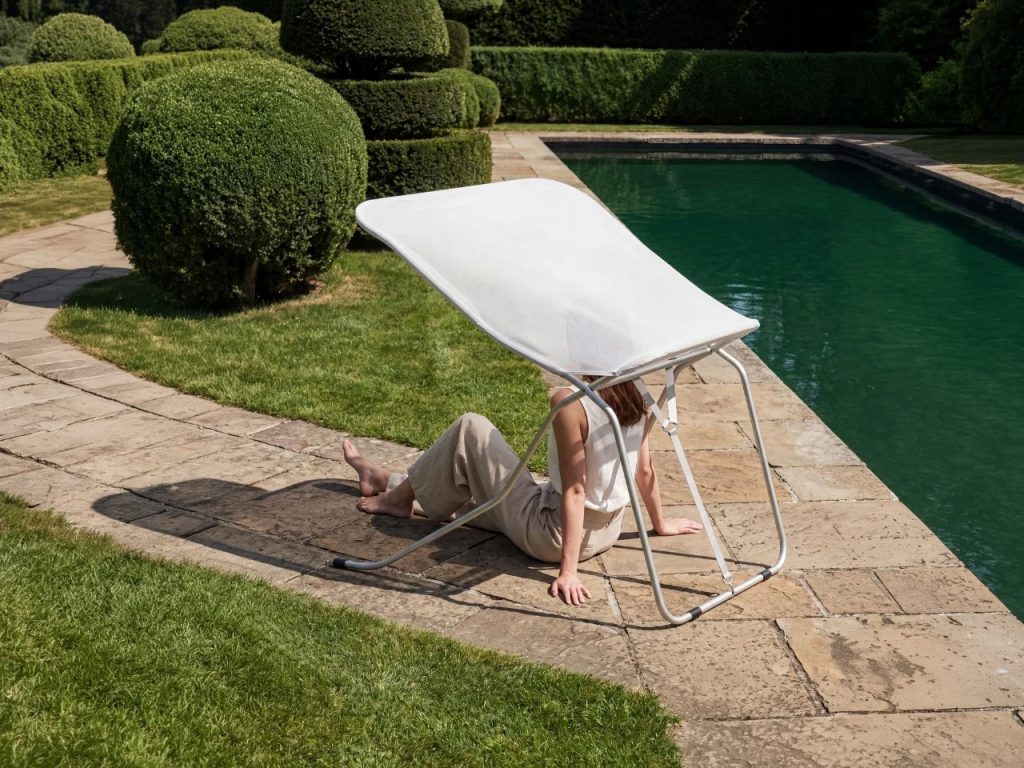
Seoul Shade by BKID Co (also header image)
Most urban shade solutions are rooted in permanence. Cities plant trees, install canopies, or construct pavilions that require significant investment and years of planning. Seoul-based design studio BKID Co takes a radically different approach with Seoul Shade, a foldable personal sunshade that challenges the assumption that public comfort must be built into the ground.
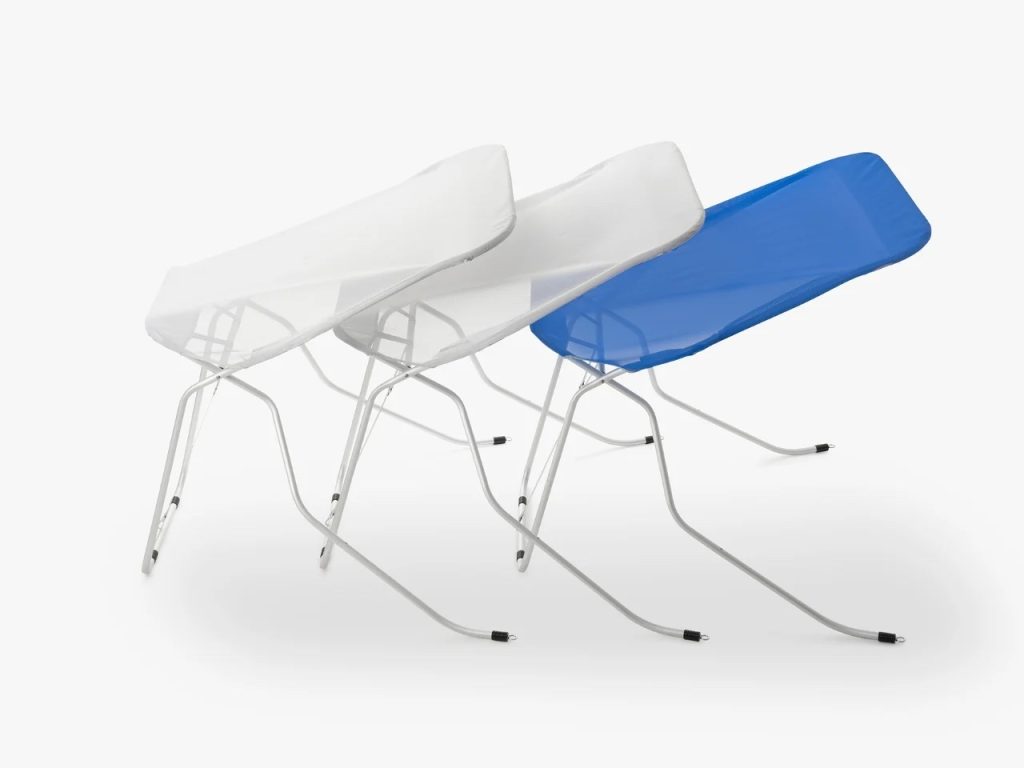
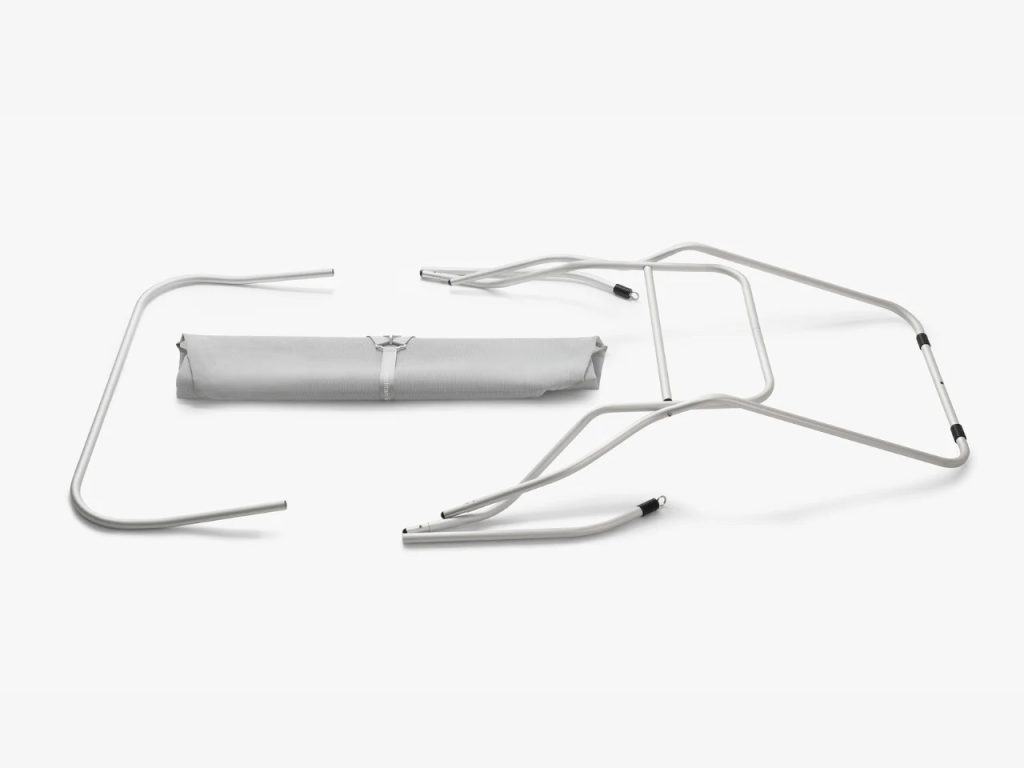
Seoul Shade by BKID Co
Inspired by the folding mechanism of a camping chair, the concept unfolds into a lightweight canopy large enough to shelter one or two people. The structure packs down flat for easy transport and can be deployed within moments. There are no motors, sensors, or digital features involved. Instead, the innovation comes from its simplicity. By making shade portable, BKID shifts control from the city to the individual.
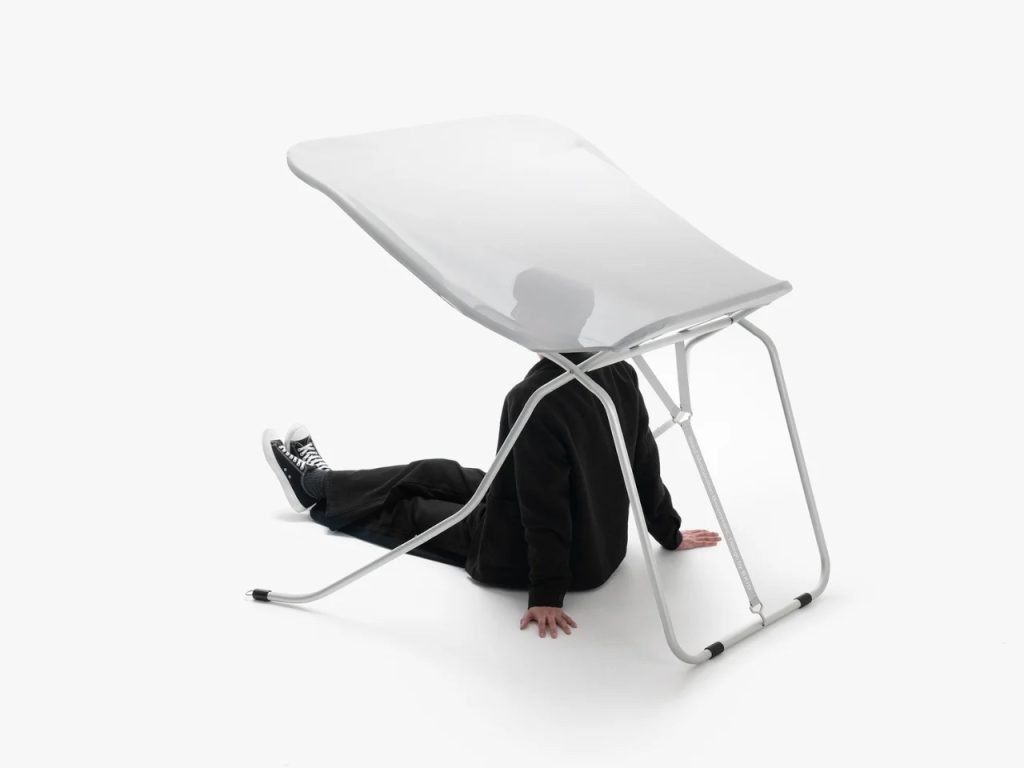
Seoul Shade by BKID Co
Visually, Seoul Shade feels more architectural than recreational. Its stretched fabric canopy and tubular frame create a sculptural silhouette that resembles a sail or wing suspended in motion. Rather than looking like temporary equipment, it carries the presence of a thoughtfully designed object that enhances its surroundings while serving a practical purpose.
Seoul Shade by BKID Co
The studio imagines multiple shades arranged along walkways, clustered around public events, or grouped beneath trees to create temporary cooling zones. In this scenario, the individual sunshade becomes a form of lightweight infrastructure, offering cities a flexible response to increasingly intense summer heat without committing to permanent construction.
Ensombra by Odosdesign for Gandia Blasco
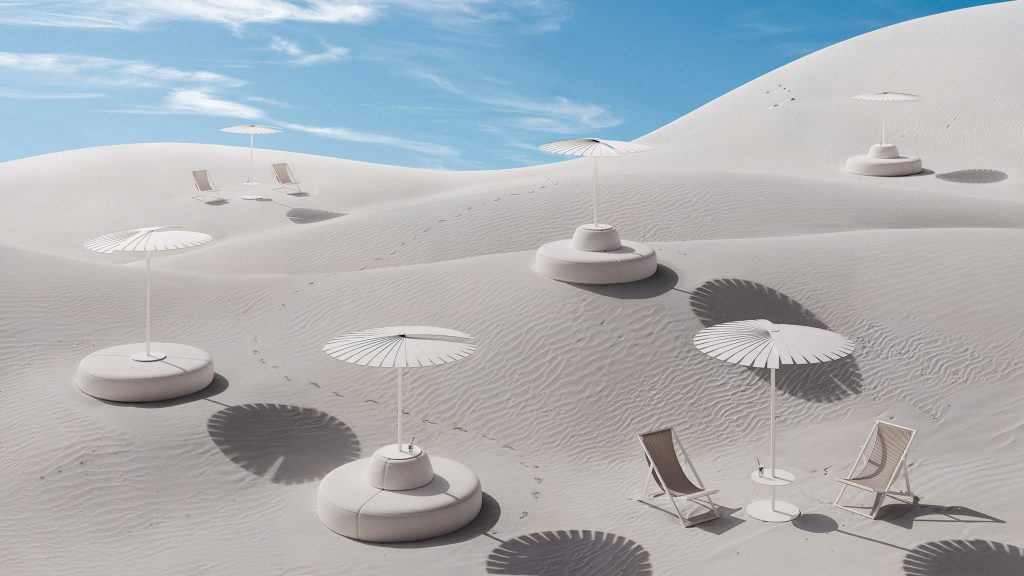
While Seoul Shade rethinks mobility, Spanish outdoor brand Gandia Blasco and design studio Odosdesign demonstrate how an established product can continue evolving through thoughtful additions. Their updates to the iconic Ensombra sunshade transform it from a standalone shade structure into a complete outdoor destination.
Ensombra by Odosdesign for Gandia Blasco
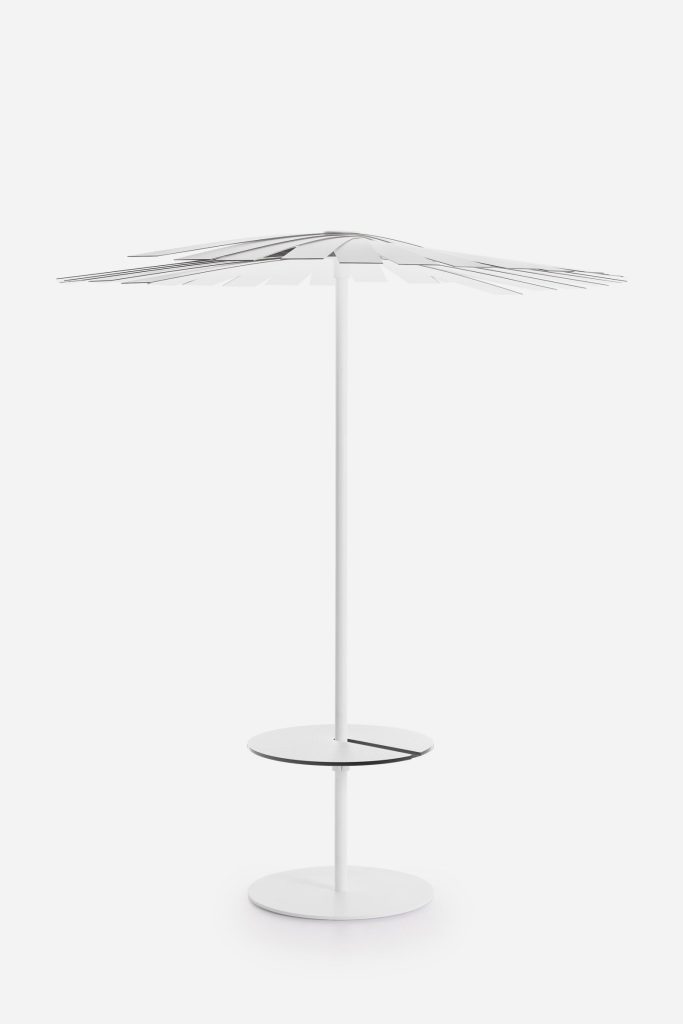
Originally introduced two decades ago, Ensombra distinguished itself through a unique opening mechanism inspired by the movement of a hand fan. Instead of fabric stretching across ribs like a traditional umbrella, overlapping slats unfold and reposition to create varying degrees of shade. The result is both practical and visually captivating, producing dynamic patterns of light and shadow throughout the day.
Ensombra by Odosdesign for Gandia Blasco
The newest additions expand the experience beneath the canopy. A circular height-adjustable table attaches directly to the central pole, allowing users to adapt the setup for lounging, dining, or social gatherings. The table’s material matches the sunshade’s signature slats, creating a cohesive visual language throughout the design.
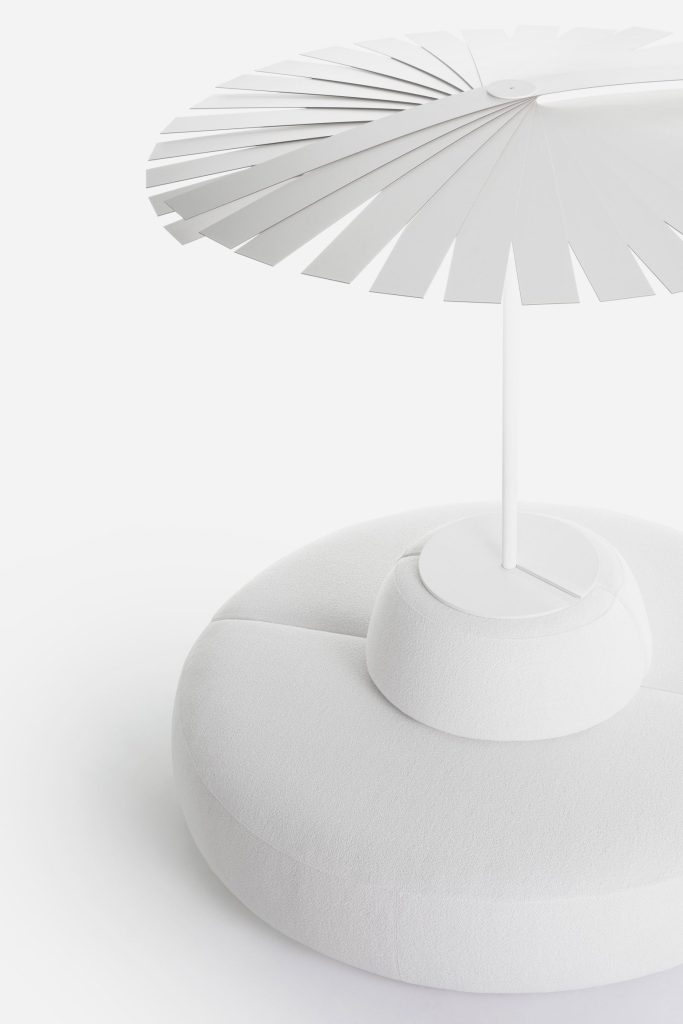
Perhaps the most unexpected addition is a large circular seating module that wraps around the umbrella’s base. Complete with optional backrests and trays, the system transforms a simple sunshade into a compact outdoor lounge. Rather than functioning as an accessory to outdoor furniture, Ensombra becomes the centerpiece around which social interaction naturally unfolds. It is a reminder that sometimes innovation comes not from reinvention, but from expanding the role an object plays in everyday life.
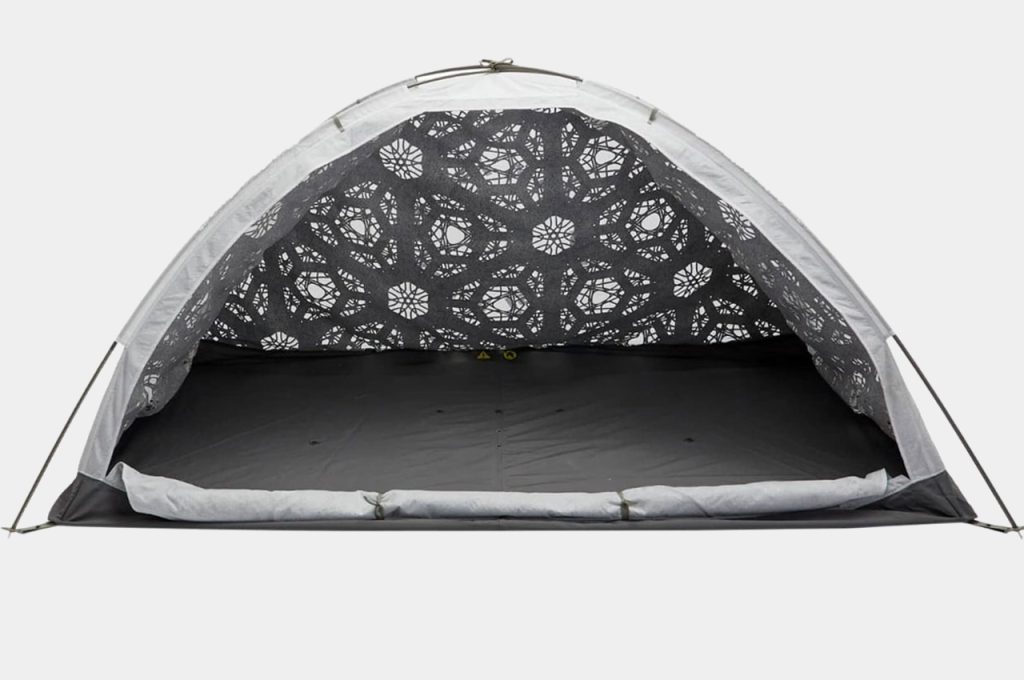
Nike’s Metamorph Poncho
If Seoul Shade borrows from camping furniture and Ensombra from outdoor architecture, Nike ISPA takes inspiration from survival gear. The Metamorph Poncho may be the most unconventional interpretation of a sunshade yet, combining outerwear, shelter, and portable architecture into a single product.
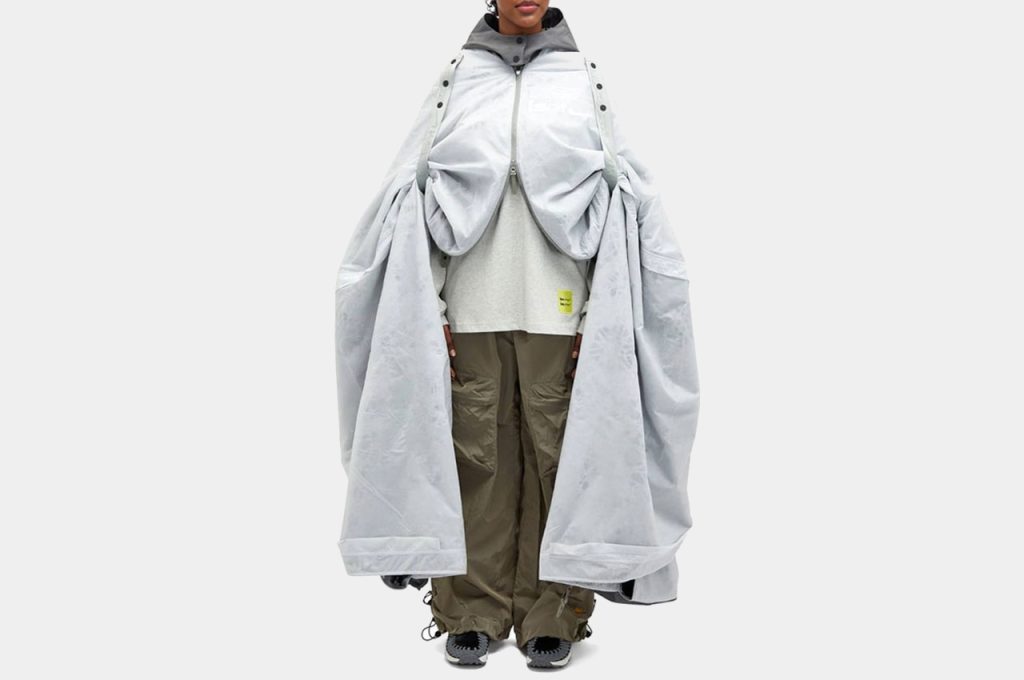
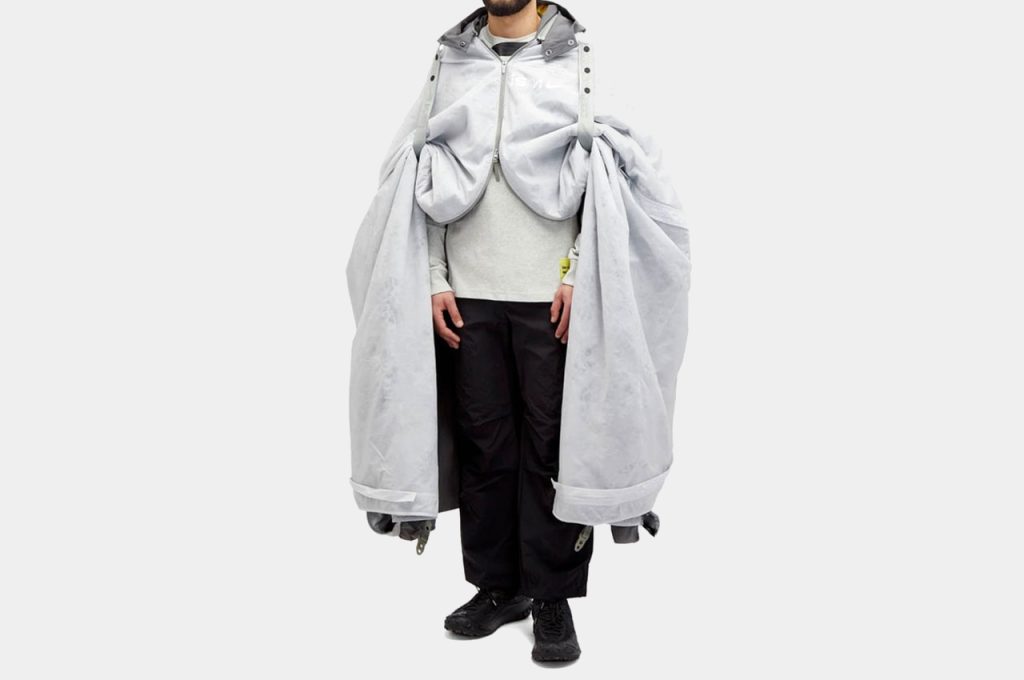
Nike’s Metamorph Poncho
At first glance, the garment appears to be an oversized weather-resistant poncho. Hidden within a large rear compartment, however, are collapsible poles that allow the piece to transform into either a sunshade or a small camping tent within seconds. The storage compartment doubles as a carrying bag, creating an all-in-one system designed for mobility.
Nike’s Metamorph Poncho

Nike’s Metamorph Poncho
The concept reflects a growing interest in multifunctional design. Rather than carrying separate products for clothing, shelter, and outdoor protection, users can rely on a single adaptable solution. Constructed from lightweight water-repellent materials and made with a significant percentage of recycled fibers, the poncho aligns with contemporary priorities around portability and sustainability.
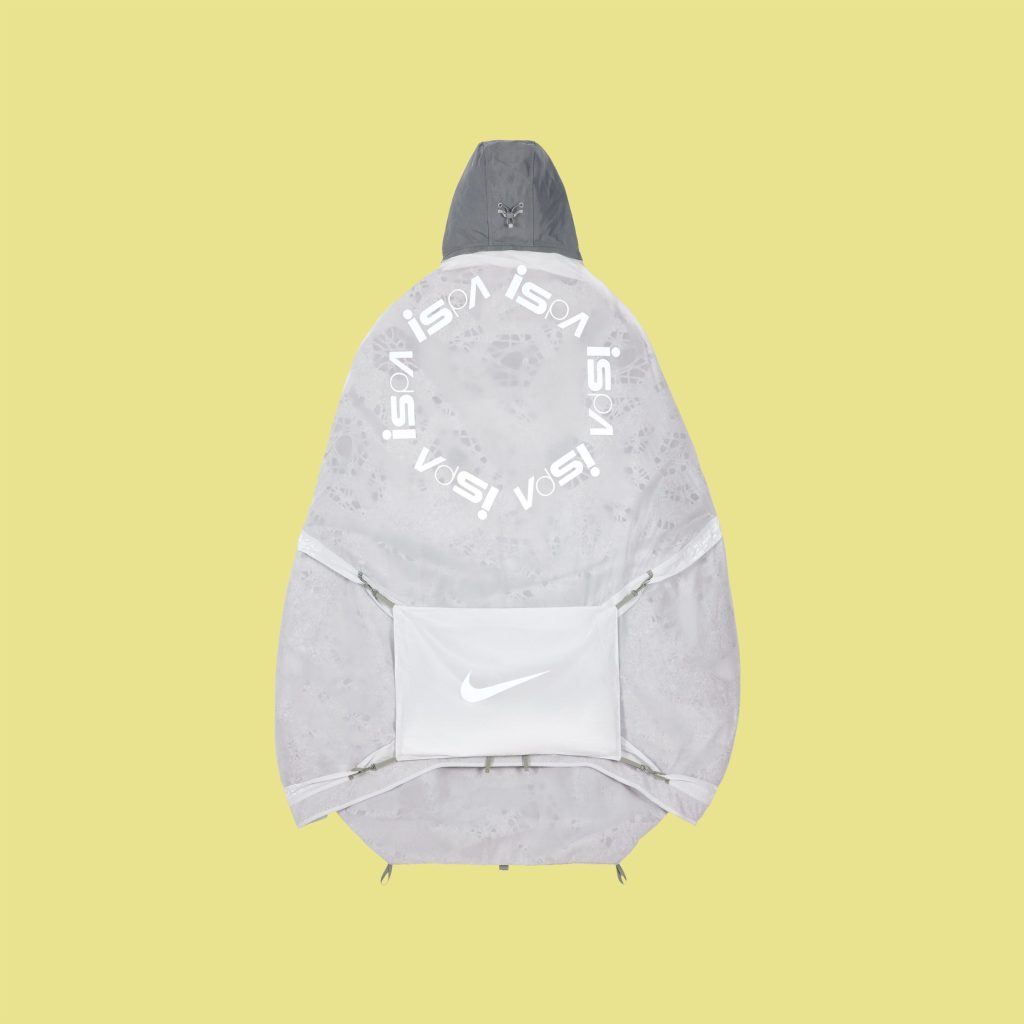
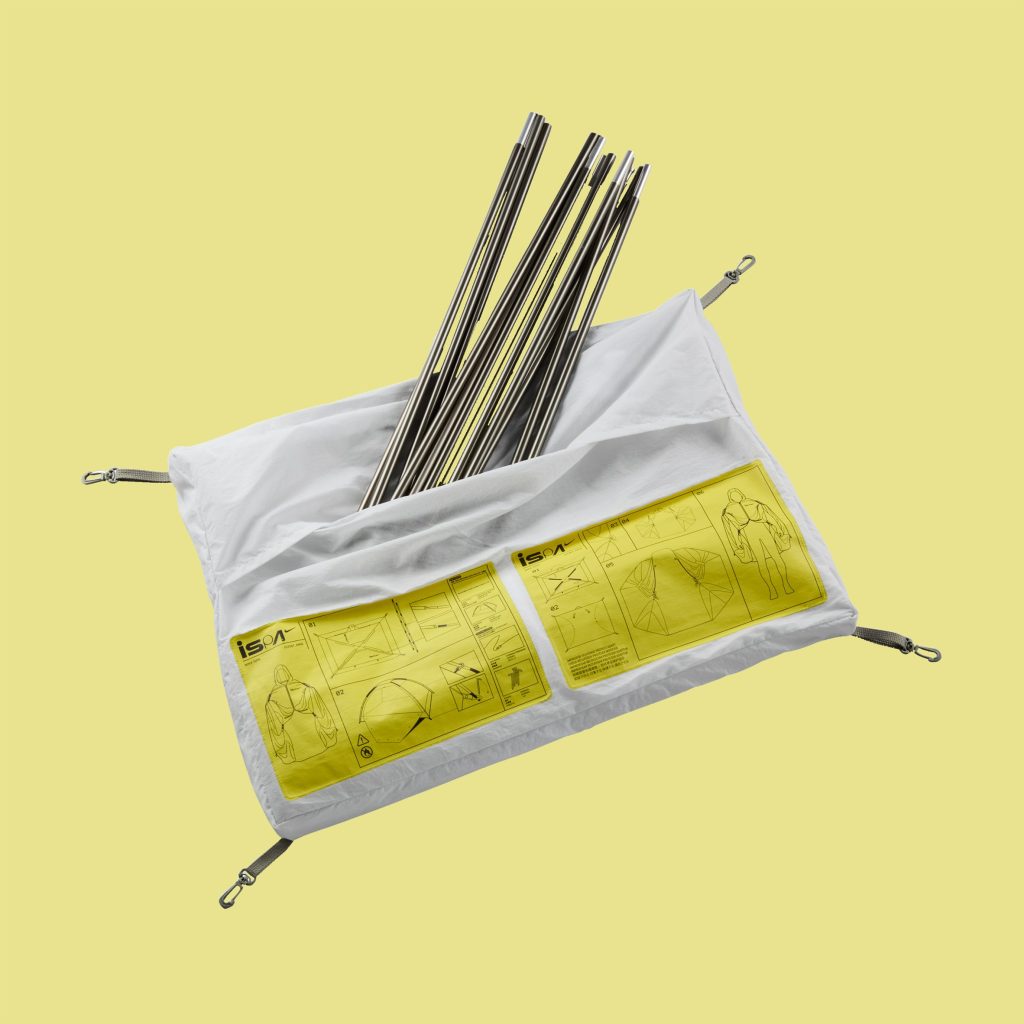
Nike’s Metamorph Poncho
What makes the Metamorph Poncho particularly fascinating is how completely it challenges product categories. It is neither simply apparel nor equipment. Instead, it exists somewhere between fashion, outdoor gear, and temporary architecture. As lifestyles become increasingly mobile and outdoor activities continue to diversify, products like this suggest a future where objects are expected to perform multiple roles rather than a single dedicated function.
As climate challenges reshape how we use outdoor spaces, the next generation of sunshades may not look anything like the umbrellas we’ve grown accustomed to. Instead, they may fold, transform, travel, and adapt, proving that sometimes the most interesting design breakthroughs come from reimagining the simplest everyday objects.