Furniture design is increasingly shifting away from seamless perfection and toward visible construction. Across contemporary projects, designers are treating joints not simply as structural necessities but as opportunities for expression, experimentation, and material storytelling. Ceramic connectors, exposed locking systems, and digitally fabricated wooden interlocks are transforming the way furniture is assembled, revealing a growing interest in objects that communicate how they are made. Rather than hiding connections, these projects emphasize them, turning the act of joining into a defining part of the design itself.
Crafted Connections by Marte Mei
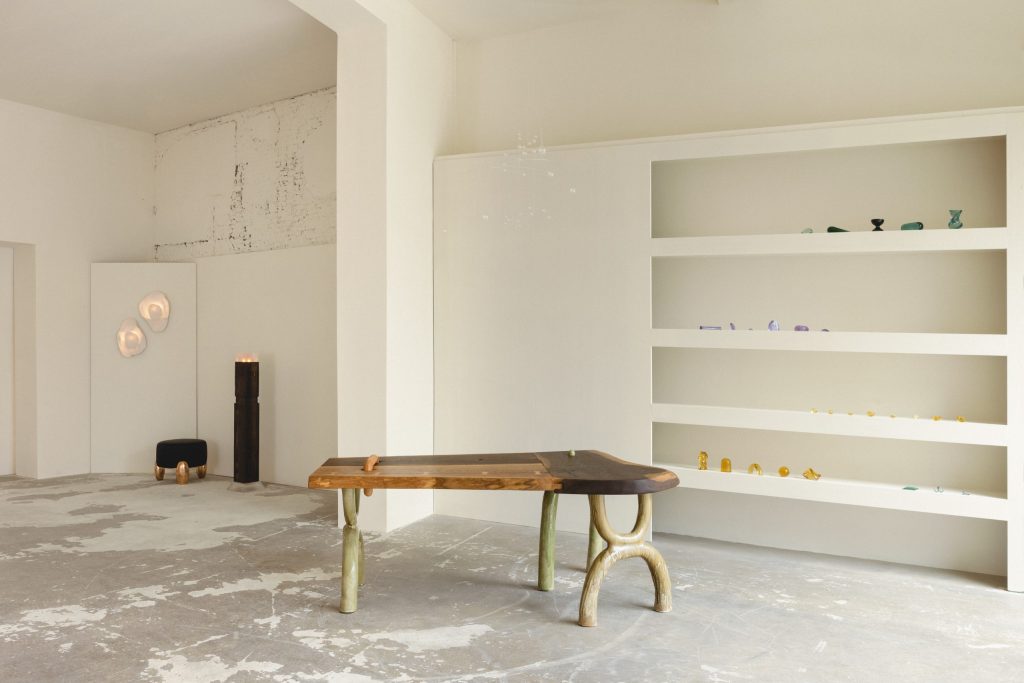
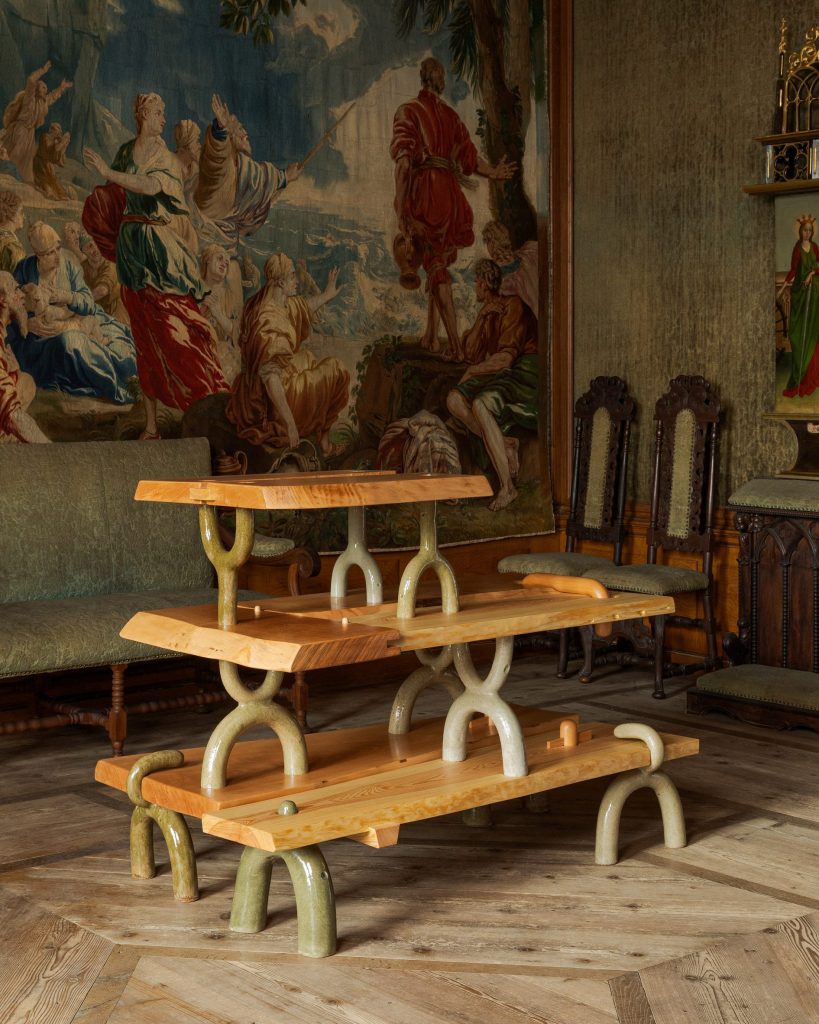
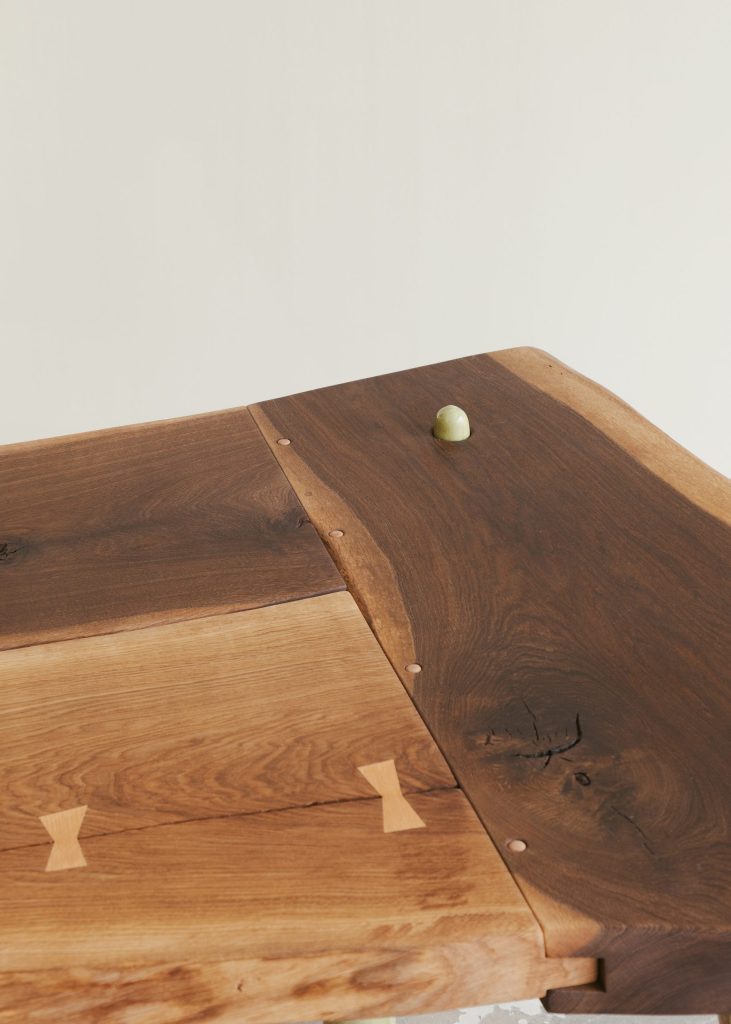
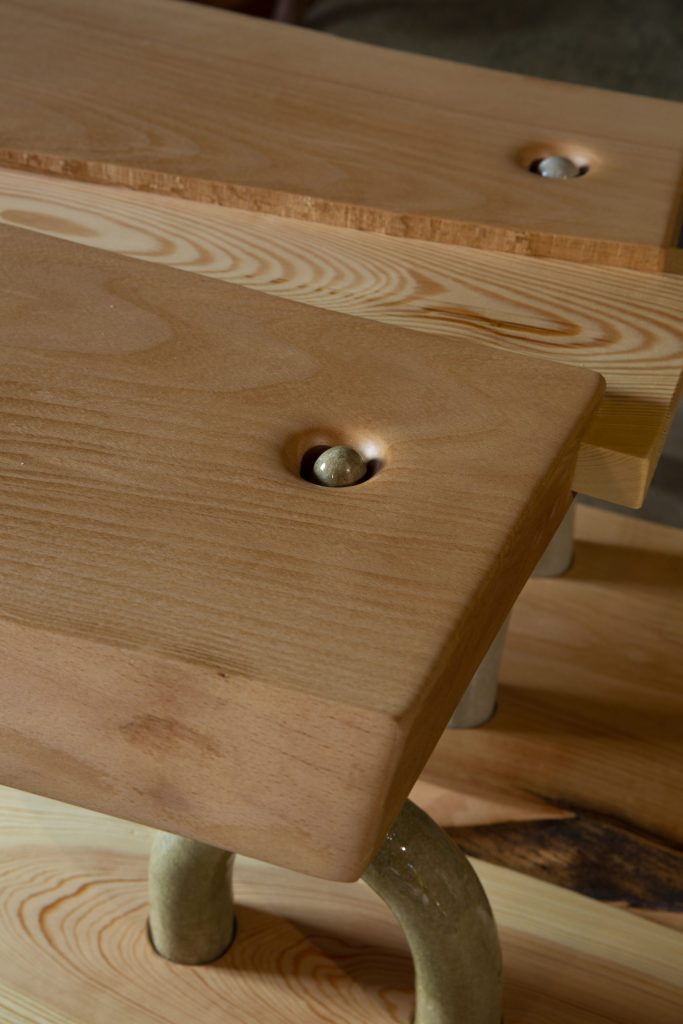
One compelling example comes from Dutch designer Marte Mei, who collaborated with woodcraftsman Rutger van der Zee on Crafted Connections. Developed during a residency at Schloss Hollenegg, the project transforms furniture assembly into something closer to a tactile ritual. Instead of relying on industrial fasteners, naturally split beech and pine planks are connected using ceramic elements shaped like puzzle pieces.
Crafted Connections by Marte Mei
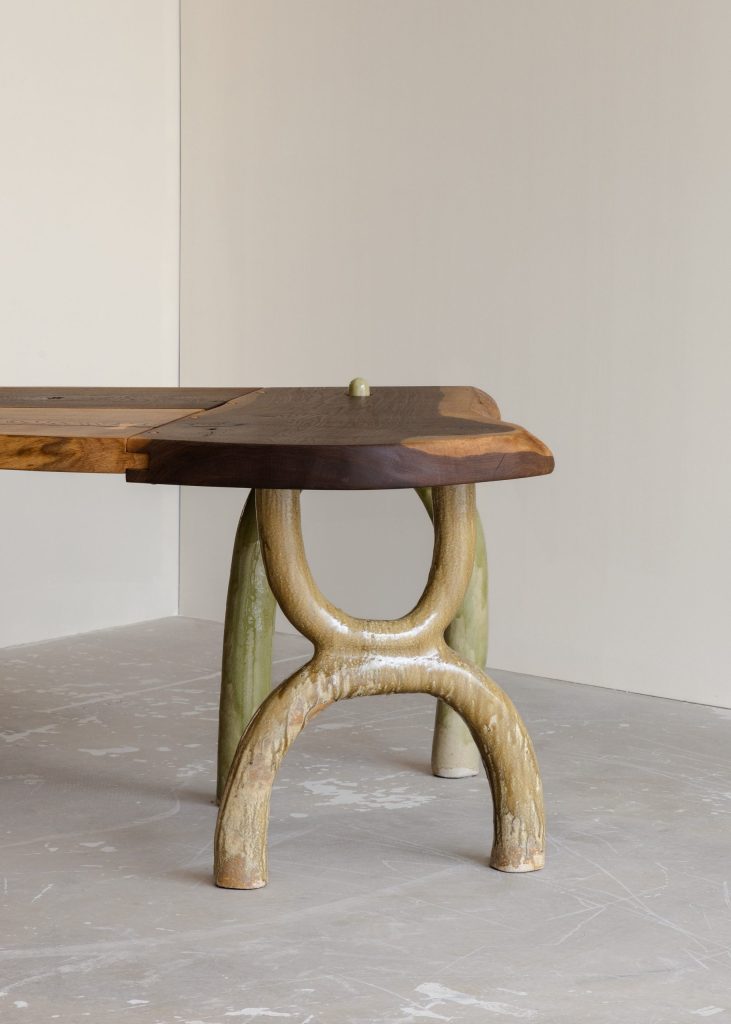
The shelving system feels almost archaeological in its logic. Ceramic connectors lock together uprights and feet with a calm precision, allowing the wood to retain its raw, organic qualities. There is an appealing honesty in the process. Each timber plank is shaped specifically to fit the ceramic component, creating a relationship between materials that feels negotiated rather than imposed. Mei describes the work as a collaboration with nature, and the project genuinely reflects that philosophy.
Crafted Connections by Marte Mei
Perhaps the most poetic detail lies in the ceramics themselves. The glazes were created using ash from the very same trees that produced the timber, resulting in muted greens and soft greys that subtly tie the materials together. It is a small gesture with a powerful conceptual weight. The tree does not simply provide structure. It also leaves a visual trace on the joint that holds the structure together.
Omnibite by Eugenio Costa and Nicolò Tallone
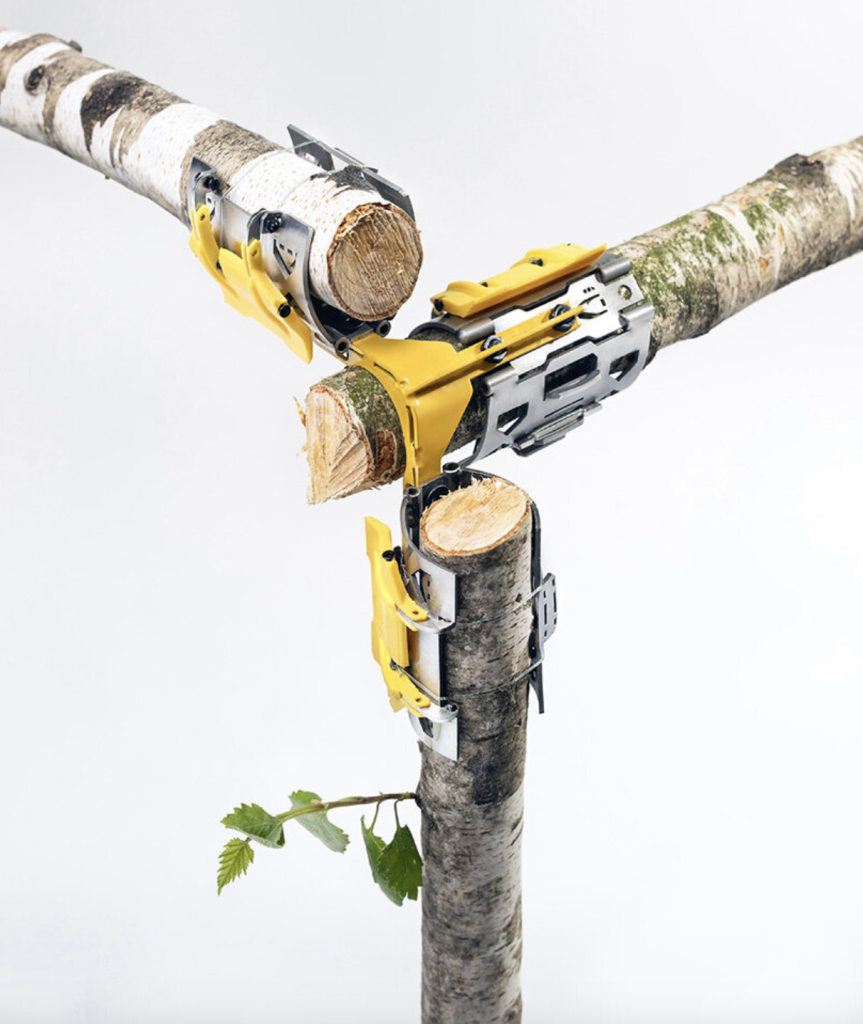
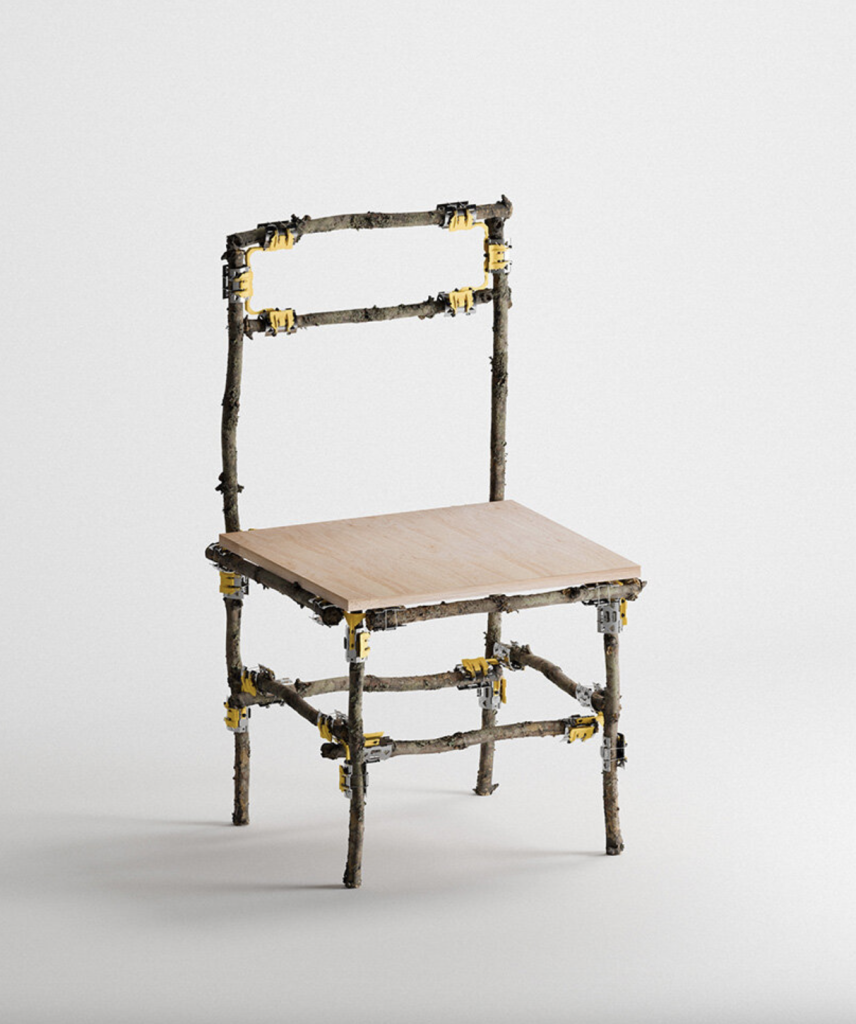
If Mei’s work treats joints as delicate acts of harmony, Omnibite by Milan-based designers Eugenio Costa and Nicolò Tallone takes a more rugged and mechanical approach. The project begins before construction even starts, in the simple act of picking up a branch and considering its possibilities. Rather than standardizing wood into predictable dimensions, Omnibite embraces irregularity as the foundation of the system.
Omnibite by Eugenio Costa and Nicolò Tallone
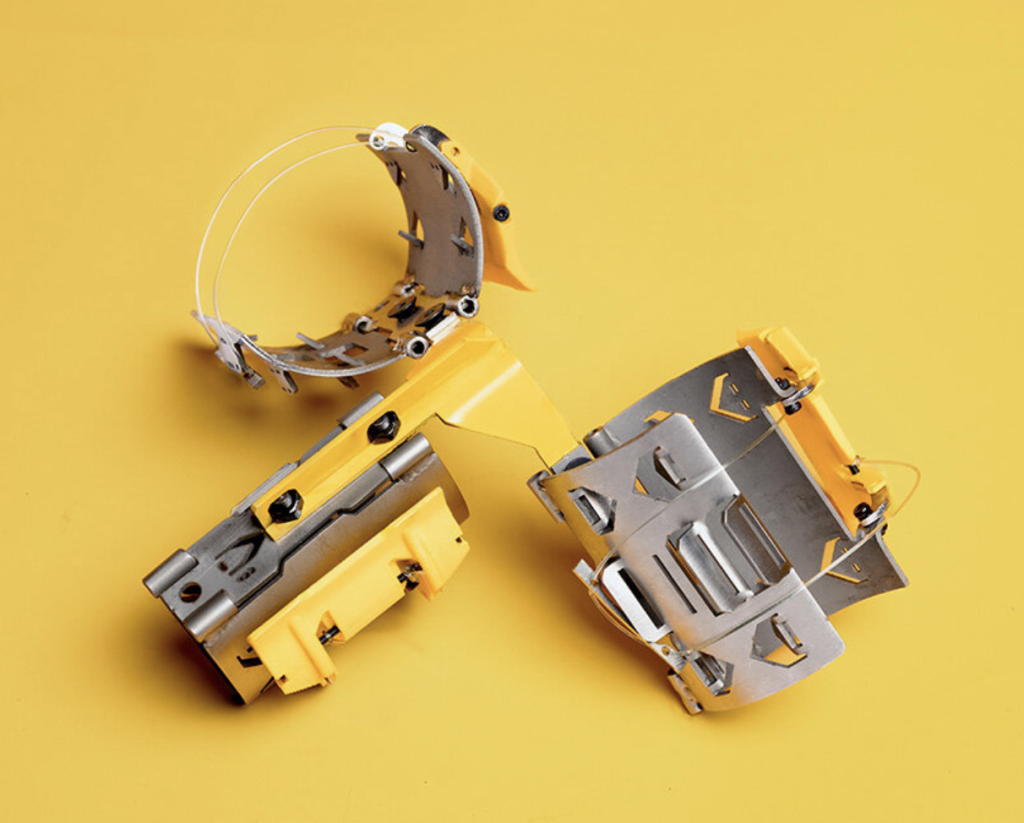
At the center of the project is a three-axis joint with a quick-locking mechanism capable of connecting raw tree branches without screws. The geometry adapts to varying diameters and unpredictable angles through a network of clamps and interlocking plates. Bright industrial components press against rough bark and uneven surfaces, producing a striking visual tension between precision engineering and natural imperfection.
Omnibite by Eugenio Costa and Nicolò Tallone
That contrast is precisely what gives Omnibite its energy. Most construction systems attempt to hide variation in pursuit of uniformity. Costa and Tallone move in the opposite direction, making the negotiation between material and structure fully visible. Every connection becomes evidence of adjustment, compromise, and responsiveness. The joint is not pretending to dominate nature. It is actively conversing with it.
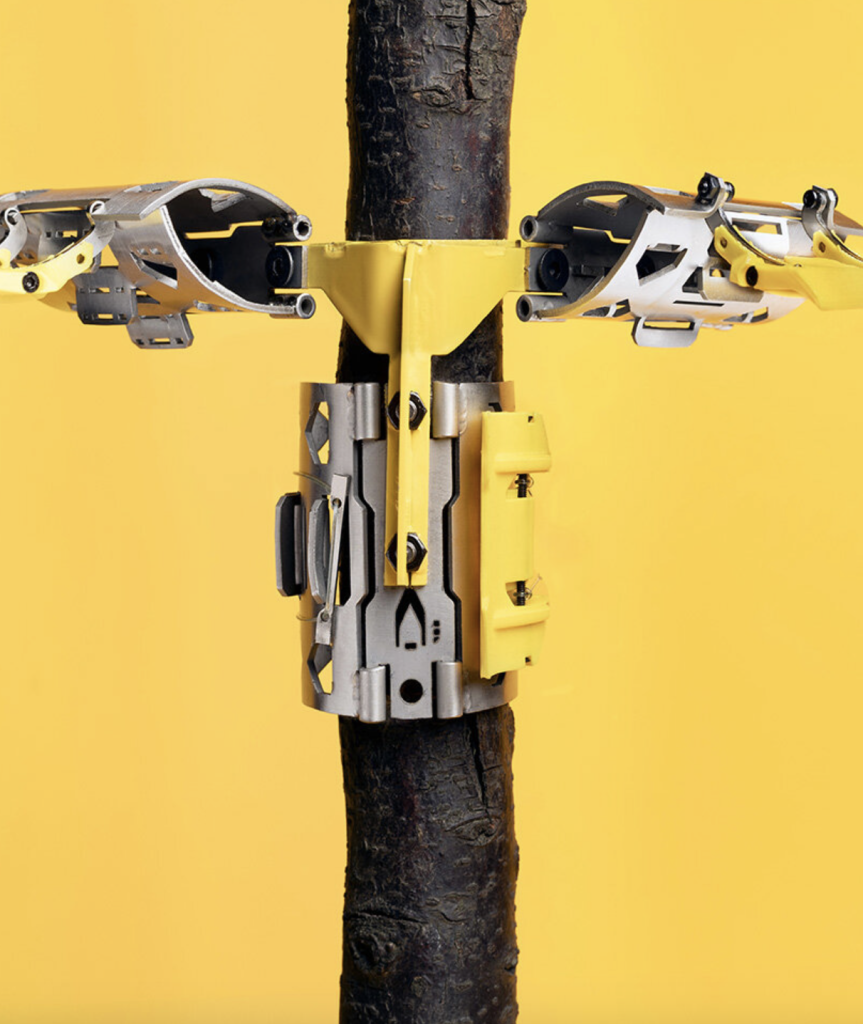
Omnibite by Eugenio Costa and Nicolò Tallone
The project also carries a broader ecological argument. Rooted in research on local wood species from Lombardy, Omnibite proposes that building can begin directly within the landscape itself. A branch is no longer discarded as irregular waste but reconsidered as structural potential. Chairs and frameworks emerge from available materials rather than predefined industrial inventories. In that sense, Omnibite feels less like a product and more like a new design attitude, one that values observation and improvisation as much as fabrication.
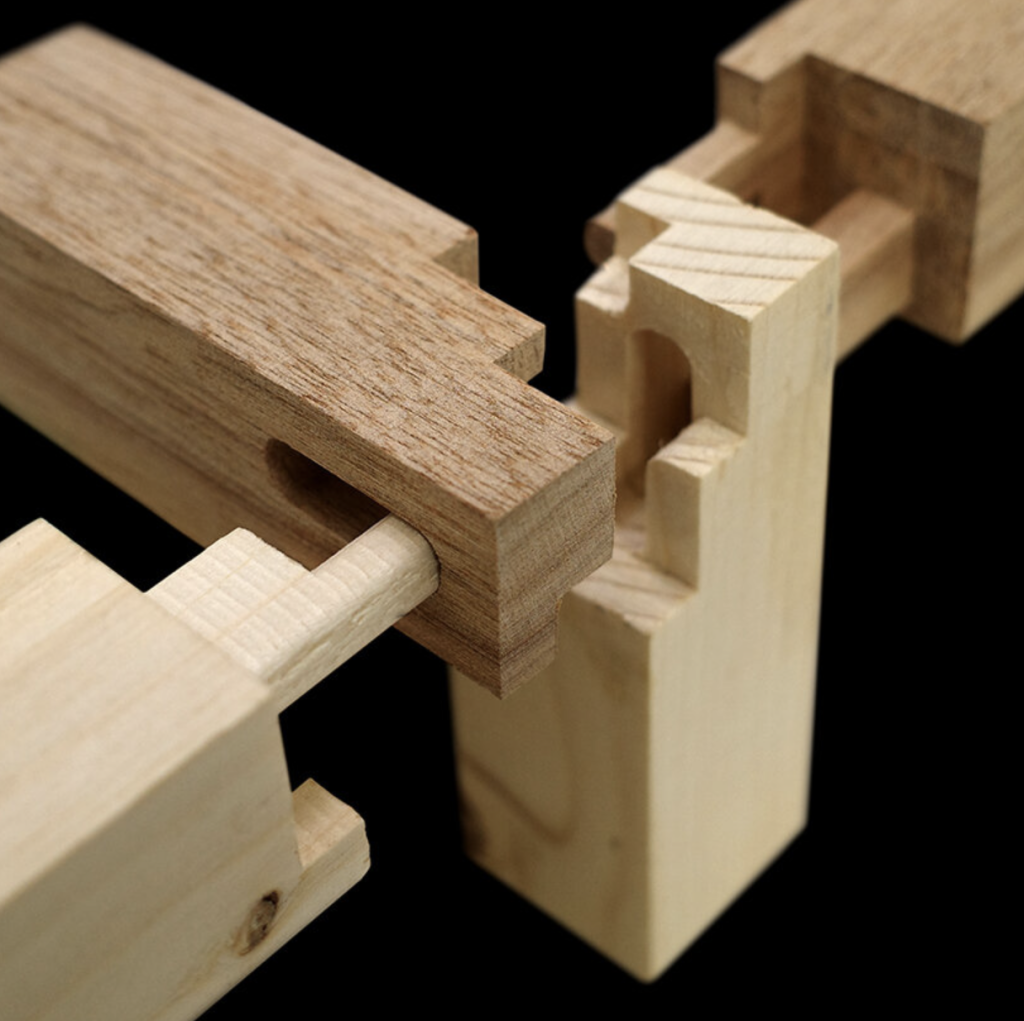
Tsugite by Maria Larsson, Hironori Yoshida, Nobuyuki Umetani, and Takeo Igarashi
While both projects rethink physical assembly through material experimentation, researchers at The University of Tokyo are approaching furniture joints through computation. Their software platform, Tsugite, draws inspiration from traditional Japanese wood joinery while translating centuries-old techniques into a digital workflow accessible to contemporary makers.
Named after the Japanese word for joinery, Tsugite allows users to design intricate wooden joints without nails, screws, or adhesives. Users can either create custom configurations or select from a gallery of pre-designed joints, which can then be fabricated using CNC milling machines. The elegance of the system lies in how it bridges historical craftsmanship with digital accessibility. Complex joinery, once limited to highly trained artisans, becomes available to anyone with basic fabrication tools.
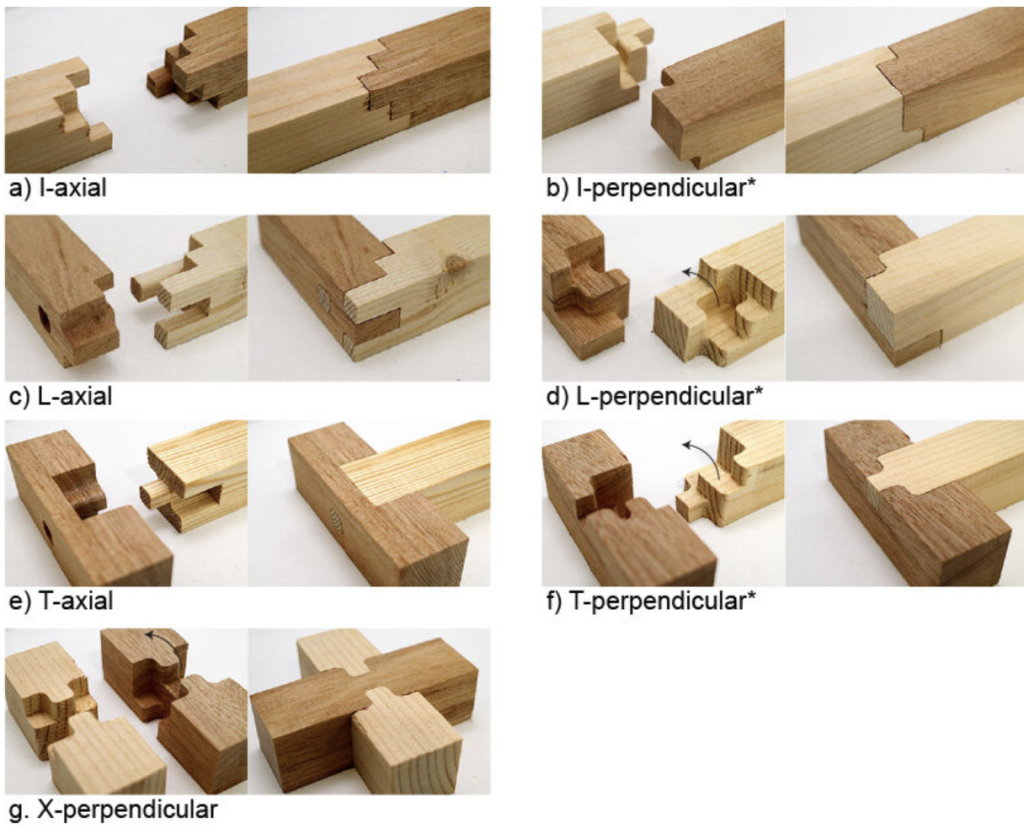
Tsugite by Maria Larsson, Hironori Yoshida, Nobuyuki Umetani, and Takeo Igarashi
The software itself is designed around a 3D voxel grid that enables rapid geometric analysis and combinatorial exploration. In practical terms, that means users receive real-time feedback while editing structures, helping them understand whether a joint is feasible before fabrication begins. The process transforms joinery from an intimidating technical challenge into an interactive design experience.
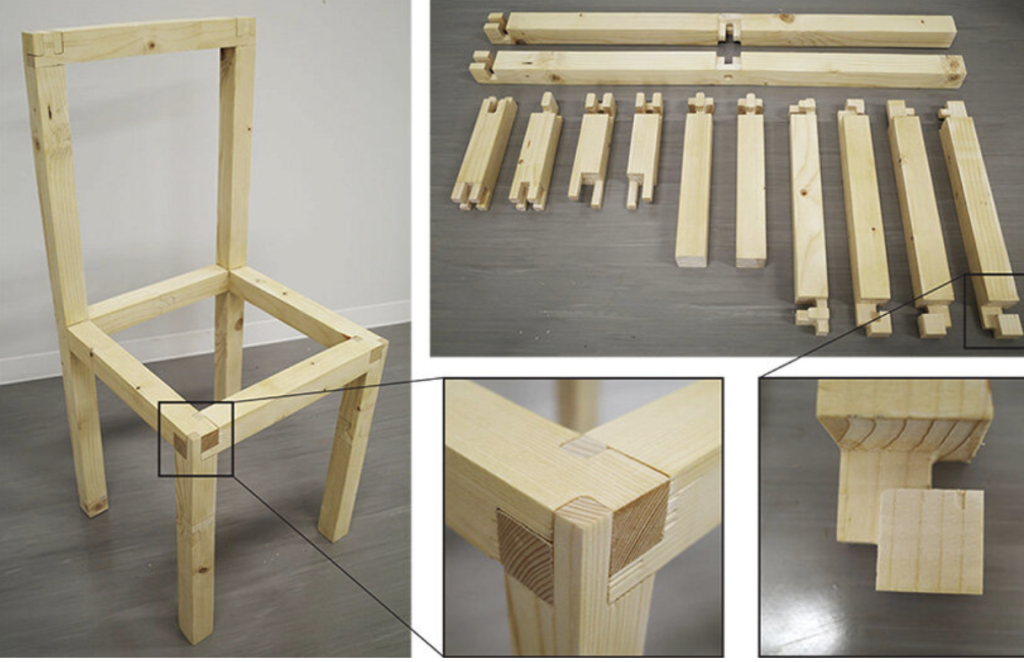
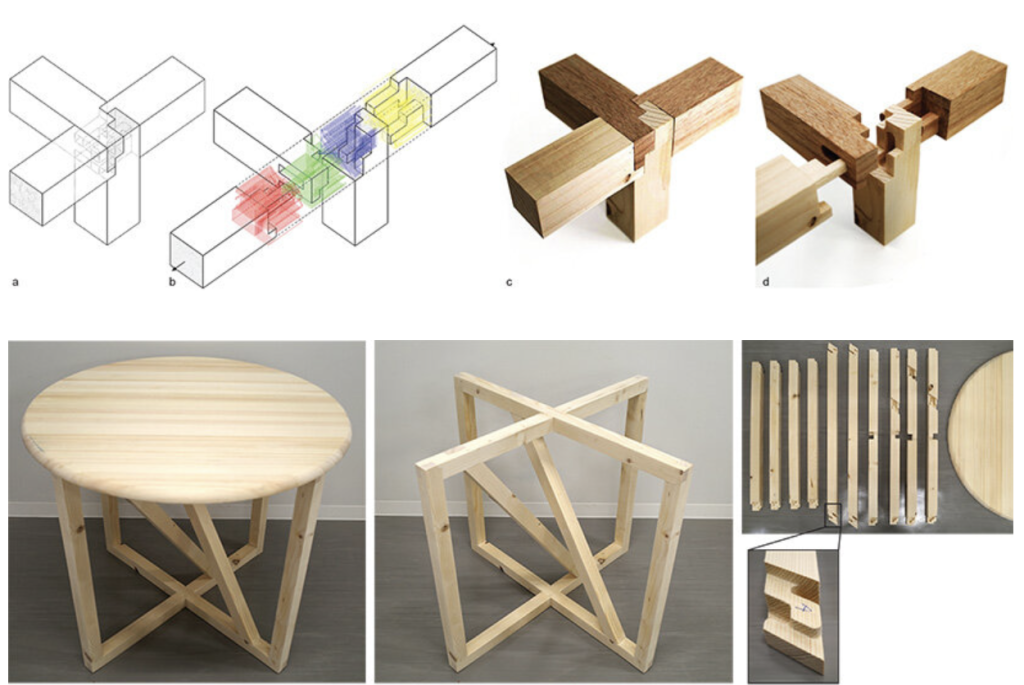
Tsugite by Maria Larsson, Hironori Yoshida, Nobuyuki Umetani, and Takeo Igarashi
More importantly, Tsugite reframes sustainability through disassembly. Because the resulting structures require no glue or permanent fasteners, furniture can be assembled, taken apart, reused, and recycled with relative ease. In a design culture increasingly focused on circular systems, that flexibility feels significant. The project demonstrates how innovation does not always require inventing entirely new materials. Sometimes it means rediscovering old intelligence through new tools.
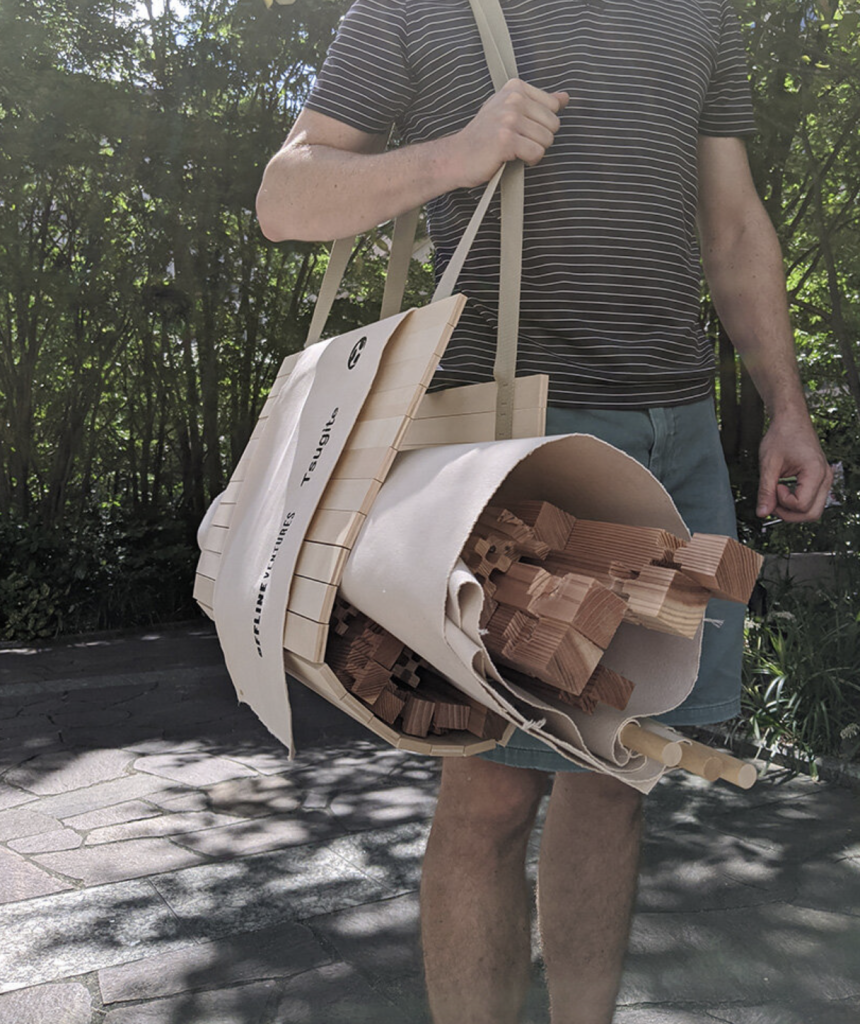
Tsugite by Maria Larsson, Hironori Yoshida, Nobuyuki Umetani, and Takeo Igarashi
Taken together, these three projects reveal a fascinating shift in contemporary design thinking. In an era obsessed with seamlessness, these projects remind us that the places where things meet can be the most meaningful parts of all.