The best design solves problems that many people never notice. Inclusive design takes that philosophy further by recognizing that every individual experiences the world differently and that thoughtful spaces, products and experiences should respond to those differences. Rather than treating accessibility as an afterthought, today’s most inspiring designers are embedding empathy into the creative process, proving that innovation is not only about new technologies but also about creating environments where everyone can thrive.
Created by design students Farah Alariki and Halla Dhafer, Let’s Unite approaches autism through a refreshingly human lens. Developed as part of the BSc Interior Design programme at Canadian University Dubai, the project shifts the conversation away from limitations and toward opportunity. Rather than viewing autism solely as a medical or educational condition, the designers focus on the unique talents, perspectives and abilities that deserve recognition and support.
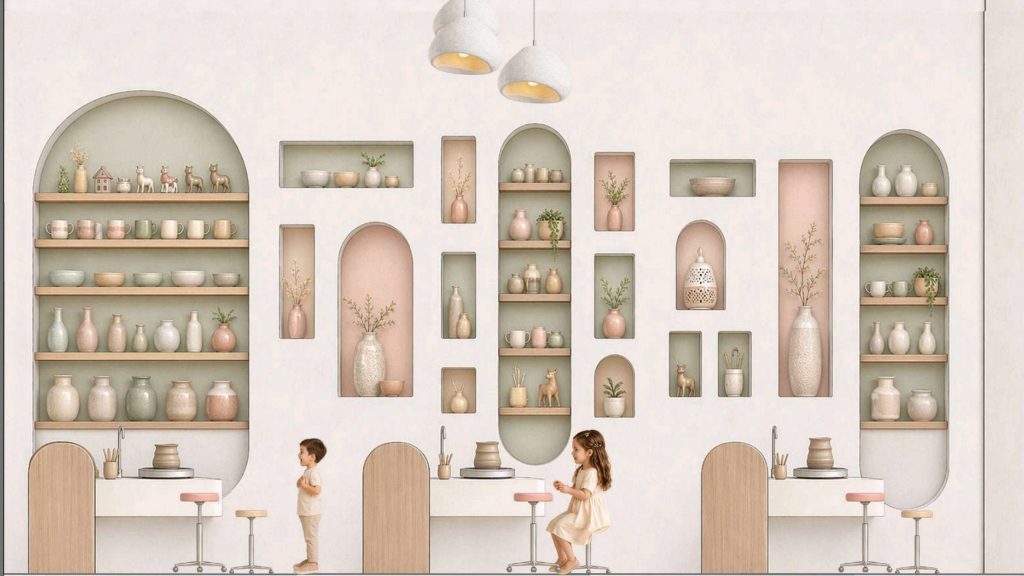
Let’s Unite by Farah Alariki and Halla Dhafer
The concept acknowledges a reality many families understand well. Parents are not simply looking for safe environments for their children. They are searching for places that encourage learning, creativity, confidence and personal growth. This understanding forms the foundation of the project’s interior design strategy, where every space is intended to nurture development while fostering a genuine sense of belonging.
The proposal creates an environment tailored to the needs of autistic individuals through thoughtful spatial planning and a welcoming atmosphere. Instead of offering a one-size-fits-all solution, the design encourages talent development while promoting interaction with the wider community. It illustrates how interiors can become active participants in education and empowerment rather than passive backdrops.
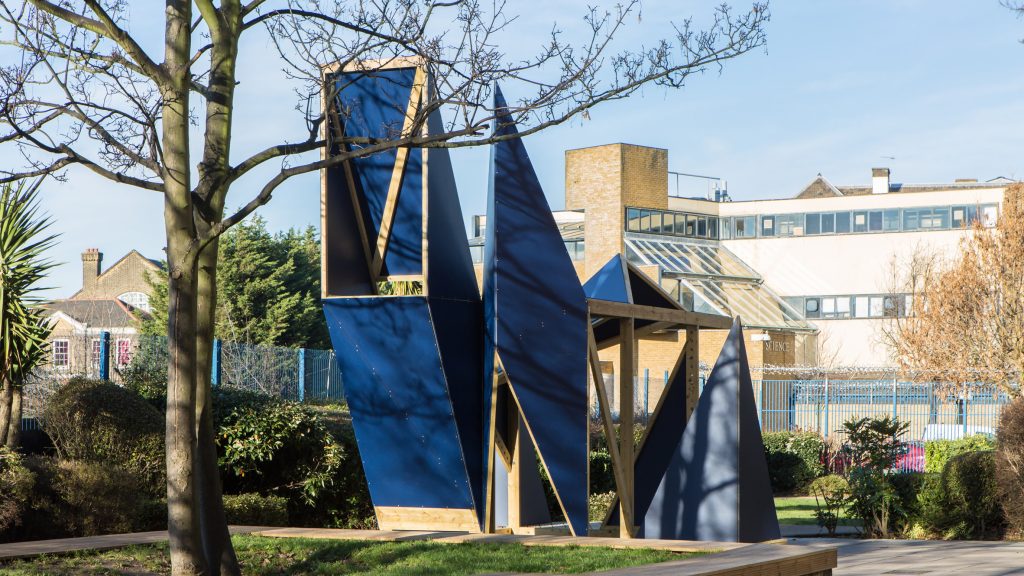
Phoenix Playground Room by Matt + Fiona (also header image)
If Let’s Unite highlights the importance of supportive interiors, the Phoenix Playground Room demonstrates the value of participatory design. Architect Matthew Springett and educator Fiona MacDonald, working together as Matt + Fiona, collaborated with autistic students at Phoenix School in East London to design and build a sensory playground that would accompany the school’s relocation.
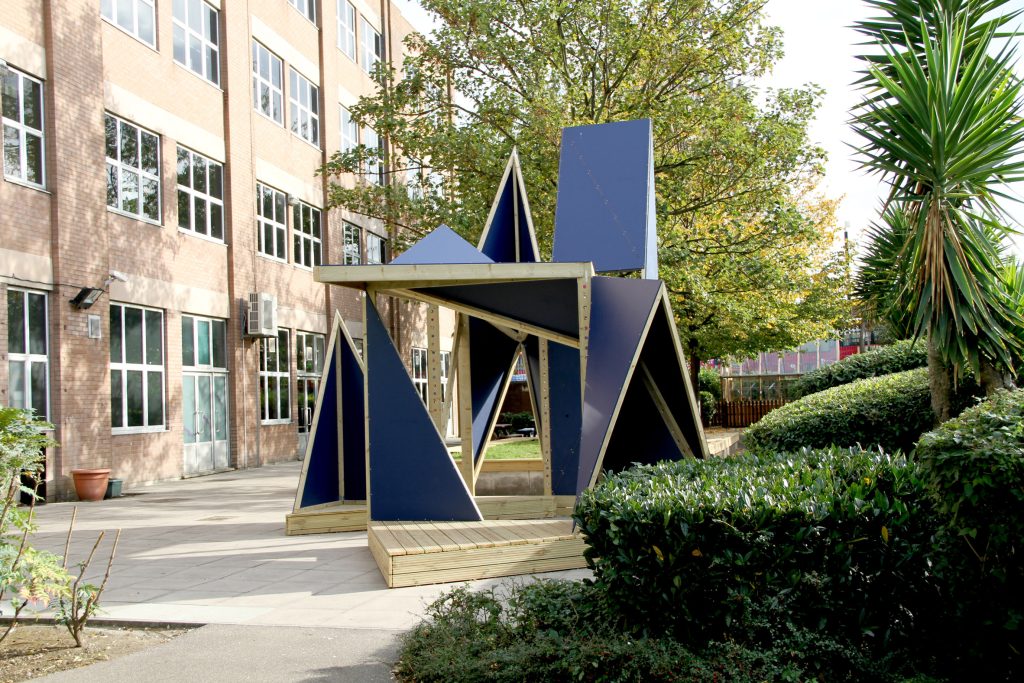
Phoenix Playground Room by Matt + Fiona
The project was about far more than constructing an outdoor play space. Recognising that familiarity and continuity are especially important for autistic children, the designers invited every student to contribute ideas before the move. The children designed structures using simple triangular forms, while a student curator group selected their favourite concepts. Those ideas were then combined into a final design that the students helped bring to life at their new campus.
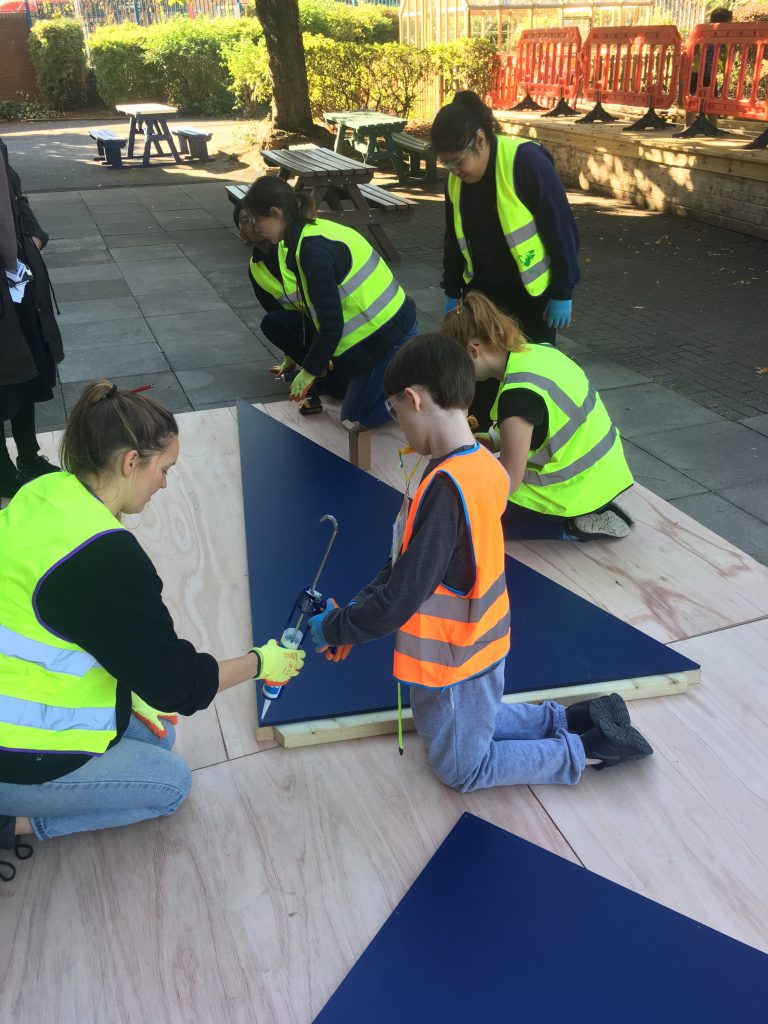
Phoenix Playground Room by Matt + Fiona
The completed playground, clad in distinctive dark-blue folded triangles, offers a variety of sensory experiences while encouraging exploration, imagination and quiet reflection. Built using prefabricated components, the structure was completed within weeks, allowing students to quickly reconnect with a familiar place in an unfamiliar environment. Each child also contributed a colourful clay token embedded into the wooden frame, leaving a permanent personal mark on the project.
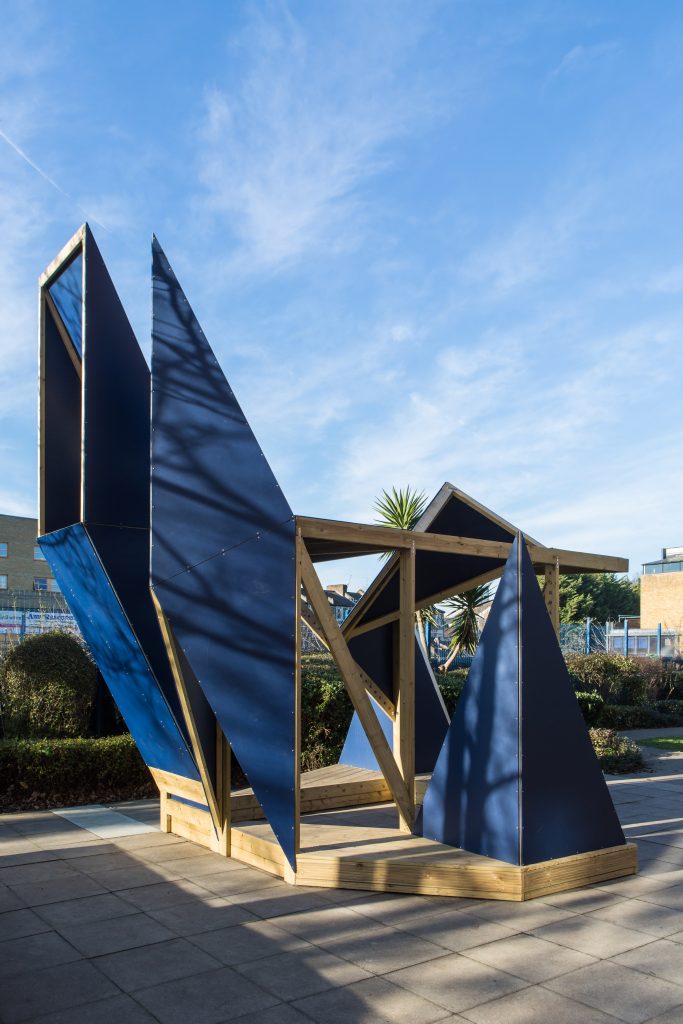
Phoenix Playground Room by Matt + Fiona
Perhaps the most important outcome was not the playground itself but the collaborative journey behind it. By inviting autistic children to shape the spaces they use every day, Matt + Fiona challenged conventional design processes and demonstrated that the most successful environments emerge when users become co-designers. The result is a playground that reflects genuine needs rather than assumptions, making it both functional and deeply meaningful.
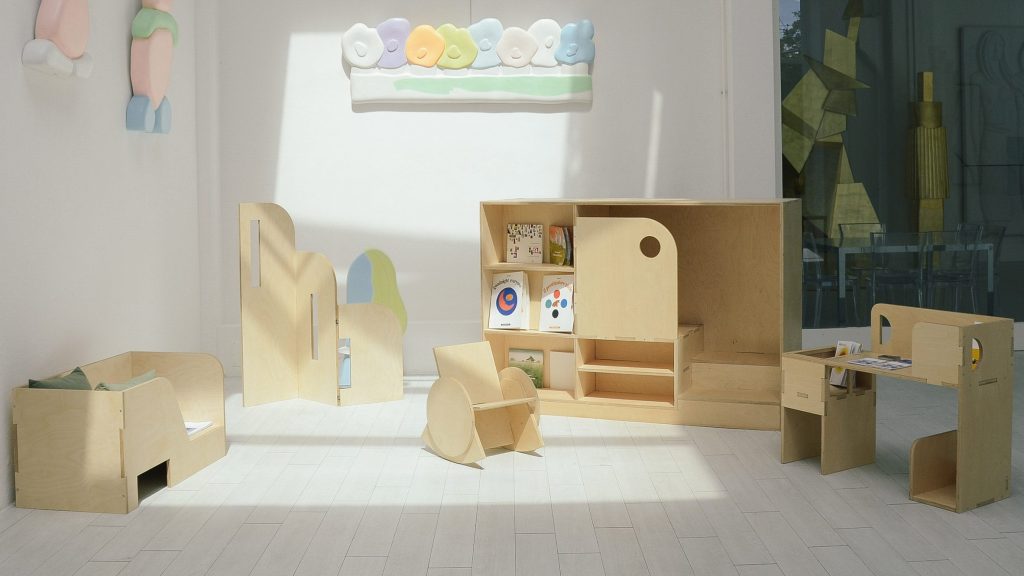
Nook by Mara Bragagnolo
While architecture shapes our surroundings, furniture often determines how comfortably we experience them. Italian designer Mara Bragagnolo’s Nook collection embraces this idea by creating adaptable, affordable furniture specifically designed to support children on the autism spectrum. Drawing on her own experience of living with autism, Bragagnolo developed a collection that prioritises flexibility over fixed functions.
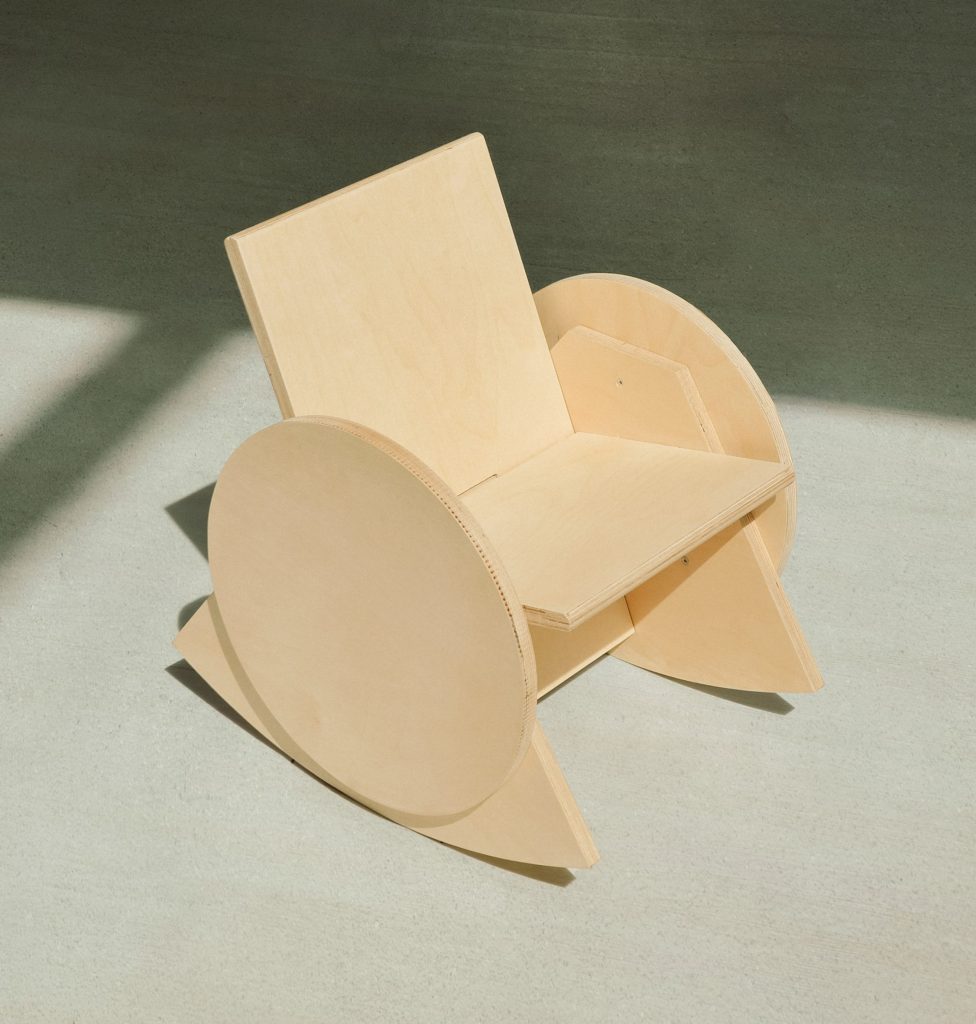
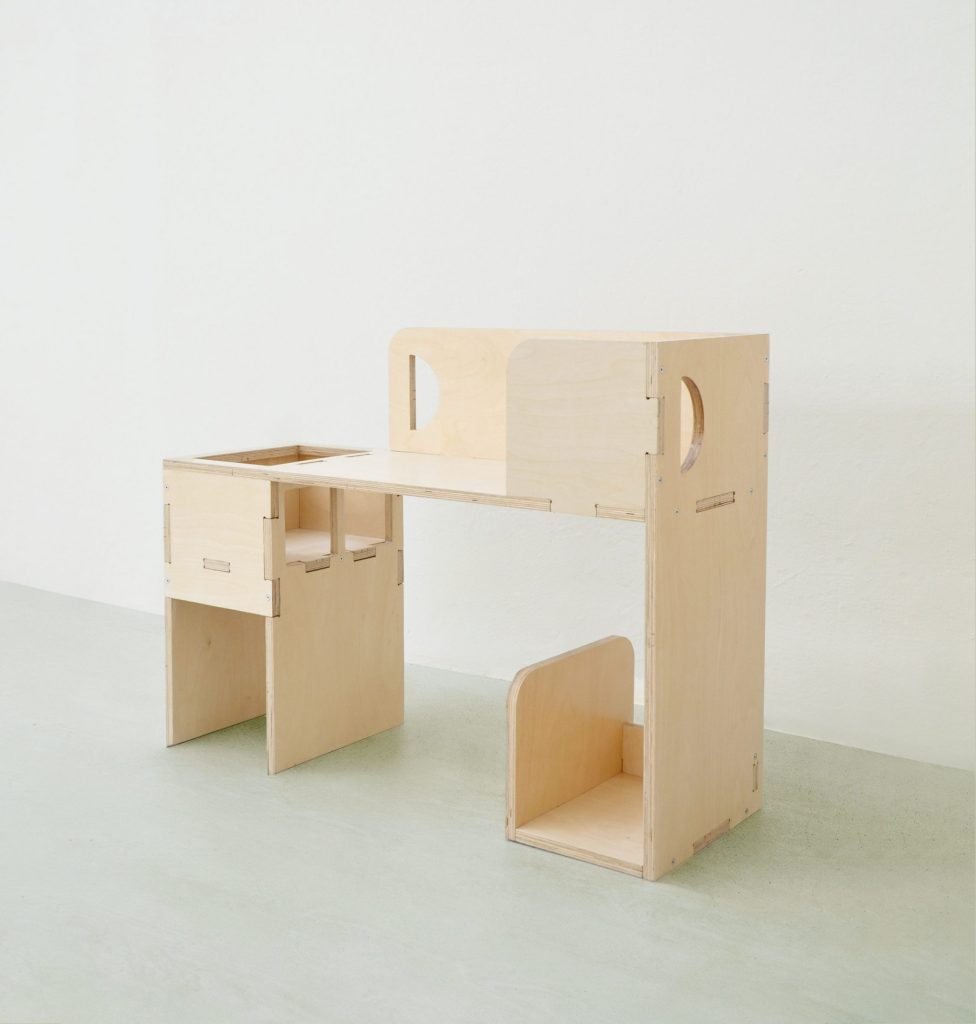
Nook by Mara Bragagnolo
Made from cost-effective plywood with an intuitive flat-pack construction, the collection allows users to configure each piece according to their own needs. Whether functioning as a reading nook, desk, bookshelf or quiet retreat, the furniture adapts to different activities instead of asking users to adapt to rigid designs. This philosophy aligns with Montessori principles, encouraging independence, exploration and self-directed learning.
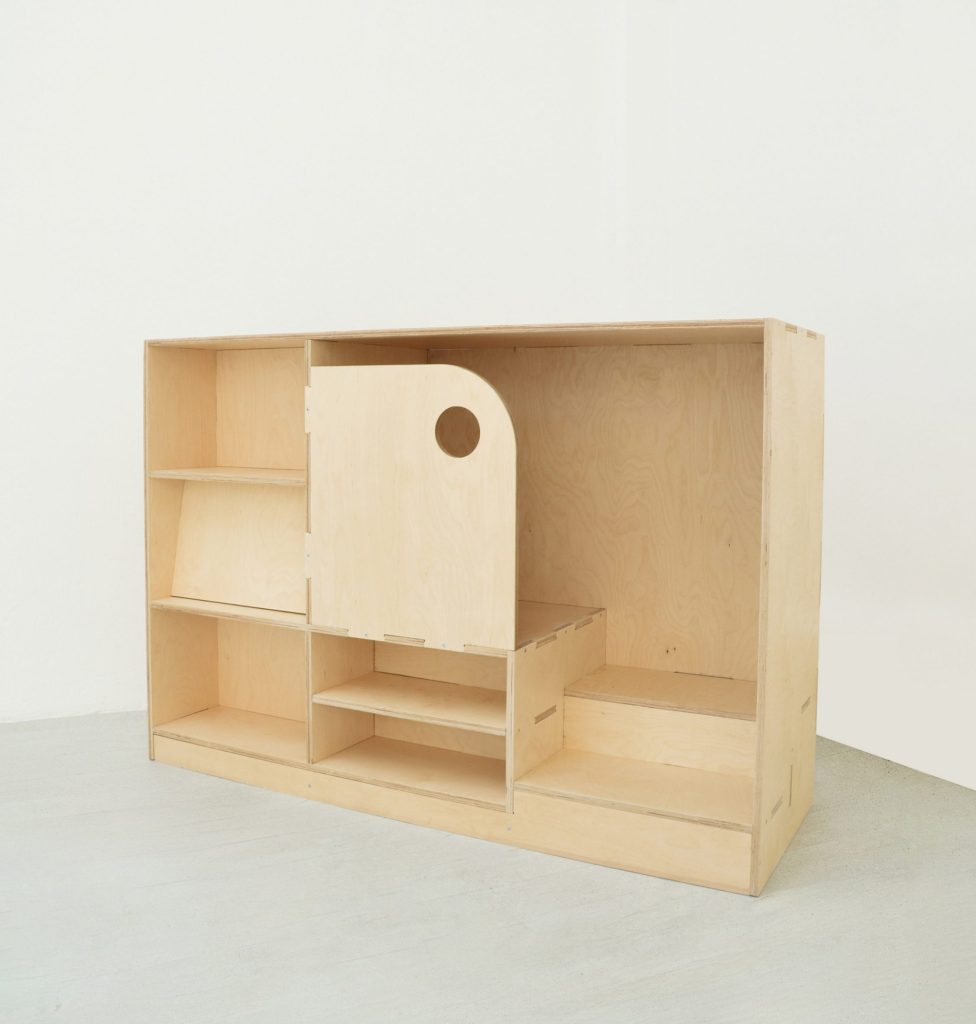
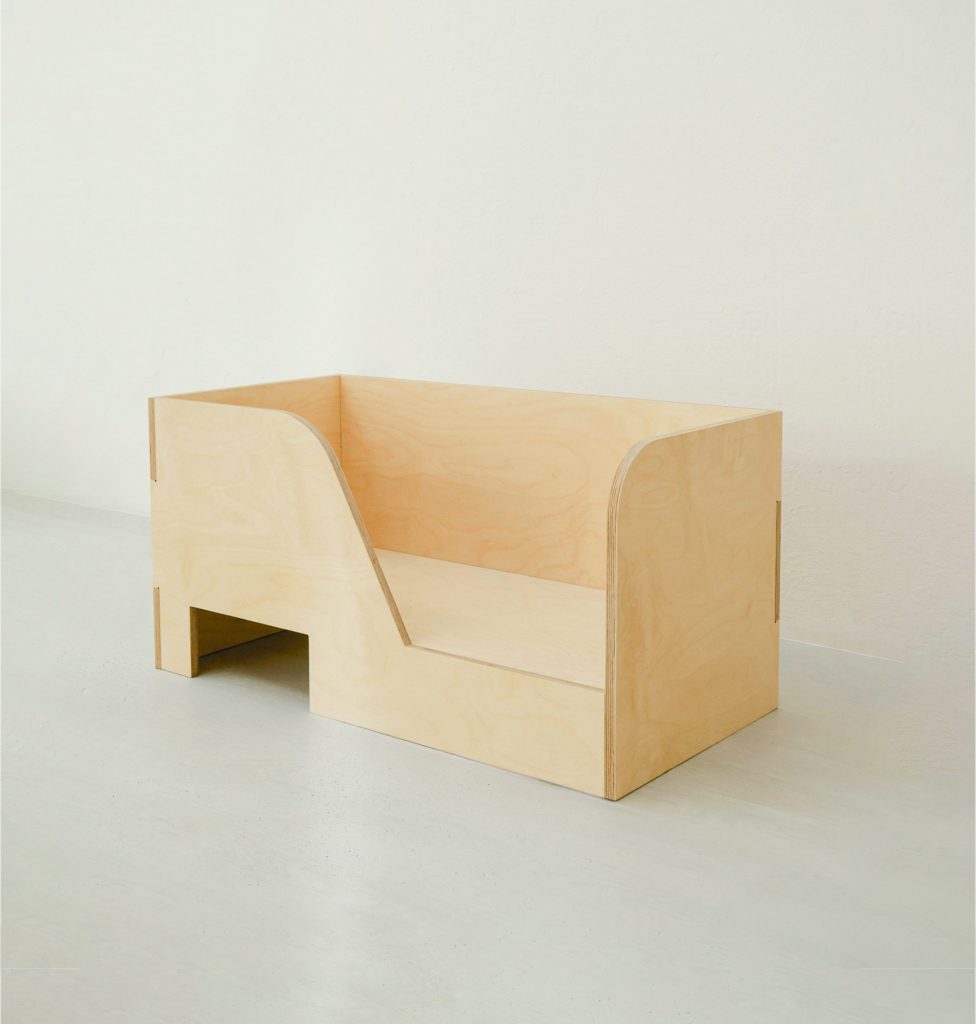
Nook by Mara Bragagnolo
Several pieces respond directly to sensory needs. The Light Screen provides privacy while reducing glare for those sensitive to bright light. The Hug Sofa creates a comforting enclosed space inspired by Temple Grandin’s Hug Machine, offering gentle sensory reassurance. Meanwhile, the Rocking Wheel Chair promotes inclusivity while using movement to support focus and concentration, illustrating how thoughtful details can make everyday experiences more comfortable.
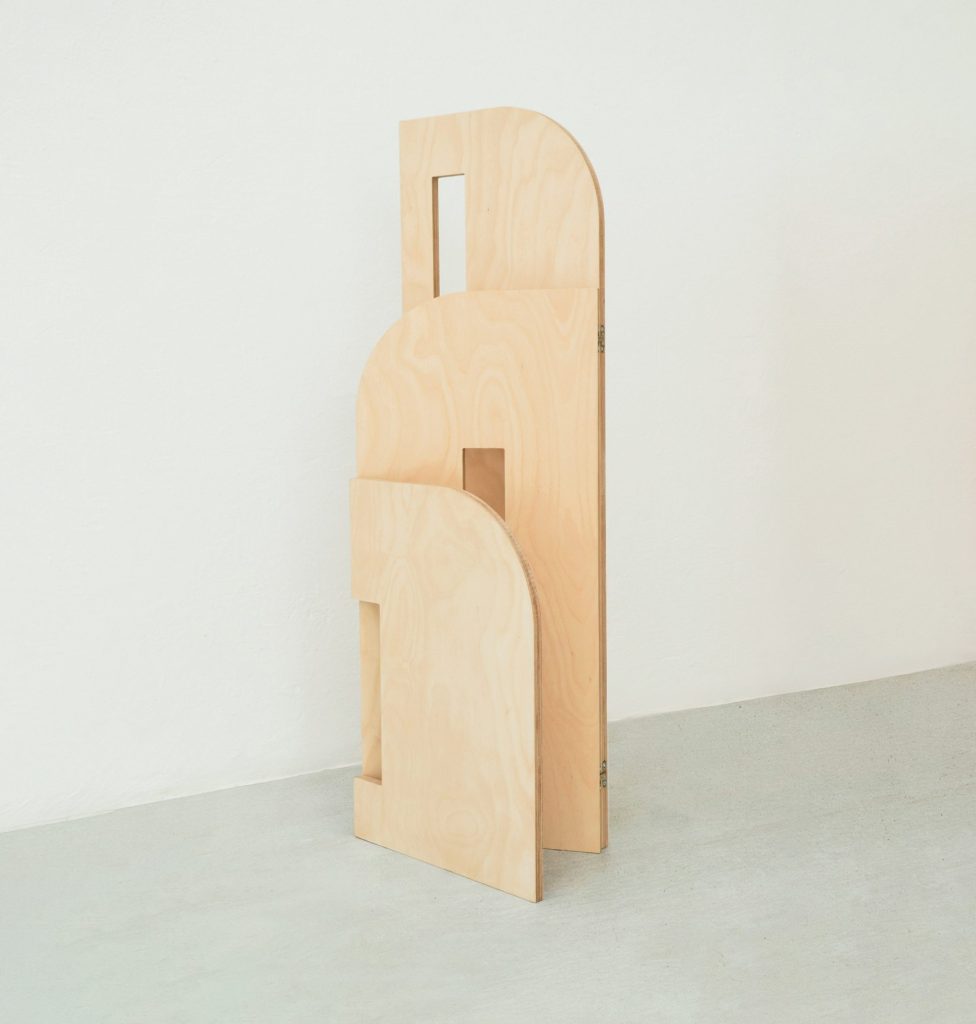
Nook by Mara Bragagnolo
Beyond its functionality, the Nook collection challenges a broader assumption within design. Inclusive products should not be niche solutions but adaptable tools that benefit everyone. Bragagnolo’s work demonstrates that furniture can improve well-being by responding to diverse sensory experiences while remaining affordable, practical and easy to assemble.
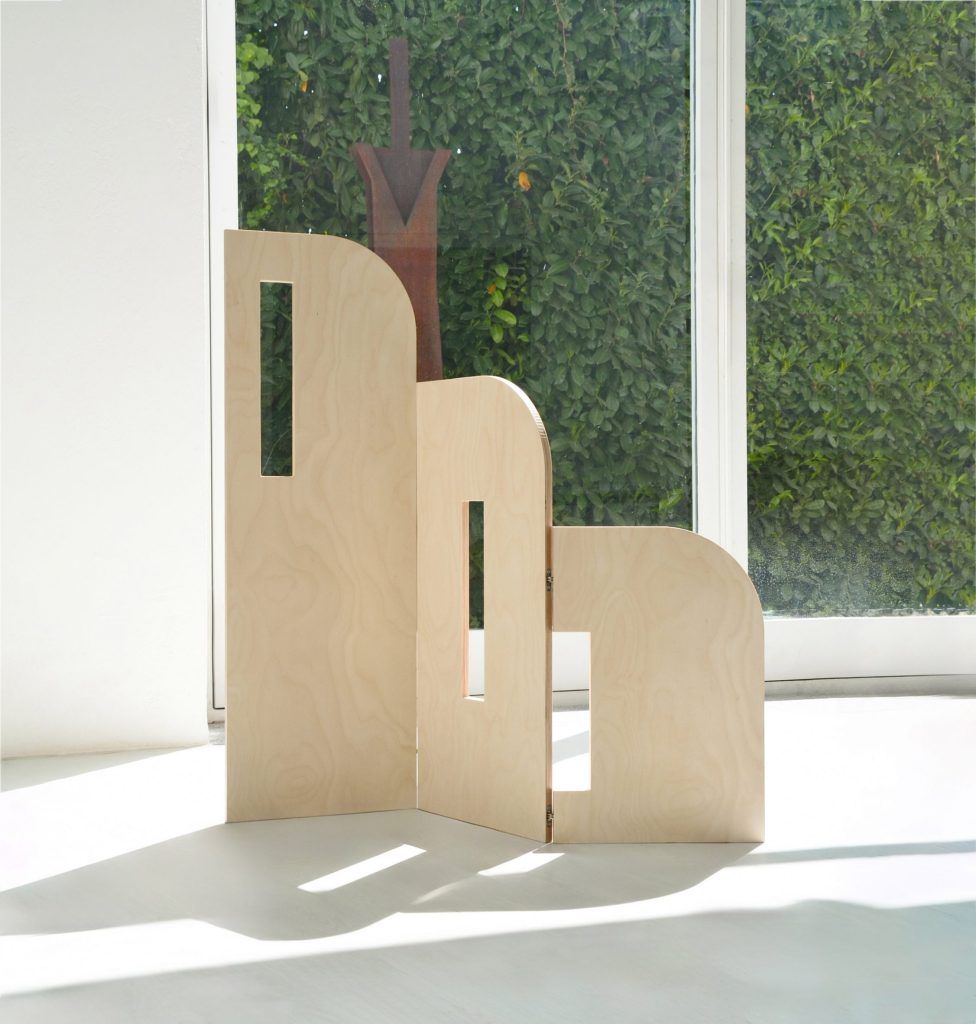
Nook by Mara Bragagnolo
Design has always been about improving the way people live. These projects remind us that innovation becomes truly meaningful when it begins with empathy. Whether through carefully considered interiors, collaborative placemaking or adaptable furniture, each example proves that inclusive design is not a specialised discipline but a mindset. As designers increasingly create with communities rather than simply for them, the future of innovation looks not only smarter but also more compassionate.