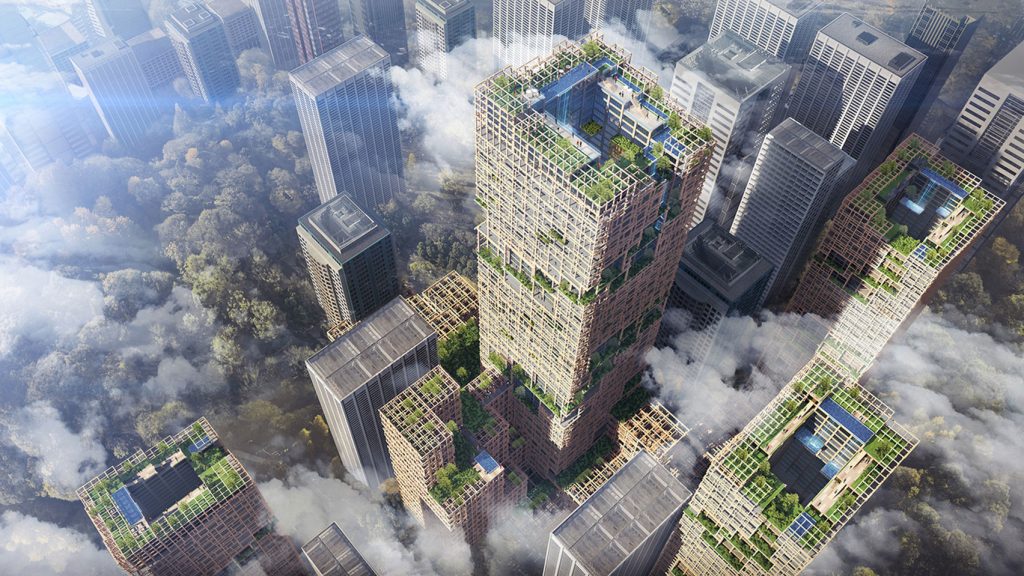
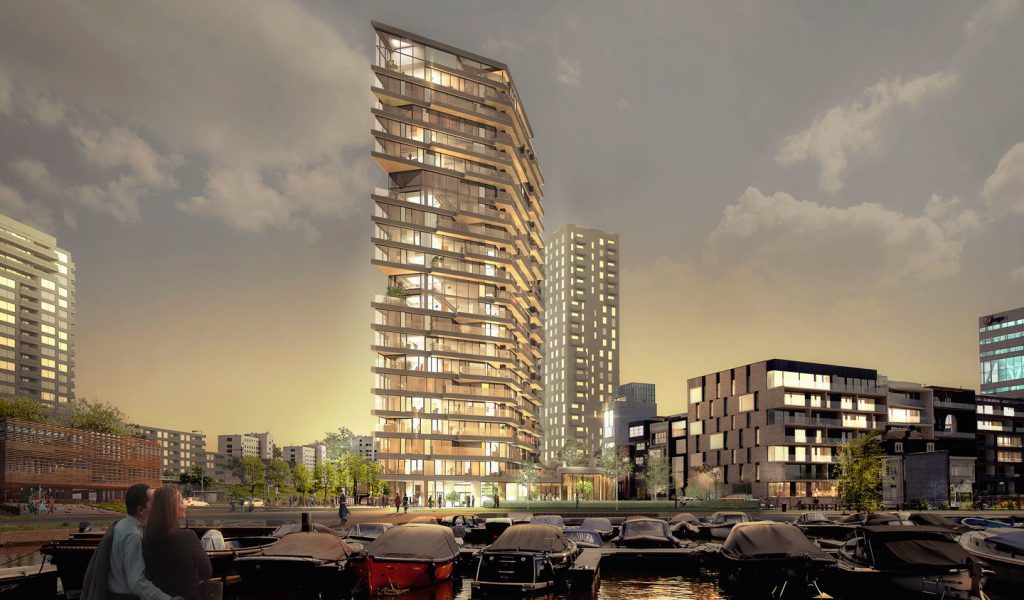
Angular boxes of buildings are long forgotten. Thanks to new building technologies and materials, architects continue formal exploration of sculptural shapes in order to develop structures whose undulating shapes are closer to organic softness rather than austere geometry. The result is bespoke buildings that bow, twist and curve like a ribbon.
The art of embroidery is centuries old and today, is often viewed upon as primitive needlework. However, contemporary visionary artists push the boundaries of traditional techniques, subjects and materials, thus bring the traditional craft onto the next level. No longer basic handicraft, embroidery is a growing presence in museums and galleries, the needle and thread being used to investigate a variety of issues in diverse and complex ways.
The subject of office design is inexhaustible, hundreds of projects of convenient and attractive workplaces appearing every day. We have selected several offices, both private and commercial, that cannot boast impressive floor space but instead offer unique experience of interaction with the environment or of integrating multiple functions to maximize the utilization of space.
A classic labyrinth is a primal architectural typology. On the one hand, it puts the creator in the position of power letting them direct the movements of the visitor to an absurd extent. On the other hand, being composed of just walls, it appears to be an essential form of architecture. Contemporary designers and architects get inspired by the form interpreting it in symbolical installations that make one contemplate on art, environment, or even truth.
We are used to thinking of a brick wall as of something solid and impenetrable, but also humble and dull. But this prosaic and rough material that is historically used in places hidden from the view can become a prominent design element, soft, fluid and transparent, letting the light and air in. The very idea of a brick façade has acquired a new life in architecture of today.
With pollution awareness constantly increasing, more often than not city dwellers choose to ditch petrol fueled vehicles, preferring more sustainable transportation instead. Many solutions have been developed to address the so-called last-mile problem but it looks like the reign of traditional bicycles is being challenged by electric scooters and bikes in the first place. Futuristic looking or minimalistic, they can efficiently transport urban residents from point A to point B, whether to commute to work, run errands around town, or simply for the joy of the ride – and look cool!
Societies across the world from ancient to modern times have used insects as an art subject. Their shapes and colours have always been inspiration to artists in all fields, whether jewellery or ceramics, body painting or textiles, paintings or sculptures. In certain cultures insects were even turned into sacred symbols. Nowadays, artists and designers concentrate on symbolic nature of insects and the abstract aspects they represent in a poetic way.
Dictionaries define a vase as ‘a container used to put flowers in or for decoration’. Creative approach and the extraordinary choice of production techniques, however, may result in vases becoming artworks themselves. Without compromising its original function of holding a bouquet, a designer vase is a vessel of the creative mind of the artist.
3D-printing is used for a lot of different things from prototype design to traditional manufacturing. Architects and designers with open mind suggest that entire building could be fabricated with the help of 3D-printing, as the technology allows for working with a variety of raw materials from concrete to wood or even mud. 3D-printing can produce a wider variety of shapes than traditional building methods as well as be a cost-efficient solution for third-world countries and low-income areas.
A large number of objects forming city infrastructure such as barriers, bollards, lamp posts or low walls can take on new functions when designers and architects of the city environment tackle the problem of making the cityscape more comfortable for its dwellers. Habitual pieces of city furniture become carriers of a surprising diversion of use and these transformations bring new dimension to urban realm.