Paper may seem like an unlikely candidate for furniture, but a new generation of designers is proving that this everyday material has far more to offer than its disposable reputation suggests. Through inventive construction techniques, experimental finishes, and a fresh approach to waste, paper is being transformed into everything from communal seating landscapes to sculptural stools and tables.
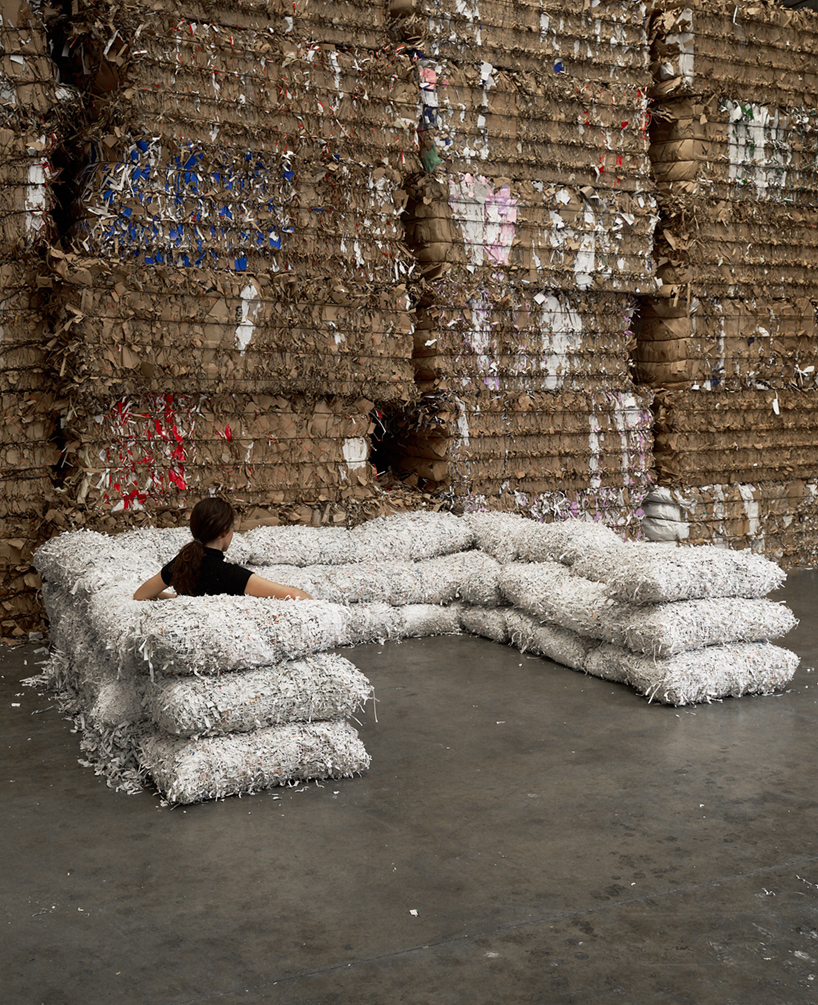
Soft Land by EX FIGURA
At Milan Design Week 2025, creative studio EX FIGURA presented Soft Land, an interactive seating installation that reimagined discarded paper as a catalyst for human connection. Located in San Babila, the project transformed salvaged print materials into a large-scale landscape of soft, inviting forms, challenging the assumption that paper belonged primarily to the world of communication. Despite the growing dominance of digital media, paper and cardboard continued to account for a significant share of global waste. Rather than treating these materials as yesterday’s news, EX FIGURA posed a more intriguing question: what if the paper we no longer needed to read could become something we wanted to sit on?
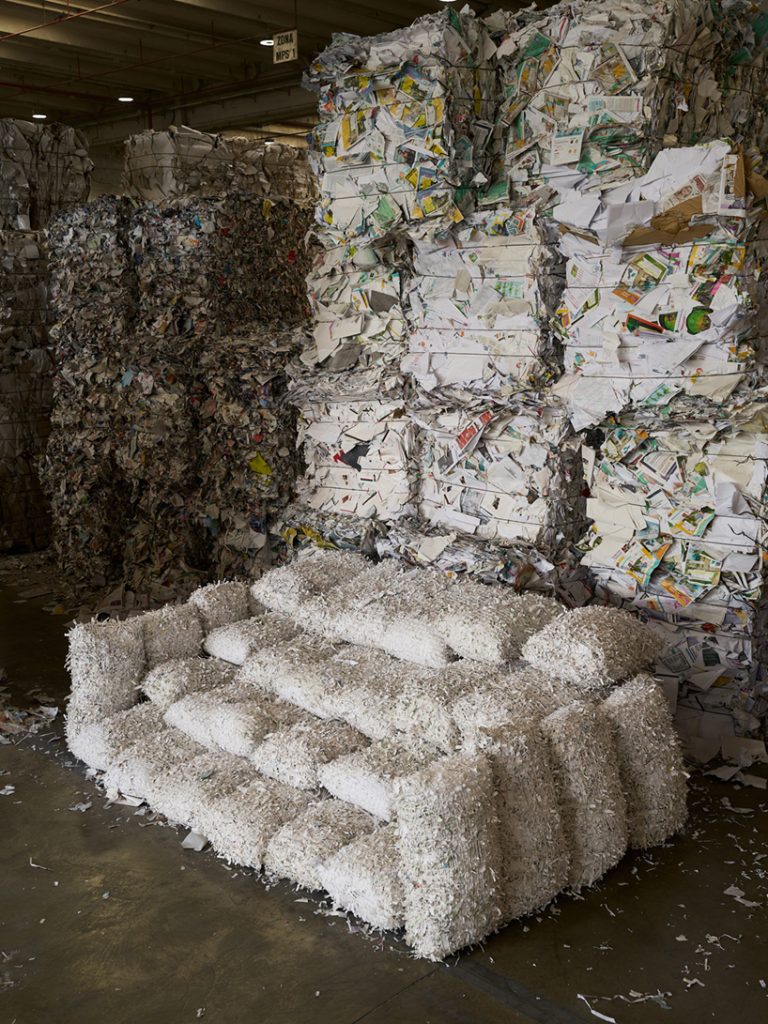
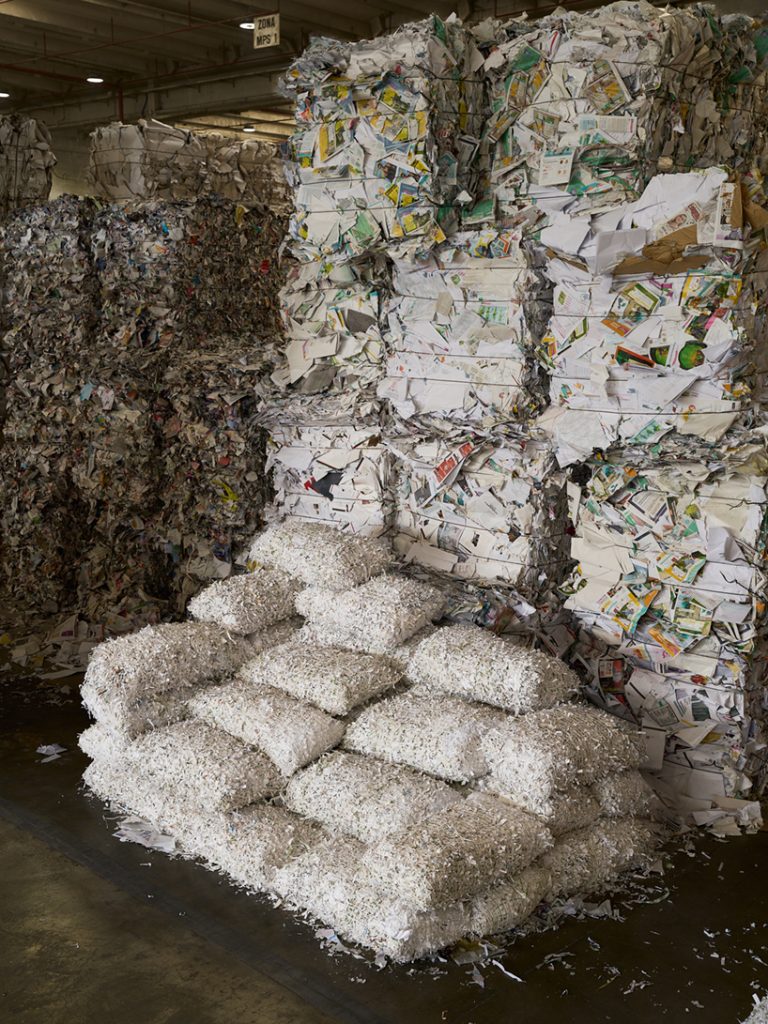
Soft Land by EX FIGURA
The installation comprised 50 modular pillows made from four cubic metres of salvaged paper, assembled with 100 square metres of recovered rope. Together, these elements created a flexible environment where visitors could sit, lounge, and interact with others. The project gave paper a distinctly physical role, turning a familiar two-dimensional surface into a tactile, three-dimensional experience. Its modular arrangement also challenged the idea of furniture as a fixed object, encouraging visitors to participate in shaping the space. Supplied by DS Smith Group and supported by Proviaggiarchitettura, Soft Land repurposed 2.4 tonnes of discarded material, demonstrating how waste could become both a functional resource and an invitation to gather.
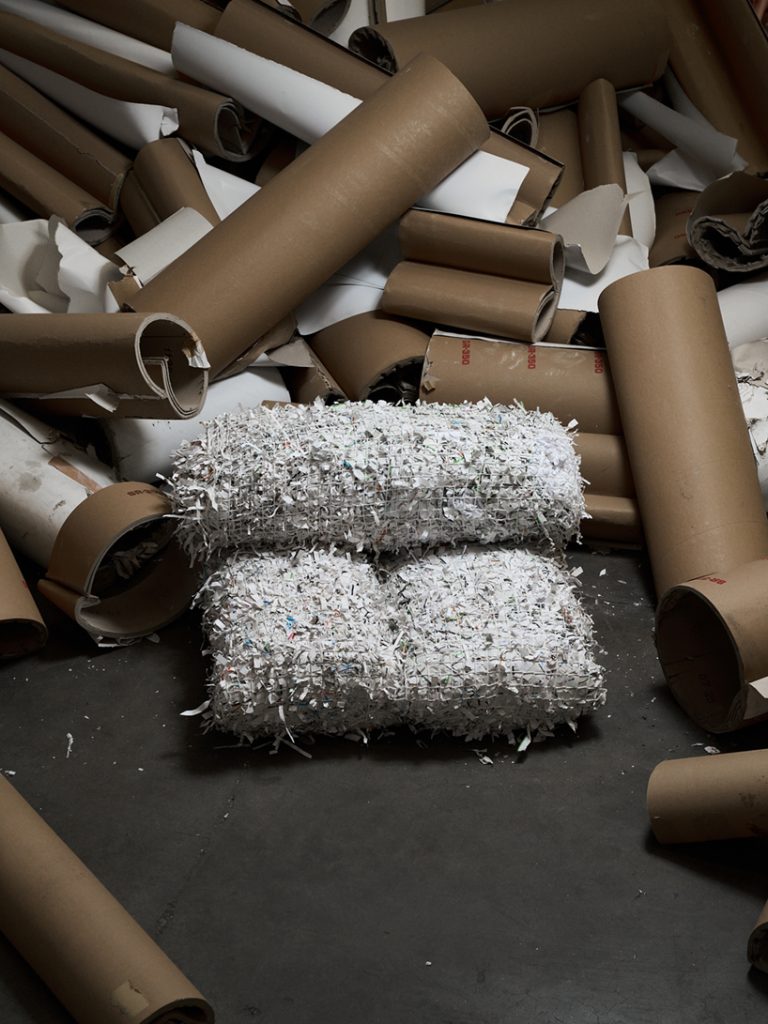
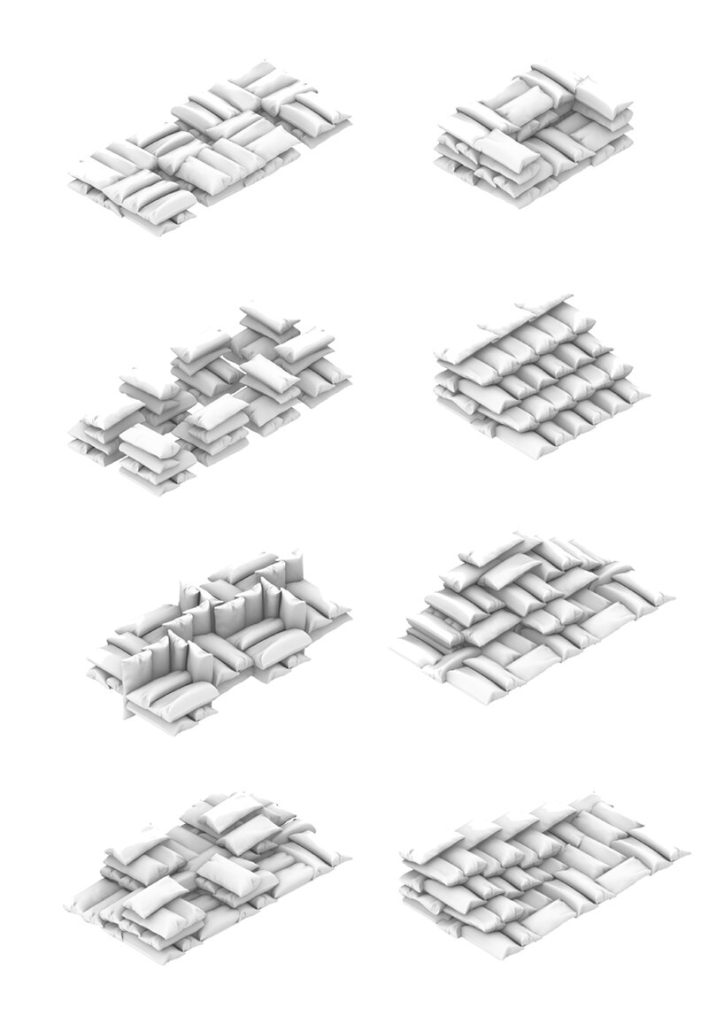
Soft Land by EX FIGURA
More than an exercise in upcycling, Soft Land proposed a shift in how designers and consumers understood the life cycle of everyday materials. Paper might have delivered its final message in printed form, but that did not mean its usefulness had ended. By transforming waste into a communal setting, EX FIGURA connected material reuse with social interaction, showing that responsible design need not sacrifice playfulness or experience. While Soft Land made a compelling case for paper as a material for gathering, another project explores its structural potential, investigating how the humble sheet could become the building block of furniture itself.
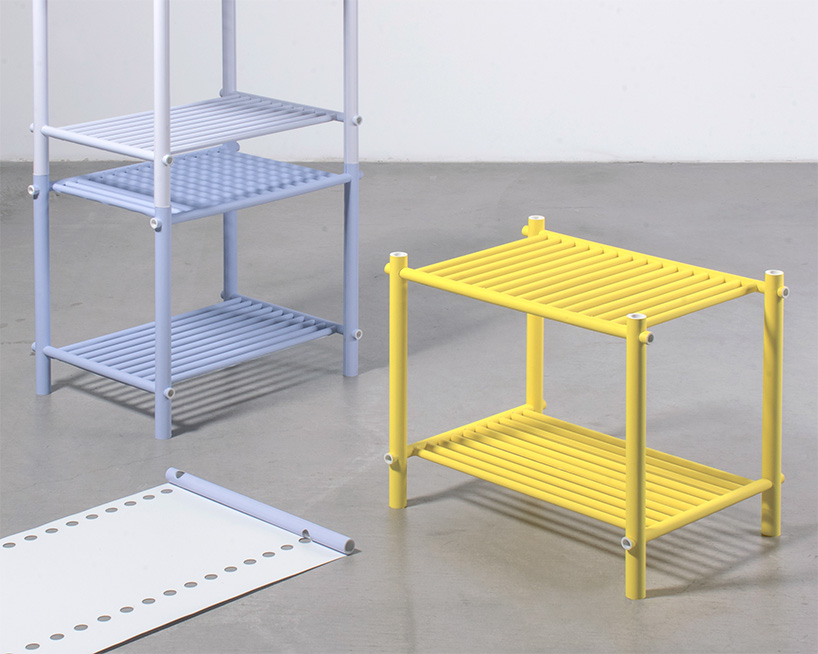
Pattern as Structure by Muto Yumi
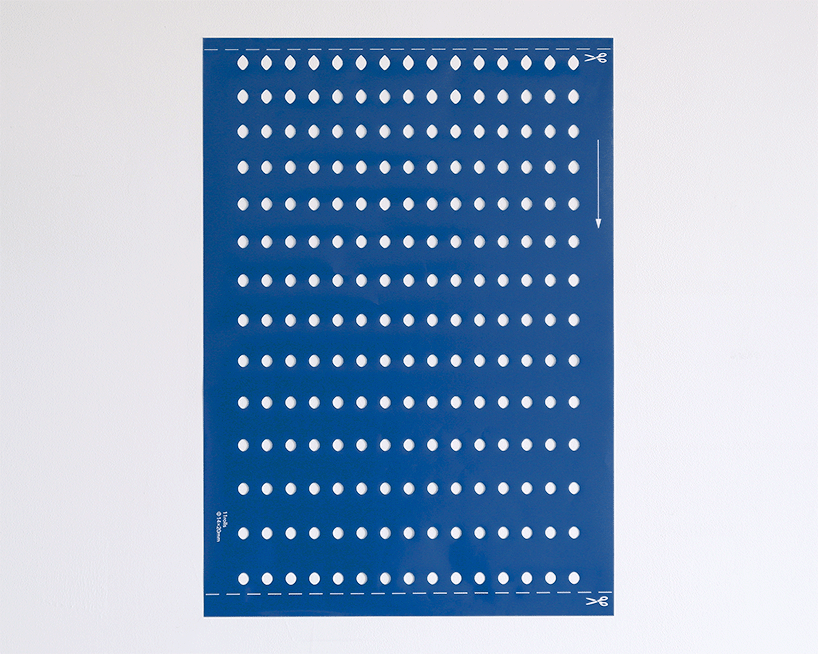
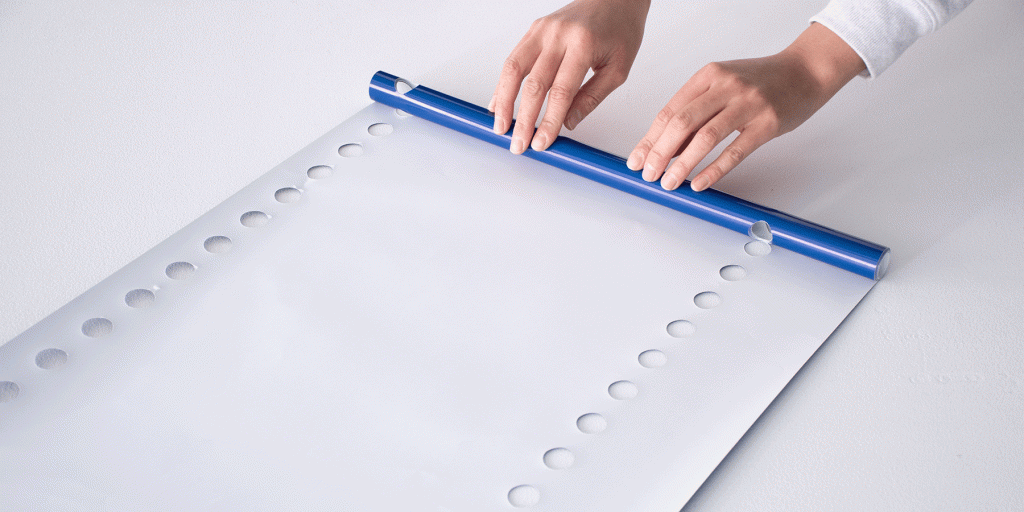
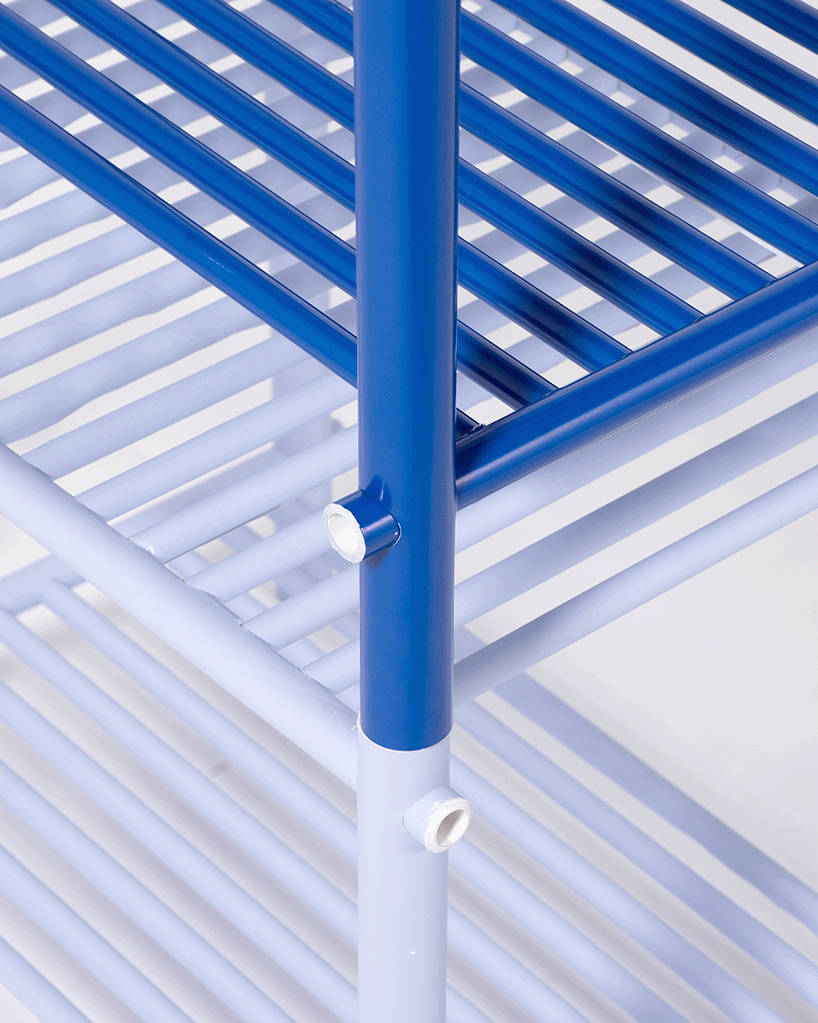
For designer Muto Yumi, paper is not simply a surface to decorate or a material to recycle. In Pattern as Structure, it becomes a modular construction system, demonstrating how a carefully considered pattern can determine both the appearance and the mechanics of a piece of furniture. The series is built entirely from paper rods created by rolling sheets that have been perforated with pre-cut holes. The process begins with something familiar and remarkably simple: a flat sheet of paper. Through cutting, rolling, and assembly, however, that sheet is transformed into a three-dimensional component with an entirely different structural potential.
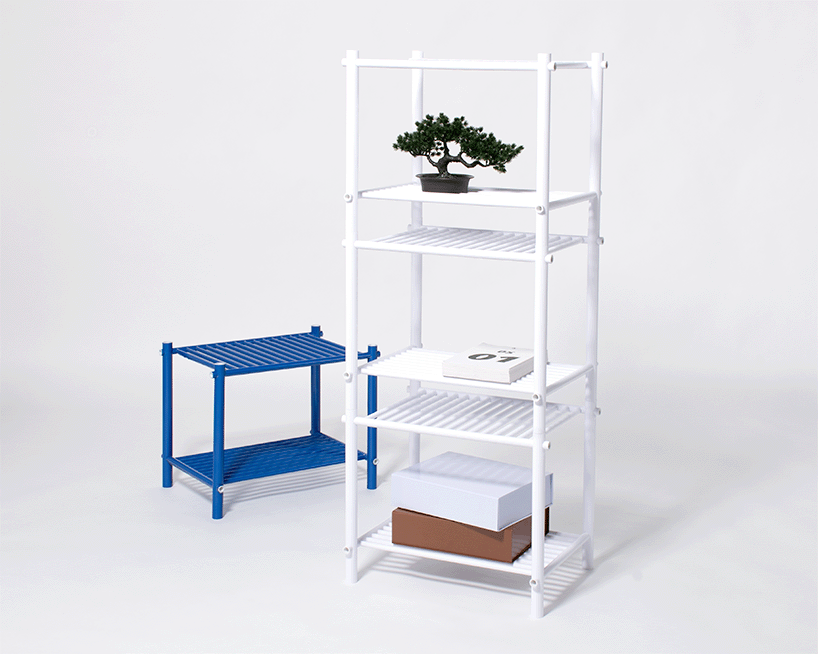
Pattern as Structure by Muto Yumi
The ingenuity lies in the relationship between the perforations and the rolling process. On the original sheet, the holes appear as a graphic pattern. Once the paper is rolled into a dense rod, those same openings become connection points that allow additional rods to be inserted and joined together. Meanwhile, the layered construction increases the material’s density and rigidity, helping the rods support loads. Pattern therefore serves a purpose beyond visual decoration: it becomes an integral part of the assembly logic. This approach creates opportunities for modular construction, where individual components can be connected into larger forms through a relatively straightforward fabrication process.
Pattern as Structure by Muto Yumi
By merging visual design with structural thinking, Pattern as Structure challenges the assumption that paper furniture must rely on elaborate manufacturing or complex materials to achieve functionality. Instead, Yumi demonstrates how precision, geometry, and a smart understanding of material behaviour can do much of the heavy lifting. The project also hints at a more accessible approach to furniture production, in which repeatable components and simple joining systems could offer new possibilities for experimentation. Where Yumi focuses on the mechanics of paper, Taiwanese designer Pao Hui Kao explores its expressive potential, proving that a material can be structurally capable while remaining rich in texture, colour, and craft.
Paper Pleats by Pao Hui Kao
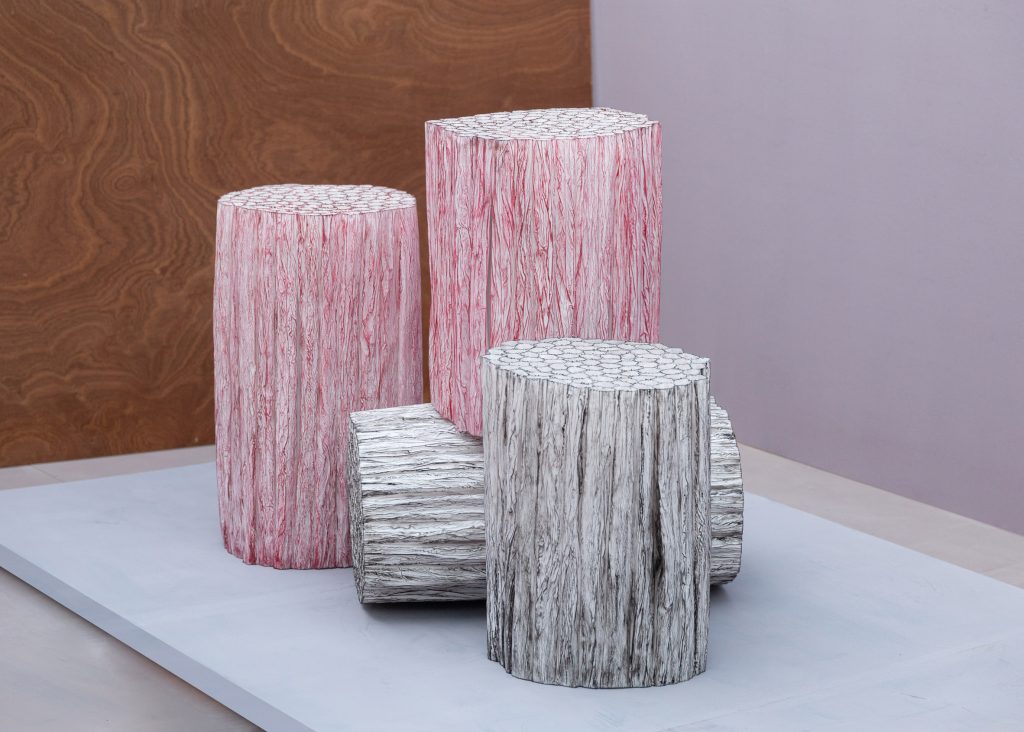
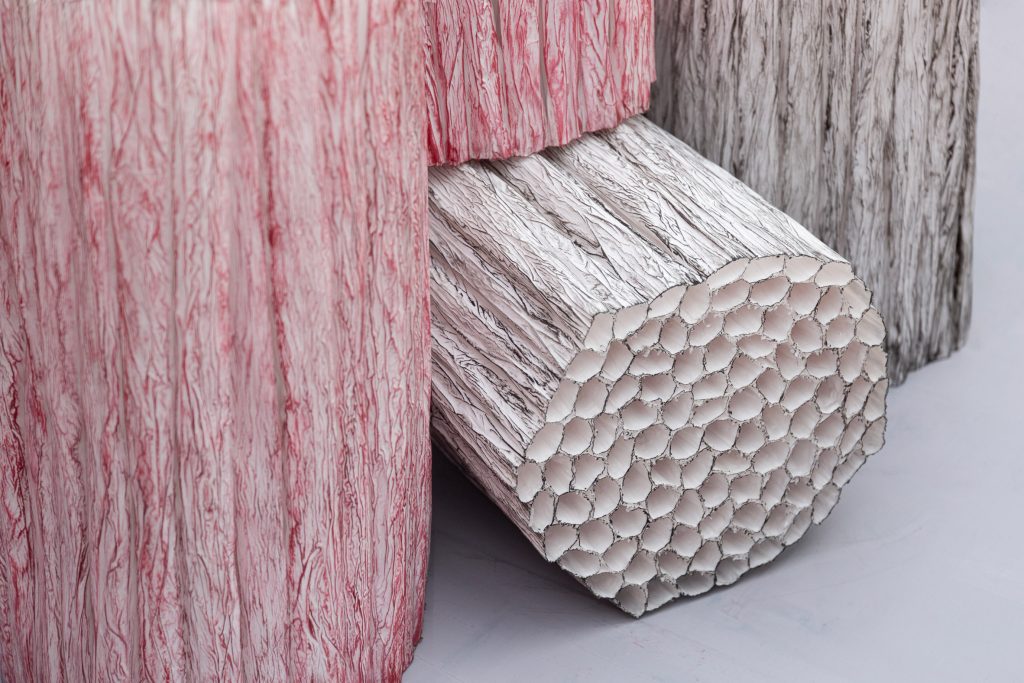
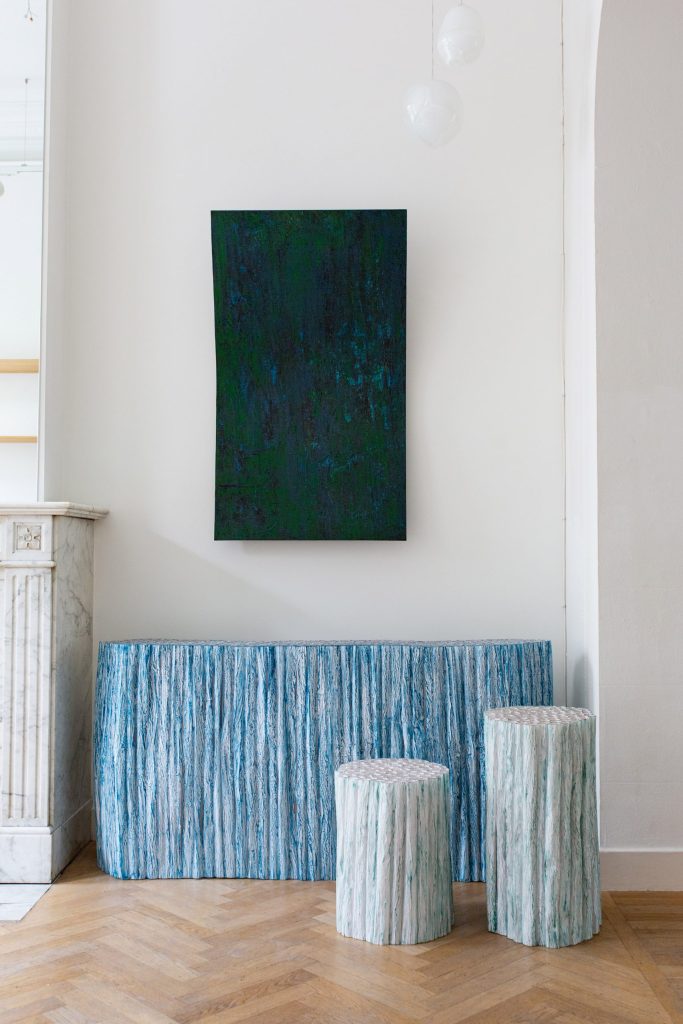
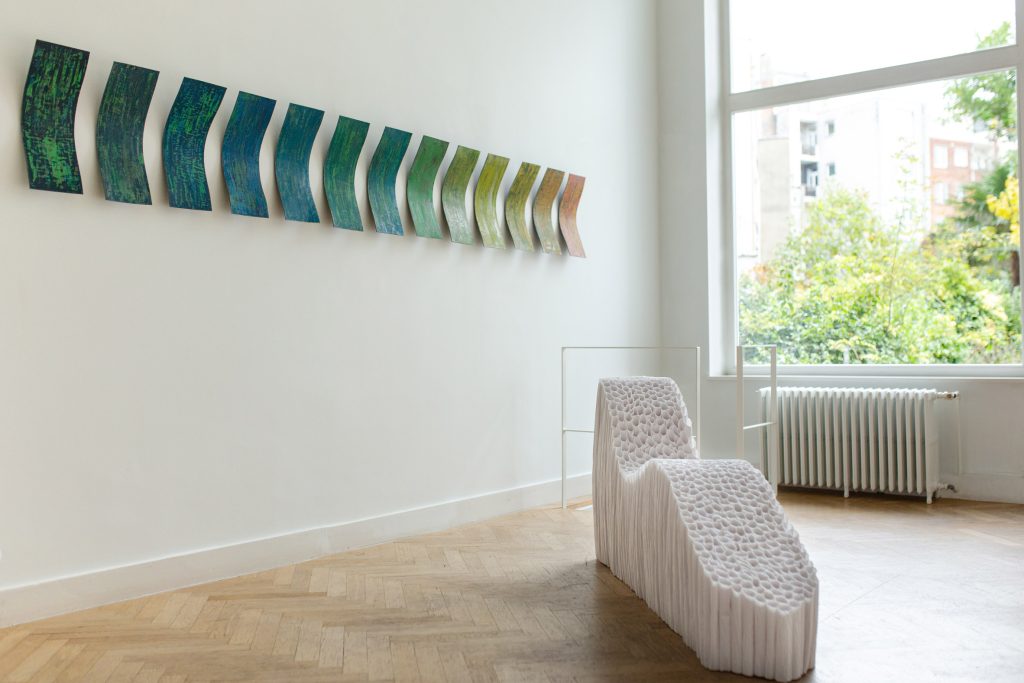
Taiwanese designer Pao Hui Kao transforms delicate tracing paper into sculptural furniture through her ongoing Paper Pleats series, which includes benches, stools, tables, and sideboards. Challenging conventional ideas about the material’s fragility, Kao creates objects that combine intricate textures with unexpected strength. Rather than hiding paper’s folds and creases, she makes them central to each piece, giving the furniture a distinctive visual identity that balances structural solidity with a sense of lightness.
Paper Pleats by Pao Hui Kao
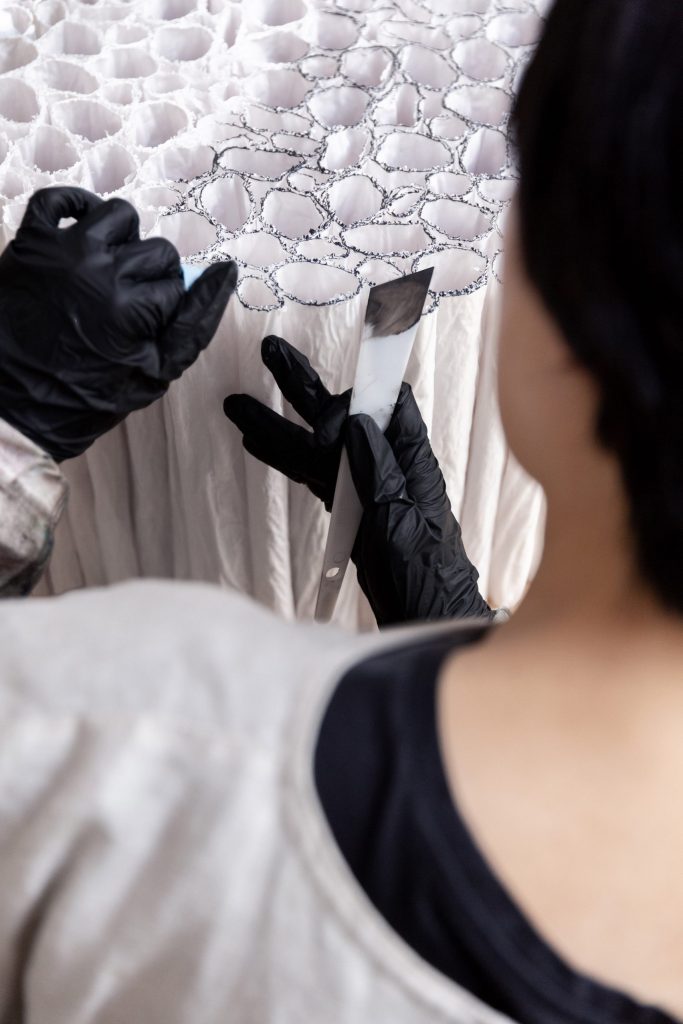
The process involves combining rolls of tracing paper into honeycomb structures, soaking them in rice glue, and allowing them to harden. This technique gives the forms the rigidity needed for functional furniture while preserving the layered, crinkled character of the paper. Kao has also introduced colour pigments and Urushi, a traditional Japanese lacquer, to create a bolder finish. Rich reds, deep blues, and black accentuate the surfaces, lending the furniture a graphic quality that contrasts with the softer, more ethereal appearance of her earlier designs. Drawing on her background in Chinese ink painting, Kao applies the finishes using a specially developed paper tool rather than a conventional brush, creating lines reminiscent of calligraphy.
Paper Pleats by Pao Hui Kao
Kao’s approach reflects a longstanding interest in plant-based materials and more considered manufacturing methods. Her exploration of alternatives to conventional materials developed partly from personal experience with allergies to certain chemical ingredients, prompting her to pay closer attention to material composition. In Paper Pleats, this interest translates into furniture that brings together resourcefulness, craftsmanship, and expressive form. By transforming rolled paper into durable, richly textured objects, Kao demonstrates that a material commonly associated with fragility can become both a practical building component and a defining feature of contemporary furniture design.
The Paper Log: Shell and Core by Satoshi Kondo (also header image)
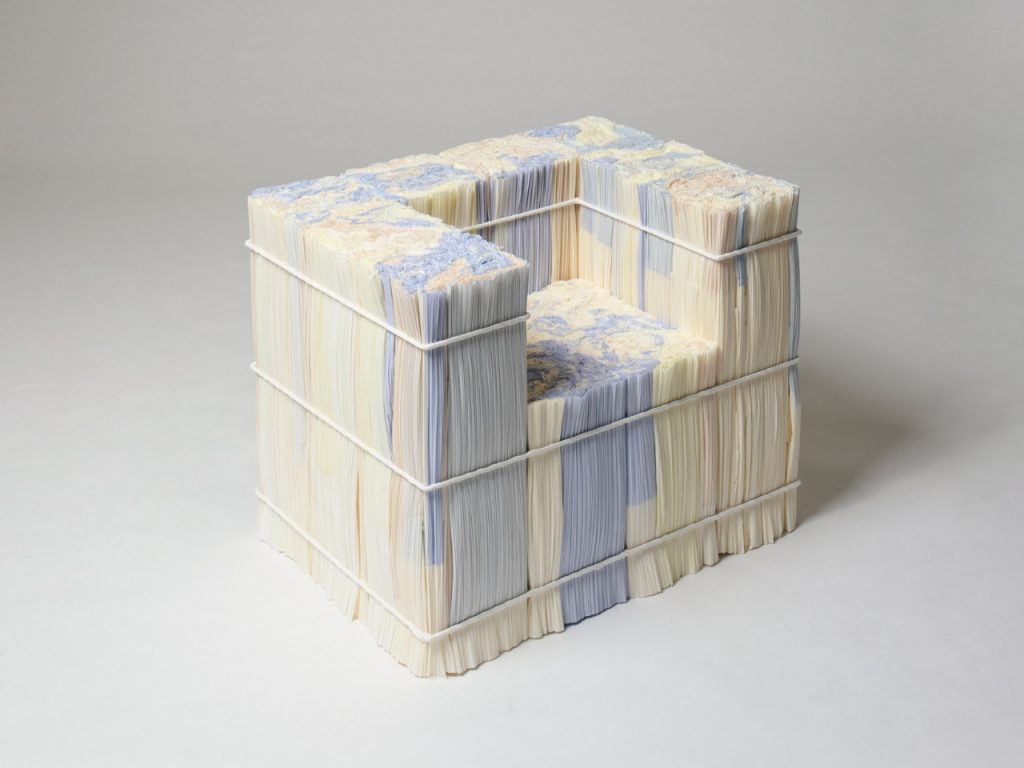
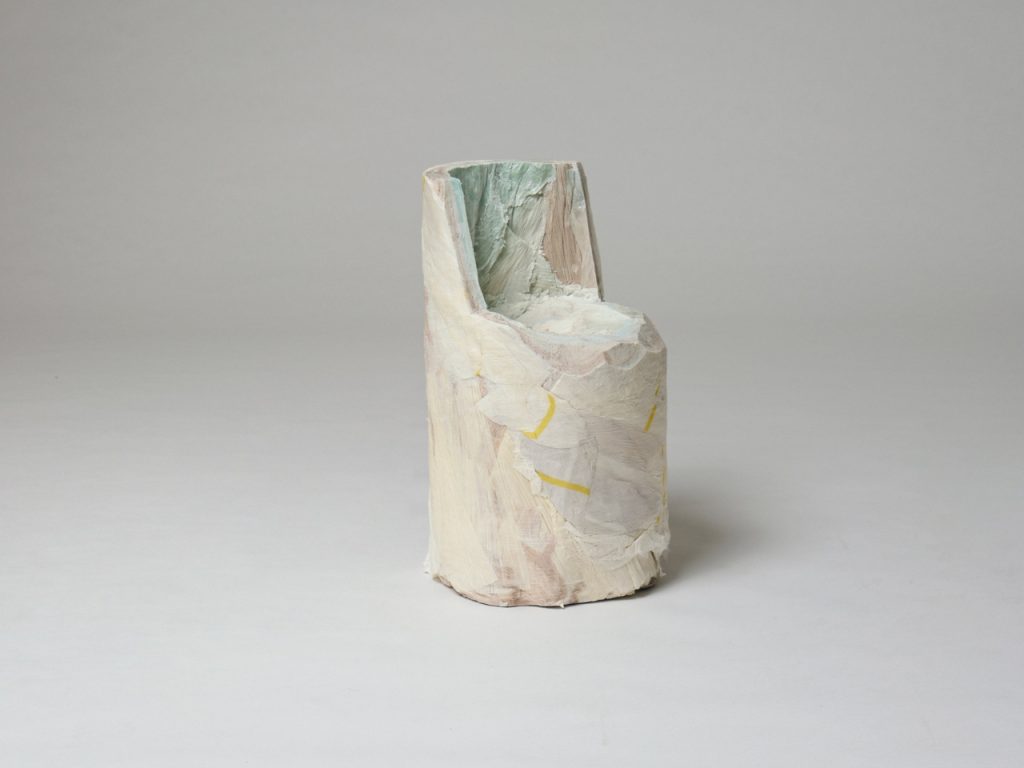
What happens to the materials used to make fashion long after the finished garments have left the production line? For Satoshi Kondo, a design director at MIYAKE DESIGN STUDIO, the answer became the starting point for The Paper Log: Shell and Core, an exhibition presented at the ISSEY MIYAKE store in Milan during Milan Design Week 2026. Inspired by the pleating processes associated with the fashion house, Kondo turned his attention to the thin sheets of paper used to protect fabric as it passes through pleating machinery. Once production is complete, these sheets are compressed into rolls and typically sent away for recycling or disposal. To Kondo, however, they looked less like waste and more like an untapped design resource.
The Paper Log: Shell and Core by Satoshi Kondo
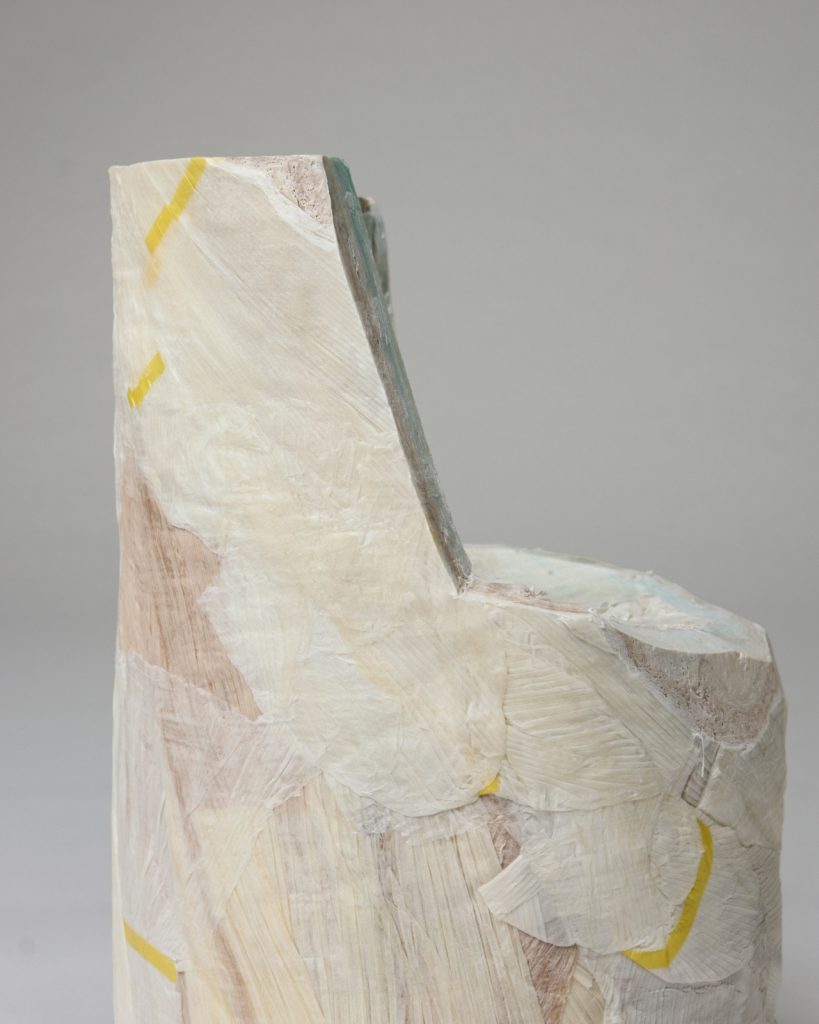
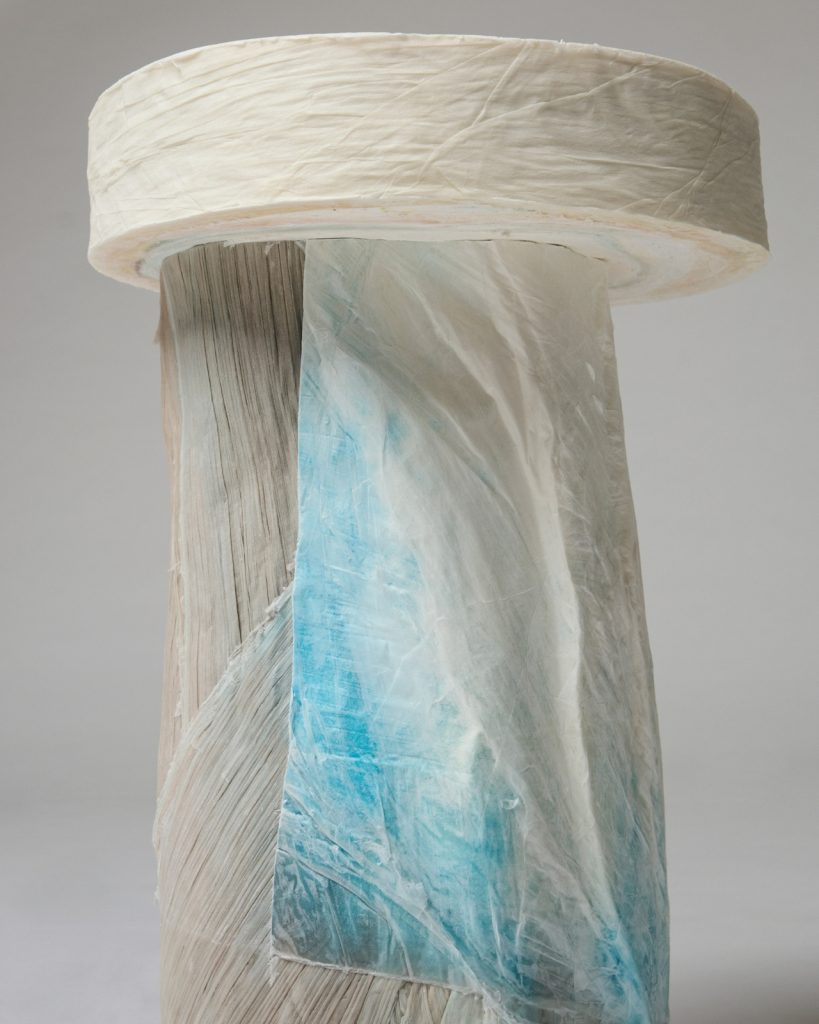
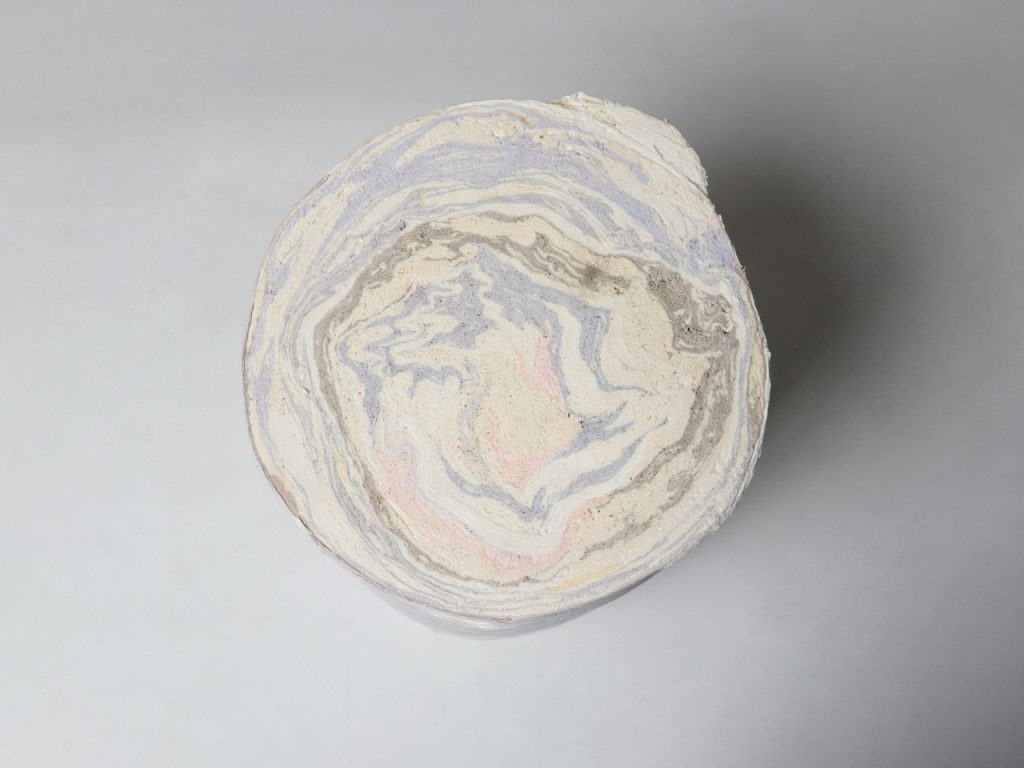
Each compressed roll measures approximately 80 centimetres in height and 40 centimetres in width. Viewed from the end, its tightly packed layers form a circular, marbled pattern reminiscent of the growth rings of a tree. This visual resemblance inspired the name The Paper Log, but the connection goes beyond appearance. Just as tree rings preserve traces of growth over time, the layered paper carries a record of the garments produced through the manufacturing process. Working with Spanish architecture studio Ensamble Studio, Kondo developed two complementary explorations of this material. Shell treats the paper log as a sculptural medium, producing delicate, sharply defined forms that appear to capture a moment of transformation. Core, by contrast, investigates its structural capabilities through furniture prototypes, including stools, chairs, and tables.
The Paper Log: Shell and Core by Satoshi Kondo
The contrast between the two collections is central to the project’s appeal. One reveals the paper’s delicate, almost ephemeral qualities, while the other demonstrates its potential for solidity and function. Presented together throughout the Milan store, Shell and Core encourage visitors to reconsider the boundary between industrial waste and valuable material. The project also reflects a longstanding interest within the fashion house in the processes behind the finished product, extending that philosophy to the overlooked byproducts of manufacturing. Rather than treating recycling as the end of the conversation, Kondo and Ensamble Studio explore what happens when discarded material becomes the beginning of a new design process. In doing so, they offer a fitting conclusion to a wider story about paper, creativity, and the hidden opportunities within existing systems of production.
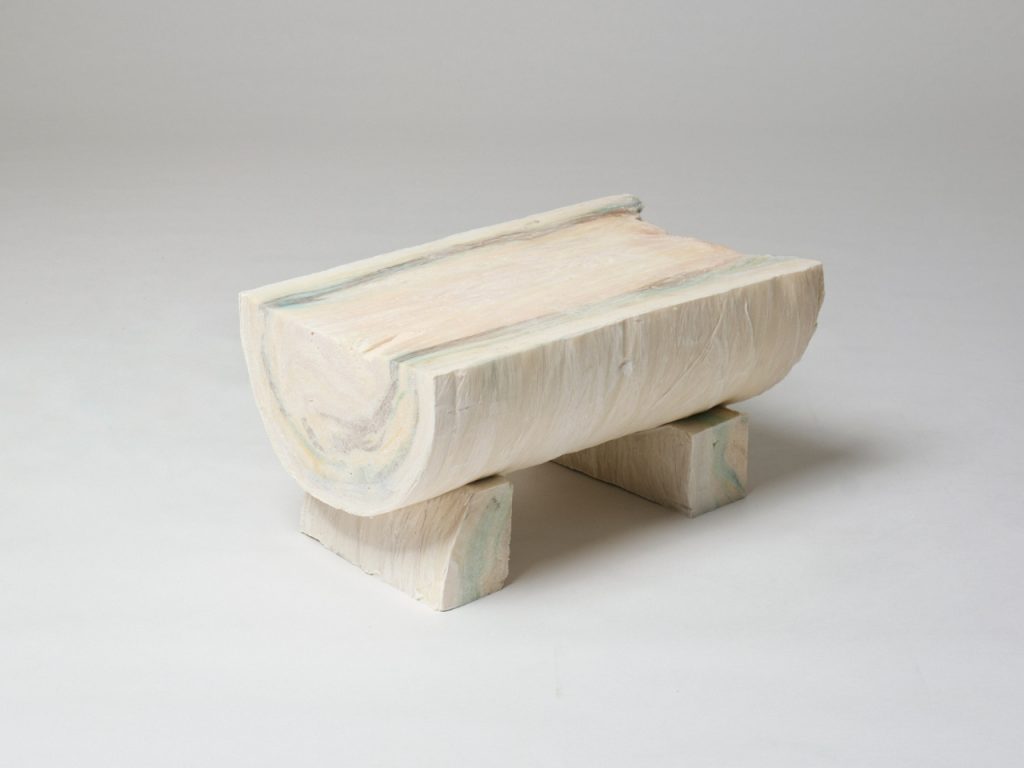
The Paper Log: Shell and Core by Satoshi Kondo
From interactive seating to sculptural furniture, these projects show how inventive thinking can transform paper’s role in design. By exploring its structural, tactile, and aesthetic qualities, the designers challenge conventional ideas of what furniture can be made from. Sometimes, innovation begins with seeing familiar materials in an entirely new light.