Glass has been used in a decorative form for centuries and today it’s still a popular medium. Here are some latest projects from artists around the world that use glass to full advantage.
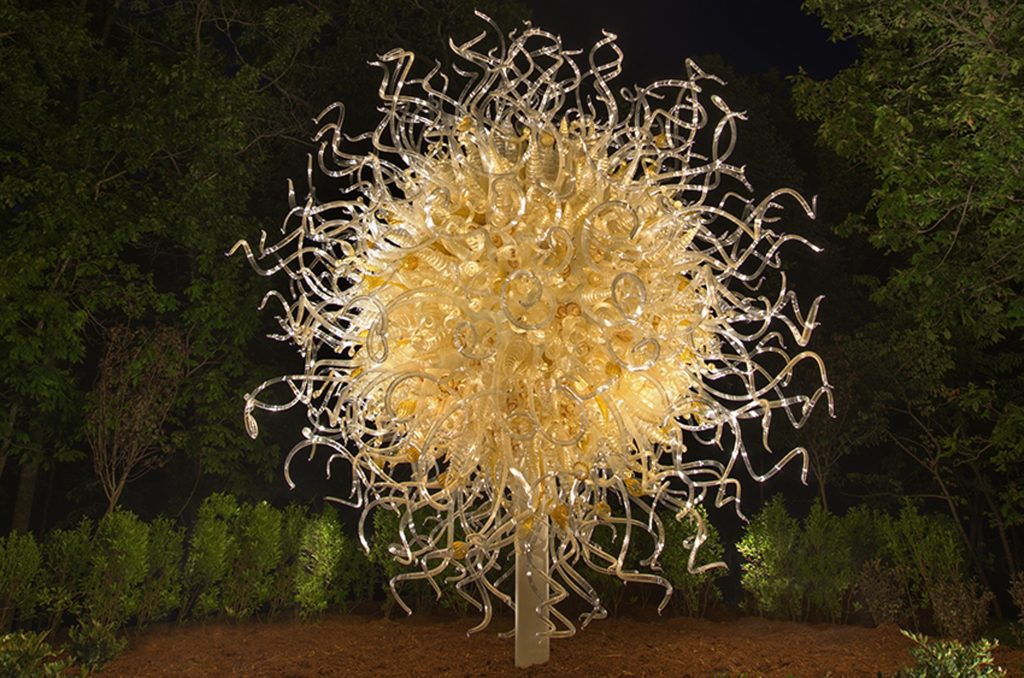
Glass has been used in a decorative form for centuries and today it’s still a popular medium. Here are some latest projects from artists around the world that use glass to full advantage.
We’ve recently noticed some young, forward-thinking architectural practices taking a flexible approach to projects, so we thought we would take a closer look at one of these highly creative, multi-disciplinary businesses.
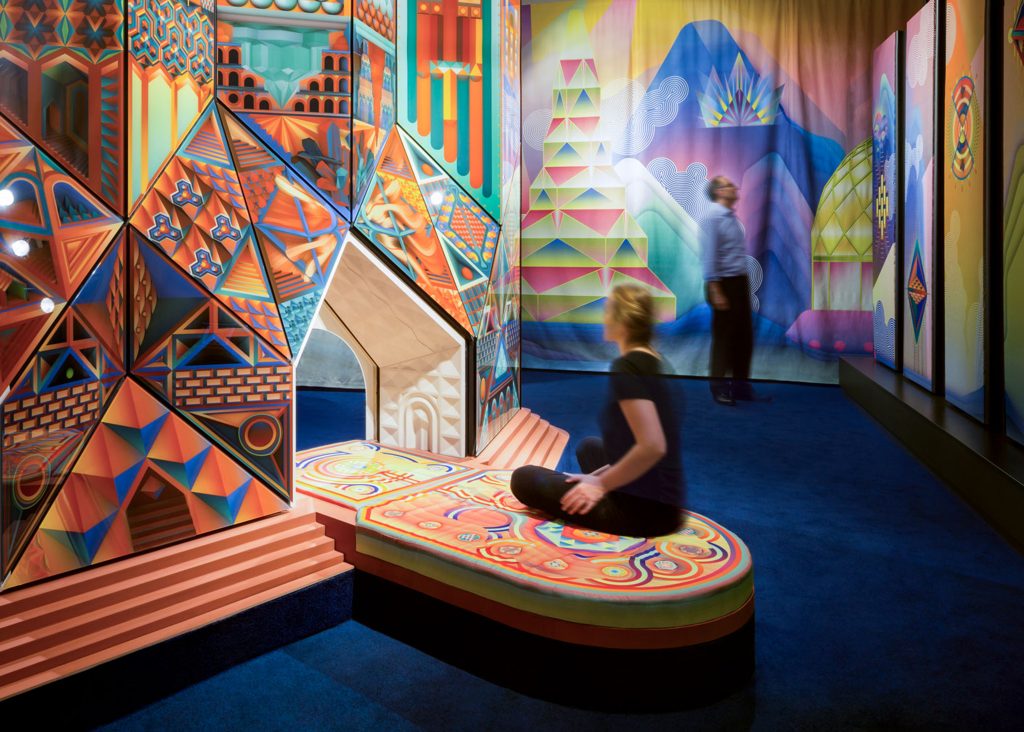
We love artist Jeff Koons’ stainless steel balloon animals, but there are other artists currently using advances in material fabrication to create some amazing inflatable artworks.
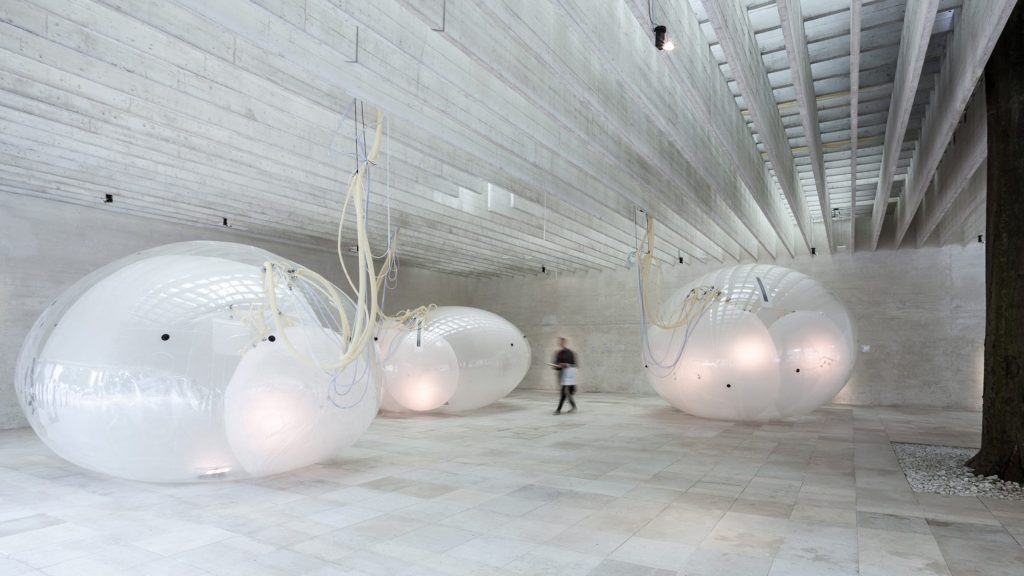
Constructed as extravagant, ornamental editions to landscaped gardens since the 16th century, architectural follies have evolved as spaces where humans are free to unlock their imaginations, relax and contemplate the universe. And today, architects are still creating fanciful constructions that understand these human needs.
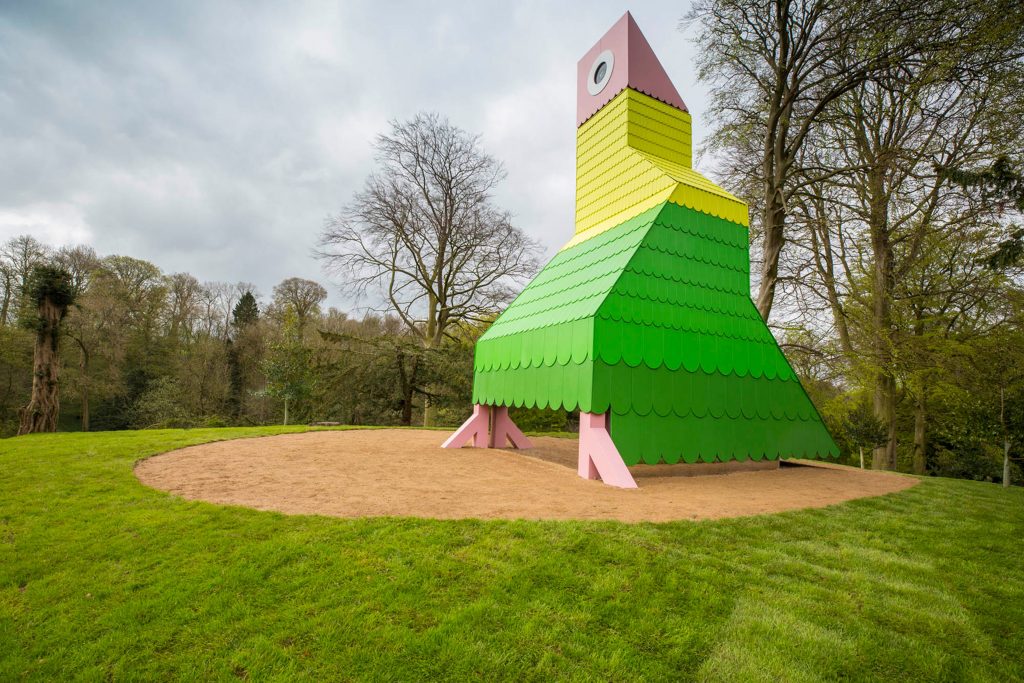
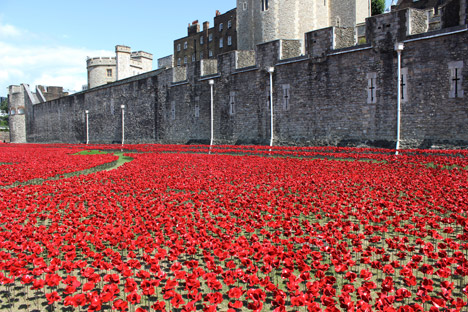
The huge carpet of ceramic poppies created by Paul Cummins and Tom Piper, originally exhibited in 2014 at the Tower of London to commemorate one hundred years since the first full day of Britain’s involvement in the First World War, is back – now cascading down the walls of Carlisle Castle until July 8th.
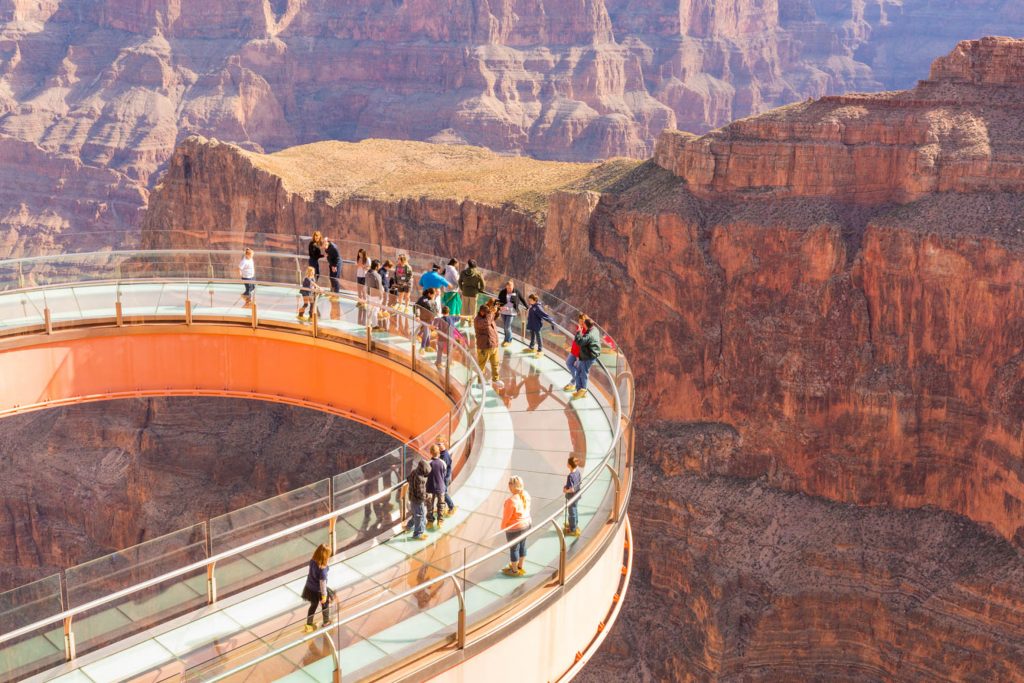
Observation platforms and skywalks add a completely new dimension to architecture, allowing you to experience it, and the landscape in which it sits, in a totally new, unique and often breath-taking way.
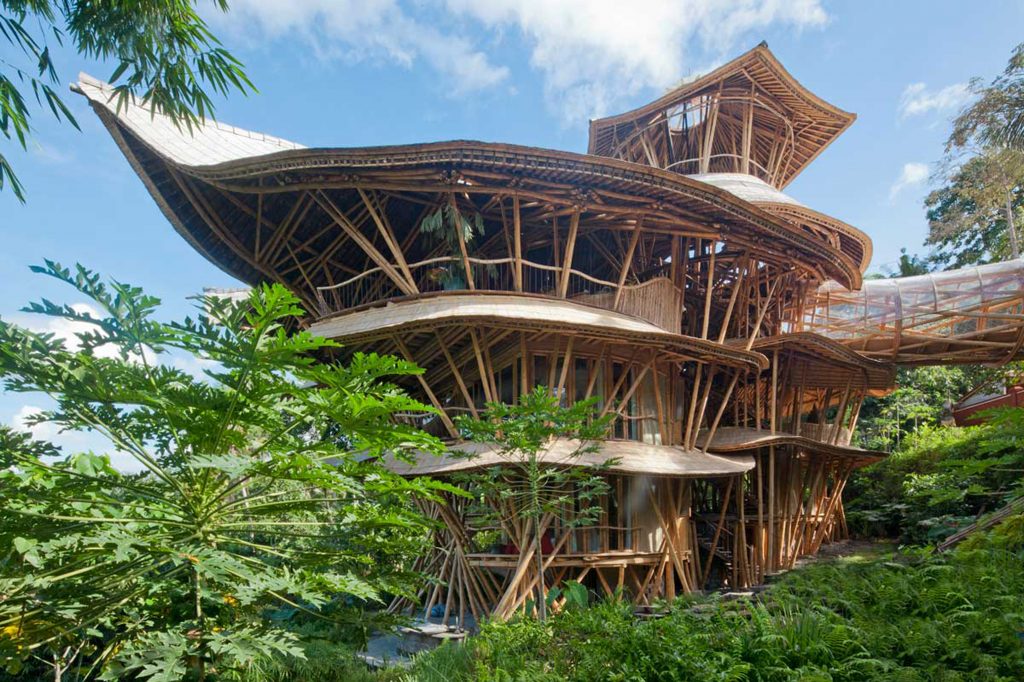
If you really love beautiful design and inspiring architecture, why not immerse yourself in it while enjoying a holiday? We’ve already told you about the unique, new contemporary art gallery IK LAB, constructed from living trees, which has just opened in the grounds of the eco–friendly Azulik resort in the beachside town of Tulum in Mexico and we loved the idea of holiday architecture so much we’ve researched some more stunning destinations for you to put on your bucket list.
The future of smart city transportation is being developed at an exponential rate: autonomous cars, smart, folding cars, electric bicycles and projects such as the SolarRoad, a cycle path that turns sunlight into electricity, a technology that is already being developed for motorways. motorways. We’ve seen crazy ideas such as the Transit Elevated Bus, a car-straddling bus, designed to run on tracks laid either side of roadways. It didn’t catch on – mainly because it was just an impractical, ugly train! However, here are some of the more credible, futuristic modes of transportation in development, which will make our cities and lives truly smart.

If you’ve never been to a sculpture park, it’s time to make your first trip. In the UK alone, there are more than 30, and according to The Arts Council of England, art lovers are visiting them in increasing numbers.

When we read about this new Student Hotel in Barcelona it made us wish we were back in uni! It’s one of 11 hotels in cities across Europe including Paris, Amsterdam, Dresden and Rotterdam with more planned for Madrid, Florence, Rome and Bologna and offers a brand new take on student accommodation.

Type on the field below and hit Enter/Return to search