The sofa has long been one of the most fixed objects in the home. You choose its size, decide where it goes, and then spend years arranging the rest of the room around it. But as our homes become more flexible, the traditional sofa is beginning to look surprisingly rigid. Modular sofas offer another possibility: instead of one permanent form, they provide a collection of pieces that can be rearranged to suit different people, spaces, and moments.
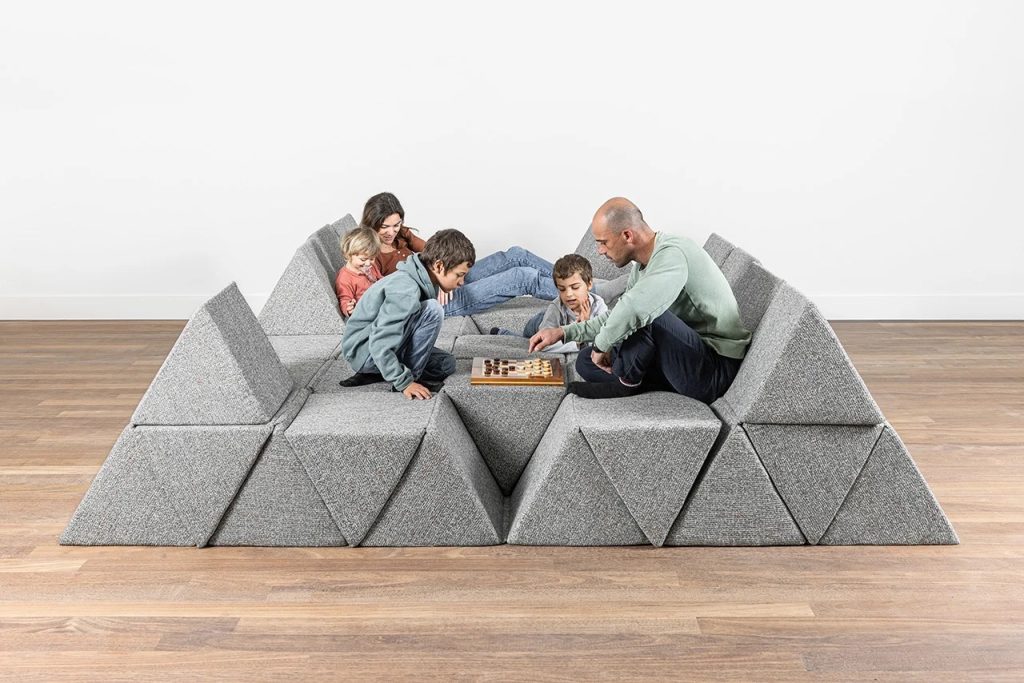
Peaks by Yves Béhar for Moooi
For Yves Béhar, the inspiration for Peaks emerged during an unusually static period in modern life. While much of the world was confined to home during the pandemic, Béhar was looking for a way to keep his family from retreating into separate corners of the house. His solution was surprisingly simple: create a sofa that could change according to what everyone wanted to do.
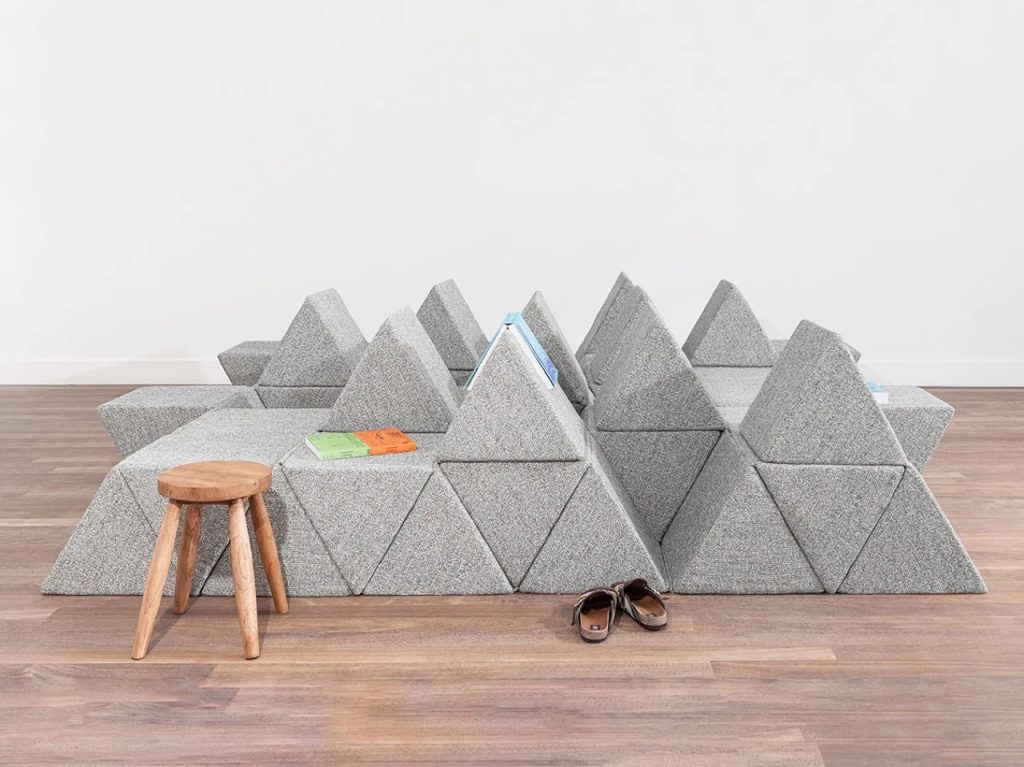
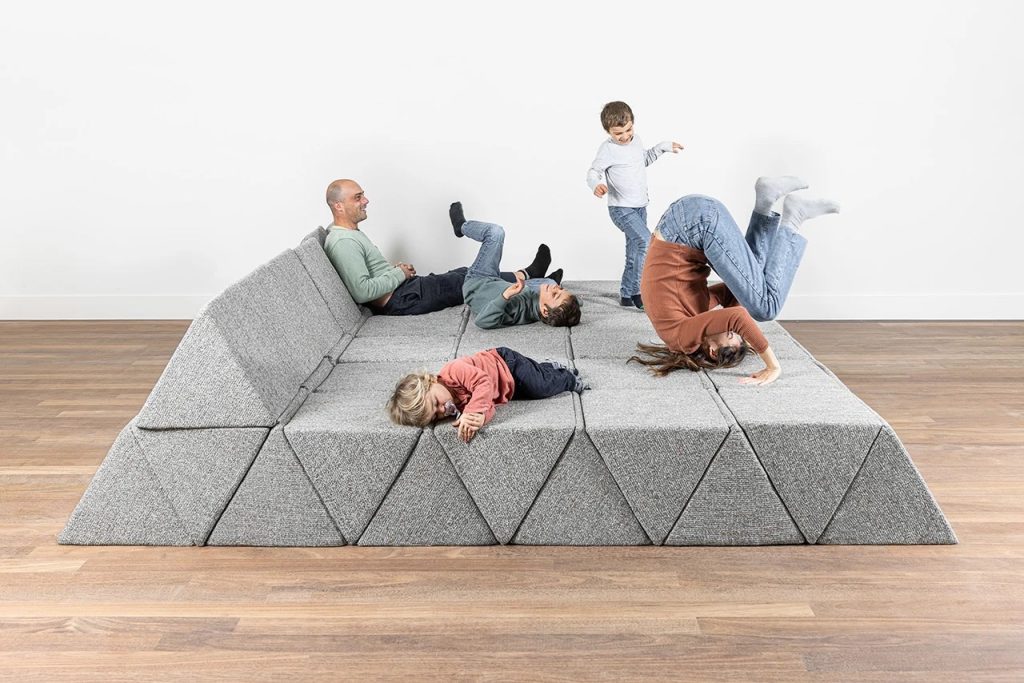
Peaks by Yves Béhar for Moooi
Developed for Moooi, Peaks is made from a series of triangular foam modules that can be flipped, folded, rotated, and rearranged. Instead of one conventional sofa configuration, the system creates a constantly changing landscape. The modules can form traditional seating, raised backrests, armrests, flat platforms, or a sunken conversation pit. For movie night, it can become something resembling stadium seating. For a board game, the pieces can gather around a central space. The sofa does not prescribe a single way of sitting. It provides the components and lets the user decide.
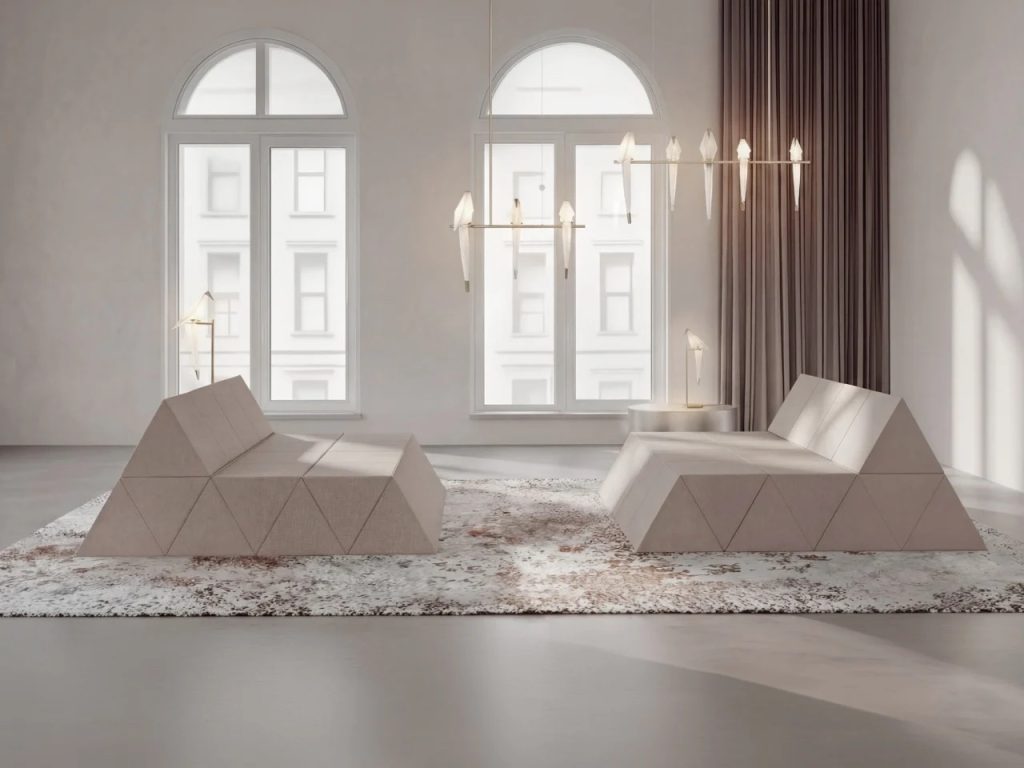
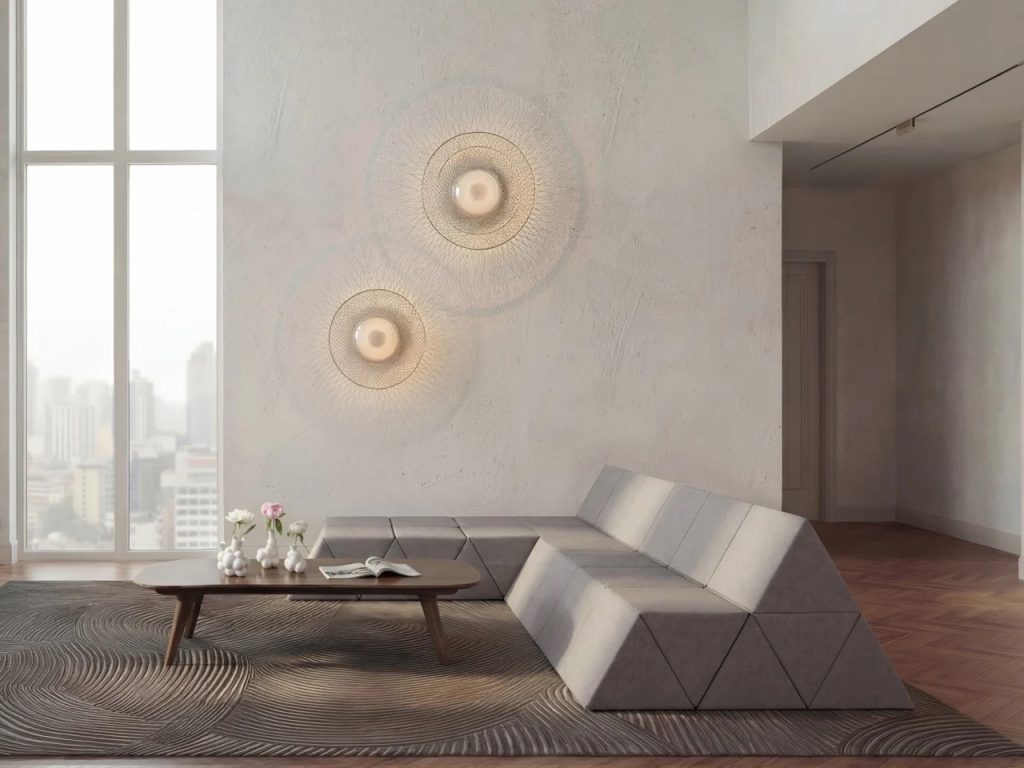
Peaks by Yves Béhar for Moooi
The modularity is supported by equally thoughtful construction. Dual-density foam gives each wedge enough structure to maintain its form while retaining the softness expected of lounge furniture. Concealed zippers and fabric hinges keep the components connected, while the absence of loose hardware means there are no screws, brackets, or connectors waiting to vanish under the furniture. It is modularity without the assembly manual.
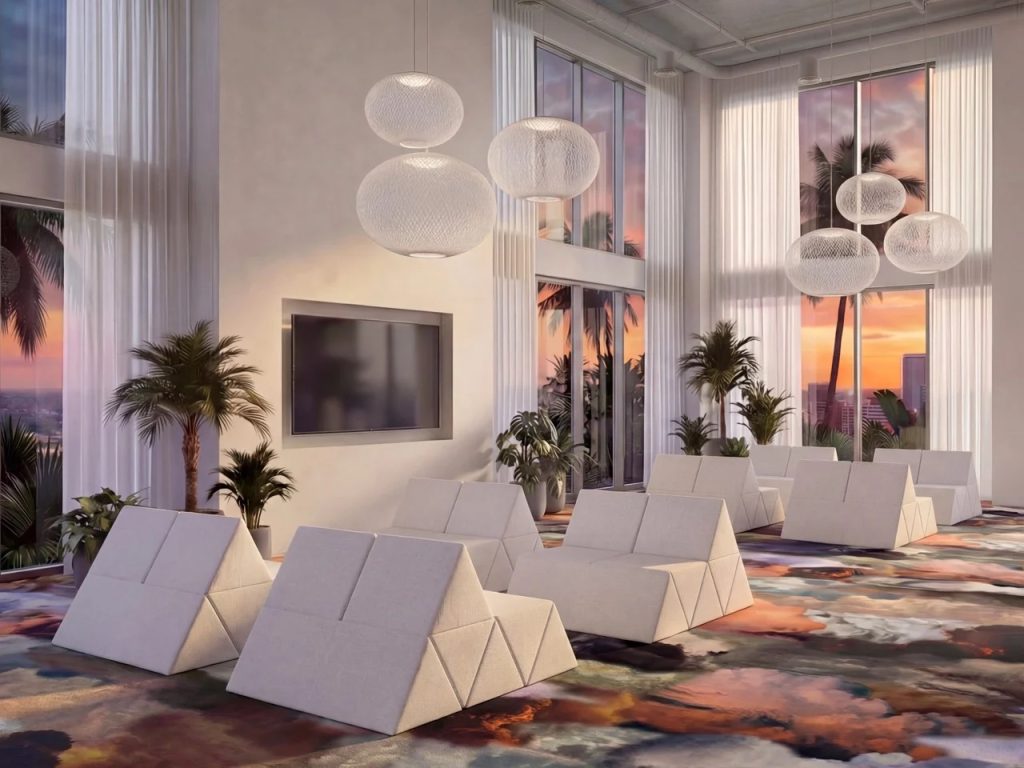
Peaks by Yves Béhar for Moooi
That distinction is important. Béhar’s design is rooted in the history of unconventional lounge furniture, recalling the sculptural experiments of designers such as Verner Panton and Pierre Paulin. But Peaks updates the idea of the conversation pit for a less permanent world. Traditional conversation pits were architectural commitments. Peaks offers the same sense of immersion without requiring the room itself to be redesigned. And its potential extends beyond the home, with Béhar exploring the system for coworking spaces, universities, hospitals, and other shared environments.
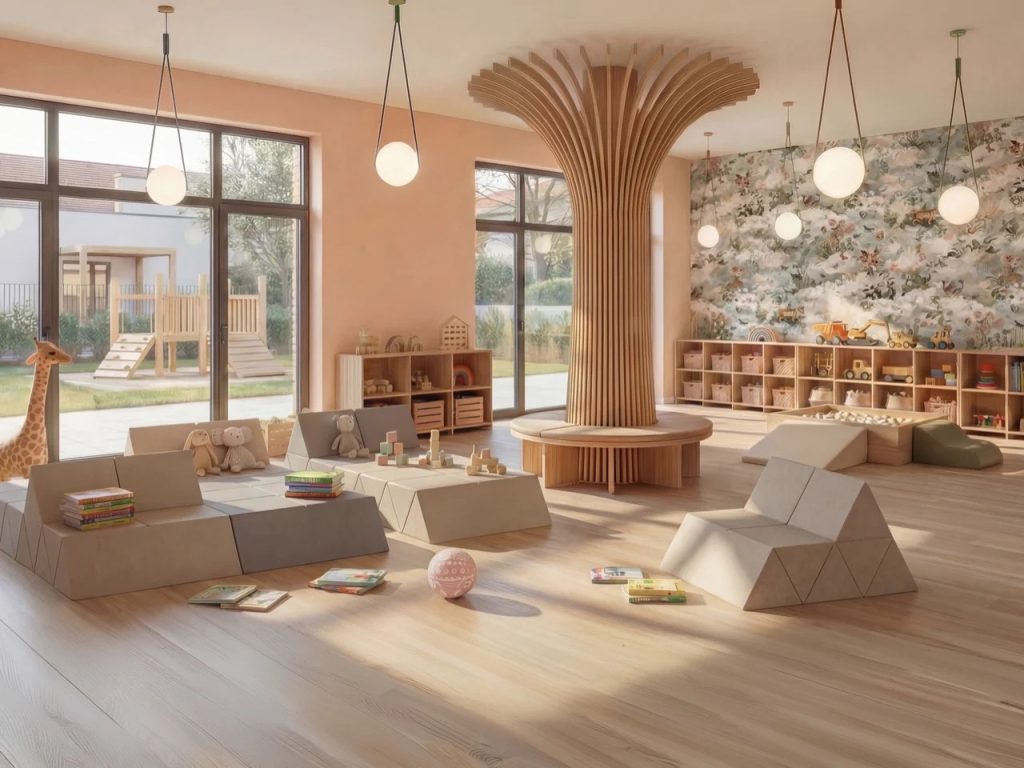
Peaks by Yves Béhar for Moooi
If Peaks demonstrates how modularity can make a single sofa behave like an entire landscape, Soufflé takes a similarly flexible approach but makes the transformation even softer.
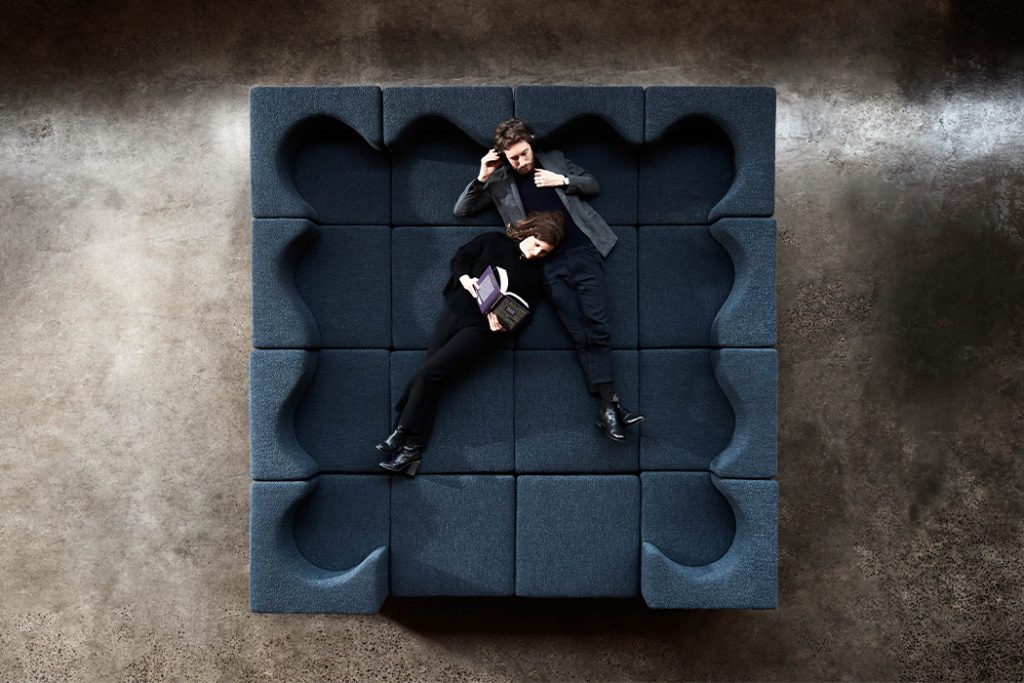
Soufflé by Foolscap Studio (also header image)
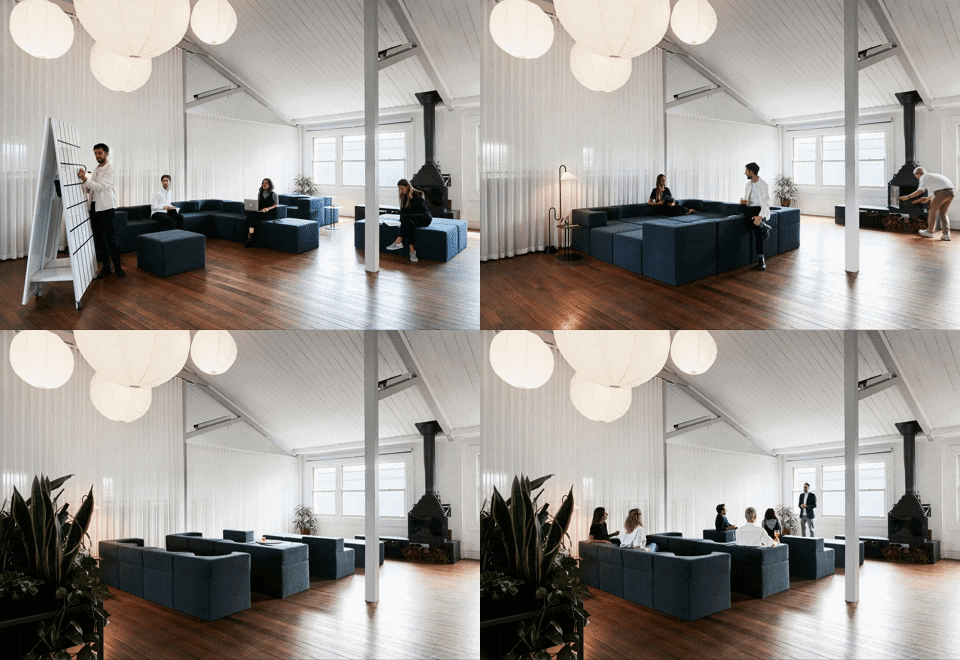
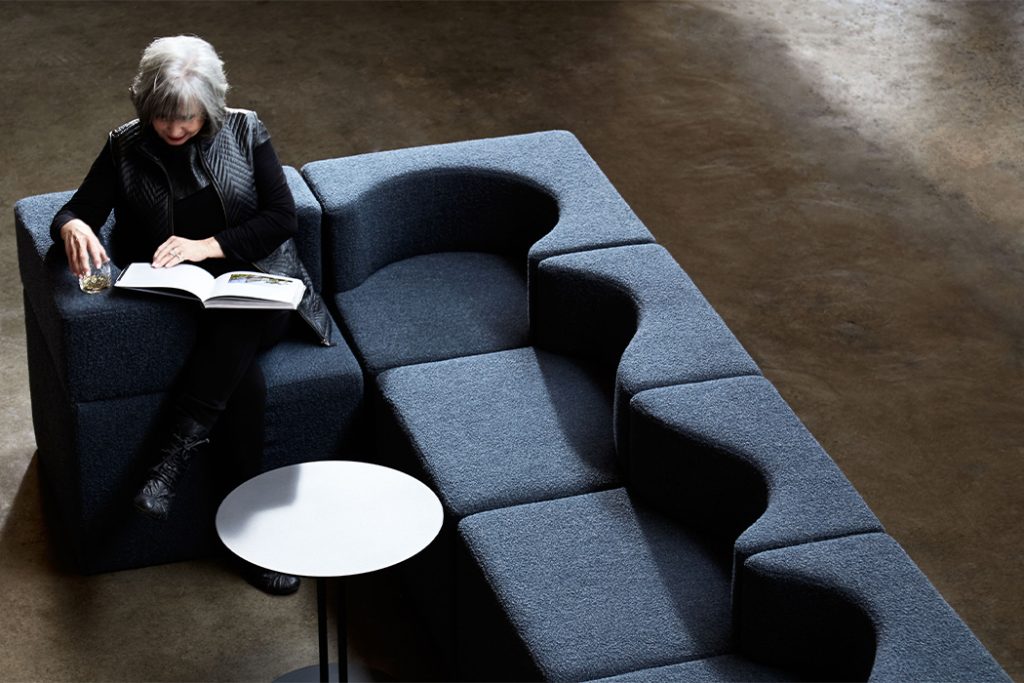
Created by Foolscap Studio, Soufflé is a modular sofa system designed around the idea that contemporary furniture needs to accommodate more than one lifestyle. Initially developed for the studio’s own office, the system was conceived to work across commercial and domestic environments, from workplace breakout areas and hotel lobbies to family living rooms.
Soufflé by Foolscap Studio
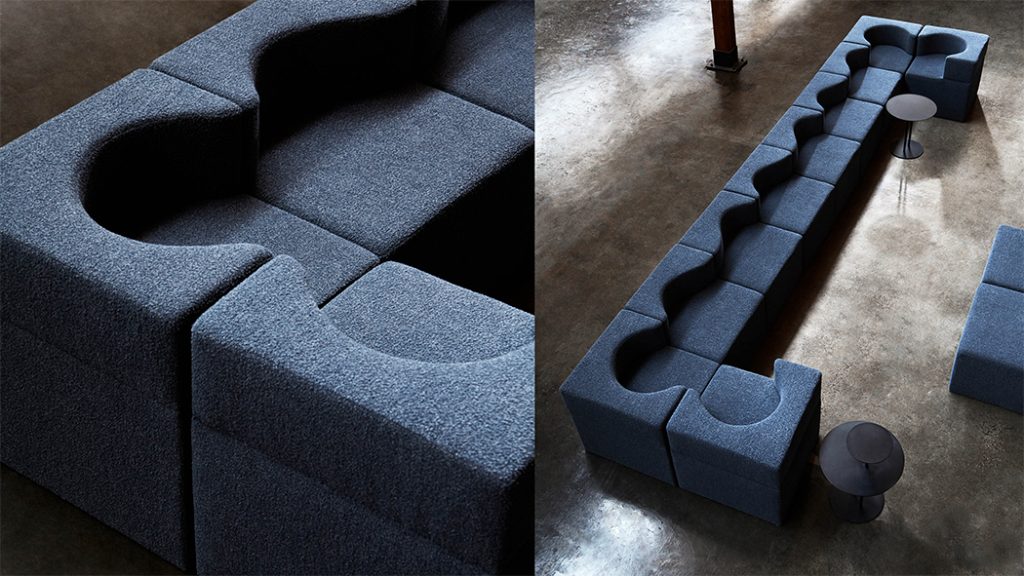
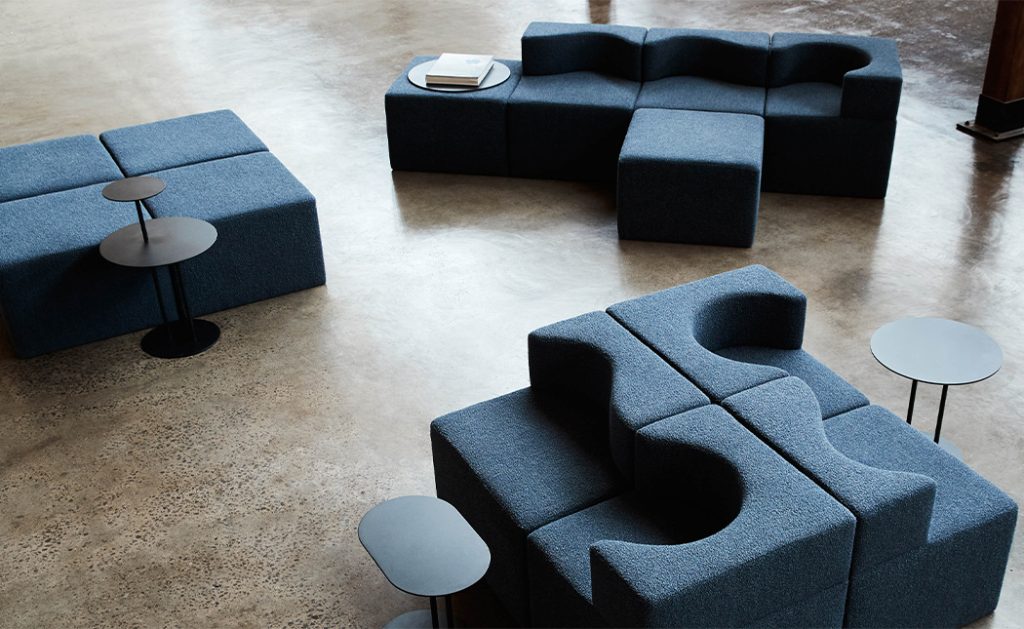
At home, its modules can be pushed together into a generous pit, creating a relaxed setting for movies, reading, naps, or conversation. Separated, they can form different seating arrangements depending on the room and the occasion. The sofa therefore becomes less of a single destination and more of a flexible platform for everyday life. It can support work in one moment and relaxation in the next without either function feeling like an afterthought.
Soufflé by Foolscap Studio
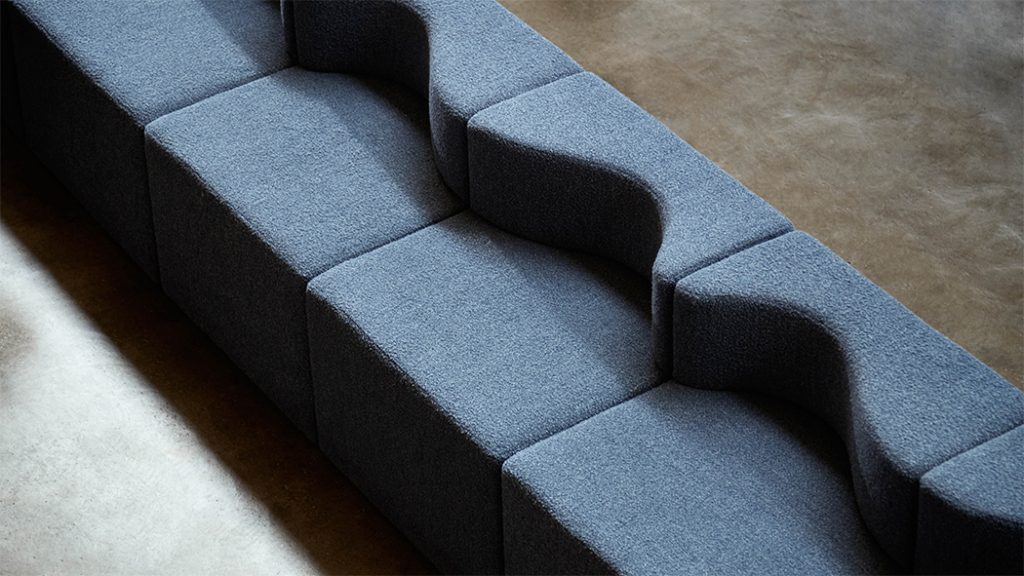
Its name reinforces that sense of lightness. Soufflé takes its name from the collective noun for clouds, an appropriate reference for a sofa defined by soft foam, rounded forms, and a fluid visual language. Its sinuous backrest contrasts with the more geometric modular blocks, creating a composition that changes character as the pieces move. Modularity here is not simply mechanical. It is also an aesthetic device, allowing the appearance of the sofa and the room to evolve together.
Soufflé by Foolscap Studio
Most importantly, Soufflé is designed to change with its user. A smaller arrangement might suit a compact apartment in someone’s twenties, while additional pieces or new configurations could work in a family home later in life. Eventually, individual modules could be passed on to friends or relatives rather than forcing the entire sofa to be replaced. In that sense, Soufflé treats modularity as a strategy for longevity. The sofa does not have to become obsolete simply because its owner’s circumstances have changed.
And then there is Summit Sofa, which takes the idea of modularity one step further by asking a different question: what should happen to a sofa when nobody is sitting on it?
Summit Sofa by Mousarris
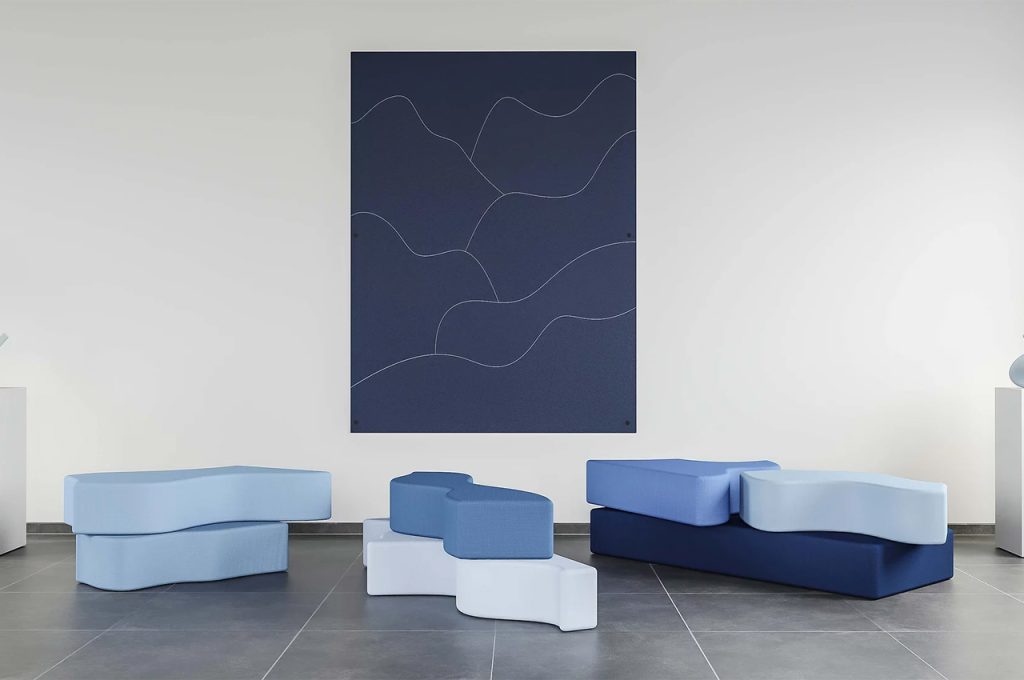
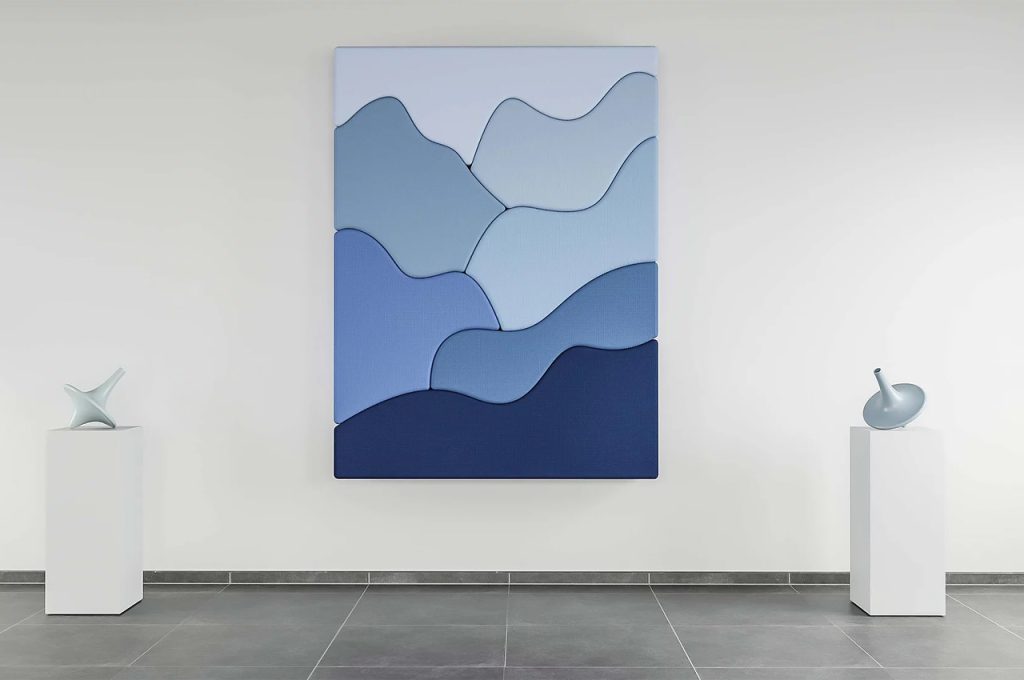
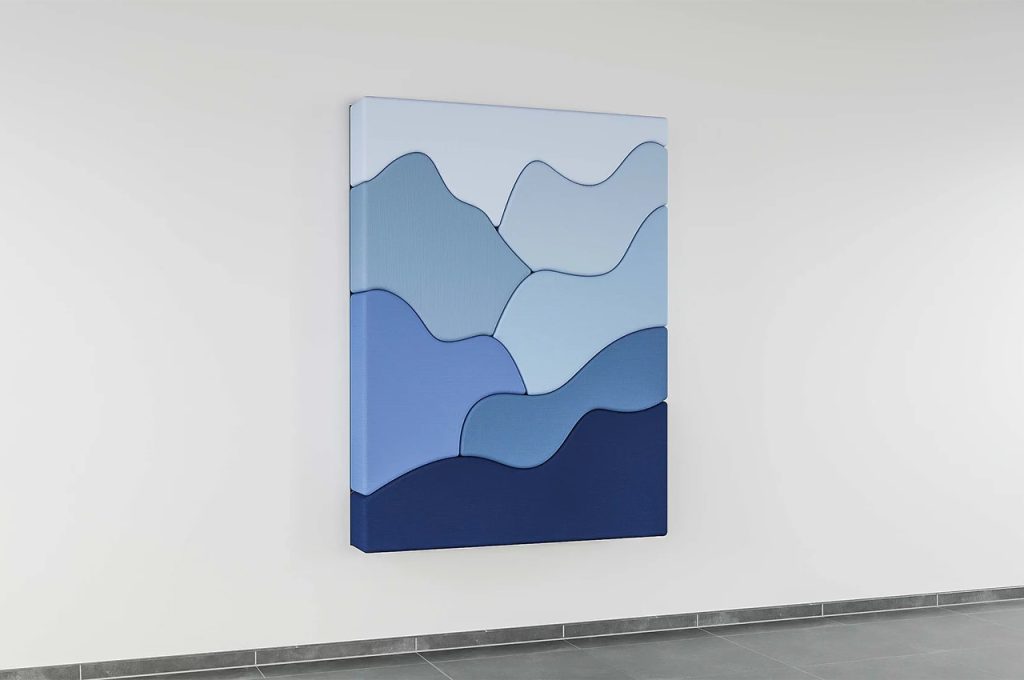
Designed by Cyprus-based studio Mousarris, the Summit Sofa combines modular seating with an ingenious space-saving system. Its curved cushions contain integrated magnets that allow them to connect to one another and form different sofa configurations. But when the sofa is not being used, the cushions can be attached to a magnetic wall board, where they become a minimalist piece of artwork.
Summit Sofa by Mousarris
It is a particularly clever response to the challenges of small-space living. Instead of allowing a sofa to occupy valuable floor space around the clock, Summit effectively puts the furniture away in plain sight. The cushions become part of the wall, leaving the room open and uncluttered. When seating is required, they simply come down and reconnect on the floor.
Summit Sofa by Mousarris
The system also challenges the assumption that modular furniture has to look like a collection of disconnected components. When assembled on its magnetic base, the cushions create a deliberate sculptural composition. When detached, they become functional seating. The sofa therefore has two identities, and neither feels secondary. It is artwork when it is not a sofa and a sofa when the room needs one.
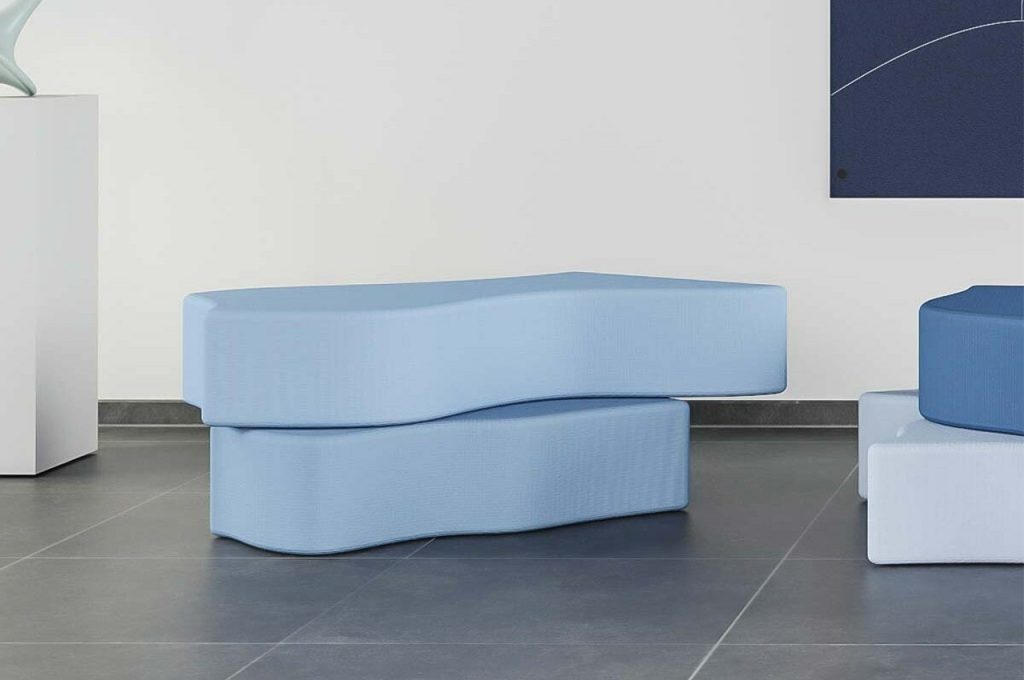
Summit Sofa by Mousarris
Like Peaks and Soufflé, Summit gives users control over the configuration rather than imposing a single arrangement. The difference is that its modularity addresses not only how we sit, but where the sofa exists within the room. It can occupy the floor when needed and the wall when it is not. For compact homes in particular, that is a compelling proposition.
Our homes are increasingly expected to accommodate multiple activities, changing household structures, limited space, and shifting routines. A fixed sofa can only respond by sitting there. A modular sofa can respond by changing. Although Peaks, Soufflé, and Summit take very different approaches, they share a simple idea: the sofa no longer needs to have one permanent configuration. And perhaps that is where the sofa is heading next: not toward more technology or more features, but toward more freedom.