For decades, inflatable furniture occupied an awkward corner of design culture. It was associated with temporary dorm rooms, novelty interiors, and transparent plastic experiments from the late twentieth century. Today, however, designers are giving air-filled objects a remarkably sophisticated second life. What makes the movement so compelling is not simply the material itself, but the questions it raises. Can furniture become lighter, softer, and more adaptable without losing credibility? Can inflatable objects encourage new forms of interaction and domestic ritual? And perhaps most importantly, can something historically dismissed as playful become genuinely meaningful?
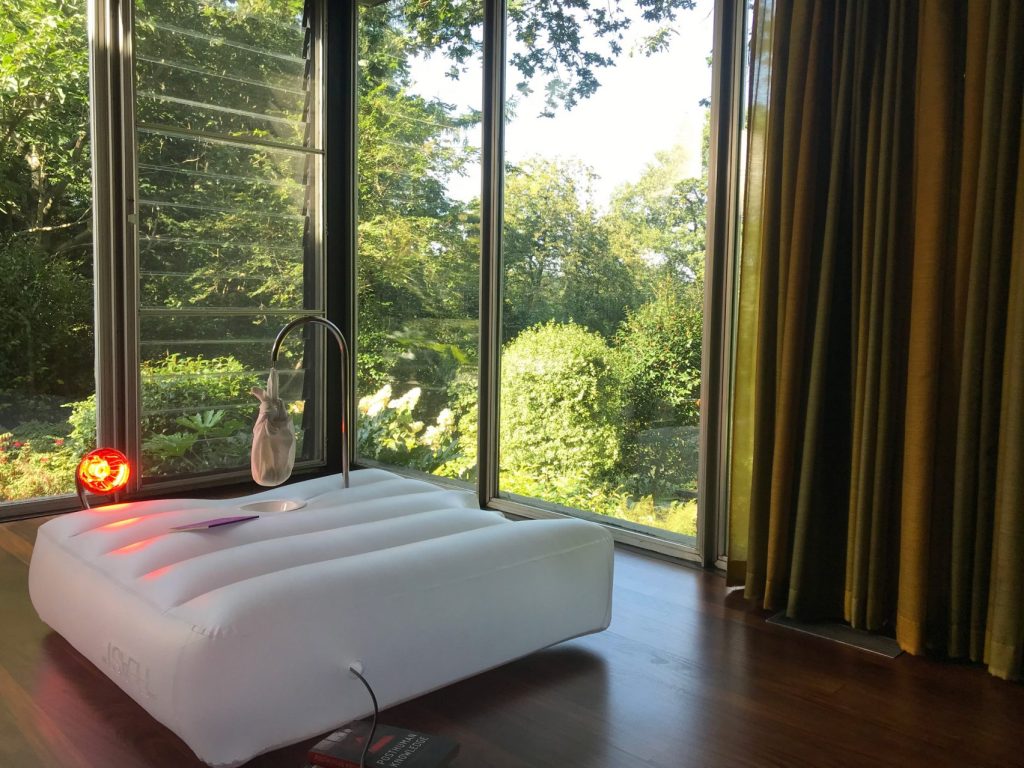
Inflatable furniture by The Decorators
The most conceptually ambitious example comes from design collective The Decorators, whose inflatable furniture series transforms everyday fermentation into a communal design experience. Rather than treating furniture as static equipment, designers Xavier Llarch Font and Mariana Pestana created objects that actively participate in biological processes. Their collection includes Kimchi-Pool, a twelve-person inflatable table for making kimchi, Cheese-Board for preparing labneh, and Sofa-Bread, a lounge-like seating system designed for waiting while bread dough proves.
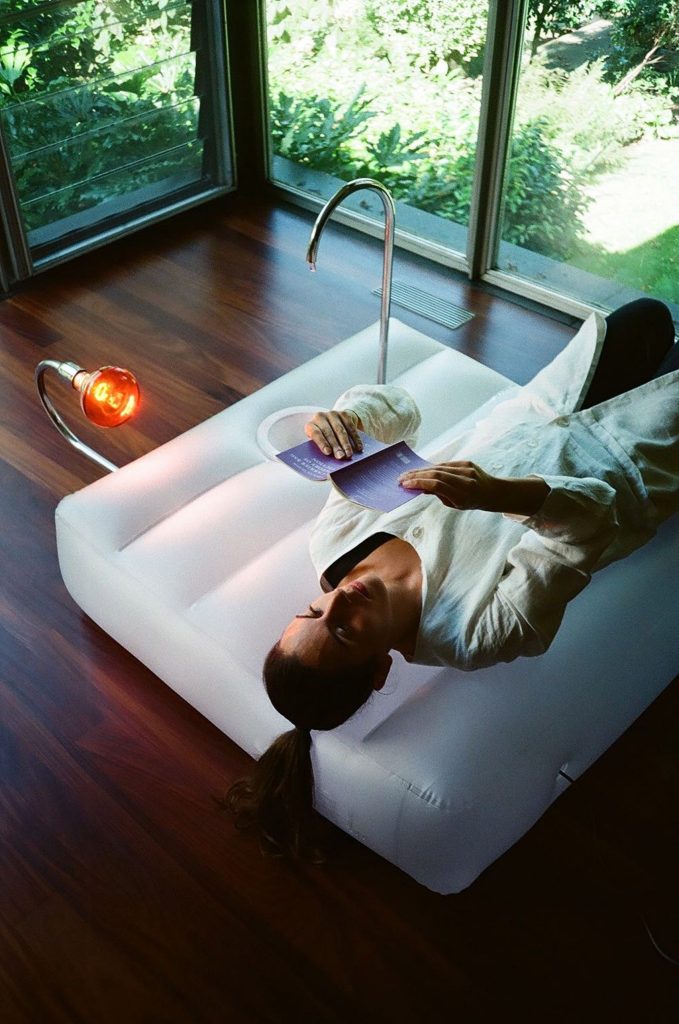
Inflatable furniture by The Decorators
At first glance, the objects resemble oversized playground sculptures. Yet beneath their soft forms lies a sophisticated reflection on microbes, domesticity, and collective behaviour. The designers were particularly interested in challenging the fear surrounding bacteria that intensified during the Covid-19 era. Instead of presenting microbes as threats, the project reframes them as collaborators in both health and social connection. Fermentation becomes more than a culinary act. It becomes a shared ritual that physically gathers people around living processes.
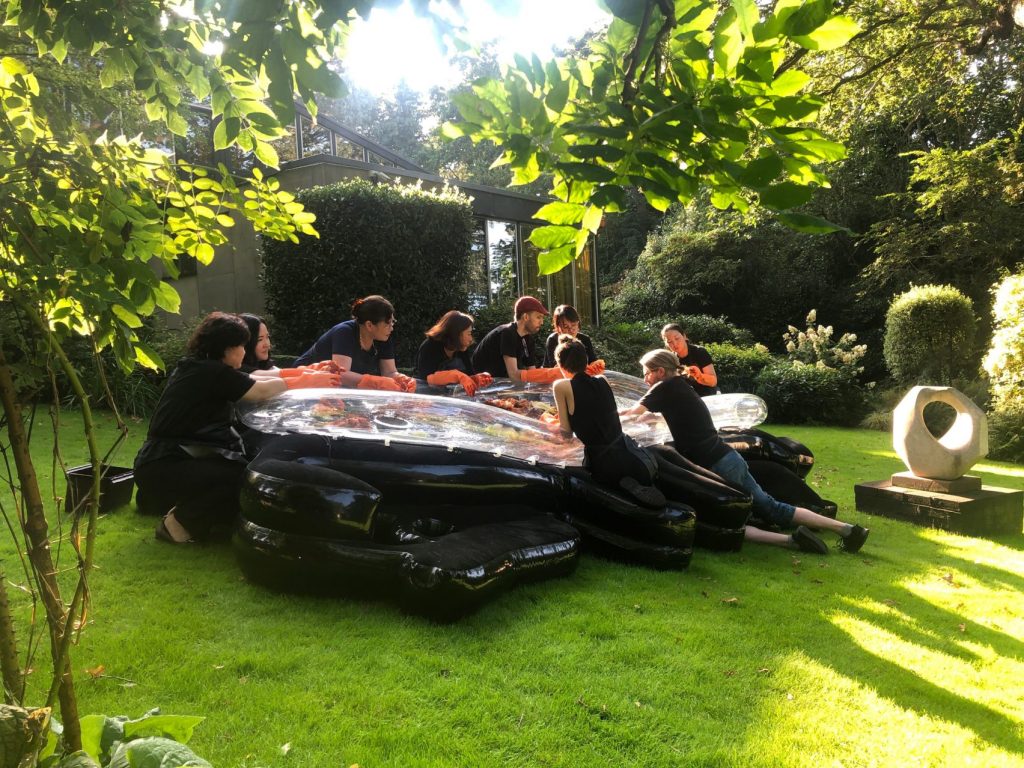
Inflatable furniture by The Decorators
Kimchi-Pool is perhaps the clearest expression of this philosophy. Its circular basin structure allows up to twelve participants to kneel or sit together while preparing fermented cabbage and radish. The furniture creates intimacy through proximity, encouraging conversation, cooperation, and tactile engagement. Cheese-Board adopts a quieter tone, functioning simultaneously as a preparation surface and drying rack for labneh. Meanwhile, Sofa-Bread introduces an unexpectedly humorous domestic scene where lounging and fermentation happen side by side.
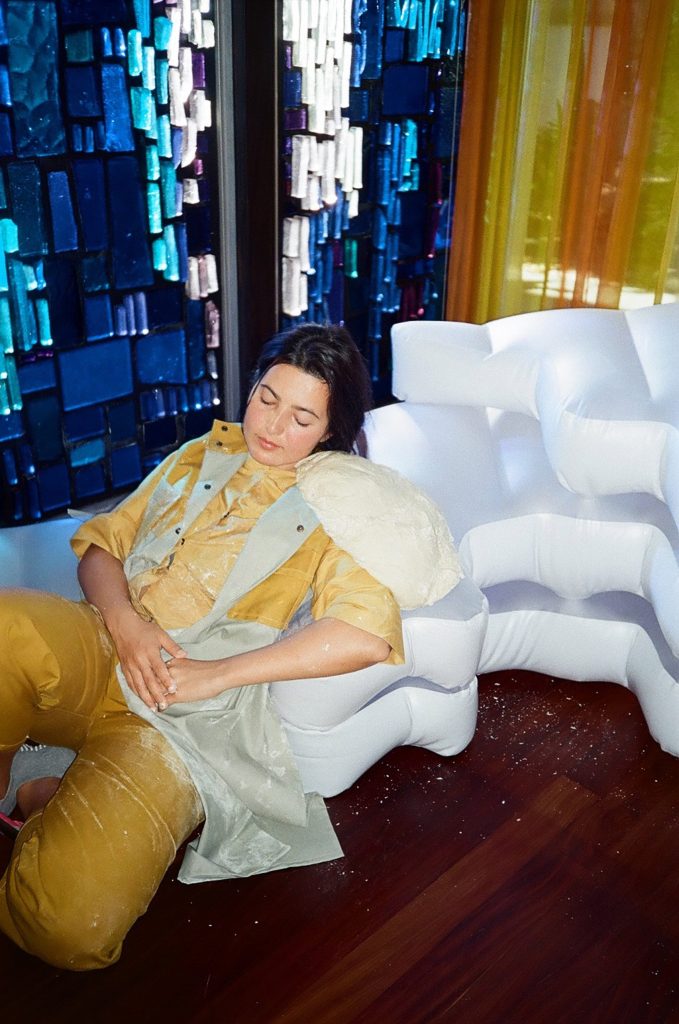
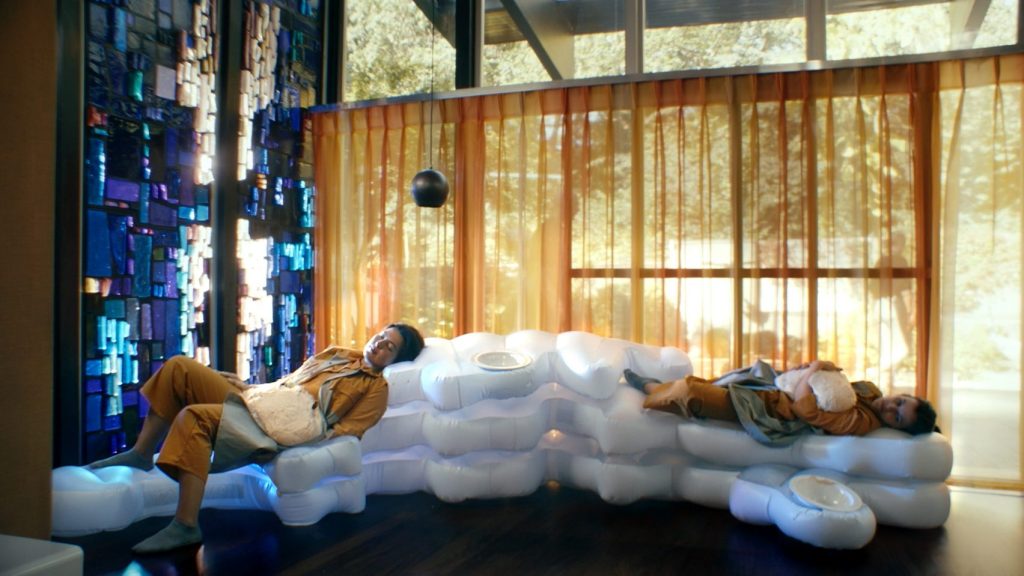
Inflatable furniture by The Decorators
What makes The Decorators’ work so effective is its refusal to separate design from biology. These inflatable forms are not simply containers or props. They become active participants in the rhythms of cooking, waiting, and gathering. In doing so, the project suggests a future where furniture is less about ownership and permanence and more about facilitating experiences between humans, materials, and even microorganisms.
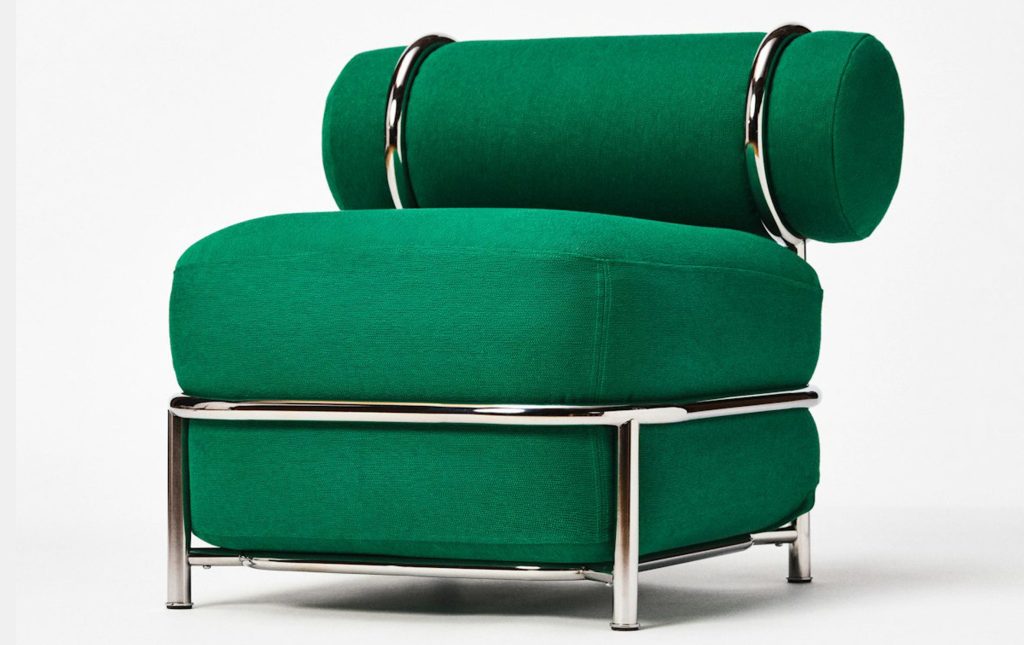
PS 2026 Easy Chair by Mikael Axelsson for IKEA (also header image)
While The Decorators approach inflatables through social experimentation, IKEA has returned to the category with a far more industrial challenge: making inflatable furniture commercially credible again. At Milan Design Week, the company introduced the PS 2026 Easy Chair, designed by Mikael Axelsson, marking IKEA’s first major inflatable seating project since the failure of its late-1990s a.i.r collection.
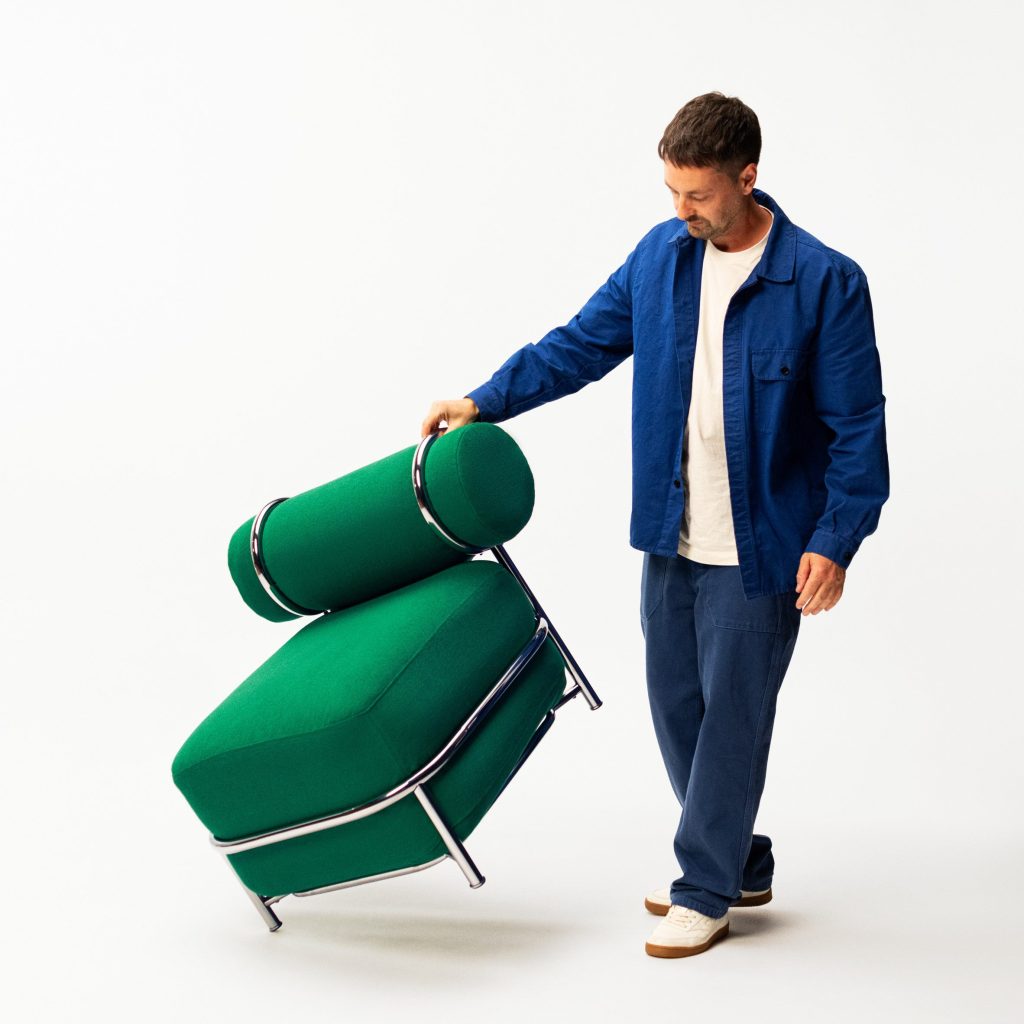
PS 2026 Easy Chair by Mikael Axelsson for IKEA
The story behind the chair reveals how dramatically design attitudes have shifted over the last decade. Axelsson reportedly conceived the idea as early as 2014, but the proposal initially generated hesitation inside the company. Inflatable furniture still carried cultural baggage. It was perceived as unstable, gimmicky, and insufficiently serious. Rather than abandoning the concept, Axelsson spent years refining a system that could address precisely those criticisms.
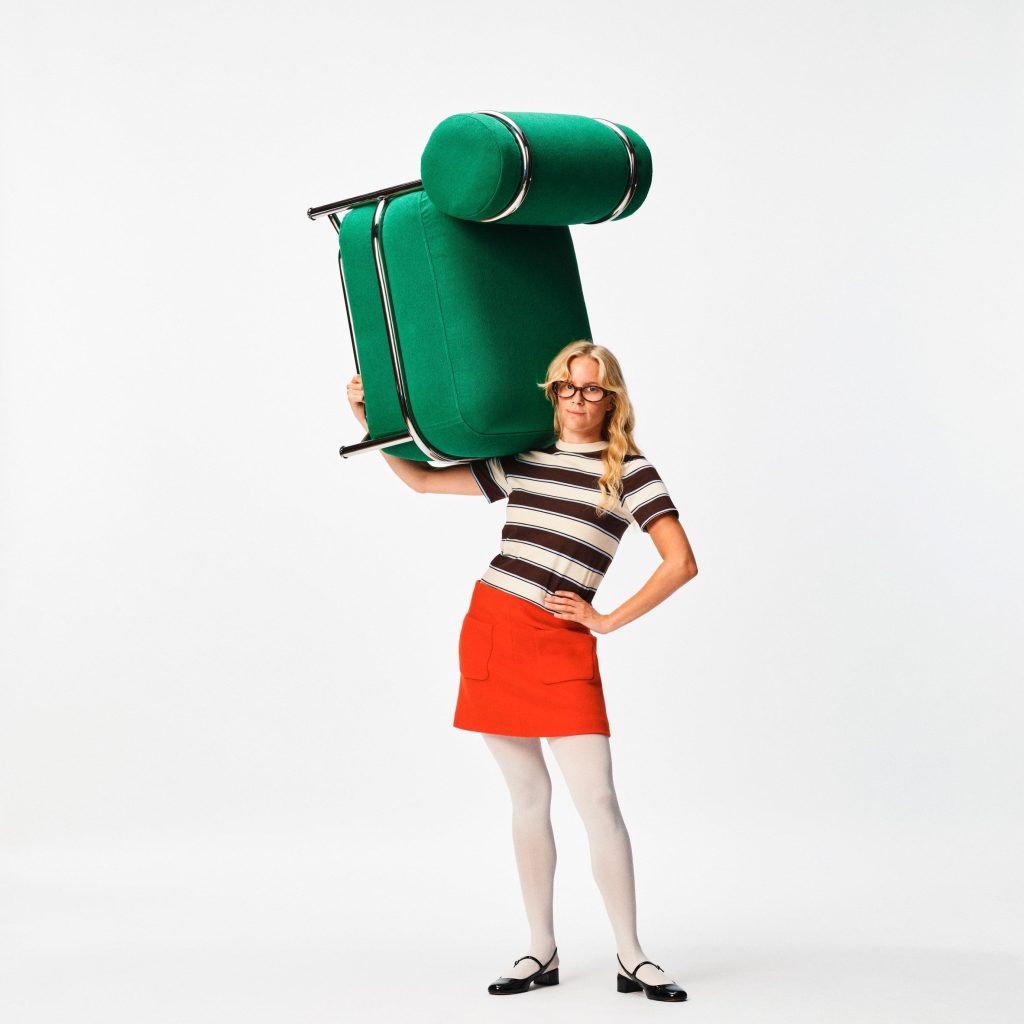
PS 2026 Easy Chair by Mikael Axelsson for IKEA
The resulting chair combines two inflatable cushions with a rigid carbon steel frame, creating a hybrid between softness and structure. This detail is crucial. Earlier inflatable furniture often drifted, bounced, or collapsed under movement, undermining any sense of permanence. By trapping the air-filled forms within a steel skeleton, the chair gains visual stability and physical grounding while retaining the lightweight advantages of inflatable design.
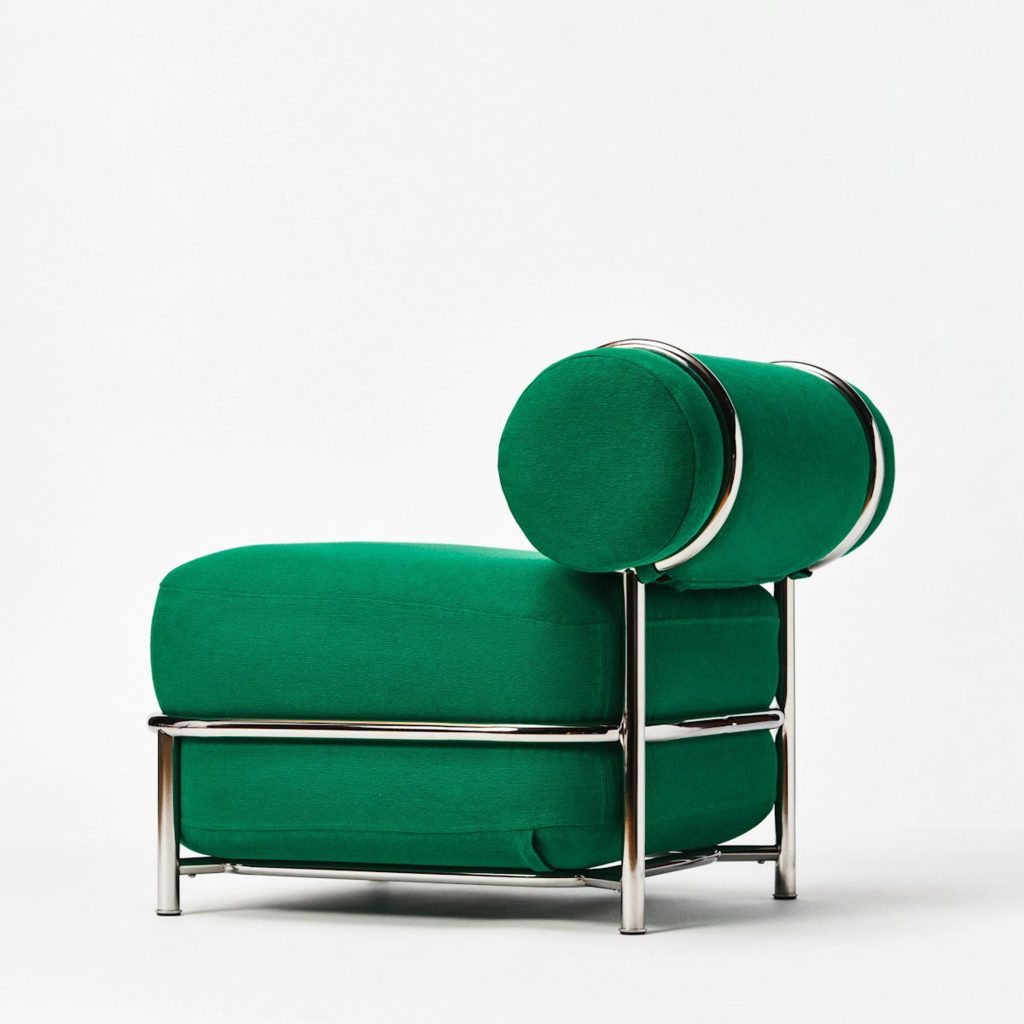
PS 2026 Easy Chair by Mikael Axelsson for IKEA
Equally significant is IKEA’s emphasis on comfort engineering. Unlike foam, air shifts constantly under body weight, making ergonomic control surprisingly difficult. The PS 2026 chair tackles this through layered air chambers that allow different pressure zones within the seat. Users can subtly adjust firmness while maintaining support, an approach that transforms air from a novelty into a responsive material system.
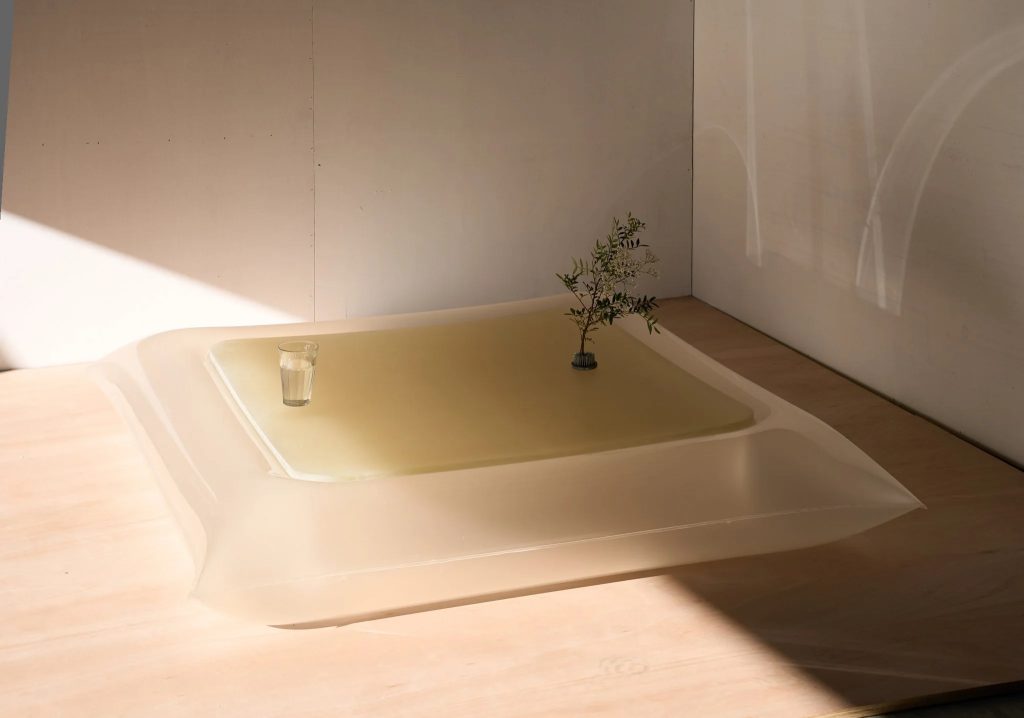
Inflatable Table 001 by Jabez Bartlett
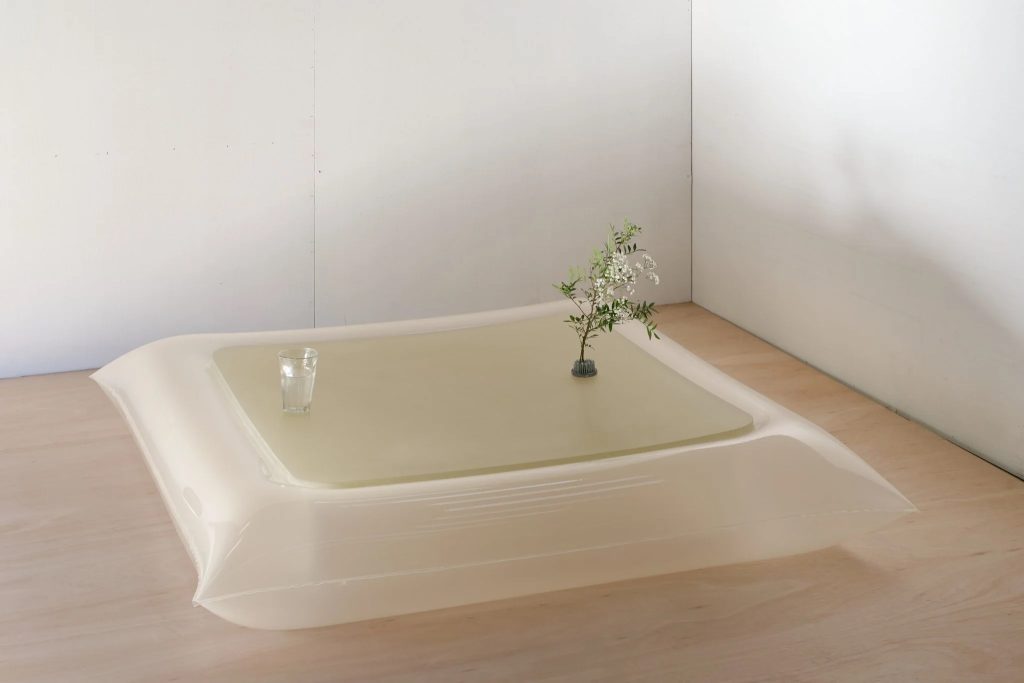
If IKEA demonstrates how inflatables can re-enter mainstream furniture culture, emerging British designer Jabez Bartlett offers a more atmospheric interpretation. His Inflatable Table 001, presented at Alcova during Milan Design Week, applies a cinematic sensibility to furniture design with striking results.
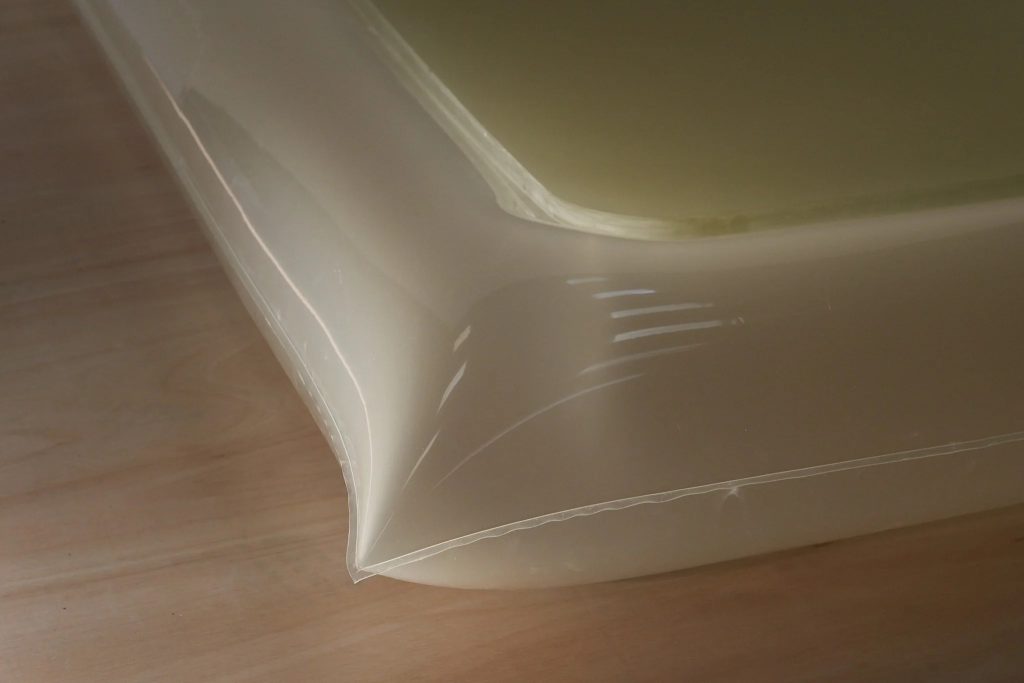
Inflatable Table 001 by Jabez Bartlett
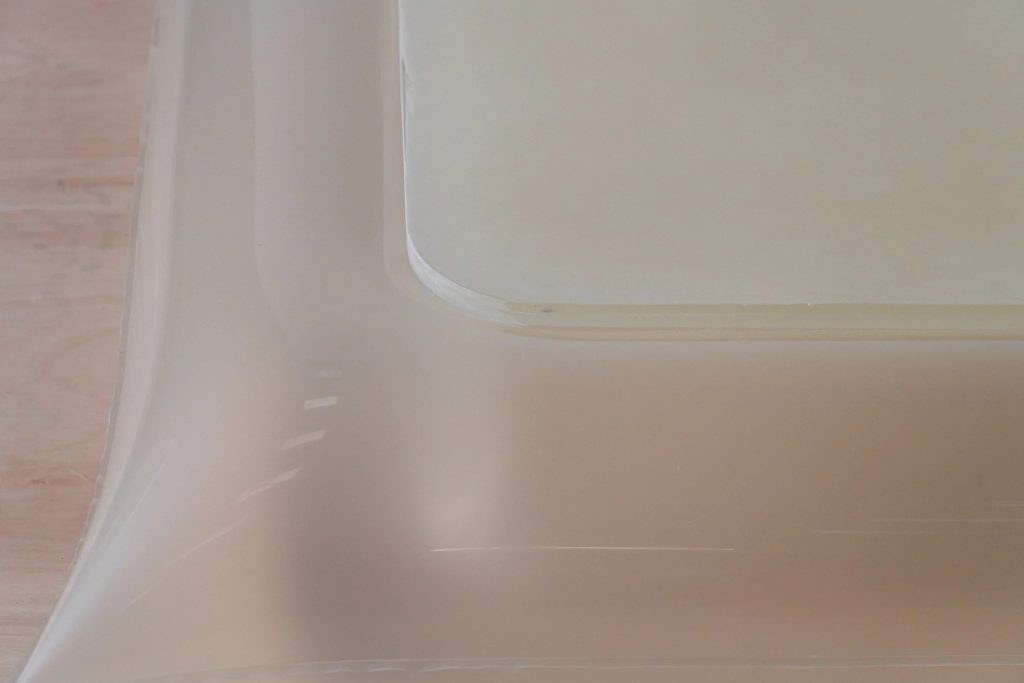
Bartlett’s background in production design is immediately visible in the table’s dramatic materiality. Constructed from pillowy PVC and topped with an opalescent resin surface, the piece exists somewhere between prop, sculpture, and domestic object. The glossy tabletop appears almost liquid under changing light, creating an irresistible tactile quality that invites touch despite its apparent fragility.
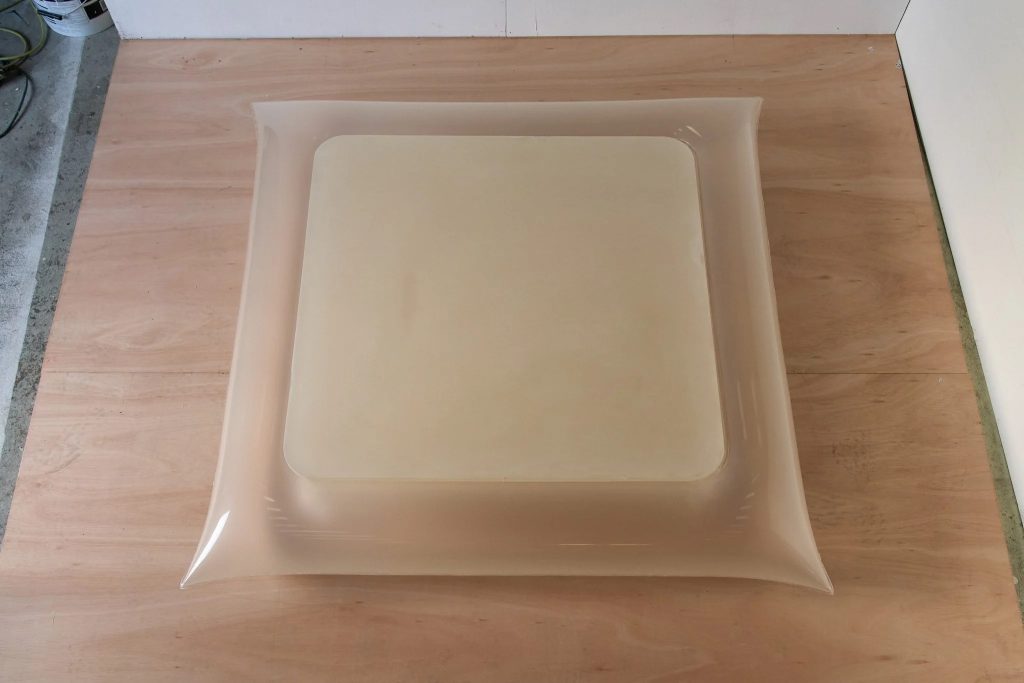
Inflatable Table 001 by Jabez Bartlett
What distinguishes Bartlett’s work from many experimental inflatables is its ambition toward permanence. Inflatable furniture has traditionally embraced ephemerality, often celebrated for its disposability or temporary nature. Bartlett instead attempts to elevate the material into something emotionally durable. By pairing soft air-filled forms with a carefully finished resin surface, he creates an object that feels both dreamlike and substantial.
Inflatable Table 001 by Jabez Bartlett
Inflatable furniture may once have symbolised impermanence and novelty, but today it represents something far more sophisticated. It reflects a design culture increasingly interested in flexibility, participation, and sensory experience. In each of the three projects, air becomes more than a material. It becomes a medium for rethinking how furniture behaves, feels, and connects people to their environments.