The humble handbag is having a design moment. No longer content to simply carry our essentials, today’s most interesting bags are becoming experiments in material, storytelling, structure, and even a little bit of humor. These designs show that good design is often less about adding something new than about seeing something familiar differently.
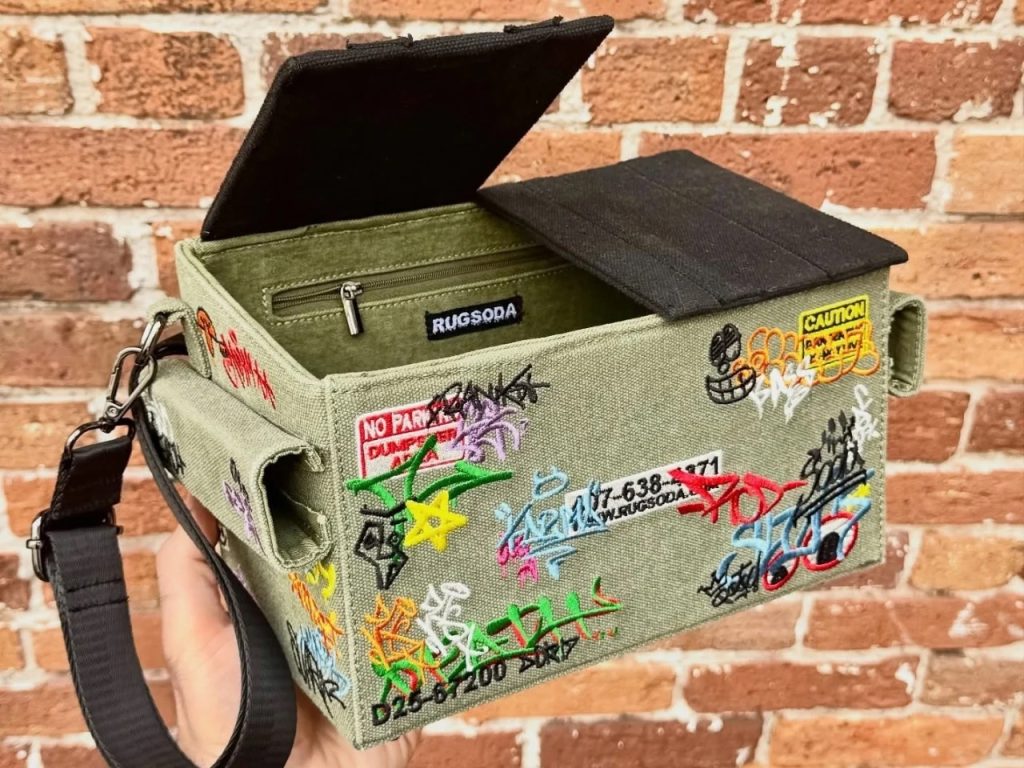
Dumpster Bag by Rugsoda
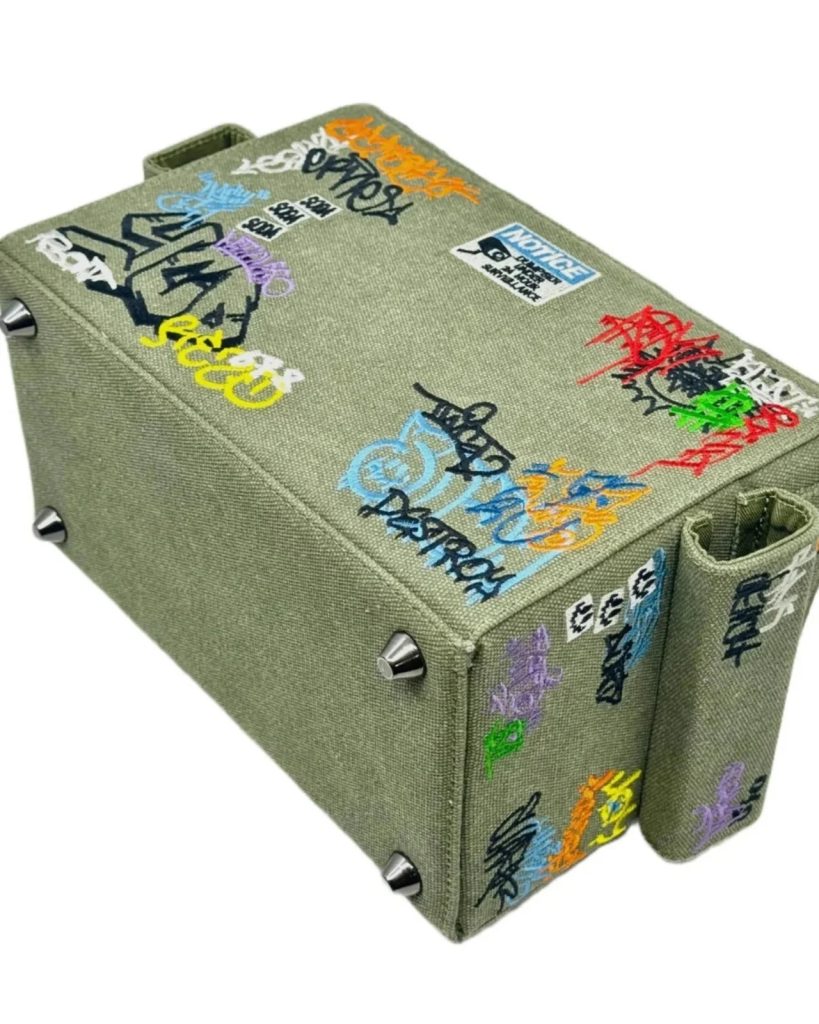
Anyone who has carried an oversized tote knows the familiar ritual: reach inside, move a few mysterious objects around, and hope the keys eventually reveal themselves. The larger the bag, the more it can start to resemble a personal storage unit. Rugsoda’s Dumpster Bag takes that everyday experience and pushes it into wonderfully literal territory. Shaped like a miniature commercial dumpster, the canvas shoulder bag turns the chaos of a stuffed tote into the central idea of the design.
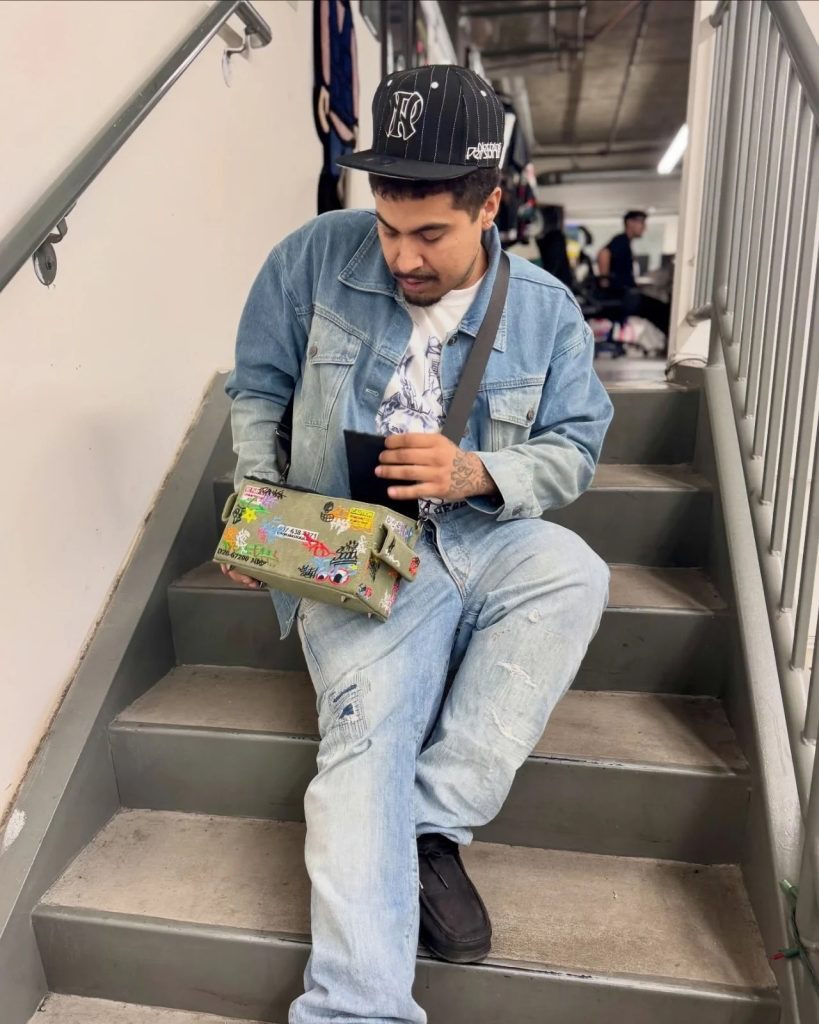
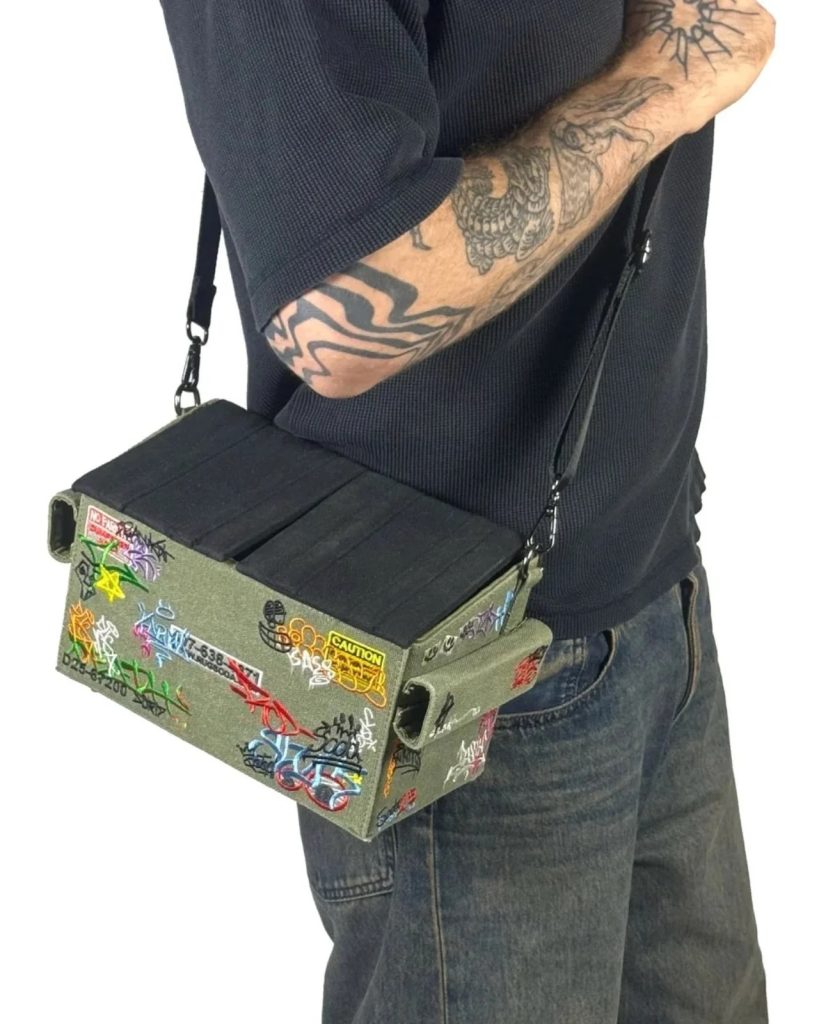
Dumpster Bag by Rugsoda
At first glance, the concept is pure visual comedy. The squared-off silhouette, flip-up lids, embroidered graffiti, and unmistakably industrial proportions make the bag look as though someone shrank an alleyway dumpster and sent it onto the runway. Yet the joke is supported by thoughtful functionality. Its compact dimensions of 12 by 7 by 6 inches provide enough room for everyday essentials such as a phone, wallet, keys, sunglasses, and cosmetics, while its structured shape makes those items easier to locate than they might be in a deep, shapeless tote. Magnetic closures keep the lids secure while allowing quick access, and an adjustable strap lets it work as either a shoulder or crossbody bag.
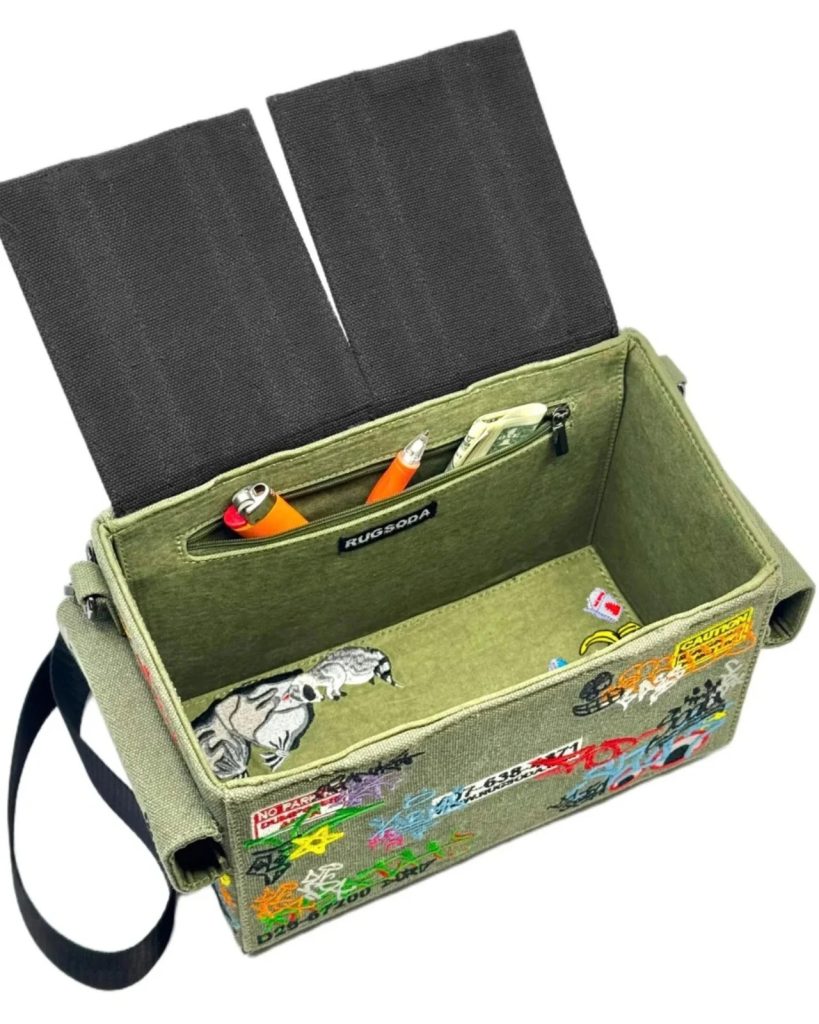
Dumpster Bag by Rugsoda
The details are where the concept becomes more than a novelty. An embroidered raccoon hides inside, a playful reference to the creatures famously associated with rummaging through trash. Small studs on the bottom raise the canvas slightly from the ground, adding a practical touch to what could otherwise have been purely decorative. Even the material choice matters. Canvas softens the rigid geometry of the dumpster form, giving the bag a tactile, almost handmade quality rather than making it feel like a miniature plastic container.
Yiayia Transformable Bag by Sophia Lampropoulou (also header image)
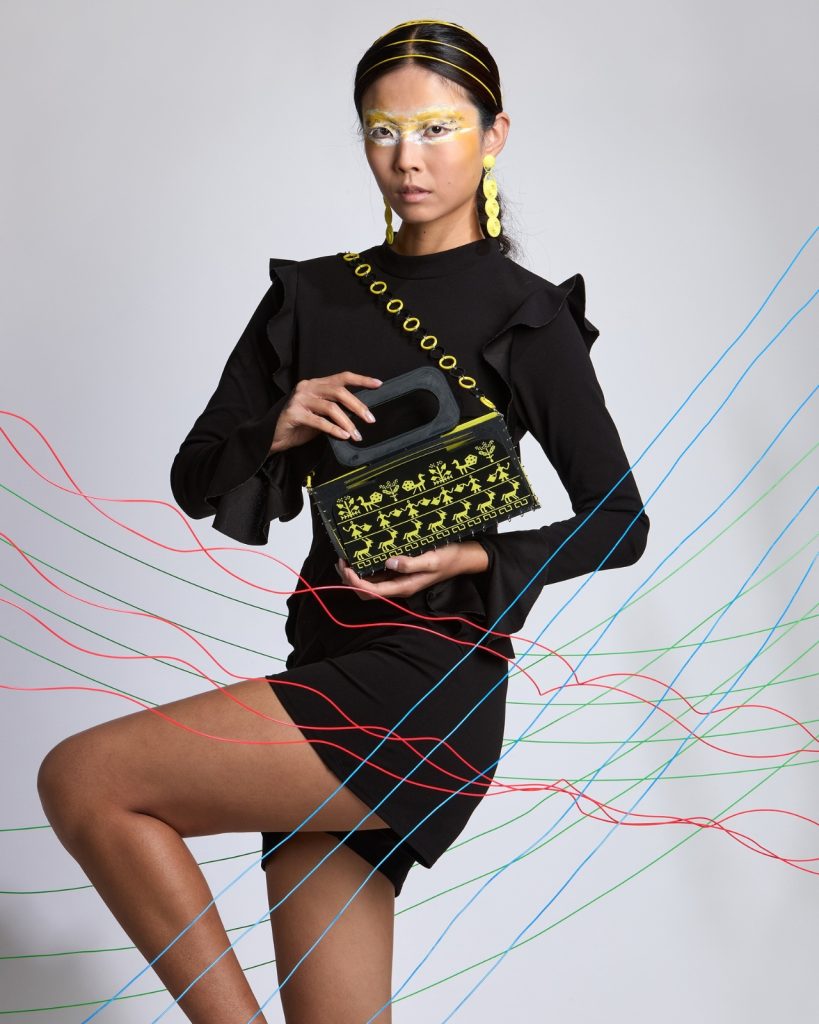
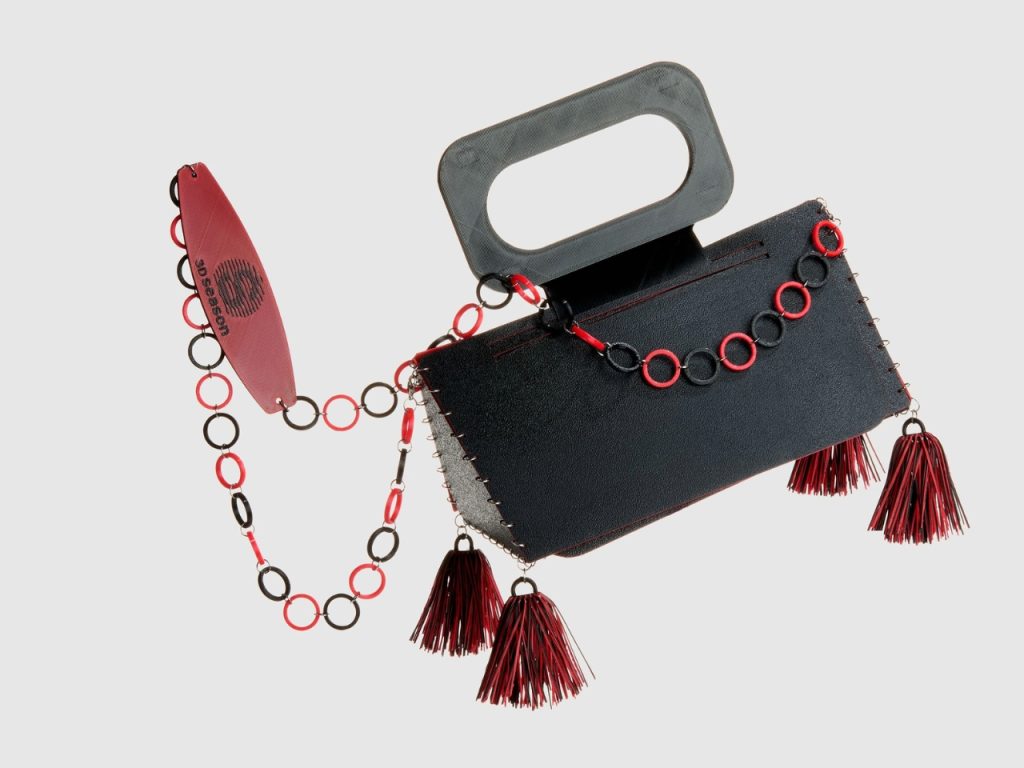
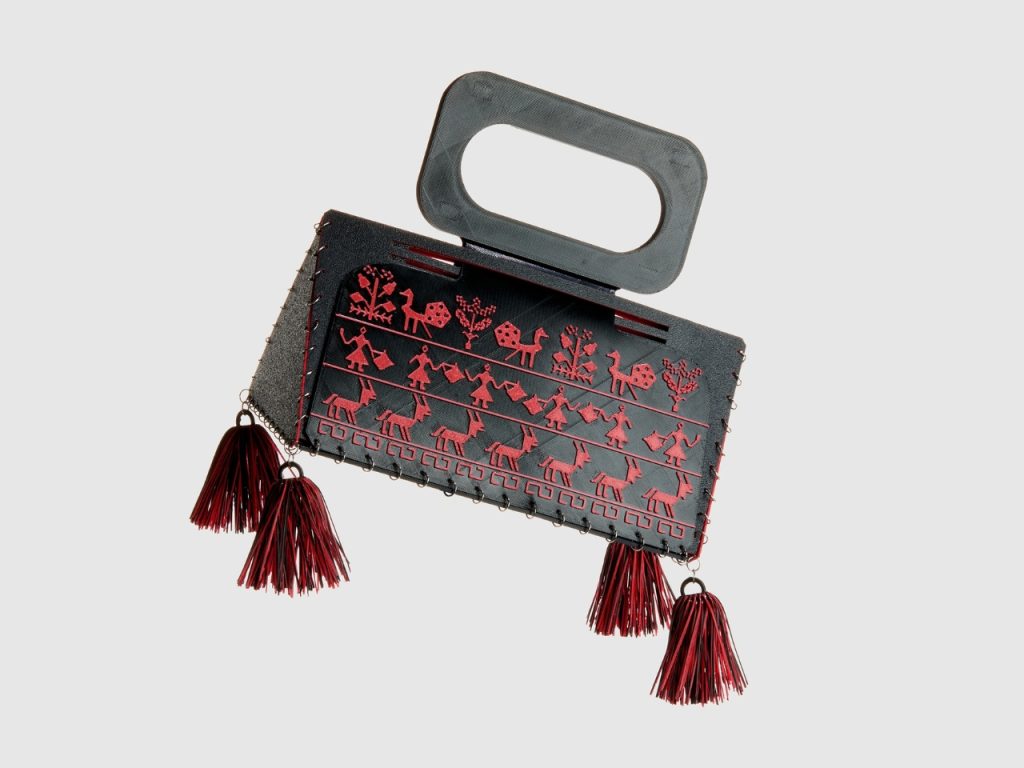
If the Dumpster Bag finds inspiration in the urban landscape, the Yiayia Transformable Bag by Sophia Lampropoulou begins somewhere much more personal. The project takes its name from the Greek word for grandmother and is rooted in an authentic Cretan embroidery pattern originally stitched by Lampropoulou’s grandmother. Rather than treating heritage as a decorative theme, the designer used a genuine family artifact as the starting point for a contemporary fashion object.
Yiayia Transformable Bag by Sophia Lampropoulou
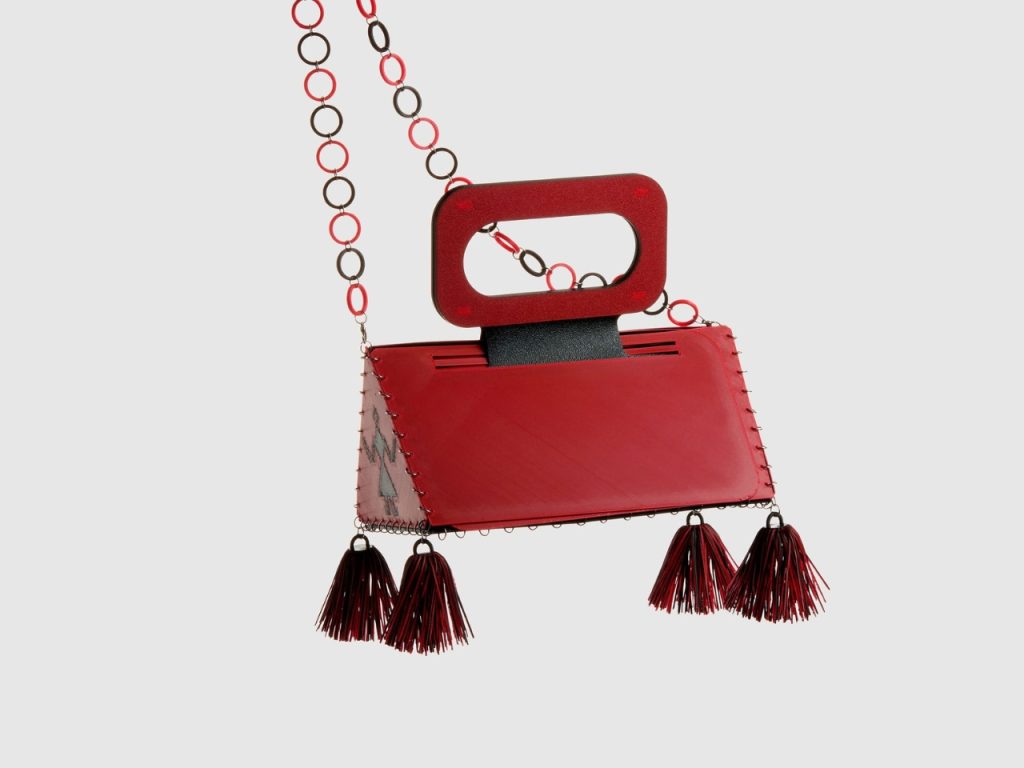
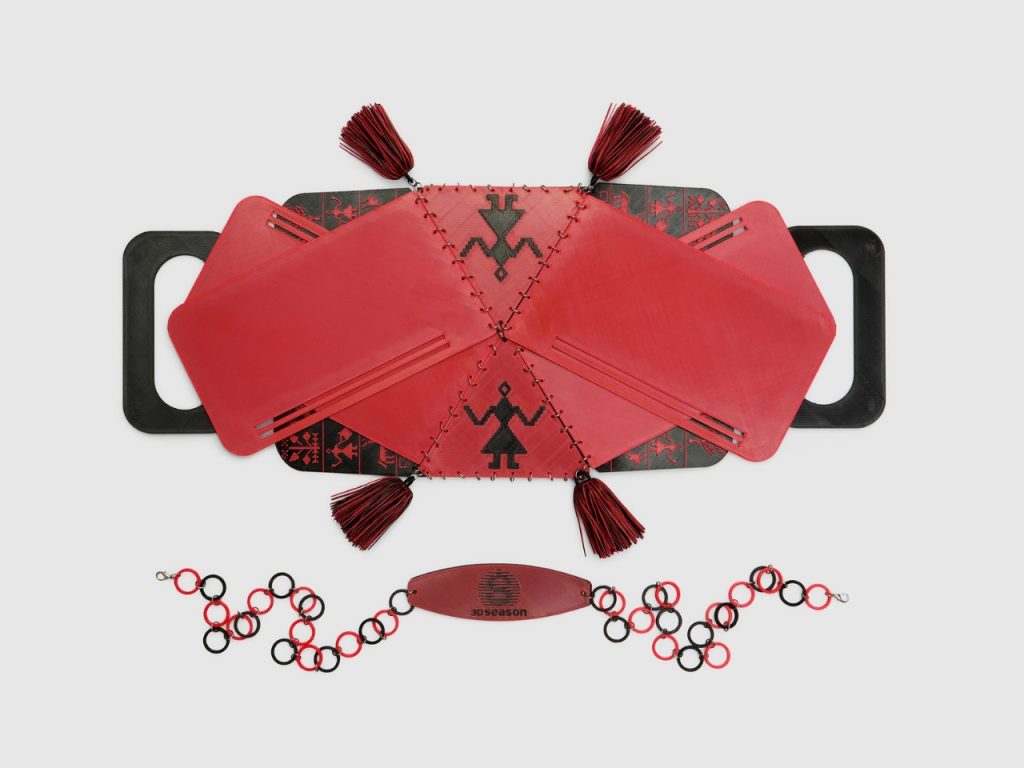
That distinction is important. Cultural references in design can sometimes become superficial, reduced to colors, motifs, or patterns detached from their original meaning. Yiayia takes the opposite approach. The grandmother’s embroidery was digitized and transformed into a flexible, modular surface using TPU, a durable and elastic 3D-printing material. The technology does not erase the original craft. Instead, it becomes a way of translating it into a new medium and extending its life beyond the family textile from which it originated.
Yiayia Transformable Bag by Sophia Lampropoulou
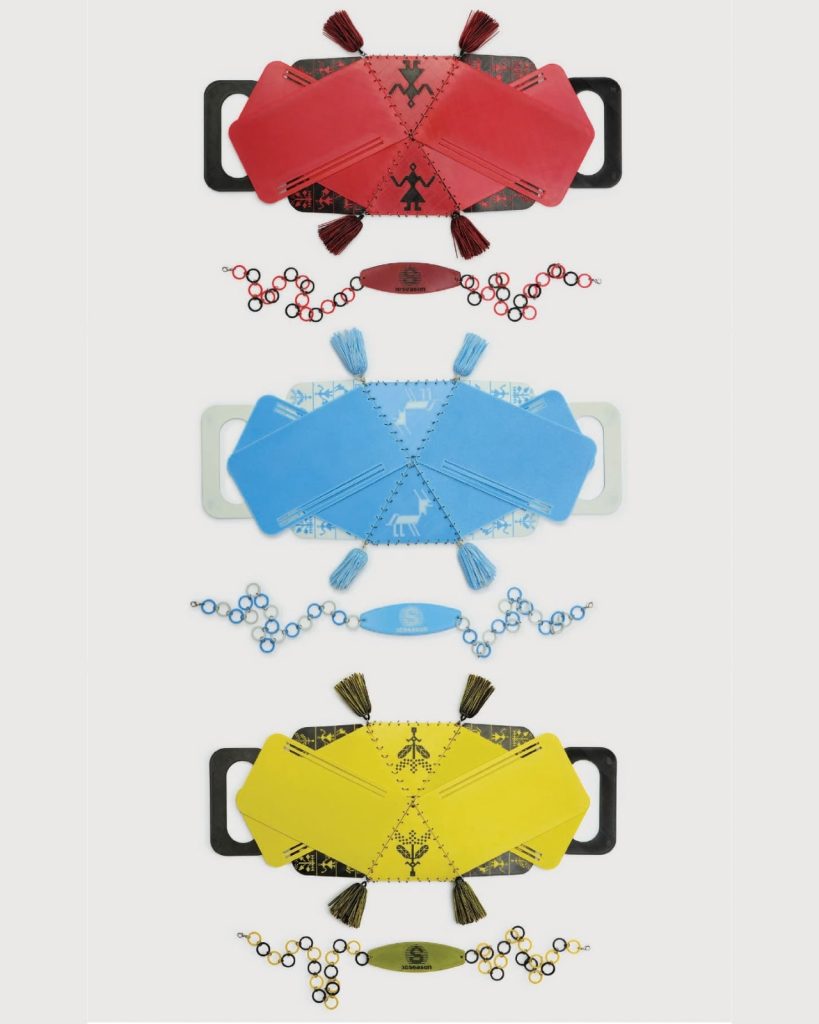
The cleverest part of the project is that the embroidery pattern is not simply printed onto the bag. Its geometry becomes the structure of the bag itself. The pattern determines how the material flexes and distributes weight, effectively turning the decorative language of the original embroidery into a kind of structural skeleton. Metal rings allow the surface to fold and reconfigure into four different carrying styles, transforming the same object from a compact crossbody into other silhouettes depending on how it is worn. Parametric design and additive manufacturing therefore become tools for cultural preservation, not just technological flourishes.
Yiayia Transformable Bag by Sophia Lampropoulou
That combination of memory and innovation has also earned the project recognition, including a Silver Award at the London Design Awards 2025 in the Fashion Design, Bags category and a Bronze A’ Design Award in Fashion and Travel Accessories. Instead of replacing traditional craft, digital fabrication gives the craft another vocabulary. Yiayia suggests that innovation does not have to mean abandoning the past. Sometimes it means finding a new way to keep the past moving.
MAQL by Nendo and Bag Makers Tokyo
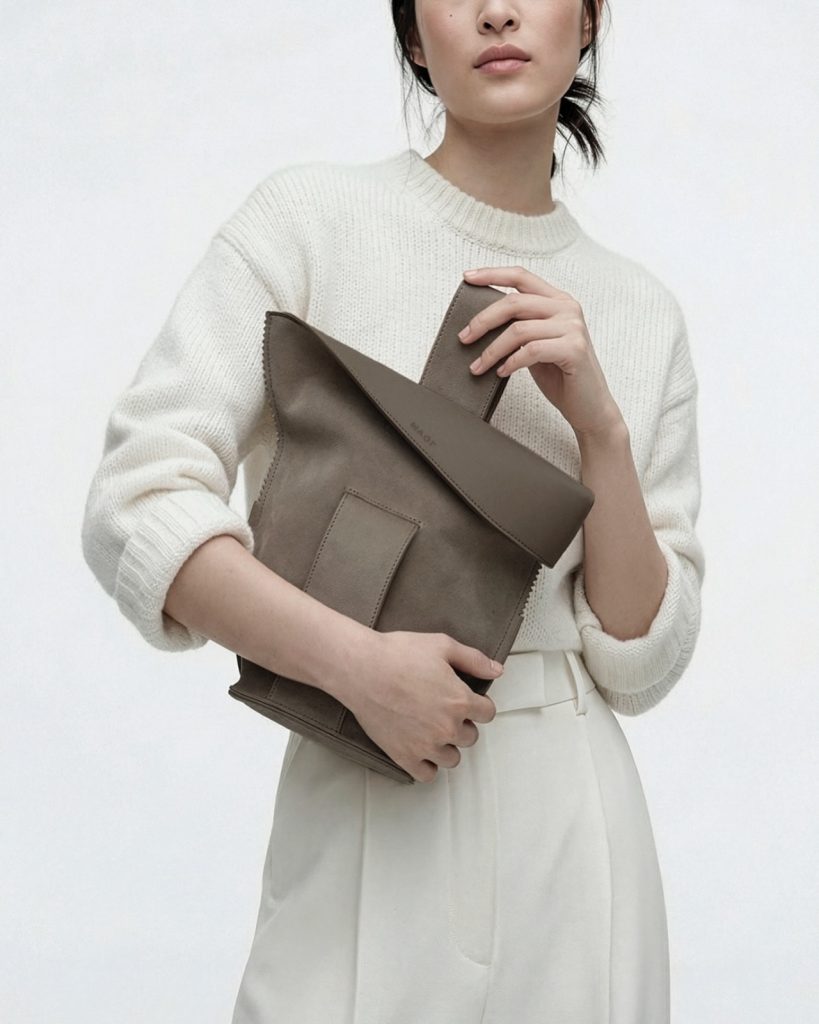
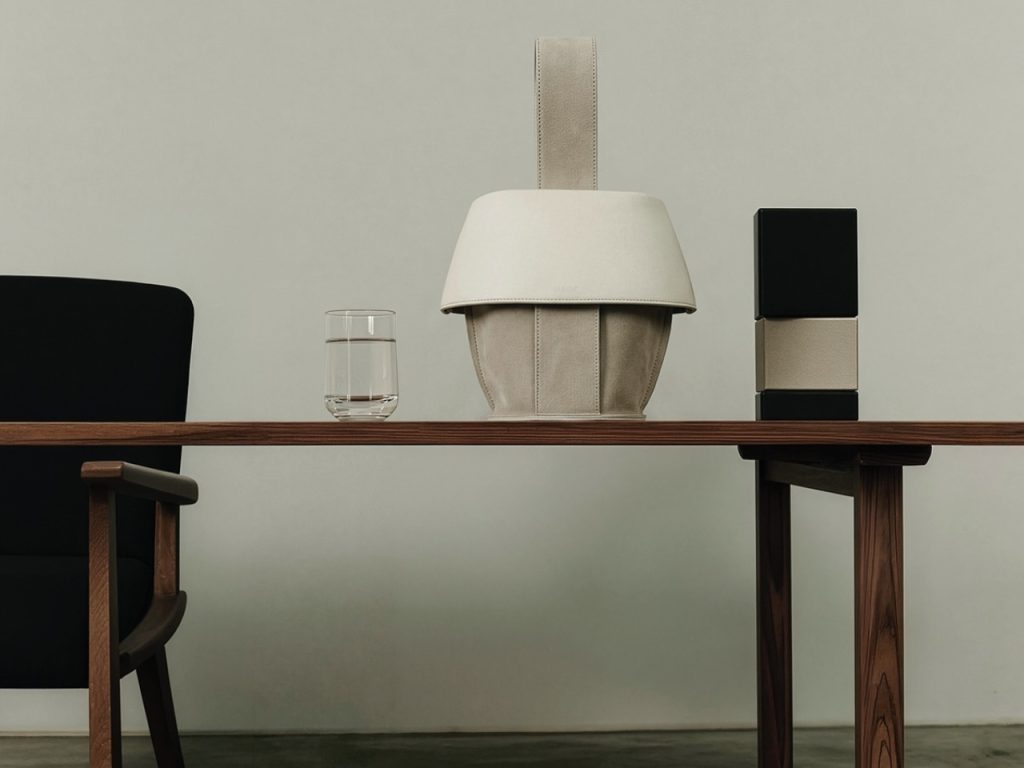
That idea of revealing what is normally hidden leads naturally to MAQL, a collaboration between Tokyo-based design studio Nendo and leather artisans Bag Makers Tokyo. At first glance, the bag looks almost architectural, with a rounded body and carefully rolled edges that give it the presence of a small sculptural vessel. But its most interesting feature is not its silhouette alone. It is the way that silhouette emerges from the material.
MAQL by Nendo and Bag Makers Tokyo
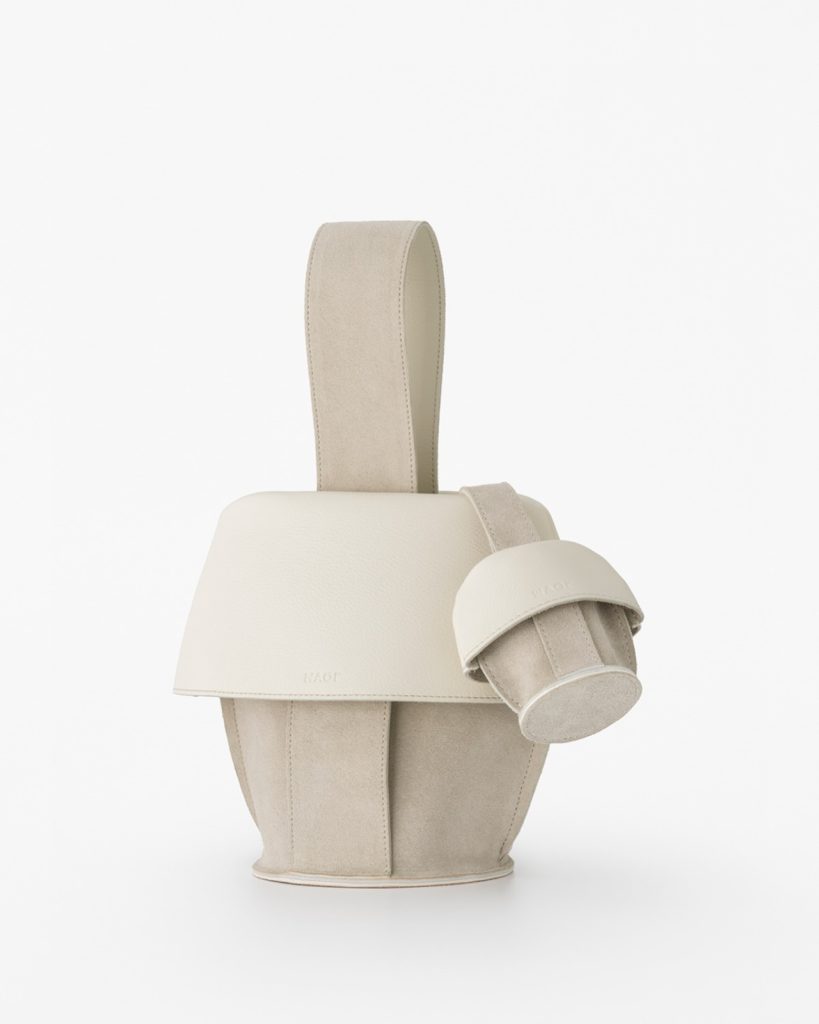
MAQL is constructed from a single laminated piece of leather, combining grain leather on one side with suede on the other. Rather than assembling a conventional bag from multiple panels, the designers fold and peel the material until its edges roll back to create the opening and handles. The effect is almost like origami performed in reverse. Instead of starting with a flat sheet and folding it into an abstract form, the design reveals how the original material can be manipulated into something functional while leaving the logic of that transformation visible.
MAQL by Nendo and Bag Makers Tokyo
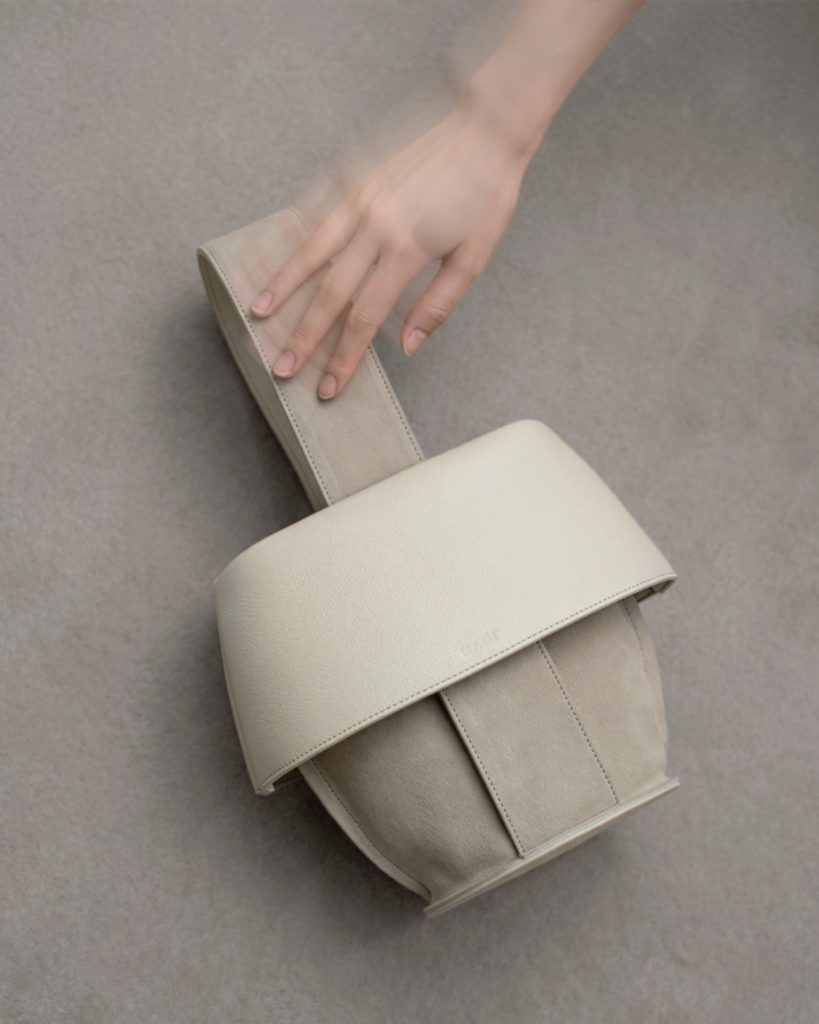
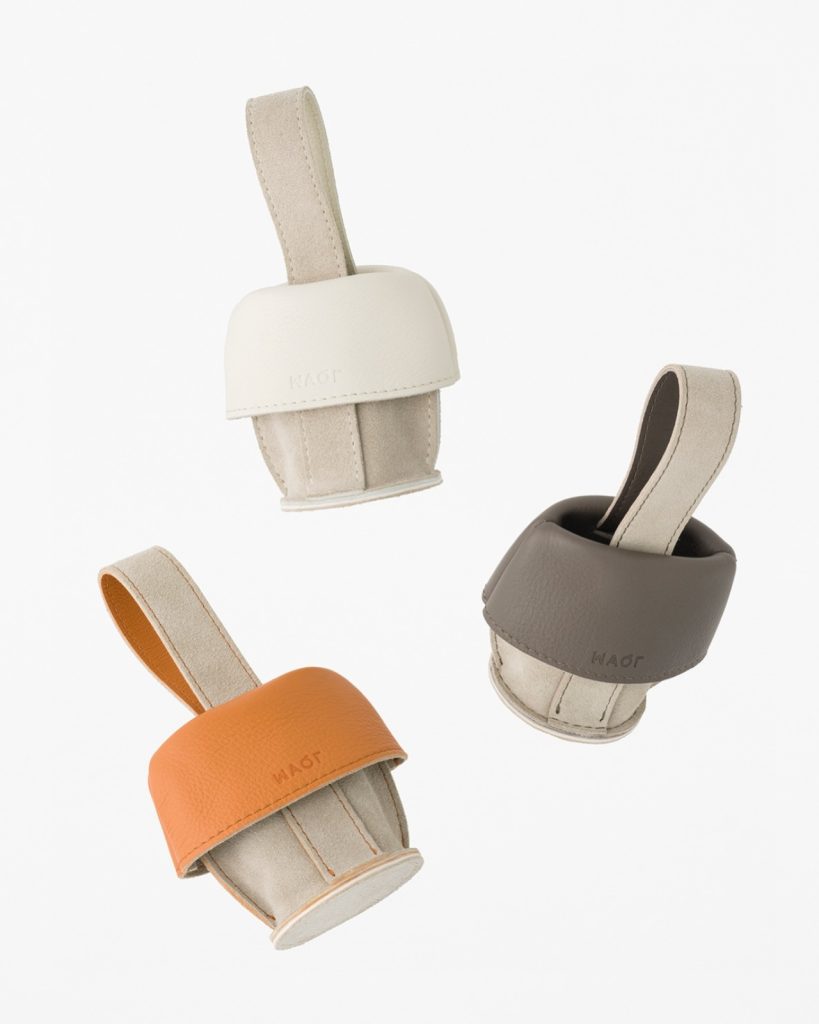
The name itself comes from makuru, a Japanese word meaning “to peel” or “to reveal,” and the concept is written directly into the construction. As the leather rolls back, the smooth grain and soft suede appear alongside one another. The material that would normally be hidden inside the bag becomes part of its exterior, while the leather typically associated with the outside curves inward to form the interior. Even the handles are not separate components attached afterward. They emerge from the same continuous folding motion.
MAQL by Nendo and Bag Makers Tokyo
That approach gives the bag a practical dimension as well as a conceptual one. The continuous construction creates a substantial sense of structure, while the rounded base provides stability when the bag is placed down. The rolled edges create a softer grip, and the contrast between grain leather and suede means that the object offers different tactile experiences depending on where you touch it. MAQL therefore manages to make construction itself part of the user experience, rather than hiding it behind a polished exterior.
MAQL by Nendo and Bag Makers Tokyo
Good design does not merely solve a problem. It can make us notice the problem, the material, the history, or even the object itself in a completely new way. When that happens, something as ordinary as a bag suddenly becomes a small lesson in how we see the world.