The alarm clock used to sit quietly on the bedside table, performing a single task with mechanical reliability. Then the smartphone arrived and absorbed its function, along with many others. Designers are increasingly questioning whether this shift has improved the experience of sleep. They are responding with an unexpected revival of the alarm clock. But these are not nostalgic throwbacks. Instead, they are carefully engineered objects that combine industrial design, psychology, and sensory technology to improve the experience of falling asleep and waking up.
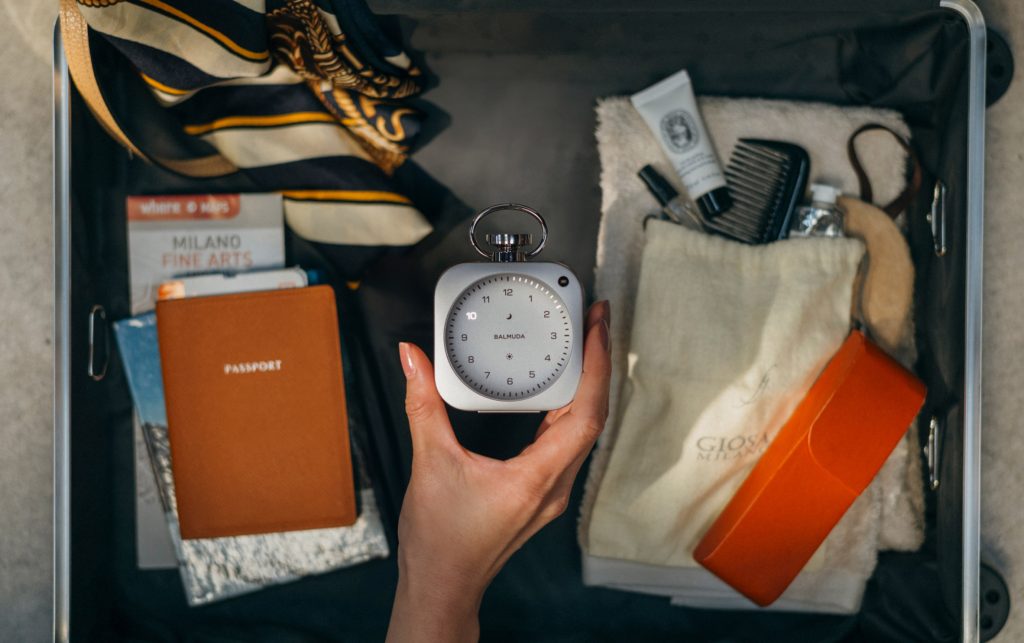
The Clock by Balmuda
Japanese brand Balmuda approached the alarm clock not as a gadget but as a ritual object. Simply called The Clock, the device was conceived to reduce reliance on smartphones at bedtime and reintroduce a sense of calm to the evening routine.

The Clock by Balmuda
Machined from a solid block of aluminium, the clock adopts the familiar silhouette of a classic travel alarm. Yet its dial contains no hands. Instead, the face glows softly, creating a subtle visual presence that avoids the visual noise of conventional digital displays. The object feels intentionally restrained, almost meditative, allowing it to blend quietly into the bedroom environment rather than dominate it.
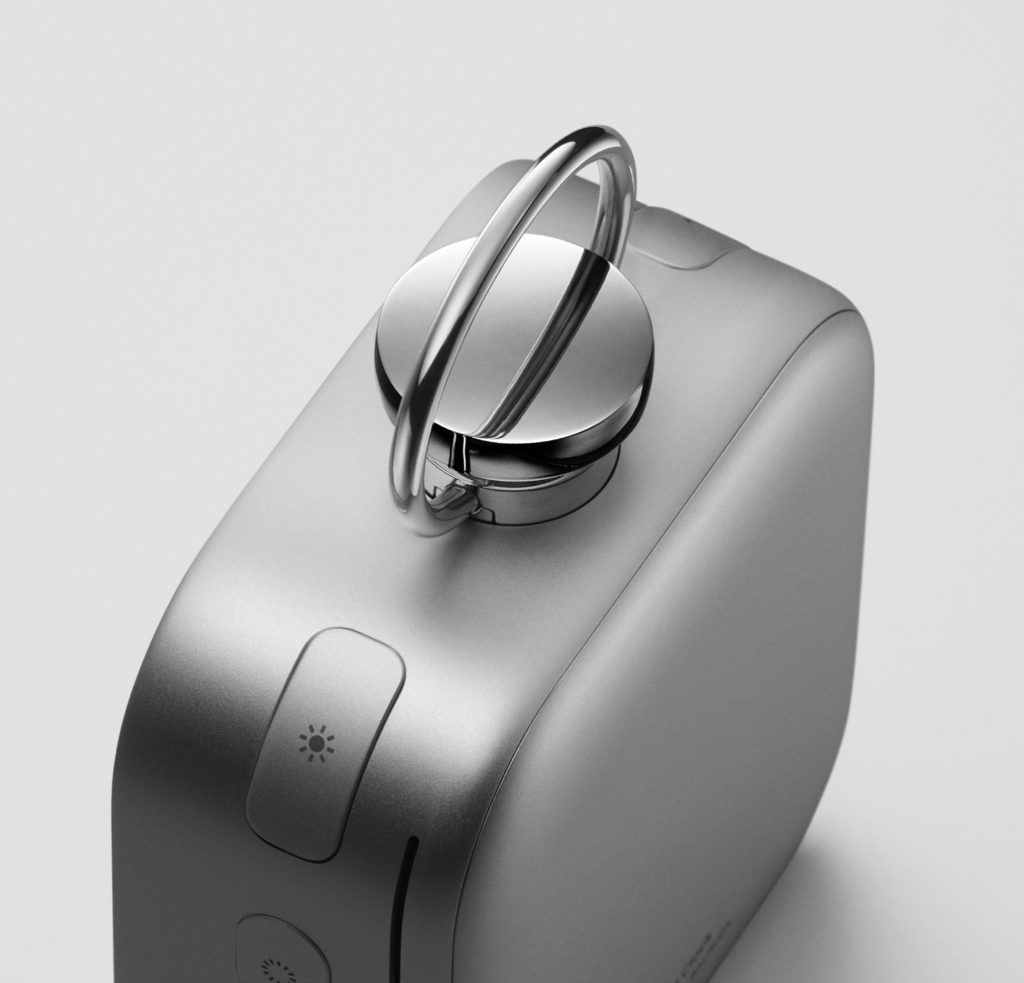
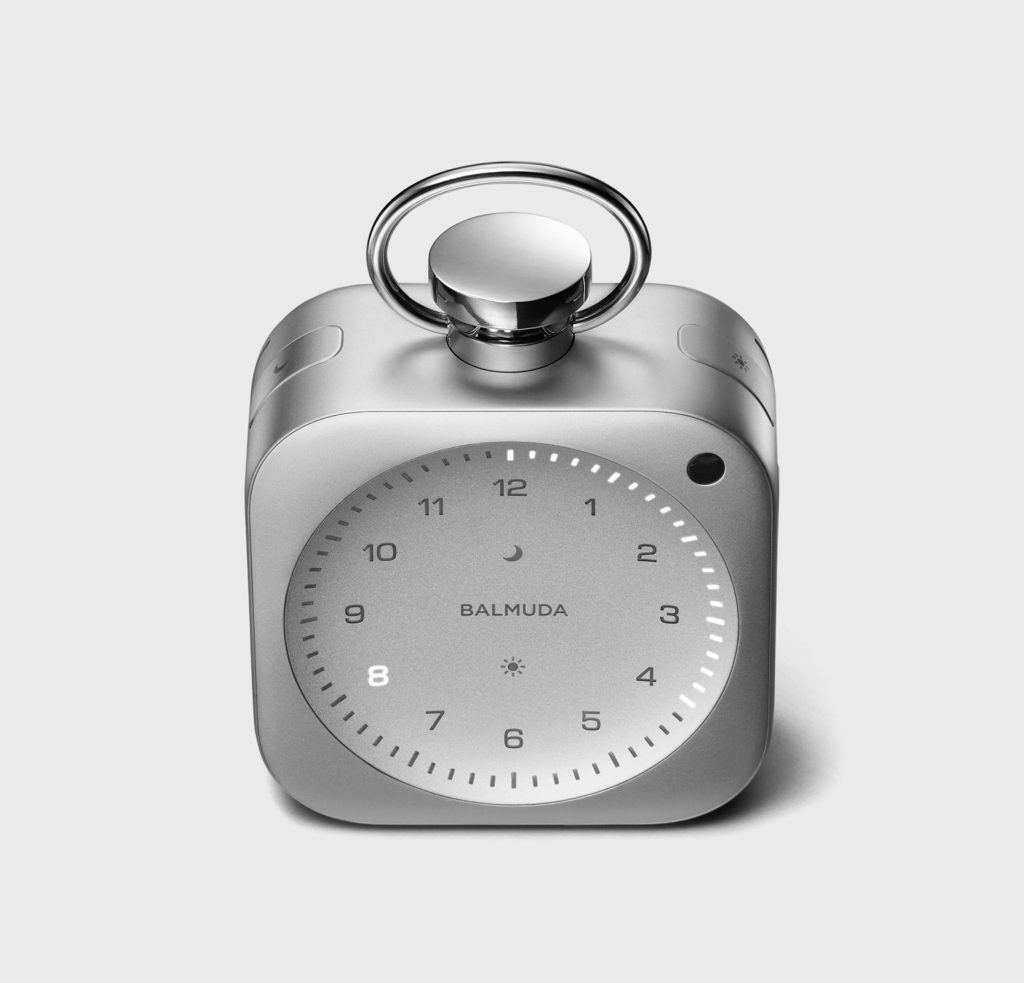
The Clock by Balmuda
The idea originated with Balmuda CEO Gen Terao, who began questioning the role of devices in his own sleep habits. Like many adults, he found himself relying on smartphone apps to play rain sounds or ambient noise at night. Yet keeping a social device by the bed often meant one more glance at the screen. Terao wondered whether the presence of the phone itself might be undermining sleep quality.
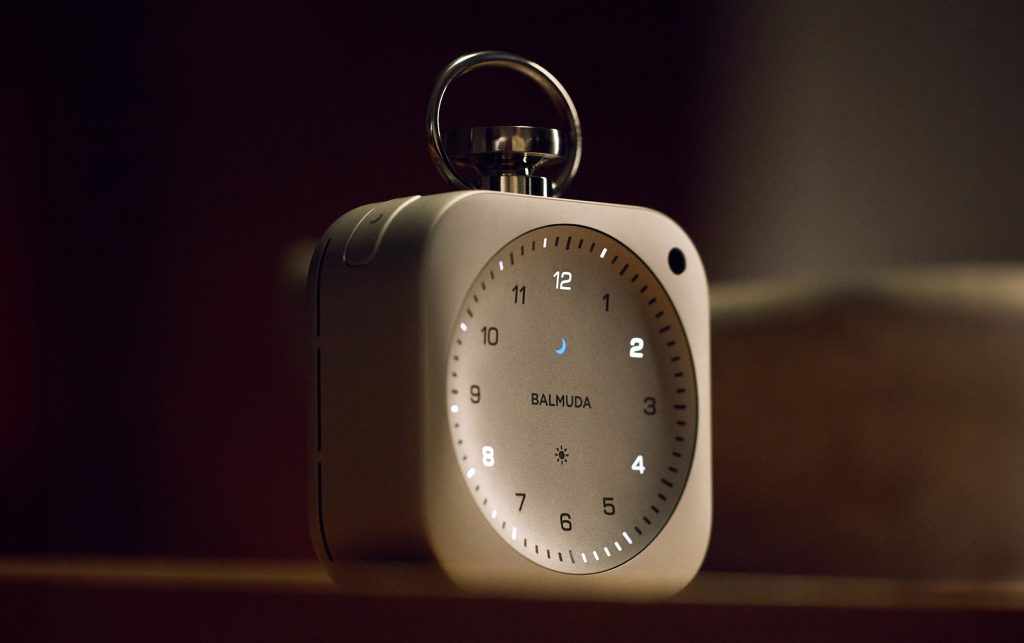

The Clock by Balmuda
The result is a clock designed to reclaim that space. It offers seven ambient soundscapes, ranging from rainfall to recordings of Milan’s morning streets. In practice, the object becomes less of an alarm clock and more of a sleep companion. Terao even reports that after using the prototype for several months, he began leaving his smartphone in another room and rediscovered the habit of reading before bed.
Dreamie by Ambient
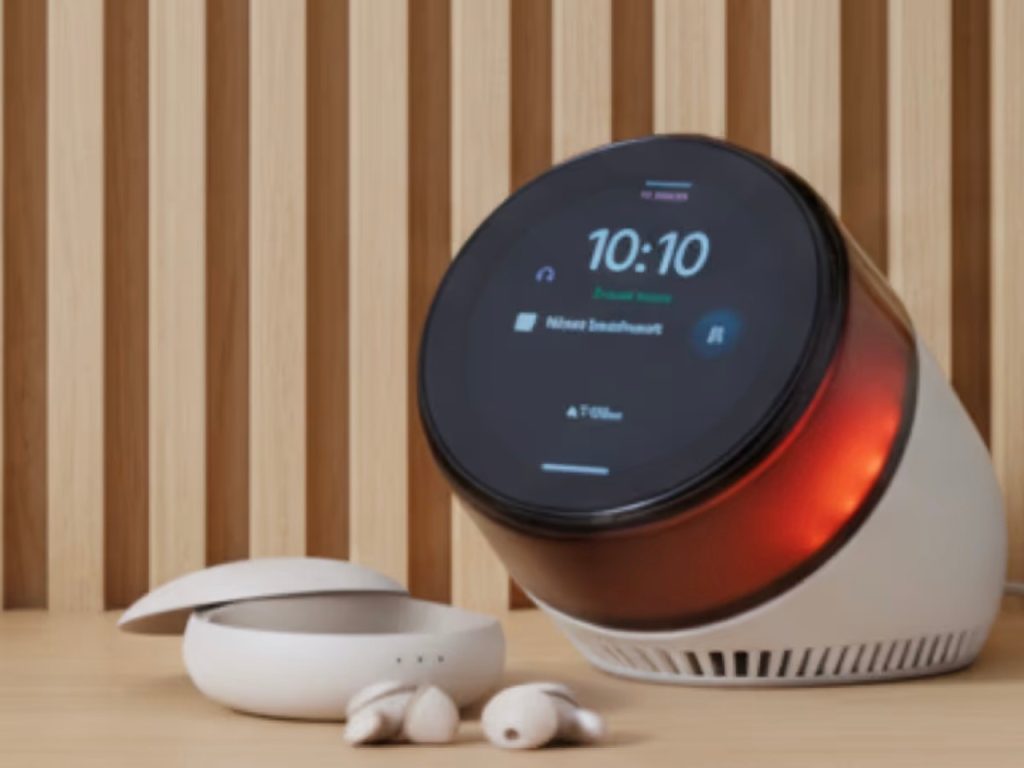
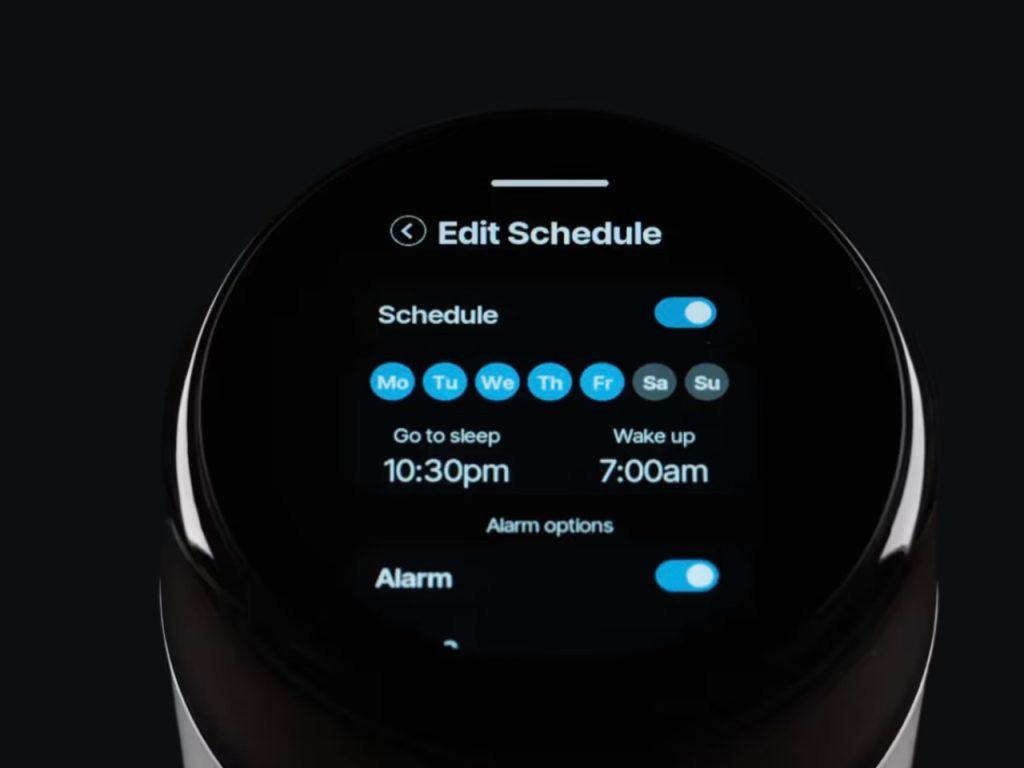
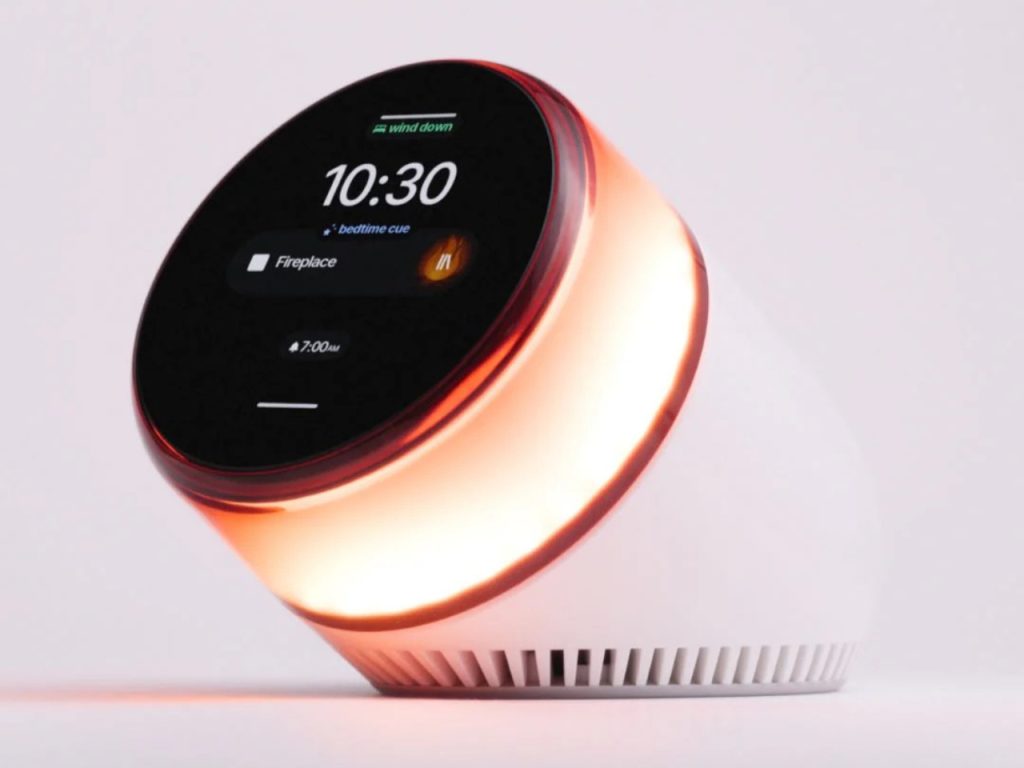
If Balmuda’s approach focuses on quiet craftsmanship, Boston-based startup Ambient tackles the problem from a technological perspective. Their device, Dreamie, is a compact bedside companion designed to replace the smartphone at night without becoming another source of digital distraction. The concept is surprisingly simple. Instead of juggling multiple apps for alarms, podcasts, white noise, and sunrise simulation, Dreamie consolidates those functions into a single purpose-built device. The goal is not to add more features, but to remove the temptation to scroll, swipe, and check notifications at midnight.
Dreamie by Ambient
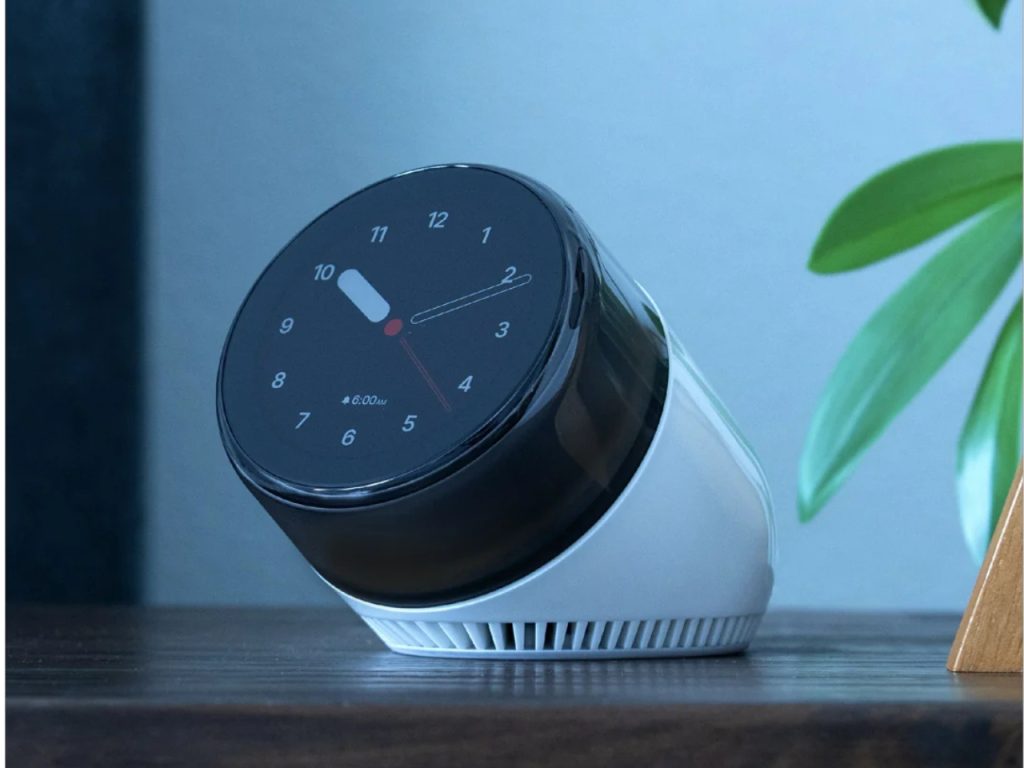
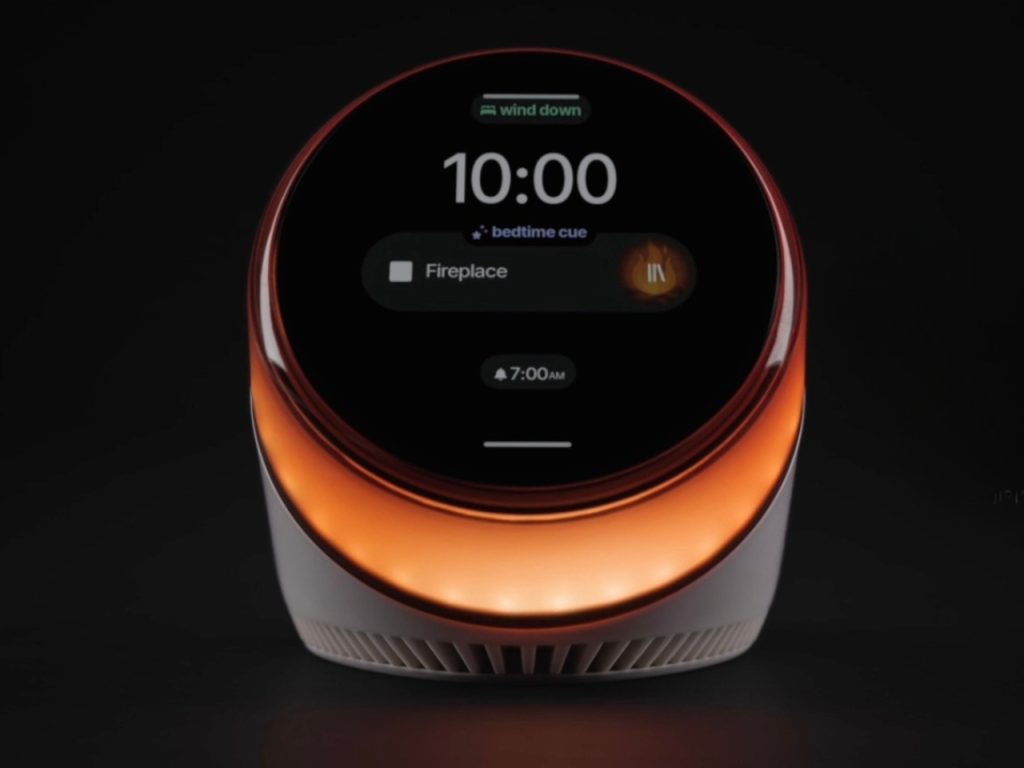
Designer Adrian Canoso, who founded Ambient with a background in industrial design and audio engineering, approached the product with a philosophy of restraint. The circular touchscreen dims to near darkness. Blue light is filtered through a redshift mode. There are no social feeds, messages, or video content. Even the clock display can be hidden entirely. Everything about the interface encourages disengagement rather than stimulation.
Dreamie by Ambient
The physical design reinforces this idea. Dreamie has a compact pill-shaped body with tactile controls that work even when the user is half asleep. A hidden dial adjusts volume, while a touch strip manages the ambient light. Inside, a 50-millimetre speaker projects sound through a 360-degree grille that diffuses audio around the room instead of directing it at the listener. The effect is a gentle, immersive soundscape rather than an intrusive signal.
Dreamie by Ambient
Perhaps most notable is the product’s stance on privacy and digital independence. Dreamie requires no account, no companion app, and no subscription. All features run directly on the device, and user data remains local and encrypted. In a market increasingly defined by connected ecosystems and recurring fees, Dreamie represents a quietly radical idea. Sometimes the most innovative technology is the kind that deliberately stays out of the way.
Wake by Heatherwick Studio for Tala (also header image)
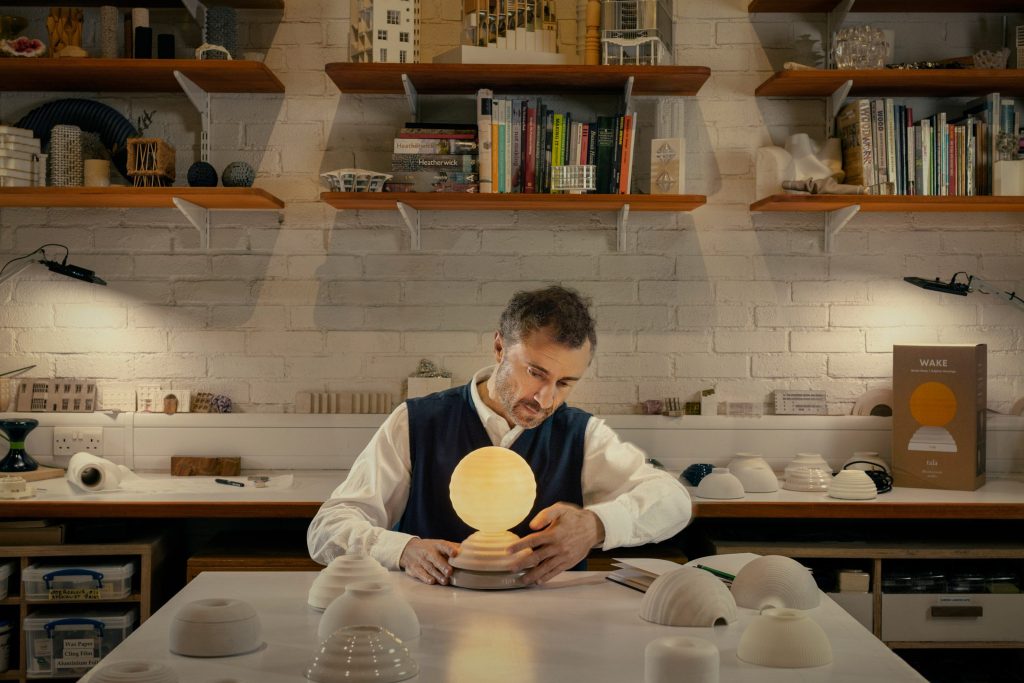
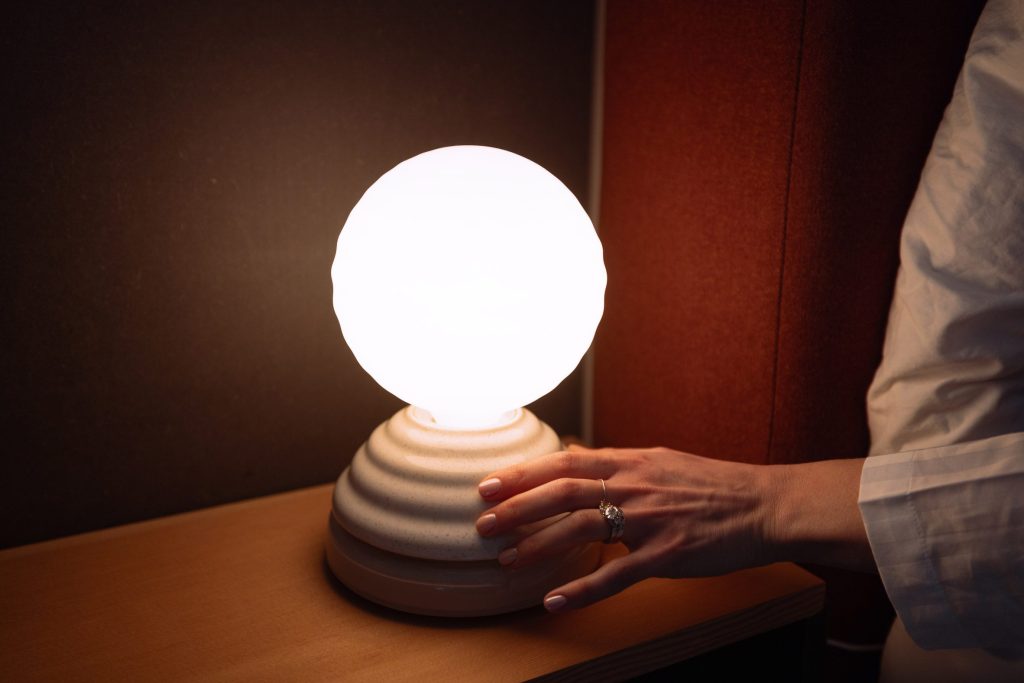
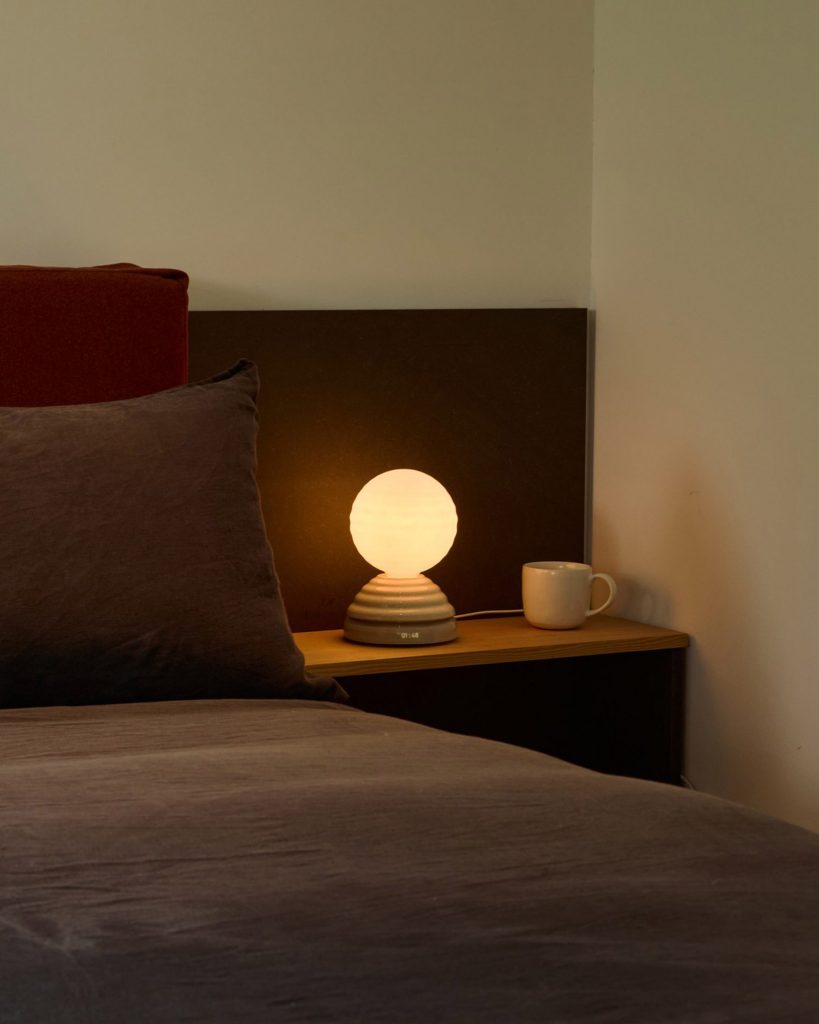
The Wake lamp from Heatherwick Studio reframes the alarm clock as a lighting experience. At first glance, the object appears to be a sculptural bedside lamp. Its sunrise alarm functionality is almost invisible. The collaboration was inspired by research showing that light exposure is one of the most powerful tools for regulating circadian rhythms. Instead of jolting users awake with sound, Wake gradually increases light intensity until it reaches a bright white tone that suppresses melatonin and signals the body to wake naturally.
Wake by Heatherwick Studio for Tala
In the evening, the process reverses. The lamp slowly fades to a warm amber glow, filtering out stimulating blue light and encouraging a consistent bedtime routine. The device also incorporates white noise options and nature-inspired soundscapes, reinforcing the idea that sleep environments should be shaped through atmosphere rather than alerts.
Wake by Heatherwick Studio for Tala
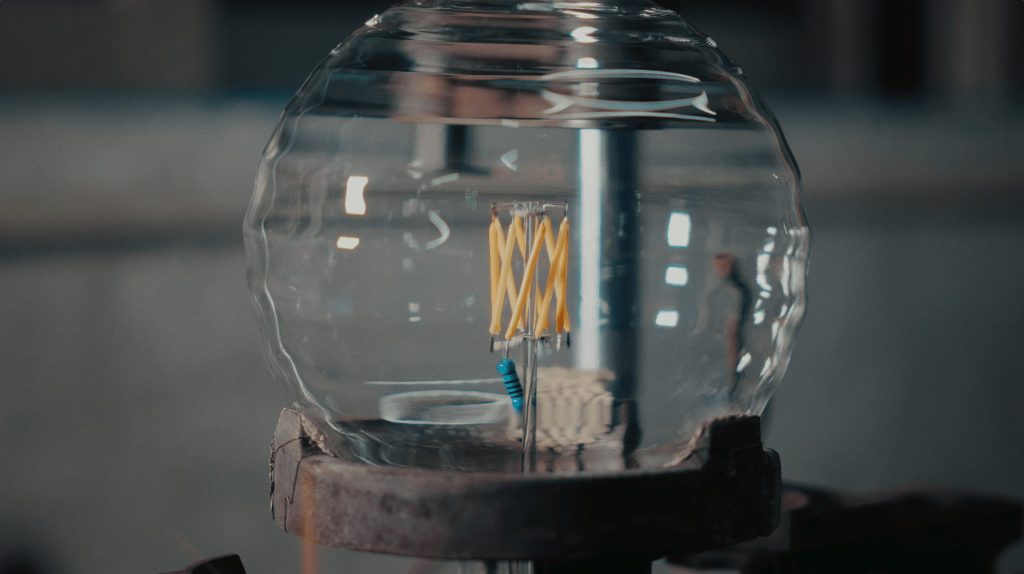
The design philosophy, described by the studio as “analogue calm,” is evident in the object itself. Wake contains no visible buttons or screens. The lamp is constructed from hand-glazed ceramic and mouth-blown glass, materials chosen specifically to contrast with the plastic-heavy appearance of many sleep devices. Technology is hidden within the body of the lamp, with a small display concealed behind milky glass in the base.
Wake by Heatherwick Studio for Tala
Interaction becomes almost sculptural. Instead of tapping a touchscreen, users rotate and press the ceramic base to adjust settings. The rippled surface echoes the pattern of sunlight reflecting on water, while also providing subtle grip points for the hand. Each lamp is slightly different due to its semi-manual ceramic manufacturing process, reinforcing the sense that the object is as much a piece of crafted lighting as it is a functional device.
In a world saturated with screens and notifications, the humble alarm clock may be quietly becoming one of the most thoughtful objects in contemporary design. And for anyone who has ever promised themselves they would stop scrolling before bed, that rethink could not come soon enough.