Artificial intelligence is quietly reshaping one of the most nostalgic corners of design: toys. What was once the domain of plush animals, plastic action figures, and simple mechanical gadgets is becoming a playground for machine learning, sensors, and responsive personalities. Yet the most interesting developments are not about turning toys into miniature computers. Designers and tech companies are exploring how AI can deepen emotional connections, encourage creativity, and blend digital intelligence with tactile experiences.
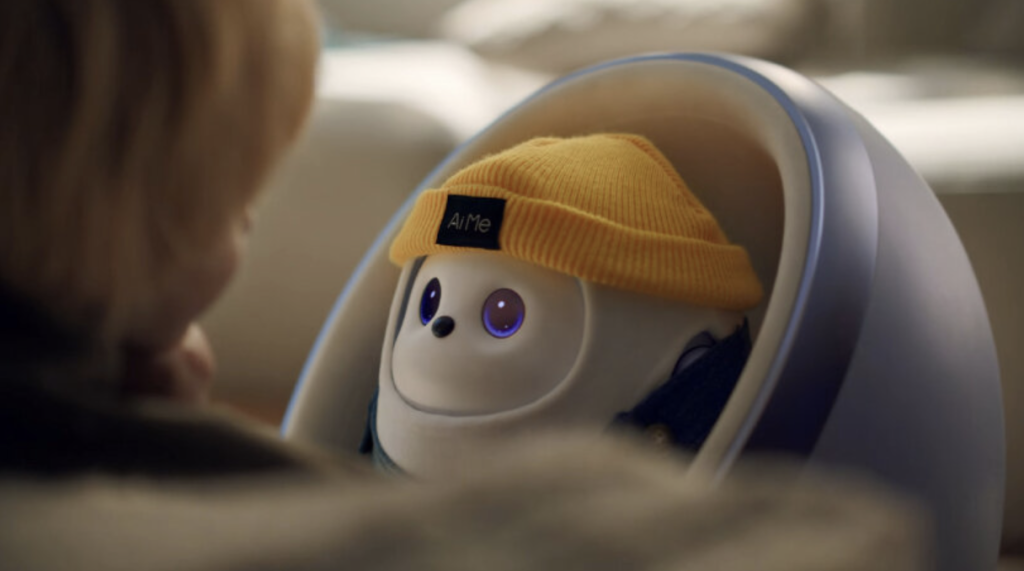
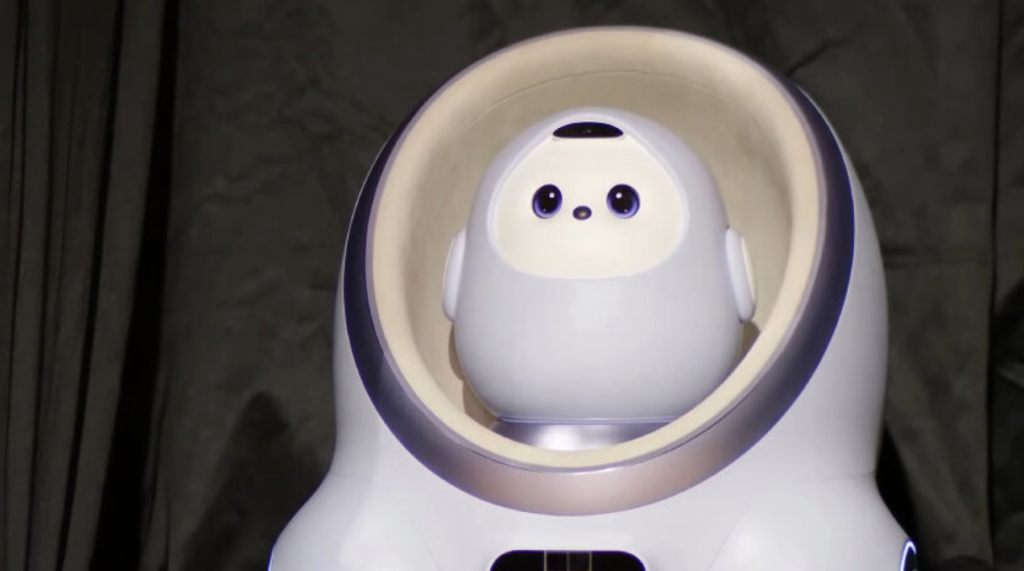
Ai Me by TCL (also header image)
At CES 2025 in Las Vegas, electronics company TCL introduced a concept that feels halfway between a household appliance and a storybook character. Called Ai Me, the owl-like modular robot is designed as an AI companion that can interact with families throughout the day. With its rounded body, expressive digital eyes, and childlike voice, the device leans heavily into personality. Its appearance is soft and approachable, a deliberate contrast to the colder aesthetic of most consumer electronics.
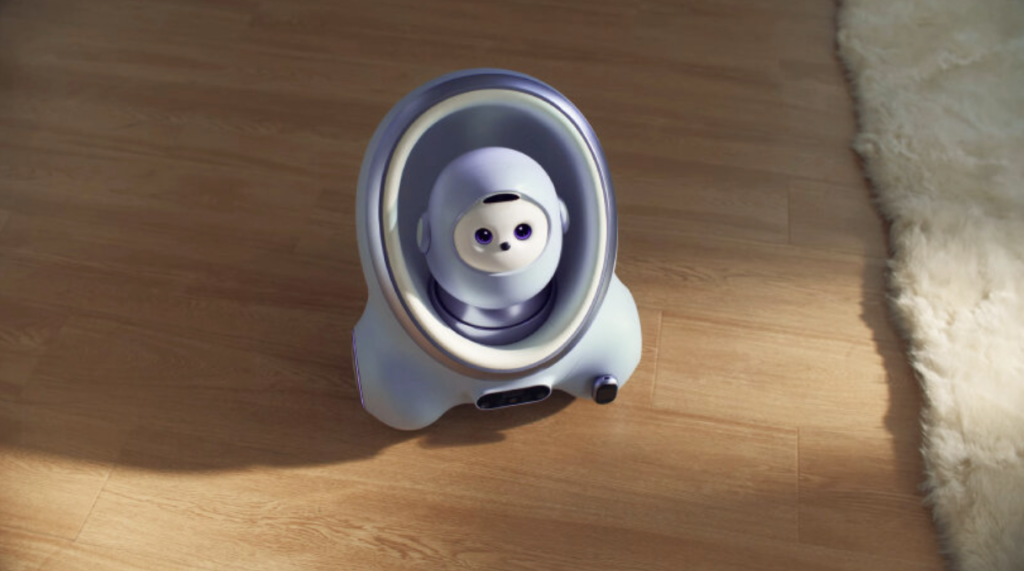
Ai Me by TCL
Underneath the playful exterior sits a fairly serious set of technologies. Ai Me is equipped with cameras, sensors, and an AI system capable of recognizing and describing what it sees. It can capture photos and videos during family activities and store them as shared memories. The robot can also function as a home monitoring system at night, watching over the house when everyone is asleep. In practice, this turns a toy-like object into something that blends companionship, documentation, and security.
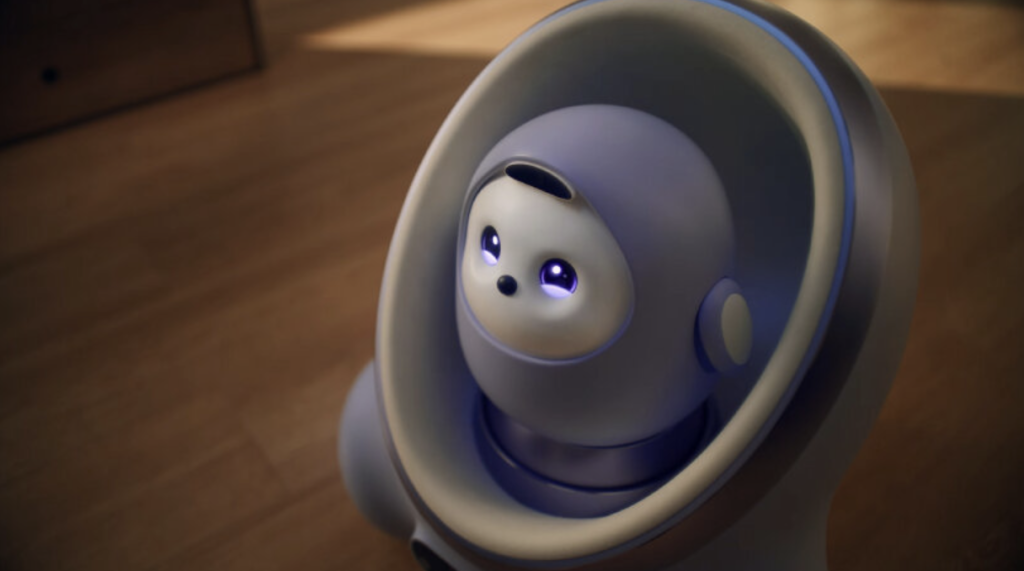
Ai Me by TCL
The modular design is what makes the concept particularly intriguing from a design perspective. Ai Me normally rests in a detachable “space capsule” base, but users can remove the robot and carry it elsewhere. TCL even demonstrated how it could connect with smart vehicles and manage infotainment features or weather updates during a drive. In another variation, a portable mini core with camera and microphone could attach to different surfaces and capture footage from the user’s perspective.
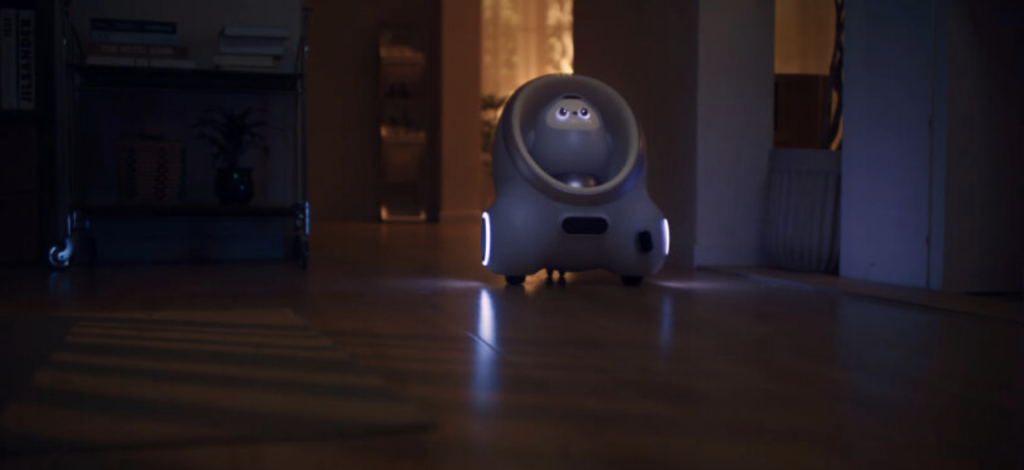
Ai Me by TCL
Yet TCL also understands that emotional connection matters just as much as technological capability. Children can dress the robot in clothing, softening its appearance and making it feel more like a plush companion than a gadget. At bedtime, Ai Me can project AI generated images and animations to help tell stories before sleep.

Moflin by Casio
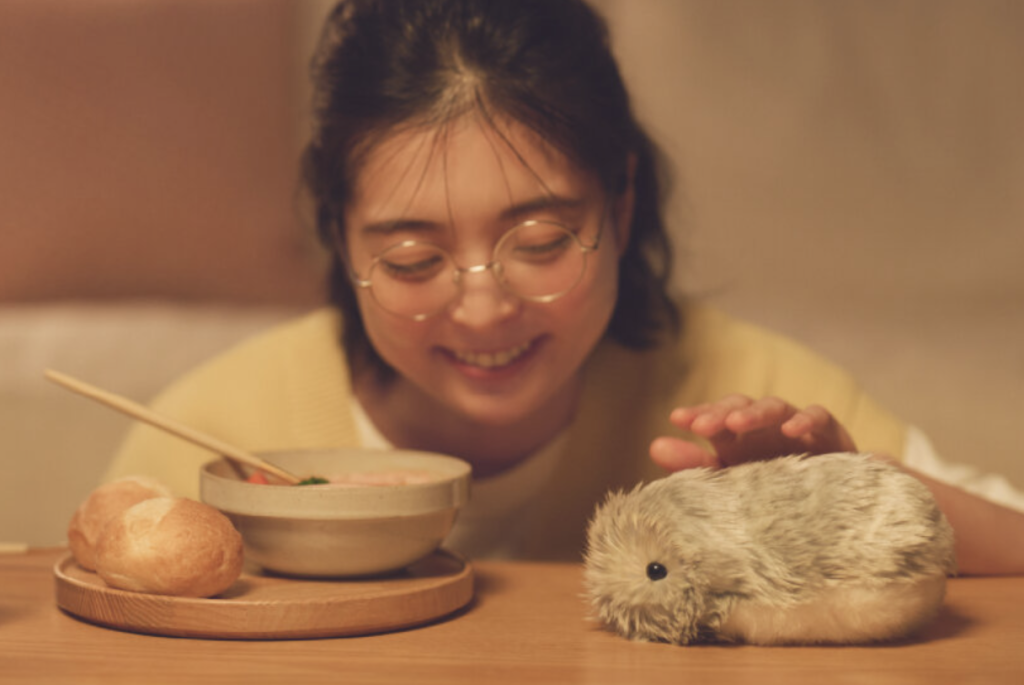
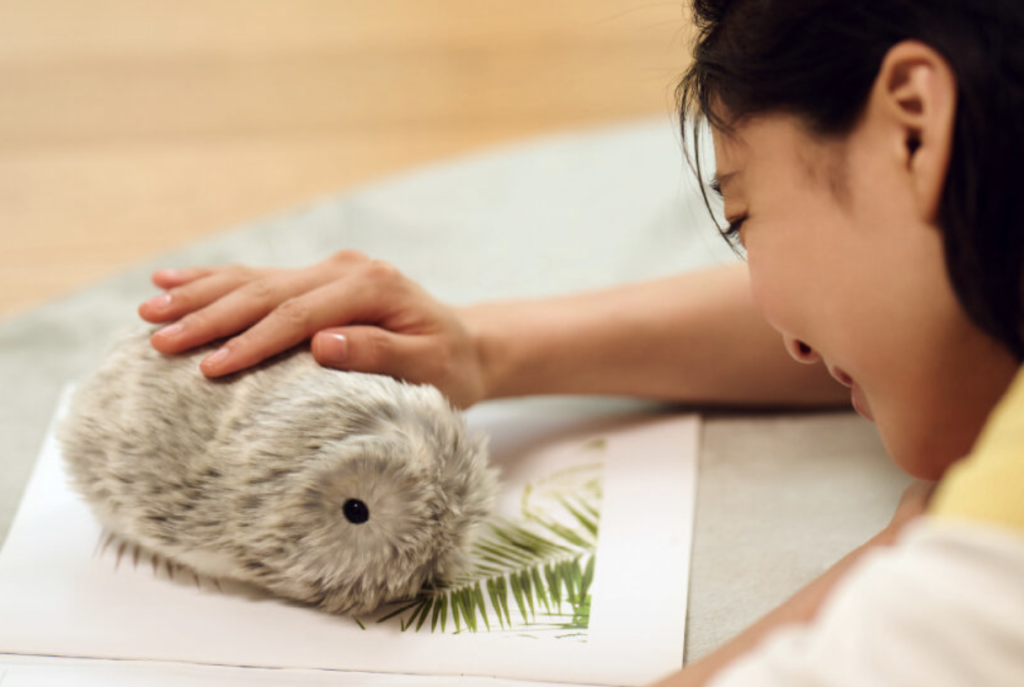
While TCL is experimenting with modular companions, Casio is exploring something more intimate. The company’s AI pet Moflin resembles a tiny hamster covered in soft fur, but its behavior is driven by an emotional learning system. Unlike traditional robotic pets that follow scripted patterns, Moflin gradually develops its own personality based on how its owner interacts with it.

Moflin by Casio
At the heart of the device is what Casio calls a “2D Emotion Express Map.” This system allows the robot’s emotional state to shift according to environmental cues and the owner’s actions. The AI listens to voices, observes movement, and translates those signals into feelings such as comfort, curiosity, or loneliness. In its early days, Moflin behaves somewhat like a young animal. After several weeks of interaction, the robot begins to express more distinct emotions and attachments.
Moflin by Casio
This evolving personality is reinforced through everyday gestures. When an owner pets, holds, or speaks kindly to the robot, those actions are recorded as positive emotional data. If attention fades, the device registers negative signals and adjusts its behavior accordingly. The result is a feedback loop that mimics the dynamics of caring for a living pet, without the practical challenges of feeding schedules or veterinary visits.
Moflin by Casio
Casio extends this relationship beyond the device itself through a companion app called MofLife. The app visualizes Moflin’s emotional state through animations, graphs, and messages that help owners understand how the robot feels. There is even a membership service called Club Moflin that covers repairs and fur maintenance, framing the device almost like a living creature that occasionally needs care. Physically, Moflin is small enough to carry in two hands or place in a basket or bag. When it needs charging, it rests in a small docking station that resembles a bathtub shaped house.
Create by Morrama
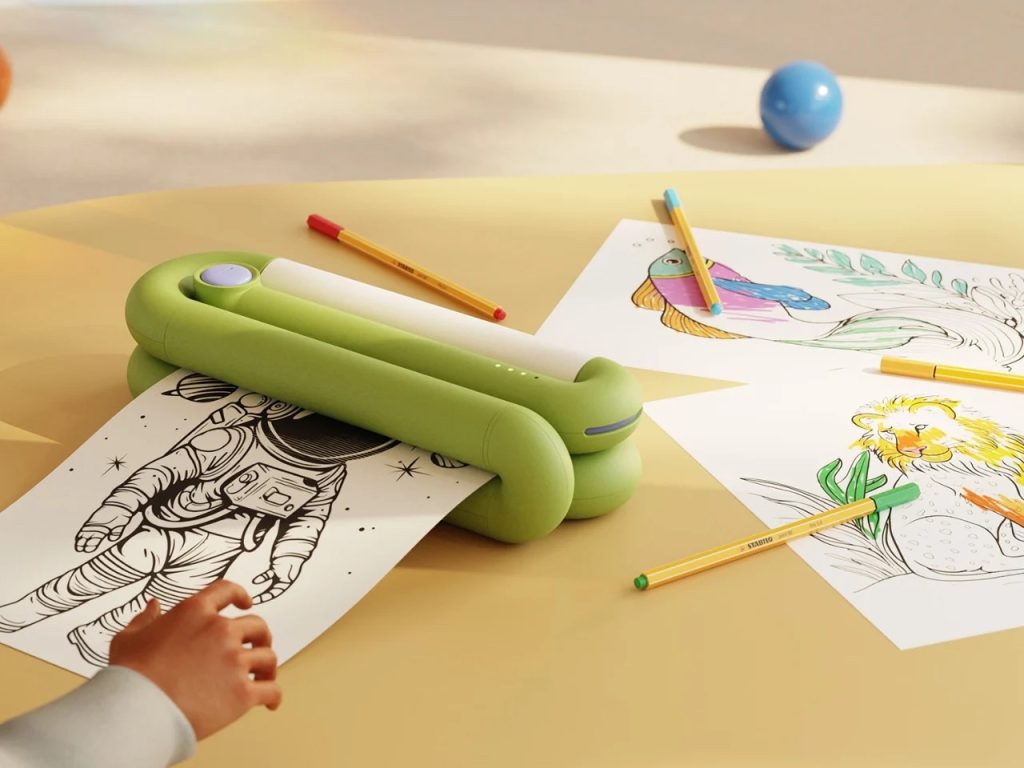
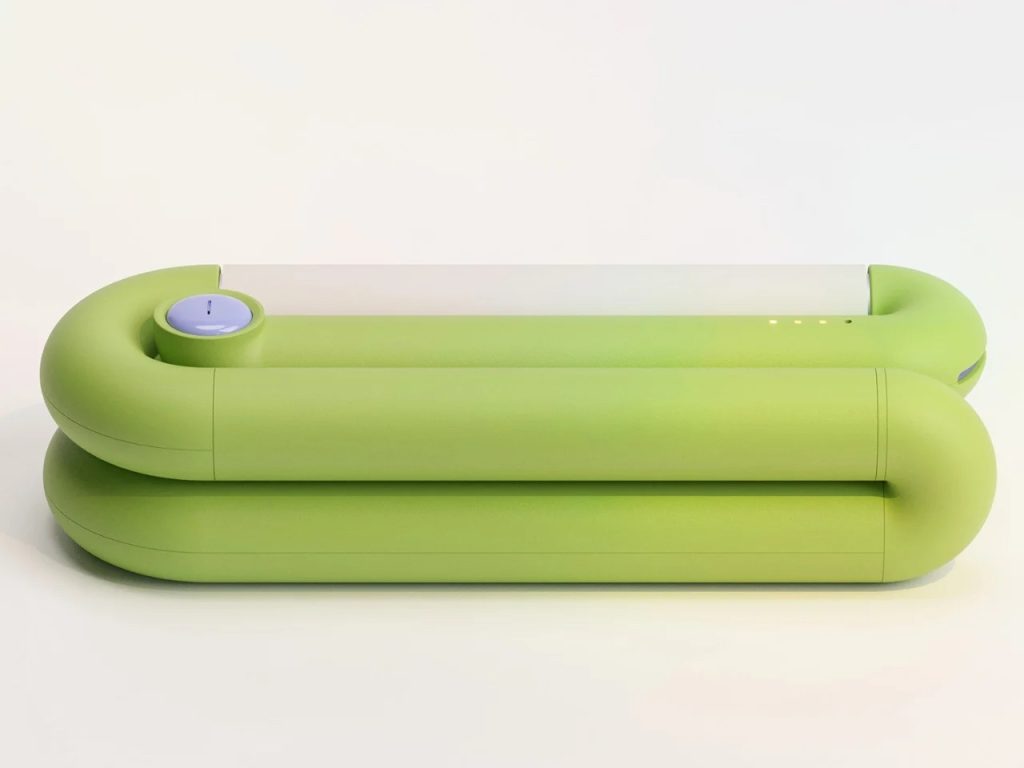
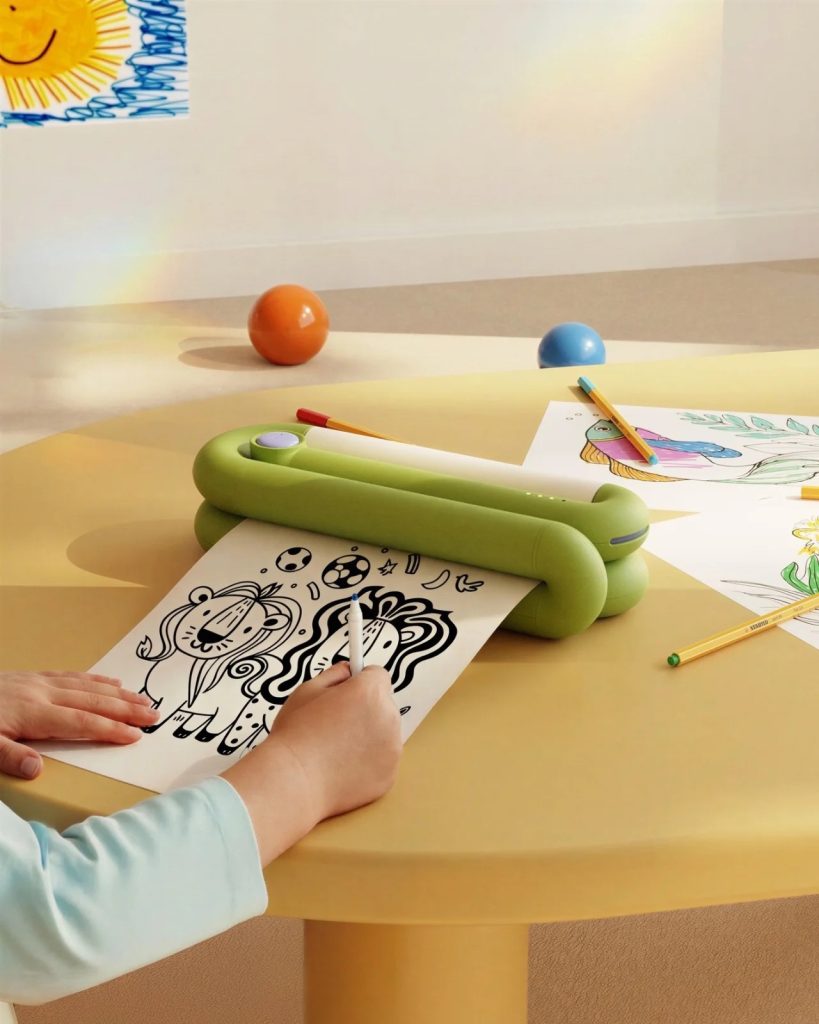
If Ai Me and Moflin focus on companionship, London design studio Morrama takes a very different approach with its concept device Create. Instead of replacing human creativity, Create exists to spark it. The lime green tabletop object listens to a child’s voice and transforms spoken prompts into simple line drawings. When a child says something like “a lion playing football,” the device generates the image and prints it on a sheet of paper.
That final detail is crucial. The output is not a digital image on a screen. It is a physical drawing that rolls out of the machine like a receipt. The child can then color it, reinterpret it, and hang it on the refrigerator. In other words, the AI begins the creative process but does not finish it. The rest belongs entirely to the child.
Create by Morrama
Morrama describes Create as part of a broader series of “mindful AI tools” designed for children aged six and older. The concept reflects a subtle but important shift in thinking about AI and childhood. Instead of focusing on productivity or entertainment, the device frames artificial intelligence as a collaborator. The machine responds to a child’s imagination, but the final expression remains human.
The design language reinforces this idea. Create looks more like a toy than a piece of technology. Its tubular green body, single lavender button, and paper output mechanism deliberately avoid the look of a screen based gadget. Children are encouraged to treat it as something playful and physical, rather than a miniature computer.
Create by Morrama
Create is still only a concept, and there is no production timeline yet. Still, its philosophy may be the most interesting part of the project. Many conversations about kids and AI revolve around classrooms, cheating, or restrictions. Morrama instead imagines AI entering children’s lives through slow afternoons at the kitchen table, where curiosity and creativity take the lead. By positioning AI as the beginning of a creative dialogue rather than the end of one, the project offers a refreshingly optimistic model.
Taken together, these projects suggest that the future of toys will not simply be smarter versions of the old ones. In a world increasingly filled with invisible algorithms and digital interfaces, the next generation of toys may remind us that the best technology still feels like something you can hold, dress up, or color with crayons.