The shopping cart is rarely anyone’s favorite object. It rattles, tips, collapses, and generally reminds us that errands are chores. Yet as cities become more walkable and consumers more design literate, even the most mundane tools are being scrutinized. Why should something we use every week feel like an afterthought? Across the globe, a new wave of designers is treating the grocery run as a legitimate design challenge.
For decades, the wire granny cart has been the default solution for urban grocery hauling. It is practical but visually apologetic, noisy over sidewalk cracks, and merciless to tomatoes. As more people swap cars for sidewalks, the aesthetic and ergonomic gap between lifestyle and tool has become obvious. Designed by Belgium-based studio Futurewave, the Roulette Cart addresses this gap with a disciplined focus on form, ergonomics, and material integrity.
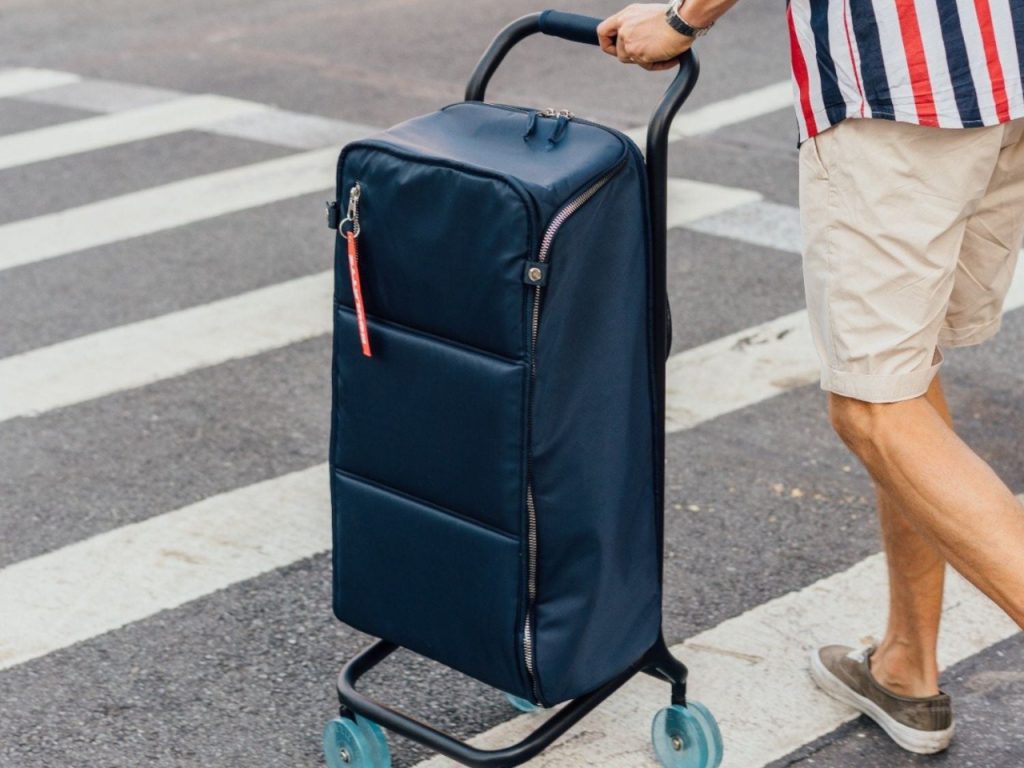
Roulette Cart by Futurewave
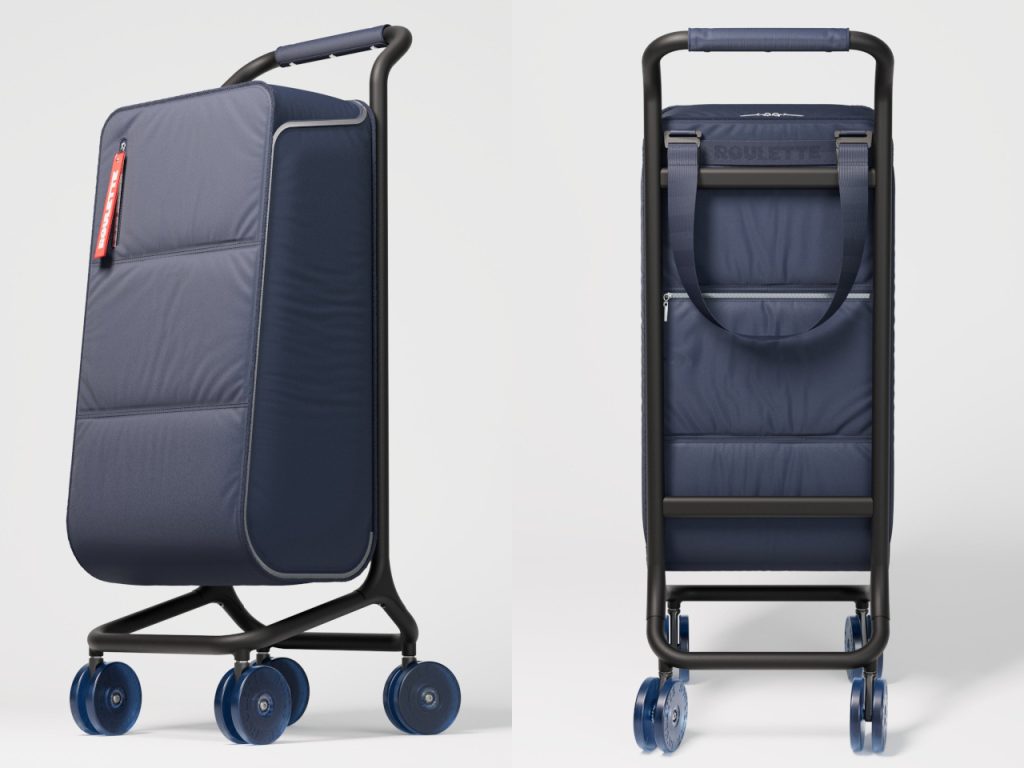
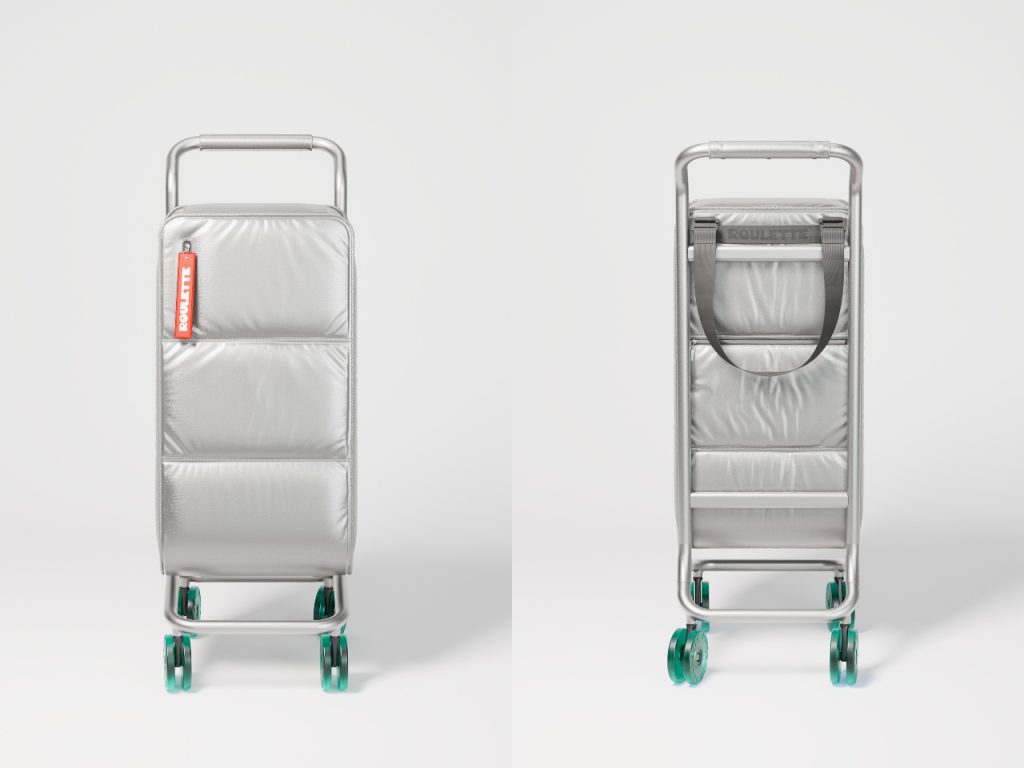
The Manhattan Blue edition replaces utilitarian wire framing with a restrained architectural silhouette. A padded navy textile body is supported by a slim, powder coated aluminum frame, creating a vertical stance that feels composed rather than improvised. Four translucent wheels integrate seamlessly into the structure, reinforcing a sense of visual cohesion. The result is a cart that aligns with contemporary urban interiors and does not feel visually intrusive when stored in compact living spaces.
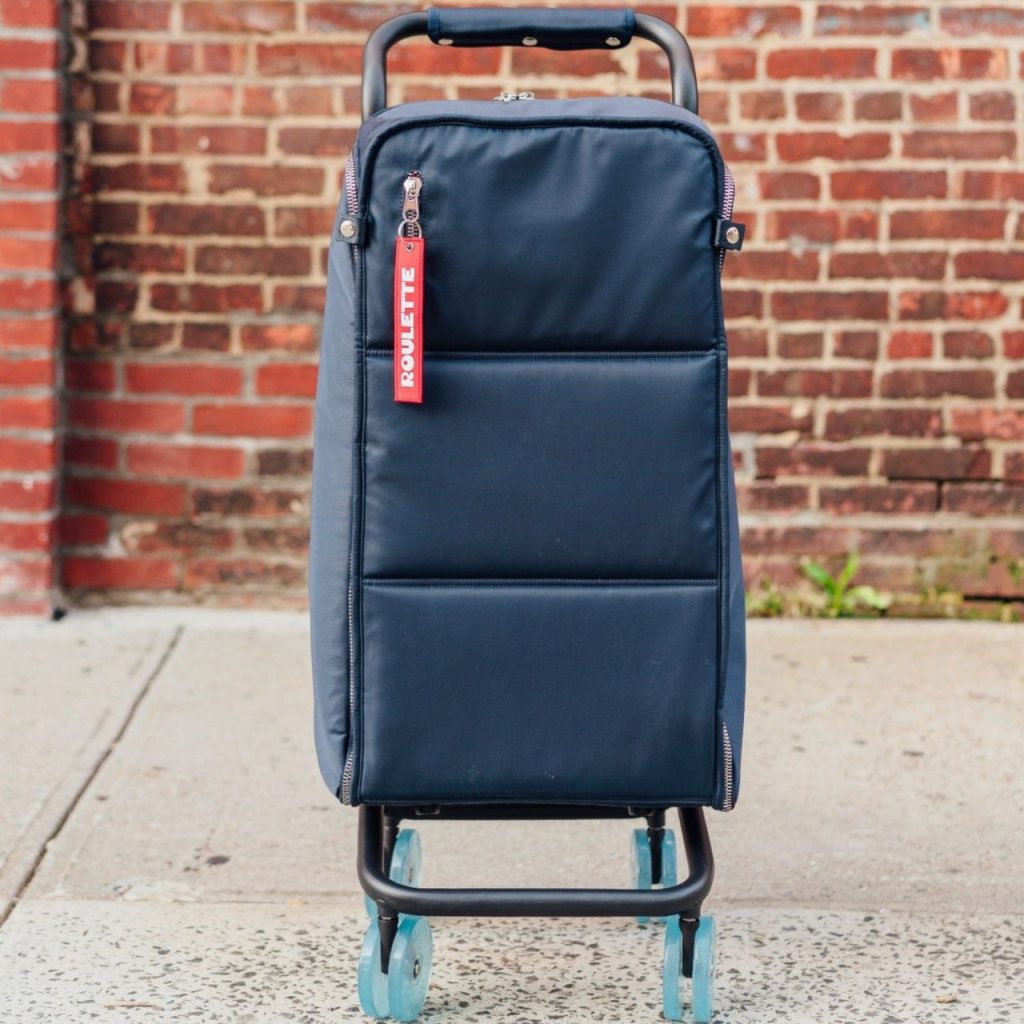
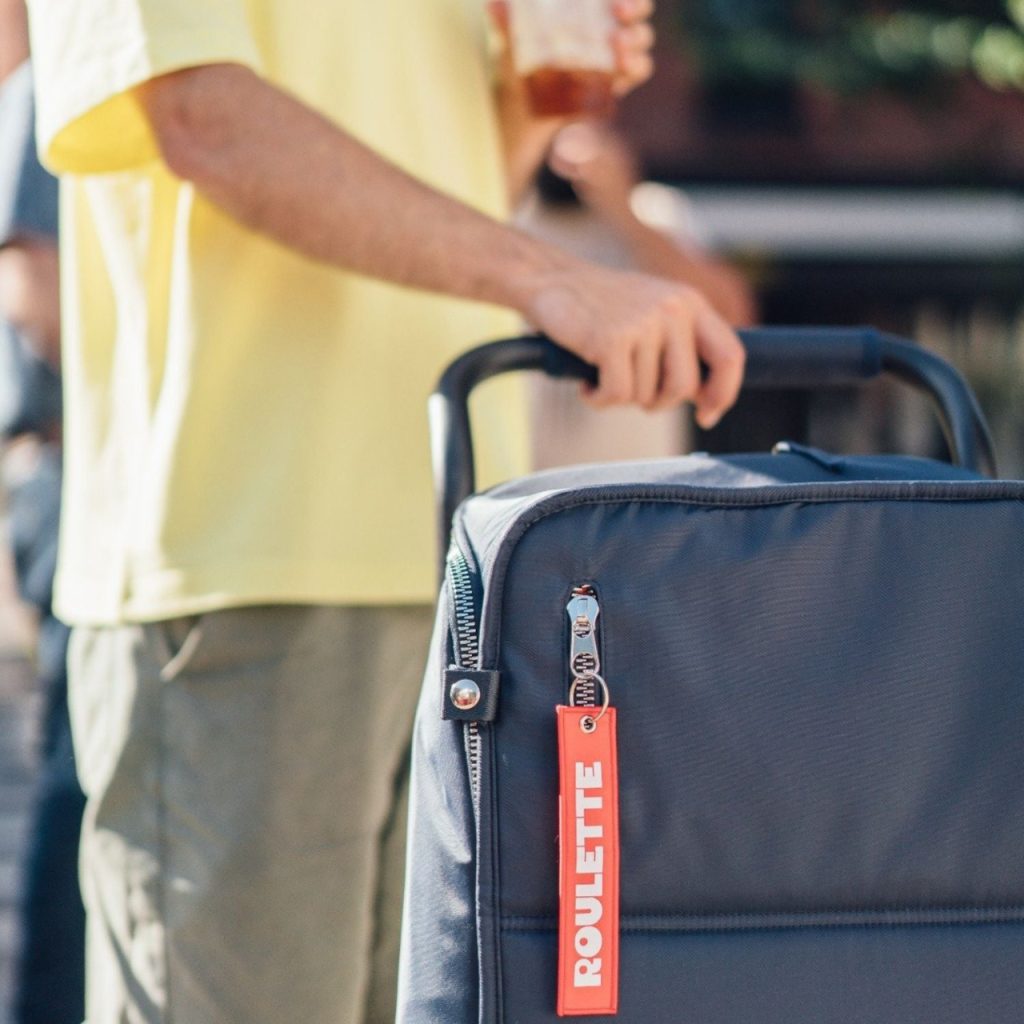
Roulette Cart by Futurewave
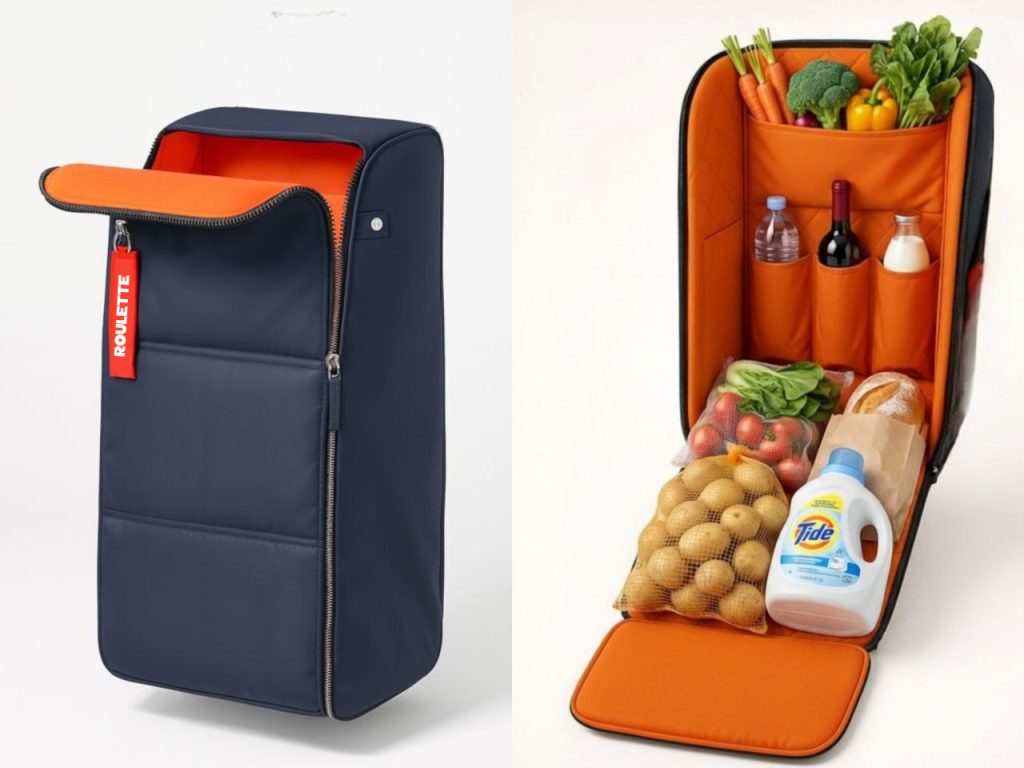
Internally, the product demonstrates a clear understanding of user behavior. The 40 liter capacity is structured through a bright, high visibility lining that improves legibility of contents. Vertical bottle sleeves secure glass containers in an upright position, while dedicated pockets accommodate delicate items such as eggs or berries. A generous central compartment supports larger goods without compressing softer items. Rather than functioning as a single open cavity, the interior operates as a modular storage environment that reduces damage and simplifies packing logic.
Roulette Cart by Futurewave
The lightweight aluminum frame maintains rigidity under load, ensuring structural reliability during regular use. High quality TPU wheels, comparable to those used in skateboards, provide smoother and quieter movement across uneven pavements. The four wheel configuration allows the cart to be pushed in an upright orientation, improving maneuverability in narrow aisles and reducing strain when transporting heavier loads. A detachable soft bag further enhances practicality, enabling users to carry only the contents when navigating stairs or elevators.
Roulette Cart by Futurewave
Material selection underscores the product’s long term viability. Durable nylon, aluminum, and TPU components are chosen not for spectacle but for resilience in variable weather and high frequency use. The Roulette Cart does not attempt to radically redefine the act of shopping. Instead, it refines each interaction point, transforming a routine errand into a more efficient and dignified experience.
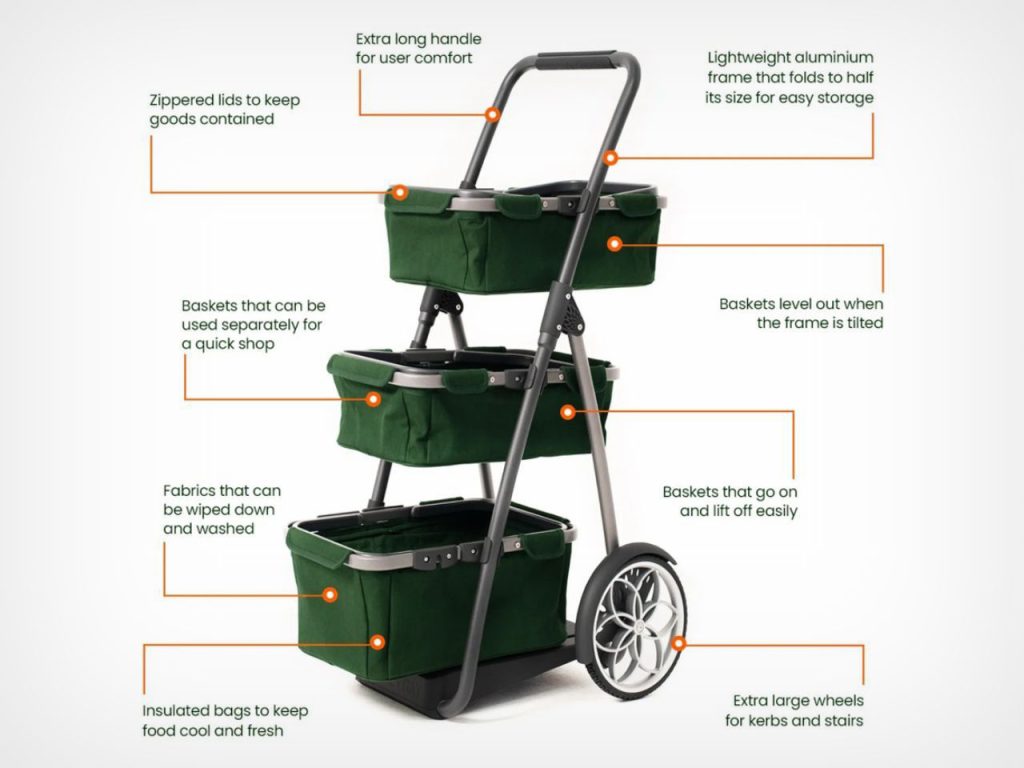
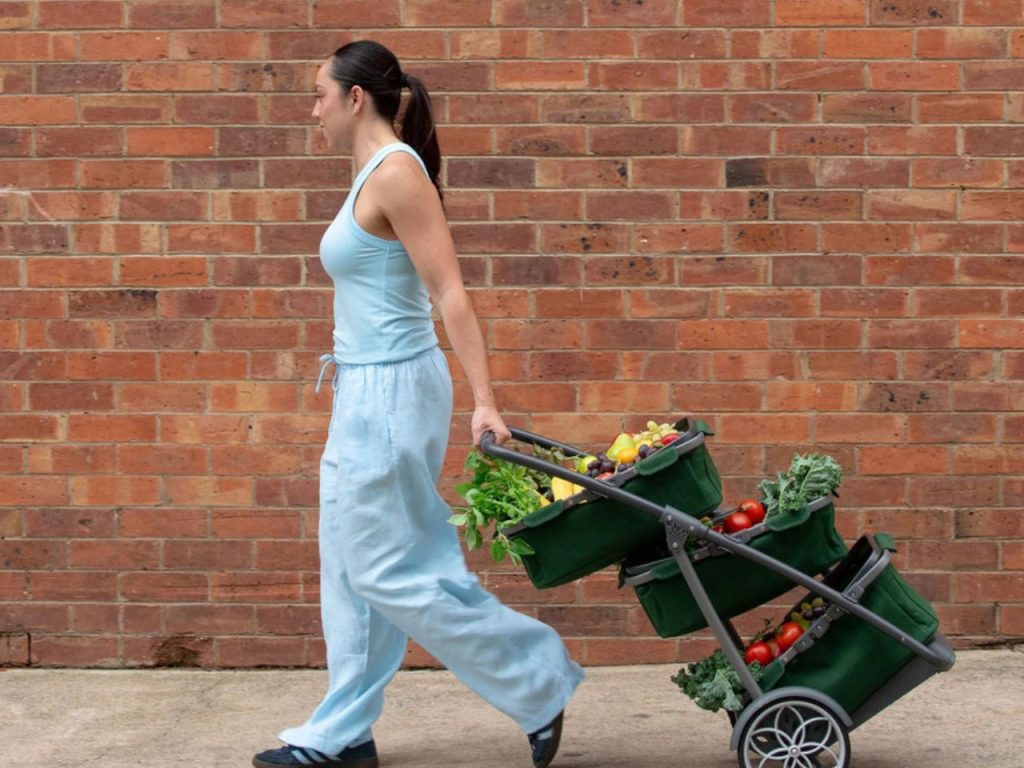
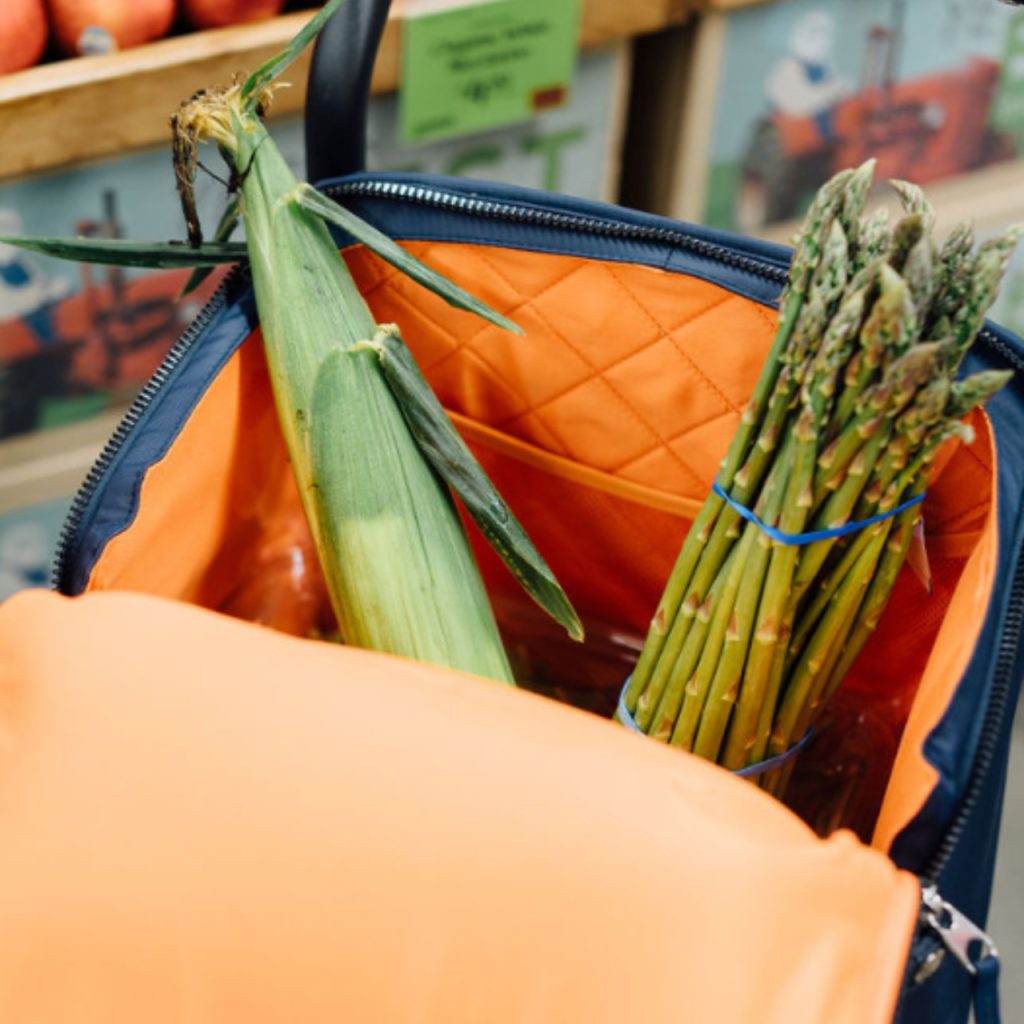
Marketday Cart by Michelle Hildebrand (also header image)
If the Roulette Cart refines form and structure, the Marketday Cart rethinks the entire system. Brisbane-based inventor Michelle Hildebrand began with a simple observation at local farmers’ markets. She discovered, shoppers want visibility, separation, and control over their goods. The design responds with a structured, layered system that improves organization while reducing physical and cognitive strain.
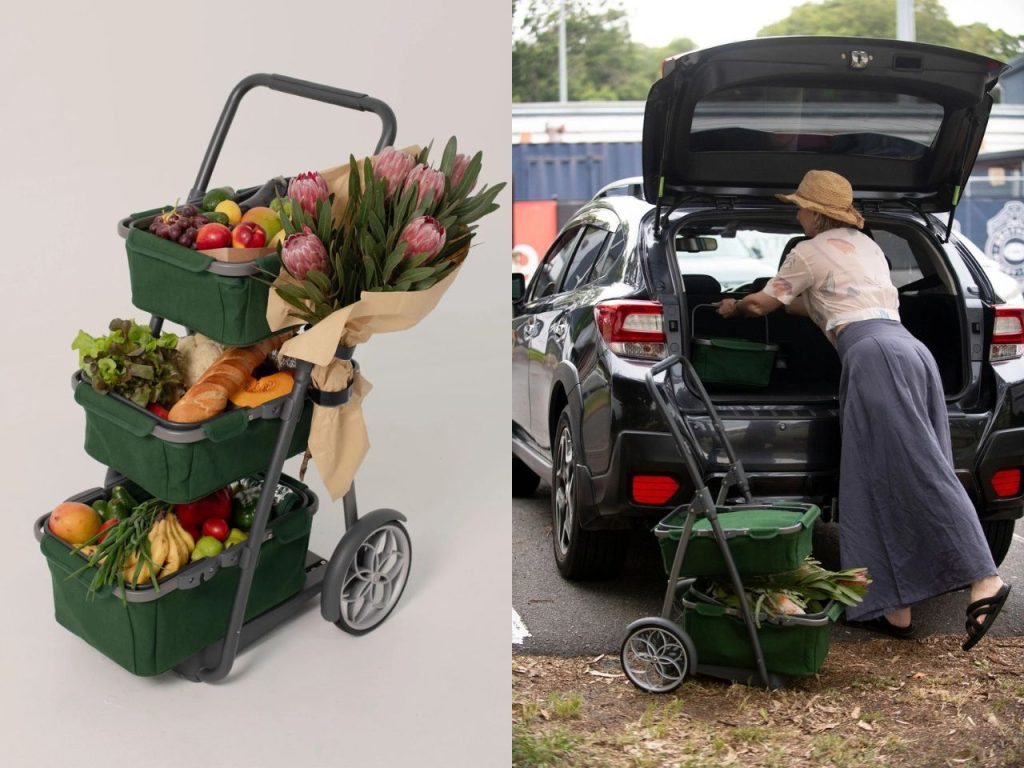
Marketday Cart by Michelle Hildebrand
At the core of the cart are three shallow, stackable baskets that replace the conventional large bag. This configuration enables users to categorize items by weight, fragility, or type, preventing delicate produce from being compressed under heavier goods. The reduced depth enhances visibility and access, eliminating the need to dig through contents during transit. Each basket is insulated and fully zippered, protecting groceries from temperature fluctuations while ensuring items remain secure when navigating crowded markets or public transport.
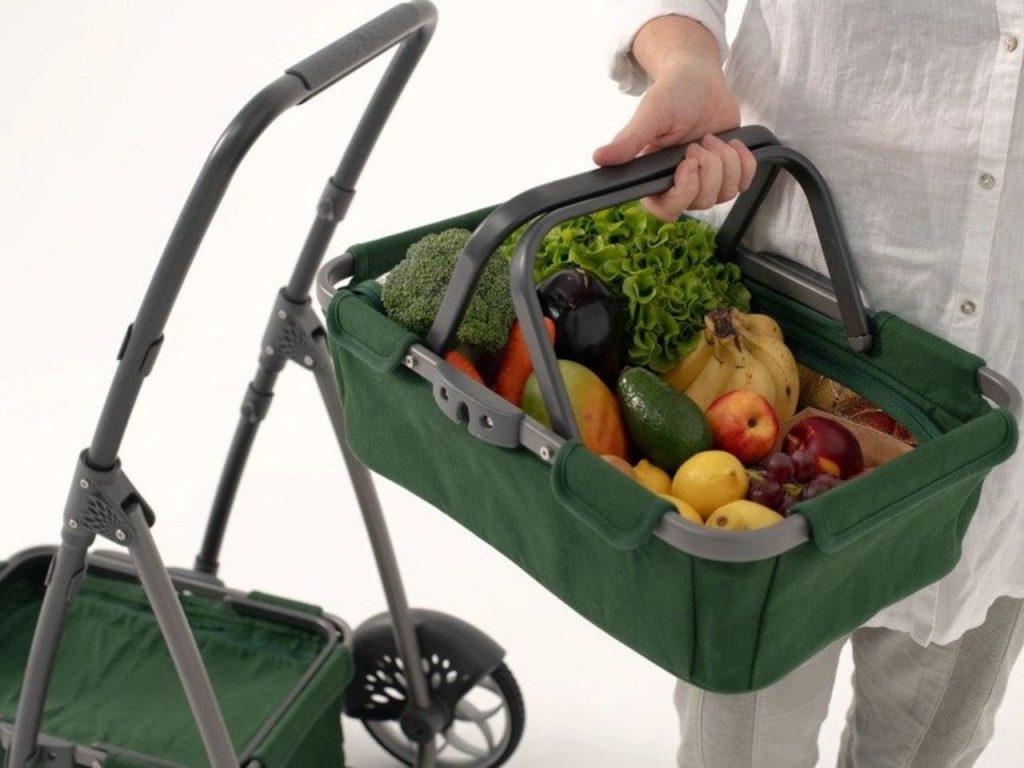
Marketday Cart by Michelle Hildebrand
Mobility and ergonomics are addressed with equal rigor. A lightweight aluminum frame provides structural stability while allowing the unit to fold to approximately half its size for compact storage. An extended handle improves posture and pulling comfort, particularly during longer trips. Oversized wheels are engineered to negotiate curbs, uneven pavements, and stairs with minimal disruption, reinforcing the cart’s suitability for dense urban environments.
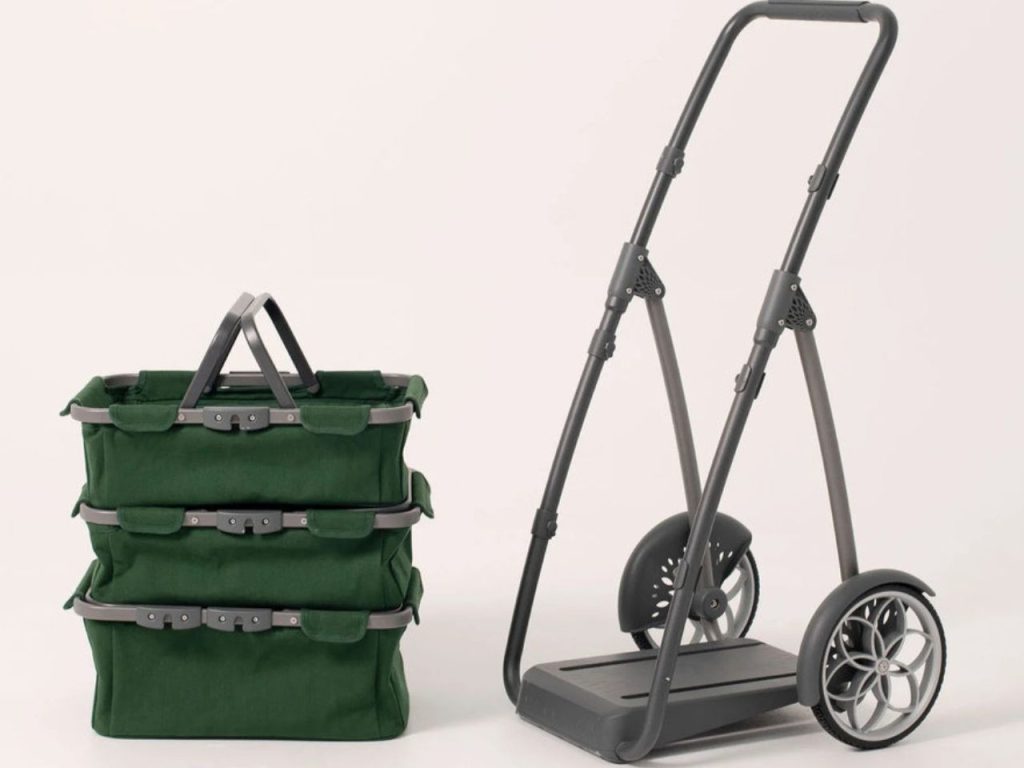
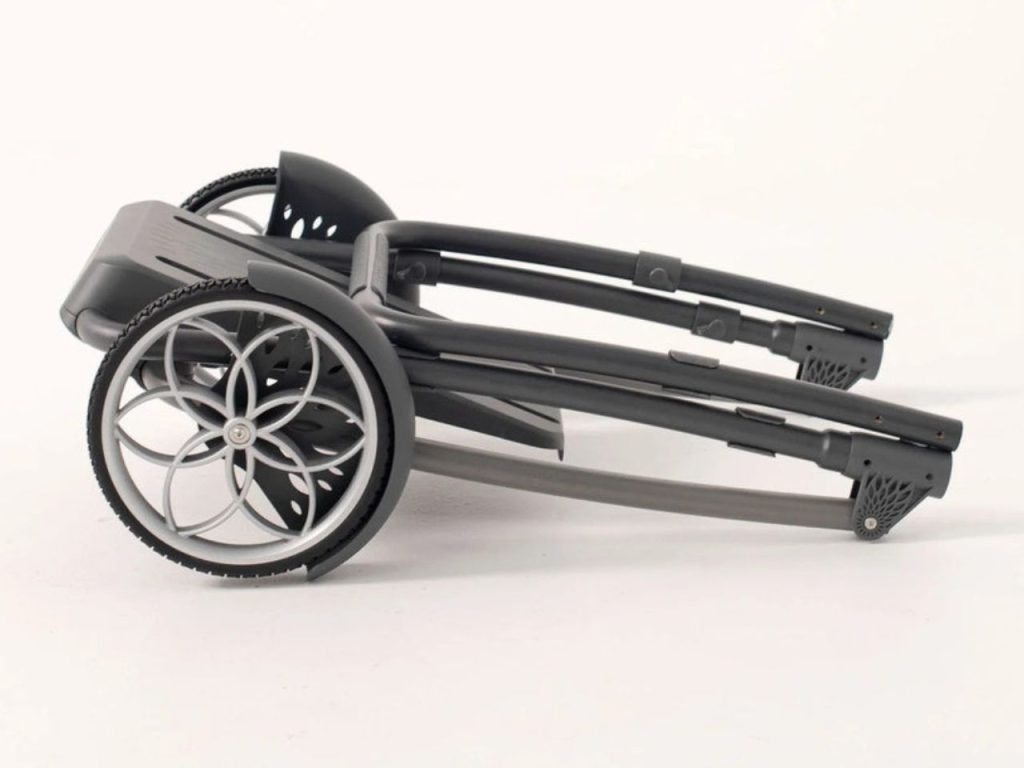
Marketday Cart by Michelle Hildebrand
One of the project’s most technically refined features is its integrated gimbal mechanism. As the cart tilts during movement, the baskets automatically pivot to remain horizontal. This self leveling system prevents contents from shifting or spilling, maintaining order without requiring user intervention. As the cart tilts, the baskets swing automatically to remain horizontal. It is a quiet mechanical gesture, but it keeps groceries level and eliminates yet another micro frustration.
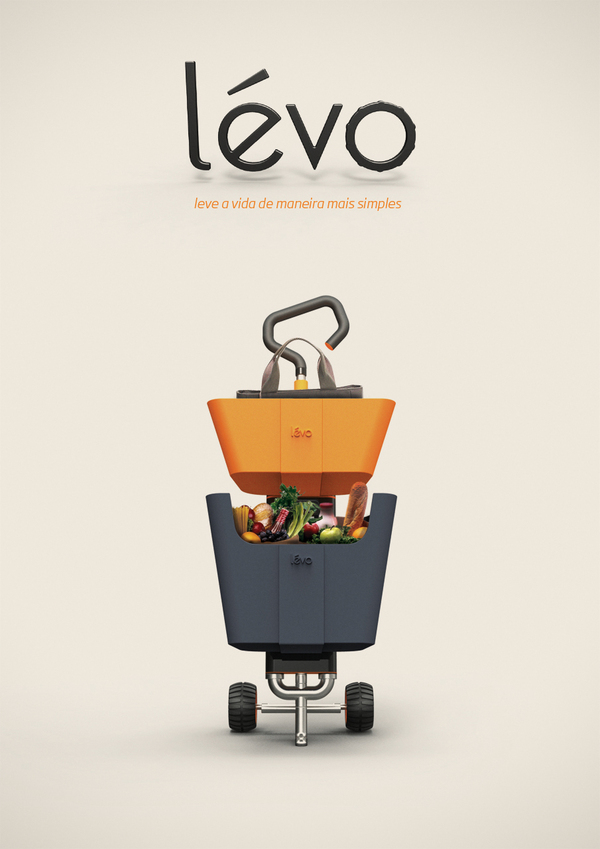
Lévo by Matheus Pinto and Fernando Ximenes
Where the first two carts refine grocery transport, Lévo approaches mobility as an adaptable system. Developed by Brazilian designers Matheus Pinto and Fernando Ximenes, the project repositions the cart as a flexible platform rather than a fixed container. In dense urban environments where one day might involve groceries and the next a trip to the hardware store, versatility becomes a core design value.
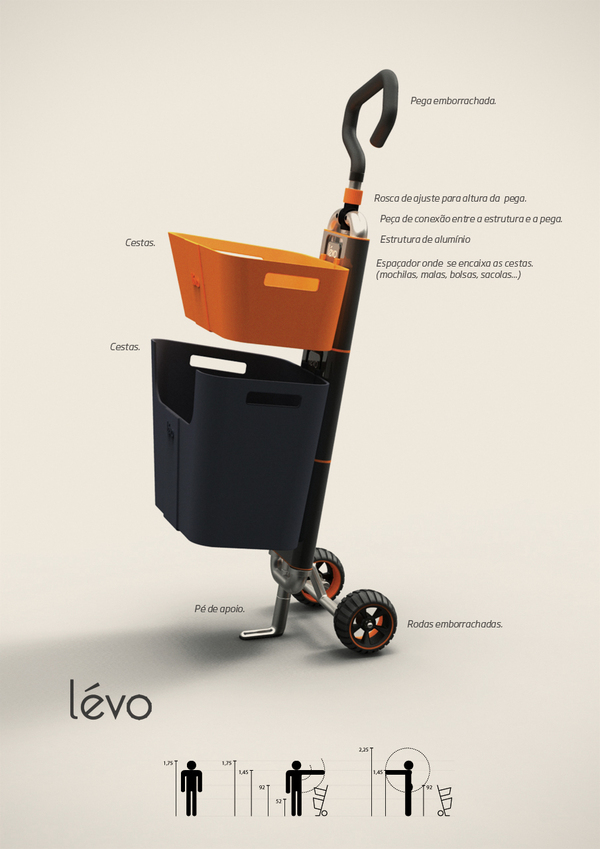
Lévo by Matheus Pinto and Fernando Ximenes
Lévo is built around a series of interchangeable polypropylene baskets that attach to a lightweight aluminum frame through an intuitive mounting interface. Each basket can be filled, removed, and reattached with minimal effort, allowing users to configure the cart according to the scale and nature of the task. This modular logic supports incremental use. A quick errand may require only one container, while larger hauls can stack multiple units securely onto the frame.
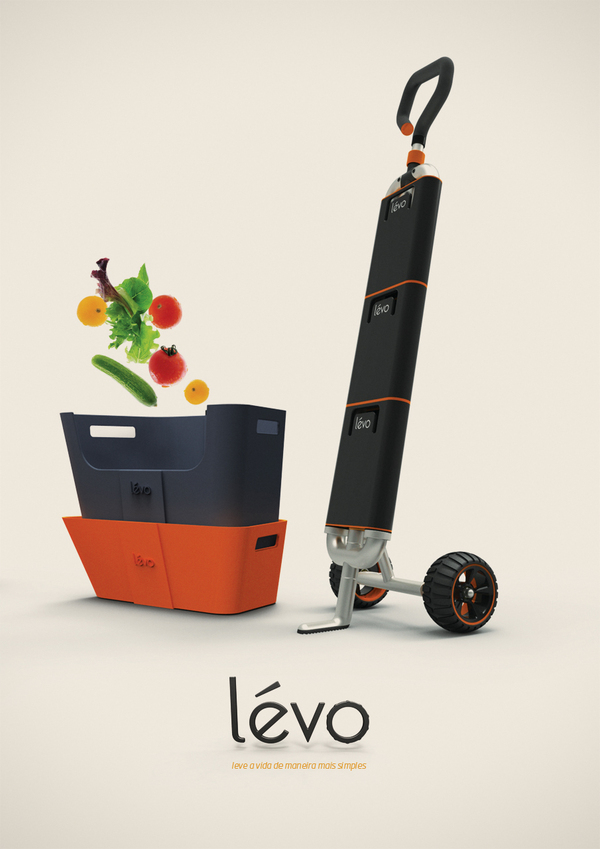
Lévo by Matheus Pinto and Fernando Ximenes
The structural system emphasizes durability without adding unnecessary visual weight. Aluminum provides strength and corrosion resistance while keeping the overall form manageable to lift and maneuver. The polypropylene baskets are impact resistant and easy to clean, qualities that acknowledge the realities of everyday transport. Whether carrying groceries, laundry, tools, or recreational gear, the materials are chosen to withstand repeated loading, exposure to moisture, and frequent assembly.
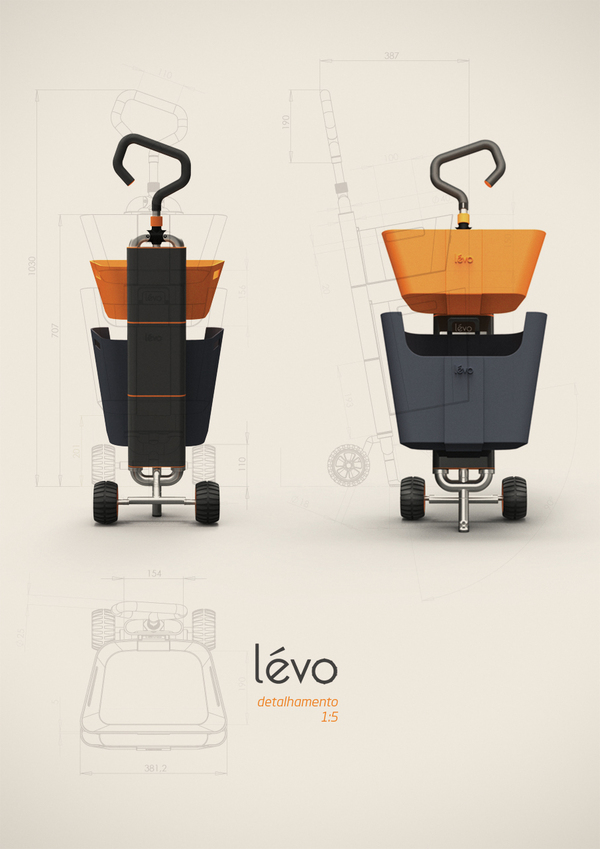
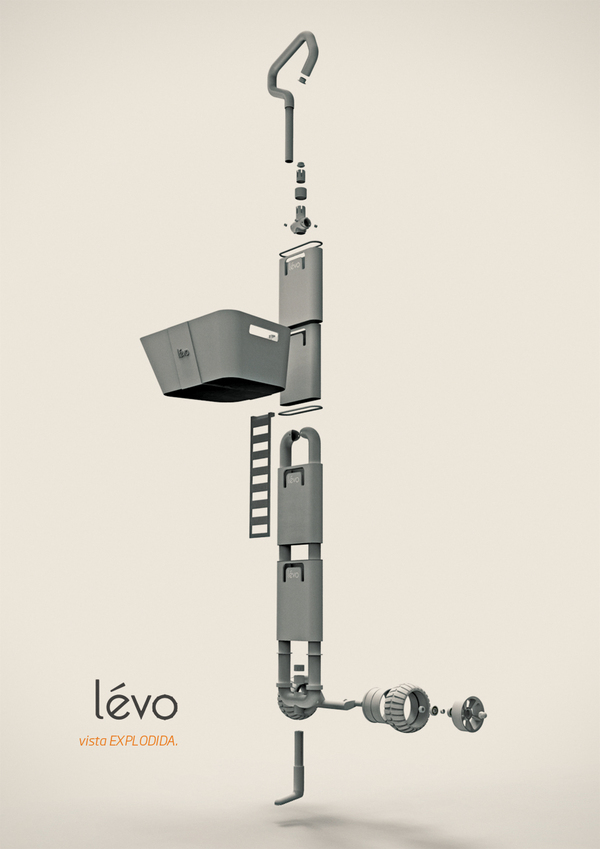
Lévo by Matheus Pinto and Fernando Ximenes
Equally important is the cart’s ability to fold or disassemble for storage. Urban living rarely accommodates large static objects, and Lévo responds with a collapsible architecture that reduces its footprint when not in use. The result is a product that aligns with contemporary spatial constraints and fluid routines. Rather than defining a single use case, Lévo embraces variability, demonstrating how thoughtful modular design can extend the relevance of a simple cart well beyond the supermarket aisle.
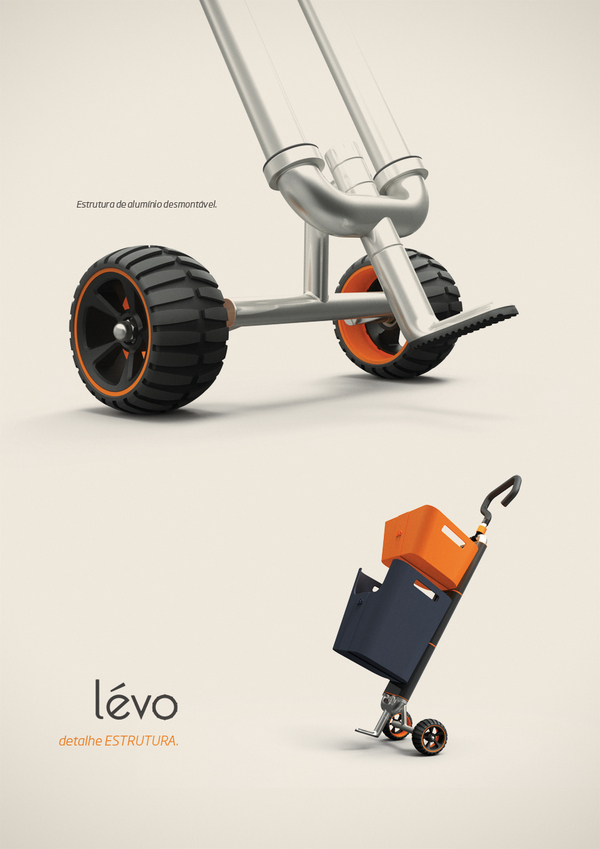
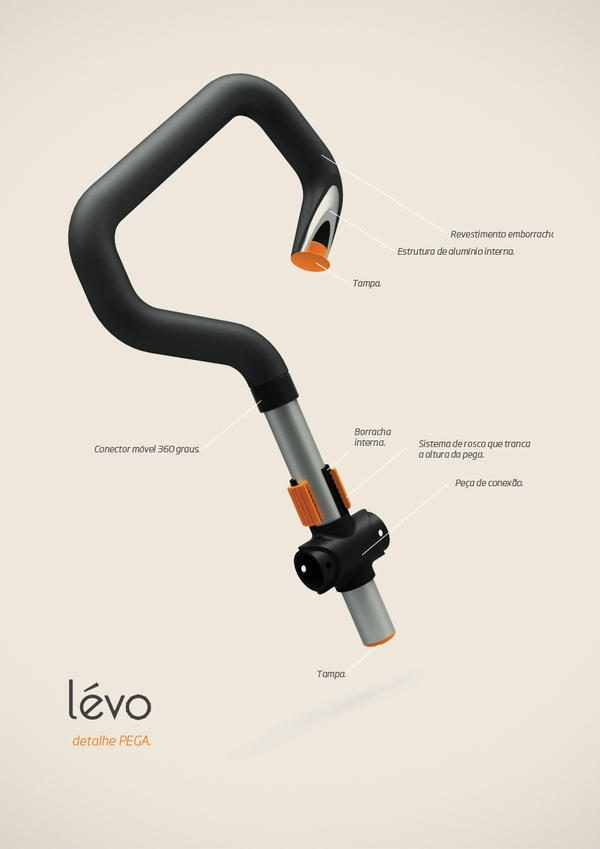
Lévo by Matheus Pinto and Fernando Ximenes
Taken together, these projects reveal a quiet but meaningful shift. Innovation does not always announce itself with digital interfaces or smart connectivity. Sometimes it rolls beside you on the sidewalk, gliding over cracks, keeping your produce intact, and reminding you that even the most ordinary ritual deserves good design.