The humble water bottle has quietly become one of the most contested objects in contemporary design. Once a purely utilitarian container, it is now a platform for innovation that blends engineering, sustainability, health, and personal expression. From medical-grade precision to modular minimalism and sculptural ergonomics, the following three projects show how water bottles are evolving into thoughtful design statements with a conscience.
Luxury water bottle by Okapa
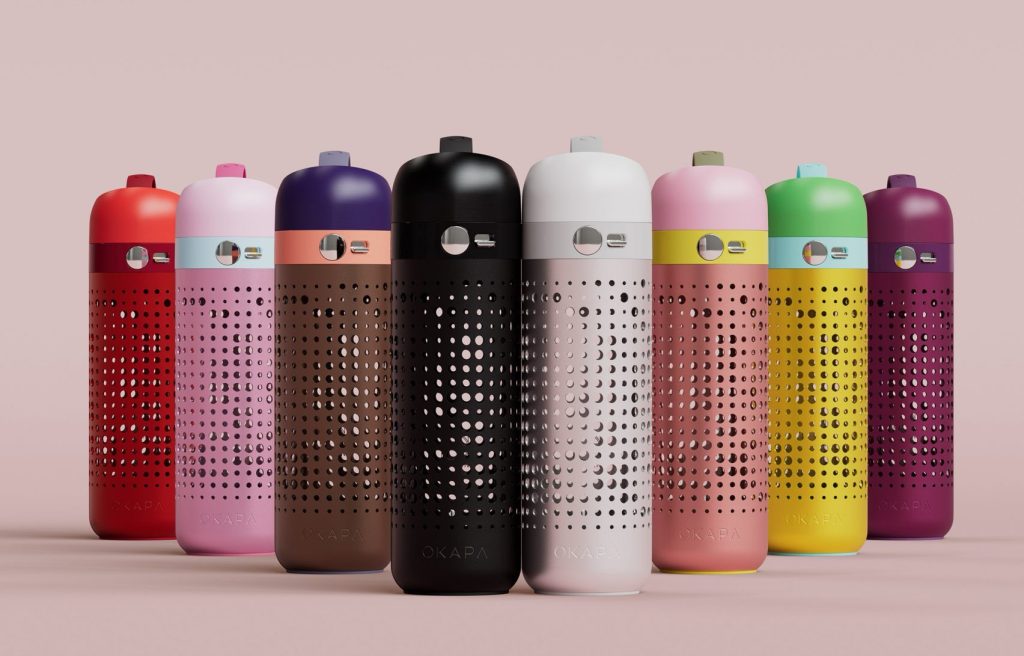
Swiss brand Okapa approaches hydration with the rigor of a laboratory and the sensitivity of a sculptor. Founded by Hardy Steinmann, the luxury water bottle is the result of more than eight years of intensive research into materials, hygiene, and mechanical systems. Steinmann’s ambition was not simply to improve an existing product, but to rethink it entirely as an object built on medical principles, where cleanliness and longevity are non-negotiable.
Luxury water bottle by Okapa
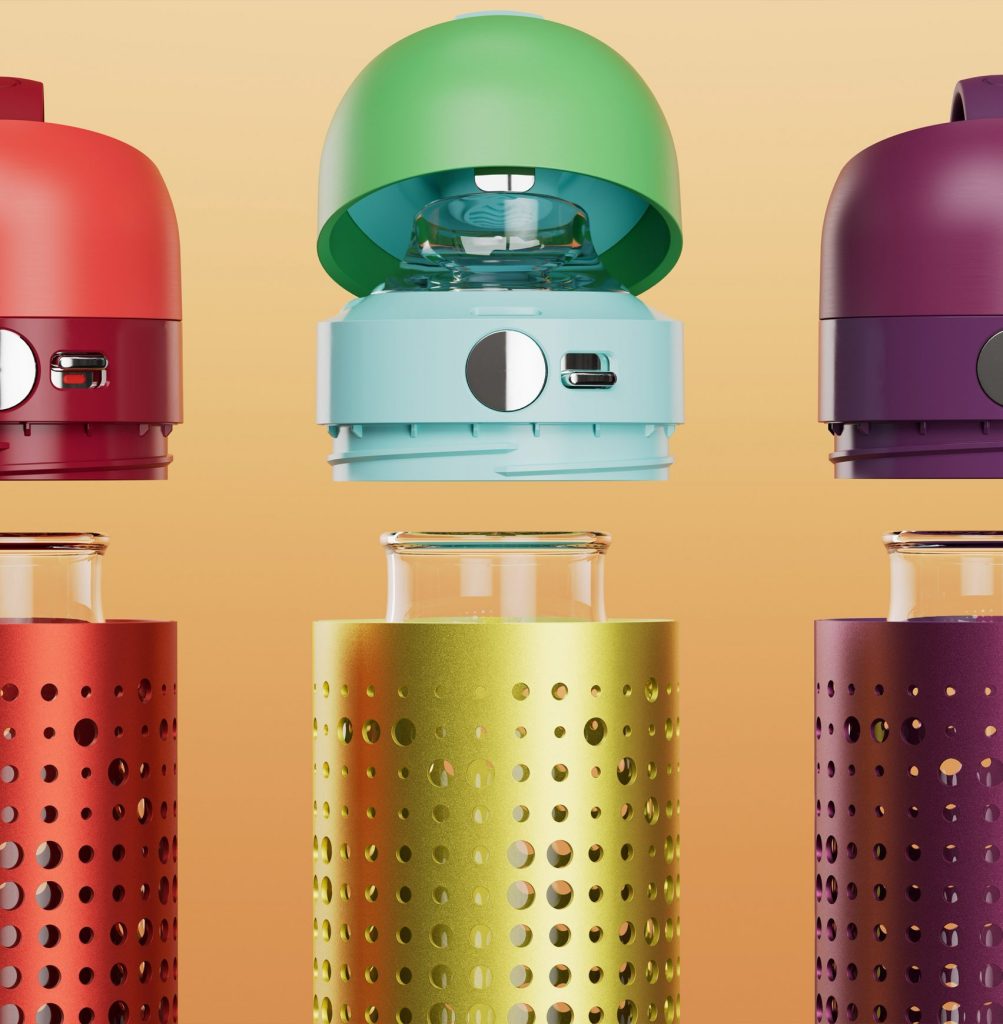
At the core of Okapa’s design is an unusual materials palette more commonly found in healthcare and engineering contexts. The bottle combines corrosion-resistant Nitronic 60 stainless steel, borosilicate glass, anodised aluminium, and Swiss-engineered TR90 thermoplastic. Each component is selected for its performance rather than its looks, yet the result is unmistakably sculptural. A perforated aluminium shell protects the glass carafe while giving the bottle a strong visual identity through bold colourways such as Redd Rumble and Fetische Noir.
Luxury water bottle by Okapa
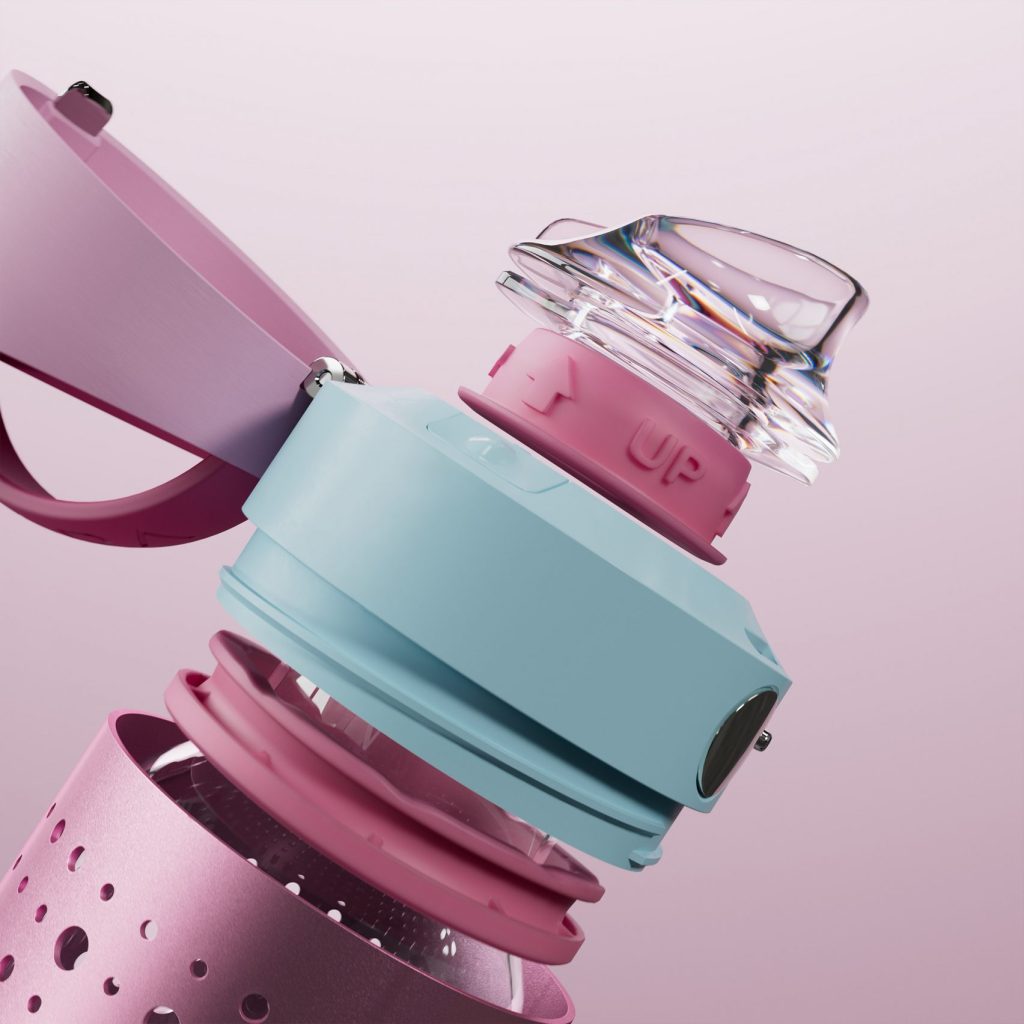
What truly sets Okapa apart is its modular construction. The bottle can be fully disassembled, allowing every part to be cleaned and reducing the risk of bacterial buildup. It can also withstand temperatures up to 110 degrees Celsius, reinforcing its positioning as a long-term, high-performance object. Advanced manufacturing processes, including CNC machining and temperature-controlled mould forming, underline the brand’s emphasis on precision at every stage.
Bottlecup by Seymourpowell
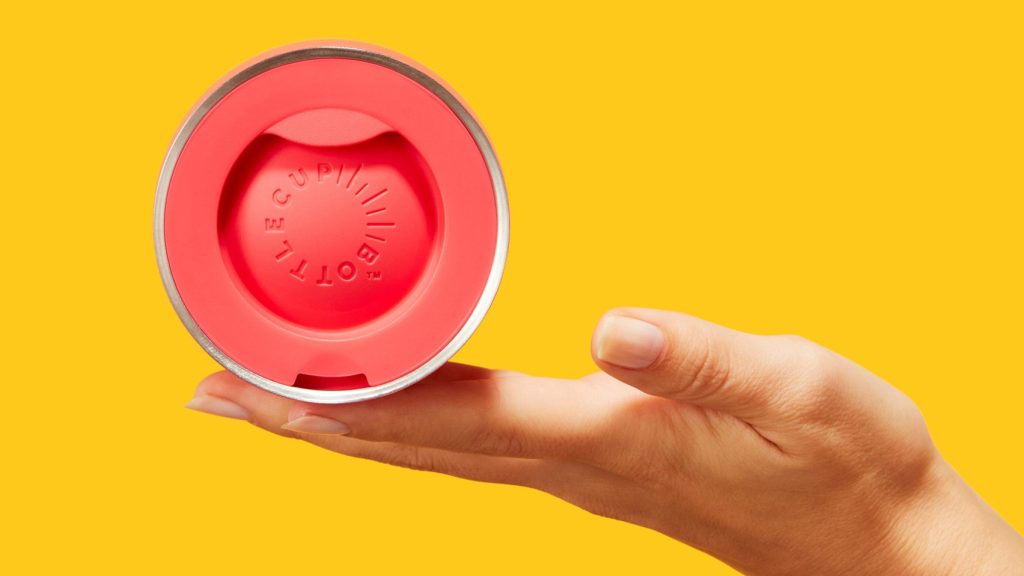
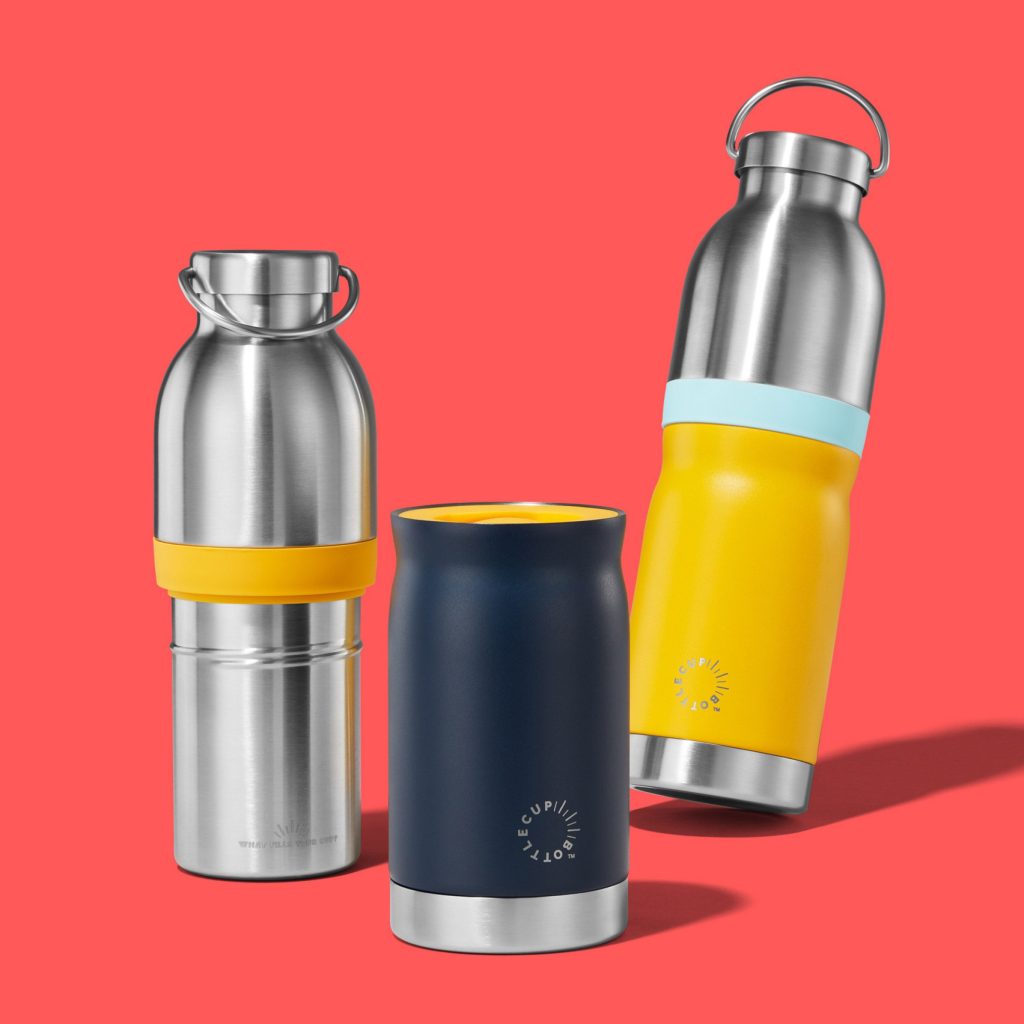
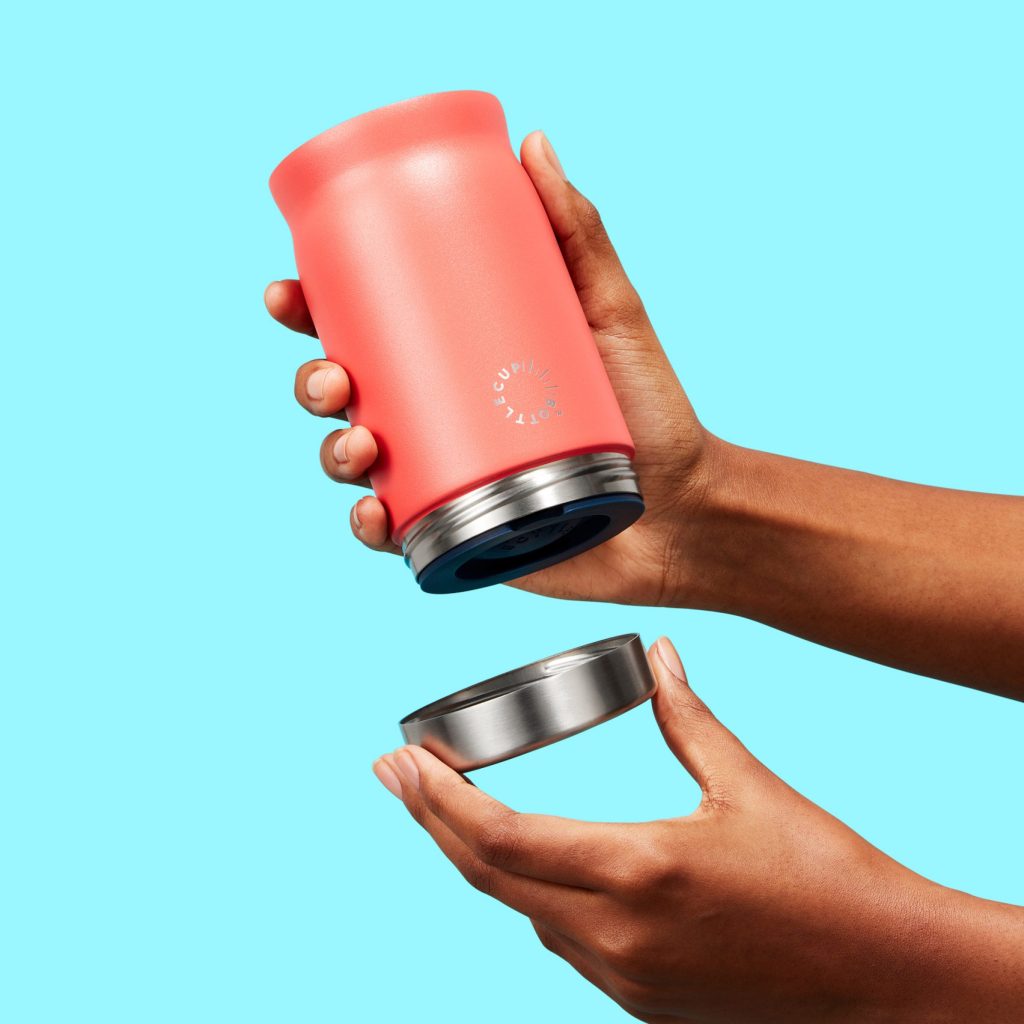
If Okapa elevates the bottle through complexity, London studio Seymourpowell takes the opposite approach by simplifying what we carry. Bottlecup merges a vacuum-insulated water bottle and a reusable cup into a single, neatly integrated product. Designed for Kate and Mark Arnell, the project responds to a familiar problem: people who own reusable cups often forget them, defaulting to disposable alternatives.
Bottlecup by Seymourpowell
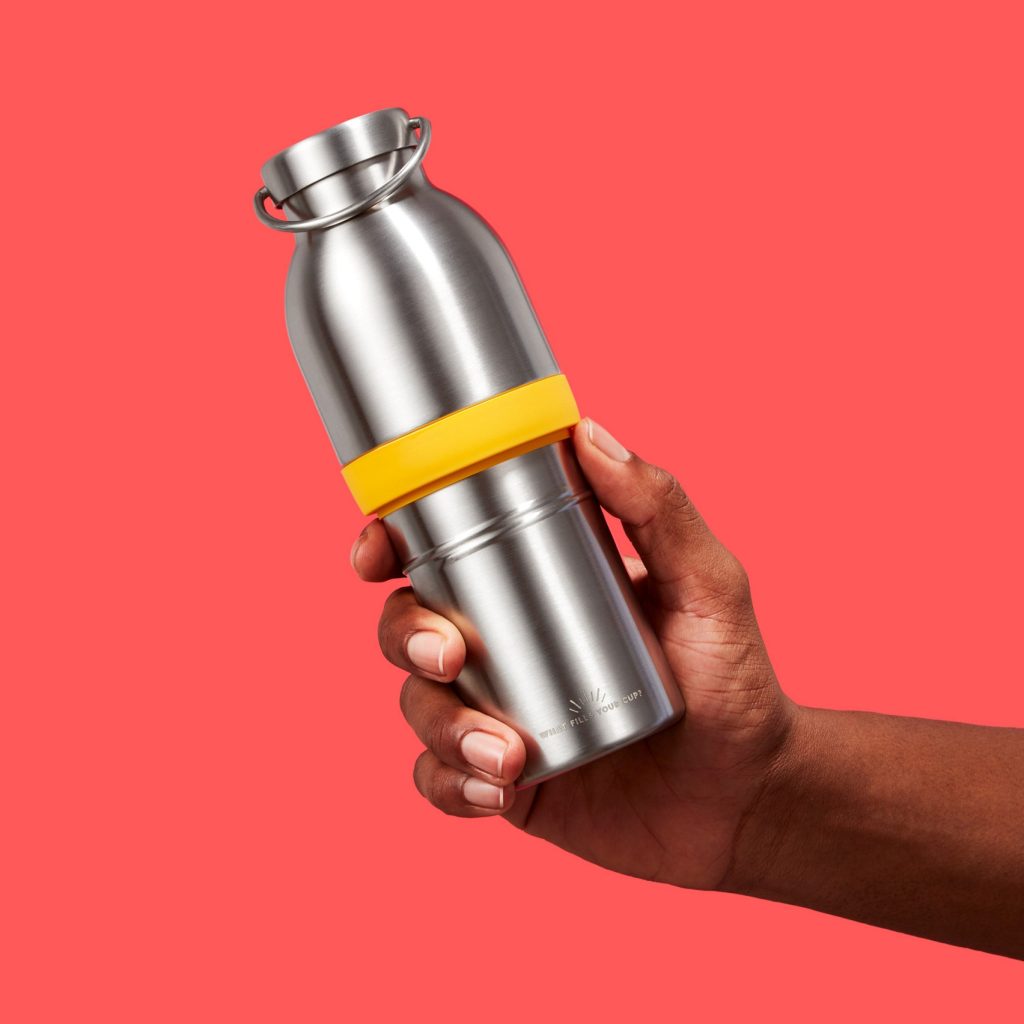
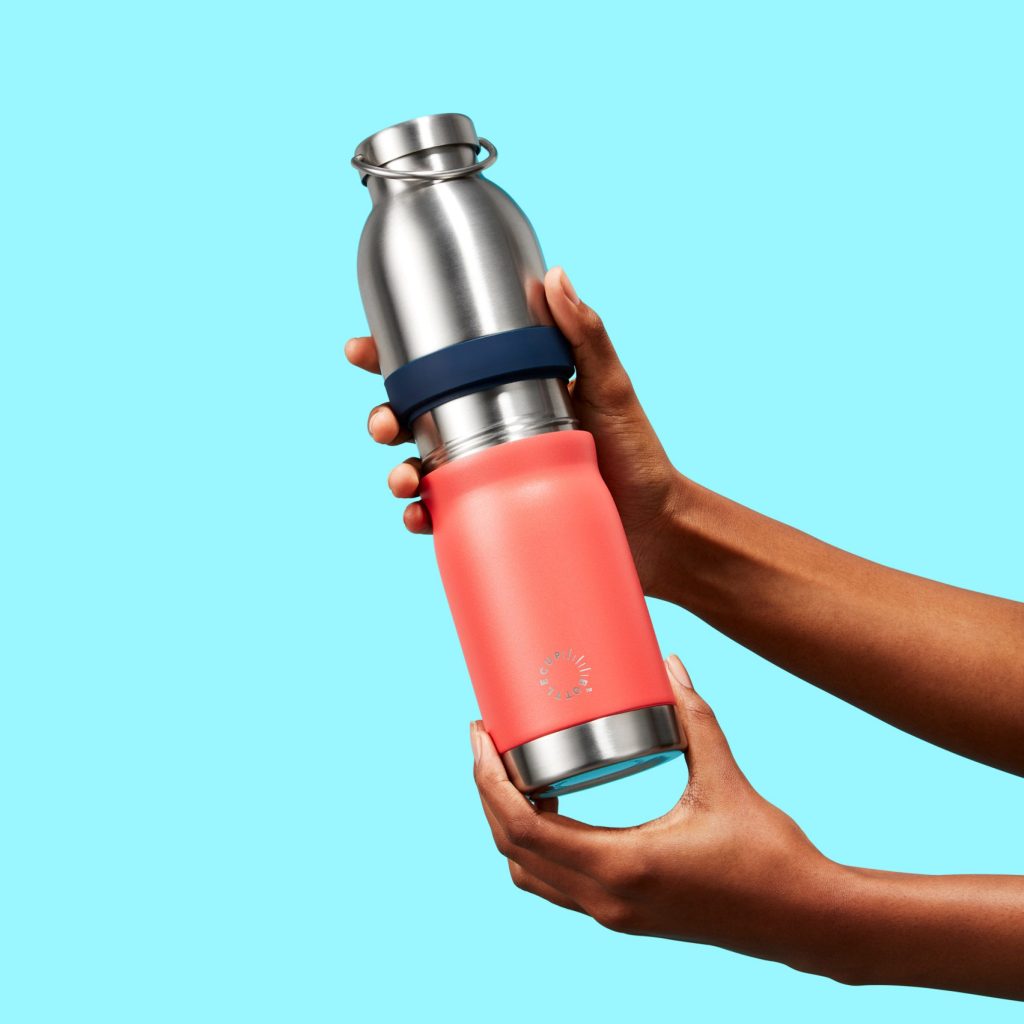
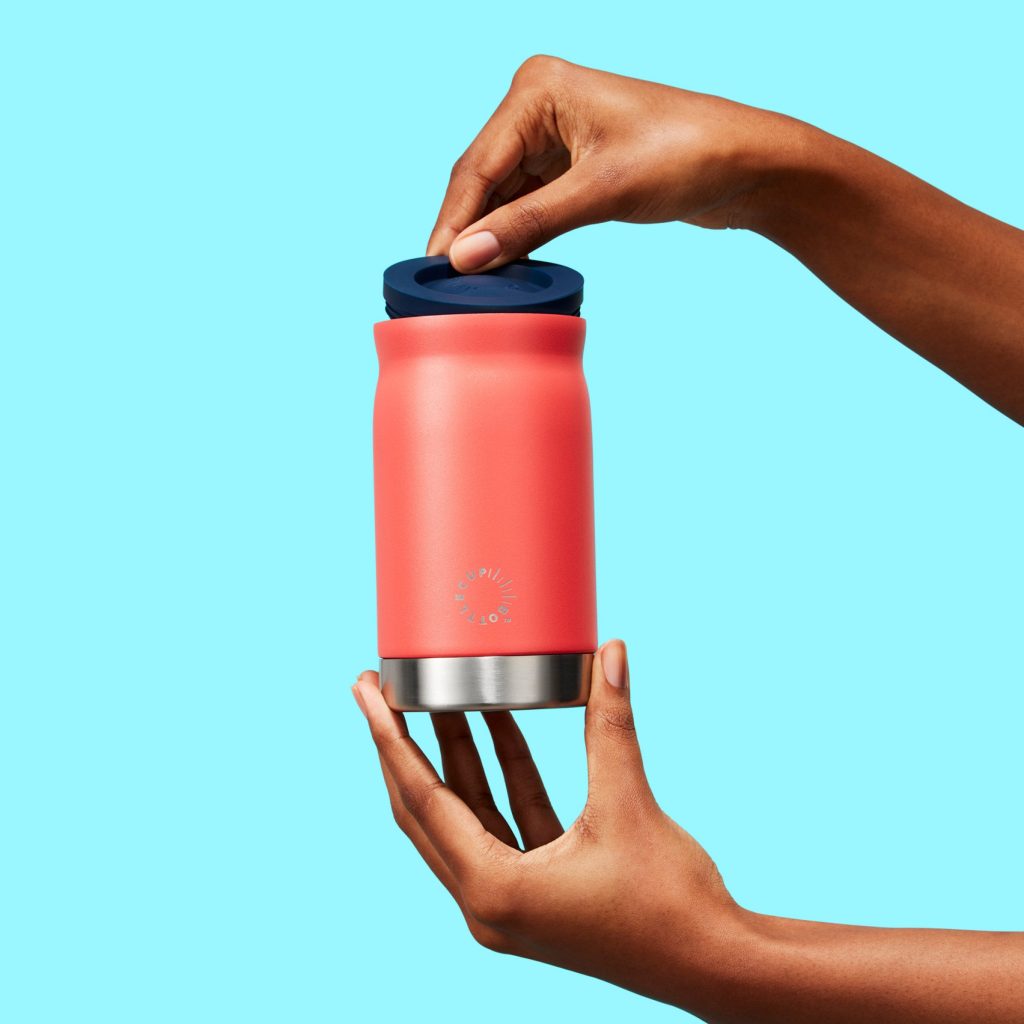
The environmental motivation is hard to ignore. In the UK alone, an estimated 2.5 billion disposable coffee cups are thrown away each year, with only a fraction recycled. Bottlecup addresses this by making it harder to forget the essentials. The stainless-steel bottle slots inside the cup and locks with a twist, allowing both elements to function independently without compromise.
Bottlecup by Seymourpowell
Ergonomics and usability play a central role in the design. Gently curved silhouettes improve grip, while a silicone band around the cup provides tactility and prevents leaks when the two parts are combined. The cup lid, also made from silicone, is stored in the base so it is always on hand, whether the user is drinking coffee, smoothies, or even soup.
Bottlecup by Seymourpowell
Sustainability extends beyond behavior change into material choices. Bottlecup avoids mixed materials, making recycling straightforward. The stainless steel can be collected curbside, while the food-grade silicone components can be returned to the brand for responsible recycling.
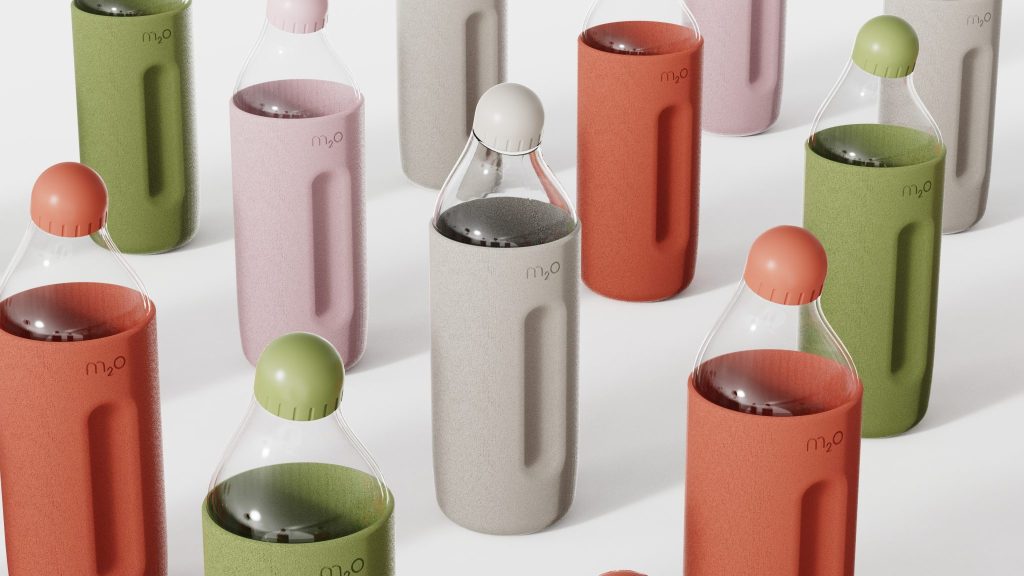
M2O Bottles by Michael Young (also header image)
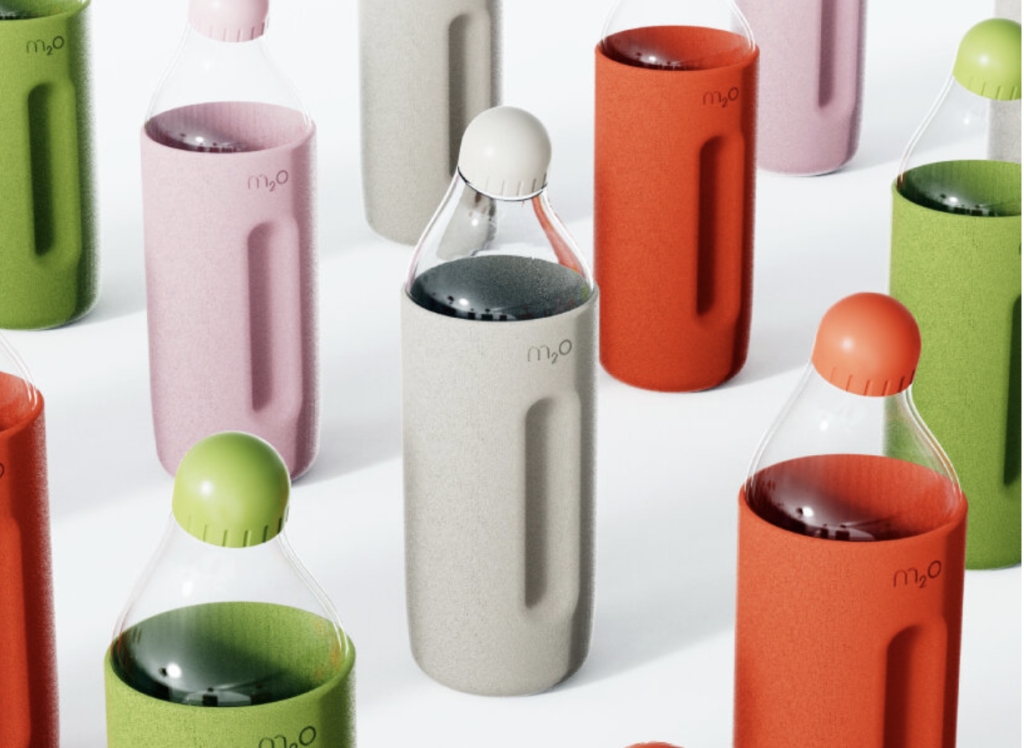
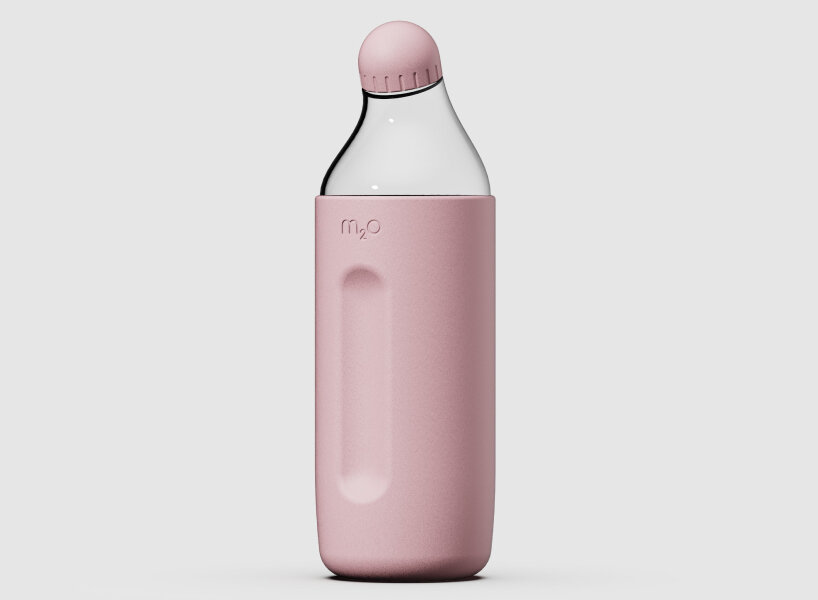
Designer Michael Young brings a more expressive, form-driven perspective to sustainable hydration with his M2O, or Made 2 Origin, water bottles. At first glance, the design stands out through subtle asymmetry. The rounded lid is topped with an off-centered cap, and the bottle’s neck bends slightly to one side. These gestures are not decorative flourishes but functional decisions that make pouring, refilling, and drinking easier and more controlled.
M2O Bottles by Michael Young
Grip and tactility are equally considered. Vertical slots carved along the sides of the bottle support a secure hold from multiple angles, reducing the chance of slips. The spherical cap is designed to prevent leaks, while fine lines at its base make screwing and unscrewing easier. Soft pastel colorways reinforce a sense of cleanliness and calm, aligning the object with everyday wellness rather than performance gear.
M2O Bottles by Michael Young
M2O is also grounded in a broader conversation about waste. Young introduced the project by highlighting the scale of disposable bottle consumption in Hong Kong, positioning the product as an invitation to refill rather than replace. Made from Tritan plastic, the bottles are BPA- and BPS-free, resistant to odors and stains, and designed to withstand long-term use without retaining unwanted flavors.
M2O Bottles by Michael Young
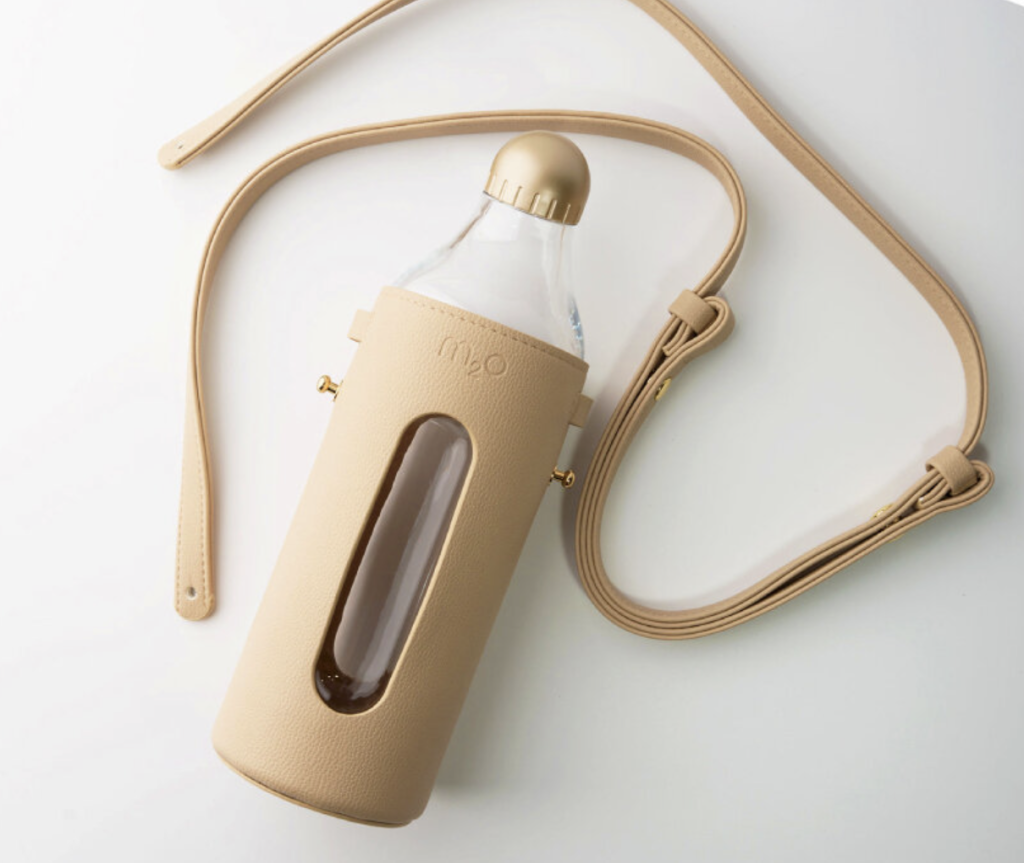
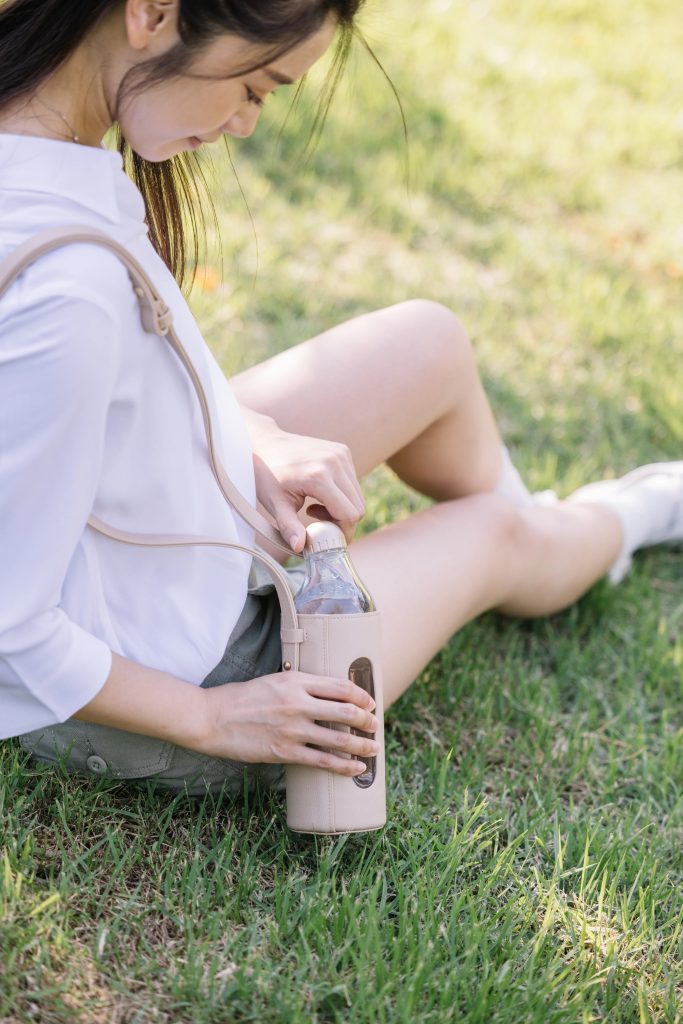
To extend both durability and personal expression, M2O offers silicone sleeves and a vegan leather option complete with straps. These additions provide extra grip, shock protection, and portability while elevating the bottle into a lifestyle accessory. The design balances fashion and function, showing how thoughtful details can encourage more sustainable habits without preaching.
Taken together, these three projects reveal how innovation in water bottle design is less about novelty and more about intention. As sustainability continues to shape consumer expectations, it is clear that even the most ordinary objects can become powerful vehicles for better design, and better behavior.