Mobile homes have quietly shifted from utilitarian objects to sophisticated design statements. Today, they operate as laboratories for architectural experimentation, where sustainability, craftsmanship, and spatial intelligence converge within compact footprints. Freed from permanent foundations, these structures invite designers to rethink how we live, travel, and connect with landscapes, all while maintaining comfort and character.
Vigia TOW by Madeiguincho Atelier Madeira
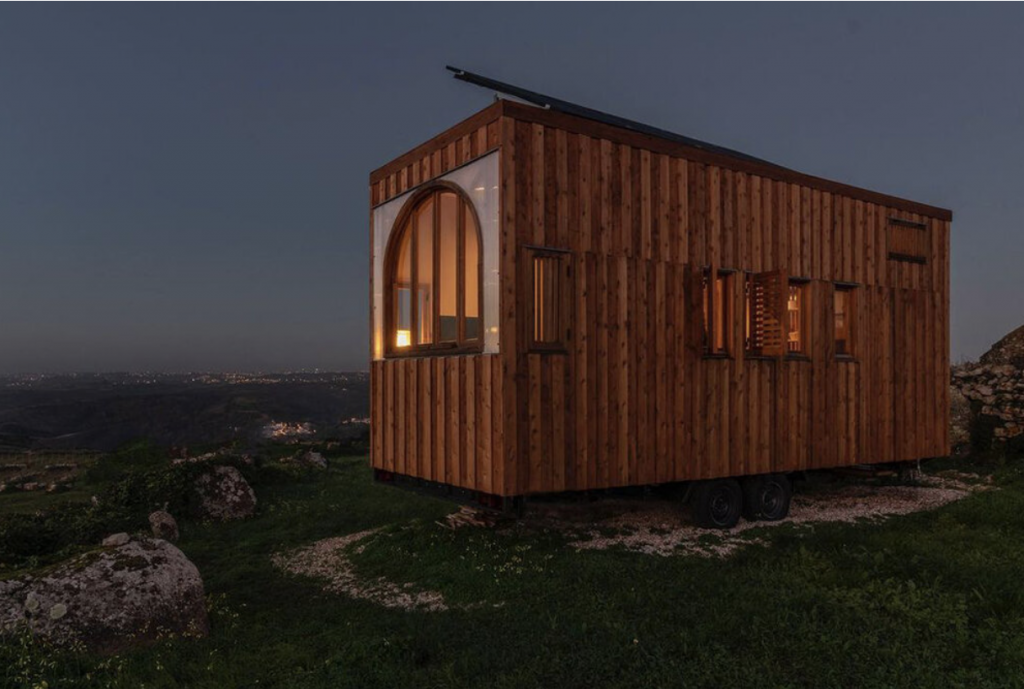
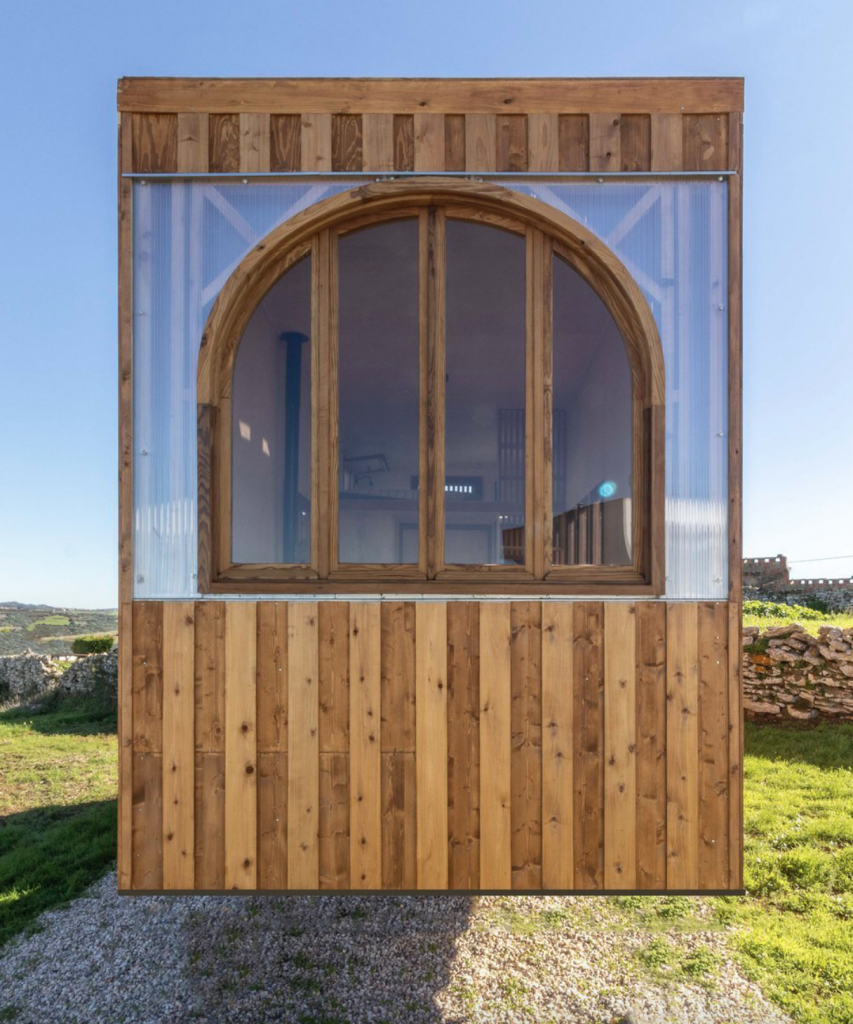
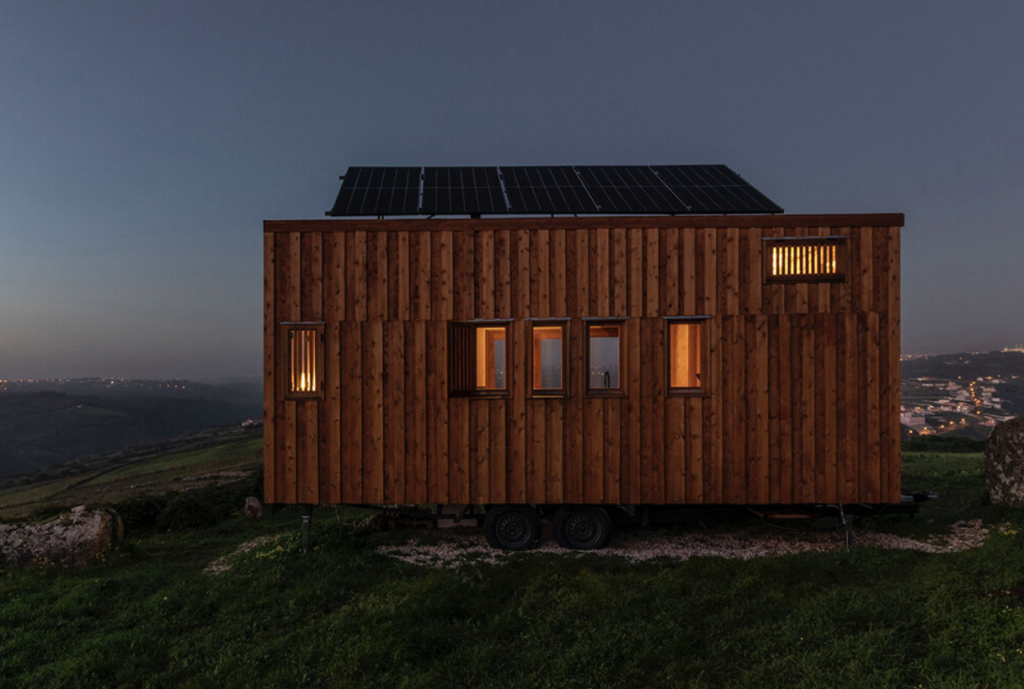
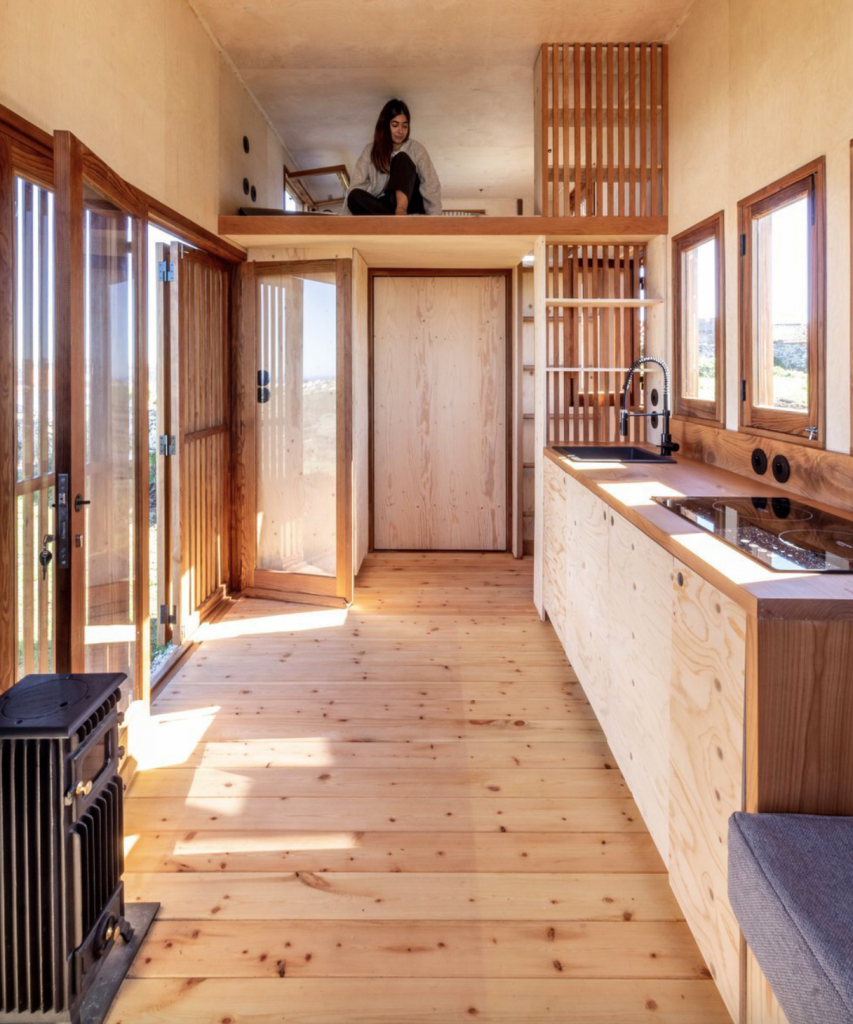
Continuing its exploration of woodworking traditions, Madeiguincho Atelier Madeira presents Vigia TOW, a seven-meter-long tiny home on wheels set within a double-axle trailer. Located in Sintra, Portugal, the project reflects the studio’s ability to merge ancestral construction techniques with contemporary mobile living. Clad entirely in wood inside and out, the structure immediately communicates warmth, tactility, and a strong sense of material honesty.
Vigia TOW by Madeiguincho Atelier Madeira
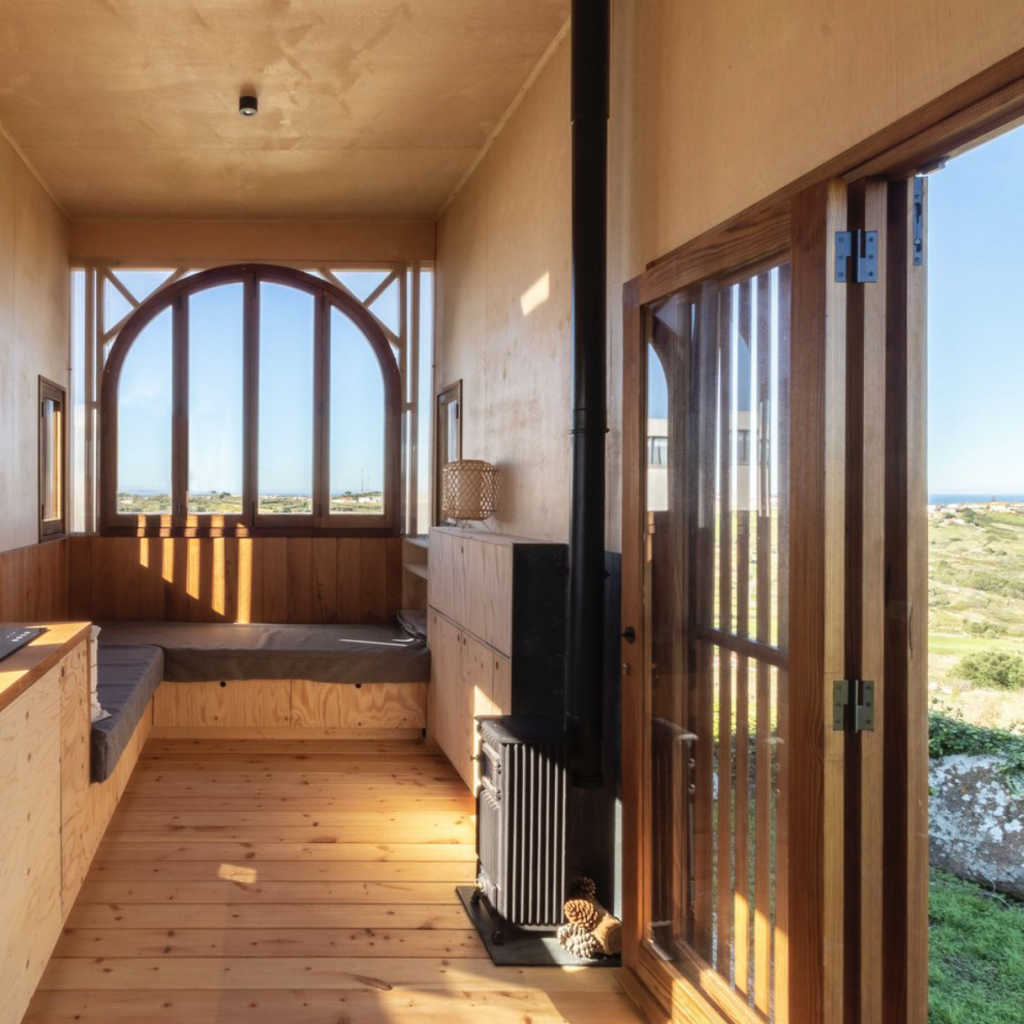
Light plays a central role in shaping the experience of Vigia TOW. Arched and rectangular windows punctuate all sides of the trailer, allowing daylight to wash across the wooden surfaces throughout the day. The result is a bright, open atmosphere that defies the compact dimensions of the home. Wooden shutters add an extra layer of control, enabling residents to modulate light, privacy, and thermal comfort as conditions change.
Vigia TOW by Madeiguincho Atelier Madeira
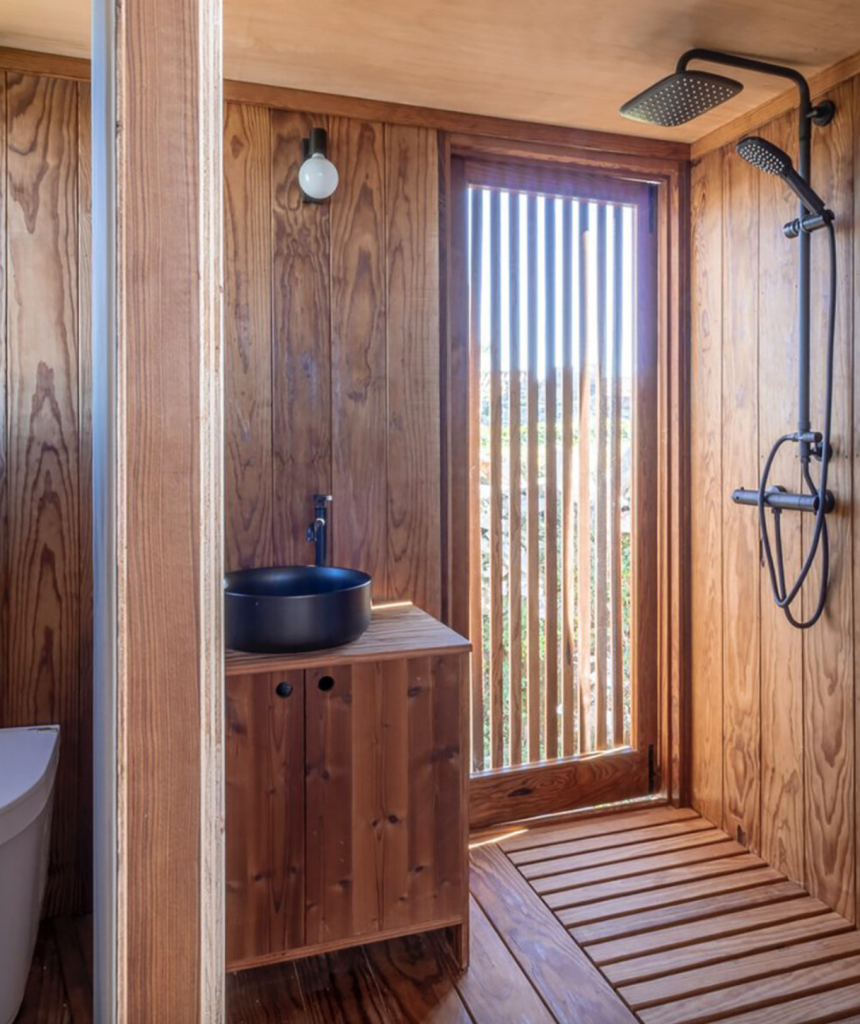
Inside, the layout is both generous and efficient. A welcoming living area flows into a fully equipped kitchen, complemented by a bathroom and a loft-style sleeping space above. Despite its modest scale, the interior never feels constrained, thanks to careful proportions and a consistent material palette. Every element appears deliberate, from the paneling to the joinery details.
Vigia TOW by Madeiguincho Atelier Madeira
What truly elevates Vigia TOW is its self-sufficiency. Designed to function entirely off the grid, the home supports a lifestyle untethered from infrastructure, without sacrificing comfort. In this way, Madeiguincho positions mobility not as a compromise, but as an opportunity to live more intentionally, guided by craft and autonomy.
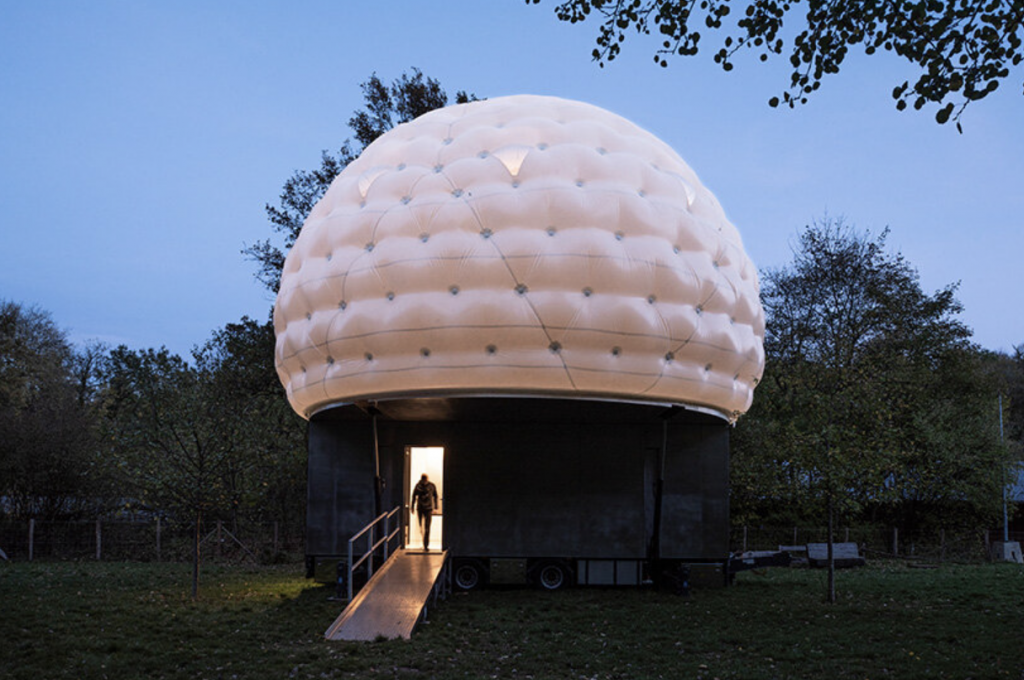
Esch 22 Space Station by 2001 (also header image)
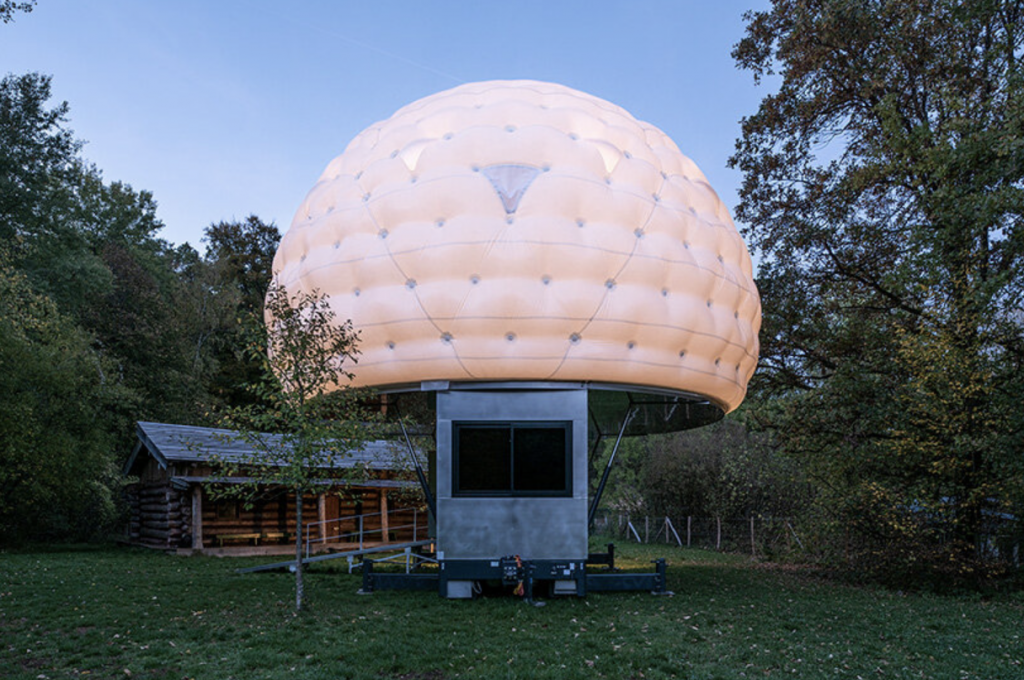
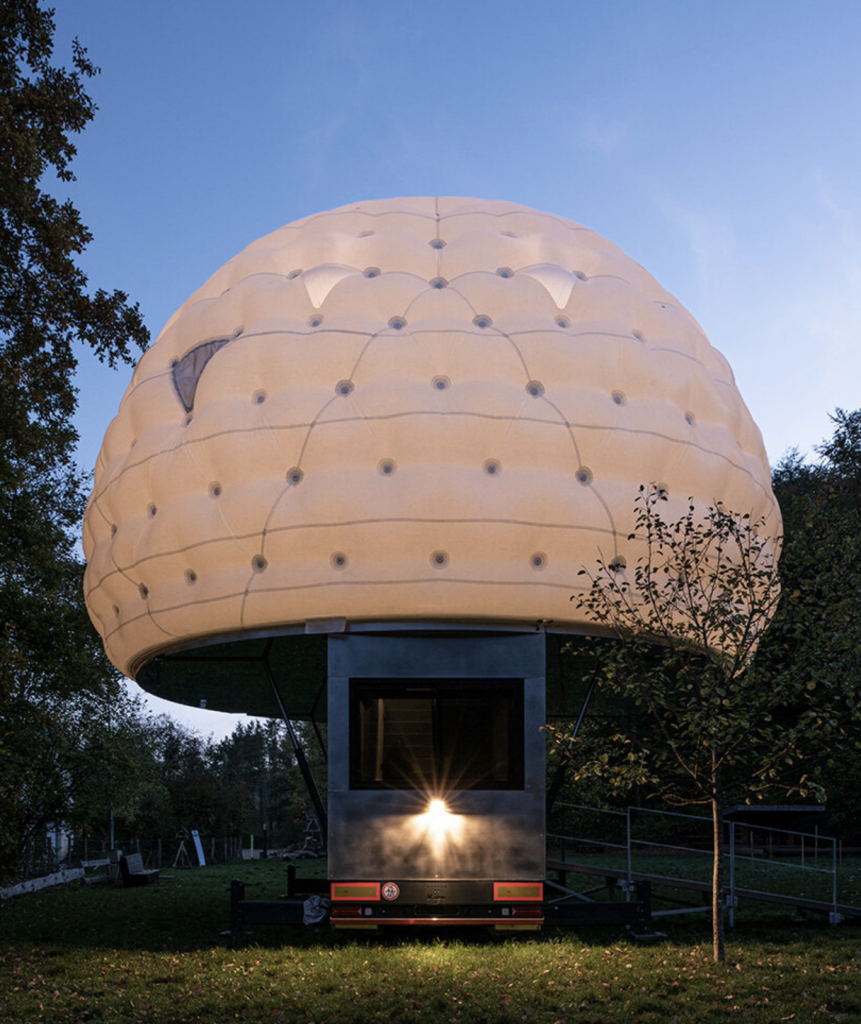
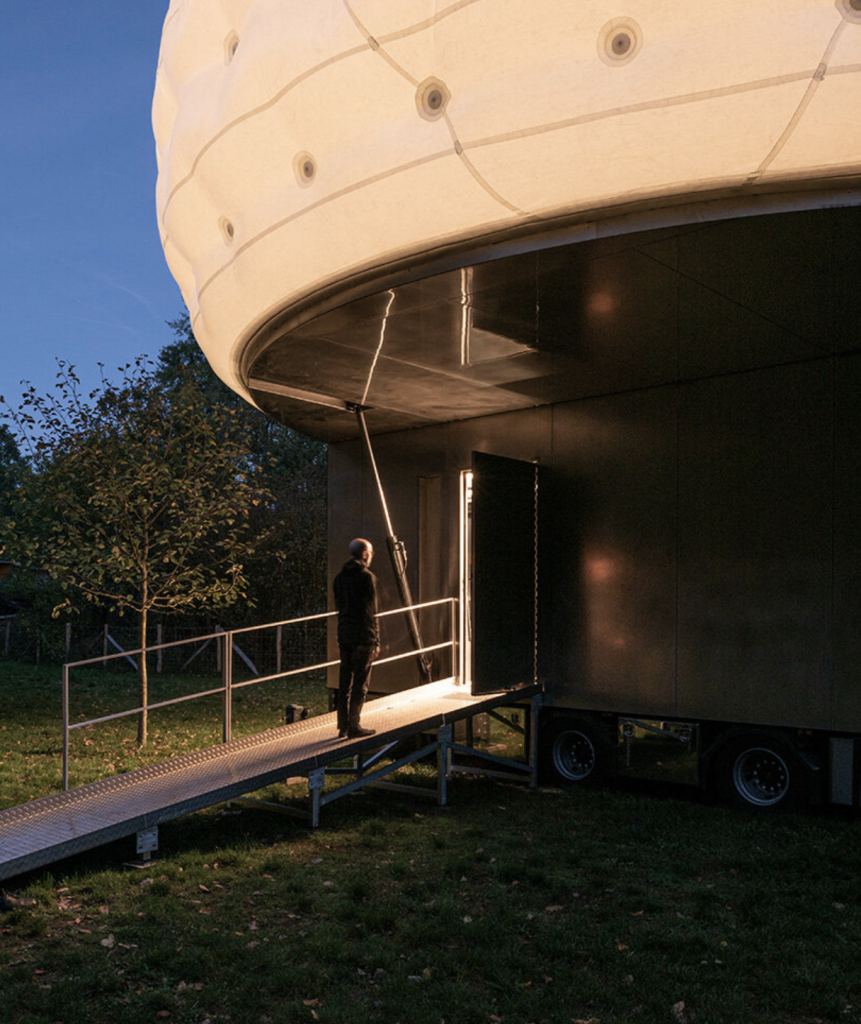
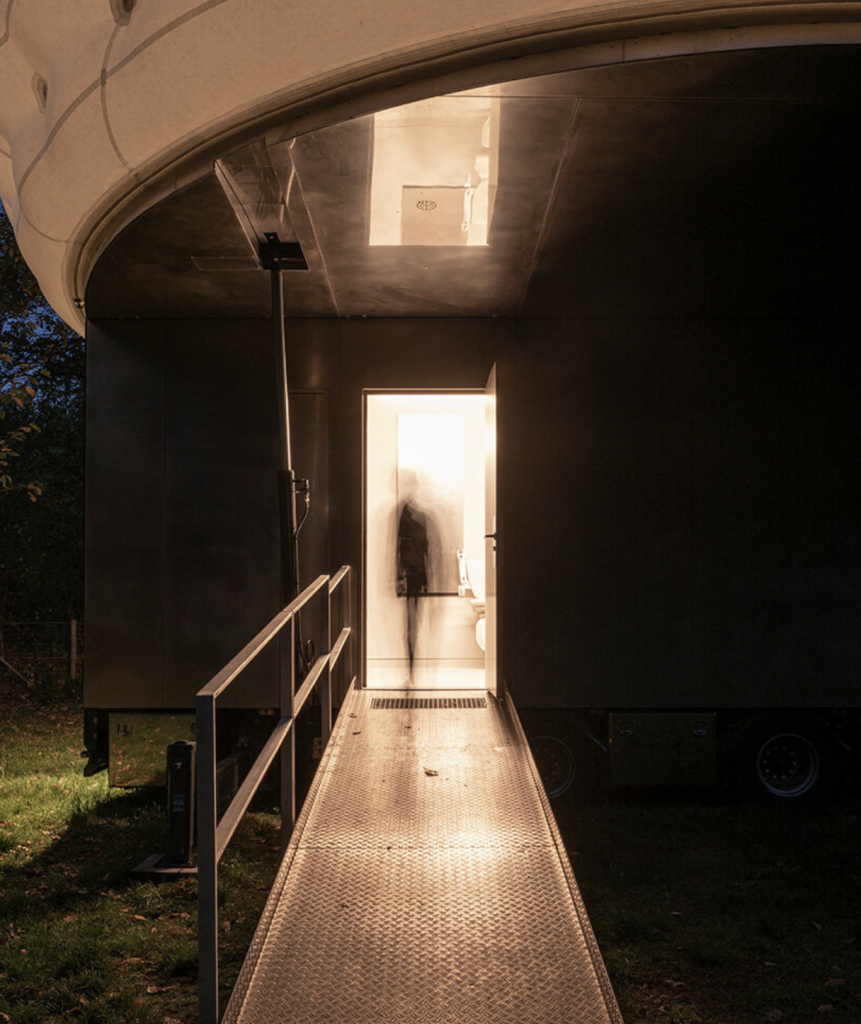
If Vigia TOW celebrates tradition, the Esch 22 Space Station by local architecture company 2001 embraces radical transformation. Developed in Esch-sur-Alzette, Luxembourg, the project begins as a sleek stainless steel trailer that houses all essential functions, including a kitchen, bath, and dining area. In transit mode, it reads as a minimalist object, efficient and compact.
Esch 22 Space Station by 2001
Once stationed, however, the structure undergoes a dramatic metamorphosis. Two lateral wings unfold from the trailer, forming a circular platform with a nine-meter diameter. Finished with cork, the surface introduces warmth and sustainability while expanding the usable area well beyond the original footprint. This moment of unfolding is both performative and practical, turning mobility into an architectural event.
Esch 22 Space Station by 2001
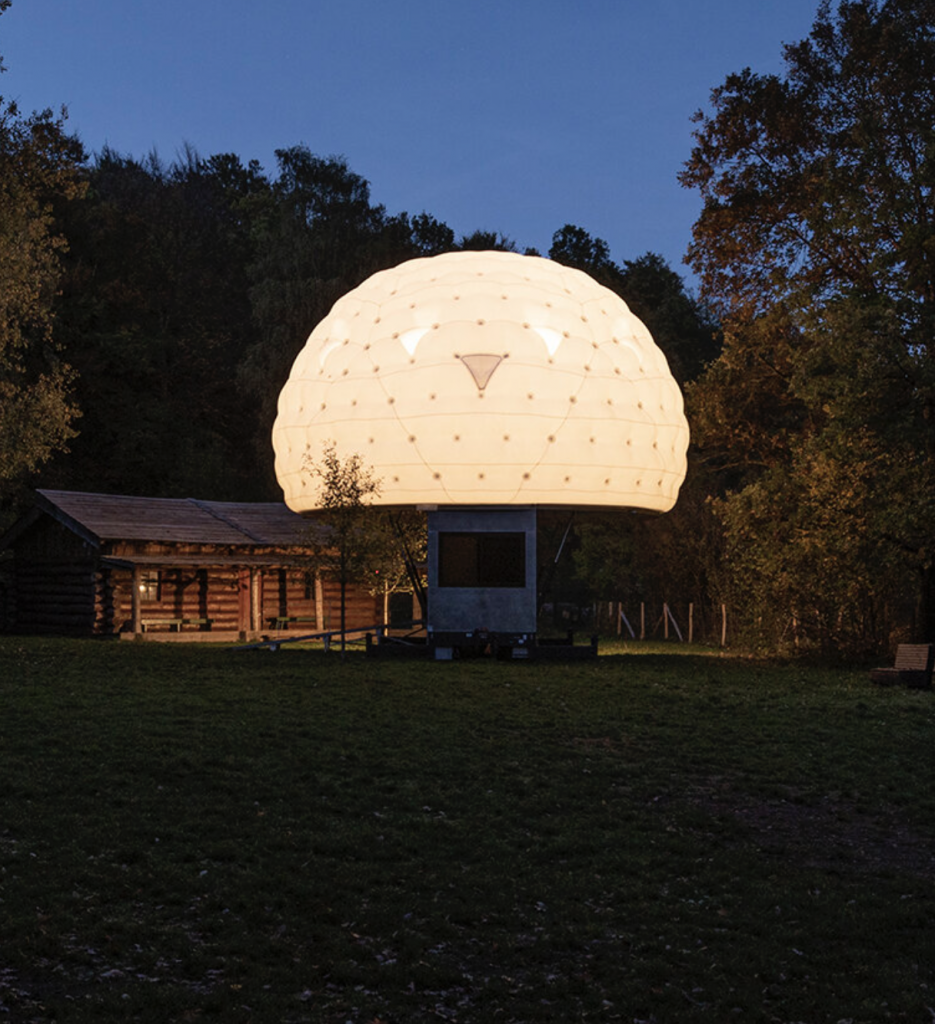
Above the platform, a double-shell pneumatic dome is inflated to create a sleeping habitat that feels surprisingly expansive. Responsive to climate conditions, the dome offers insulation and comfort while maintaining a sense of lightness and impermanence. The contrast between the solid steel base and the inflated shell underscores the project’s experimental nature.
Esch 22 Space Station by 2001
The Esch 22 Space Station challenges conventional ideas of what a mobile home can be. Rather than mimicking traditional housing, it proposes a hybrid between infrastructure, furniture, and architecture. In doing so, it opens up new conversations about adaptability, temporary occupation, and how design can respond dynamically to context.
Terra Tows by Madeiguincho
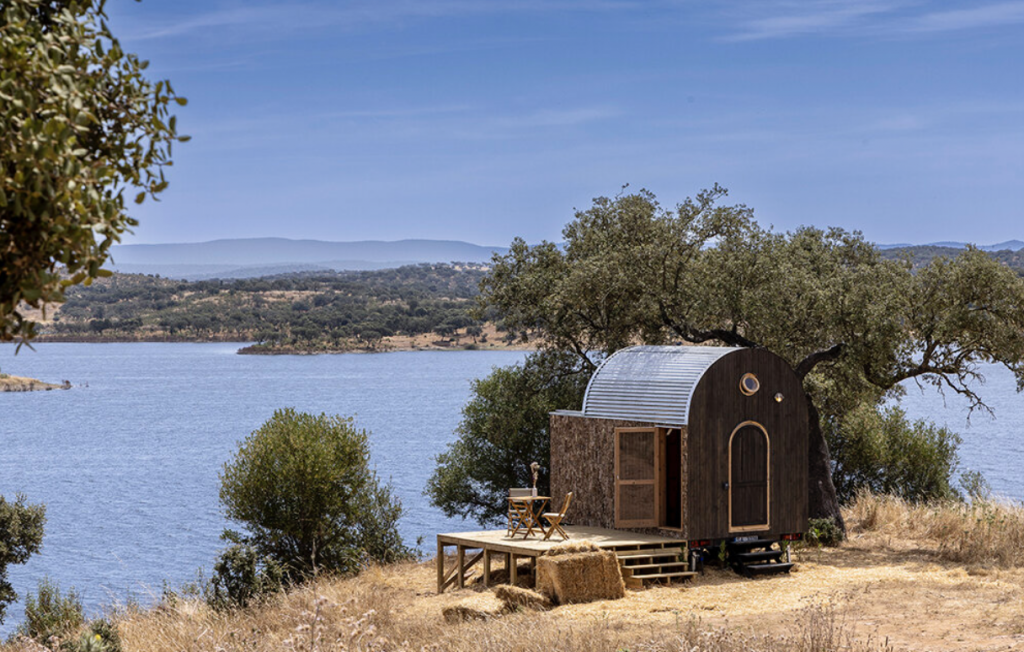
Returning to Portugal, Madeiguincho expands its Tiny House collection with Terra Tows, a trio of mobile units set within a regenerative agriculture farm in Alqueva, Alentejo. Despite their mobility, these houses are deeply connected to their surroundings. The design draws inspiration from the region’s architectural heritage, from white Taipa houses to ancient megalithic structures scattered across the landscape.
Terra Tows by Madeiguincho
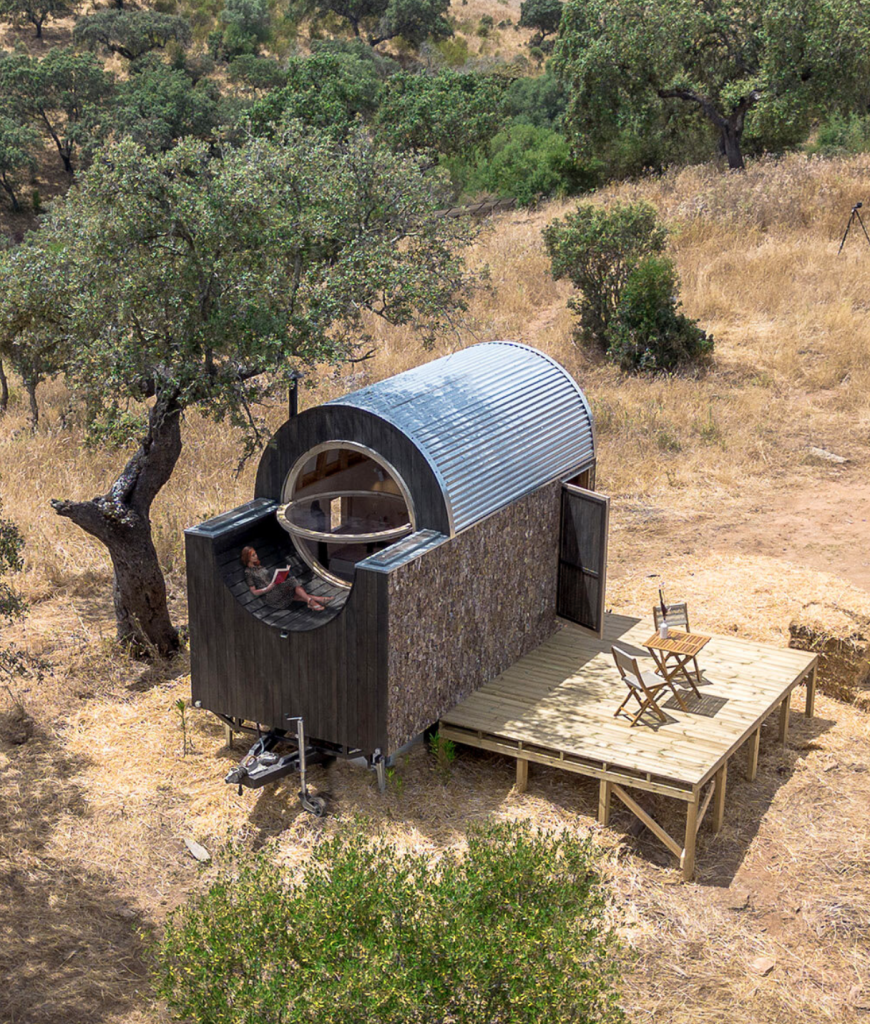
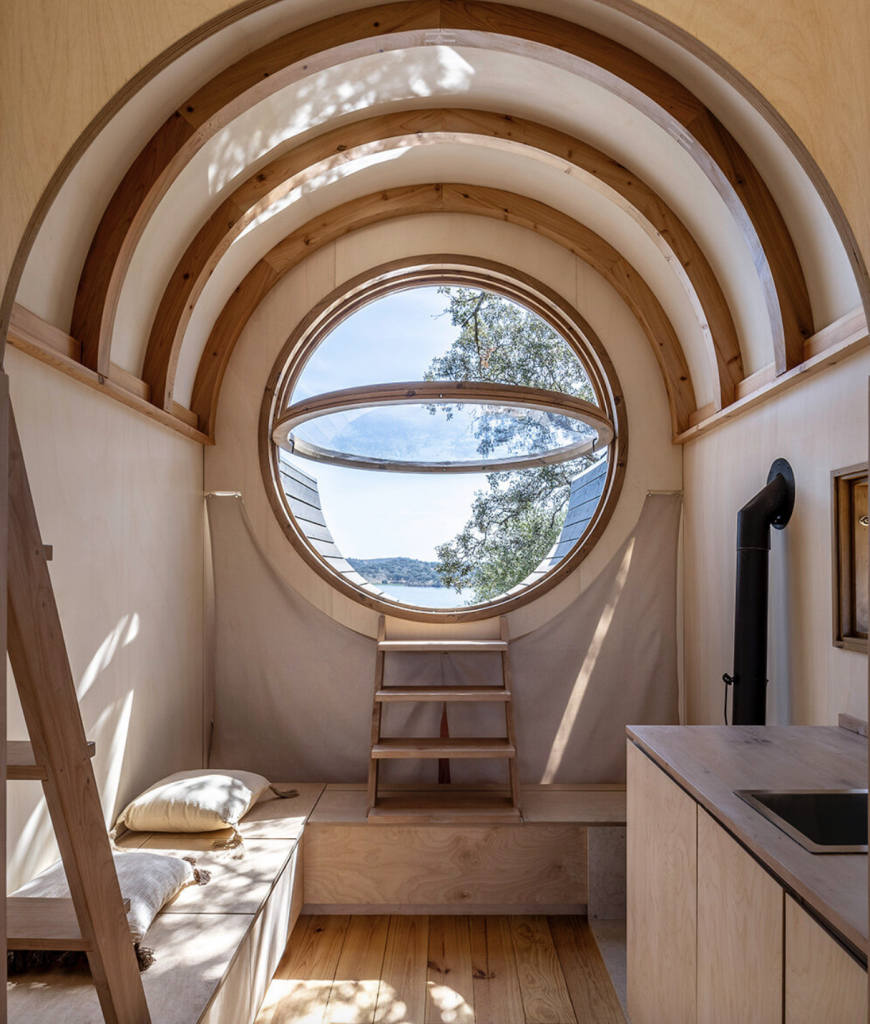
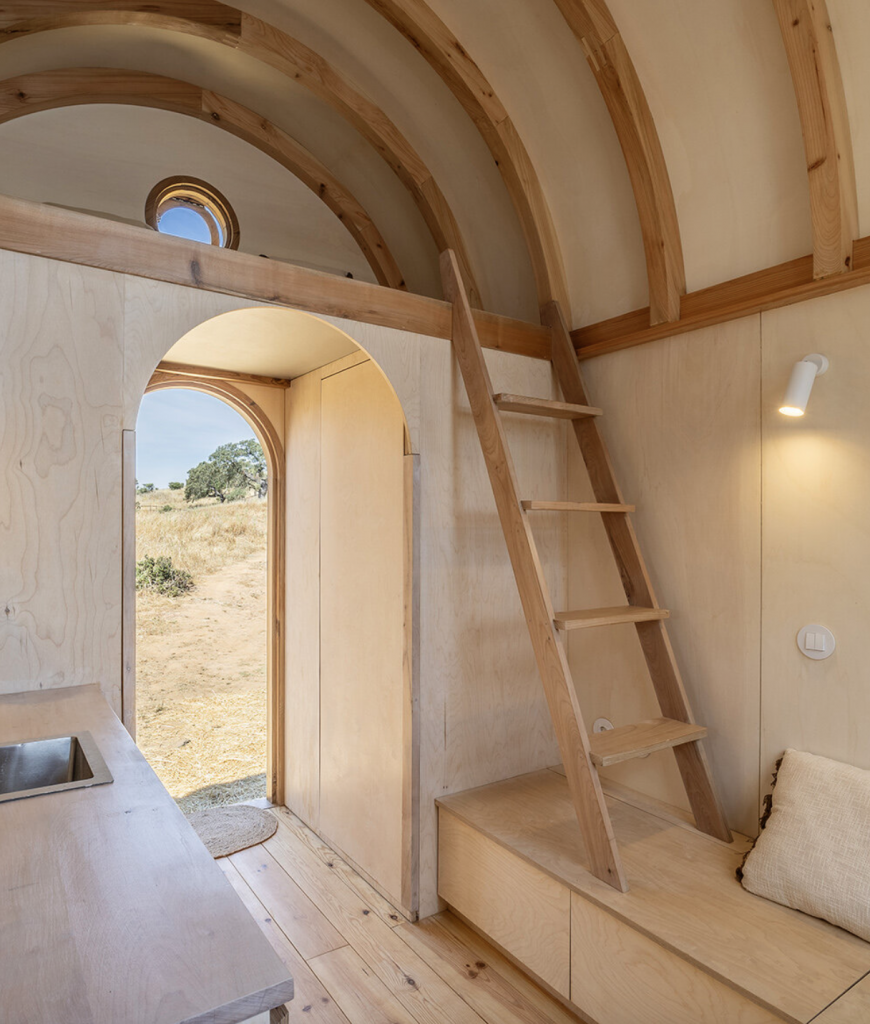
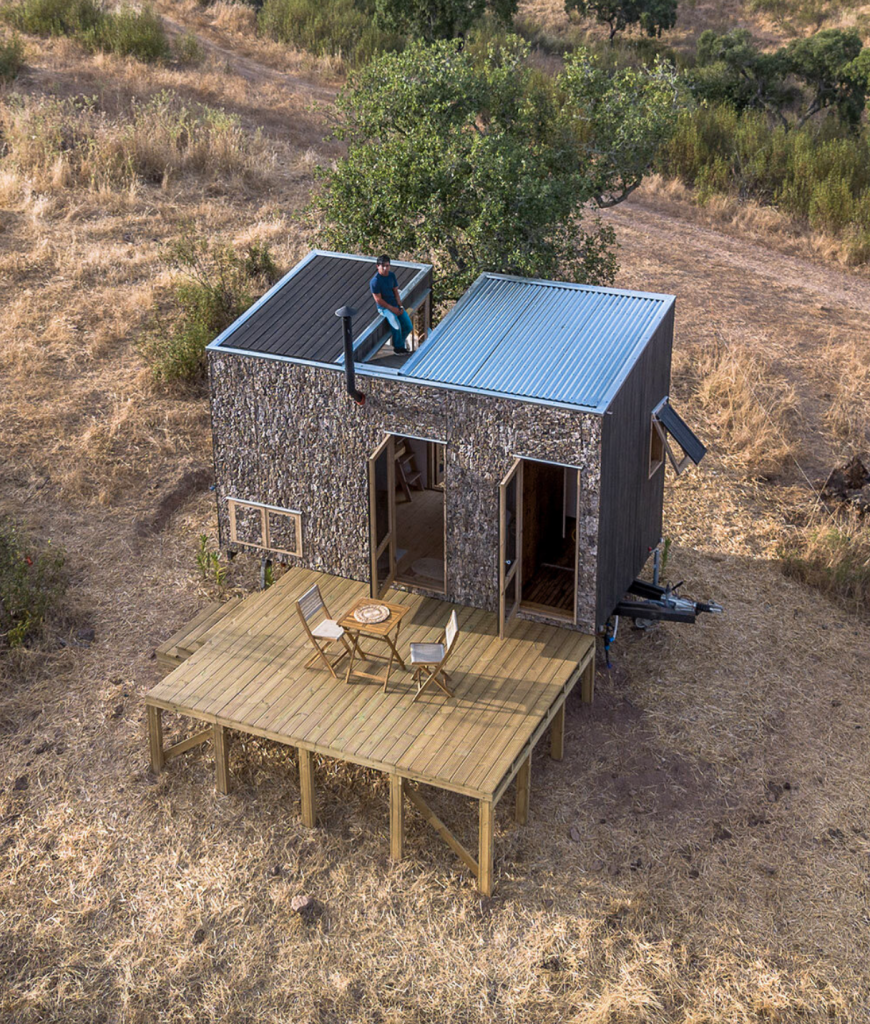
Each Terra Tow is conceived as a living object rather than a conventional dwelling. The interiors unfold across multiple levels, encouraging residents to experience the space vertically as well as horizontally. Compact kitchens and bathrooms free up generous living areas, fostering openness and fluid movement. Every unit culminates in an observatory terrace that frames expansive views of the surrounding farmland.
Terra Tows by Madeiguincho
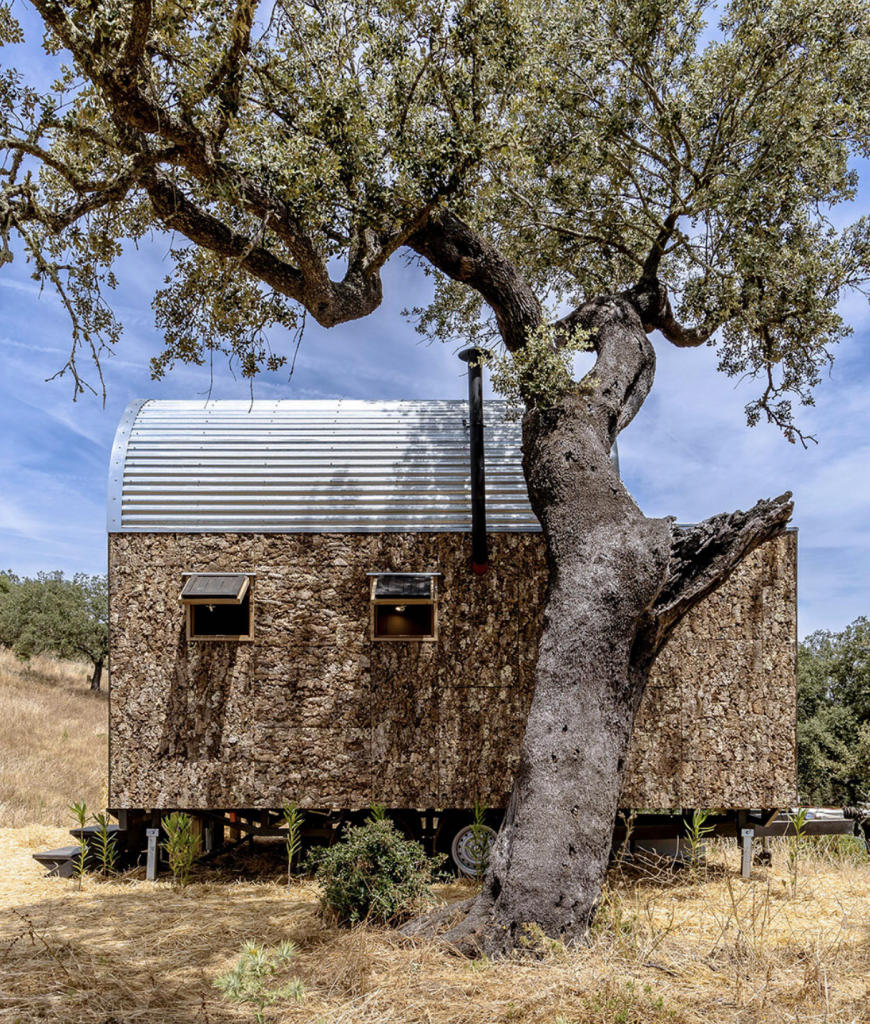
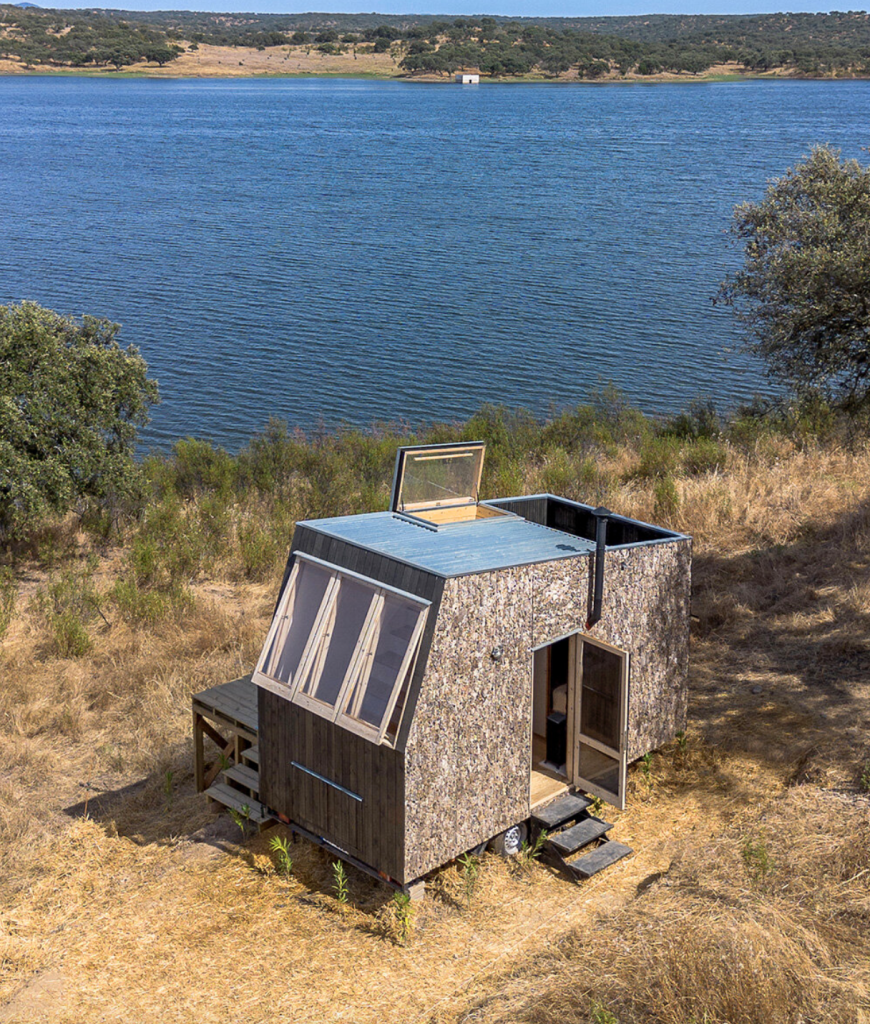
Material choices reinforce the connection to place. Inside, whitewashed wood and traditional Portuguese pine floors echo local building traditions. Outside, cork bark clads the facades, mirroring the cork trees of the Montado forest while enhancing insulation. Passive design strategies, including cross ventilation and carefully oriented openings, address the region’s harsh climate with precision and restraint.
Terra Tows by Madeiguincho
Each of the three units offers a distinct spatial narrative. Terra 1 unfolds around a central kitchen and promenade that leads to a rooftop terrace, with a secluded sleeping area tucked below. Terra 2 feels like a retreat within a retreat, with elevated sleeping quarters at canopy height and shifting views across the site. Terra 3, designed as an observatory, centers on a large circular window that opens onto a half-piped terrace, inviting contemplation of one of Europe’s darkest skies. Together, the Terra Tows demonstrate how mobile architecture can be both deeply contextual and quietly poetic.