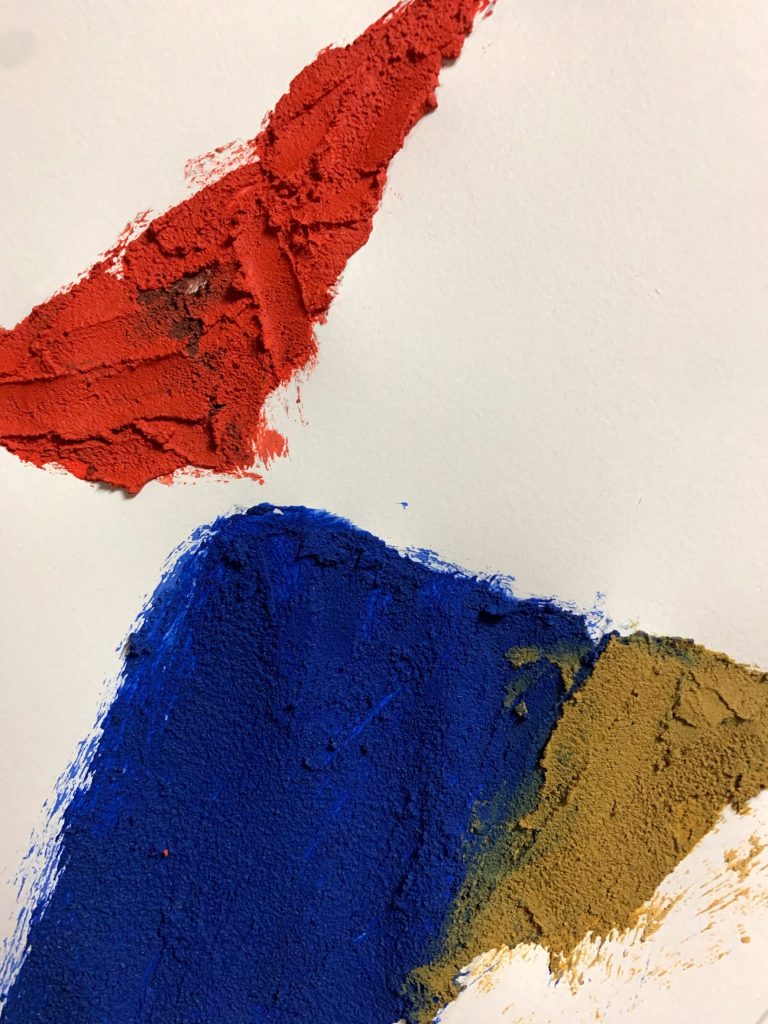
The world of paint is undergoing a revolution, driven by the need to rethink how we use resources, reduce waste, and minimize environmental impact. With new breakthroughs in pigment creation and material innovation, designers and artists alike are exploring sustainable alternatives to traditional paints. From turning food scraps into vibrant colours to creating carbon-capturing paints from industrial waste, the latest developments in paint technology challenge the conventions of the industry.
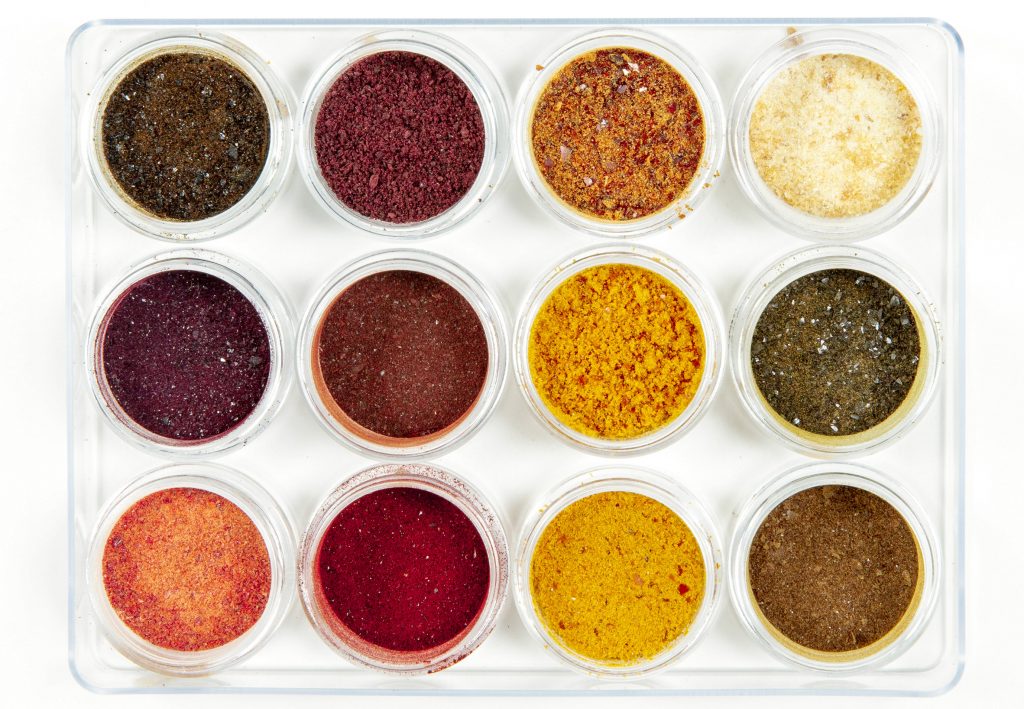
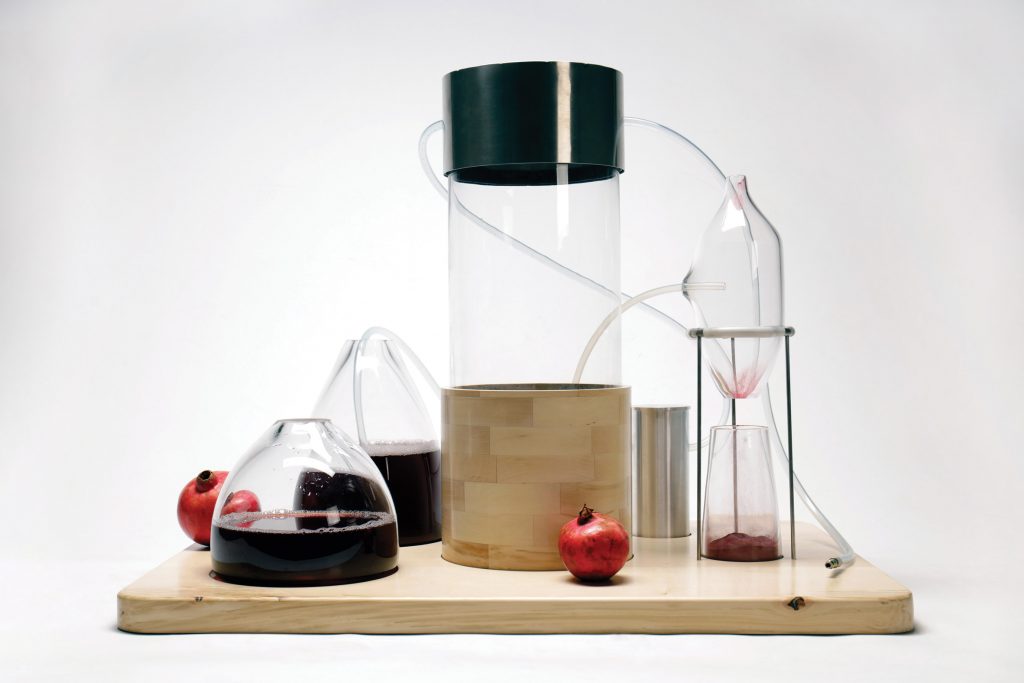
Kaiku by Nicole Stjernswärd (also header image)
Nicole Stjernswärd, a graduate of Imperial College London, has developed Kaiku, a system that transforms plant waste into powdered pigments, offering a natural alternative to synthetic dyes. By utilizing fruits and vegetables that would otherwise be discarded, like avocados, pomegranates, and onions, Stjernswärd’s innovative process not only tackles food waste but also reduces the need for toxic artificial pigments. The system works by boiling plant skins and peels to extract their dyes, which are then atomized into fine powder using hot, pressurized air. This powder can be used in various applications, from traditional paints to inks, and even cosmetics.
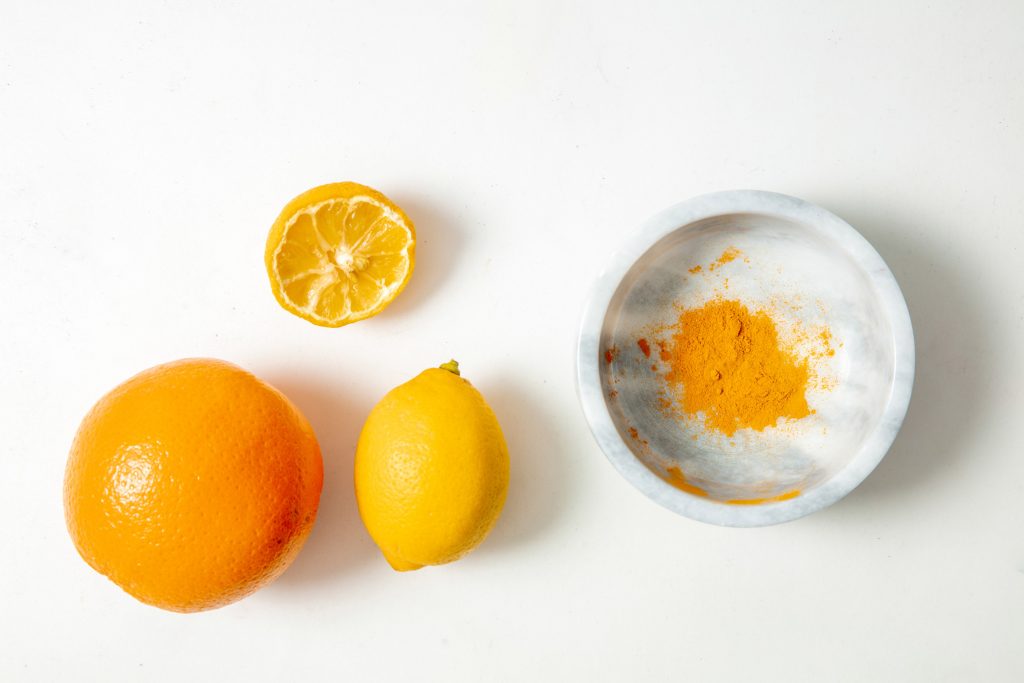
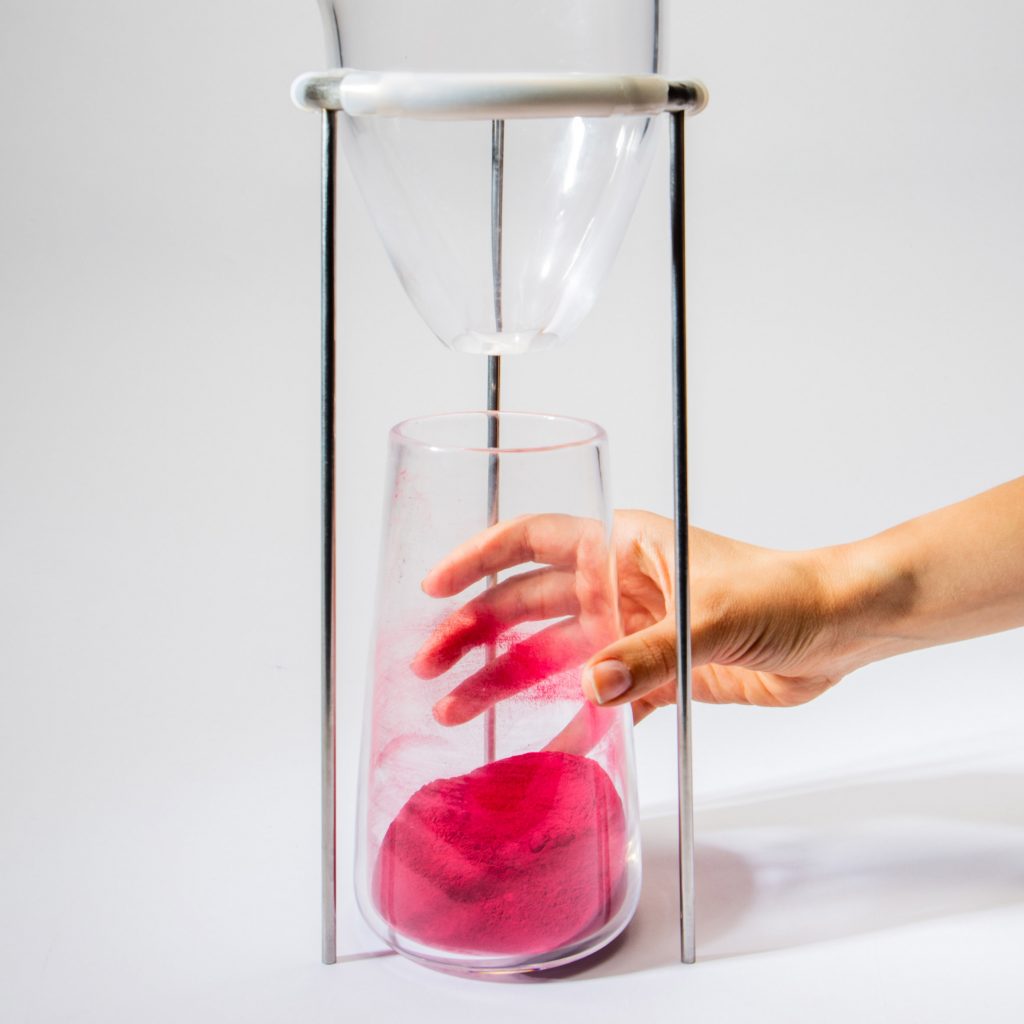
Kaiku by Nicole Stjernswärd
Stjernswärd’s project, named after the Finnish word for “echo,” encapsulates her desire to restore meaning to the pigments we use daily. She recalls how early artists relied on natural materials for their colourants, from crushed beetles to lapis lazuli stones, but these practices faded as industrialization led to cheaper, synthetic alternatives. Kaiku represents a return to this traditional wisdom, providing a more sustainable approach to colour while tackling the environmental and health issues associated with petrochemical-based pigments. Stjernswärd’s system not only gives new life to food waste but also encourages a more circular economy, where colour is no longer seen as contamination but as a valuable resource.
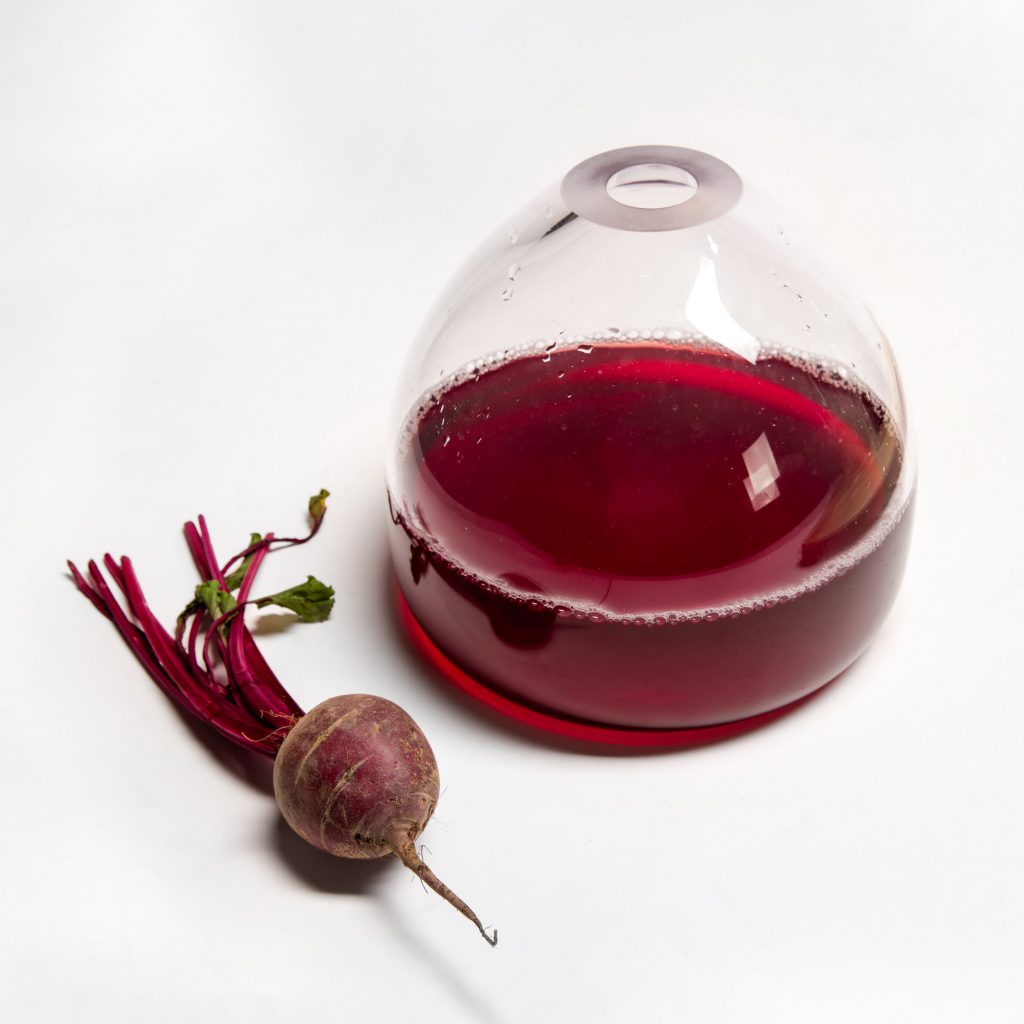
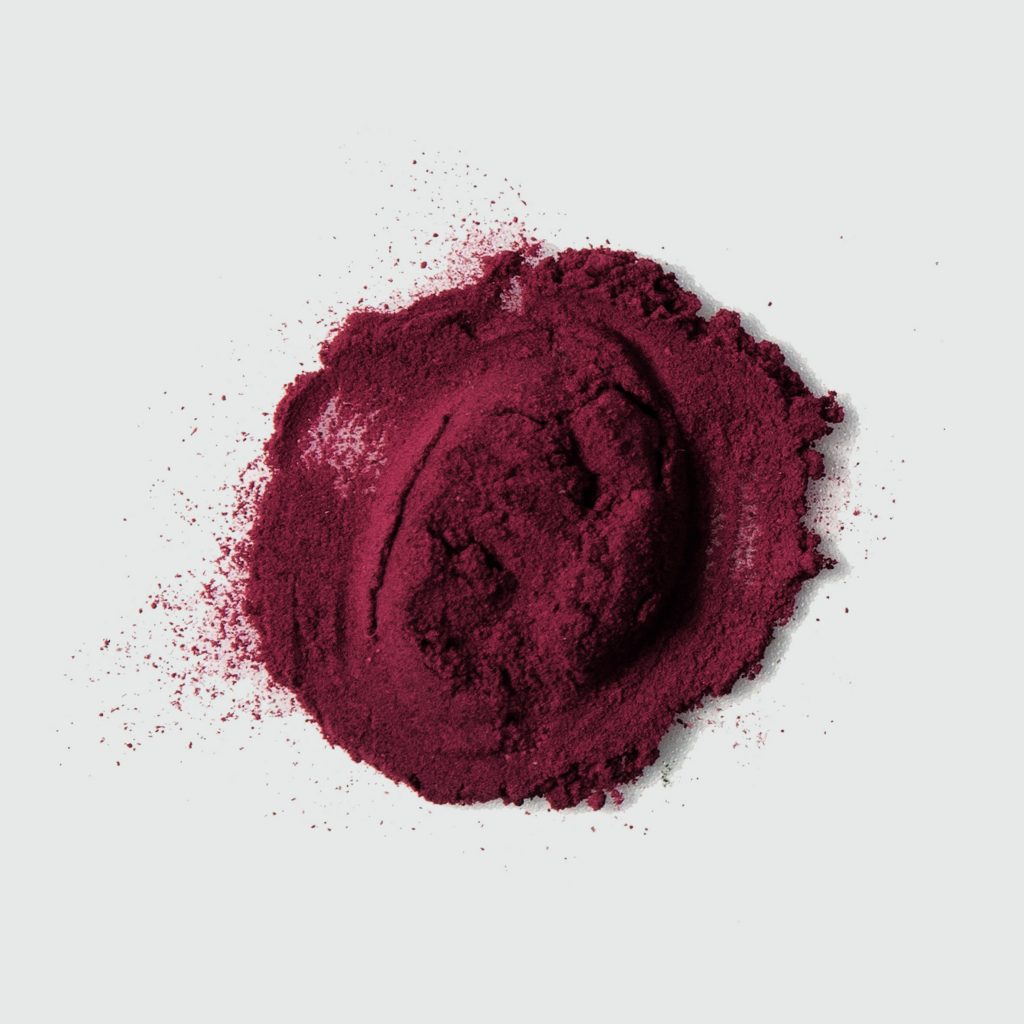
Kaiku by Nicole Stjernswärd
While still in development, the project has already demonstrated the potential of using natural pigments in diverse media, from watercolours to bioplastics. Stjernswärd is currently collaborating with artists and textile designers to further refine and explore the full range of possibilities.
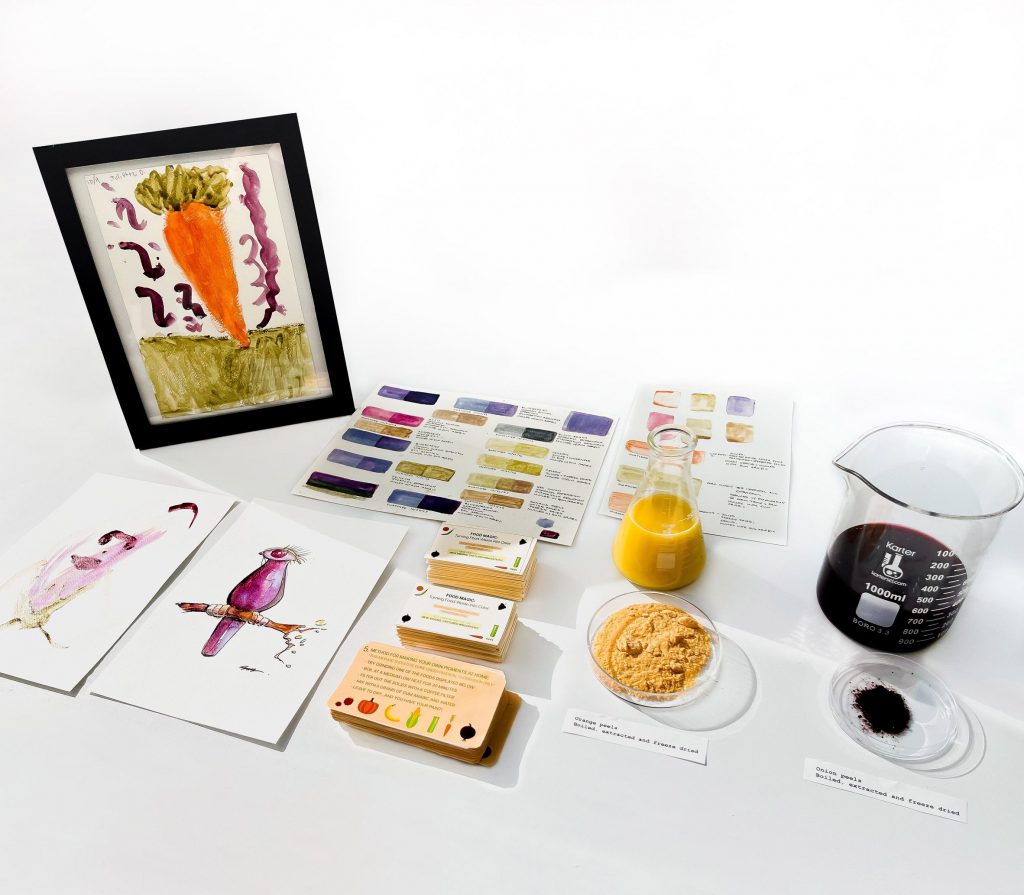
Sustainable Art Painting Kit by Virginia Tech
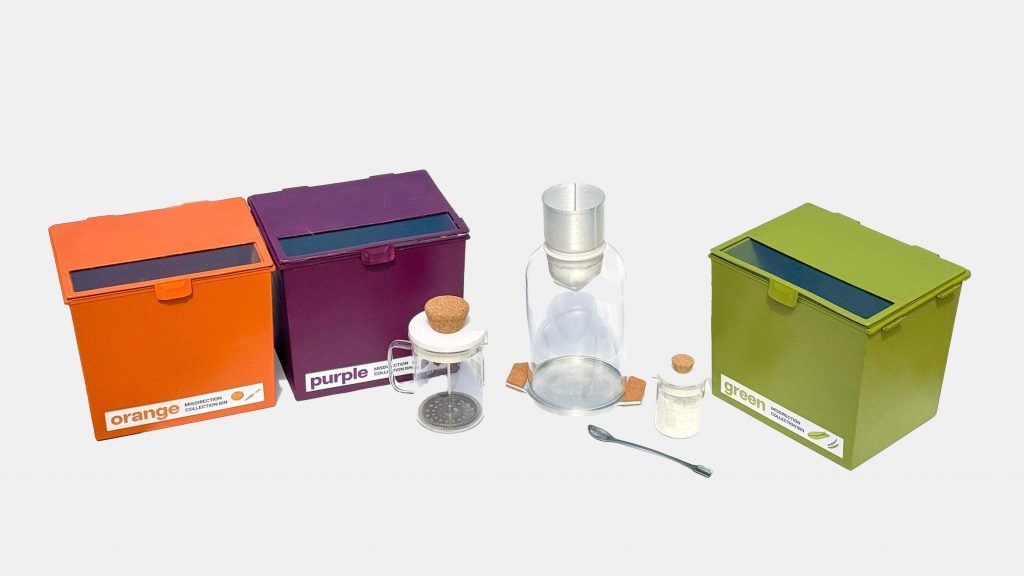
The Sustainable Art Painting toolkit, developed by a team at Virginia Tech, takes a playful yet impactful approach to tackling food waste in US schools. With nearly 90 billion pounds of food waste generated annually, much of it from fruits and vegetables, the researchers saw an opportunity to turn these scraps into something valuable: watercolour paint. Led by assistant professor Yoon Jung Choi, the team created a hands-on kit that allows students to convert food waste into pigment, which can then be mixed with gum arabic to create paint. The kit, which includes compost bins and specially designed tools, encourages both creativity and environmental consciousness among young learners.
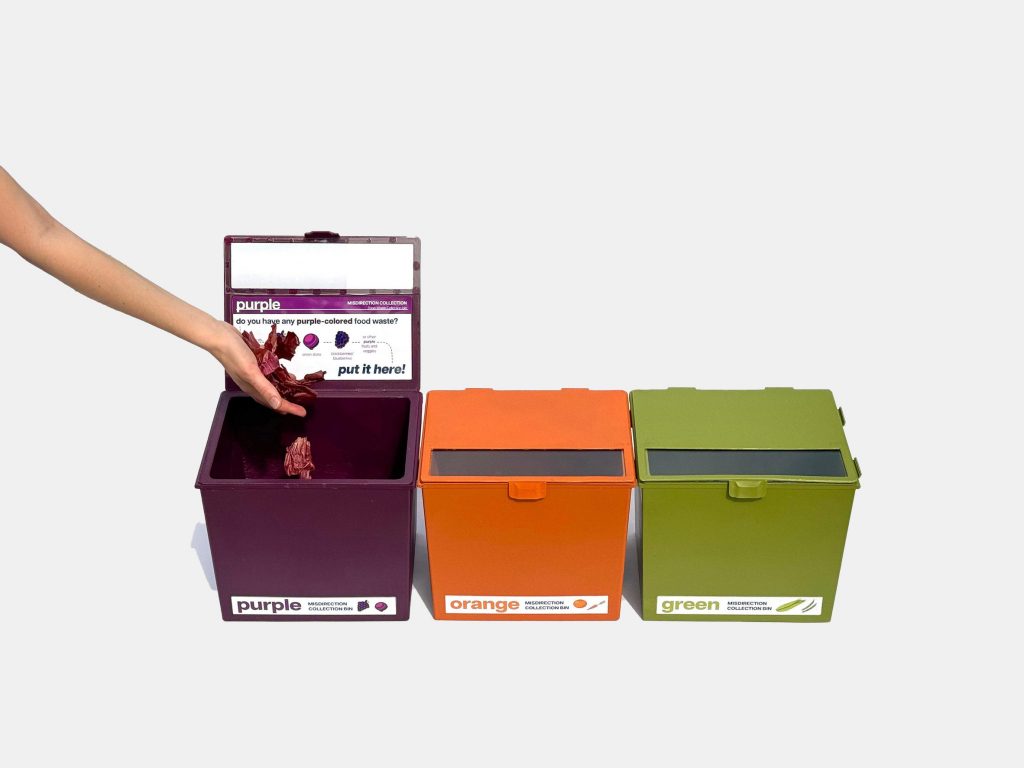
Sustainable Art Painting Kit by Virginia Tech
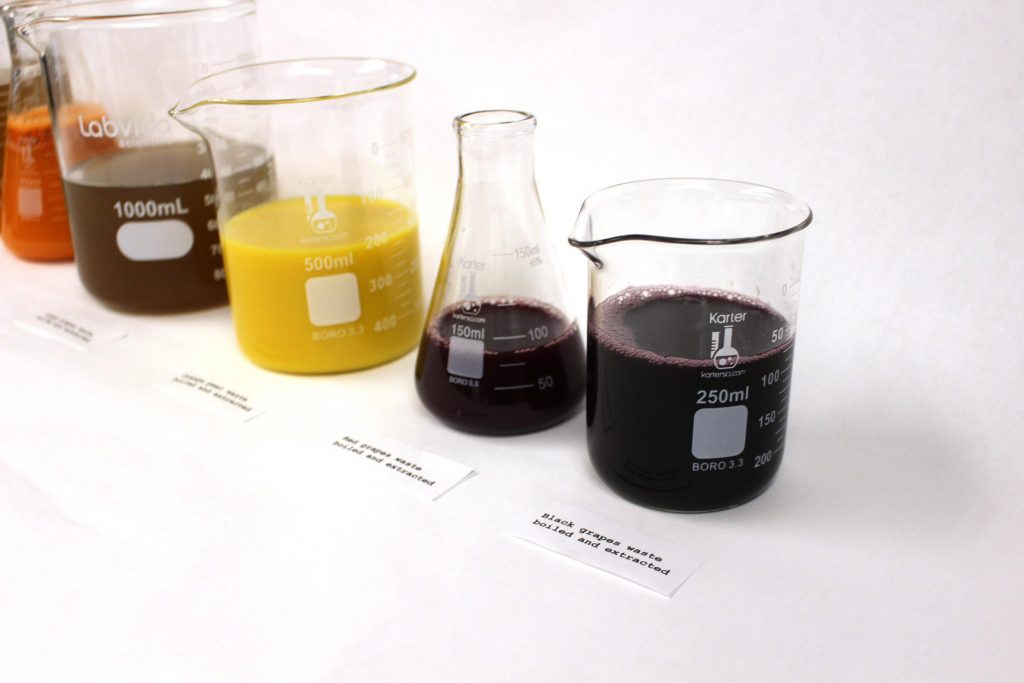
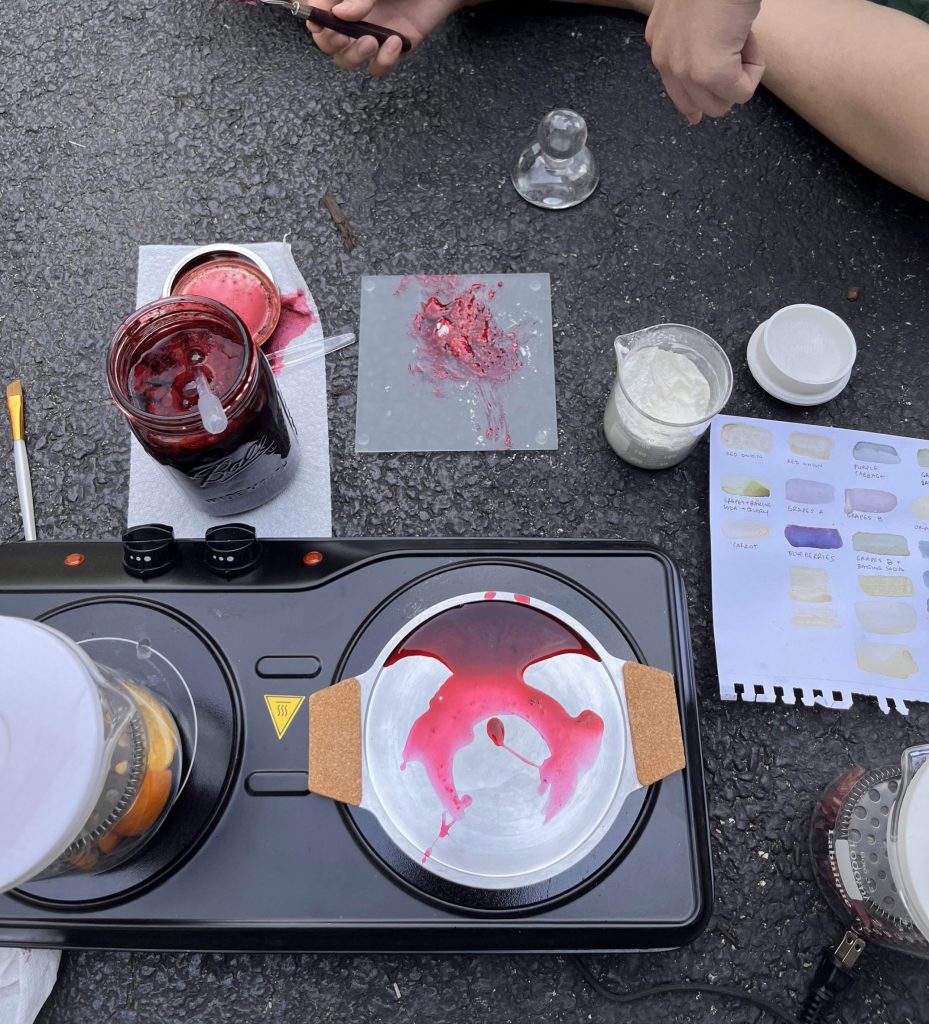
The process is straightforward yet engaging for students. First, they sort their food scraps into colour-coded bins, each representing a different pigment. Then, using a French press-like device, they extract the natural colours from the compost, which are further refined into concentrated pigments. This eco-friendly paint can be used to create vibrant artworks, demonstrating how sustainability and creativity can go hand in hand. Beyond the classroom, the initiative aims to inspire broader change in how we view food waste, offering an innovative solution to a pressing environmental challenge.
Sustainable Art Painting Kit by Virginia Tech
The kit also empowers students to become active participants in the fight against food waste and climate change. By blending design, science, and education, the team hopes to inspire a generation that sees value in what is often discarded. With the potential for expansion into more schools, this project is a shining example of how innovation can address both educational and environmental needs.
Celour by Kukbong Kim
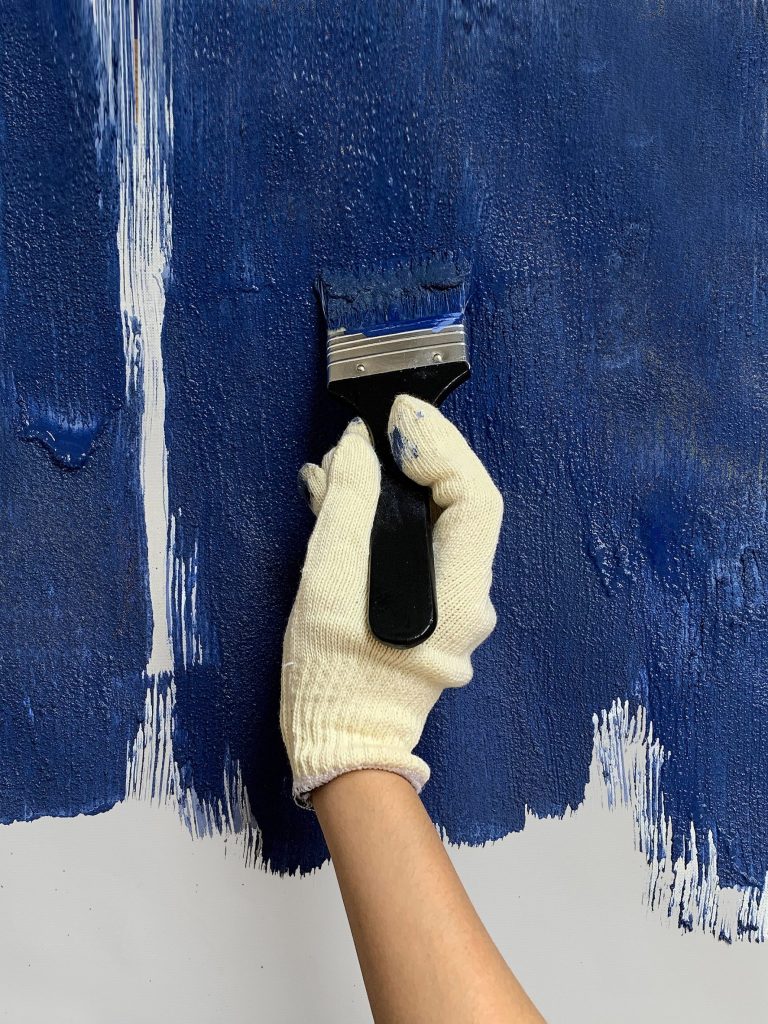
Kukbong Kim’s Celour paint represents a breakthrough in both design and sustainability, harnessing the power of waste concrete to capture carbon emissions. Made from pulverized concrete, a byproduct of demolition that usually ends up in landfills, Celour is capable of sequestering carbon as it reacts with CO2 in the air through a process called mineral carbonation. For every 135 grams of Celour applied, 27 grams of CO2 are absorbed, equivalent to the amount a tree absorbs daily. This innovative paint not only helps to reduce carbon emissions but also prevents harmful waste from damaging the ecosystem.
Celour by Kukbong Kim
Kim’s paint addresses two significant environmental issues: the high carbon footprint of cement production and the harmful effects of waste concrete. While concrete naturally absorbs some CO2 over time, the vast amounts of concrete waste generated from demolition remain largely untapped. By turning this waste into a usable product, Celour maximizes the material’s natural carbon-absorbing ability. Kim’s goal is to make Celour carbon-negative, meaning it could potentially absorb more carbon than was emitted in its creation, a vision that could radically change the construction and design industries.
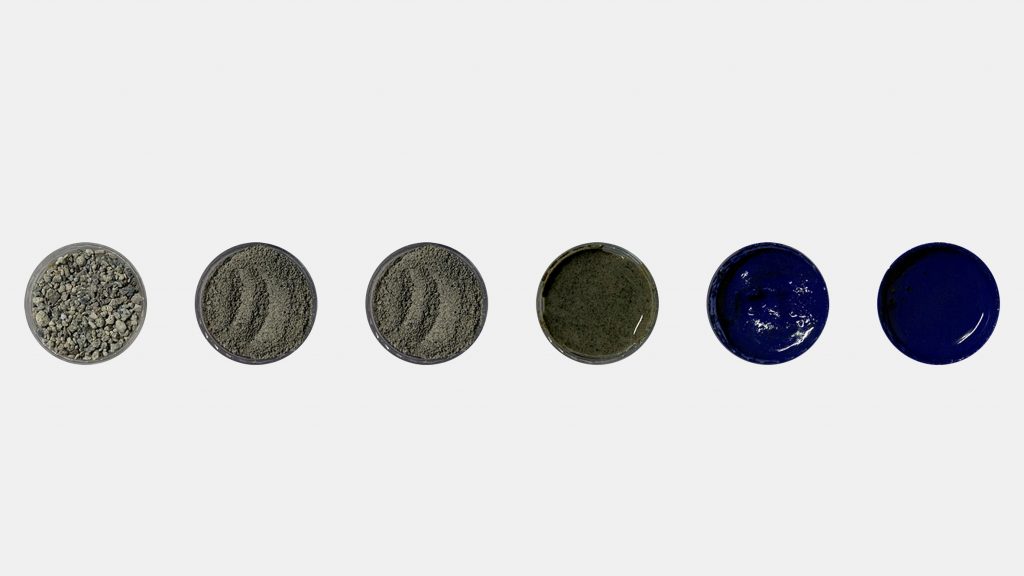

Celour by Kukbong Kim
What makes Celour even more remarkable is its longevity. As a paint, it can store carbon for thousands of years unless exposed to extreme conditions. This means that not only does it help in the short term by reducing emissions, but it also provides a long-term solution to carbon capture.
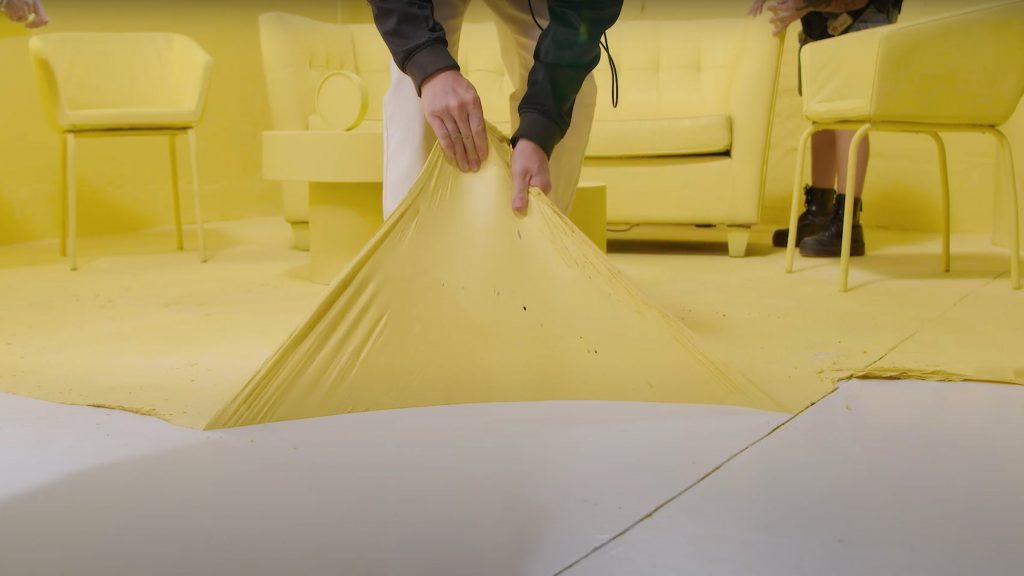
Unpaint by Glasst Innovation Company
The idea of a paint that can be easily removed, offering a temporary yet stylish solution to redecorating, has come to life with Unpaint, developed by the Glasst Innovation Company. This peelable architectural paint represents a significant step forward in the concept of non-permanent design. Unlike traditional paints that are intended to last indefinitely, Unpaint can be applied to a wide range of surfaces—such as leather, wood, and sealed walls—and removed by hand when the user is ready for a change. It dries into a film-like layer that remains intact for up to 10 months, after which it can either be peeled off or naturally decompose without damaging the underlying surface.
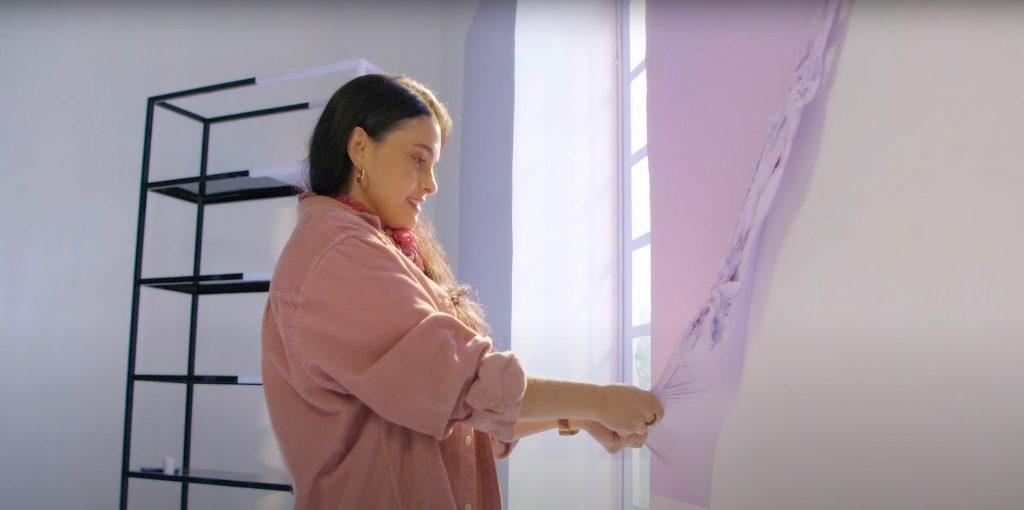
Unpaint by Glasst Innovation Company
The most innovative aspect of Unpaint is its sustainability. Glasst Innovation Company designed it with a focus on environmental impact, creating a product that is 100% biodegradable and boasts a net-negative carbon footprint. For every kilogram of Unpaint produced and used, the product removes 11 kilograms of CO2 from the atmosphere, making it an eco-friendly alternative to conventional paints that often contribute to carbon emissions. The company aims to empower users to rethink their decorating habits by offering a non-permanent option that allows for more frequent transformations without the guilt of waste or the hassle of scrubbing off stubborn, long-lasting paints.
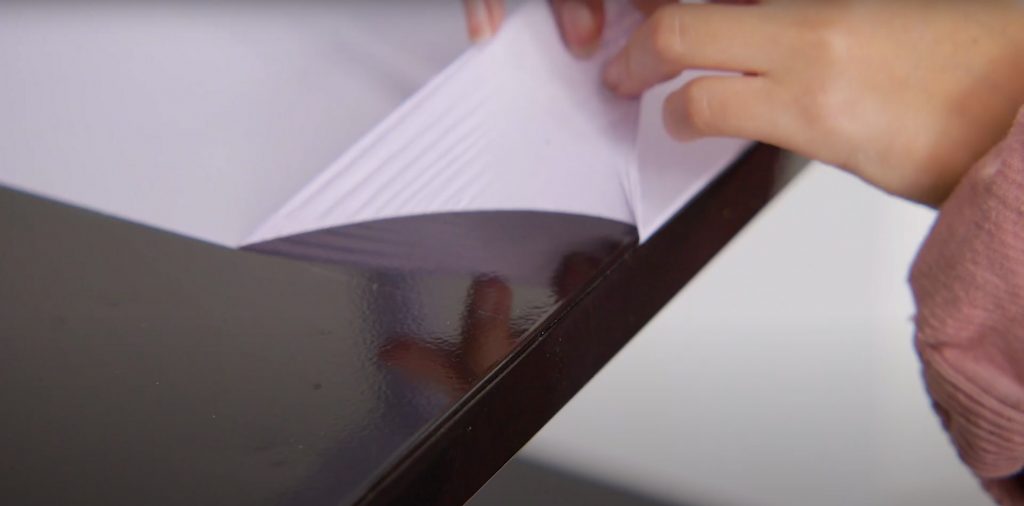
Unpaint by Glasst Innovation Company
In addition to its sustainability, Unpaint provides an easy, flexible way for individuals to experiment with colours and finishes, making it an ideal choice for renters, frequent redecorators, or those simply seeking an easy-to-remove solution for design experiments. This product redefines how we view paint, as it moves beyond being a permanent fixture in a space to a temporary design tool that can change with the seasons or moods. As more people look for sustainable and flexible solutions for interior design, Unpaint offers a creative answer to the challenges of traditional paints, transforming spaces without leaving a lasting footprint on the environment.