In an era where unexpected crises can strike at any time, the concept of fashion is shifting. Designers are moving beyond traditional trends and reimagining clothing as functional tools that can serve critical needs in emergency situations. The rise of wearable shelters and tents offers a fascinating intersection between practicality and design, showing that clothing can not only reflect personal style but also offer protection and mobility in times of distress.
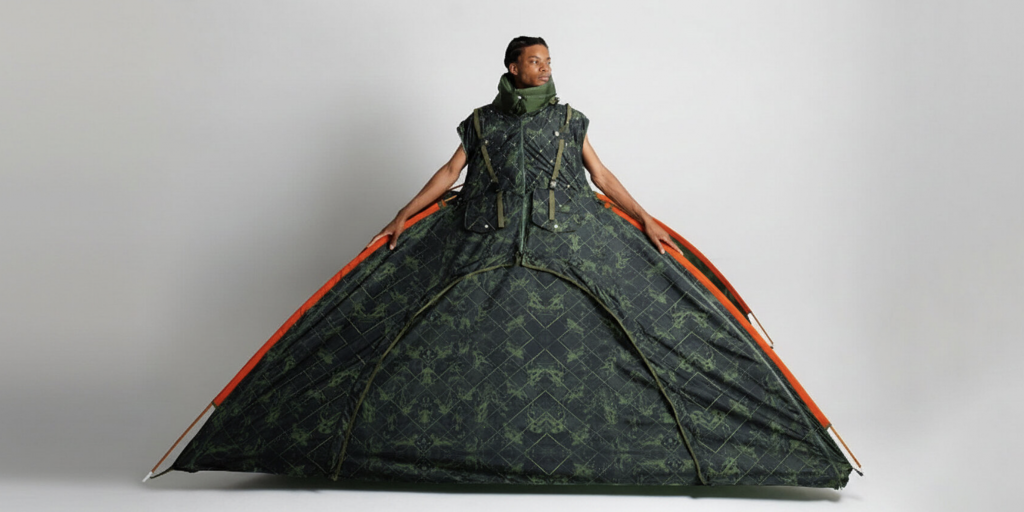
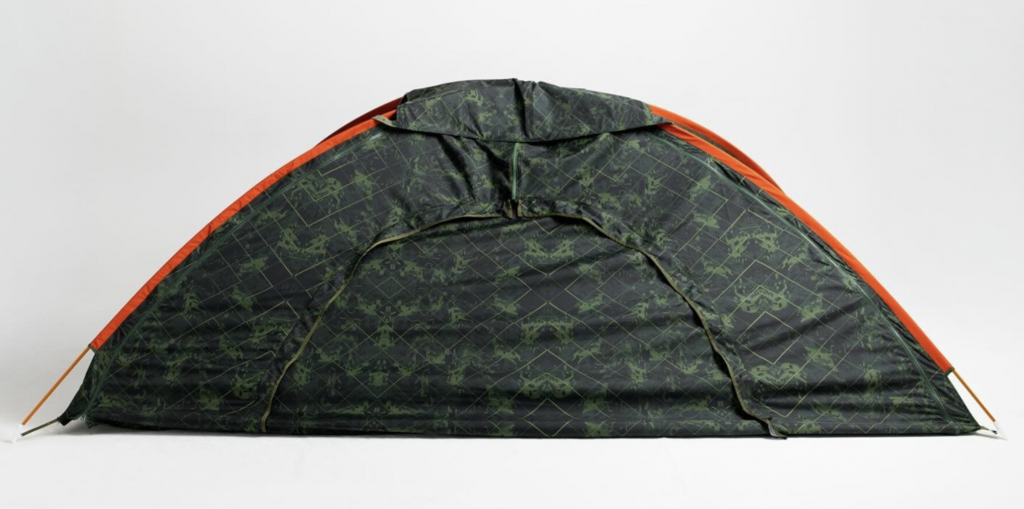
Shelter Wear by Yoon Myat Su Lin (also header image)
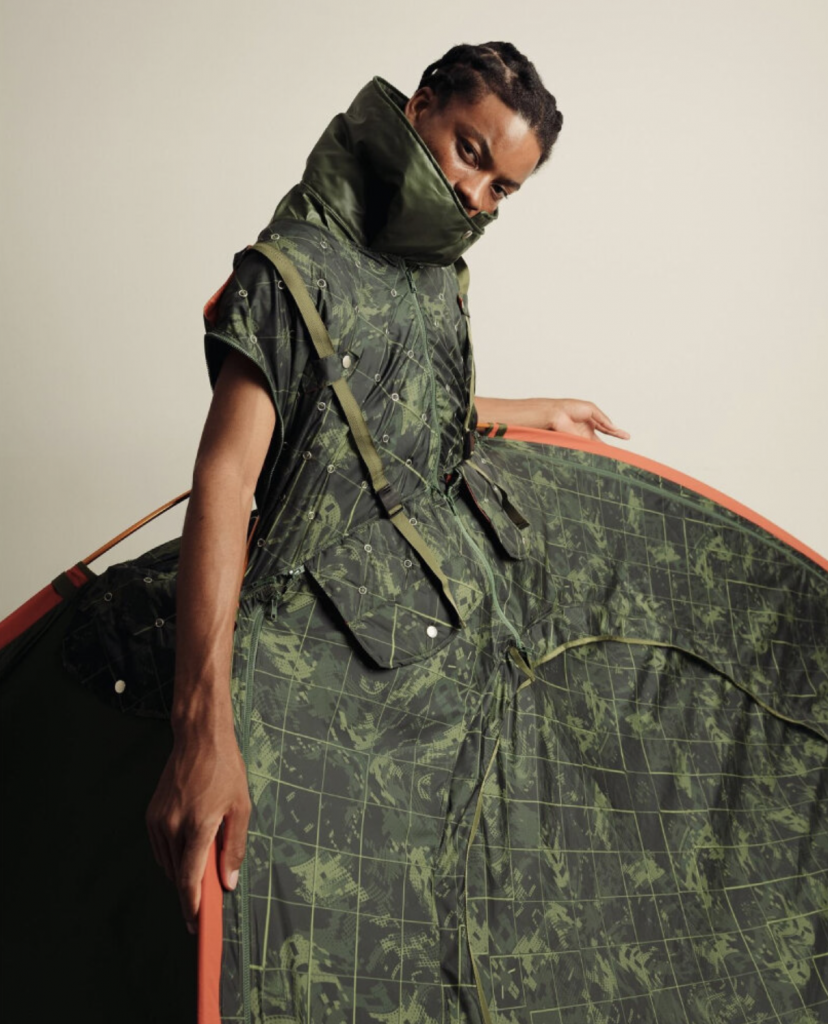
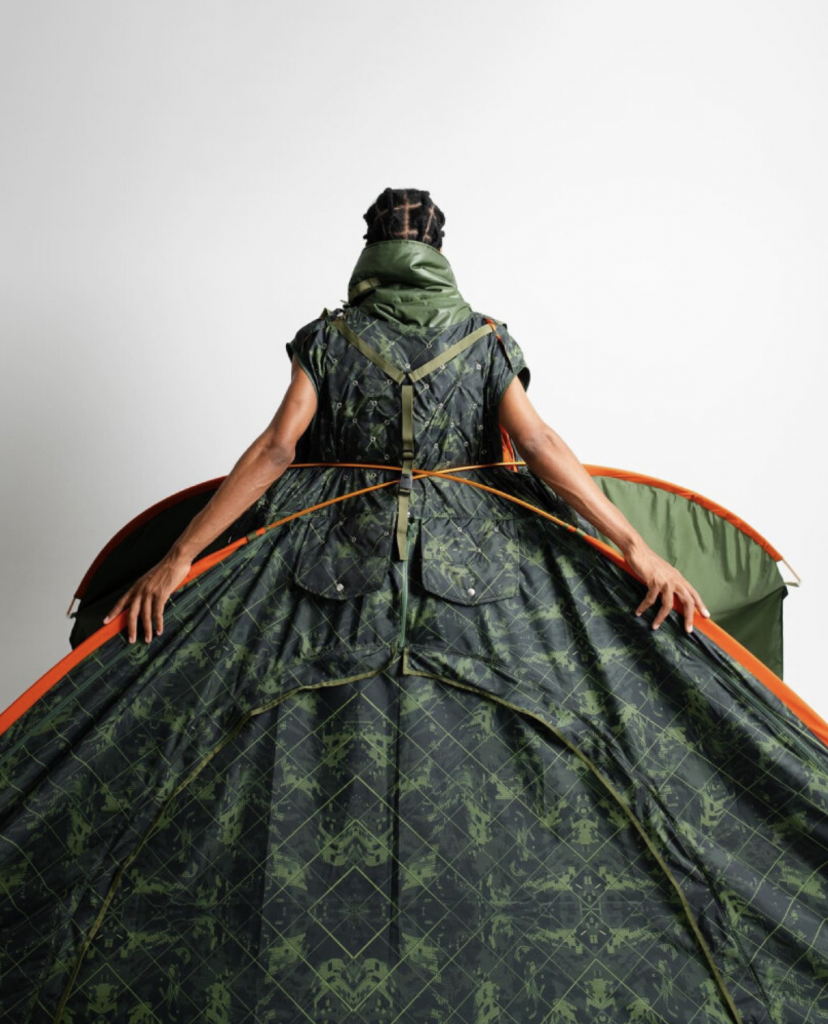
Shelter Wear, a design by Tokyo-based fashion student Yoon Myat Su Lin, represents a powerful response to the humanitarian needs created by natural disasters. Inspired by her personal experience of an earthquake in Myanmar, Su Lin created a wearable garment that transforms into a livable tent. The design is a direct reflection of her desire to help those displaced during emergencies. Instead of just being outerwear, the jacket evolves into a temporary shelter, with sleeves doubling as backpacks for carrying essential items.
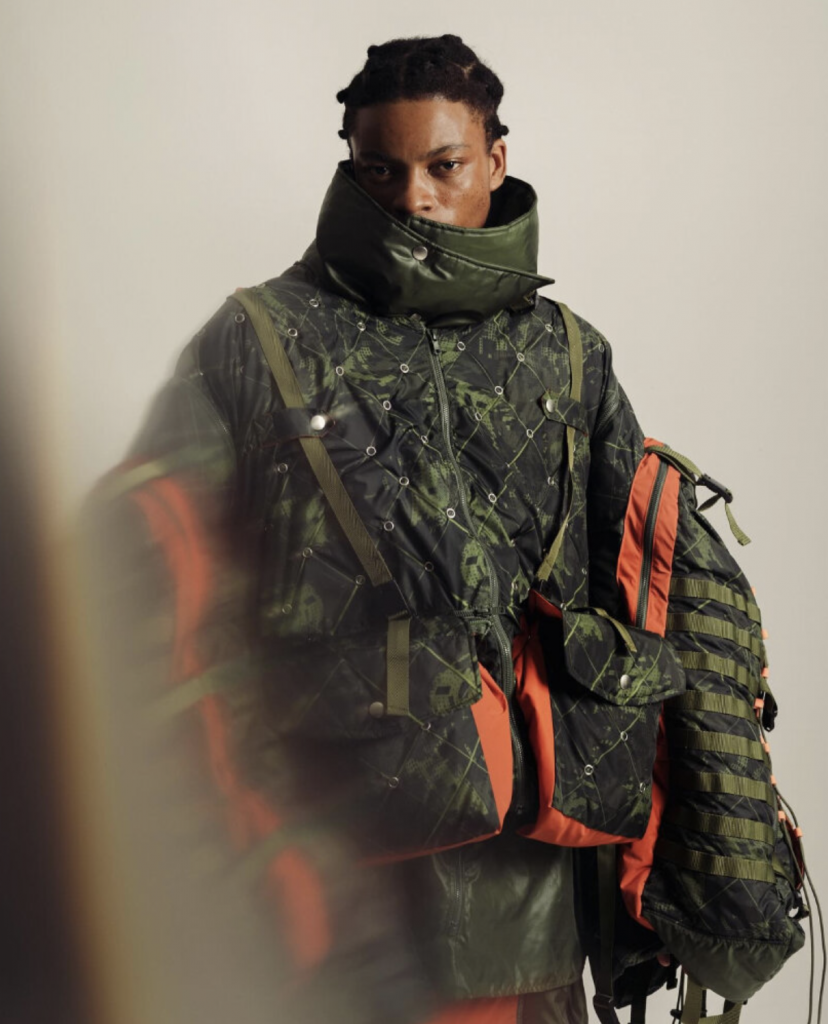
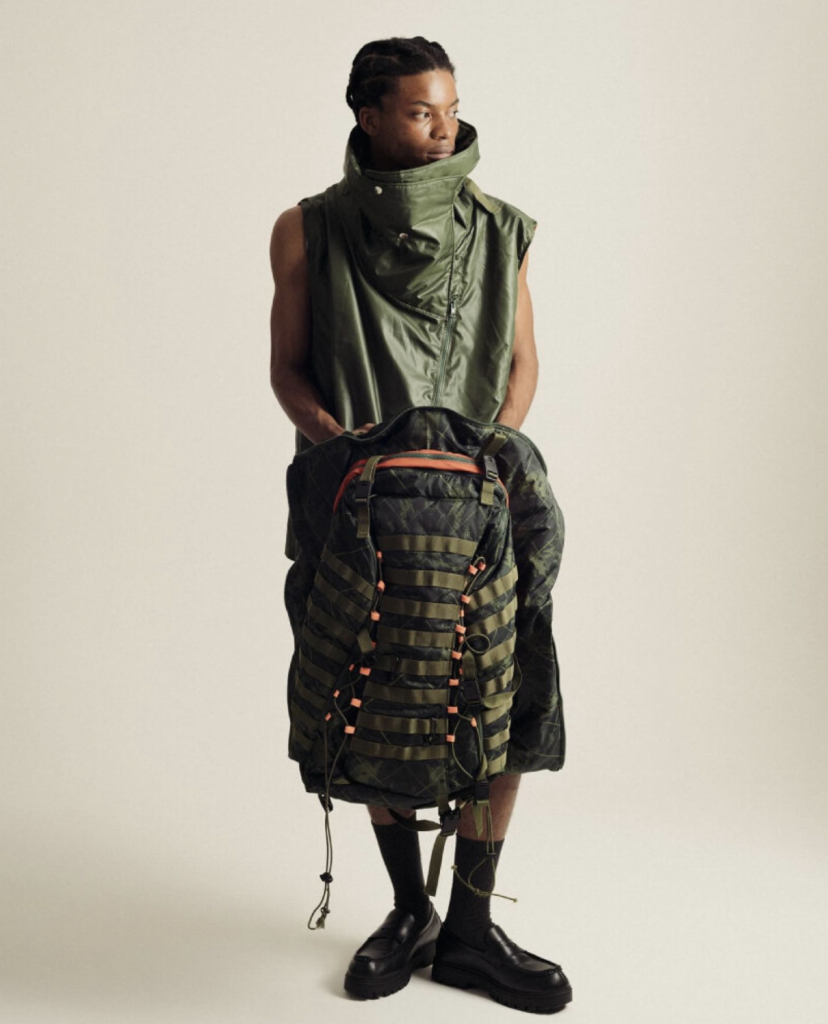
Shelter Wear by Yoon Myat Su Lin
The garment is lightweight, easy to wear, and simple to unfold into a tent structure when needed. By merging two typically separate items—outerwear and emergency shelter—into one compact design, Su Lin has eliminated the need for bulky camping gear or emergency kits. This innovative approach addresses the mobility needs of people in crisis, allowing them to carry shelter without the added weight or inconvenience of traditional tents. It’s a truly functional piece of clothing that ensures users always have their most basic needs covered.
Shelter Wear by Yoon Myat Su Lin
The design received recognition at the 25th YKK Fastening Awards, where it earned the YKK Special Award for its practicality and innovation. Beyond its technical achievements, Su Lin’s concept also highlights the role of fashion in responding to real-world challenges. In focusing on a practical solution, she demonstrates how design can react to societal issues, providing a form of protection that can be both stylish and functional in any setting.
Metamorph Poncho by Nike ISPA
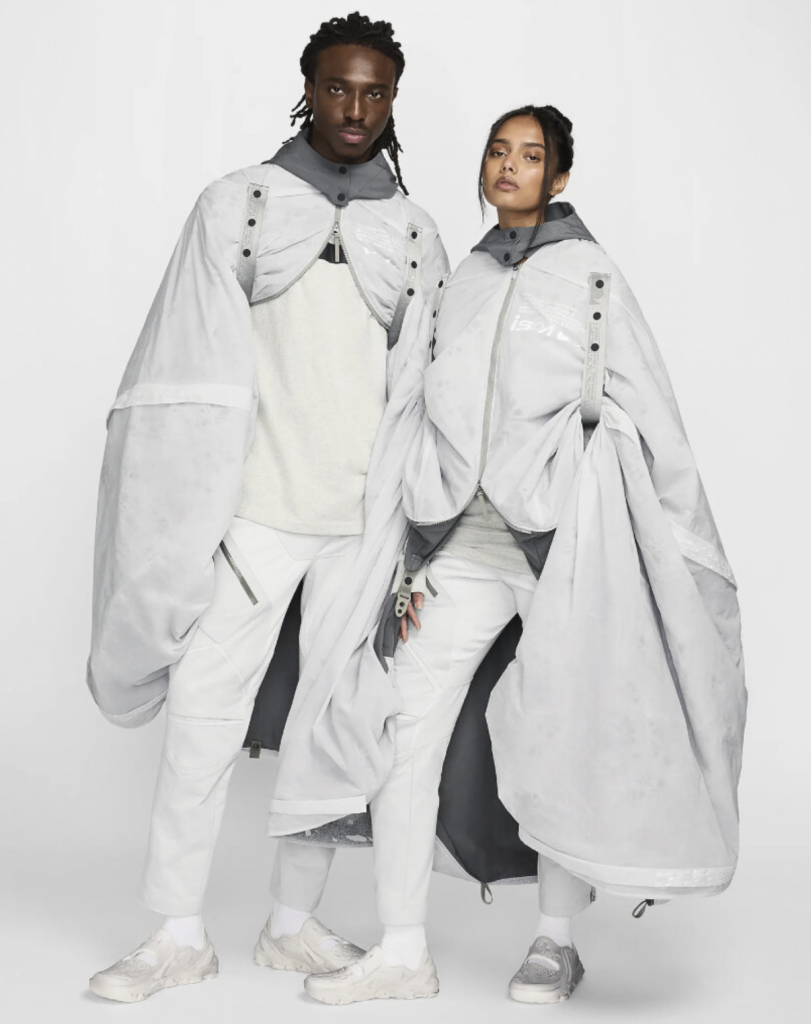
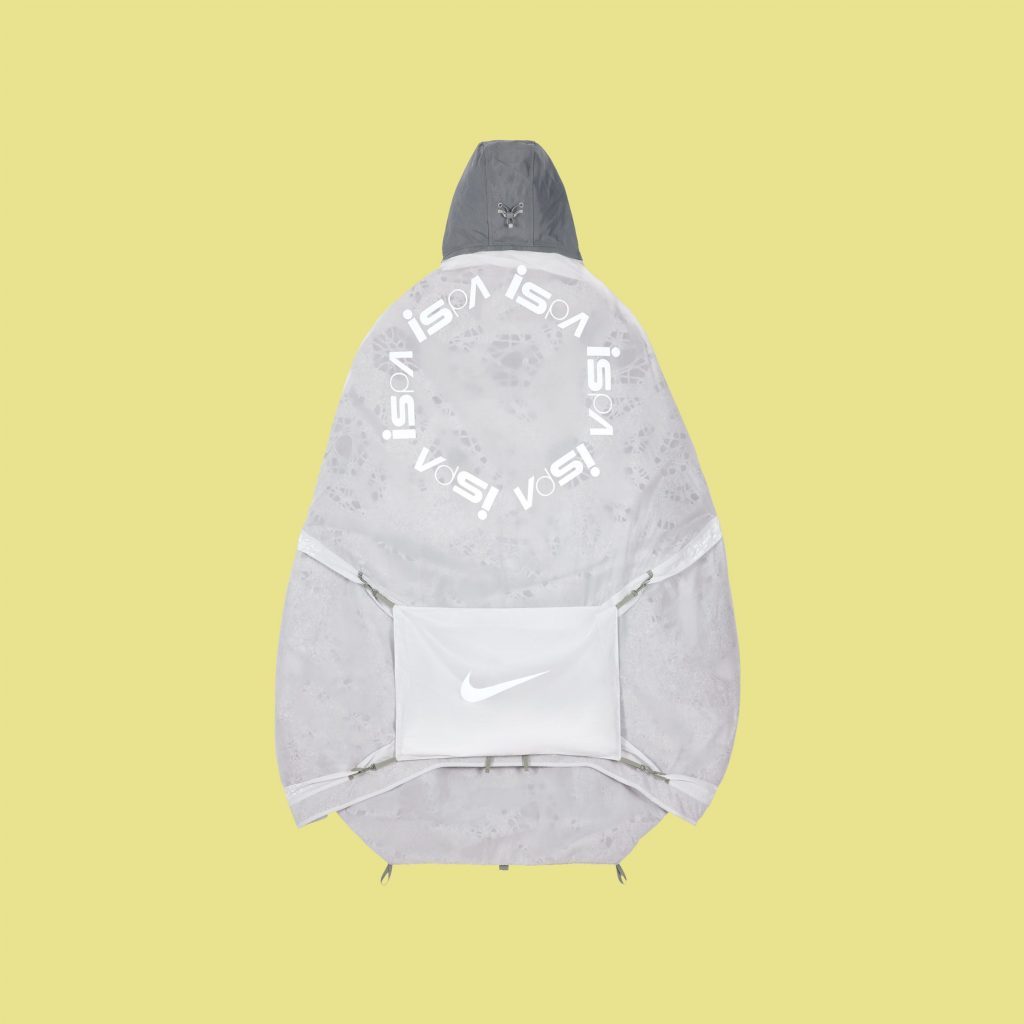
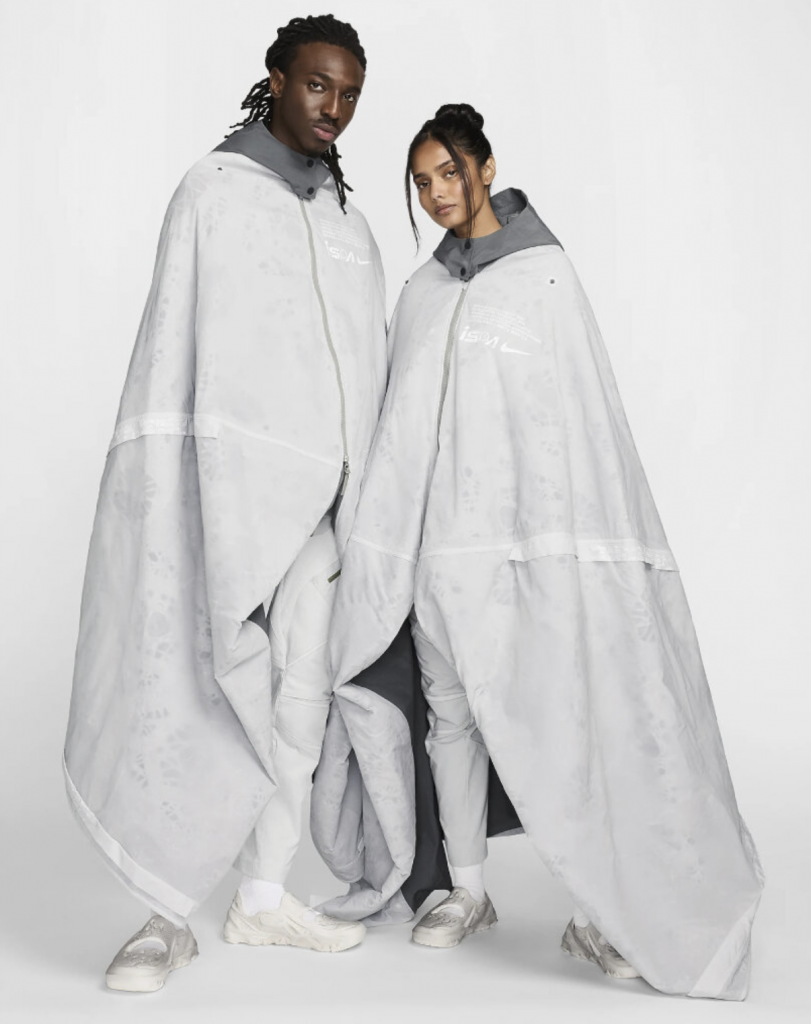
Nike’s ISPA (Improvise, Scavenge, Protect, Adapt) division has taken wearable shelter to the next level with the Metamorph Poncho, a multifunctional garment designed to serve as both a raincoat and an outdoor shelter. The Metamorph Poncho is made of water-repellent material and transforms into a sunshade or camping tent in seconds, thanks to collapsible poles that are conveniently stored within the poncho’s pocket. This simple yet highly functional design ensures that users are prepared for various weather conditions, whether they need protection from the rain or a quick setup for shelter during a camping trip or emergency.
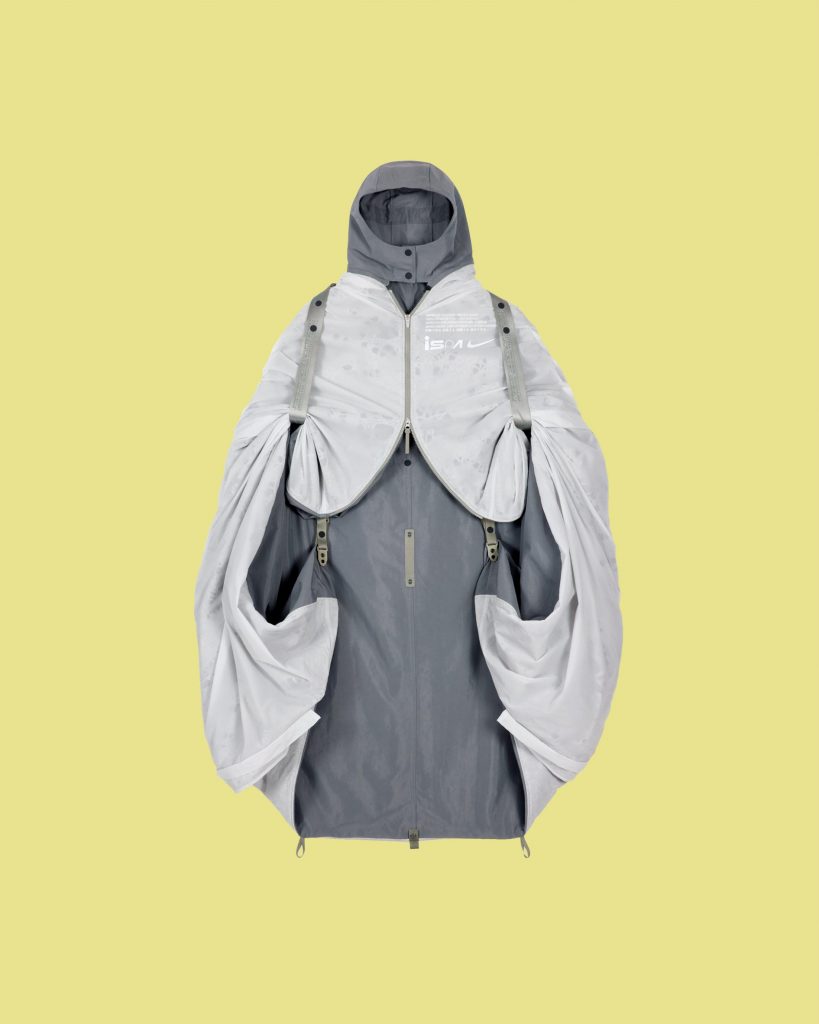
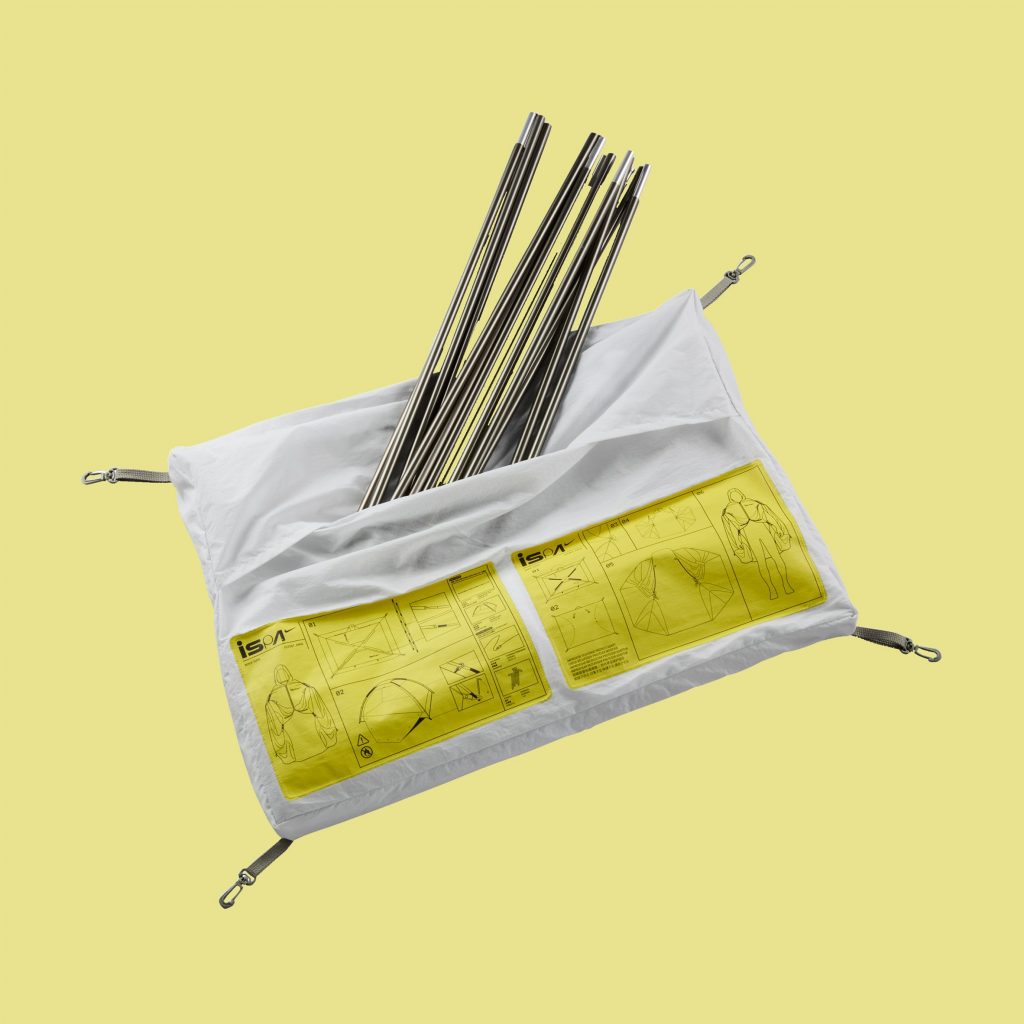
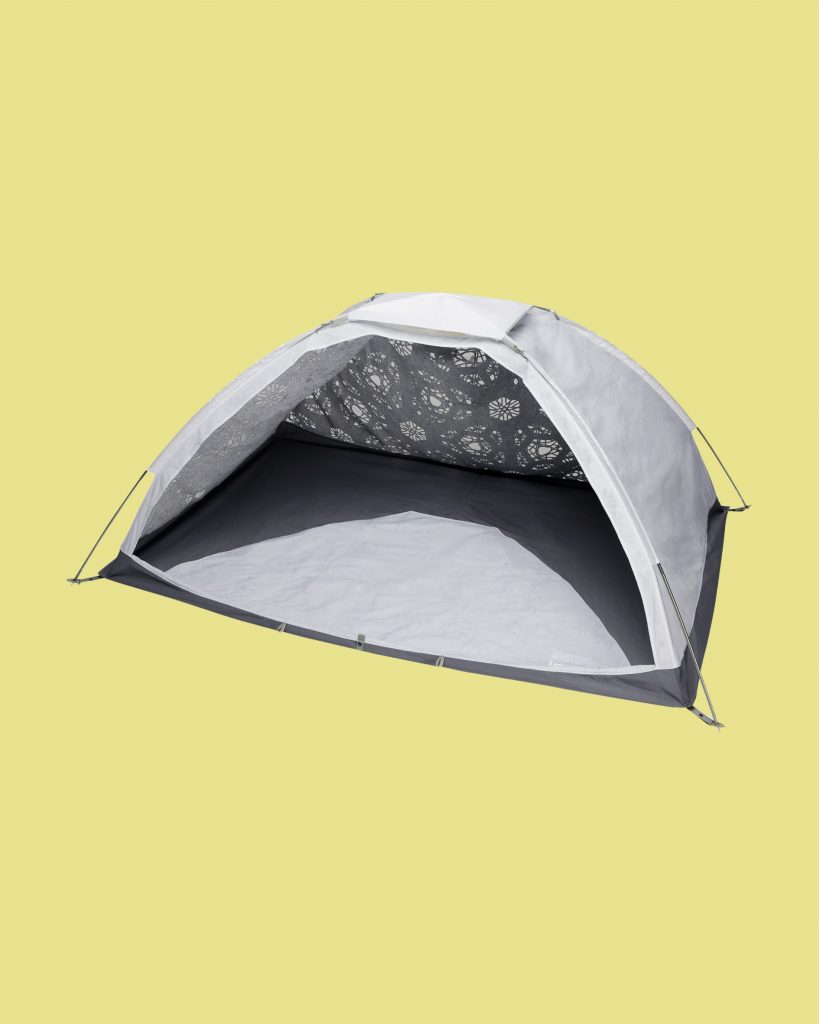
Metamorph Poncho by Nike ISPA
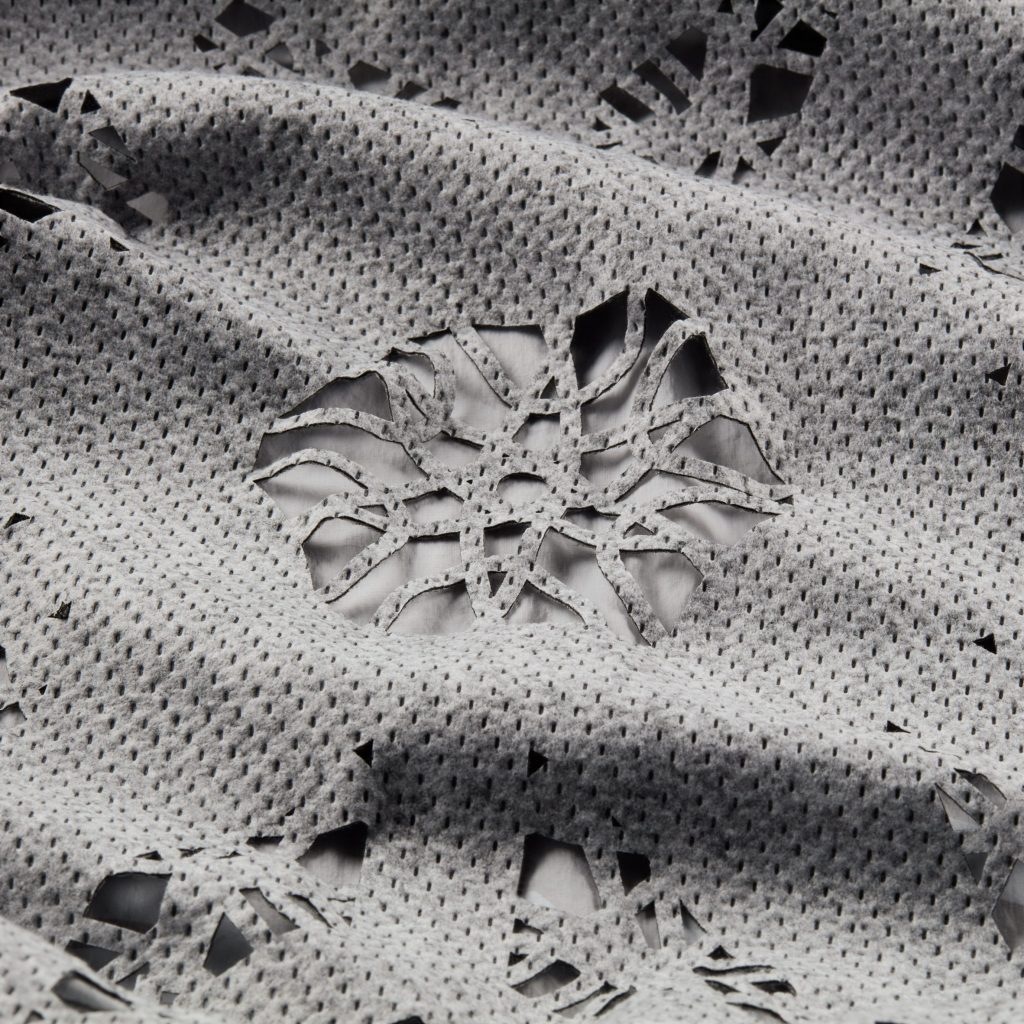
What sets the Metamorph Poncho apart is its lightweight, layered construction. Made from at least 75% recycled fibers, including repurposed nylon from fishnets and carpets, it aligns with Nike’s sustainability efforts. The poncho is designed for year-round use, providing both warmth and breathability, depending on the climate. The garment is large enough to fit a variety of body sizes and compact enough to carry wherever it’s needed, making it an ideal solution for urban explorers and outdoor enthusiasts alike.
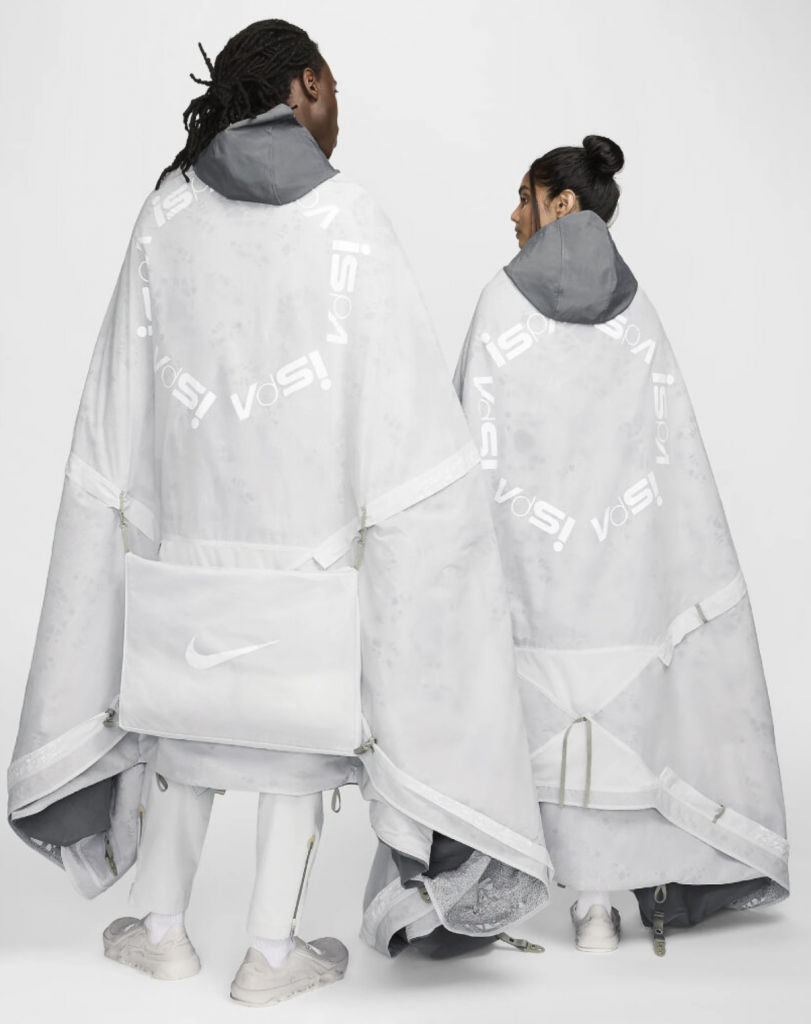
Metamorph Poncho by Nike ISPA
This garment is not just about practicality, though. The Metamorph Poncho also reflects Nike’s broader commitment to the environment, using recycled materials to reduce carbon emissions and minimize waste. Instructions for converting the poncho into a shelter are included, making it easy for users to set it up when they need it. In doing so, Nike ISPA shows that even in the sportswear industry, design can be driven by utility and sustainability, offering solutions for both fashion-forward individuals and those in need of immediate shelter.
The Royal College of Art’s Wearable Habitation
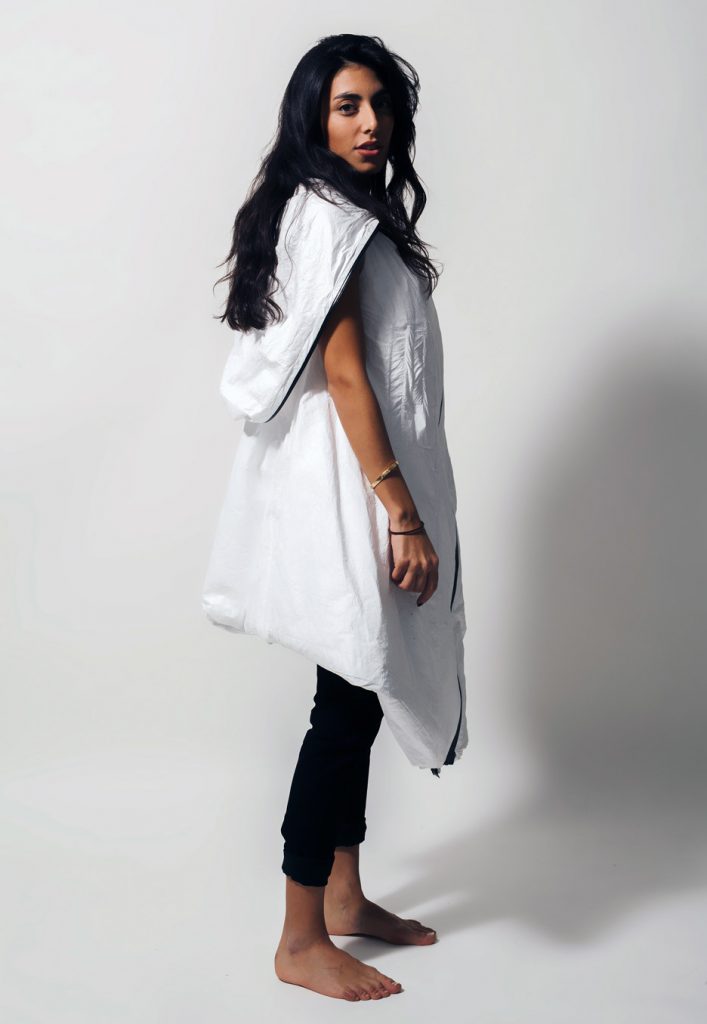
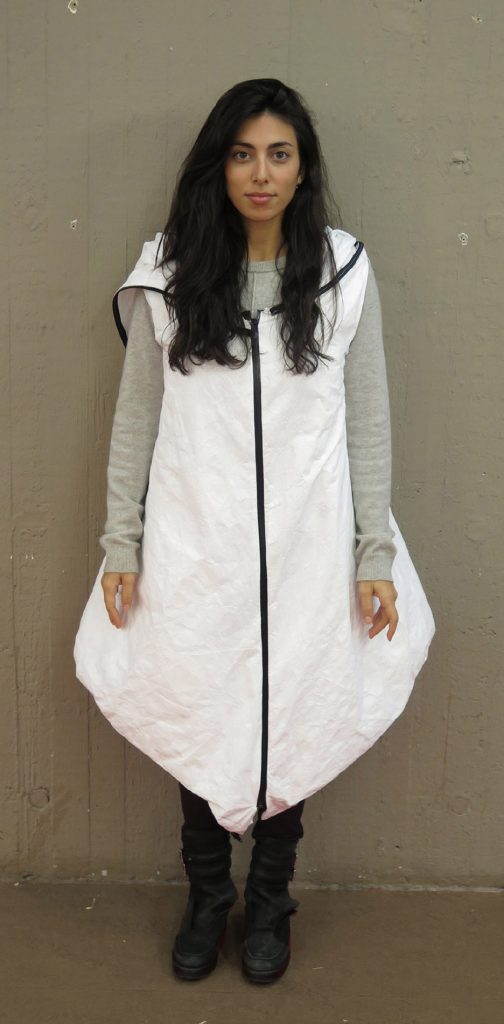
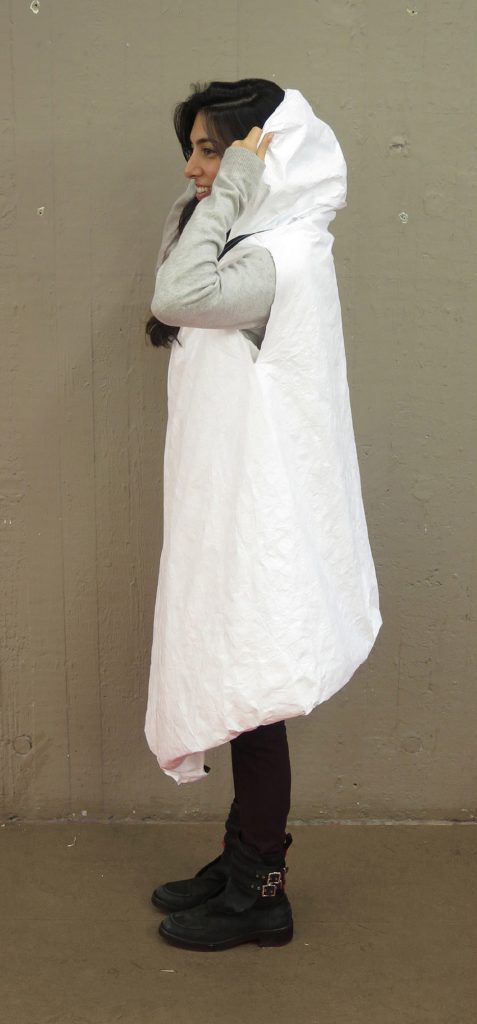
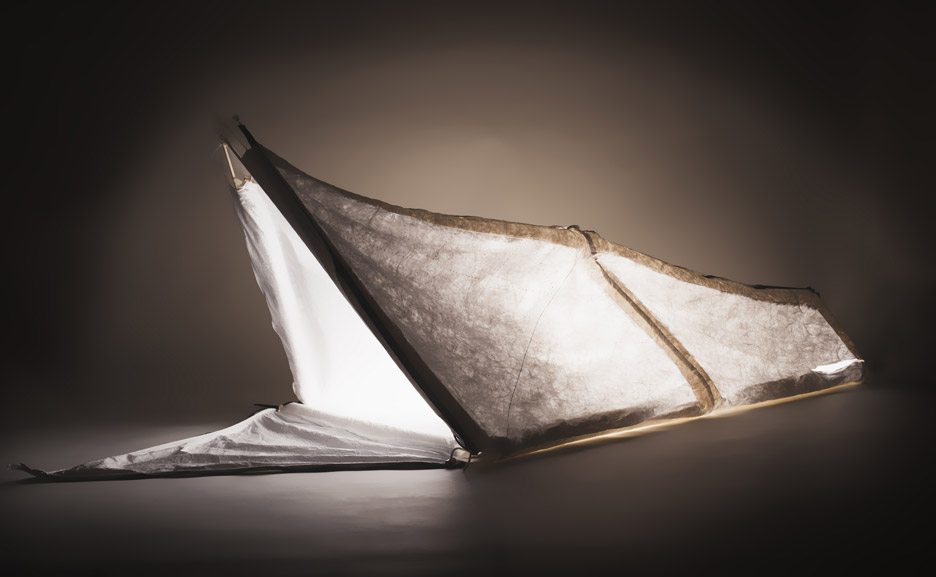
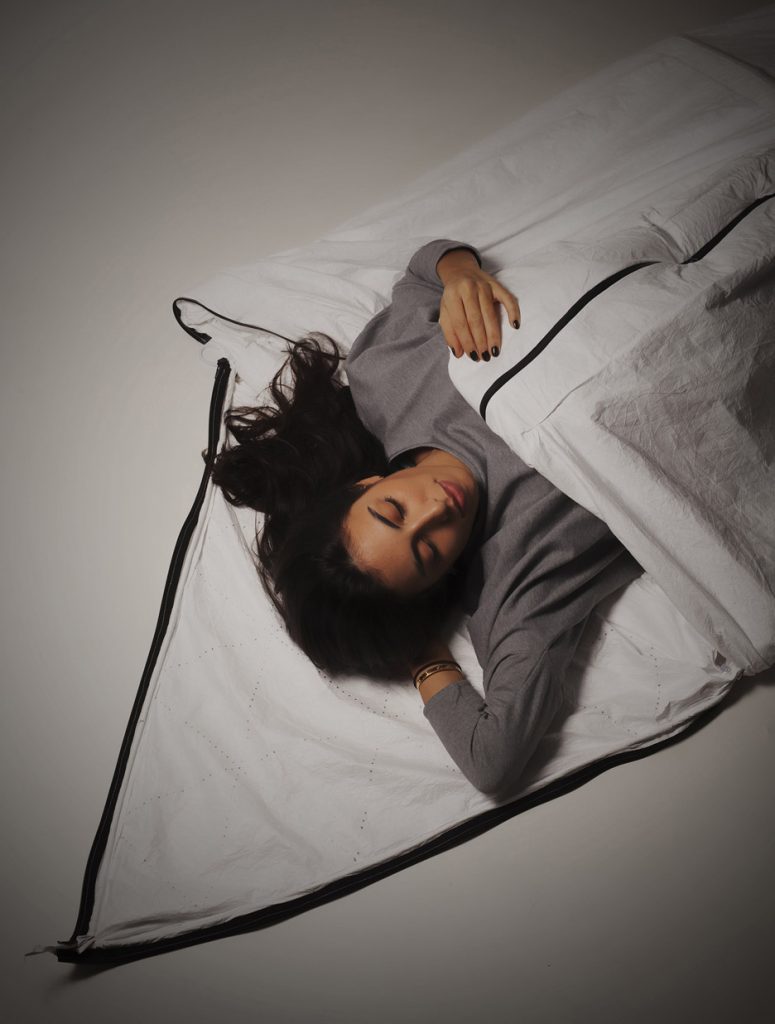
Taking a more humanitarian approach, a team of students from the Royal College of Art in London has designed a prototype coat for refugees that doubles as a tent or sleeping bag. Made from Tyvek, a lightweight, paper-like material, and insulated with Mylar—commonly used in marathon blankets for warmth—this innovative coat can be worn, transformed into a sleeping bag, or converted into a tent using lightweight kite rods. The design addresses the specific needs of refugees, who are often forced to travel long distances with little access to secure shelter.
The Royal College of Art’s Wearable Habitation
What sets this design apart is its consideration of the refugee experience. The coat transforms into three stages: first, a coat for wearing; second, a sleeping bag for warmth and comfort; and third, a tent when necessary. It was specifically developed to meet the needs of refugees who face weeks of displacement and are often forced to adapt to unpredictable environments. The prototype also incorporates zippers and lightweight kite rods, which allow the user to quickly assemble a temporary shelter in moments of need.
The Royal College of Art’s Wearable Habitation
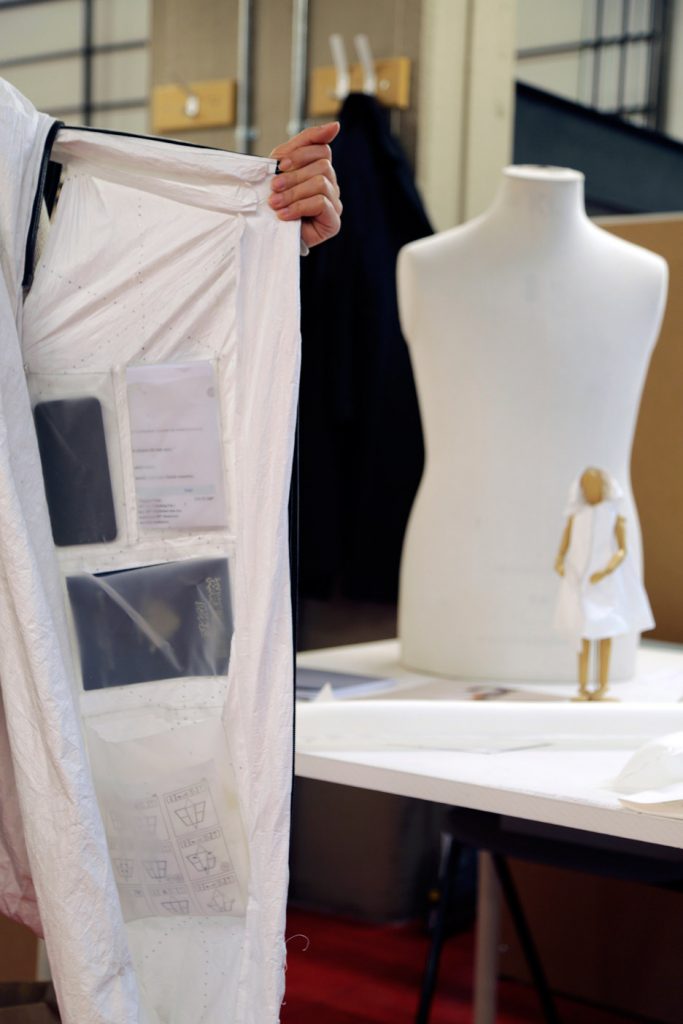
The garment also includes inner pockets for storing essential items like passports and documents, ensuring that refugees can keep their belongings safe as they move from one location to another. This project, born from collaboration between interior design and textile students, emphasizes both sustainability and cost-effectiveness — key factors when designing for those in crisis.
The Royal College of Art’s Wearable Habitation