Good posture has become something of a modern luxury. We spend our days folded over laptops, curled around phones and parked in chairs that were designed for neither comfort nor long-term health. Yet designers remain optimistic about our potential to sit, stand and stretch our way to better alignment. Across wellness tech, furniture and fashion, a new wave of posture-focused innovations is proving that body awareness can be both stylish and engaging.
Break by Jeoung Jinyoung, Lee Jonghyun, Yang Junhong and Lee Junyoung (also header image)
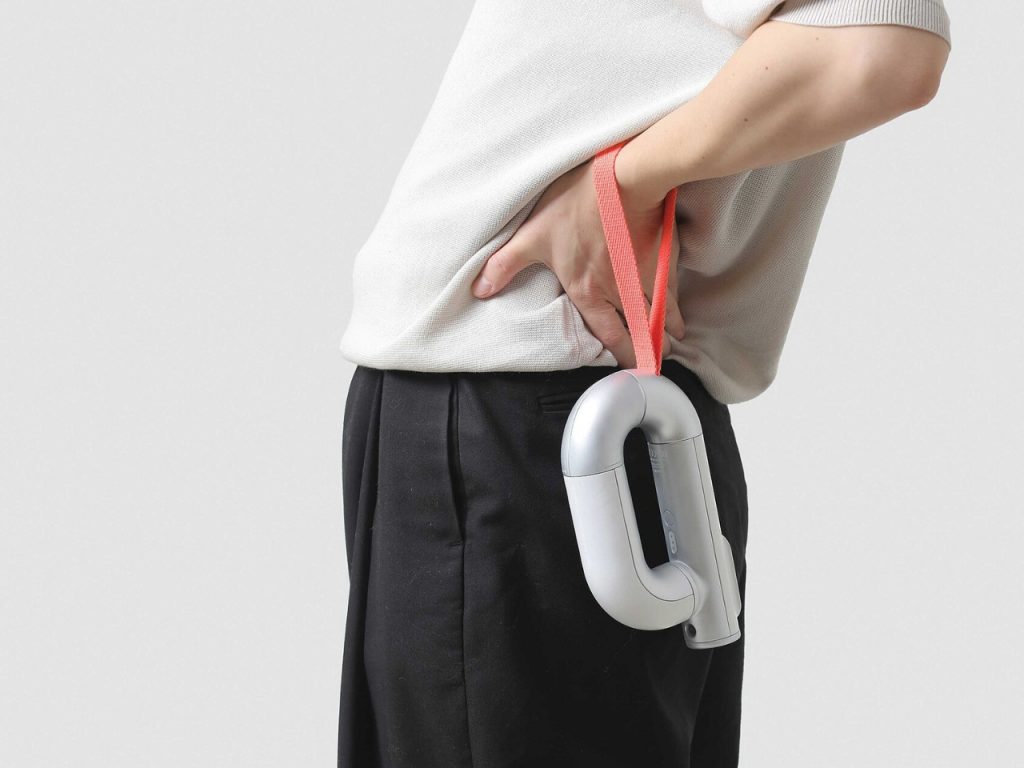
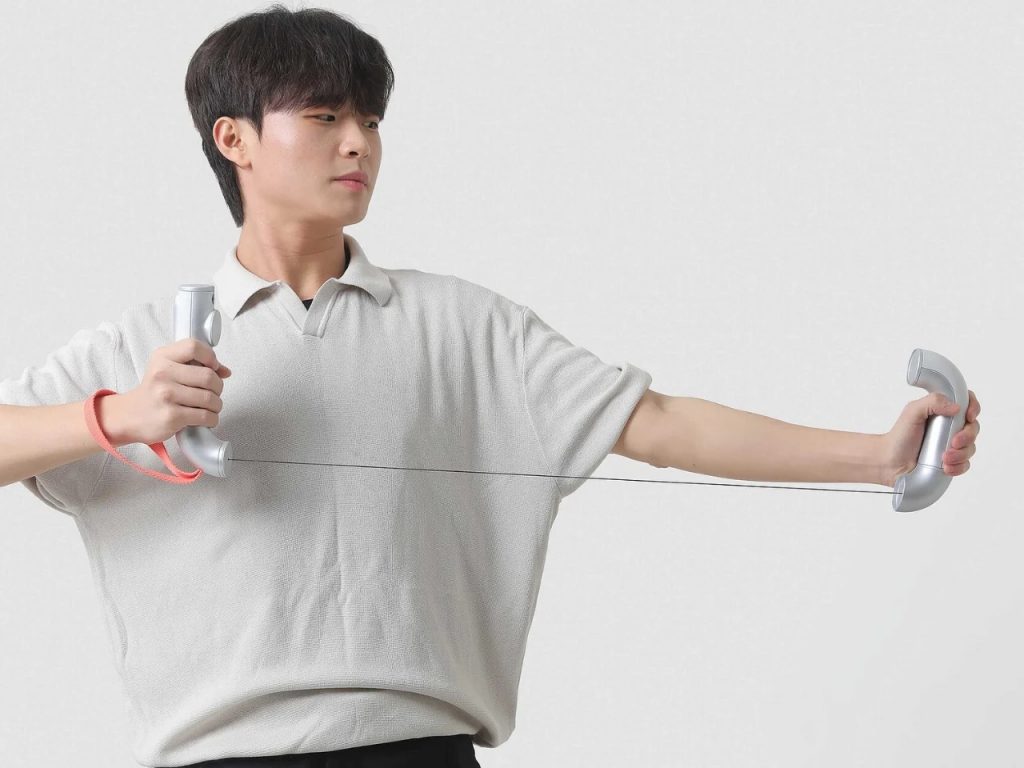
To begin, consider Break, a Red Dot winning wellness device by Jeoung Jinyoung, Lee Jonghyun, Yang Junhong and Lee Junyoung from the Hongik University, South Korea. The concept was born from a familiar scene. After hours hunched over a keyboard, your shoulders ride up toward your ears, your neck tightens and your body silently protests. Break responds by turning that uncomfortable reality into an opportunity for playful intervention. The curved tool, connected by a flexible wire between two sculptural handles, looks more like a friendly desk companion than a piece of gym gear. Its soft color palette and approachable form encourage daily use rather than guilt driven avoidance.
Break by Jeoung Jinyoung, Lee Jonghyun, Yang Junhong and Lee Junyoung
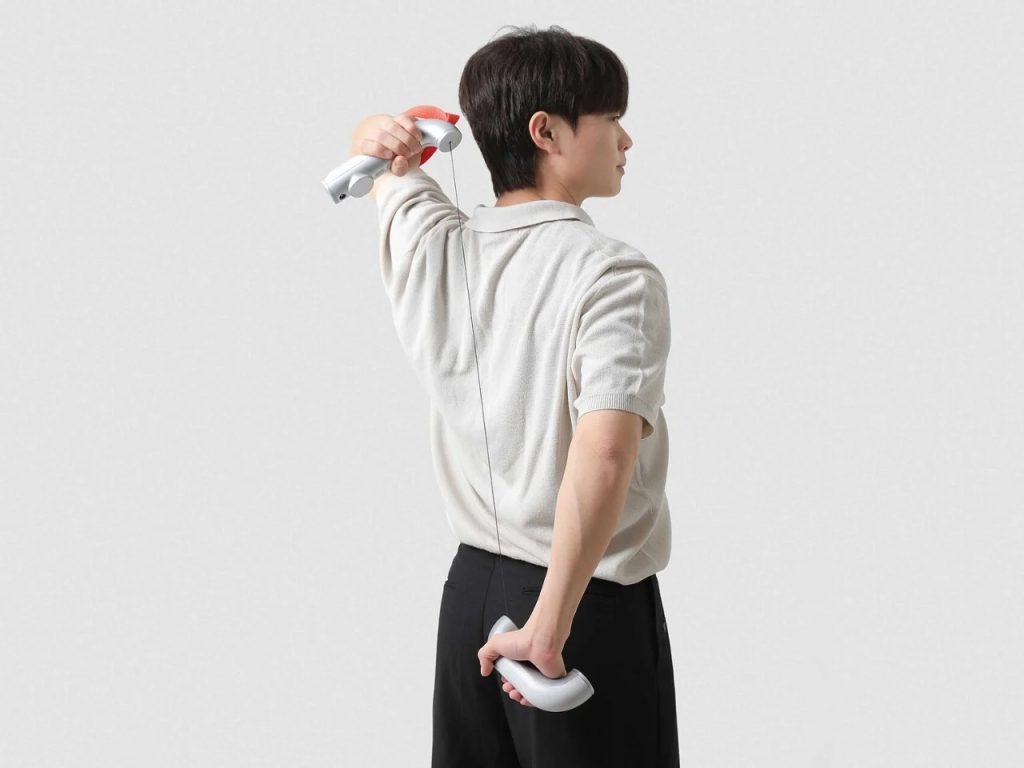
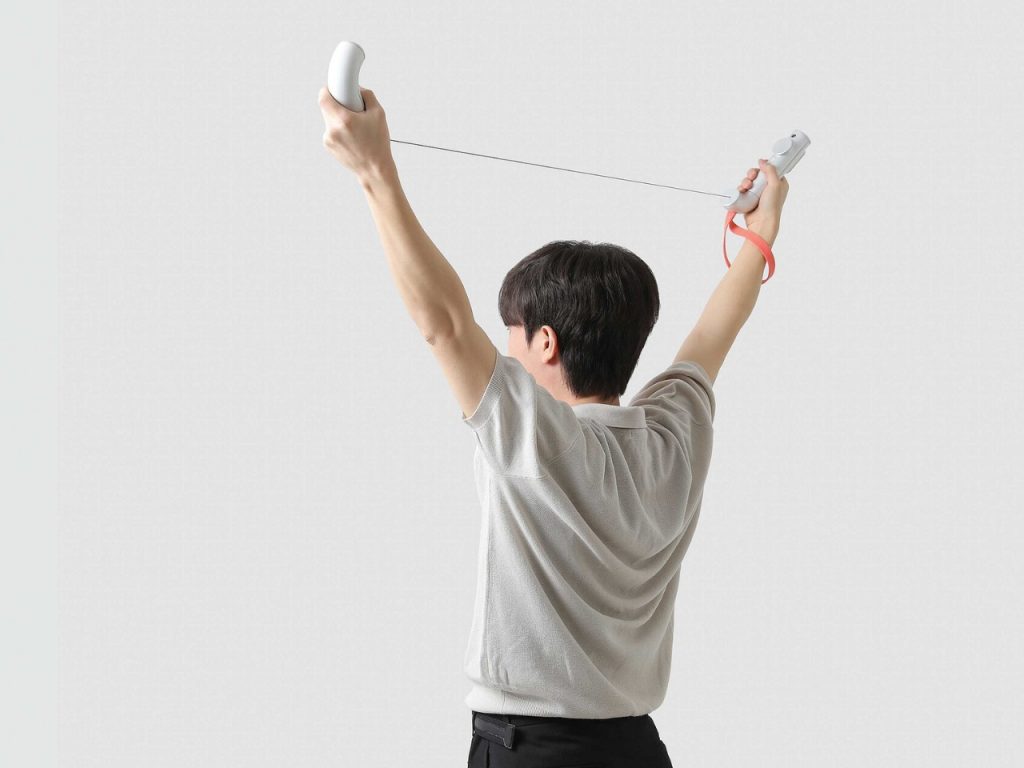
Functionally, Break nudges users toward restorative movement. Its built-in screen delivers exercise prompts as quests, reframing stretches like Y, T and A raises as small missions instead of chores. The wire between the handles creates gentle resistance that activates muscles neglected by long hours of desk work. Users simply follow the guided movements while Break tracks their progress and recognizes when rounded shoulders or text neck need attention.
Break by Jeoung Jinyoung, Lee Jonghyun, Yang Junhong and Lee Junyoung
Break also doubles as a discreet fitness tracker. Sensors monitor heart rate, oxygen saturation and calorie burn, feeding data into an app that becomes a personal wellness dashboard. The reward system pushes the concept even further. Completing quests earns points that translate into real goods and services from partner merchants. The device understands that knowledge alone rarely changes behavior. What works is simplicity, delight and the occasional coffee earned from a shoulder stretch. Break brings all three into daily routines and transitions seamlessly into the next story, where posture support takes a more sculptural, interior-friendly form.
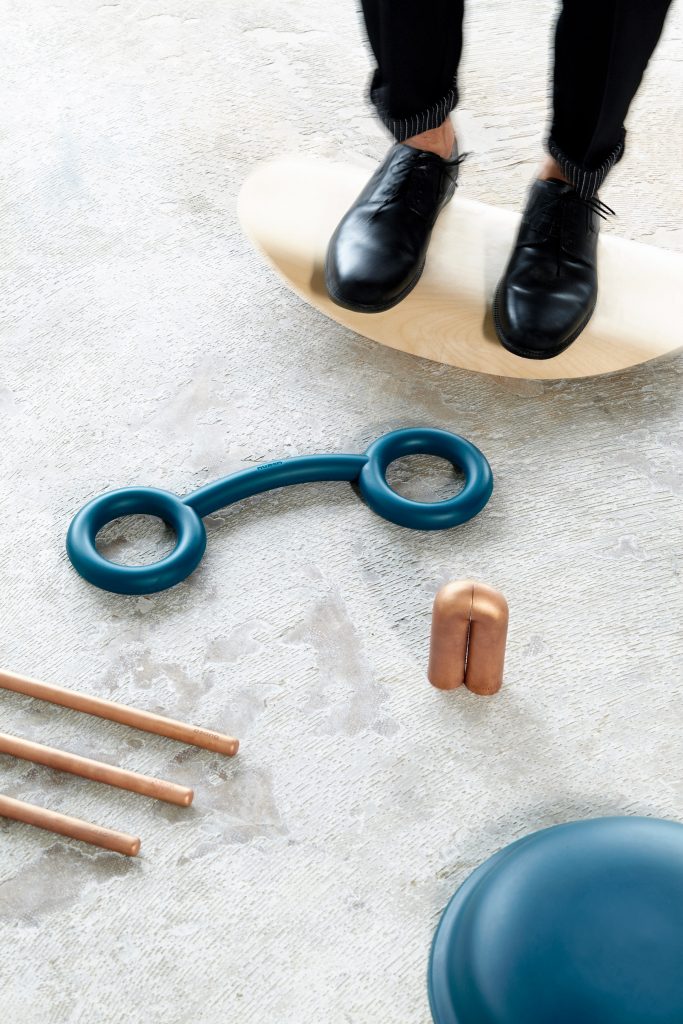
Asana by Mirjam de Bruijn
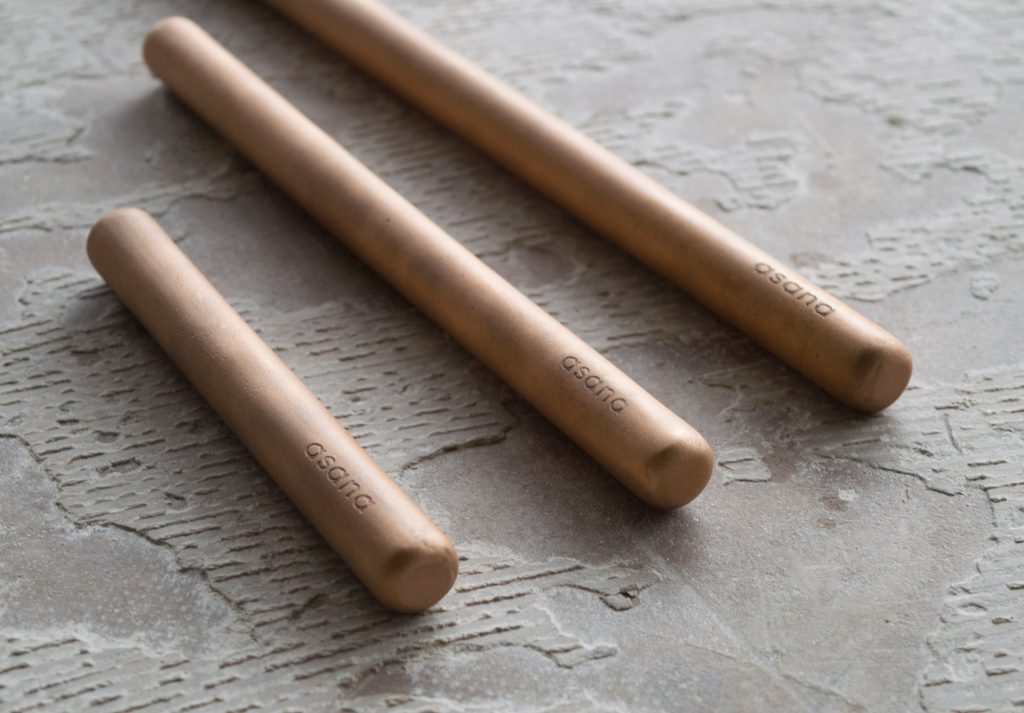
At Design Academy Eindhoven, Mirjam de Bruijn created Asana, a family of five decorative objects designed to improve posture without looking like medical tools. Her project emerged from an observation that flexible offices and coworking spaces have embraced mobility but rarely address the physical strain caused by improvised work setups. Workers end up with poor circulation, back discomfort and repetitive strain injuries, often because their furniture cannot adjust to their bodies.
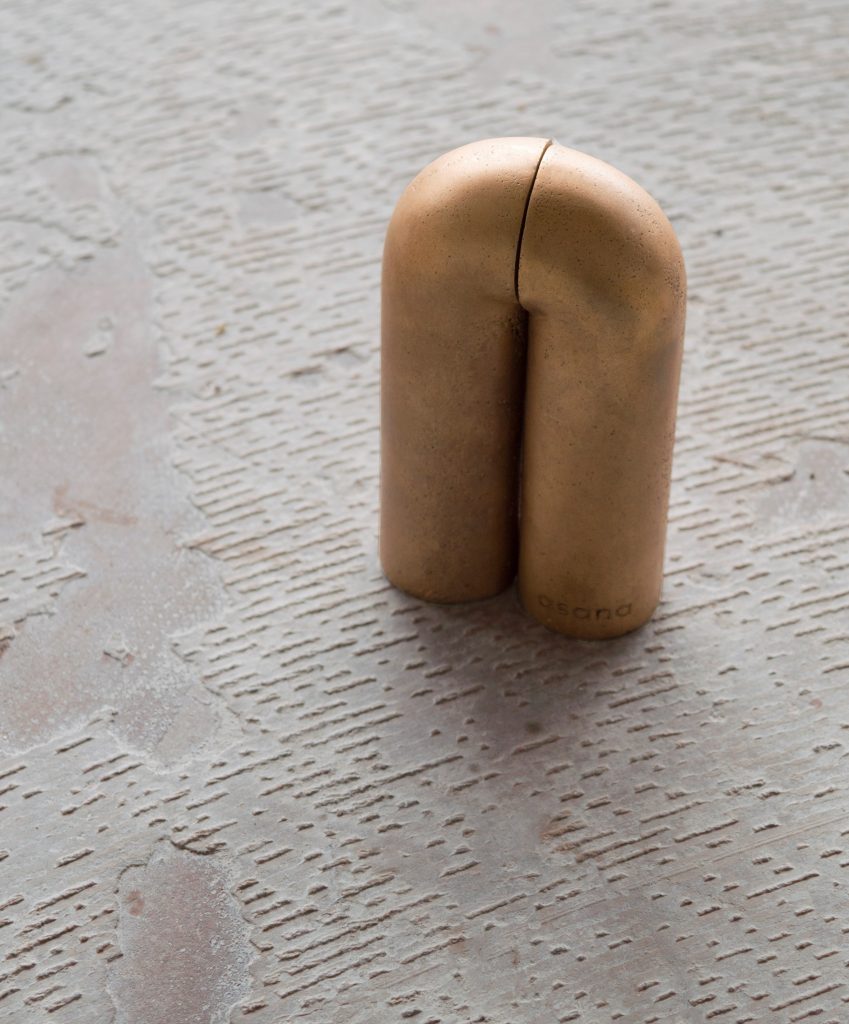
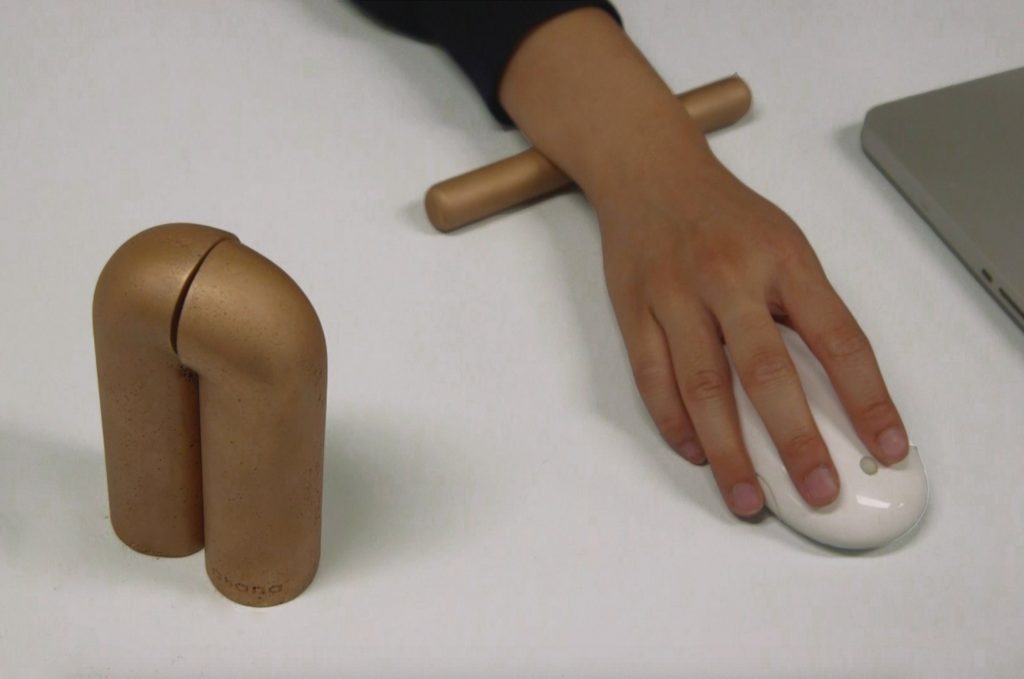
Asana by Mirjam de Bruijn
Asana tackles these issues through small, intentional prompts. A smooth rounded stick rolls beneath the wrists while typing, encouraging light movement. A pair of compact weights stretches the wrist muscles. A rubber cushion transforms a standard stool into a more dynamic seat. These are joined by a wooden footrest that rocks gently side to side, stimulating leg engagement, and a large elastic band that helps open tight arm and shoulder muscles. Together they create micro moments of posture correction that accumulate throughout the day.
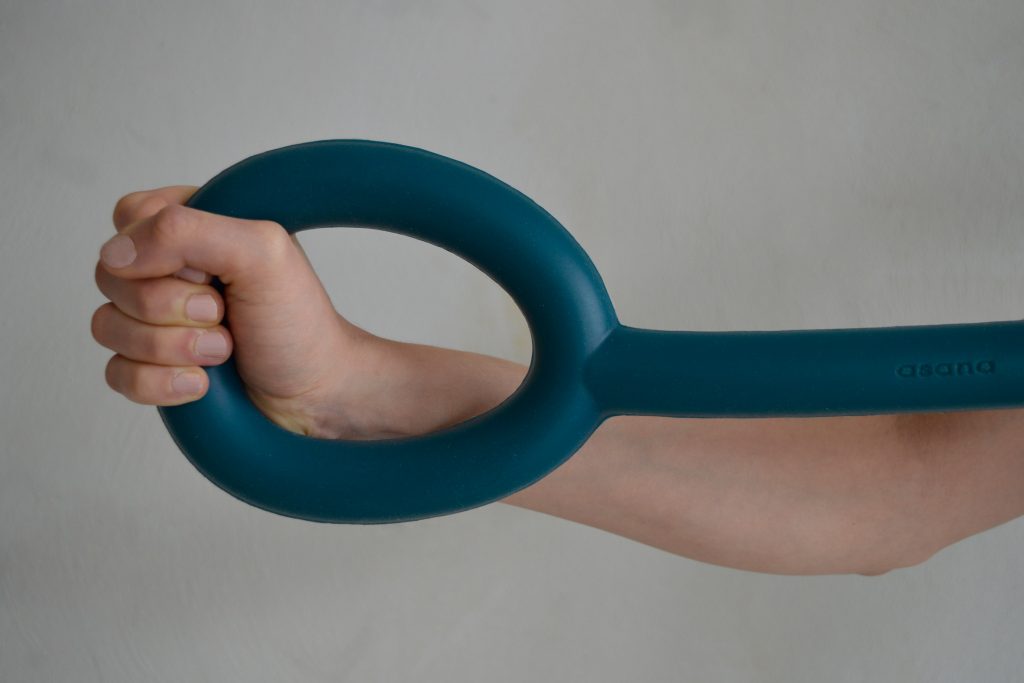
Asana by Mirjam de Bruijn
What distinguishes the collection is its aesthetic discipline. Every piece follows a refined gold and blue palette that reads as minimalist décor rather than therapy equipment. De Bruijn wanted the tools to feel at home on a modern desk or shared table. This design sensitivity makes Asana particularly compelling as we shift from tech-driven wellness to a fashion-centered approach in the next project.
FysioPal by Pauline van Dongen
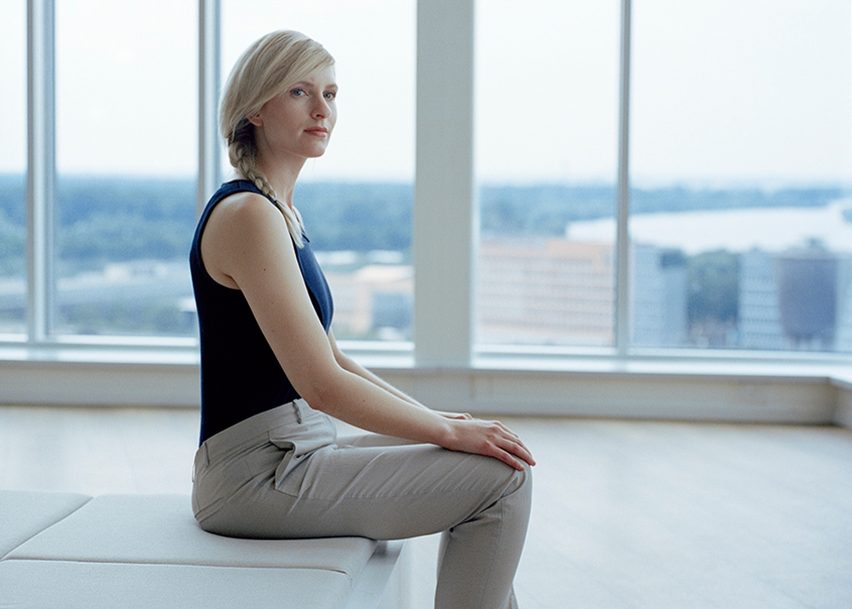
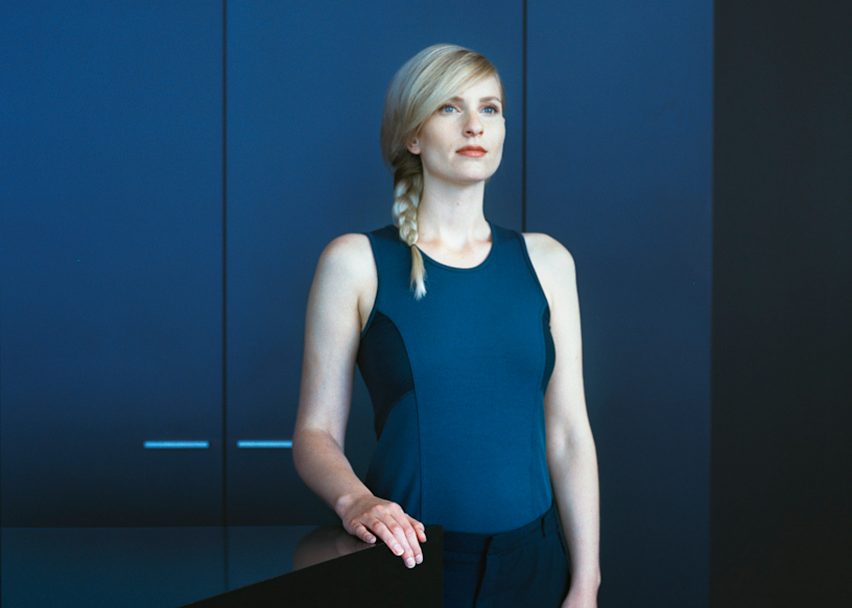
Dutch fashion designer Pauline van Dongen takes posture improvement literally to the body with FysioPal, a smart top that vibrates to alert wearers when they slouch. Developed with tactile display specialists Elitac, the undershirt uses embedded sensors to map the alignment of the neck, shoulders and back. These measurements feed into a companion app that visualizes posture patterns and evaluates daily habits.
FysioPal by Pauline van Dongen
When the shirt detects poor alignment, it responds with a soft vibration that serves as a gentle cue to reset one’s stance or seating position. Rather than forcing correction, it builds awareness. The app deepens this experience with daily training programs, hourly posture analyses and monthly summaries that help users observe long-term changes. The concept shows how clothing can evolve from passive covering to active guide.
FysioPal by Pauline van Dongen
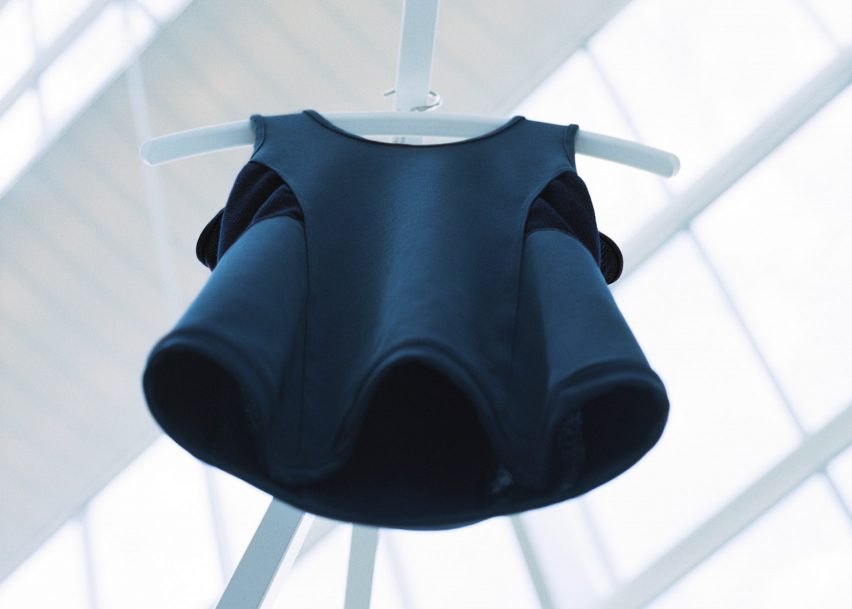
Material choice was central to the design. Van Dongen emphasized comfort and everyday wearability, selecting fabrics with enough stretch to accommodate both movement and integrated electronics. The components are laminated directly into the textile by Swiss manufacturer Schoeller, eliminating the need for visible wiring. This construction keeps the silhouette clean and maintains the garment’s washability. FysioPal stands as evidence that wearable technology can appeal to the senses as much as to function.
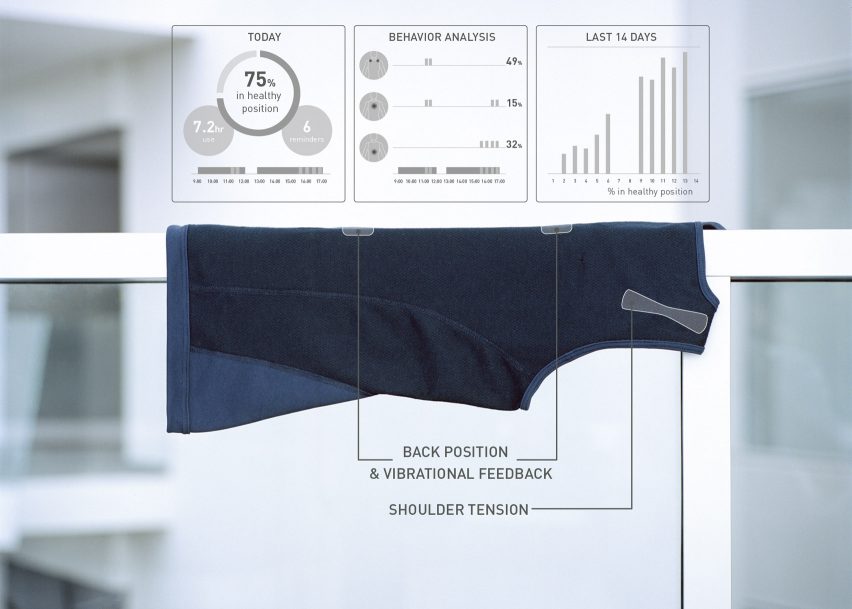
FysioPal by Pauline van Dongen
Taken together, Break, Asana and FysioPal reveal a growing understanding that posture correction works best when it blends seamlessly into the environments, routines and garments we already inhabit.