Robots are no longer the clunky metal machines we once imagined. Today’s designers are turning them into warm companions, eager helpers, and even polite wooden messengers. As robotics merges with material innovation and user-centered design, a new generation of home robots is emerging. They’re friendly, intuitive, and sometimes downright adorable.
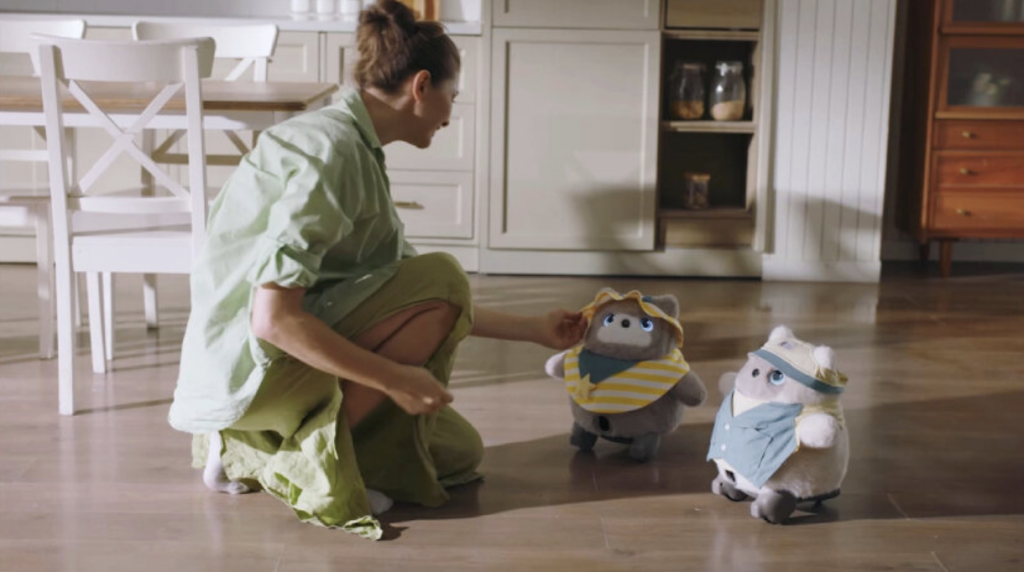
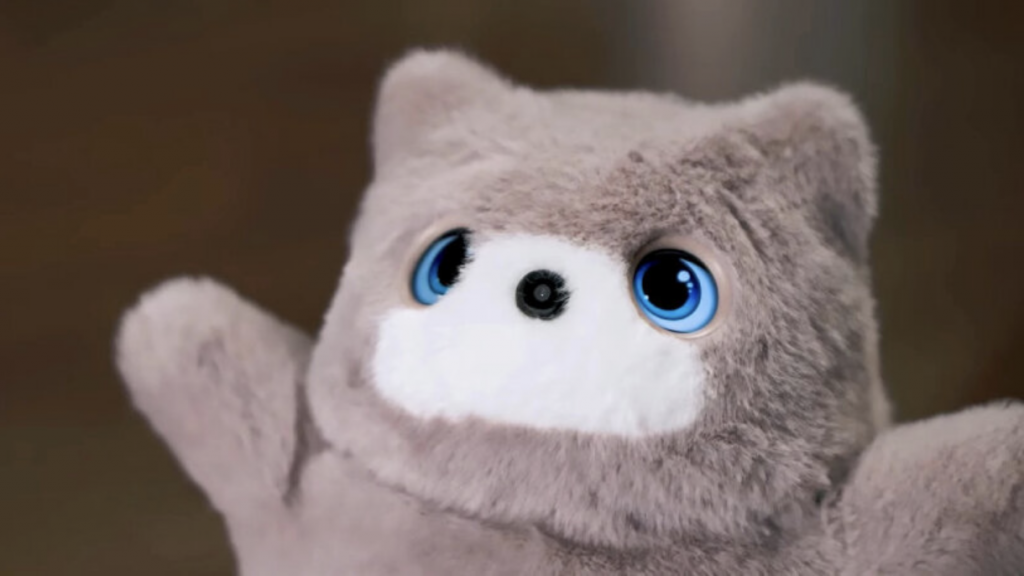
AI Pet by SwitchBot (also header image)
SwitchBot’s AI Pet sets the tone for a world in which robots are as expressive as household pets. Unveiled at IFA Berlin 2025, this fuzzy robotic teddy bear blends advanced AI with creature-comfort design. The device processes language locally while its cloud counterpart handles vision, making it surprisingly perceptive. Cameras act as eyes, microphones as ears, and speakers as a soft synthetic voice, all wrapped in a plush exterior that helps users feel at ease. Its LED face shifts colors and expressions, allowing the robot to blink, smile, or pout.
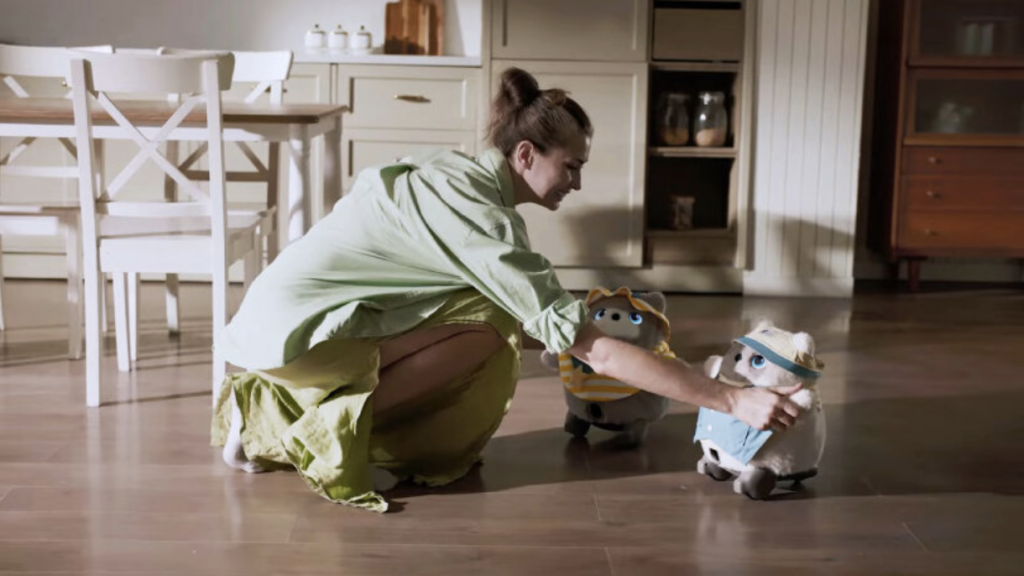
AI Pet by SwitchBot
The design team pushed emotional intelligence to the foreground. SwitchBot’s AI Pet recognizes faces, remembers routines, and even displays a range of emotions including loneliness, jealousy, and happiness. Each feeling comes with its own sound, gesture, and facial pattern. This emotional vocabulary encourages users to relate to the device like a companion rather than a gadget. It can chat, sing, play games, or simply keep users company, learning more with each interaction.
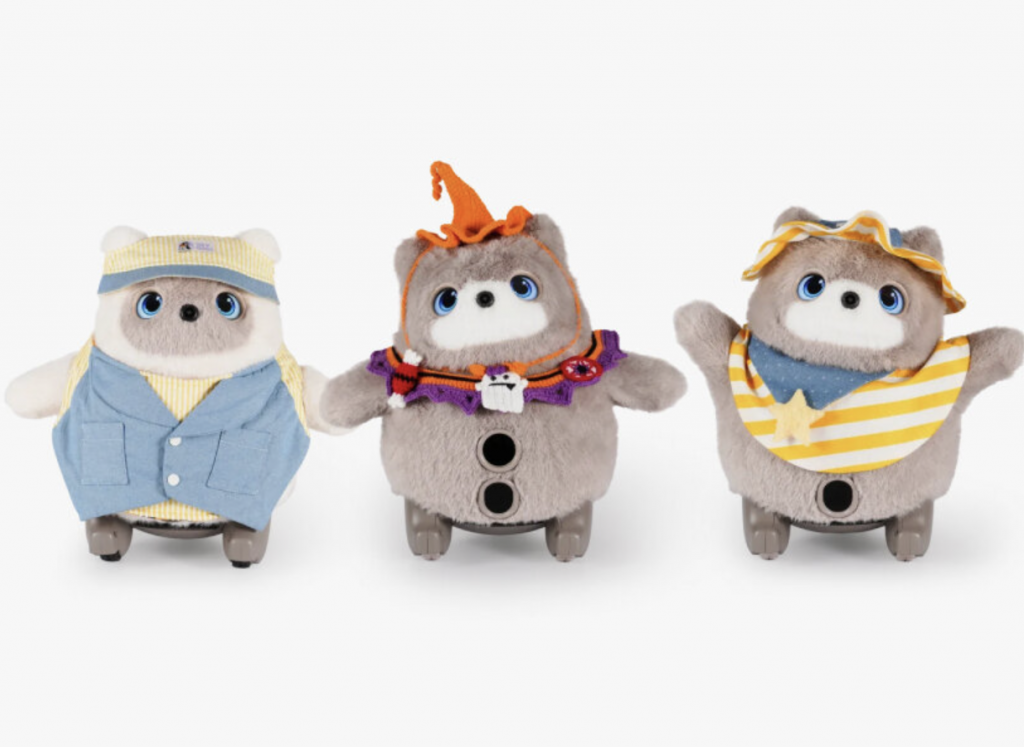
AI Pet by SwitchBot
Practicality rounds out the experience. Small motors in its compact frame allow the AI Pet to tilt, roll around on wheels, or turn its head attentively. It connects through WiFi for updates and new features and saves power by slipping into sleep mode. The synthetic fabric makes it cozy to hold while hiding the tech beneath, keeping the robot light enough to perch on a bedside table. After exploring this emotionally charged design language, it’s natural to transition to our next example, which leans into animated charm and chore tackling.

Memo by Sunday
Memo, the personal home robot from Sunday, brings a different flavor of friendliness to the domestic landscape. Unlike SwitchBot’s fuzzy emotional companion, Memo resembles a cartoon character that happens to do the laundry. Its round head, simple eyes, and silicone exterior make it approachable, while the hat-like top piece adds a playful silhouette. Although it looks soft and inviting, its interior houses motors, cameras, sensors, and a computer unit built for real household labor.

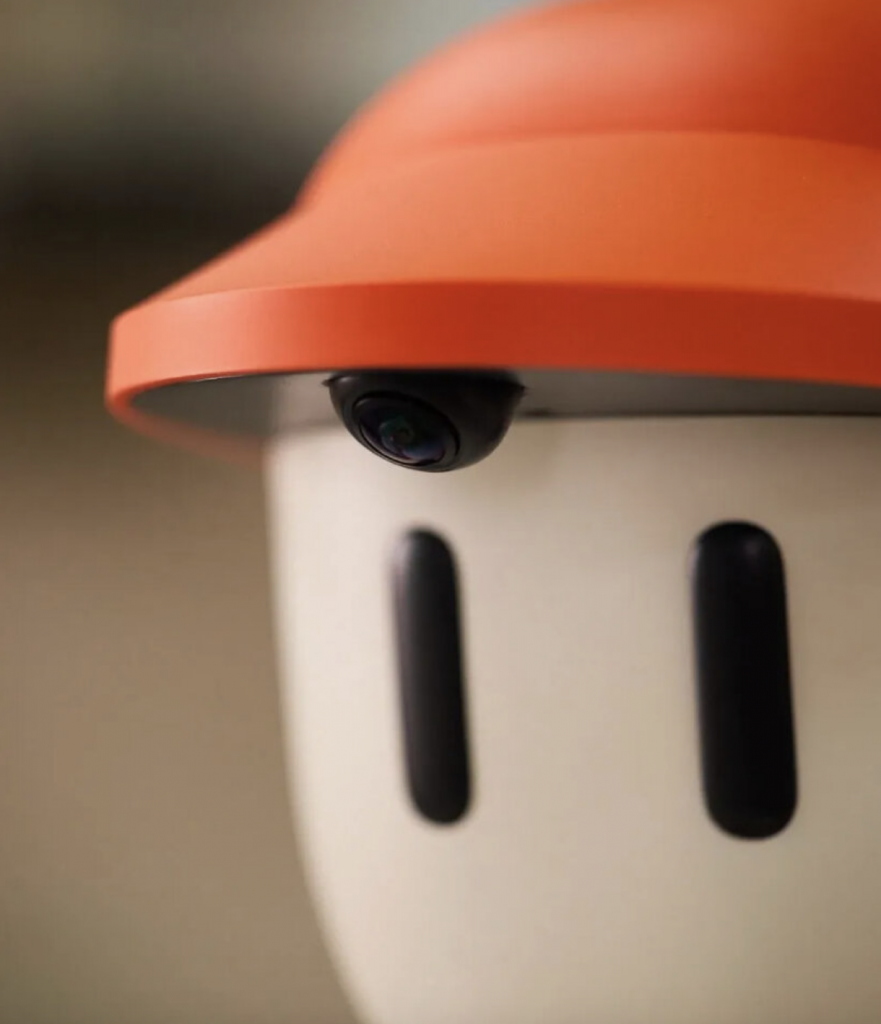
Memo by Sunday
This robot glides through homes on a wheelbase similar to that of an autonomous vacuum. Yet Memo’s single arm, mounted on a circular joint, can reach from the floor up to seven feet. Its pace may be slow, but its design is carefully considered for safety and practicality. Importantly, the silicone exterior allows easy cleaning with everyday household products, an unglamorous but essential design decision for anything that walks among spilled cereal and sticky countertops.
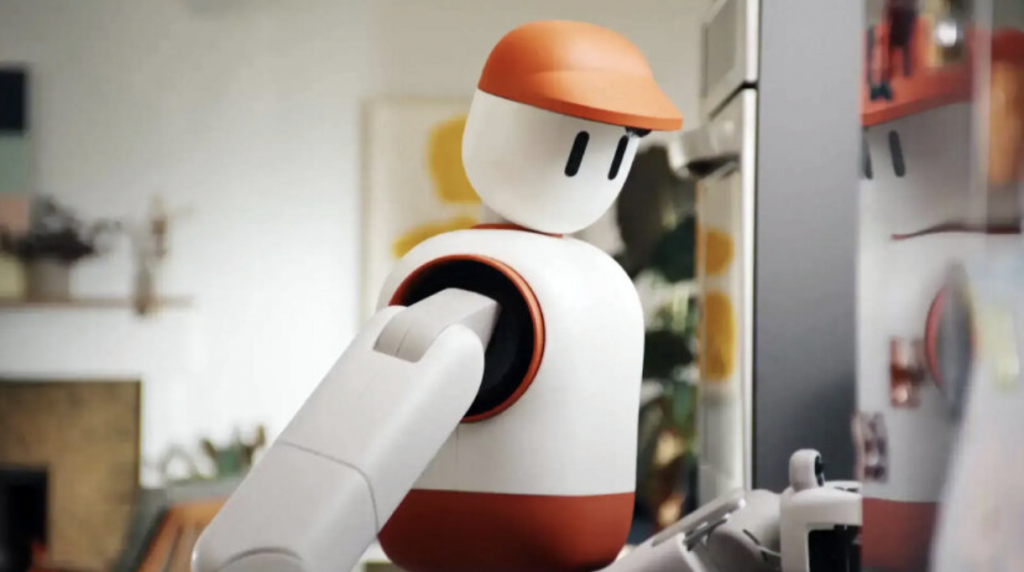
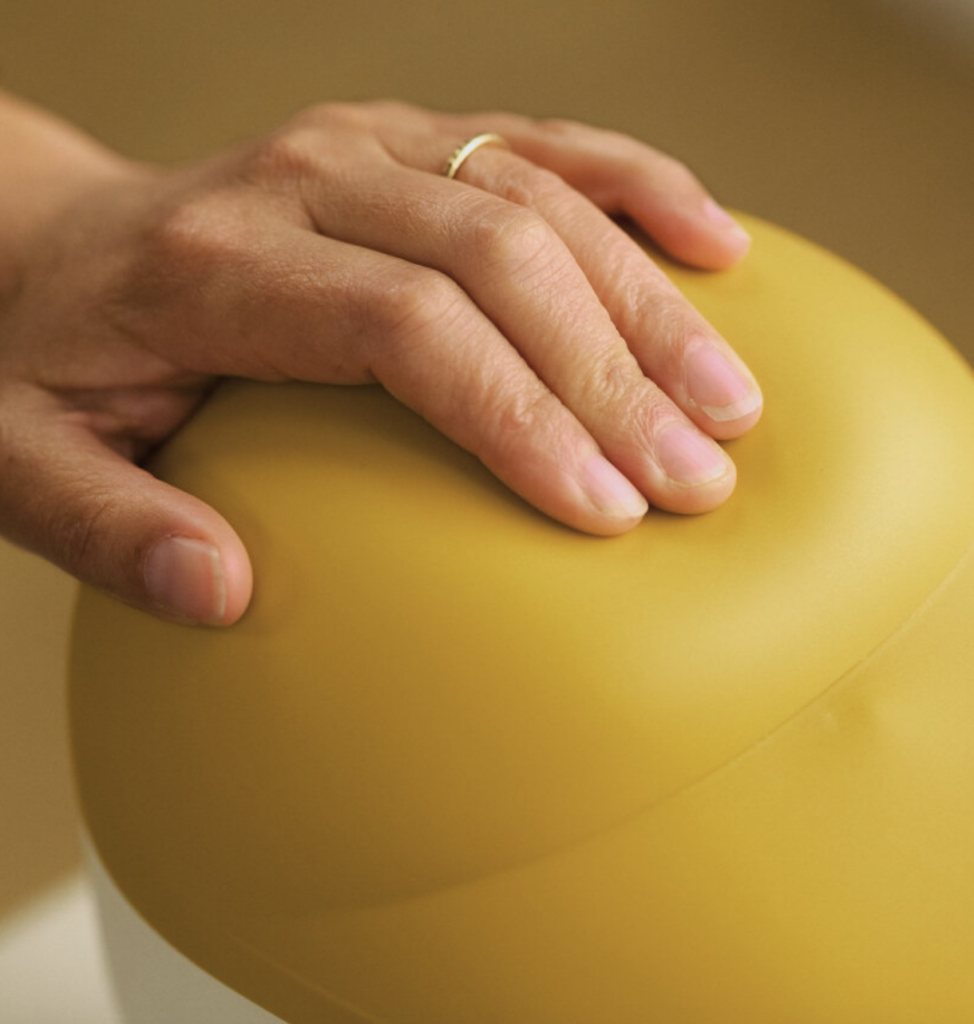
Memo by Sunday
Where Memo truly innovates is in its learning method. The Skill Capture Glove allows owners to teach the robot new tasks simply by performing them. The glove shares the same sensor layout as Memo’s clamp-style hand, so the robot can translate human motion directly into robotic skill. This eliminates teleoperation and introduces a more intuitive form of training. By 2025, the once simple shoe-arranging robot had mastered collecting dishes, loading and running dishwashers, making coffee, and navigating unfamiliar homes using 3D maps. As Memo evolves into a more capable household collaborator, we can now shift from soft silicone and motorized limbs to something more unexpected in home robotics: wood.
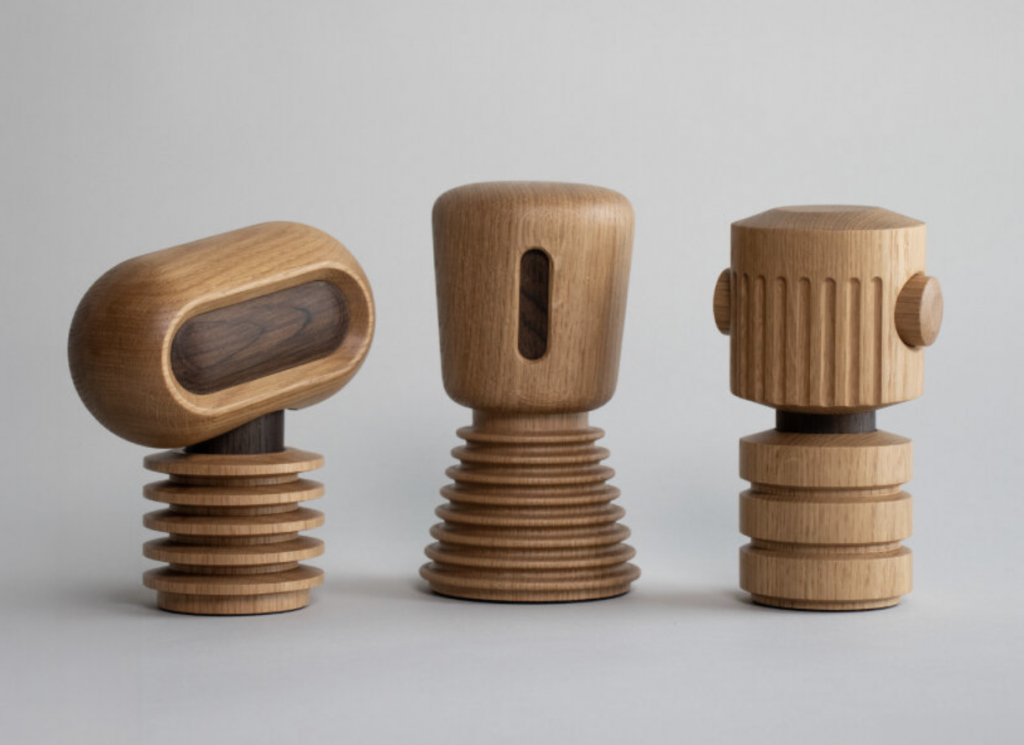
Botties by Swift Creatives
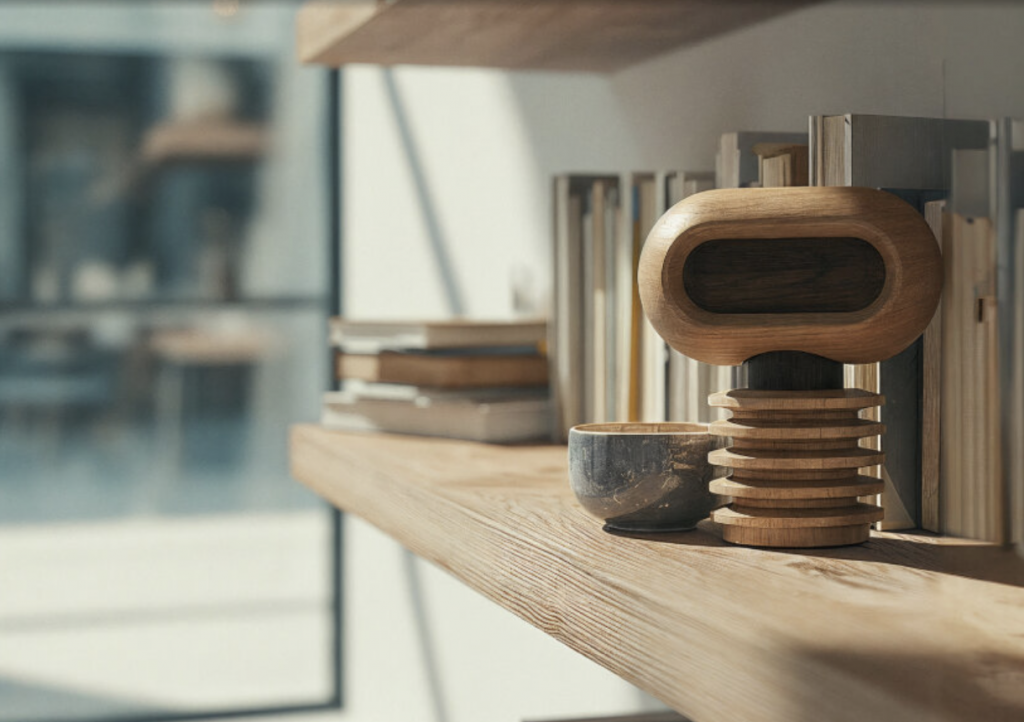
Swift Creatives’ Botties offer a quieter, subtler form of robotic assistance, trading expressive digital eyes for tactile gestures carved from Danish oak. These small wooden robots — Beamer, Hover, and Bot — notify users of digital alerts through graceful nods, tilts, and rotations. Instead of buzzing or beeping, a slight head movement signals a message, a reminder, or even the arrival of a food delivery. The result is a gentler relationship with technology, one that aligns more with furniture than consumer electronics.
Botties by Swift Creatives
The design process reflects this philosophy. Beginning with sketches then shifting to 3D printed prototypes before finalizing the oak forms, the team explored how robots might feel if they blended into home environments. Each model has a distinct personality through movement alone. Beamer tilts its head from side to side, Bot bobs and pushes an ear in and out, and Hover rotates before pausing to catch attention. These movements borrow from Scandinavian craft traditions in both material and sensibility.

Botties by Swift Creatives
Inside the polished wooden shells sit hidden sensors and motors that create subtle, almost lifelike gestures. The intention is not to overwhelm but to gently notify users through physical language. Inspired by the legacy of Danish designer Kay Bojesen, the Botties embody a philosophy where technology doesn’t demand attention but earns it quietly. Though there’s no release date yet, these prototypes suggest a future in which robots join the home as thoughtfully crafted objects rather than flashy gadgets.


Botties by Swift Creatives
Whether through emotional expression, learned motor skills, or wooden subtlety, today’s home robots show that innovation thrives when technology feels human, humble, and deeply considered.