Umbrellas have long been one of the most static objects in our daily lives, yet designers around the world continue to challenge that assumption with creative breakthroughs that stretch imagination and practicality. As we explore these extraordinary umbrella designs, a clear message emerges: rain is no excuse for dull design thinking.

Mabu’s Umbrella Lantern
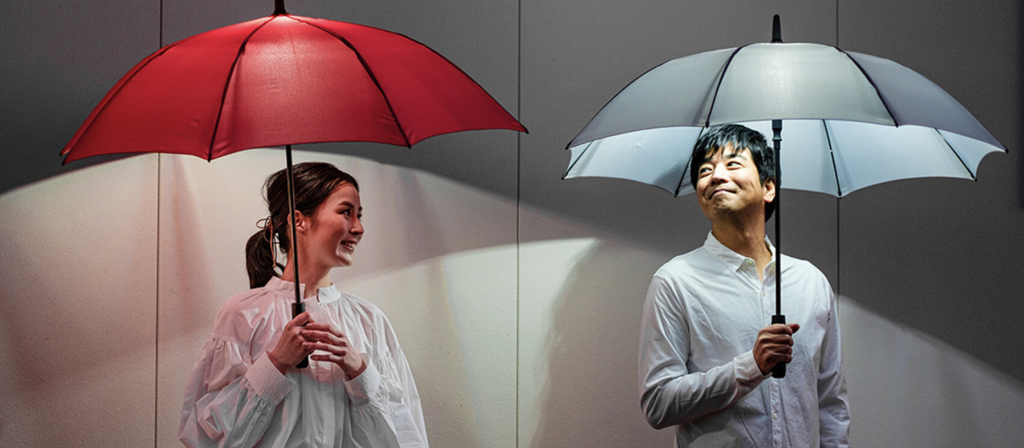
The Japanese company Mabu has created an inspired solution to one of the simplest yet most persistent rainy day concerns. Their Umbrella Lantern integrates LED lights directly into the handle, offering a fully self-sufficient illumination system that brightens evening walks without relying on passing headlights or reflective surfaces. This design directly targets safety during late night strolls, giving users both visibility and peace of mind.
Mabu’s Umbrella Lantern
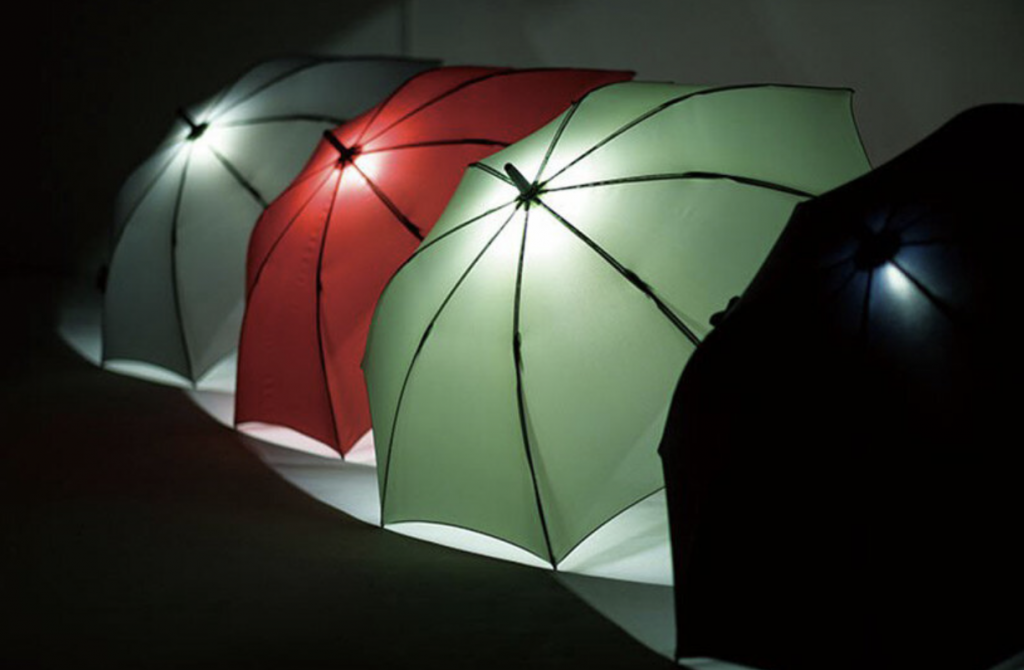
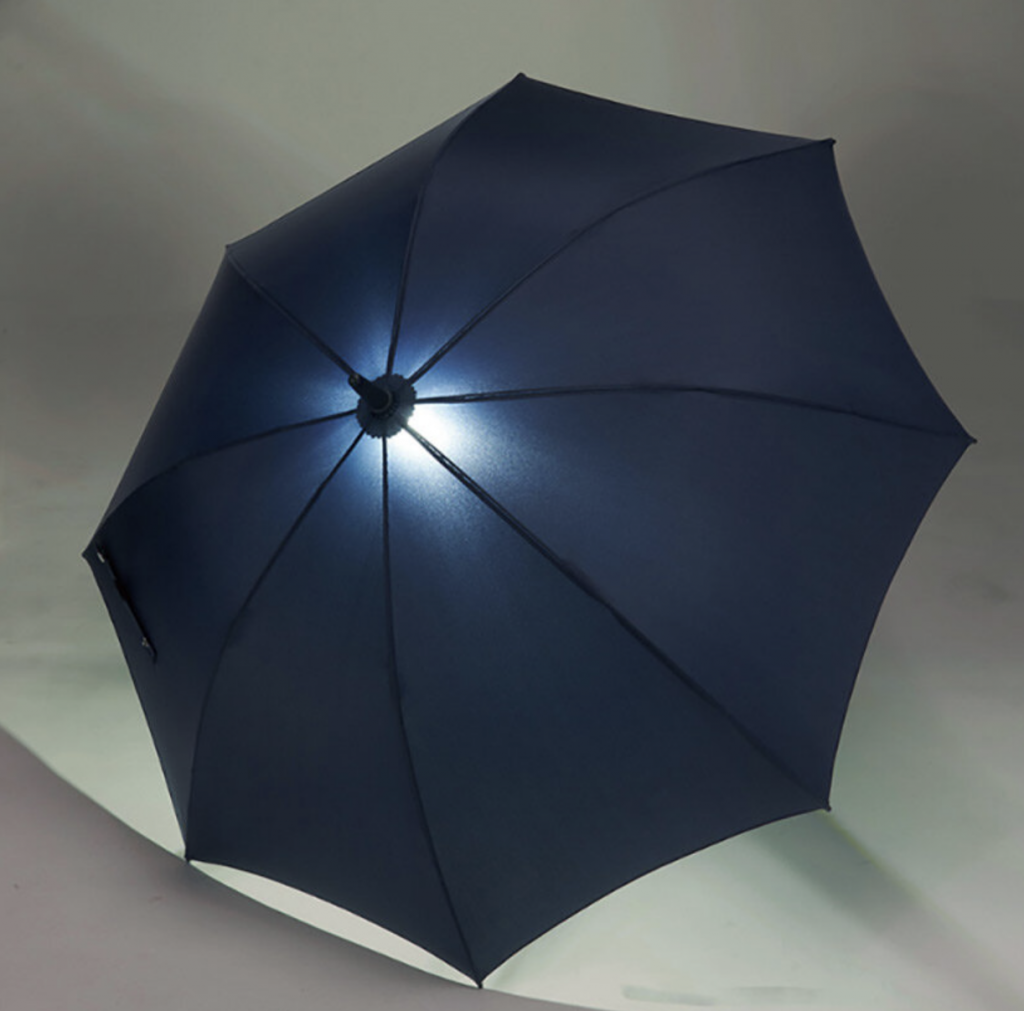
During daytime hours, the umbrella operates like any standard model, but as evening approaches, a simple press of a button lights up the canopy from beneath. The LEDs glow through the fabric to increase visibility for both the user and surrounding pedestrians. The effect is gentle rather than harsh, turning the underside of the umbrella into a softly lit personal dome that feels surprisingly atmospheric.
Mabu’s Umbrella Lantern
Mabu offers the design in four colors that subtly influence the ambient glow. Lighter options transmit more illumination outward, while darker shades create a more contained aura. At just 460 grams and powered by three AAA batteries, the umbrella is light enough for everyday carry and practical enough to become a go to item in any commuter’s toolkit.
Smartphone Umbrella Sumaho Kasa
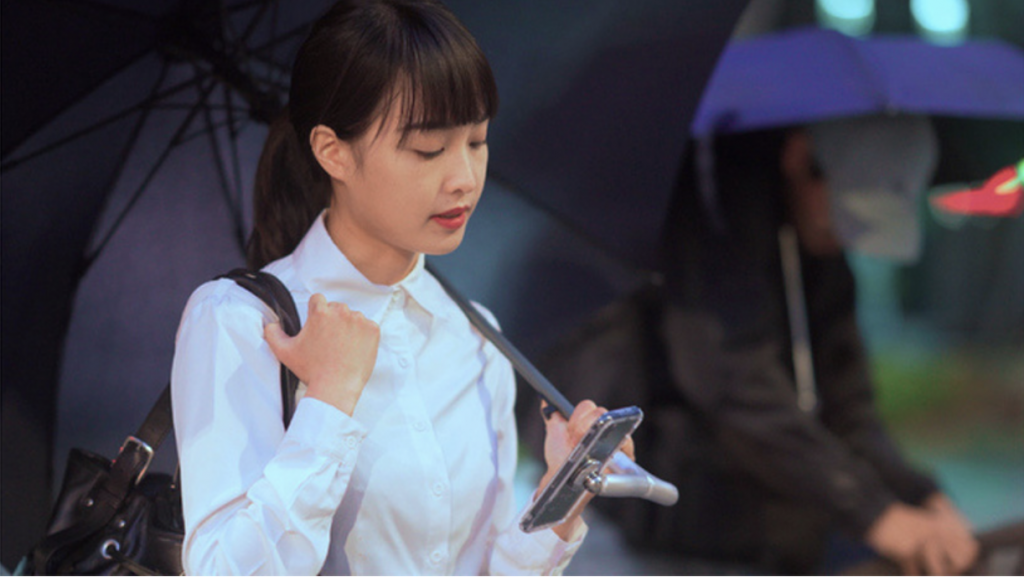
As a transition from illumination to interaction, our next design pushes everyday usability even further by blending rain protection with digital habits. For anyone who has ever tried to balance an umbrella in one hand and a smartphone in the other, the Sumaho Kasa presents a remarkably intuitive solution. This Japanese design incorporates a magnetic phone holder at the handle, allowing users to mount their device securely and free their hands while walking in the rain.
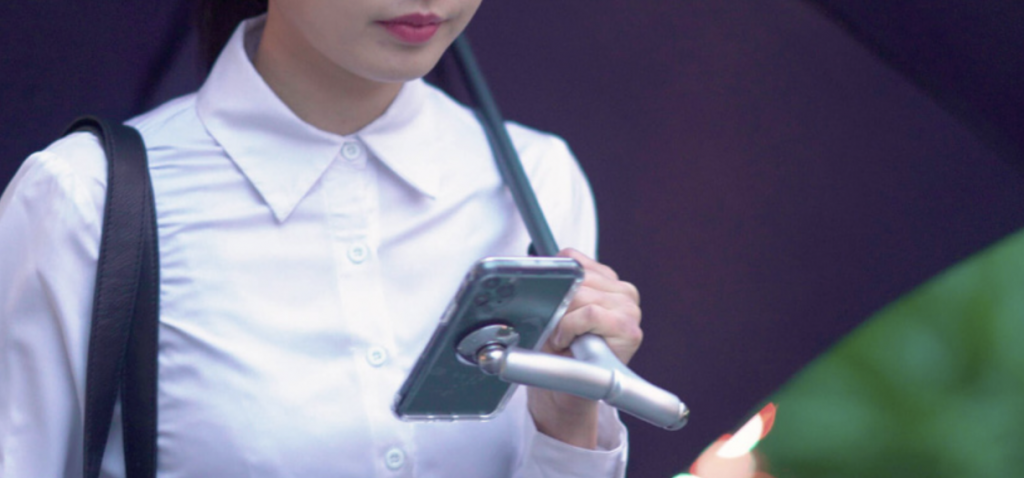
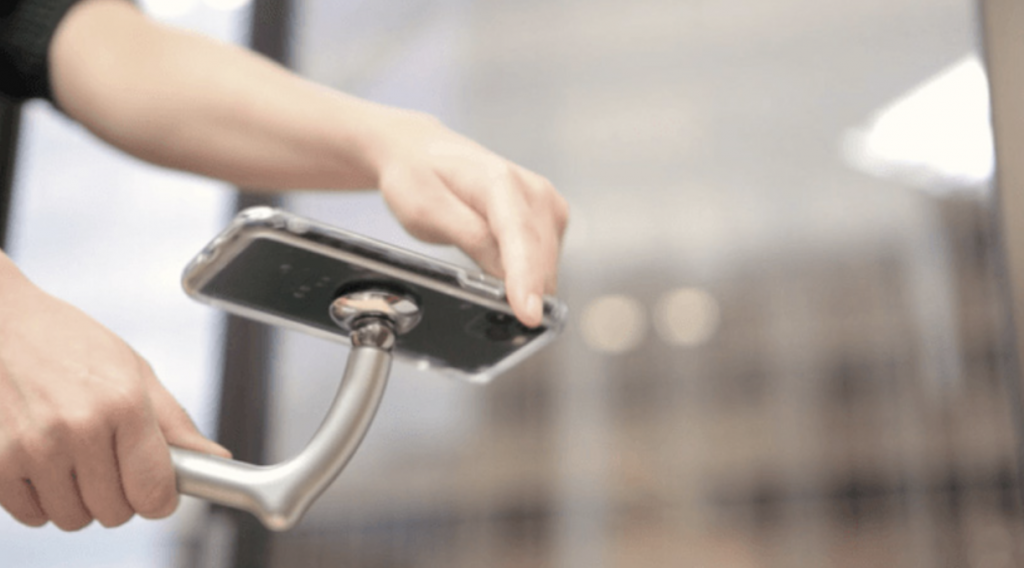
Smartphone Umbrella Sumaho Kasa
The magnet can rotate in a full 540 degree range, which opens up possibilities beyond simple viewing. It doubles as a selfie stick that can capture images from creative angles and can even serve as a stand when the umbrella is not in use. This approach transforms a traditionally single purpose object into a multitasking accessory that adapts to digital life both indoors and outdoors.


Smartphone Umbrella Sumaho Kasa
Sumaho Kasa comes in two versions, a compact folding model and a long model with dual mounts for increased flexibility. Both designs prioritize lightweight construction and durability, ensuring that the extra functionality does not come at the expense of portability.
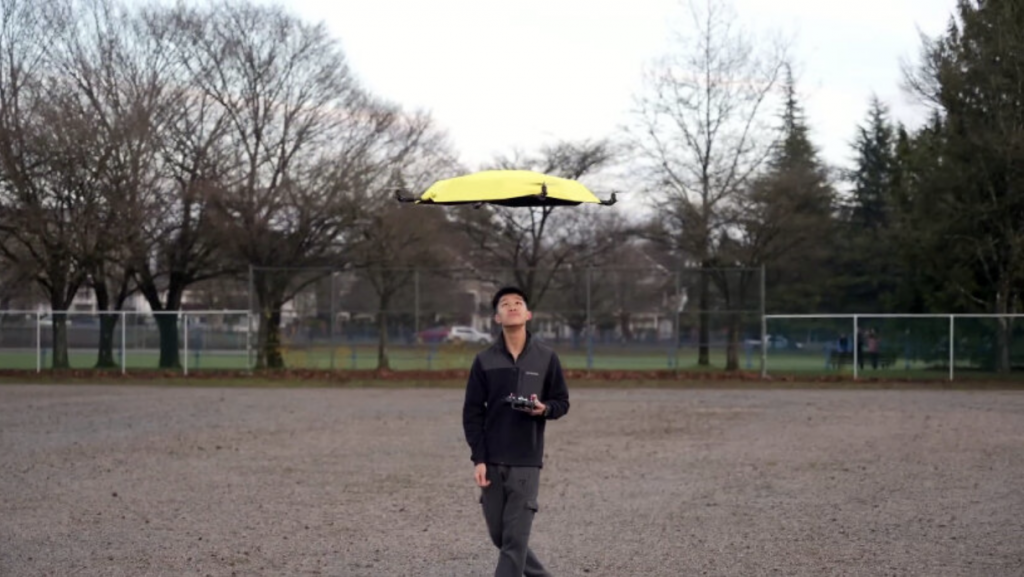
Flying Umbrella Drone by I Build Stuff
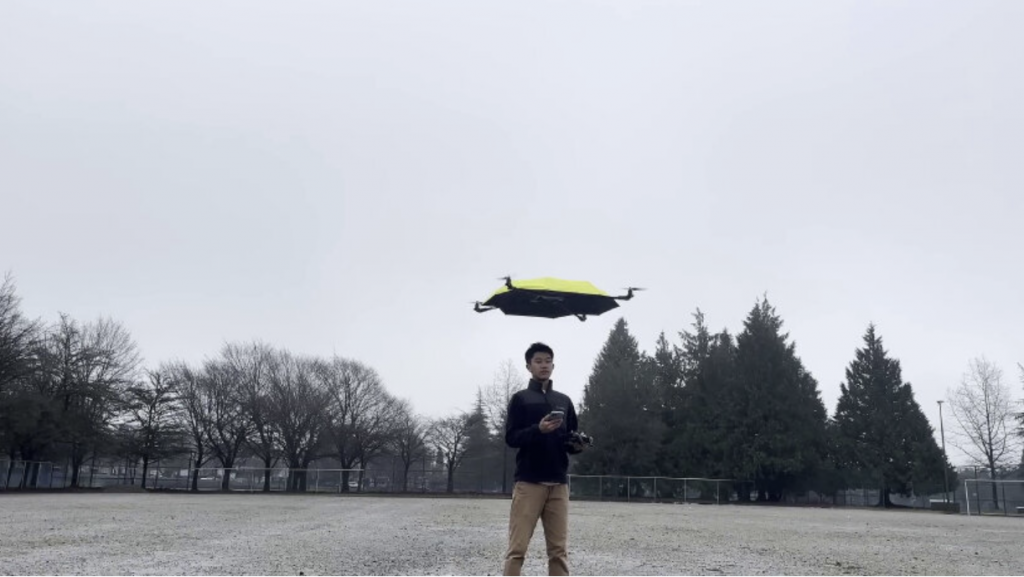
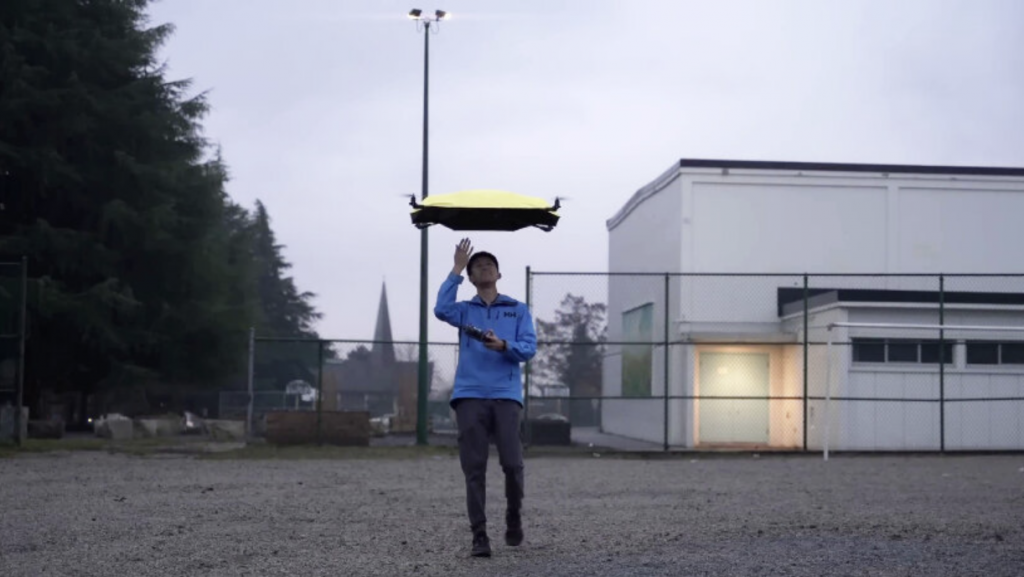
Some ideas begin as playful what if experiments and then evolve into fully engineered creations. The flying umbrella developed by the content creator behind I Build Stuff is precisely that kind of concept. At first glance, it resembles a standard umbrella, yet one flip reveals an intricate system of electronics, 3D printed components, and propellers that allow the device to hover above the user like a personal rain shield.
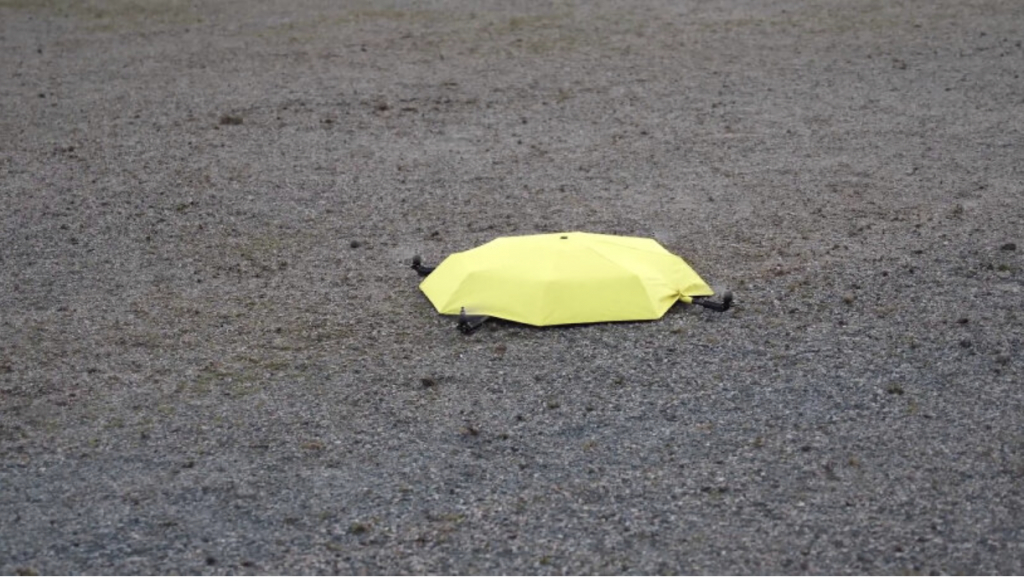
Flying Umbrella Drone by I Build Stuff
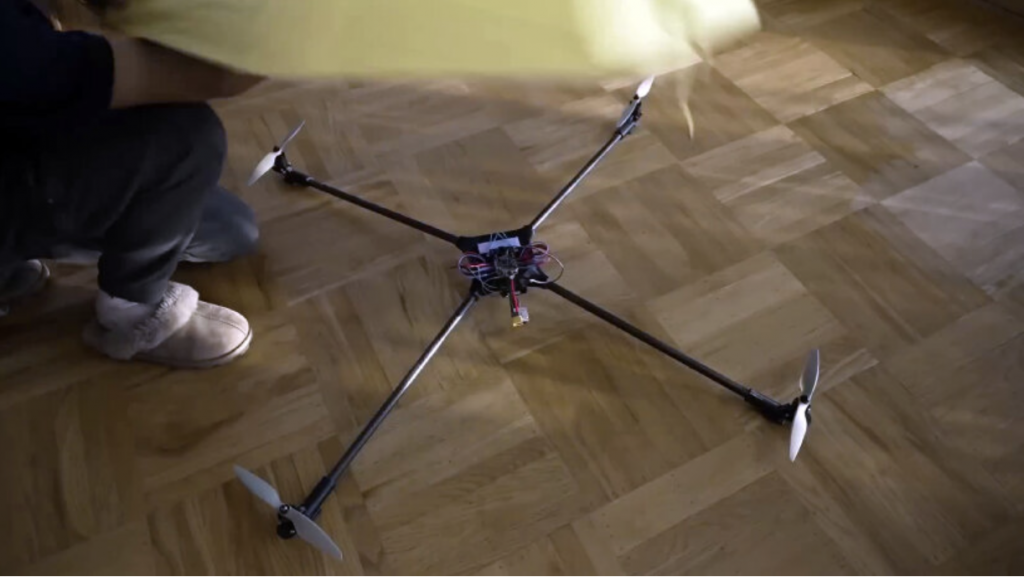
The frame incorporates carbon fiber tubes and custom printed parts to support the propellers, keeping the structure light enough to take flight but strong enough to remain stable. Building the prototype involved extensive trial and error. Early attempts proved that attaching propellers alone was not enough, and that the drone required careful balance, structural integrity, and precise power distribution to operate safely.
Flying Umbrella Drone by I Build Stuff
To stabilize the device, the inventor added a flight controller, an electronic speed control circuit, and eventually even GPS in hopes of keeping the umbrella from drifting away. The umbrella experienced its share of dramatic test flights, from wobbling to near fly offs, yet continued refinement gradually brought it under control. While the device still relies on a controller rather than autonomous tracking, the concept suggests a future where hands free weather protection could be entirely possible.
MYU by Liad David (also header image)
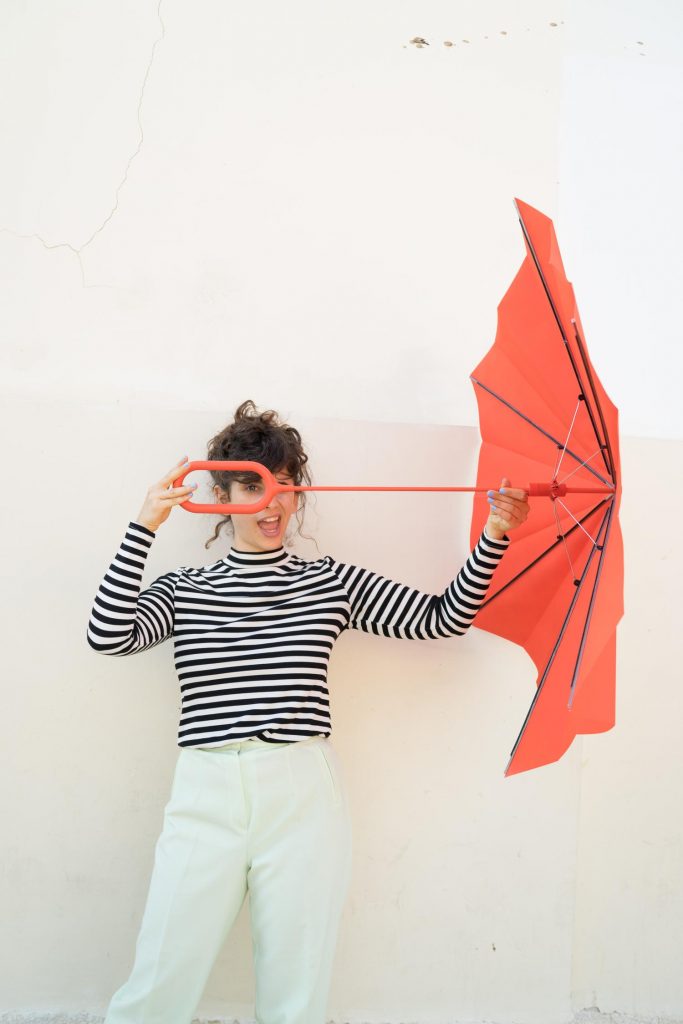
Israeli designer Liad David takes a different angle on umbrella innovation. Instead of adding features, she reimagines the relationship between user and object. Her MYU umbrella is built around the principle of repairability, giving owners the ability to replace components themselves using accessible parts like screws, rods, and fabrics. This shift encourages long term use rather than disposal, reframing the umbrella as an enduring companion.

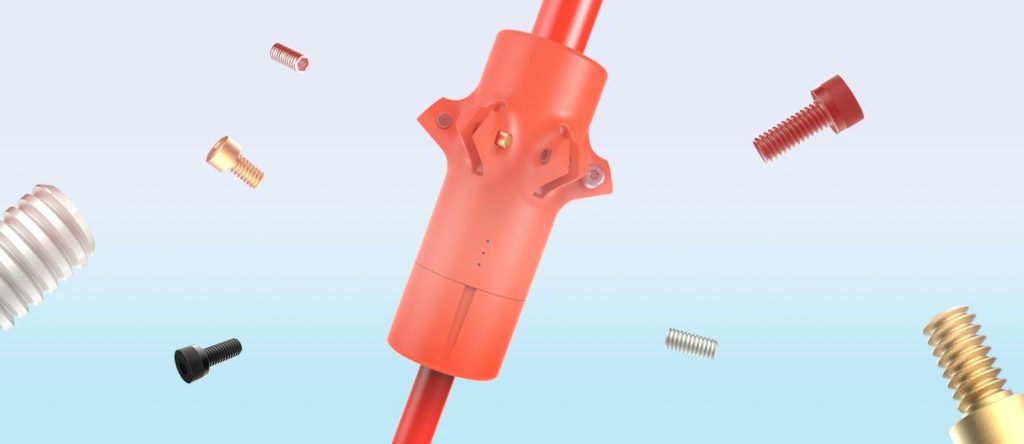
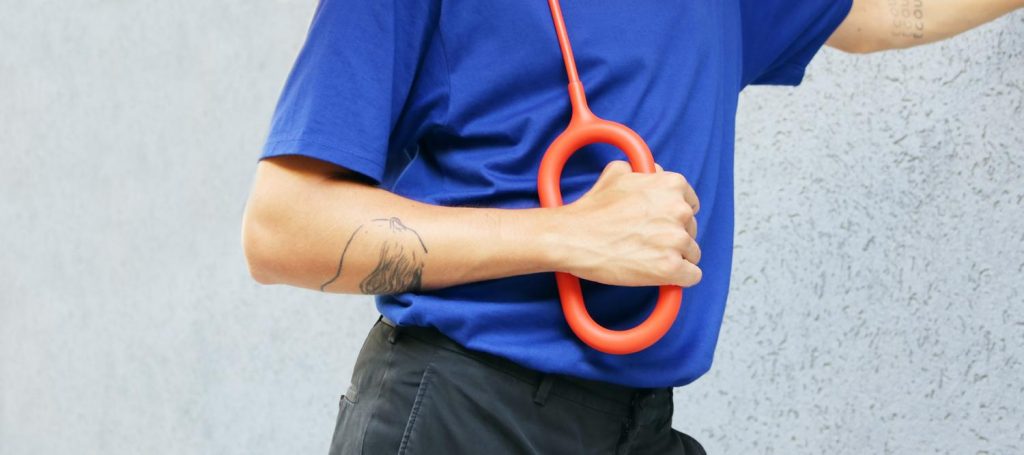
MYU by Liad David
The project recognizes that many umbrellas fail not because they are worn out, but because fixing them is impractical or impossible. MYU tackles that issue by simplifying its construction and making each part easy to access. Immediate repair becomes both feasible and almost intuitive, extending the lifespan of the product and reducing waste.

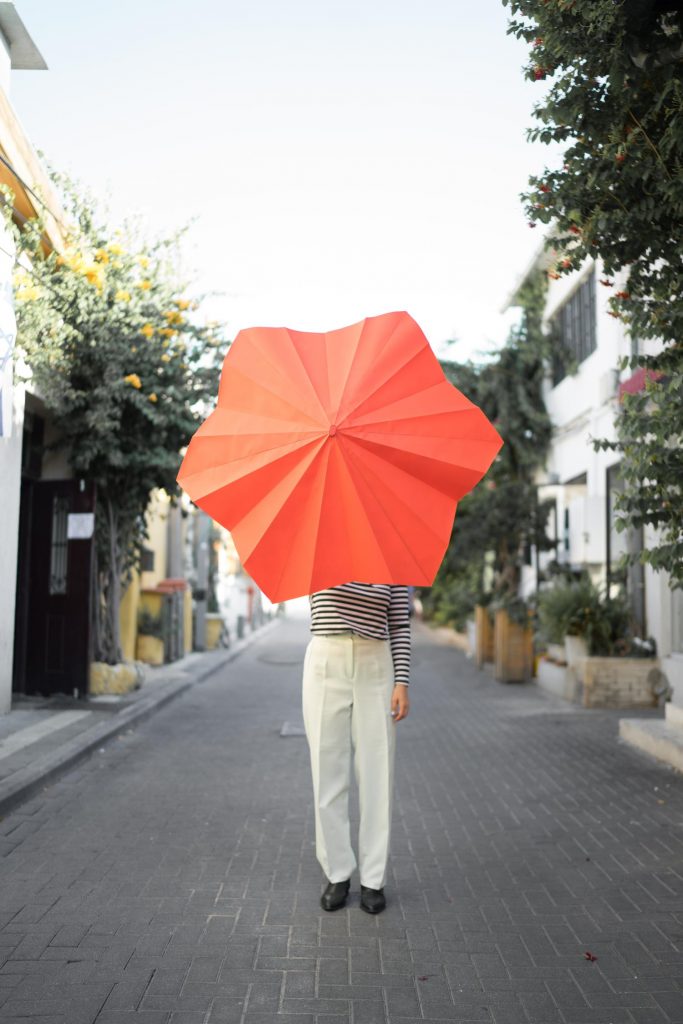
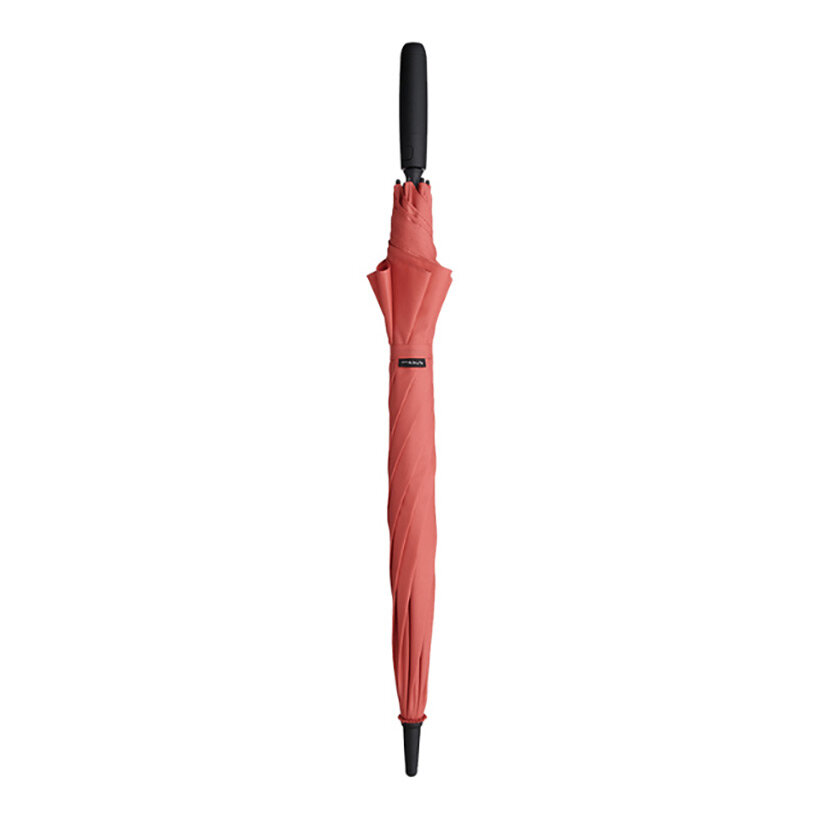
MYU by Liad David
David believes that building empathetic relationships with everyday objects can reshape consumer habits. When people can fix their belongings, they connect to them and value them more deeply. MYU becomes an antidote to disposable culture, inviting users to commit to an umbrella that stays with them well beyond a single rainy season.