Sneakers have long been cultural icons, bridging sports, fashion, and everyday life. Today, they are also becoming powerful platforms for innovation and sustainability. Designers are challenging conventional norms, experimenting with modular construction, unconventional materials, and entirely new forms of footwear. The result is a generation of sneakers that are not just objects to wear but statements about how we consume, create, and interact with the world around us.
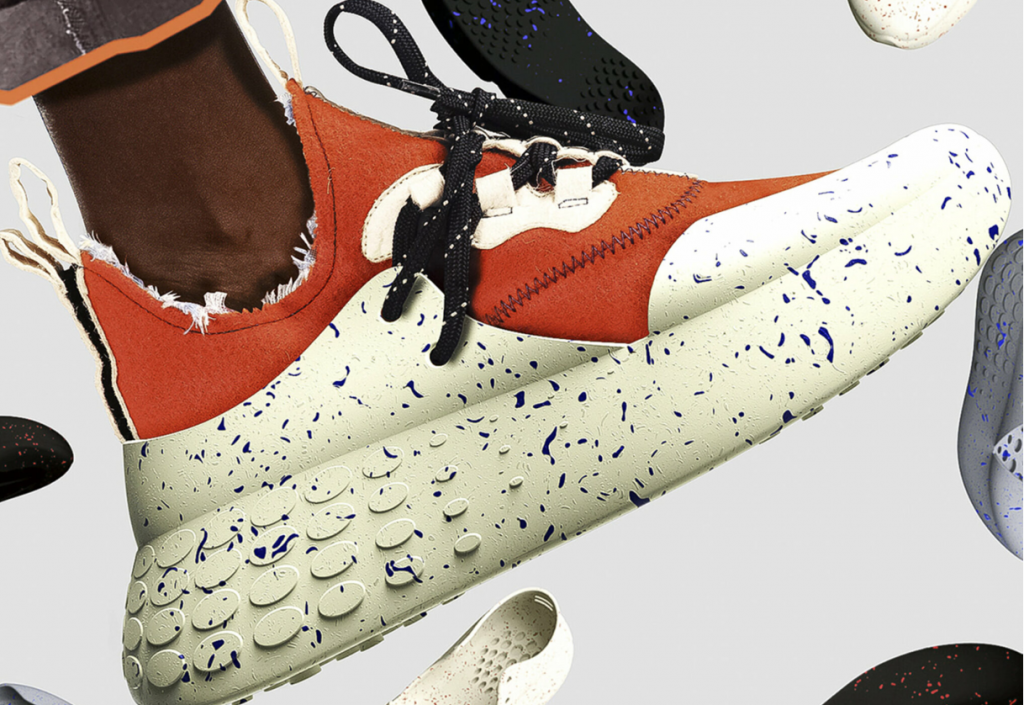
Layers by Diogo Pimenta
Industrial designer Diogo Pimenta is redefining the way we think about sneakers with LAYERS, a modular footwear concept designed for the circular economy — a system inspired by nature’s regenerative cycles. Instead of creating shoes destined for landfills, Pimenta proposes a model centered on longevity, repairability, and renewal. His design approach reframes sustainability as a foundation for innovation, proving that responsibility and creativity can coexist seamlessly within the same sole.
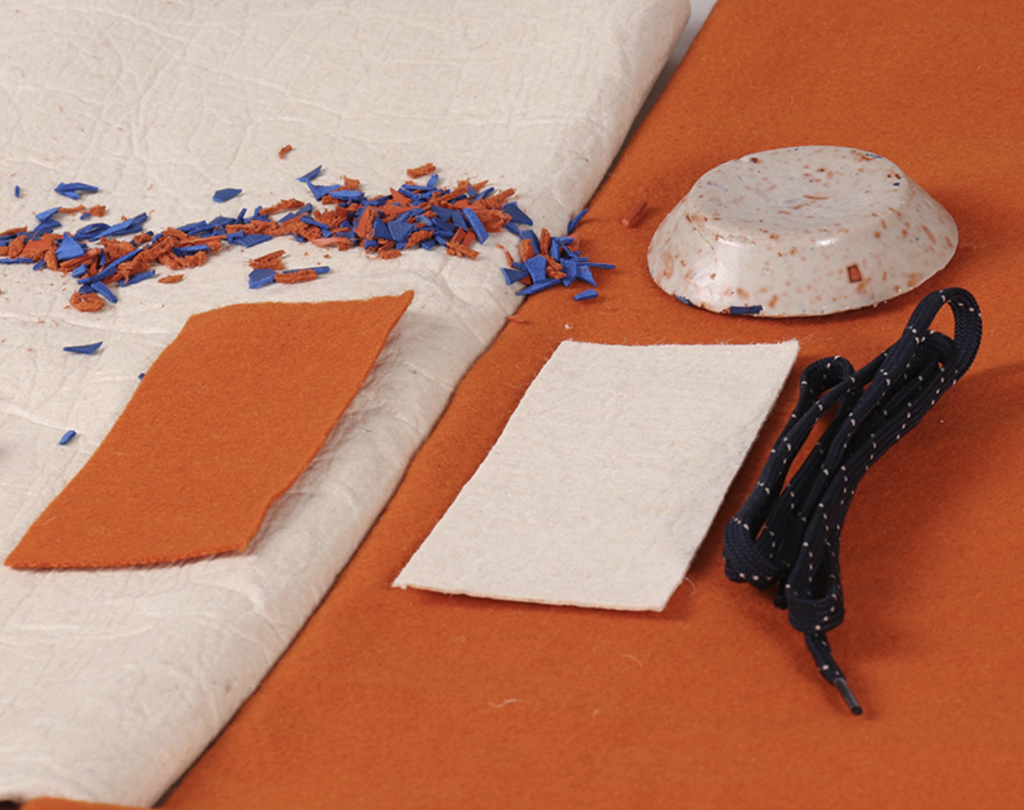
Traditional sneakers are notoriously difficult to recycle. They rely on complex combinations of glued, stitched, and molded materials that make separation and reuse nearly impossible. LAYERS offers a radical alternative through simplicity. Composed of only three key elements — the sole, the outer sole, and the cut — the sneaker uses a self-locking system that eliminates adhesives altogether. This modular design allows each component to be easily assembled, disassembled, repaired, or replaced, extending the product’s life cycle and reducing waste.
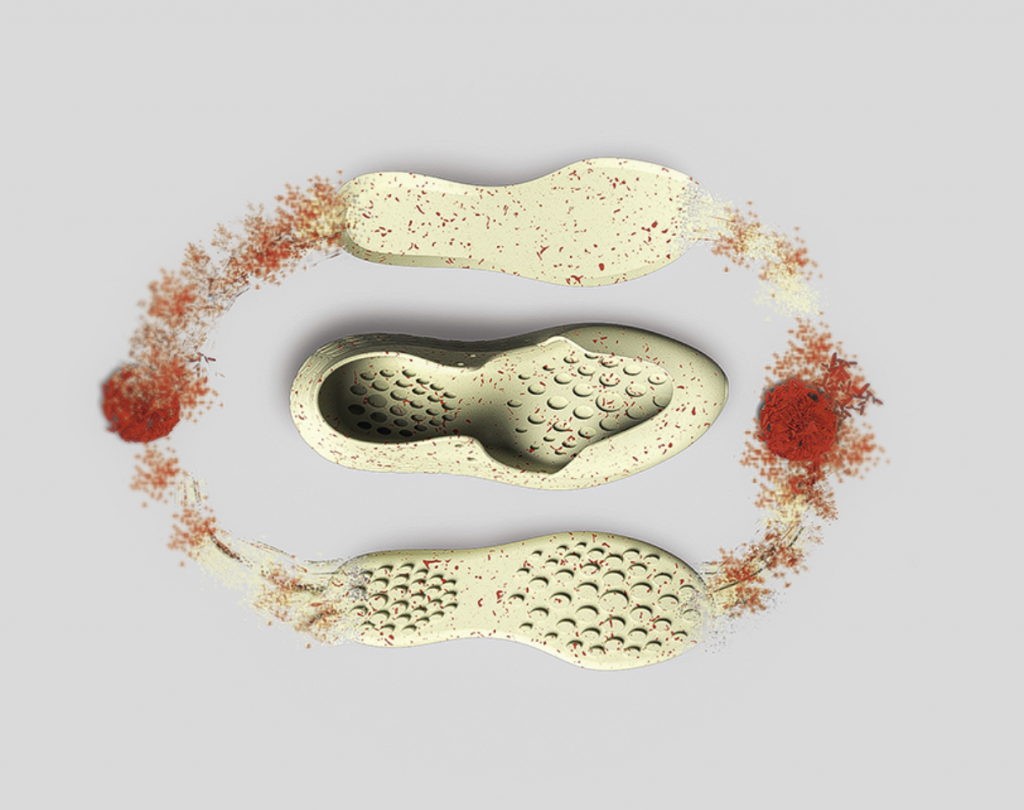
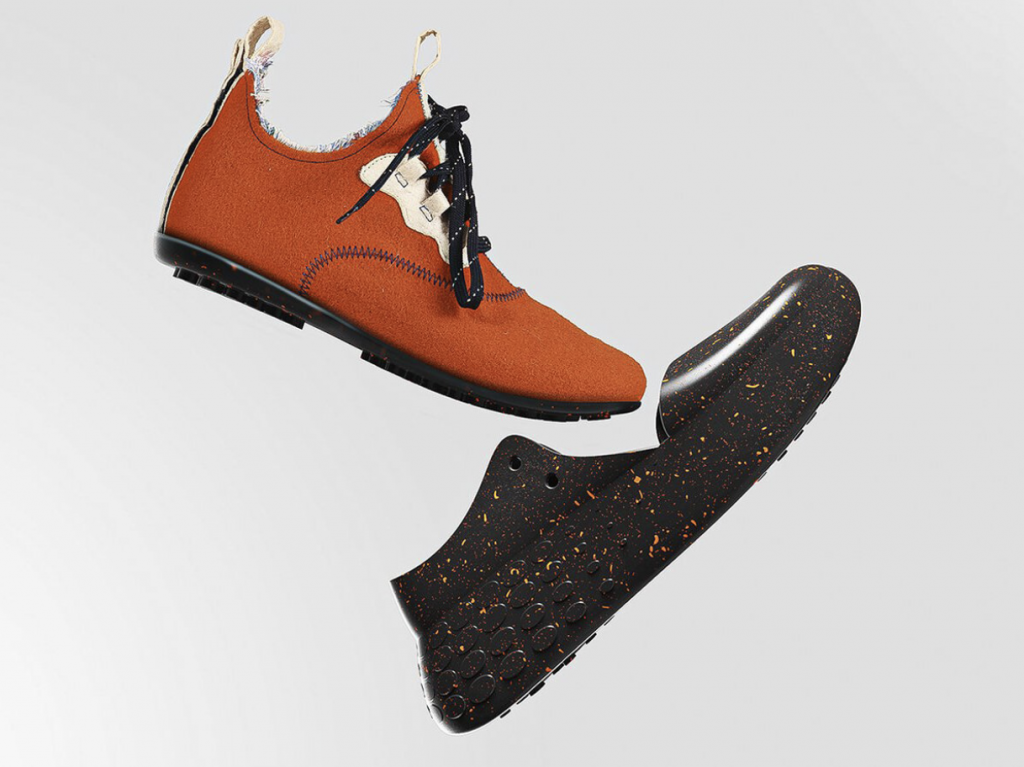
Layers by Diogo Pimenta
Equally significant is the project’s commitment to local production. While most footwear manufacturing is concentrated in Asia, LAYERS is designed and produced entirely in Portugal, the designer’s home country. This localized model reduces transportation emissions and strengthens the regional economy, creating a smaller ecological footprint and a more transparent supply chain. In addition, users can personalize their sneakers by choosing colors, materials, and finishes, turning sustainability into an experience of self-expression.
Layers by Diogo Pimenta
For Pimenta, LAYERS is not just a design project but a statement on the future of the footwear industry. As Europe moves toward the goals of the European Green Deal, he sees design as a key driver of systemic change — one that can align creativity with environmental responsibility. Nominated for the 2021 Green Concept Award, LAYERS stands as both a product and a philosophy, demonstrating how circular design can transform not only how we make things but also how we value them.
Egg Box Sneakers by Vadim Kibardin
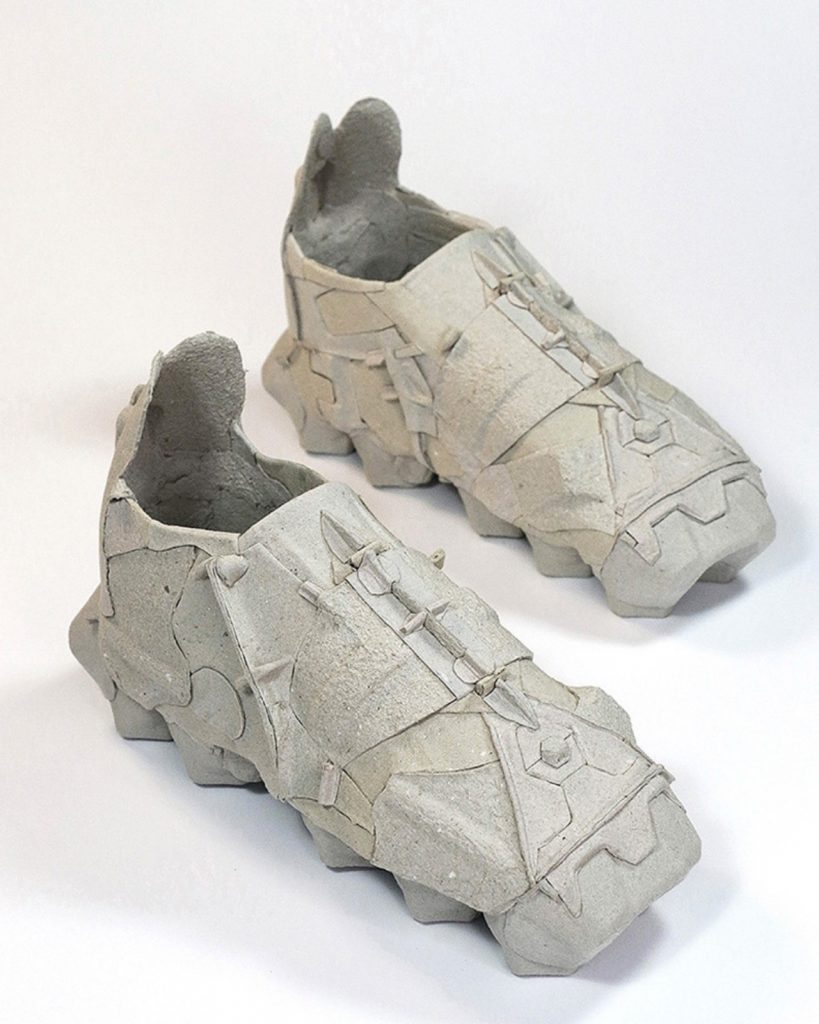
At first glance, Vadim Kibardin’s Egg Box Sneakers might seem like an eccentric design experiment — footwear fashioned entirely from recycled egg cartons. Yet behind the playful concept lies a serious commentary on consumption, material value, and creative responsibility. Crafted by hand from 100% packaging waste, these conceptual sneakers transform everyday refuse into sculptural, wearable objects that blur the boundaries between fashion, art, and environmental design.
Egg Box Sneakers by Vadim Kibardin
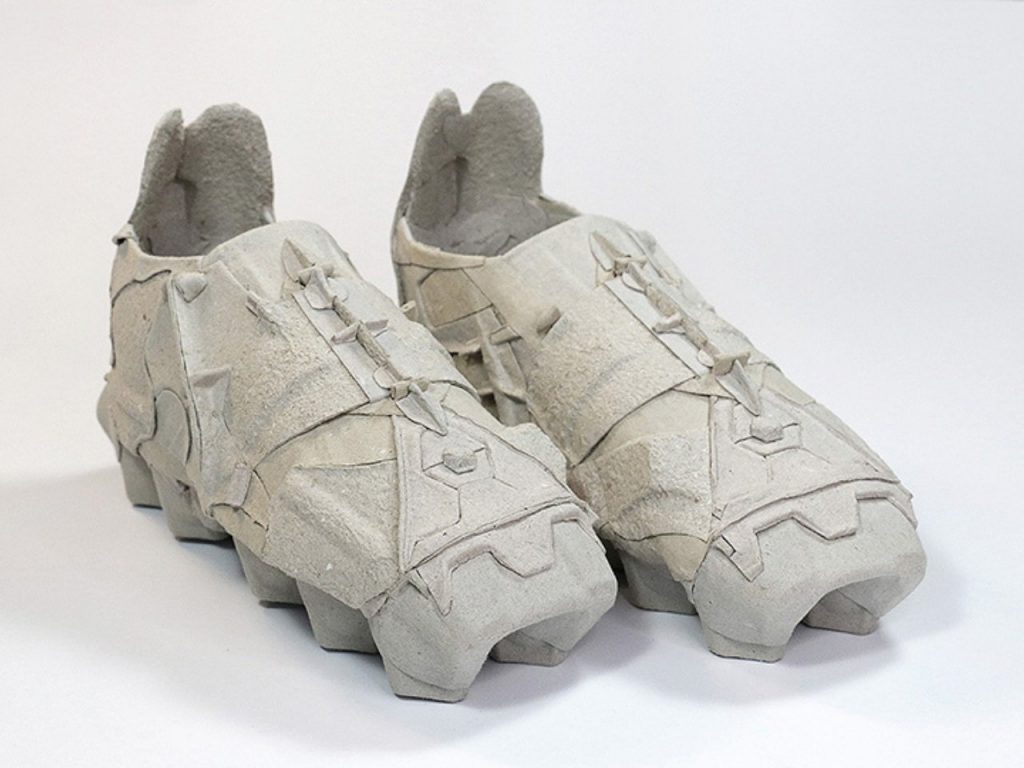
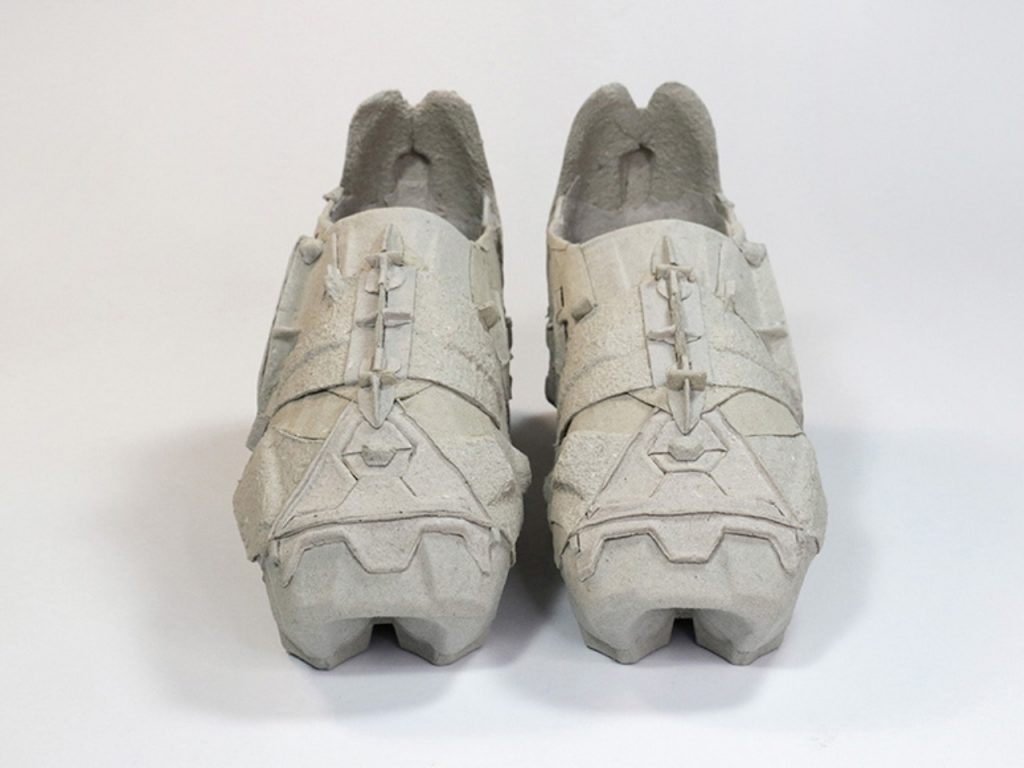
Kibardin, a designer known for his long-standing exploration of discarded materials, has spent more than two decades rethinking the potential of paper, cardboard, and packaging. The Egg Box Sneakers continue this investigation by examining how limited resources can yield meaningful and unexpected results. Using only two types of carton boxes, he constructs a familiar silhouette from an unfamiliar medium. The soles mirror the dimpled surface of inverted egg trays, while the uppers layer together like a protective shell. The result is a pair of sneakers that feel at once familiar and strange — an elegant contradiction between fragility and form.
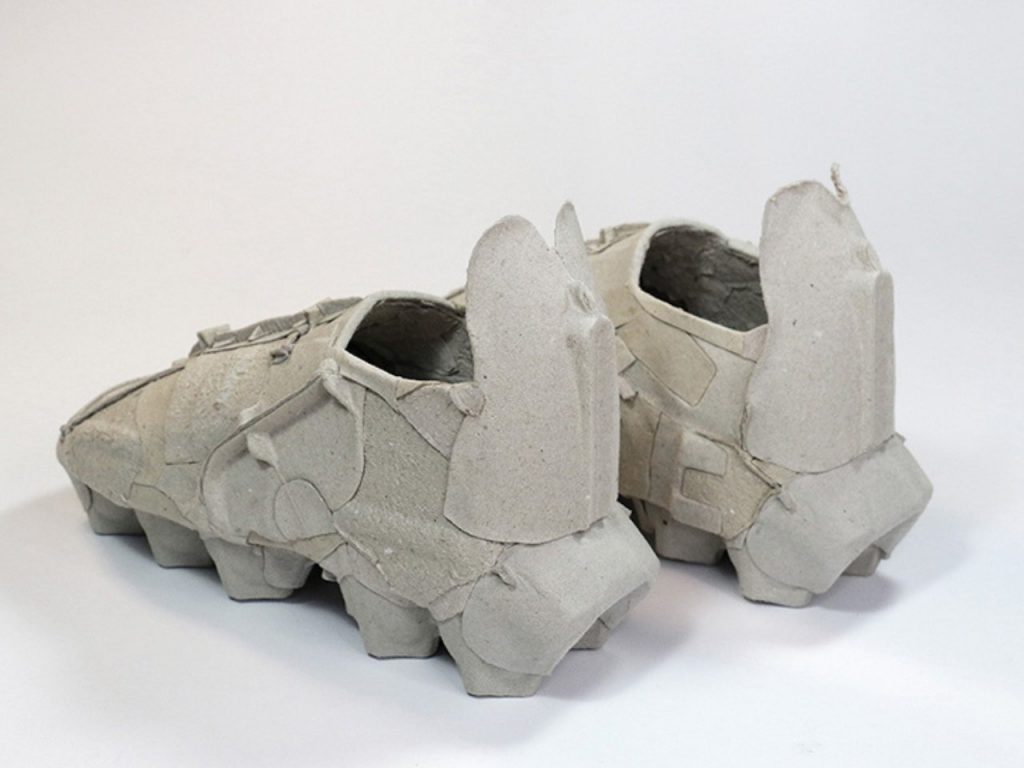
Egg Box Sneakers by Vadim Kibardin
Although not intended for everyday wear, the project’s value extends beyond its visual novelty. Kibardin’s design functions as a conceptual statement on the lifecycle of materials and the often-overlooked aesthetic qualities of waste. Each handmade pair is unique, reflecting the irregularities and textures of its source material. By elevating discarded packaging into an object of craftsmanship, Kibardin challenges the linear “use and dispose” logic of consumer culture, replacing it with an ethos of reinterpretation and renewal.
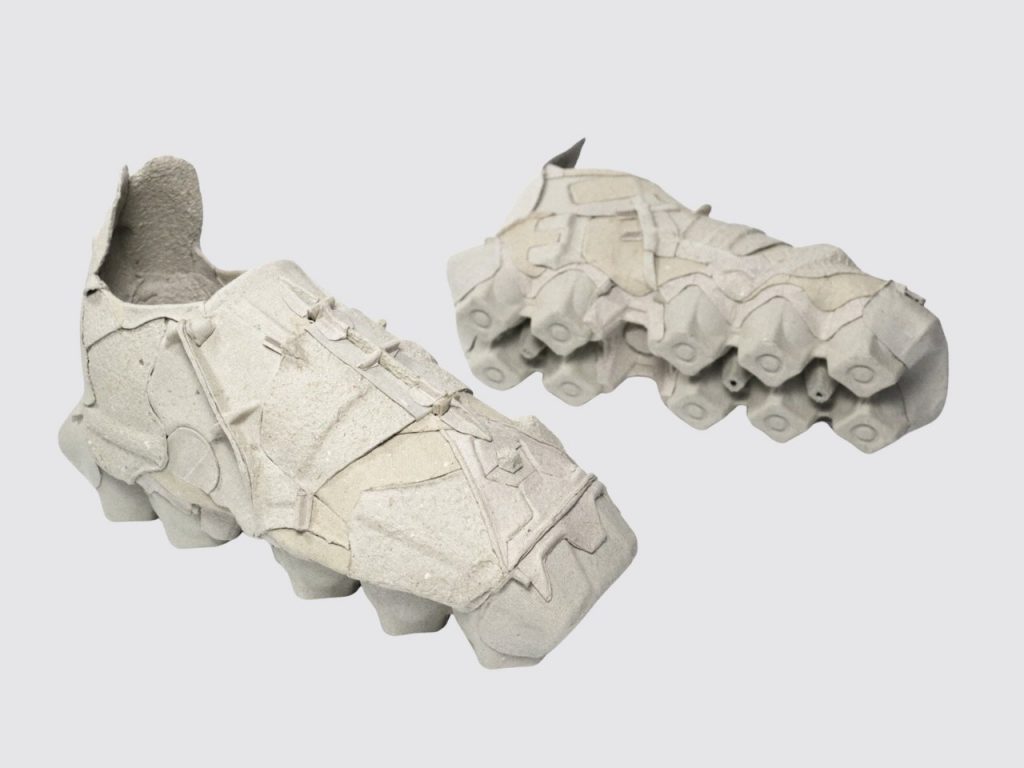
Egg Box Sneakers by Vadim Kibardin
In a world increasingly defined by excess and disposability, the Egg Box Sneakers encourage viewers to rethink the relationship between design and waste. They remind us that sustainability does not always mean restraint; it can also be expressed through creativity, experimentation, and recontextualization. Kibardin’s work asks an essential question for contemporary design: if beauty can emerge from the most mundane of materials, perhaps the future of innovation lies not in new resources, but in how we choose to value the ones we already have.
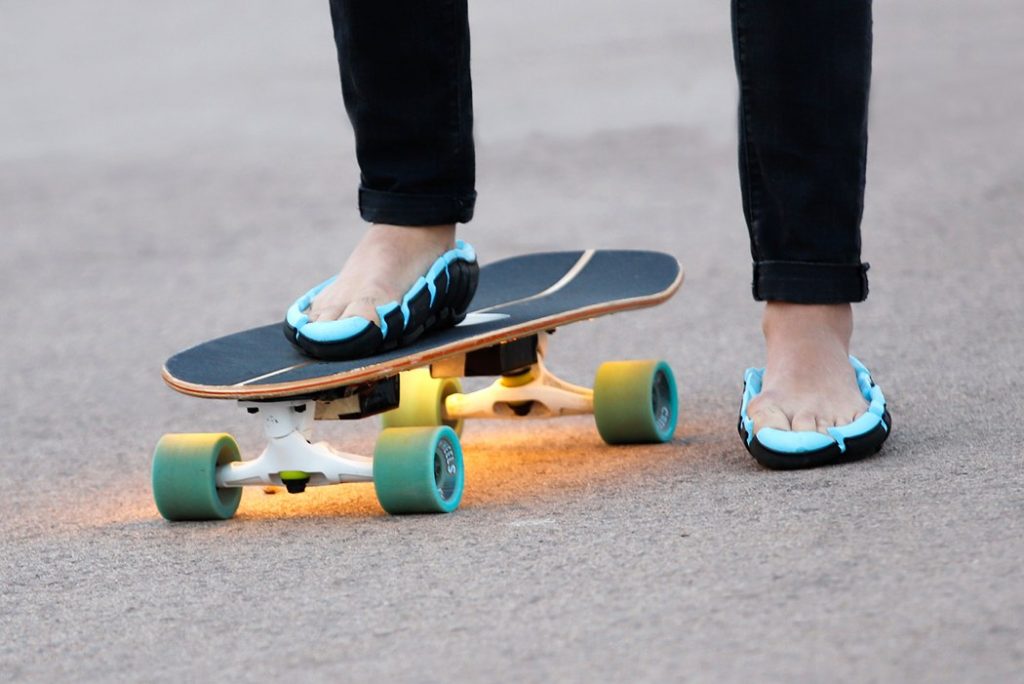
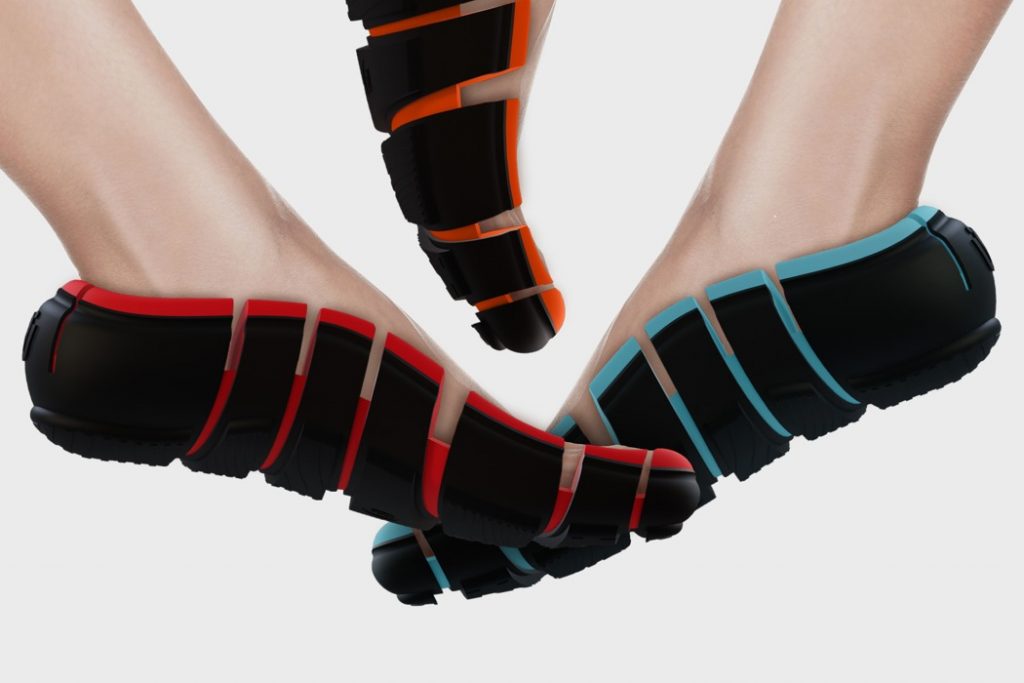
Link Flip-Shoes by Padwa Design, Olga Kravchenko and Yehuda Azoulay (also header image)
Created by Padwa Design, Olga Kravchenko and Yehuda Azoulay, the Link Flip-Shoes challenge one of footwear’s most fundamental assumptions — that shoes need uppers, laces, or straps to stay on. Instead, this design strips everything down to its essence: a sole that literally snaps onto your feet. The result is an entirely new footwear species that blurs the line between sneakers and sandals, offering the freedom of walking barefoot with the protection and structure of a shoe.

Link Flip-Shoes by Padwa Design, Olga Kravchenko and Yehuda Azoulay
The Link’s innovation lies in its deceptively simple construction. Step into the soles, and they automatically conform to the contours of your feet, creating a snug and secure fit without any additional fastening system. This open, upper-free design keeps the feet naturally ventilated while providing the same stability and traction expected from traditional sneakers. The experience is something between walking barefoot and wearing performance footwear — an unusual balance that redefines comfort for an urban lifestyle.
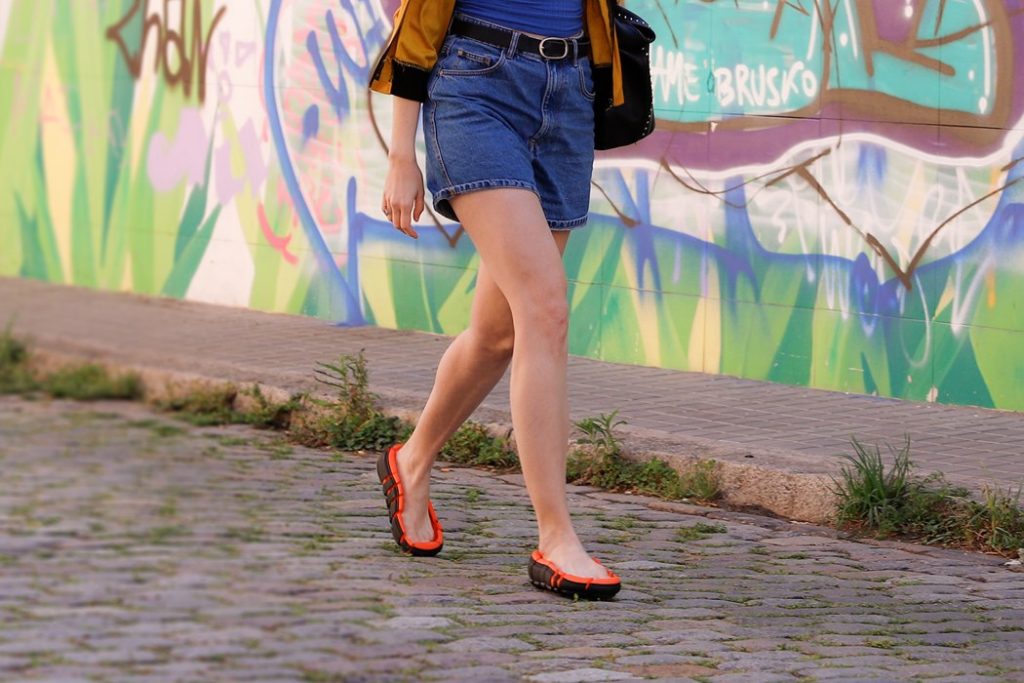
Link Flip-Shoes by Padwa Design, Olga Kravchenko and Yehuda Azoulay
Material science plays a central role in the Link’s appeal. The inner sole is made of soft, flexible EVA that cushions every step and provides reliable grip, while the outer shell is crafted from durable TPU, a material known for its flexibility and resilience. The outsole features a segmented structure that allows it to flex in harmony with natural foot movement while forming a protective bumper around the toes. The design is at once minimalist and practical — an engineered expression of how much you can remove from a shoe without sacrificing function.
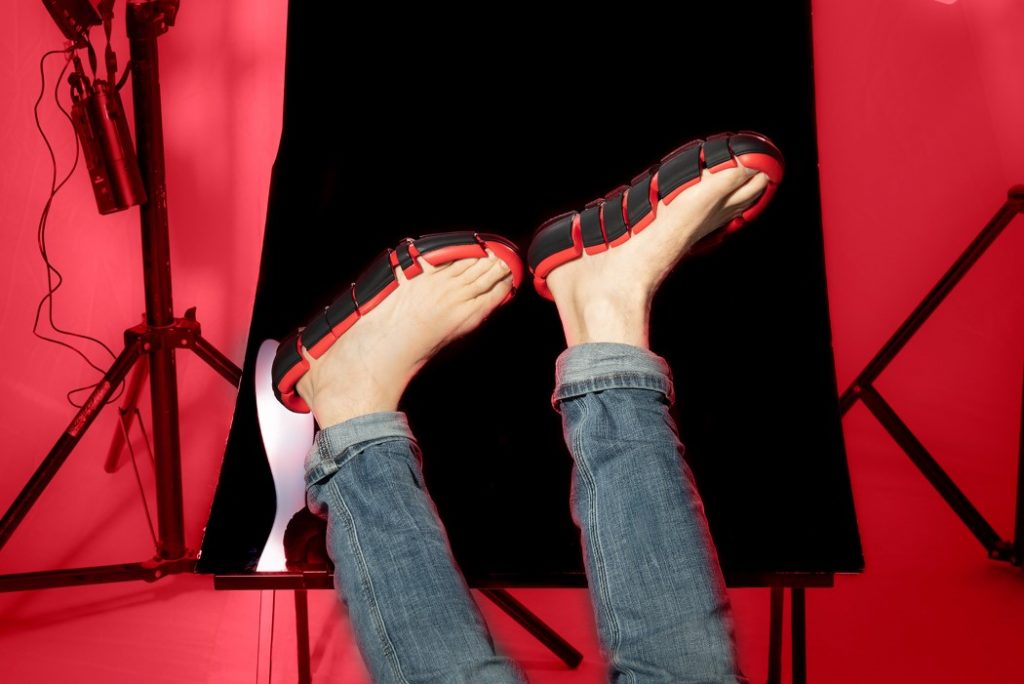
Link Flip-Shoes by Padwa Design, Olga Kravchenko and Yehuda Azoulay
Described as the “world’s first flip-shoe,” the Link offers a playful hybrid experience: the convenience of flip-flops meets the performance of sneakers. Whether worn on quick errands, at the gym, or even at the office for the boldest adopters, the Link invites users to rethink what footwear comfort can look like in the modern age. It represents a new chapter in design innovation — one where simplicity, functionality, and imagination walk side by side.