Food waste has become one of the quiet contradictions of modern living. We order more meals than ever, yet rarely see what happens after the last bite. Design and innovation are now stepping into that blind spot, reimagining composting not as a messy obligation but as an integrated part of domestic life. A new generation of home composters is transforming leftovers into resources, pairing sustainability with thoughtful form, smart technology, and a clear understanding of how people actually live. By aligning environmental responsibility with convenience and good design, they suggest a future where turning scraps into soil is not a statement, but simply part of how homes work.

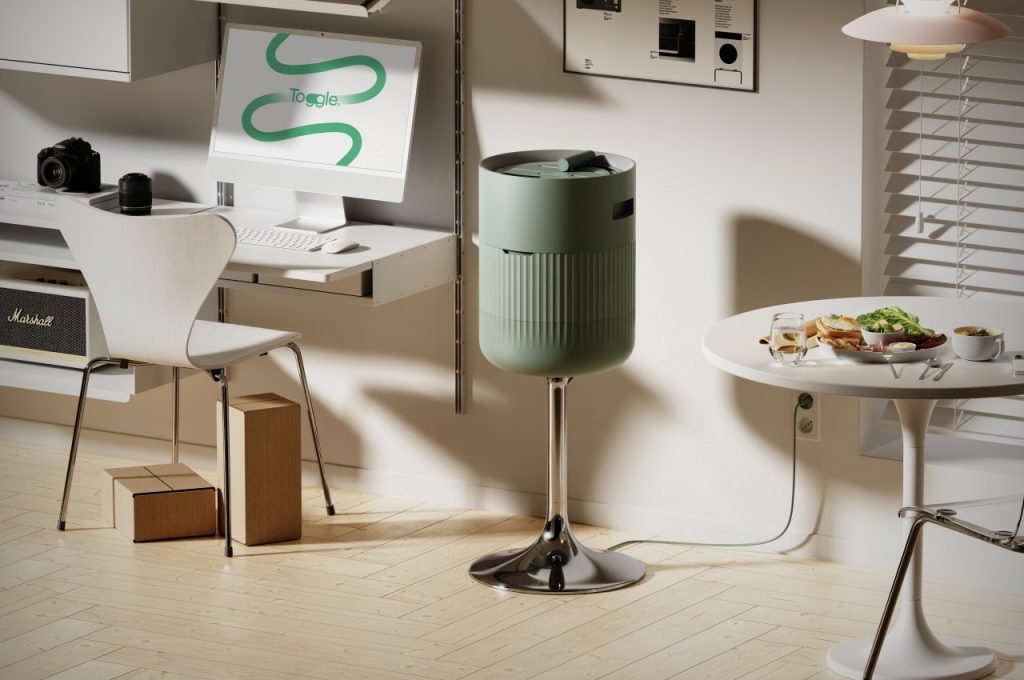
Toggle by Byeonkyu Park (also header image)
One of the most compelling shifts in this space is the effort to address not just food waste, but everything that comes with it. Toggle, a concept by South Korean designer Byeonkyu Park, starts from the reality of food delivery culture and asks a simple question: why should both the meal and its packaging end up as trash? Instead of treating composting as a separate chore, Toggle folds it directly into everyday routines, acknowledging how meals are consumed today rather than idealizing how they should be.
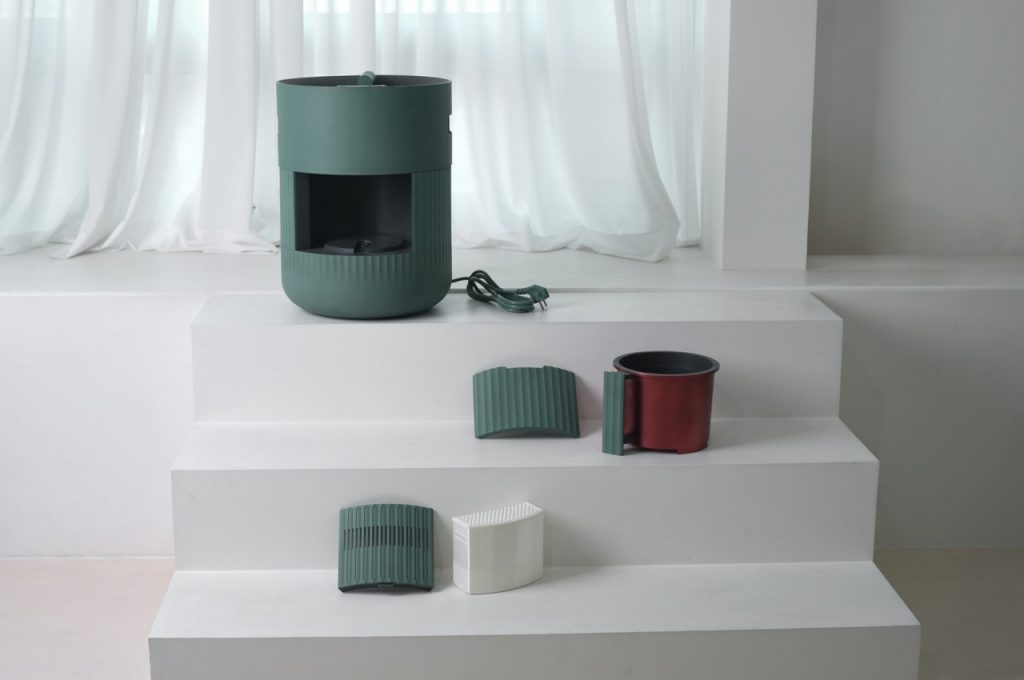
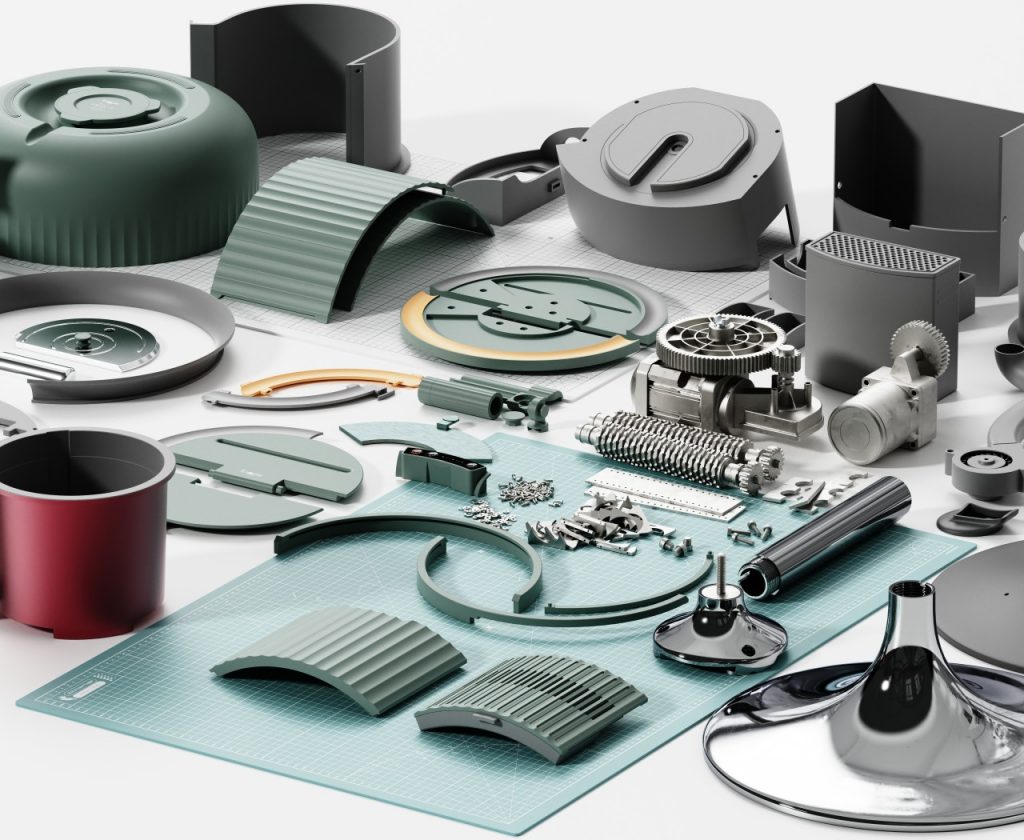
Toggle by Byeonkyu Park
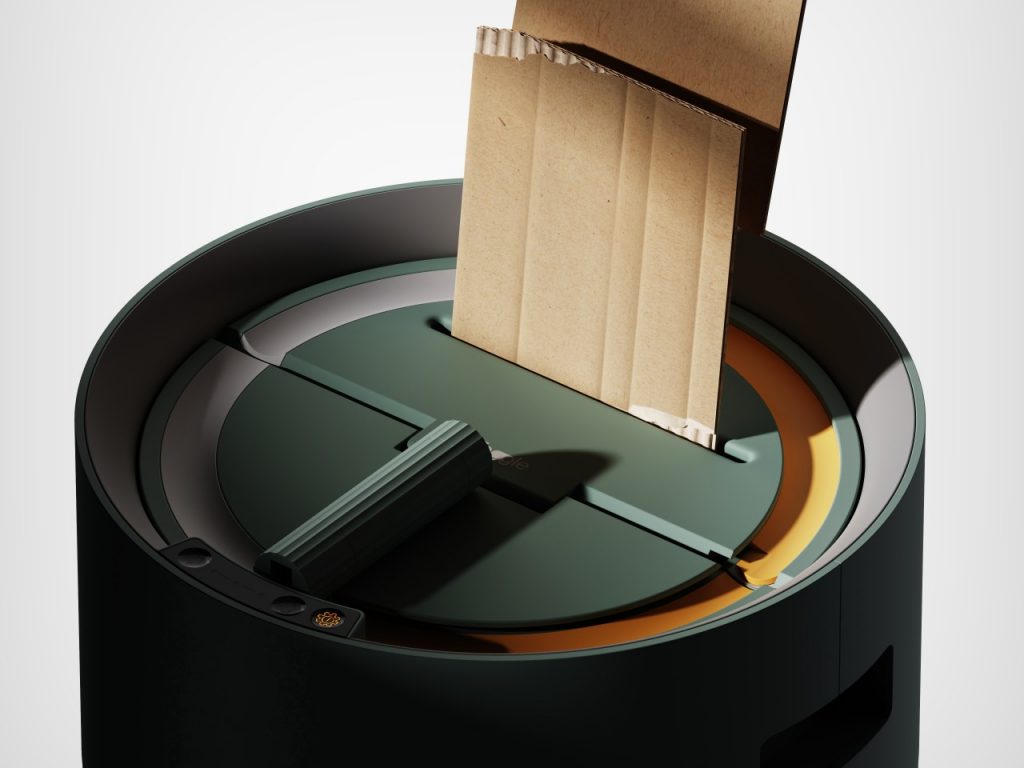
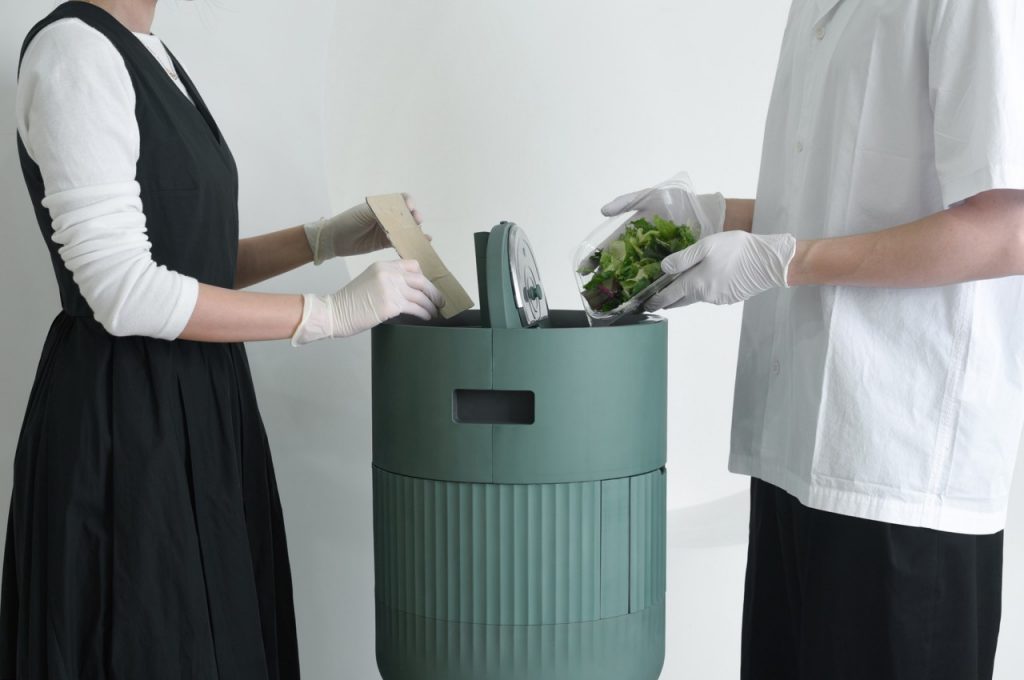
At its core, Toggle works by combining so-called green materials like food scraps with brown materials such as cardboard and paper packaging. These two streams are usually thrown away separately, if they are handled responsibly at all. Toggle eliminates that friction by allowing both to be processed in one system, cutting out the need for external composting or recycling facilities and keeping the entire loop inside the home.
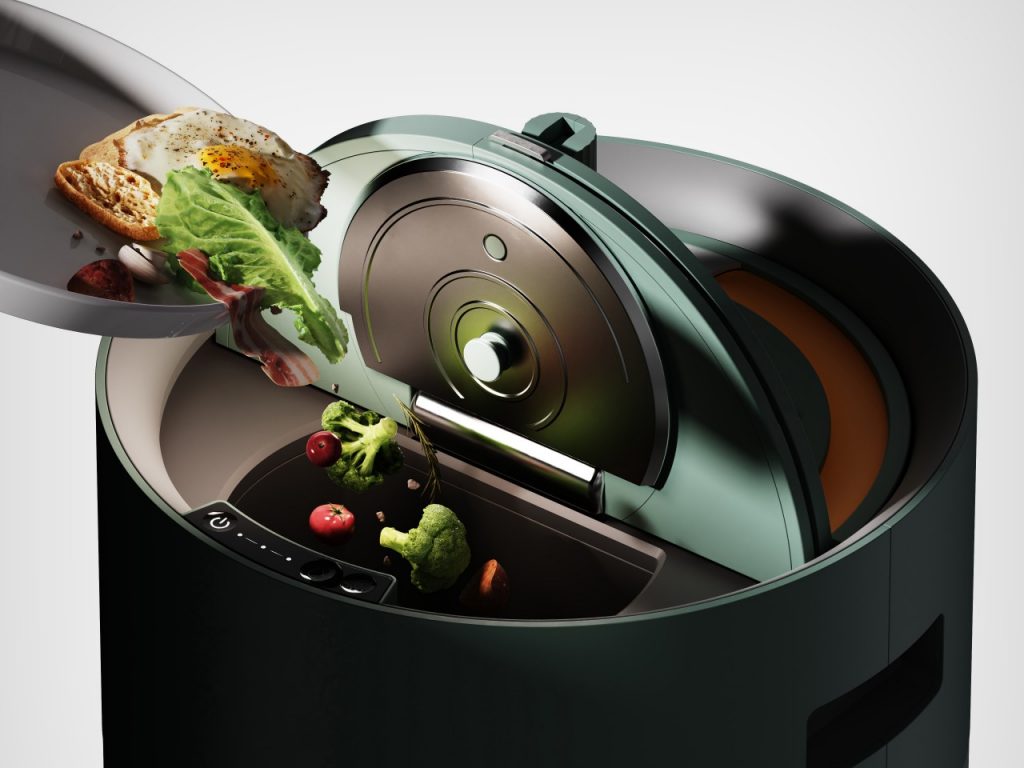
Toggle by Byeonkyu Park
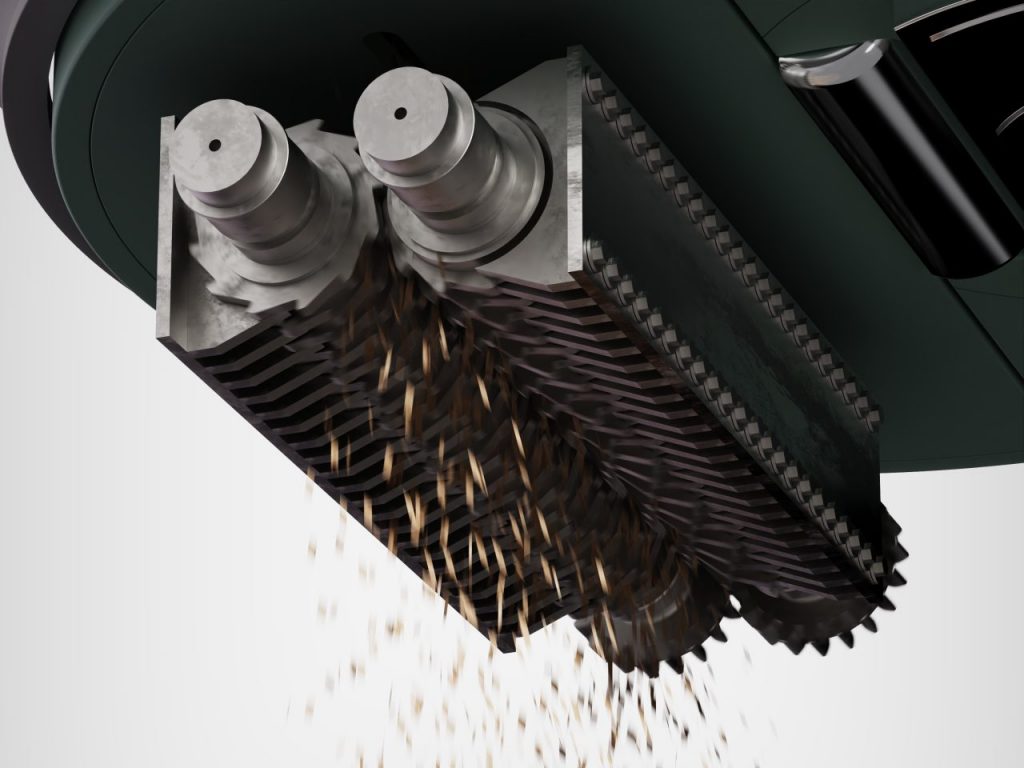
The device carefully separates the process rather than mashing everything together. Cardboard and wood are shredded into fine particles, while food waste is ground and gently heated to reduce volume. This controlled preparation turns what would have been an unpleasant mixture into something that closely resembles soil, ready to nourish indoor plants or backyard gardens. It is composting engineered for efficiency and consistency, not guesswork.
Toggle by Byeonkyu Park
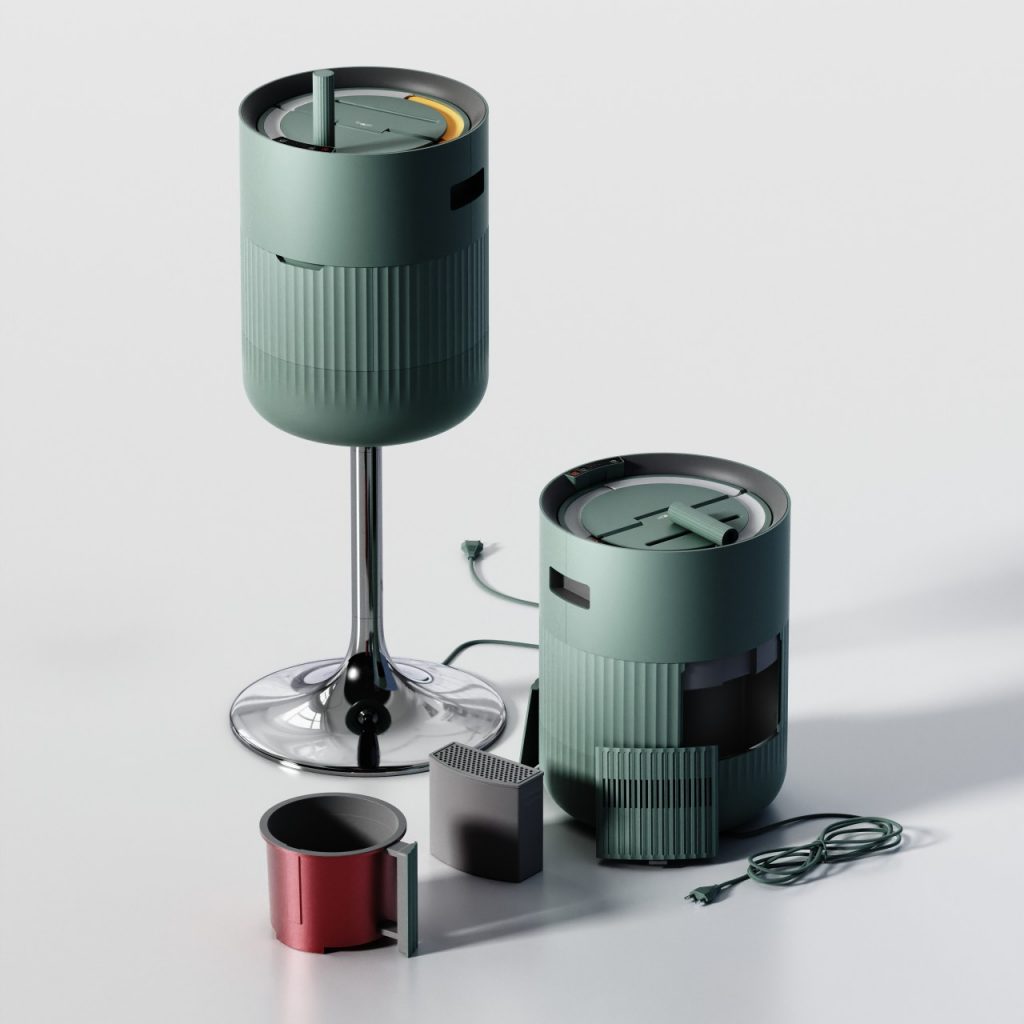
Just as important as the function is the form. Toggle is designed to look like a refined household object rather than a waste appliance, with safety features for homes with children and a discreet exterior that hides the messier reality of decomposition. By making composting visually and practically acceptable, the concept reframes sustainability as an extension of a healthy lifestyle rather than an added burden.
Revermi by Sam Kauranen
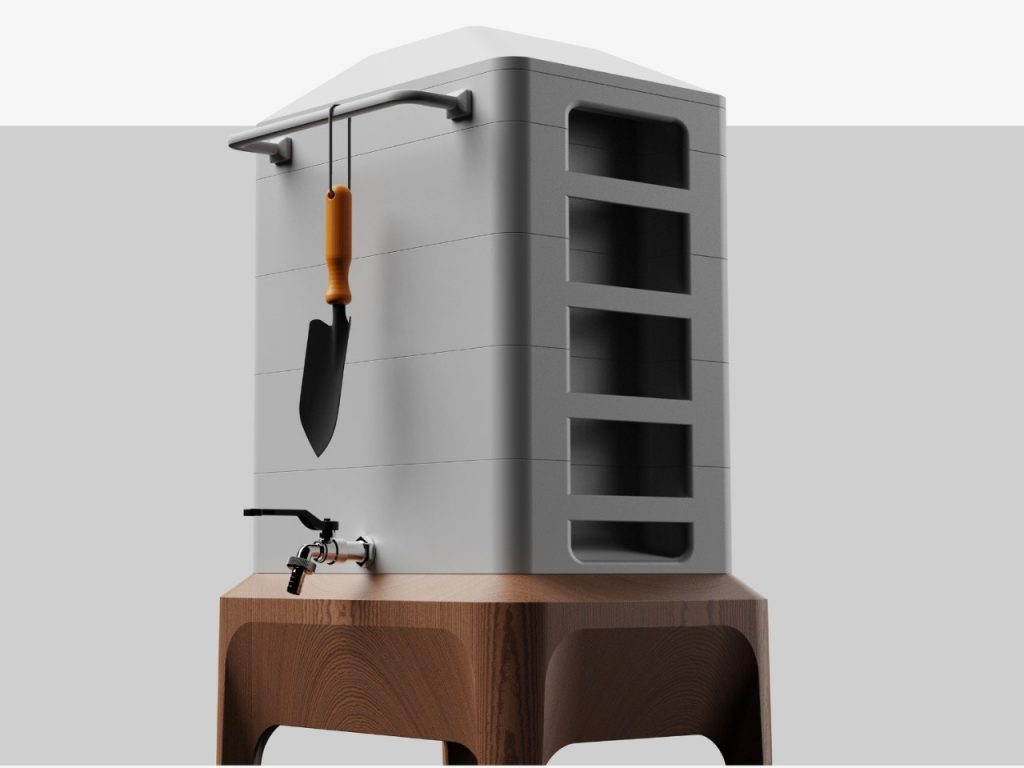
If Toggle focuses on rethinking materials, Revermi tackles a different obstacle: motivation. Designed by Sam Kauranen, this vermicomposting concept is aimed squarely at people who want to live more sustainably but feel overwhelmed by the effort involved. Composting, especially with worms, can feel intimidating, space-hungry, and time-consuming, particularly in urban homes.
Revermi by Sam Kauranen
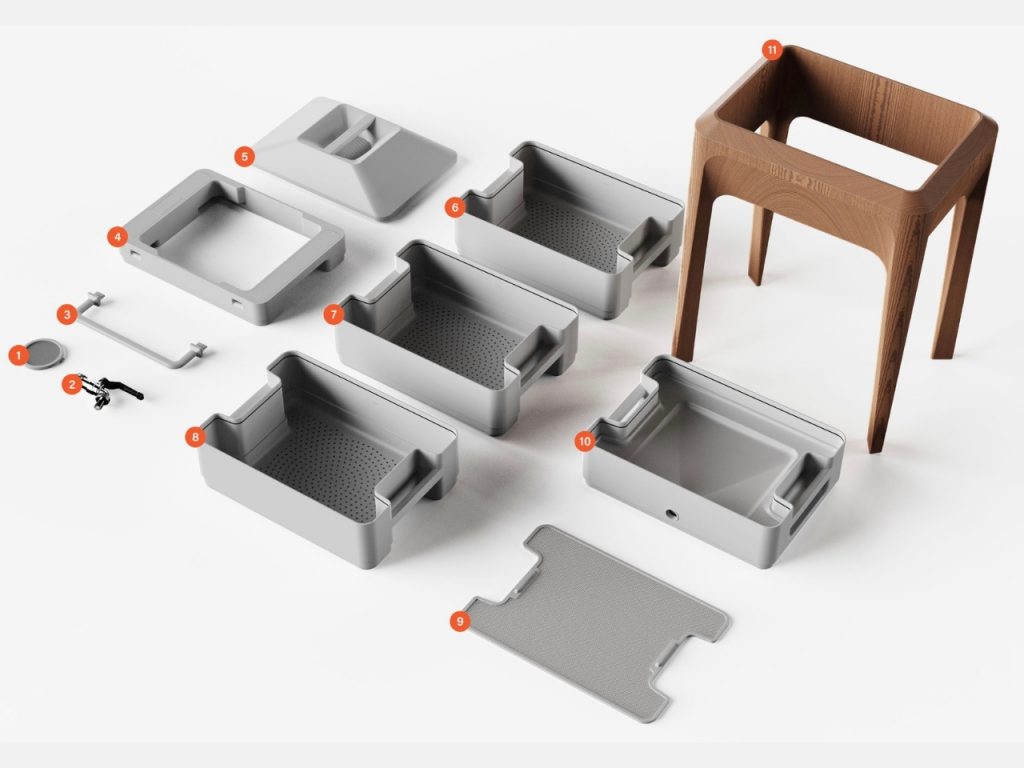
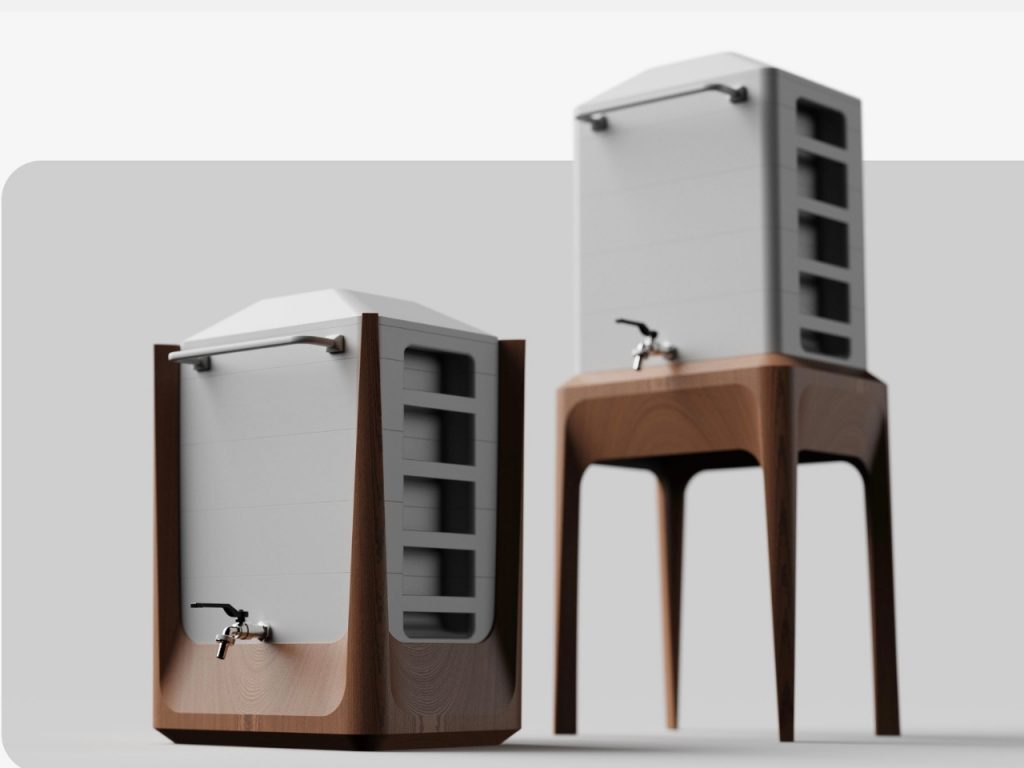
Revermi simplifies the process by packaging vermicomposting into a single, compact object that resembles a water jug. Inside, worms quietly process food waste into nutrient-rich compost, while the user interacts with a clean, contained system. There are no exposed trays, no manual turning, and no need to dedicate precious living space to an improvised setup.
Revermi by Sam Kauranen
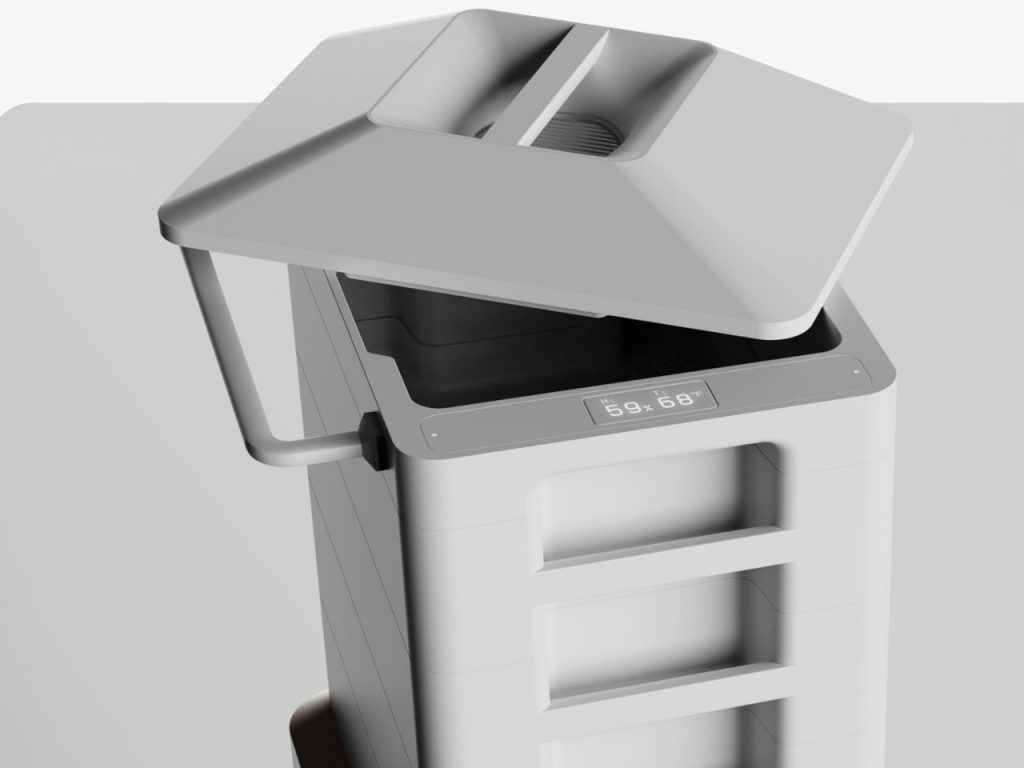
The device adapts to different homes through a reversible base that changes its height and footprint. A built-in air filter prevents odors, while temperature and humidity sensors help users keep conditions stable without constant attention. The three-bin internal design allows worms to migrate naturally toward fresh food, and a spigot makes harvesting compost as simple as pouring from a tap.
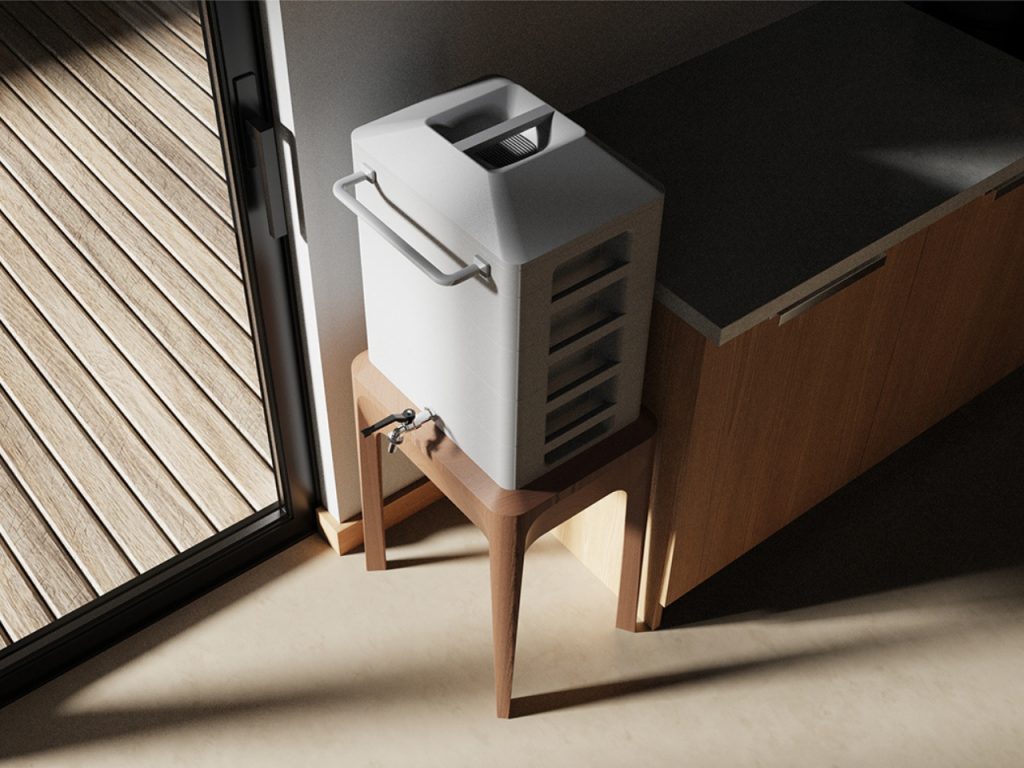
Revermi by Sam Kauranen
What makes Revermi stand out is not just its technical features but its empathy for the user. It removes the psychological and practical barriers that stop many people from composting in the first place. By being intuitive, attractive, and low-effort, it turns sustainability into something approachable, even for those who usually choose convenience over conscience.
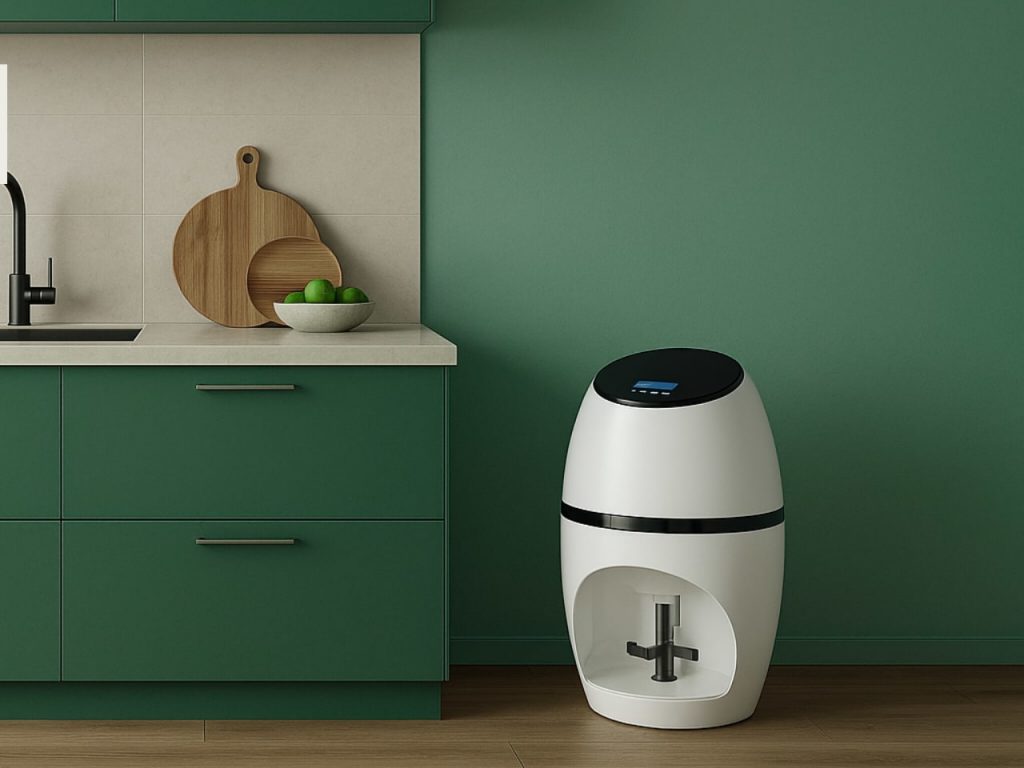
Vith by Chandra Vasudev (via yankodesign)
While some designs focus on simplifying composting, others aim to make it more biologically authentic. Vith, a concept by Chandra Vasudev, responds to a growing criticism of countertop composters that merely grind and dry food waste into inert material. These devices reduce volume but stop short of creating true compost that can enrich soil.
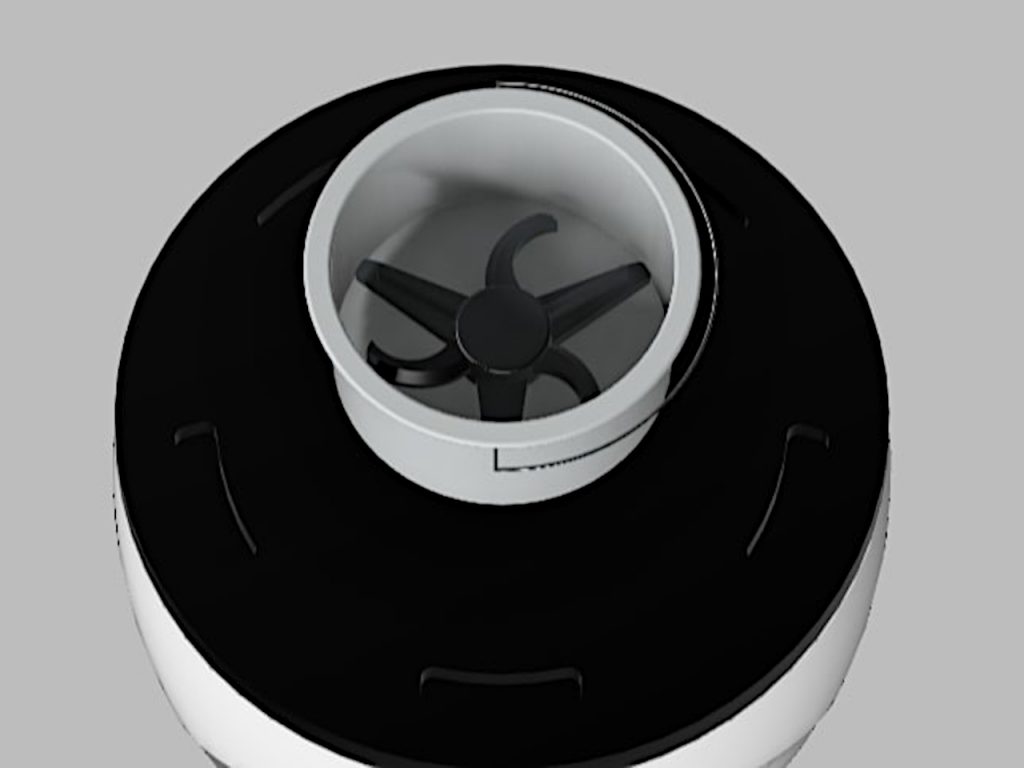
Vith by Chandra Vasudev
Vith takes a two-stage approach that brings real decomposition into a kitchen-friendly appliance. In the upper chamber, food waste is shredded and gently dehydrated to create uniform particles with balanced moisture levels. This preparation step ensures that what moves into the next phase is optimized for microbial activity rather than being an unpredictable mix of scraps.
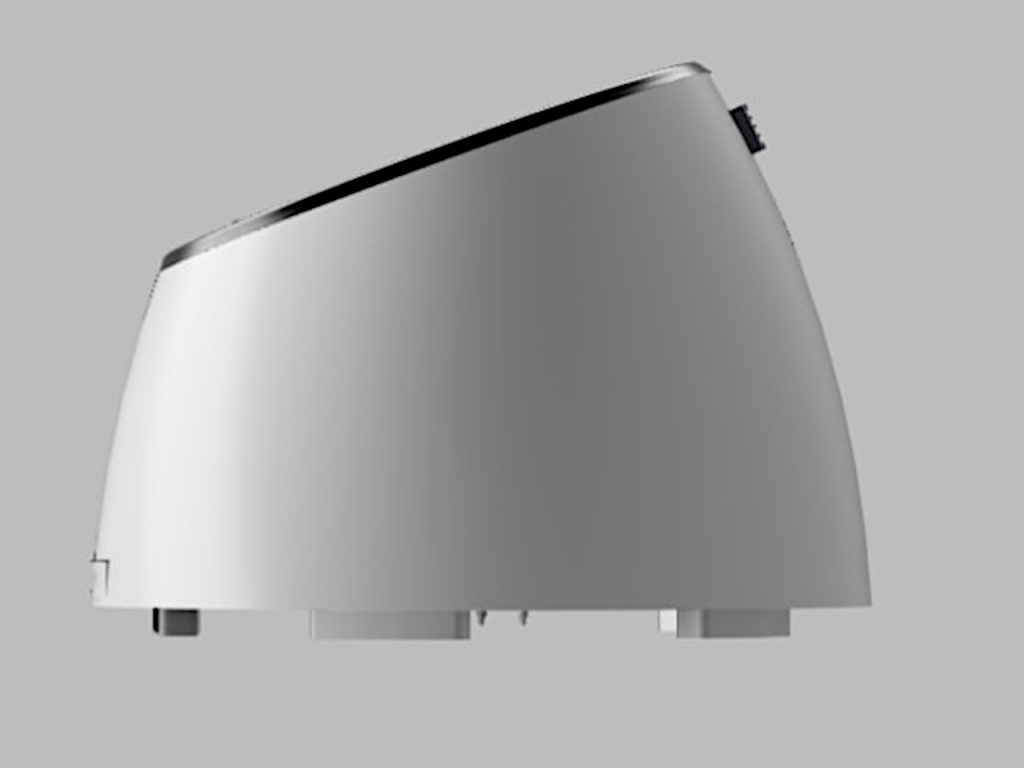
Vith by Chandra Vasudev
The lower curing chamber is where composting truly happens. Microbial cultures, controlled moisture, and natural heat generated by decomposition work together in the mesophilic range. Instead of relying on constant high heat, the system supports biological processes while integrated sensors quietly manage airflow, temperature, and humidity in the background.
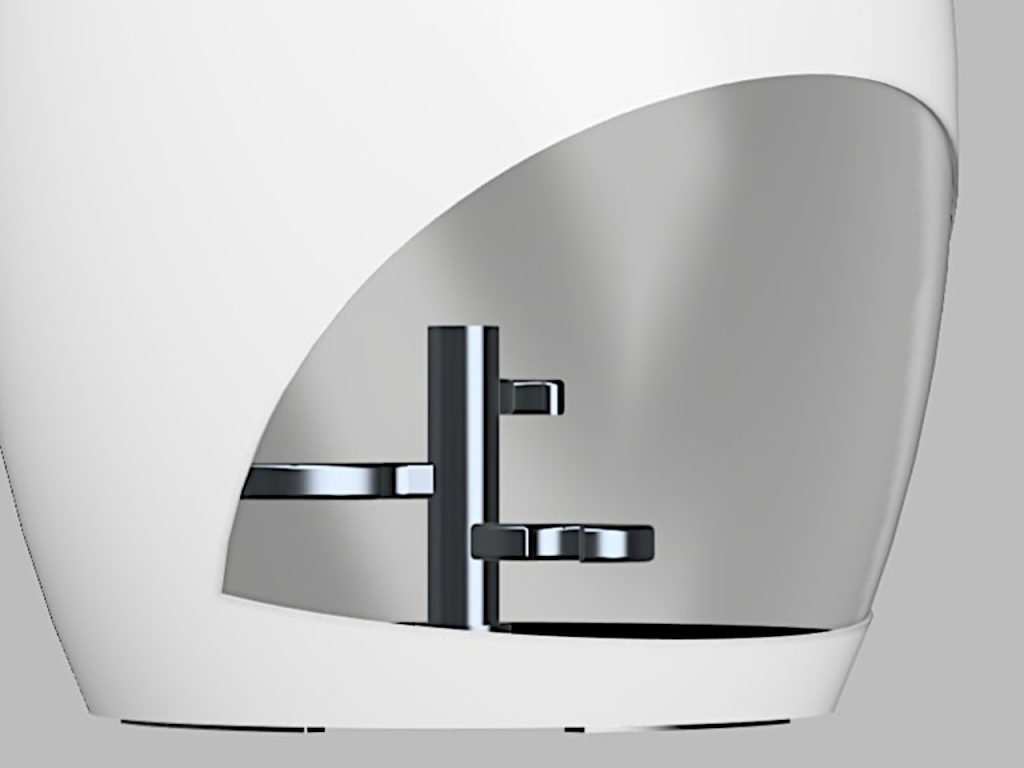
Vith by Chandra Vasudev
After roughly two weeks, the result is usable compost that smells like earth and can go straight into planters, balcony gardens, or community plots. Vith fits into daily life by behaving more like an appliance than a project, sitting unobtrusively in the kitchen and turning waste into soil without demanding attention. It closes the loop in a way that feels both realistic and repeatable for apartment living.